
Last updated: Apr 19, 2026
Tooele sits in a dry basin west of the Oquirrh Mountains, so roofs are exposed to strong sun, low humidity, and sharp temperature swings compared with Wasatch Front valley locations closer to Salt Lake City. Those conditions push the roof surface to heat up blisteringly in summer and then snap back to freezing levels in winter. The result is accelerated shingle aging, fast-drying underlayment stress, and more frequent flashing and penetration failures. The high-desert sun also degrades surface coatings and coatings' seals, making edges, valleys, and vents more vulnerable to moisture intrusion after a cold snap.
The city's roofing season is strongly shaped by cold snowy winters and a more workable spring-through-fall window for tear-offs and replacements. Short, intense winter weather means many homes endure freeze-thaw cycles that can crack shingles, loosen seals, and push water past poor penetrations or worn flashings. Spring and early summer give you a usable window to re-cover or replace before the next heat surge arrives, but that window can close fast if late snow or seasonal hail rips through the work schedule. Planning ahead and prioritizing projects that show signs of edge deterioration or lifted shingles now will save you from urgent repairs when storms return.
Spring hail and heavy rain are a recurring local concern, while winter snow and freeze-thaw stress flashing, penetrations, and shingle seals. Hail impacts create micro-cracks and bruises that weaken shingles over time, often invisible from street level until a wind-driven rain forces moisture to seep in behind the outer layer. Freeze-thaw cycles push water into seams and around penetrations; as temps bounce between freezing and above-freezing, that water expands and contracts, widening gaps and accelerating asphalt wear. Valleys, step flashings, chimney sides, vent boots, and skylight edges are common failure points when stress accumulates.
Inspect after winter and again in early spring for curled edges, lifted tabs, or hail bruising, paying special attention to flashing around penetrations and along the ridge. If a section of shingles shows signs of wear or soft spots after a thaw, prioritize evaluation by a local roof inspector who knows Tooele's sun exposure and wind patterns. Don't delay resealing or flashing upgrades where you find loose materials, and consider reinforcing critical seams and valley areas before the next hail season hits. When planning a replacement, target the spring-to-fall window to minimize weather-induced delays and maximize long-term performance against sun, temperature swings, and moisture intrusion.
The dominant residential materials in Tooele are asphalt shingles, metal roofing, clay tile, concrete tile, wood shingles or shakes, and synthetic or composite shingles. Each material has a different response to the local climate, so choosing a system begins with understanding how the high-desert sun, rapid freeze-thaw cycles, and spring hail interact with those options. Asphalt remains common for its balance of performance and value, but its longevity hinges on UV exposure management and proper attic ventilation. Metal roofs shed heat well and resist hail, yet some profiles can be noisy in wind-driven rain and may require careful panel fastening to survive winter loading. Clay and concrete tiles offer excellent durability in sun and heat but bring significant weight and a need for solid roof framing. Wood shingles or shakes deliver a natural look but demand careful moisture management and regular maintenance to resist splitting and cupping. Synthetic or composite shingles aim to blend light weight with good UV resistance and can mimic a broader spectrum of traditional materials with fewer structural demands.
Tooele's hot dry summers accelerate UV-related aging on asphalt and wood products, so heat resistance and ventilation become central considerations. If asphalt shingles are chosen, select a reflective or cool-shingle variant to reduce heat buildup in the attic and prolong the life of the roof deck. For wood products, ensure the underlying structure has adequate ventilation and a proper underlayment strategy to minimize drying cracks and warping in the attic and rafter bays. Metal roofs typically fare well under desert sun, but some coatings fade and chalk in intense sun years; a quality finish and proper attic insulation help maintain performance. In all cases, confirm that the attic has sufficient intake and exhaust ventilation to keep temperatures and humidity in check, reducing the rate of materials aging from the inside out.
Heavy tile systems warrant a structural check before installation, especially in a basin geology that still sees winter snow loading. Clay and concrete tiles are significantly heavier than asphalt or most metal profiles, so the roof framing must be capable of carrying the added weight without risk of sag or compression damage to the supporting walls. If a switch to tiles is on the table, an engineering assessment is prudent to confirm rafters, trusses, and fascia are up to the task. For lighter options like asphalt, metal, or synthetic shingles, framing needs are typically less onerous, but always verify that the existing structure can handle any additional installation requirements (such as extra underlayment or insulation measures) without compromising overall roof integrity.
With Tooele's freeze-thaw cycle, look for signs of hairline cracks in asphalt or wood that may indicate UV stress or thermal cycling. Hail impact is another frequent concern; metal roofs and concrete tiles tend to show specific dent patterns, while clay tiles may crack on impact, potentially needing targeted repairs rather than full replacement. Regular inspections after severe weather help catch issues before they propagate into leaks. If a roof approaches the midpoint of its expected service life, schedule a professional assessment that weighs the current condition against replacement options that suit your home's structure and the local climate. A well-ventilated attic, a solid deck, and careful material matching set the stage for reliable performance through the region's notable temperature swings and winter snow loads.
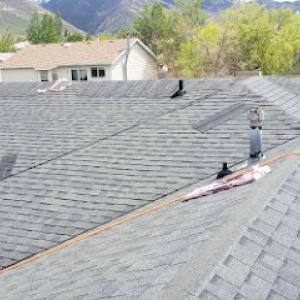
Tooele Roofing
(801) 317-1382 www.tooeleroofing.com
40 Benchview Dr Unit C, Tooele, Utah
5.0 from 2 reviews
We are a roofing company in Tooele Utah that works on homes and business all throughout Tooele County. We are fast and efficient with all of our roofing jobs no matter the color or material you decide for your home or business. Call us for new roofs or for roof repair. We do our best to get you an accurate estimate over the phone fast.
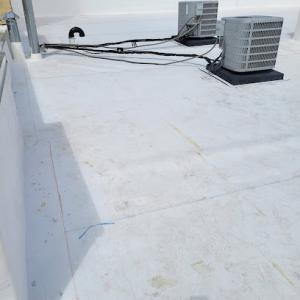
Scorpion Roofing
(435) 200-9102 roofingcontractortooeleut.com
Tooele, Utah
5.0 from 2 reviews
Scorpion Roofing, LLC is a dependable roofing company in Tooele, UT. We have 30+ years of experience. Feel free to call us today for more information.
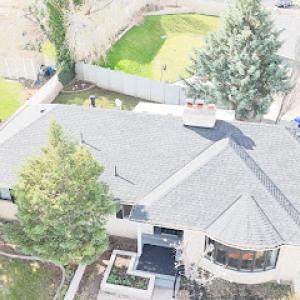
Classic Roofing
(435) 354-9119 classicroofing.biz
Serving
5.0 from 54 reviews
Classic Roofing for commercial and residential roofing solutions. With over 20 years of combined expertise, our skilled professionals excel in installations, repairs, and maintenance. Our team comprises experienced roofers, ensuring hands-on mastery of every project. Collaborate with us to design and craft a roofing system together. Schedule your consultation today and let Classic Roofing redefine excellence in roofing!
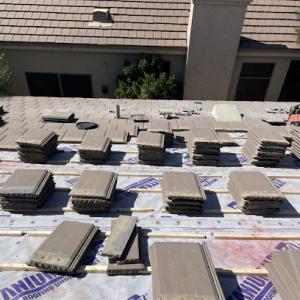
Gurr Brothers of Salt Lake City
(480) 572-8942 gurrbrothersroofing.com
Serving
4.9 from 672 reviews
At Gurr Brothers of Salt Lake City, we pride ourselves on providing exceptional roofing services for both residential and commercial properties. Our team of experienced professionals are dedicated to delivering high-quality workmanship, fair pricing, and outstanding customer service. Trust us to keep your roof in top condition. Schedule a consultation today!
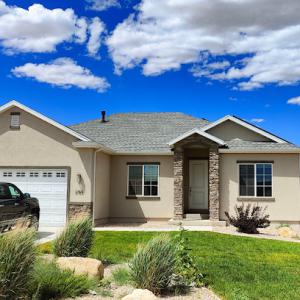
Timberline Roofing
(801) 876-1871 timberlineroofingutah.com
Serving
4.6 from 83 reviews
Your roof is an integral part of your home or business that protects it from the elements, so don’t choose just anyone as your preferred Utah roofing company. After all, a roof & gutter inspection, roof & gutter repair, roof & gutter installation is only as good as the company you hire. Timberline Roofing is one of Utah's most respected roofing repair and installation companies. In our 10+ years of service we’ve earned our reputation through hard work, quality customer service, and unbeatable savings! From small single-family homes to large restaurants and offices, no job is too complex or large for us. If you’re ready to hire the best roofers in town, contact us today. We service from St. George to Ogden. Based in Salt Lake County.
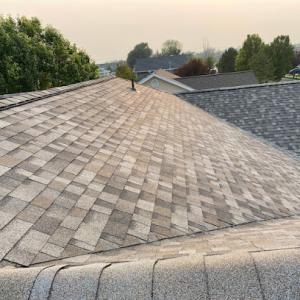
Intermountain West Contractors
(801) 232-5690 iwcroofingutah.com
Serving
4.9 from 499 reviews
Rise above the rest with Intermountain West Contractors, your Platinum-certified partner in roofing excellence. As Utah's esteemed experts, we bring a legacy of quality that stands as tall as the Rockies themselves. Every shingle we lay is a pledge of trust, and with 25 years of experience, we've built a fortress of reliability with Owens Corning, the most trusted name in roofing materials. Our commitment is ironclad; we're held to the loftiest standards of craftsmanship, a standard confirmed by Owens Corning's own random quality inspections. We don't just cover homes; we elevate them with superior upgrades included at no extra cost. From the resilience of Ice & Water shield to the finesse of ridge vents, we ensure your bid encapsulates ...
V3 Roofing & Renovation
(385) 900-4618 v3roofingandrenovation.com
Serving
4.8 from 26 reviews
At V3 Roofing and Renovation, we are more than just a roofing company. We are your whole home and exterior company. We specialize in everything from small roof repairs to extreme storm damage as well as gutters, soffit and fascia, and siding. Additionally, we work closely with your insurance to cover repairs if you have storm damage. When you call on us for repairs, we treat you like family. We are a local company and strive to be the best business ambassadors possible, for the great state of Utah.
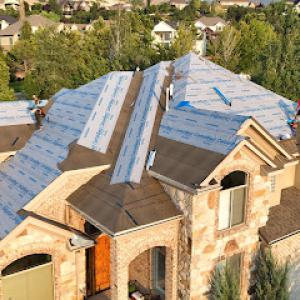
Go Pro Roofing
Serving
5.0 from 43 reviews
Go Pro Roofing, located at 5291 West Ted Way, West Valley City, UT, is your premier roofing contractor dedicated to delivering top-notch residential and commercial roofing services across Utah. Specializing in residential roofing, full roof replacements, new roof construction, and general roof repairs, our expert team combines innovative techniques with masterful craftsmanship to ensure impeccable results. We also offer comprehensive Official Inspection Reports for selling, asphalt roofing, and even landscaping services to enhance your property. With a steadfast commitment to customer satisfaction, Go Pro Roofing ensures every project meets the highest standards of quality. Contact us today for transparent estimates and outstanding service!
First Stop Roofing & Solar
(801) 706-2556 www.firststoproofingandsolar.com
Serving
4.9 from 69 reviews
Local Roofing Installer. Local solar installer. We Provide Honest Quality Business.
Top Grade Roofing
(801) 385-7729 www.topgraderoofingutah.com
Serving
5.0 from 31 reviews
Top Grade Roofing is your go-to expert roofing contractor located at 5718 W 3500 S, Suite #126, delivering premier roof repair, replacement, and installation services. Whether you need a reliable roofing company near me, expert roof inspection, or robust metal roofing, our certified team guarantees top-notch quality and durability. Count on us for seamless roof installations and replacements tailored to your needs. Our commitment to excellence ensures peace of mind, backed by comprehensive free roof estimates. Choose Top Grade Roofing for the most reliable and efficient roofing solutions near you.
Roof-Wise
(435) 655-1246 www.roofwisesaltlake.com
Serving
5.0 from 13 reviews
Roof-Wise is your trusted local expert for roofing services and fixes in Park City, South Jordan, Murray, South Salt Lake, and Midvale. We specialize in roof repairs, replacements, inspections, and maintenance for both residential and commercial properties. Our skilled team uses high-quality materials and proven techniques to ensure long-lasting protection for your home or business. With fast response times, honest pricing, and a commitment to customer satisfaction, Roof-Wise delivers dependable roofing solutions tailored to Utah’s unique climate. Experience peace of mind with roofing done right—every time. Hablamos Español.
Chalk Line Roofing
(801) 448-8803 www.chalklineroof.com
Serving
5.0 from 59 reviews
Chalk Line Roofing provides expert roofing services with a focus on insurance claims for wind and storm damage. We specialize in helping homeowners restore and replace aging three-tab shingle roofs by working directly with insurance companies to maximize coverage. Our team prides itself on precision, professionalism, and transparent communication, ensuring every project is completed to the highest standards. From free inspections to full replacements, we’re here to protect your home and give you peace of mind.
In this high-desert climate, the combination of intense sun, winter freeze-thaw cycles, and spring hail can wear roofs unevenly. Utah homeowners insurance in markets like Tooele often reflects variable hail and wind exposure, which can affect premiums and underwriting for older roofs. That means a roof that looked fine last year might raise flags this season if a few granules have started to shed or if asphalt shingles have curled edges. When a hail event sits on the calendar, carriers may reassess risk, especially for roofs with visible aging or prior repairs. Understanding that dynamic helps you anticipate whether a claim could be smoother immediately after a storm or if a qualified adjuster will drill into the nuanced state of aging materials.
After spring storm events, carriers may require detailed roof-condition documentation, and claims commonly involve adjuster site visits plus contractor photos. Tooele residents often find that the adjuster focuses on the intersections between sun-worn surfaces and hail impact patterns, looking for signs of moisture intrusion or accelerated granule loss. Preparation matters: neat, dated photos taken from multiple angles, timestamps on any temporary tarps or patchwork, and a simple written record of observable issues can speed the process. If you have a long roof line or a mix of materials, expect questions about sealant age, flashings, and attic ventilation, all of which can influence whether a repair, partial replacement, or full replacement is recommended by the insurer.
Multiple prior claims can affect future coverage terms, so Tooele homeowners need dated photos and written records before and after hail or wind events. A consistent log helps prevent later disputes about preexisting conditions or the severity of a storm's impact. Store a clear before photo set of the roof and stamps on any exterior fixes, then compare to after-storm images to show progression. When hail season arrives and a storm hits, you'll want a straightforward narrative: what changed, what was repaired, and when. Clear documentation reduces the ambiguity insurers often cite in denials or partial payments and supports a more accurate assessment by the adjuster, helping you navigate the aftermath with less guesswork.
Typical Tooele pricing runs about $350 to $650 per square for asphalt shingles, $700 to $1200 for metal, $1000 to $1800 for clay tile, $900 to $1500 for concrete tile, $600 to $1100 for wood shingles or shakes, and $500 to $1000 for synthetic or composite shingles. That spread reflects the valley's demand swings and the mix of steep-slope homes common in the area. In spring, when hail and wind events hit across the county and the Salt Lake metro market, costs can creep higher as crews, materials, and lead times tighten up. If a replacement happens after a hail storm, you may see additional demand-related bump or a short-term price squeeze on specialty products.
Tooele's high-desert freeze-thaw and hail cycle wears roofs in a hurry. Freeze-thaw creates micro-cracks in shingles and tiles, and hail can gouge or crush softer surfaces. Asphalt shingles often show wear after 15 to 25 years in this climate, while metal can stretch the replacement window a bit longer if a good coating is chosen and drainage is maintained. Tile products-clay or concrete-tend to have longer lifespans but require precise installation and battens to resist wind uplift on exposed ridges. The timing of replacement matters: a roof closer to the end of its service life is more likely to suffer from hail-driven edge damage and accelerated underlayment wear, which affects long-term value.
Material choice affects local labor complexity: tile and metal installations generally require more specialized crews than standard asphalt re-roofs common on subdivisions. In Tooele, a tile roof may carry higher labor costs due to careful handling, cutting, and the need for experienced setters who understand breakage risk and wind uplift. Metal roofs also demand skilled fastening and flashing expertise to seal seams against snow and wind-driven rain. If your project involves tile or metal, plan for a higher cost ceiling and a longer installation timeline compared to asphalt.
When budgeting, assume the higher end of the range if a spring hail event hit your neighborhood and neighboring homes. If you want the best value, schedule ahead of peak season and verify that the contractor can provide the exact product you want, not a substitute. For asphalt, inspect existing shingles for granule loss as a quick gauge of remaining life; for tiles, confirm underlayment and ridge vent compatibility with the steep slope. Finally, consider how the replacement aligns with future weather expectations: a longer-lasting option like concrete tile can justify the upfront premium if hail risk and freeze-thaw cycles persist, while asphalt remains the most economical short-term choice.
In this part of the Basin, a full re-roof in the area typically requires a permit rather than being treated as minor maintenance. That means you should plan for the local building department to be involved early in the project. Your first step is to confirm that a reroof is subject to permit review for your exact property, especially if you have an older residence or a unique roof configuration. A permit ensures the work aligns with local codes for wind uplift, fire resistance, and energy efficiency, and it provides a clear path for inspections as the project progresses.
The building department takes a practical, door-to-door approach in Tooele County. They review the reroof application, collect the associated fee, and issue the permit before any shingle bundles or metal panels are pulled onto the roof. This sequence helps prevent surprises and keeps the project on a predictable schedule. Some jurisdictions within the area may require additional documentation up front, such as proof of contractor license and current liability insurance, before permit issuance. Having these items ready can reduce delays and helps keep the project moving through the permit office smoothly.
Inspections occur at key milestones to verify proper installation practices and to catch potential issues early. During installation, inspectors pay special attention to flashing around chimneys, vents, and where roof planes meet walls or dormers. Proper ventilation is also a focus, ensuring soffits, ridge vents, and attic baffles are installed correctly to manage the high-desert sun and freeze-thaw cycles that stress the roof system. After completion, a final inspection confirms the entire roof system is secure, with adequate fasteners, correct underlayment, and proper attachment of all components.
To avoid permit delays, gather documentation that may be requested by the local jurisdictions. This can include contractor license details, proof of insurance, and a description of the proposed roof system, including underlayment and ventilation methods. Having these ready at the time of application helps the department review the project without back-and-forth requests. If a contractor has already started prep work before permit approval, expect additional scrutiny or the need to address any unpermitted activities.
Coordinate timing with the permit office to align with weather windows, since extreme summer sun and winter freeze-thaw cycles can influence roofing material choices and warranty requirements. Keep copies of all permit documents on-site during the project in case inspectors request them. Clear access to the roof and ventilation openings aids the inspection team and helps prevent delays due to accessibility concerns.
In the high-desert winter, moisture trapped around flashing details and around roof penetrations can freeze and expand. Over multiple seasons this cycle pries apart seals where flashing meets the deck, around chimneys, vents, skylights, and step flashing along valleys. The result is slow leaks that may not be obvious until spring rains or late-season snow melt. A roof with aging seals or poor initial flashing installation is especially at risk, because each freeze-thaw event nudges the problem a little further along. Regular inspection after winter and before the spring moisture ramp-up can catch lifting or loose fasteners early, saving interior damage and costly repairs.
Dry western Utah sun radiates heavy heat directly onto steep slopes. This climate can shorten the service life of lower-grade asphalt and wood roofing products. Curling edges, cracks, and premature granule loss become telltale signs that hail or wind could follow with less tolerance for impact. In Tooele's sun-baked exposure, choosing more durable materials or higher-end asphalt with proper underlayment and ventilation matters because the sun translates into long-term wear at the surface and beneath.
Autumn winds can complicate installation quality and debris control on active reroofs. Edge securement and clean eaves become more critical as gusts rise. Debris driven under loose rake boards or underlay can lift shingles during the first freeze. Homeowners should scrutinize edge fastening, ensure gutters are clear for proper moisture shedding, and demand tidy cleanup to prevent punctures and hidden damage as winter approaches.