
Last updated: Apr 19, 2026
Cold winter snow and ice in this area hammer roofs with repeated freeze-thaw cycling. Over time, that cycle can open vulnerable shingle tabs, widen flashing joints, and stress penetrations where pipes, vents, and chimneys pass through the roof. Your attic ventilation becomes critical, because poor airflow compounds moisture buildup after a thaw, accelerating rot in sheathing and underlayment. In Midvale, a seemingly small crack or loose shingle tab today can become a bigger leak after several more freeze-thaw cycles. Look for hairline cracks along edges, lifted edges where granules have worn away, and any shiny lines at flashings that indicate movement. If the snow sits high on the roof, heat from the attic can melt a path that refreezes into an ice dam, pushing water under shingles and behind flashing. That is a telling sign to act fast.
Spring brings hail and wind storms that are a major local trigger for roof inspections, temporary leak protection, and post-storm insurance activity. Dented or missing shingles, bruised edges, and torn granules scream for immediate evaluation. Even if you don't see a puddle indoors, a hail strike can weaken the shingle surface, reduce performance against UV rays, and allow water to penetrate at seams and penetrations. Wind can peel back tabs and lift edges, especially on older roofs or those with insufficient attic vents. After a storm, walk the perimeter with a flashlight at dusk to catch moisture intrusion peeking under the eaves or along the rake edges. If moisture is found near soffits or vents, treat it as a sign that the underlayment and flashing may require closer inspection.
Winter weather can delay repairs and replacements, making fast tarping and moisture control essential. If a tree limb or debris lands on the roof during a storm, do not delay. Place a sturdy tarp over damaged areas to keep rain out while arranging temporary protection. Secure tarps with roof-rated fasteners and weight, ensuring edges overlap to shed water away from the vulnerable zones. Monitor for new leaks after each thaw or additional snowfall, and be ready to deploy tarping again if a new rain event follows a cold stretch. Keep gutters clear so meltwater can channel off the roof rather than backing up and seeping under shingles.
After a storm, documenting damage is crucial for insurance and for move-ahead repairs. Take high-resolution photos of all affected sections: roof valleys, flashings, vents, chimney terminations, and any fascia or soffit damage. Note dates of the storms, wind speeds if available, and how long the roof remained exposed to the weather before any temporary protection went up. Compile a simple timeline and keep copies of any temporary tarps, repairs, and subsequent inspections. A clear, dated record helps establish the sequence of damage, especially when multiple events occur during a harsh winter and spring.
Anticipate more freeze-thaw cycles in the years ahead and schedule a comprehensive roof health check before the next winter set begins. Prioritize securing underlayment integrity, resealing any compromised flashing joints, and improving ventilation to minimize condensation. A well-ventilated, properly flashed roof chamber reduces moisture buildup and extends the life of shingles and other roof assemblies, which is especially valuable in the Midvale climate. Regular checks after storms and freezes keep minor issues from becoming major, costly repairs.
In a neighborhood where homes range from modest bungalows to two-story ranches, the installed cost for roofing materials varies widely. Asphalt shingles sit at the lower end of the market while metal, tile, and slate rise sharply in installed cost. Local ranges run from 350 to 3700 USD per square depending on material. The spread reflects not just the material itself but the complexity of the roof, attic ventilation, and the underlayment and flashing that support each option. When a storm season hits, you'll see the numbers move as crews are in higher demand and suppliers push through peak pricing. That means a planned replacement in late summer can sometimes be more economical than waiting for a post-storm window, if timing allows.
Asphalt shingles offer a straightforward, budget-friendly path, typically keeping projects toward the lower end of the range. If the roof experiences freeze-thaw cycles and occasional hail, the midlife performance matters: a thicker, architecture-style shingle can help resist wind uplift and minor hail better than a standard strip shingle, but the long-term cost is still modest compared to premium options. Metal roofing climbs quickly in installed cost once you factor in deck preparation, flashing, and potential enhancements for snow guards and attic venting. Tile options-clay or concrete-appear mid-to-high in price, with clay leaning toward the higher end due to weight considerations and the need for a reinforced structure. Slate sits at the top of the scale in most Midvale homes, reflecting its durability and the precision installation it requires. The practical takeaway is to match the material to both budget and expected wear from hot dry summers and winter freeze-thaw cycles that can shorten the life of lower-grade systems or trigger additional underlayment and flashing requirements. In this regard, the choice isn't simply about initial cost but the cumulative expense over decades, including maintenance and potential underlayment upgrades.
Storm seasons along the Wasatch Front push people toward quicker fixes after hail and wind events, and that demand can push costs up in a hurry. If a major storm hits, you may see price signals from crews who rush to cover and then restore roofs, which can affect scheduling and hourly rates. When planning, document conditions thoroughly: take dated photos of damage, note missing shingles, lifted flashing, and any interior signs of moisture. If a claim is pursued, this documentation helps establish the sequence from damage to replacement. A well-kept record of materials used, product specifications, and contractor notes can streamline discussions with insurers and reduce back-and-forth during settlement. For total project budgeting, plan for the material's installed price plus a realistic cushion for storm-driven scheduling and potential overages on underlayment, flashing, and ventilation components, all of which factor into the final bill in this market.
BigHorn Roofing
7789 S Allen St, Midvale, Utah
4.8 from 396 reviews
BigHorn Roofing is a locally owned and family-owned asphalt roofing company serving homeowners throughout Utah. Being licensed and insured with over 20 years of industry experience, they're the best choice for a contractor. BigHorn Roofing is dedicated to delivering high-quality roofing solutions at affordable prices, understanding that repairing or replacing a roof can be both mentally and financially stressful. BigHorn Roofing uses cutting-edge materials including shingle roofing to help their customers protect what may be their biggest investments. With their knowledgeable team, commitment to excellence, and partnership with some of the best roofing materials, BigHorn Roofing is the roofing company anyone can trust.
Chipman Roofing
(801) 664-2906 chipmanroofing.com
7065 Commerce Park Dr, Midvale, Utah
4.8 from 42 reviews
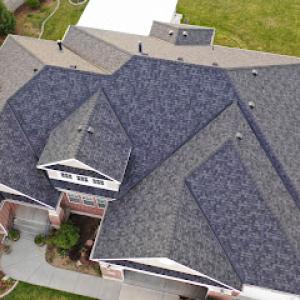
Chipman Roofing is a premier roofing company in Utah, family owned and operated, with over 20 years of combined experience. We are licensed and insured, provide prompt hassle free quotes, offer 50 year warranties, and are CertainTeed Certified Contractors. We use high quality products, we’re efficient, and our pricing is more than fair. We’ll even work with your insurance company to ensure the job gets done. No time is wasted at Chipman. We get to work right away so there are no delays. Our turnaround times are usually within 3 days on homes.
Fortress Roofing
(801) 316-8099 www.fortressroofingutah.com
Serving
4.6 from 120 reviews
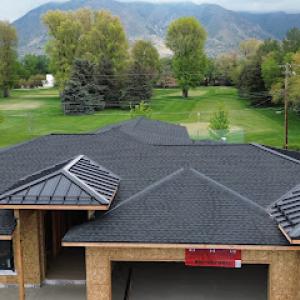
Fortress Roofing has been proudly serving Salt Lake City, UT, and surrounding communities since 1992. With over three decades of experience, we specialize in high-quality roofing solutions for both residential and commercial properties. Our team is dedicated to providing reliable roof installations, repairs, and replacements, always using top-grade materials and expert craftsmanship. As a trusted roofing contractor, we are committed to protecting your home or business with durable, long-lasting results and excellent customer service. When you choose Fortress Roofing, you’re choosing a local company with a proven reputation built on honesty, professionalism, and decades of satisfied customers.
Shelley Construction
(385) 347-0568 shelley-construction.com
Serving
4.8 from 57 reviews
When you think about the safety and integrity of your home or business, your roof plays an essential role. Whether you're dealing with leaks, wear and tear, or simply need an upgrade to enhance the appearance and value of your property, Shelley Construction is the trusted roofing contractor in Murray, UT, that has been solving roofing challenges since 2018. We understand that your roof is more than just a cover over your head -- it's a critical component that protects your investment, and we’re here to ensure it stands strong against time and the elements. Shelley Construction specializes in a comprehensive range of roofing and exterior services tailored to meet the unique needs of residential and commercial customers.
Alta Roofing
(385) 450-7663 www.altaroofing.com
Serving
4.7 from 75 reviews
We are a licensed contractor who specializes in storm restoration. Do you have wind or hail damage to your roof? Most people don't realize that their homeowners insurance can pay to replace their entire roof from hail or wind damage. We can come give a free, no obligation inspection to let you know what damage we see.
Milne Brothers Roofing
(801) 268-4496 www.milnebrothersroofing.com
Serving
5.0 from 36 reviews
We specialize in low-pitch, asphalt, residential roofing services. We have been in business since 1978! We strive to have an Owner on Every Job!

IKON Roofing
Serving
4.9 from 85 reviews
Ikon Roofing is a top-rated, locally owned roofing company based in West Jordan, Utah, providing expert roof repairs, full roof replacements, storm damage restoration, emergency tarping, and insurance-approved roofing services throughout Salt Lake County and Northern Utah. We proudly serve West Jordan, South Jordan, Sandy, Draper, Taylorsville, West Valley City, Herriman, and surrounding areas, as well as Utah County cities including Lehi, Orem, and Provo. Our licensed, insured, and GAF-certified roofing contractors specialize in shingle and metal roofing built to withstand Utah’s hail, wind, and extreme weather. We offer free roof inspections, fast response times, and full insurance claims assistance for residential, commercial, and HOA ro
ReRoofIt
Serving
4.9 from 49 reviews
ReRoofIt is one of the few Salt Lake roofing contractors that is Gephardt Approved. As a full-service roofing company, based in Sandy, UT, we specialize in fixing and replacing old or damaged roofs for both residential and commercial properties. We are experienced with a broad range of roofing types from flat roofs to extreme pitched roofs. We also work with a variety of roofing materials including asphalt shingles, TPO, EPDM, metal, and more. Whether you need roof repairs, roof maintenance, a roof inspection, or a roof replacement, we can help. At ReRoofIt, you can count on the highest quality for both workmanship and materials. We are committed to ending every project with a satisfied customer and a roof you can depend on.
Jordan River Roofing
(801) 857-1417 www.jordanriverroofing.com
Serving
4.9 from 39 reviews
We’re all about quality work at Jordan River Roofing. From the initial inspection to repairs, installations, and attic ventilation, we stand by our work with a warranty and a satisfaction guarantee. Being a good roofer also involves knowing how to listen. Our roofers know you have fears regarding your home, but you also have goals for the future of your property. What you need is good information and a reliable assessment from a roofing contractor you can trust, one who understands the full scope of what you want. That’s the kind of professional service you get from Jordan River Roofing - just read our reviews for more on that front!
We Do Roofing Salt Lake City
(385) 842-3504 wedoroofingslc.com
Serving
4.9 from 135 reviews
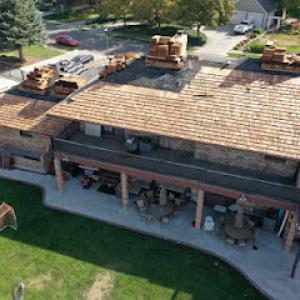
We Do Roofing Salt Lake City is a respected roofer in Salt Lake County Utah with over 20 years of experience. At We Do Roofing Salt Lake City we are a licensed roofing contractor that provides expert roof repairs, re-roofing, new construction roofs, as well as roofing repairs for both residential and commercial customers.
New Vision Roofing & Landscaping
(801) 420-8746 www.newvisionrnl.net
Serving
5.0 from 21 reviews
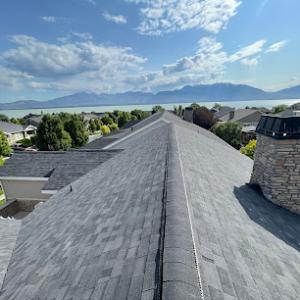
New Vision Roofing & Landscaping is your local trusted family company located in the Salt Lake Valley. With more than 20 yrs of experience we’d love to give you a free estimate. No obligation required so don’t hesitate to give us a call!
Fresh Roof SLC
(385) 499-3221 www.freshroofdealers.com
Serving
4.8 from 17 reviews
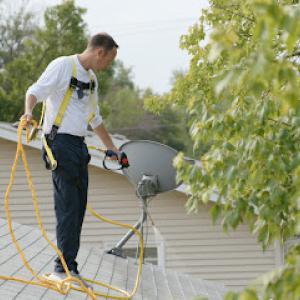
At Fresh Roof SLC we specialize in getting you more life out of your roof! Our roof rejuvenation service and tune up process helps prevent early replacement and extends you roofs lifespan at a fraction of the cost of replacing. Give us a call today for a free inspection!
Asphalt shingles are common on the neighborhood blocks around town, and they perform well when a solid ventilation plan is in place. In summer heat, direct sun can accelerate aging if attic ventilation is weak or underlayment isn't breathable. Make sure the roof has adequate soffit and ridge ventilation, and choose a shingle grade that suits Utah's sun exposure and freeze-thaw cycles. A high-quality underlayment beneath the shingles helps resist radiant heat and keeps moisture from penetrating during rapid spring temperature swings. In practice, you'll want to verify that the shingles you select have good UV resistance and a strong warranty, and that the installation crew adheres to proper nailing patterns and ventilation details to maximize long-term performance.
Metal can ride out Midvale's snow and wide temperature shifts, but the transition points where metal panels meet walls, chimneys, and vents demand extra attention. The flashing should be continuous and sealed at penetrations to prevent ice damming and wind-driven leaks during windy spring storms. When choosing metal, pay attention to panel profiles that minimize surface heat gain and reduce thermal movement, which helps with expansion and contraction over multiple seasons. The roof deck must be solid enough to support the weight and trim systems should account for snow load paths. In freeze-thaw conditions, every seam and fastener needs corrosion-resistant hardware and careful sealing to avoid mounting-age weaknesses.
Clay tile and concrete tile bring a distinctive look and durability, but their weight means structural considerations and faster insulation-ventilation interplay shifts. Heavier systems often require a more robust deck, careful routing for attic ventilation, and precise layout to prevent tile fractures from ground movement or wind uplift. Synthetic or composite shingles offer a lighter alternative with better impact resistance and dimensional stability, yet still rely on sound flashing and underlayment to keep moisture out in the spring deluge and the fall freeze-thaw cycle. Slate delivers longevity and a refined aesthetic, but installation becomes more labor-intensive and exacting, with slope and framing requirements guiding the work. In every case, ensure that flashing around dormers, vents, chimneys, and valley intersections is designed to handle both heavy summer sun and winter wind-driven precipitation.
The local housing stock often evolves toward a mix of old and newer structures, so match the roof material to the existing deck's capacity and the home's typical exposure to sun and wind. Ventilation plans should be part of the material choice from day one, since attic airflow directly impacts how a roof endures freeze-thaw cycles and heat buildup. When considering any option beyond standard shingles, count on more precise alignment of flashing and penetrations, as well as a thoughtful approach to insulation and moisture management in the attic. Each material has its own maintenance rhythm, so align your plan with expected weather events-hail, wind, and freeze-thaw cycles-to keep the roof performing well through many seasons.
Explore specialists in steel, aluminum, and standing seam metal roofs built to last 50 years or more.
Chipman Roofing
(801) 664-2906 chipmanroofing.com
7065 Commerce Park Dr, Midvale, Utah
4.8 from 42 reviews
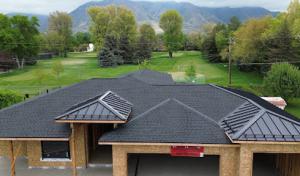
In this city, a full re-roof typically requires a permit through the City of Midvale Building Department. Before any shingle demolition or new roof installation begins, you should start the permit application with the building division and attach a clear project plan. This is not a casual contractor-only item; the permit process ensures that the roof layout, attic ventilation, flashing details, underlayment type, and drainage considerations meet local code expectations. Gather product data for the chosen underlayment, under-ventilation strategy, supply and exhaust vent placement, and any special flashing around chimneys, skylights, or roof penetrations. Expect plan review to check that the proposed installation aligns with code requirements and rainwater management, especially given winter freeze-thaw risks and spring hail exposure that Midvale roofs endure.
Midvale's process emphasizes on-site verification rather than treating a full re-roof as an informal scope item. Once the permit is issued and materials arrive, an inspector will visit during key phases to confirm compliance. The first visit typically occurs after deck prep, underlayment installation, and initial flashing is in place. The inspector will verify that the chosen underlayment is properly overlapped and sealed, that attic ventilation satisfies code minimums and is not obstructed, and that flashing around joints, skylights, valleys, and chimneys is correctly integrated with the roof planes. During the installation, expect subsequent checks to ensure fastener patterns, shingle alignment, and edge detailing meet code standards. Scheduling conflicts can slow the process, so coordinate access for the inspector with the crew and keep a copy of the permit on-site for quick reference. The goal is to prove that the roof, once completed, will perform well under Midvale's typical freeze-thaw cycles and spring wind events.
A final inspection is required to close the permit. The inspector will review the completed install for full code-compliant execution: clean flashing transitions, proper nailing patterns, correct venting configuration, and overall roof geometry as installed. Any deviation found during the final review needs correction before approval is granted. This step confirms that the re-roof will withstand Wasatch Front weather patterns and that existing venting and drainage are functioning as intended. If issues arise, address them promptly with the contractor and schedule a re-inspection to avoid delays in occupancy or use of the structure. Remember: the final stamp of approval signals that the new roof meets the local standards needed to weather mid-winter freeze-thaw cycles and spring hail exposure.
In this region, insurers expect solid evidence after a storm event. The combination of Wasatch Front freeze-thaw cycles, spring hail, and strong winds means roof aging and random damage can blur into a learning curve for both homeowner and carrier. Carriers often want detailed pre-loss and post-loss documentation to separate recent damage from long-term wear. Recognize that the market has not seen a broad pullback, but underwriting and replacement timing can tighten when wind and hail exposure spikes. That reality affects how quickly a claim moves and how much flexibility there is in selecting materials and methods.
The emphasis is on documentation you can provide quickly and clearly. Start with a recent roof plan and a dated set of photos showing the overall roof, then zoom in on suspected impact sites and flashing, underlayment, and ventilation components. If a claim involves wind-blown shingles or hail bruising, insurers will want close-ups that illustrate edge damage, granule loss, and any adjacent repairs. Evidence of prior repairs or visible wear can influence whether damage is deemed storm-related or due to aging. In practice, a well-maintained attic venting and a clean underlayment surface often helps the adjuster see a proper path to repair rather than a total replacement.
Keep a current, organized folder of roof-related images and notes. After a storm, your first move is a careful walk-around to catalog damage with dates and locations, then share that compilation with your insurer or adjuster when requested. If a contractor spots possible damage during a quick inspection, obtain a written assessment specifying suspected storm impact, then compare that with the pre-loss photos. When scheduling an assessment, ensure all visible areas-valleys, penetrations, and edge vents-are accessible and clearly photographed. If a dispute arises over cause, rely on chronological evidence: photos from before the storm, immediately after, and any interim weather that could contribute to wear.
Expect conversations about shingle age and prior repairs to come into play. The insurer may request additional documentation or an independent evaluation before confirming coverage for certain roof systems. This is not unusual or punitive; it reflects the market's careful approach to wind and hail exposure. By staying organized, avoiding delayed responses, and presenting a coherent narrative linking observed damage to a specific event, you improve the odds of a smoother path through the claim, even when weather patterns push the timeline.
Connect with contractors who help homeowners navigate the claims process from damage assessment to final approval.
Chipman Roofing
(801) 664-2906 chipmanroofing.com
7065 Commerce Park Dr, Midvale, Utah
4.8 from 42 reviews
Midvale's cold winters slow tear-off, dry-in, and inspection scheduling, making winter replacement less predictable than milder seasons. If you're weighing a winter project, expect tighter windows between storms and more careful weather forecasting. Snow load, ice dam risk, and potential roof de-icing delays can push crews into shorter, harder-working days. A winter replacement can work if the underlayment and flashing are prepped in advance and the forecast shows a stretch of dry days. Plan for longer timelines and staggered inspections to stay ahead of mid-season freeze-thaw cycles.
Spring can bring both hail risk and weather delays in Midvale, so homeowners often need to balance urgency against the chance of new storm damage during the project window. Start by assessing recent storm impacts and inventorying damaged areas promptly. If a storm hits, consider delaying nonessential work until after the worst weather passes, but don't delay major damage that could worsen with another round of hail or wind. Expect occasional rain interrupts and maintain tarping and temporary protection to limit further exposure.
Hot, dry summer conditions in Midvale can improve scheduling reliability but can also affect asphalt shingle handling and installation conditions during peak heat. Work early in the day to avoid peak heat, especially on roofs with steep pitches. Heat can stress materials and complicate adhesive sets, so confirm with the crew which hours are workable and what steps keep underlayment and flashing secure during high temperatures.
After a significant weather event, rapid assessment matters. If damage is obvious or insurance documentation is needed, start with a thorough roof inspection, noting missing shingles, lifted flashing, and signs of hail bruising. Document with photos, map affected sections, and keep a chronological record. If you're evaluating replacement versus repair, prioritize areas showing repeated damage or where water intrusion is evident, then align the timetable with dry spells to maximize install quality.
In Midvale's freeze-thaw climate, skylights and other roof penetrations are common leak points when flashing ages or movement opens gaps. That aging flashing can hide under snow cover for months, then fail suddenly with a spring warmup. When you notice condensation, staining, or soft spots around a skylight, treat it as a sure-fire signal to perform a careful reflash or, if needed, a full reflash with upgraded materials. The risk isn't just from water intrusion; repeated freeze-thaw cycles push sealants and caulks to their limits, widening gaps even where you can't see them.
Solar-integrated roofing work in Midvale needs to be coordinated with the same underlayment, flashing, and final inspection expectations that apply to other permitted re-roof projects. A successful solar install ties into the roof's weather barrier as a unified system, not a patchwork of components. Ensure the installer allocates proper curved or integrated flashings where penetrations meet the roofing plane, and verify that the underlayment behind it remains continuous around every seam. Any lapse can create a hidden path for moisture to travel, especially under hail impact or wind-driven moisture during late-season storms.
Penetration-heavy roofs in Midvale deserve closer post-storm review because hail, wind, and winter moisture can expose weak detailing faster than on simpler roof layouts. After a major storm, inspect not just the obvious areas around vents and skylights, but every boot, flange, and step-flashing joint. Look for hairline splits in sealant and signs of movement at flashing corners. If gutters or downspouts pull away with wind, that traction can tug at roof penetrations too. When you suspect movement or see recurring streaks near penetrations, bring in a trusted roofer to reseal and reflash as a preventive measure, rather than waiting for a leak to reveal itself.
Find contractors experienced in skylight installation, flashing, and leak repairs to bring natural light into your home.
Chipman Roofing
(801) 664-2906 chipmanroofing.com
7065 Commerce Park Dr, Midvale, Utah
4.8 from 42 reviews
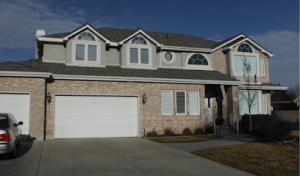
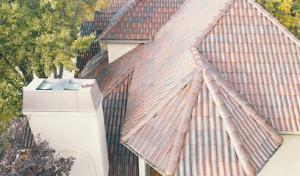
Although pitched residential roofs are common, contractor activity in Midvale shows meaningful low-slope and flat-roof work, especially on additions, porches, and mixed-use structures. This means you are more likely to encounter specialized detailing for transitions between old and new sections, as well as varied drip edges and edge termination needs. When evaluating a low-slope project, expect careful attention to seam integrity, edge flashing, and the compatibility of underlayment with the chosen coating or membrane system. A quality installation will plan for thermal movement and local wind loads that can stress seams differently than on steeper roofs.
Roof coatings are a smaller but active niche here, offering restoration options where the roof type allows it. A coating can seal minor leaks, extend the life of existing membranes, and improve energy performance if a reflective finish is selected. In structures with flat or low-slope sections, coatings require precise surface preparation: cleaning and patching of any surface irregularities, careful handling of penetrations, and a test area to confirm adhesion under Midvale's temperature swings. Remember that coating choices should align with the underlying substrate and any existing patchwork from past repairs.
Low-slope sections in this area need extra attention after snow, ice, and wet autumn periods because drainage problems can linger longer than on steeper roofs. Snow buildup can mask minor drainage flaws, so proactive inspection after heavy storms is essential. Pay particular attention to scuppers, interior drains, and perimeter edge details where standing water can accelerate wear on coatings or membranes. Regular checks for pooled water during melt cycles help prevent accelerated deterioration and reduce the chance of slow leaks that aren't immediately obvious.
Detailing challenges grow with additions, porches, and mixed-use structures, where transitions between old and new roofing must be carefully flashed and integrated. In these situations, ensure continuity of vapor barriers and umbrella flashing at transitions, and plan for movement joints where roof planes meet. A well-coordinated detail set reduces the risk of water intrusion and helps maintain a clean, consistent roofline across older and newer sections.
Find specialists in TPO, EPDM, and built-up flat roofing systems for residential and commercial properties.
Chipman Roofing
(801) 664-2906 chipmanroofing.com
7065 Commerce Park Dr, Midvale, Utah
4.8 from 42 reviews
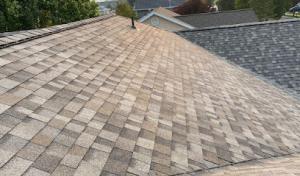
In this market, crews move fast to re-roofs, keep occupied homes livable during work, and tidy up debris quickly. When evaluating contractors, pay attention to how they maintain access for residents, protect landscaping, and manage debris containment after a shift ends. The goal is clean post-job results that won't trap trash or nails in a busy street-facing alley.
Because hail and wind claims are common in the area, you should insist on a thorough, written condition report before any shingle or metal work begins. The report should note roof age, prior repairs, flashing status, vent placement, and attic ventilation. Ask the contractor how they document these conditions and who signs off on them. A clear photo log with timestamps helps separate existing damage from new work when the insurance claim is reviewed.
Contractors should demonstrate a method to distinguish storm-related damage from preexisting issues. Request a separate scope for storm-related replacements and ensure the plan specifies how prior repairs will be treated in the warranty. This clarity saves disputes after the installation and helps you track accountability for each part of the project.
Midvale has manufacturer-certified installers and warranty-offering contractors, which matters for stronger installation accountability on full replacements. If a company cannot provide manufacturer-backed warranties, ask why and request references from similar jobs completed under the same warranty terms. Don't skip the verification step; a solid warranty hinges on certified workmanship.
Require a written warranty that covers both materials and labor, with clear timeframes and what is excluded. Ensure the document lists the geographic scope of coverage, conditions for claims, and a straightforward process for filing. Finally, confirm who to contact for ongoing service after installation completes.