
Last updated: Apr 19, 2026
The Salt Lake Valley insurance environment pushes claim activity when hail and wind strike exposed roofs. West Valley City sits in a high-velocity corridor where storms roll in from the plains and canyon mouths, hammering shingle exposure and edge detailing. That means every spring you should expect elevated scrutiny and faster decision-making from insurers after a hail event or strong wind. The risk isn't just cosmetic: hail damage can compromise granule wear, microcracking in fibers, and the protective underlayment layers, while wind can lift edges and loosen fasteners on older assemblies. In this climate, roofs endure rapid freeze-thaw cycles, intense UV exposure, and occasional monsoon-driven deluges that stress seals and valleys. This combination makes timely assessment and documentation critical to support a solid repair or replacement path.
Spring hail is the primary local damage window. Even if the hailstones aren't visibly dramatic from the ground, impacts can create hidden bruising on shingles, lift granules, or crack asphalt mats that accelerate aging. After the winter, granule loss often becomes noticeable first on higher surfaces, along ridges, and near penetrations where stress concentrates. Late-summer monsoon storms introduce wind-driven rain and uplift-related shingle damage, especially on homes with older underlayment or marginal edge protection. The result is a pattern insurers recognize: a cascade of small, accumulative damage that undermines roof integrity and requires a professional evaluation to determine whether repair or full replacement is warranted.
Insurers in this area may ask for detailed photo documentation to accompany a claim. You should plan for high-resolution images that show ridge lines, edge locations, penetrations, and any signs of uplift or granule loss. Photos should capture both the weathered state of the existing roof and the interior signs of water intrusion if present, such as staining near ceilings or attic insulation. Keep a dated sequence of images from before and after any storm event to illustrate the progression of damage. If a claim moves to replacement consideration, expect an adjuster to request close-ups of fasteners, underlayment seams, and vent flashing. A thorough photo log can shorten resolution time and help communicate the true extent of the damage without guesswork.
Local insurers often prefer certain upgrades after storm losses. In areas with consistent hail and strong winds, wind-rated shingles provide a more defensible path against uplift at the eave and valley lines. Upgraded underlayment and enhanced edge detailing are commonly favored to reduce the risk of moisture ingress during storm events. If a claim involves replacement rather than repair, discussing wind-resistance improvements and quality underlayment with your contractor can align expectations with what the insurer is willing to authorize. The goal is to restore the roof not just to its previous state, but to a robust configuration that withstands the region's typical hail and wind loads.
Begin with a rapid but thorough inspection after any hail or high-wind event, focusing on the most vulnerable zones: valleys, hips, ridges, penetrations, and vent flashings. Schedule a professional assessment promptly to document condition while it's fresh and to flag any hidden damage that isn't obvious from ground level. If you own an older roof with minimal overhang protection or shallow attic ventilation, plan for a candid review of underlayment quality and venting adequacy, since these factors influence both damage risk and insurance decisions. Finally, align with a contractor who understands the local storm history and can present a clear, storm-focused restoration plan that addresses both immediate repair needs and longer-term resilience.
Find local contractors experienced in assessing and restoring roofs after hail, wind, and severe weather events.
Roof-It
(801) 809-7663 saltlakecityroofs.com
3424 W 2400 S Suite B, West Valley City, Utah
4.9 from 190 reviews
Classic Roofing
(435) 354-9119 classicroofing.biz
6814 W 3830 S, West Valley City, Utah
5.0 from 54 reviews
S&S Roofing
(801) 272-7000 sandsroofingutah.com
2331 S Redwood Rd, West Valley City, Utah
4.6 from 131 reviews
Roof-It
(801) 809-7663 saltlakecityroofs.com
3424 W 2400 S Suite B, West Valley City, Utah
4.9 from 190 reviews
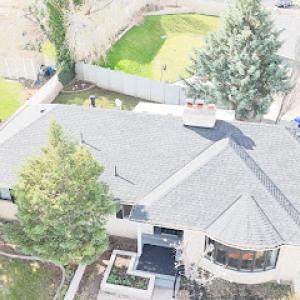
Roof-It is proud to serve the Salt Lake City area with dedicated roofing assistance. Along with strong customer service and 3 generations of knowledge and experience, we specialize in asphalt shingles and single ply systems for residential and commercial roofs. As a locally owned business, we take pride in being rooted in the community, which is why your satisfaction is our top priority.
Classic Roofing
(435) 354-9119 classicroofing.biz
6814 W 3830 S, West Valley City, Utah
5.0 from 54 reviews
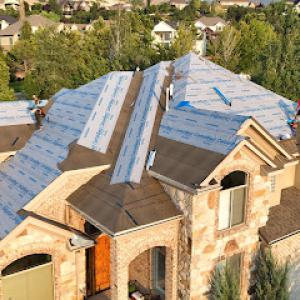
Classic Roofing for commercial and residential roofing solutions. With over 20 years of combined expertise, our skilled professionals excel in installations, repairs, and maintenance. Our team comprises experienced roofers, ensuring hands-on mastery of every project. Collaborate with us to design and craft a roofing system together. Schedule your consultation today and let Classic Roofing redefine excellence in roofing!
Go Pro Roofing
5291 W Ted Wy, West Valley City, Utah
5.0 from 43 reviews
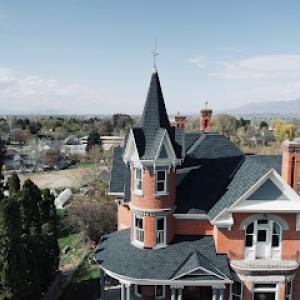
Go Pro Roofing, located at 5291 West Ted Way, West Valley City, UT, is your premier roofing contractor dedicated to delivering top-notch residential and commercial roofing services across Utah. Specializing in residential roofing, full roof replacements, new roof construction, and general roof repairs, our expert team combines innovative techniques with masterful craftsmanship to ensure impeccable results. We also offer comprehensive Official Inspection Reports for selling, asphalt roofing, and even landscaping services to enhance your property. With a steadfast commitment to customer satisfaction, Go Pro Roofing ensures every project meets the highest standards of quality. Contact us today for transparent estimates and outstanding service!
Top Grade Roofing
(801) 385-7729 www.topgraderoofingutah.com
5718 W 3500 S suit #126, West Valley City, Utah
5.0 from 31 reviews
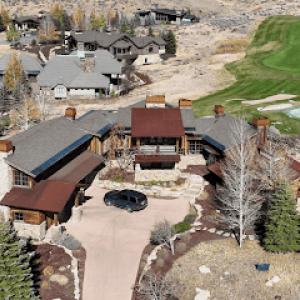
Top Grade Roofing is your go-to expert roofing contractor located at 5718 W 3500 S, Suite #126, delivering premier roof repair, replacement, and installation services. Whether you need a reliable roofing company near me, expert roof inspection, or robust metal roofing, our certified team guarantees top-notch quality and durability. Count on us for seamless roof installations and replacements tailored to your needs. Our commitment to excellence ensures peace of mind, backed by comprehensive free roof estimates. Choose Top Grade Roofing for the most reliable and efficient roofing solutions near you.
S&S Roofing
(801) 272-7000 sandsroofingutah.com
2331 S Redwood Rd, West Valley City, Utah
4.6 from 131 reviews
S&S Roofing is a reputable roofing company specializing in a range of services including roof installations, repairs, replacements, and maintenance. They cater to both residential and commercial clients, ensuring that each project is handled with the highest level of professionalism and expertise. Their team is skilled in working with various roofing materials such as asphalt shingles, metal roofing, and flat roofing systems. Customer care is a cornerstone of S&S Roofing’s business philosophy. They prioritize clear communication, timely service, and quality workmanship. The company offers free estimates and detailed consultations to ensure that customers are well-informed about their roofing options and costs.
Chalk Line Roofing
(801) 448-8803 www.chalklineroof.com
Serving
5.0 from 59 reviews
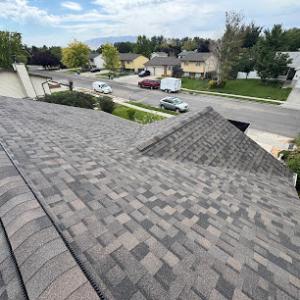
Chalk Line Roofing provides expert roofing services with a focus on insurance claims for wind and storm damage. We specialize in helping homeowners restore and replace aging three-tab shingle roofs by working directly with insurance companies to maximize coverage. Our team prides itself on precision, professionalism, and transparent communication, ensuring every project is completed to the highest standards. From free inspections to full replacements, we’re here to protect your home and give you peace of mind.

On Top Roofing
(801) 316-3342 ontoproofing.com
Serving
4.8 from 109 reviews
On Top Roofing is a local roof company with 25+ years of experience delivering durable, long-lasting solutions. We handle residential and commercial new roofs, full replacements, leak inspections and repairs, gutter installation and repair, heat cable installation, snow and ice removal, and snow retention systems. We specialize in asphalt shingle, metal, tile, and flat roofing, including insurance projects, and offer maintenance plans to keep your roof in top condition year-round. Honest service, clear communication, and dependable workmanship. Call us for roof installation, repair, maintenance, and more!
Brady Roofing
(801) 487-5151 www.bradyroofing.com
Serving
4.8 from 76 reviews
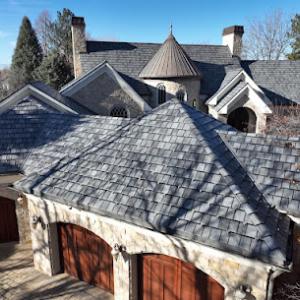
Brady Roofing is a locally trusted roofing company serving Salt Lake City and the greater Wasatch Front since 1996. We provide residential and commercial roofing services including roof repair, roof replacement, new roof installation, inspections, and emergency storm damage repair. Our certified roofers specialize in asphalt shingles, metal roofing, TPO roofing, and IB roofing systems for homes and businesses. Known for quality workmanship, honest recommendations, and durable results backed by strong warranties, Brady Roofing delivers dependable roofing solutions you can trust. Contact us today for a free roofing estimate.
Gurr Brothers of Salt Lake City
(480) 572-8942 gurrbrothersroofing.com
Serving
4.9 from 672 reviews
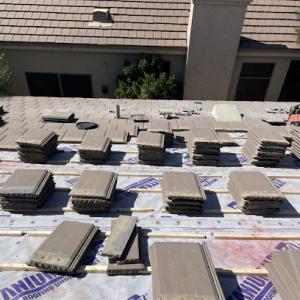
At Gurr Brothers of Salt Lake City, we pride ourselves on providing exceptional roofing services for both residential and commercial properties. Our team of experienced professionals are dedicated to delivering high-quality workmanship, fair pricing, and outstanding customer service. Trust us to keep your roof in top condition. Schedule a consultation today!
Viotell Roofing Solutions
(801) 808-9652 www.viotell.com
Serving
5.0 from 18 reviews
Viotell Roofing Solutions is a premier metal roofing contractor based in Park City, Utah, specializing in the design, fabrication, and installation of custom metal roofing and architectural facade systems. With our CEO having over 25 years of experience, Viotell delivers turnkey design-build solutions for luxury residences, commercial resorts, and complex architectural projects throughout Utah. All metal systems are manufactured in-house at their Salt Lake Valley facility, ensuring unmatched quality control and craftsmanship. Known for precision, innovation, and elevated customer service, Viotell Roofing Solutions creates bold, durable metal roofing and facade solutions built to perform in Utah’s most demanding environments.
Vertex Roofing
(801) 618-3154 vertexroofingslc.com
Serving
4.9 from 400 reviews
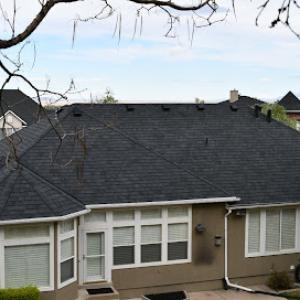
Vertex Roofing is your go-to roofing contractor at 3809 S. 300 W., providing top-notch roof repair services and new roof installations. As one of the best roofing companies near you, we specialize in affordable roofing solutions, including expert roof leak repairs and asphalt shingle roofing. Our seasoned professionals are commercial roofing experts, ensuring your business or residence is well-protected. We excel in residential roofing services and flat roof repairs, offering tailored solutions to meet your specific needs. Trust Vertex Roofing for quality craftsmanship and dedicated service that make us the best roofing company in town.
Jordan River Roofing
(801) 857-1417 www.jordanriverroofing.com
Serving
4.9 from 39 reviews
We’re all about quality work at Jordan River Roofing. From the initial inspection to repairs, installations, and attic ventilation, we stand by our work with a warranty and a satisfaction guarantee. Being a good roofer also involves knowing how to listen. Our roofers know you have fears regarding your home, but you also have goals for the future of your property. What you need is good information and a reliable assessment from a roofing contractor you can trust, one who understands the full scope of what you want. That’s the kind of professional service you get from Jordan River Roofing - just read our reviews for more on that front!
The semi-arid climate here brings distinct seasons that influence how and when roof repairs get done. In winter, the cold snaps and freeze-thaw cycles put extra stress on roofing materials, and the need to address leaks can be urgent after a storm or a cold spell. In summer, high heat and strong UV exposure accelerate aging and can reveal weak spots that aren't as noticeable in milder months. The local rhythm means that late spring through early fall is the most practical window for repairs, especially for anything that involves roof tear-off, underlayment application, or reworking ventilation and nailing patterns. Planning within this window aligns with the way sun exposure and wind act on shingles and underlayment across the Salt Lake Valley.
Winter conditions can complicate even routine repairs. Ice dam formation is not rare and can drive freshwater leaks to otherwise dry areas along the eaves and in valleys. If a leak shows up during a cold snap, prioritize a temporary, watertight fix to slow moisture intrusion while arranging a more permanent repair when conditions allow. Even a small ice-damming event can force a quick response because water can travel far under shingles and into attic spaces. In practice, that means delaying the full tear-off until temperatures rise and daytime highs pursue a safer pace, but not ignoring a visible leak-temporary patches, proper drainage, and careful tarp placement can buy valuable time.
As temperatures rise, shingles expand and ventilated underlayment can be installed more reliably, reducing the risk of future failures. This period supports more aggressive repair work, including re-fastening loose shingles, resealing edges, and updating vents or flashing where wear shows. Strong winds, common in late spring and summer evenings, can reveal wind-driven damage earlier in the season, so a thorough inspection after the first big wind event is worthwhile. When planning repairs, align them with dry spells and avoid stacking work on days with forecasted heavy afternoon heat, which can complicate adhesive and underlayment performance.
If a full replacement isn't imminent, staged repairs can be a strategic approach in this climate. Begin with the highest-risk areas-valleys, eaves, and penetrations around chimneys and vents-and monitor for new signs of damage. A good rule is to address any moisture intrusion promptly rather than waiting for a full re-roof plan. This approach reduces the chance of storm-related leaks escalating into attic mold or structural concerns. During the window from late spring to early fall, aim to complete the most critical repairs first, then schedule follow-up work if the season allows.
Watch for rising humidity inside the attic after rain, staining along interior ceiling joints, or faded, buckling, or curling shingles along eaves. If shingles show widespread curling or missing granules after a wind event, plan a repair flush with the next available dry stretch. Hail remnants, if present from a recent storm, should be inspected promptly since impact damage can propagate underlayment and lead to concealed leaks once temperatures swing again. In these cases, coordinating with a local contractor who understands seasonal moisture load and Salt Lake Valley wind patterns helps ensure repairs hold up through the next freeze-thaw cycle.
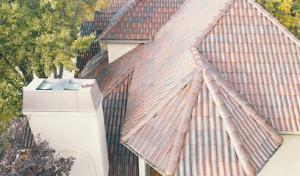
The dominant local material mix includes asphalt shingles, metal roofing, clay tile, concrete tile, wood shingles or shakes, and synthetic or composite shingles. In West Valley City, roofs must perform well under hail and wind pressures, while also withstanding a clear summer UV load and winter freeze-thaw cycling. The practical choice balances protective performance with the long-term behavior of the roof in Salt Lake Valley conditions. Tile and metal are established options in this market rather than niche products, reflecting a broad mix of residential roof types that homeowners encounter across neighborhoods.
Hail exposure means you want surfaces that resist denting and granule loss. Asphalt shingles can be engineered with higher wind resistance ratings and impact-resistant granules, but metal roofing tends to shrug off hail better in some installations, particularly when panels are properly fastened and sealed at seams. Clay and concrete tiles offer excellent hail resistance when installed with appropriate fasteners and underlayment, though their weight and breakage risk during severe hail should be considered. UV exposure accelerates aging, so color stability and coating quality matter, especially for lighter tones that absorb more heat. Freeze-thaw cycling in winter adds another layer of consideration: thin or poorly vented roofs can trap moisture, leading to warping or deterioration over time. In West Valley City, a roof that combines durable underlayment, well-sealed seams, and a venting strategy that promotes attic airflow tends to perform more reliably over multiple seasons.
Asphalt shingles remain a versatile choice for many homes, offering a favorable balance of cost, installability, and repairability. For properties with longer expected lifespans or higher wind exposure, metal roofing provides durability and a modern curb appeal, with panels that resist wind uplift when installed to code and with proper fastening patterns. Clay tile and concrete tile are favored where a more traditional or Mediterranean aesthetic is desired, and where structural support and roof deck quality are adequate to handle their weight. Tile systems benefit from careful underlayment and rafter spacing, especially on higher-pitch roofs where wind uplift risk is greater. Wood shingles or shakes deliver a distinct texture and natural look but require meticulous maintenance and higher fire-resistance considerations. Synthetic or composite shingles aim to blend the ease of asphalt with longer-term performance and color stability, offering a flexible option for homeowners seeking a lighter-weight alternative with good hail resistance.
Evaluate attic ventilation and underlayment quality as a foundation for any material. A roof with solid venting and a high-quality, impact-resistant underlayment helps protect against hail damage and moisture migration, supporting longer life for the primary roofing material. If choosing tile, confirm the roof structure can bear the weight and that fasteners and spacers are appropriate to local wind zones. For metal roofs, ensure panel seams and edge detailing are finished to resist wind-driven rain and hail-driven percussion. For asphalt and synthetic options, select products with proven impact resistance and a warranty that reflects Salt Lake Valley exposure. In all cases, align the color and finish with sun exposure expectations to minimize thermal expansion and ultraviolet degradation over time.
Asphalt shingles typically run about $350 to $650 per square, a spread you'll notice on nearby roofs with standard 3-tab or architectural shingles. Metal roofs push higher, generally $550 to $1,100 per square, which reflects both material cost and the fast pace of Salt Lake Valley crews that can handle metal installs efficiently when the weather cooperates. If clay tile is chosen, expect roughly $900 to $1,600 per square, a leap driven by heavier weight, specialty underlayment needs, and more intricate installation. Concrete tile sits in a similar range, roughly $900 to $1,500 per square, with additional costs for matching underlayment, substructure checks, and wind-rated configurations. Wood shingles or shakes typically fall from $600 to $1,100 per square, accounting for higher labor intensity and the need to ensure proper nailing patterns and fire resistance. Synthetic or composite shingles offer a middle ground, about $450 to $900 per square, but can vary with color blends and warranty provisions. In short, you'll see a broad spread as crews balance material choices against roof pitch, attic ventilation, and the house's exposure to sun and spray from nearby storms.
Storms that hammer the Salt Lake Valley, especially hail and high wind events, can tighten scheduling and labor availability for weeks after the event. That squeeze tends to push project start times and duration longer than typical, which can push overruns into both mobilization and material procurement. When crews are juggling multiple claims and homes, the common impact is a higher chance of incremental delays and, on the price side, a modest uptick in urgent-order quotes and expedited material procurement fees. If a replacement is tied to an insurance claim, expect some variability in lead times as adjusters and contractors align on approved materials and wind-resistance specifications.
The local climate and housing stock influence cost textures: higher UV exposure, freeze-thaw cycles, and the need for robust attic ventilation can nudge pricing upward when upgraded underlayment, factory-sealed attic vents, or wind-resistant assemblies become part of the plan. If the roof requires heavier tiles or a thicker underlayment to meet inspection or insurance expectations, the square-foot cost climbs accordingly. Conversely, standard asphalt with a straightforward installation on a typical rafter system can keep the project closer to the lower end of the spectrum, provided there are no unusual structural quirks or eccentric roof geometries. Planning around these factors helps keep a replacement on schedule and within a predictable budget.
Don't let upfront costs delay a critical repair - these contractors offer payment plans to fit your budget.
In this area, a permit is typically required for a full roof replacement. The permit process is not a pretend formality; it triggers a close look at underlayment, venting, nailing, and wind-resistance. Applications are generally submitted by the contractor or homeowner with the project scope and property address. If a contractor handles the paperwork, you still want to understand what they're submitting and why, because a missing detail can stall your project or invite a re-inspection fee. Keep your proof of existing ventilation, attic access, and roof type on hand to speed things along. Missing or inaccurate information often shows up as a hold on the permit, which can push completion dates into a tense stretch during busy construction months.
The local inspection sequence commonly includes a rough-in or underlayment inspection during installation and a final inspection at completion, with attention to venting, nailing, and wind-resistance requirements. During the rough-in phase, inspectors will verify that the roof deck is sound, that the underlayment is correctly installed, and that any starter strips, ice barriers (where applicable), and roof-to-wall detailing meet code. The final inspection focuses on the finished roof's adherence to wind resistance standards, the adequacy of nail patterns, and proper venting connections to the attic. If any step falters-such as insufficient nailing or improper vent placement-the project may require rework before the final stamp is issued. The result is not merely ceremonial; it can impact insurance claims and future resale value, especially after a severe hail season.
Document every stage with clear photos and a written checklist you and your contractor review together. Before the job begins, confirm the permit address and project scope exactly match the written contract and the planned materials. Schedule inspections with realistic lead times, especially in peak seasons when inspectors are balancing multiple jobs. If an amendment to the scope is needed-perhaps to address vent changes or different underlayment-seek approval promptly to avoid last-minute surprises. Understanding the exact expectations for venting, nailing, and wind-resistance helps you spot issues early, rather than after the crew has already finished the work and you're chasing a re-inspection.
In West Valley City, flat and low-slope roofing shows meaningful local demand among contractors, indicating that homeowners are not dealing only with steep-slope shingle systems. Heavy rain during late-summer storm periods creates a local drainage and ponding concern on low-slope sections and attached structures. That combination means a focused look at how water moves across the roof, where it sits, and how long it sits after a storm. Expect pitched areas to shed most water quickly, but the flat pieces and connections between roof planes can stall moisture if flashing or drainage points aren't fully prepared. When these areas fail, the interior can suffer from slow leaks, mold risk, and accelerated deck wear. A practical approach is to visualize the roof as a single system: the transitions between slope grades, the edge details, and every vent opening.
Inspection scrutiny on underlayment, venting, and wind resistance matters on mixed roof systems where low-slope transitions meet standard residential roof planes. Start at the transition zones with a flashlight, looking for gaps, wrinkles, or punctures in the underlayment that could allow moisture to migrate. Check the flashing where the low-slope section meets higher-profile shingles or tiles; corners and penetrations are prime leak sources. Venting must be adequate for the attic space behind the low-slope area to prevent condensation and freeze-thaw damage inside. Wind resistance matters especially at ridges and along edges-low-slope areas can act like air catchers if fasteners or sealants are compromised. If you see pooled water or signs of moisture near attic access points after storms, prioritize that zone for repair or reinforcement.
When planning repairs or replacements, ensure the low-slope area receives a compatible underlayment rated for slope and climate, and that flashing continues seamlessly onto adjoining planes. Pay close attention to drainage channels and scuppers; confirm they are clear and sized for expected rainfall. During installation, sealants and fasteners should be corrosion-resistant and properly integrated with neighboring materials to prevent edge-tear or buckling. In maintenance, recheck after late-summer storms for any new ponding or washout along transitions, and address venting obstructions or minor flashing deficiencies before they grow into leaks. A proactive eye on these details saves trouble when winter freeze-thaw cycles arrive.
Find specialists in TPO, EPDM, and built-up flat roofing systems for residential and commercial properties.
S&S Roofing
(801) 272-7000 sandsroofingutah.com
2331 S Redwood Rd, West Valley City, Utah
4.6 from 131 reviews
In West Valley City, solar roofing and skylight work both appear as active specialties in the contractor market, so roof penetrations are a real local service issue rather than an edge case. The combination of summer UV exposure, freeze-thaw cycling, and tall seasonal storms means penetrations are often a principal pathway for leaks if flashing and sealing aren't treated with extra care during a re-roof. Contractors should plan penetrations with a weather-tested mindset, not as an afterthought.
On penetrating fixtures, the flashing stack and seal details deserve extra attention. Use continuous, corrosion-resistant flashing around skylights and rakes if solar arrays or vents are involved. Ensure the step flashing around skylights is integrated with the roof planes and that any boot or curb connections are securely anchored and sealed with a long-lasting sealant selected for UV and temperature fluctuations. In a climate with strong summer sun, heat cycling can push seals apart, so high-quality sealants and compatible flashing membranes are essential.
A penetration-heavy roof benefits from a thoughtful venting strategy during re-roofing. Verify that attic ventilation remains effective after penetrations are installed, with adequate intake and exhaust pathways to reduce moisture buildup under newer materials. When solar systems are mounted, verify that any mounts or rails do not create crevices where water can stagnate and that sealants around fasteners are compatible with the mounting hardware to prevent galvanic corrosion.
Penetration-heavy roofs can become more complicated in storm documentation because leak paths may not align neatly with visible hail or wind impact points. During final inspections, pay close attention to potential hidden paths around penetrations, including valve housings, roof vents, and skylight curbs. A careful checklist that follows each penetration from curb to shingle edge helps ensure no vulnerable joints are overlooked.
Find contractors who integrate solar panels or solar shingles into your roof for long-term energy savings.
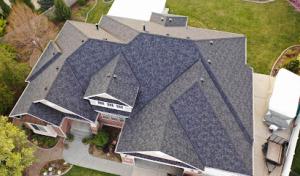
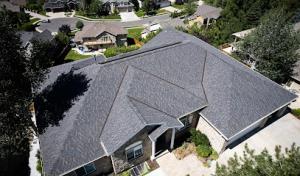
Because this valley sees elevated hail and wind claim activity, you should expect insurers to want thorough photo sets and clear damage timelines. Take high-resolution images from multiple angles, showing close-ups of impact marks, granule loss, and any buckling or curling. Date-stamped photos taken across several days after a storm help establish a credible timeline. Keep a simple log noting when storms occurred, when you noticed damage, and when you first contacted your insurer. Consistent, well-organized records reduce back-and-forth and speed the process.
Documentation should distinguish between storm-created damage and wear accelerated by the city's summer UV exposure and winter freeze-thaw cycles. Storm damage often produces sharp impacts and immediate granule loss, while UV and freeze-thaw wear tends to create hairline cracks, surface drying, and edge deterioration over time. Include comparisons to existing, undisturbed sections of the roof when possible. If you have prior roof records or photos, share those to show pre-storm conditions, which helps avoid disputes over causation.
Coverage discussions may turn on whether the replacement assembly includes wind-rated shingles or upgraded underlayment that aligns with local claim expectations. Document any recommendations from a licensed roofer about wind resistance and proper underlayment, since insurers increasingly look for components tested to resist West Valley City's wind loads. When scheduling inspections, have your contractor note venting, underlayment, and attic insulation improvements that support a durable, long-term result.