
Last updated: Apr 19, 2026
In this Tri-Cities setting above the Appomattox River, roofs experience a distinctly inland humidity profile. Summers are hot and humid, bringing higher roof temperatures and persistent moisture, while winters bring cool, wet conditions that test flashing, joints, and underlayment. This combination means the roof system must manage both rapid moisture loading during storms and sustained dampness through cooler months. Materials that breathe well, drain effectively, and resist mold or mildew thrive here, especially on homes with attic spaces that tend to trap heat and humidity when ventilation is insufficient.
The typical Colonial Heights house often features a modest footprint with practical roof geometries that respond well to regional weather patterns. Because neighborhoods developed in clusters over time, roof planes may vary in age and construction quality, leading to localized differences in substrate condition and water flow paths. Roofs with shallow or broken drainage can accumulate standing moisture during heavy rains, while older homes may show signs of prior repairs that need careful integration with current flashing and shingles. The planning approach should respect the connections between skylights, chimneys, dormers, and parapet edges that are common in older neighborhood stock.
Ventilation stands out as a practical priority. An attic that remains cooler in the peak of summer and drier during winter nights helps extend the life of underlayment, decking, and fasteners. In humid summers, ensure soffit intake and ridge or turbine exhaust work in concert to create a steady air exchange. A balanced ventilation scheme reduces condensation risk, which is especially important for homes with insulation installed on the attic floor rather than above the ceiling, where warm, moist air can seep into the roof assembly.
A well-sealed attic is equally important. Vapor control should align with the climate: a thoughtful vapor barrier on the warm, living space side of the ceiling helps minimize moisture migration into the roof deck during winter storms. For homes with cathedral or vaulted ceilings, consider bridging insulation approaches that keep interior moisture from reaching roof sheathing while preserving energy efficiency.
Flashing and edge protection must be robust. In an inland humidity setting, metal flashings can suffer from corrosion or deterioration if not properly installed or maintained, especially at vent pipes, chimneys, and wall penetrations. Step flashing around dormers and the intersections with siding should be inspected regularly for movement or gaps that can trap moisture. Proper sealing at eaves and rake edges prevents wind-driven rain from lifting shingles and driving moisture into the roof line.
Different roof types respond to moisture in unique ways. Asphalt shingles are common and perform well when paired with a solid underlayment and solid attic ventilation. Metal roofing provides excellent longevity and shed capability in wet winters but requires careful panel alignment and sealant integrity at seam closures to keep moisture from seeping behind the panels. Clay and concrete tiles offer strong resistance to surface moisture but demand careful substrate preparation and adequate support, especially on older homes with varied roof framing. Synthetic or composite shingles balance moisture resistance with flexibility, which helps during thermal cycling. Slate, while durable, demands a precise installation and a supportive deck to prevent cracking from temperature shifts and trapped moisture.
Given the climate, a proactive inspection plan is essential. After the spring storm season, inspect for wind-driven debris that can lodge moisture against the roof edge. Post-winter checks should focus on ice dam risk and condensation concerns where attic insulation is uneven or insufficient. In neighborhoods where roofs share common lines, a neighborly approach to early detection can help catch issues before they worsen across multiple homes. Keep an eye on ridge caps, flashing joints, and chimney step flashing for signs of lifted material, which can channel water into the decking.
A practical trigger for attention is any visible staining along eaves or fascia, creeping damp at interior ceilings, or signs of mildew in attic spaces. Early remediation-whether sealing, resealing, or re-priming vulnerable joints-often prevents more extensive moisture intrusion in a humid climate. When planning a replacement, consider material choices that match the local pattern of heat exposure and wet conditions, ensuring that the selected system remains dependable across both hot summers and cool, wet winters.
In this area's humid Piedmont summers, asphalt shingles age faster when attic moisture isn't kept in check. The heat plus humidity pushes faster aging, curling, and granular loss if ventilation and moisture control aren't up to the task. A tight attic is not a luxury here; it's a practical necessity. You'll want to pair your roof work with a plan to move moisture out of the attic space as you work, and to keep interior humidity from seeping into decking and underlayment during the process. The goal is to prevent hidden moisture from turning a routine replacement into hidden rot later on.
Spring and fall bring the most forgiving conditions for installing a new roof in this area. Moderate temperatures help crews manage underlayment, flashing, and shingle sealing more reliably, reducing the chance of warping or improper seals caused by heat or sudden cold snaps. If you're aiming for a smooth tear-off and a solid seal, target these seasons and avoid the peak summer heat, when attic temperatures can spike and ventilation needs become more acute. In late fall, consider any early-season storms and the potential for dewy mornings that can slow sealing and inspection tasks.
Winter here can bring cold mornings and occasional ice events that make the roof vulnerable to delays. Those ice cycles complicate tear-off work and can expose decking problems that are harder to address when the surface is wet or frozen. If timing slips into winter, expect slower progress and plan for more careful moisture checks at decking edges, valleys, and flashings. A cautious approach pays off: even small missed gaps in flashing or underlayment can turn into headaches once spring rain returns.
Before any shingle tear-off begins, confirm attic ventilation meets the space's needs for the duration of the project. A temporary boost in exhaust or ridge ventilation during replacement reduces heat buildup and helps drying times settle predictably. Seal and protect penetrations in the attic to prevent overshoot of humidity into newly installed underlayment. Your crew should coordinate insulation checks and decking inspection with the tear-off schedule so that moisture issues are detected and addressed while the roof is open.
Plan around the recommended windows and avoid mid-summer or late-winter projects if possible. If replacement must occur in less-than-ideal weather, insist on a thorough decking inspection and prompt addressing of any soft or suspect boards. Confirm temporary measures to manage attic moisture during the job, and schedule a post-installation inspection focused on sealing integrity, attic ventilation performance, and any signs of moisture ingress in the first heavy rainfall. In a compact neighborhood like this, timely, well-ventilated work paired with careful moisture control keeps your roof lasting longer without surprises.
In the Tri-Cities weather pattern, a moderate wind-and-hail claim environment is common, and insurers often scrutinize whether damage stems from a recent storm or from age-related wear. In this region, older Colonial Heights neighborhoods frequently exhibit patchwork repairs that make the line between storm damage and normal deterioration blurry. The result is a vigilance among adjusters: they want clear, specific evidence that a problem is storm-caused rather than simply the roof's existing condition. You should expect questions about wind-driven granule loss, hail impact patterns, and whether prior patches could have masked new damage.
When a storm claim is on the table, your strongest tools are dated photos, professional contractor estimates, and verifiable records that a replacement permit was filed and closed with final approval. Take dated, high-resolution photos showing the extent of damage from multiple angles, both shingles and underlayment where accessible. Obtain a detailed contractor assessment that highlights accelerated damage indicators-such as uplifted edges, granule loss, and compromised flashing-and ties them to the storm event. Finally, ensure you have documentation that the roof replacement permit process was completed properly, with the final inspection signed off. This triptych of evidence-photos, estimates, and permit closure-often makes the difference between a smooth settlement and a longer, more contentious review.
Adjusters in Virginia routinely weigh the roof's age and any prior repairs when evaluating claims, and this matters in older neighborhoods with visible patchwork. If prior patching is present, be ready to explain how the current damage exceeds what was previously repaired and to present new, independent assessments that attribute the latest problems to the storm event. Insurers may request records for prior roof work or maintenance; having those documents organized avoids delays and reduces the chance of a partial denial due to questions about preexisting conditions. In practice, a thorough claim file that clearly distinguishes recent storm-induced failures from enduring wear tends to hold up better during review.
After a storm, acting quickly to document conditions is prudent. Keep the timeline tight: photograph the roof promptly after the event, then schedule a professional inspection within days to preserve the integrity of the damage narrative. If you rent or own, coordinate with a trusted local contractor who understands the typical Colonial Heights roof lines and material nuances common to this area. A well-documented sequence-storm occurrence, post-storm photos, professional assessment, and confirmed permit actions-streamlines the adjuster's review and reduces the risk that legitimate storm damage is overlooked due to age or prior repairs.
RVA Roofing Services
(804) 609-0535 www.rvaroofingservices.com
2200 Boulevard, Colonial Heights, Virginia
5.0 from 55 reviews
RVA Roofing Services provides residential and commercial roofing installation, rejuvenation, and repair work in Colonial Heights, VA, and the surrounding area.

Timothy's Home Improvement
(804) 526-1694 timothyshomeimprovements.com
Serving
5.0 from 6 reviews
When it comes to Roofing Contractor, Roofing Company, Roofer and more, no one compares to Timothy's Home Improvements With years of combined experience, Timothy's Home Improvements has worked hard to build the trust of our clients in Colonial Heights and surrounding areas. Visit our website to learn more or better yet, call us today!

Mueller Builders
(804) 533-7663 www.muellerbuildersllc.com
Serving
4.9 from 244 reviews
Central Virginia and Eastern North Carolina's Leading Roofing and General Contractor. Mueller is a licensed Class A building contractor based in Prince George that serves Central Virginia and Eastern North Carolina. We provide services for both residential and commercial construction projects.
Walter D Witt Roofing
(804) 862-4040 walterwittroof.com
Serving
4.9 from 513 reviews
Walter D. Witt Roofing in Chester, VA provides commercial and residential Roof replacement and Roofing repairs in Central Virginia.
Save More Roofing
(804) 289-0174 www.savemoreroofing.net
Serving
4.7 from 16 reviews
Full service roofing contractor. Serving all of Central Virginia. Free Estimates! Roof repair and replacement.

Howerton Roofing & Construction
(804) 837-2621 howertonroofing.com
Serving
4.9 from 28 reviews
Are you ready to install a new roof on your home? Do you need prompt and effective roof repair? Howerton Roofing & Construction, LLC is a full-service roofing contractor in Chesterfield, VA, proud to serve Richmond, VA, and surrounding areas with any roofing needs. Our roofing professionals have years of experience and can handle any roofing project, small or large. As a fully insured company for both General Liability and Workman's Comp, you can rest assured that your roof is in good hands with our team.
McDaniel Roofing
(804) 356-0934 www.mcdanielroofing.com
Serving
4.9 from 68 reviews
Local Roofing Company serving all of Richmond, Chesterfield, Henrico, Hanover, New Kent, Northern Neck, and Williamsburg. Class A Licensed & Insured.
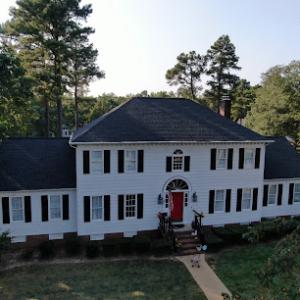
Premier Roofing
(804) 525-8377 www.premierroofingva.com
Serving
4.9 from 104 reviews
A very reputable company and specialize in Commercial, Residential , and Industrial roofing.
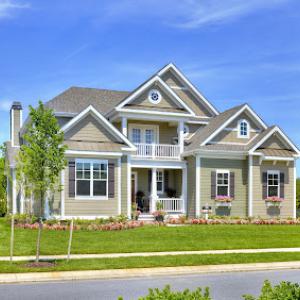
Cross Timbers Roofing
(804) 275-9373 www.crosstimbersroofing.com
Serving
4.9 from 137 reviews
Cross Timbers Roofing has had the pleasure of being Virginia's trusted company for over 30 years. Specializing in both residential and commercial roofing, Cross Timbers Roofing has earned the trust and respect of homeowners and contractors alike by treating each roof like it is our own. Cross Timbers Roofing prioritizes safety and satisfaction above all else. From the initial phone call to the final quality control inspection, Cross Timbers Roofing is there for the customer every step of the way Cross Timbers Roofing has attained the highest certifications possible with four of the largest shingle manufacturers in the United States and the only roofing contractor in Central Virginia to do so. Call us today to see how we can help you!
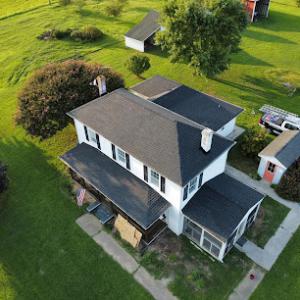
D.L. Williams Roofing
(804) 408-4659 dlwilliamsroofing.com
Serving
5.0 from 185 reviews
If you're dealing with roof damage or planning a replacement, D.L. Williams Roofing is here to help. We’ve served homeowners across Church Road, Dinwiddie County, and the Greater Richmond area for over 20 years — always with honesty, quick response, and reliable results. As GAF Certified Contractors and a Class A licensed company, we deliver expert craftsmanship on every project. We specialise in roof replacements done right — fast turnaround, fair pricing, and zero upselling. Whether you need shingle or metal roofing, storm repairs, or help with an insurance claim, we make the process simple from start to finish. Call today to schedule your free estimate.
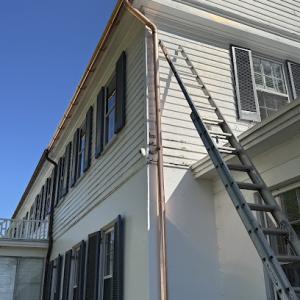
Moore Roofing
(804) 778-7466 www.mooreroofingllc.com
Serving
4.3 from 11 reviews
Here at Moore Roofing we provide roofing, skylight, gutter, and siding installation and repairs. We maintain quality control by always having a supervisor on the job site to ensure a good line of customer communication and satisfaction. We offer free estimates on our provided services. Please call 804-778-7466 for a free estimate or email us at mooreroofingllc@gmail.com
Virginia Roofing & Renovations
(804) 896-3283 www.virginiaroofingandrenovations.com
Serving
5.0 from 44 reviews
As a Virginia-based company, we understand the unique needs of homeowners and businesses across the State, providing expert roofing and renovations services backed by industry-leading warranties.
Asphalt shingles are a practical fit for Colonial Heights because they match the area's common residential roof types, but the local humidity and summer heat can shorten service life if ventilation is poor. When you're planning a replacement, focus on a well-ventilated attic and a balanced roof system that pairs intake and exhaust vents with a breathable underlayment. In humid summers, consider a roof with reflective granules or a lighter color to curb heat gain, and ensure ridge or soffit vents are clean and unobstructed. Proper attic moisture control helps shingles resist curling, granule loss, and early deterioration, especially after heavy summer storms. If you're working with an existing roof, check for signs of moisture stagnation in the attic, and address any ventilation bottlenecks before installing another layer.
Metal roofing performs well for shedding heavy rain in this region, but installation quality around flashing and penetrations matters because wet winters can expose detailing mistakes. Choose a panel profile and seam type that suits the typical storm patterns-standing seam or interlocking panels with waterproof fasteners tend to perform consistently when installed by experienced crews. Pay particular attention to edge detailing, skylight and vent flashing, and chimney transitions. A metal roof can be a longer-term solution, but if flashing laps aren't sealed correctly or if penetrations aren't properly sealed, moisture can track under panels during winter downpours. Ask your contractor to walk through the flashing plan and show test results for wind-driven rain in the area.
Clay tile, concrete tile, slate, and synthetic/composite products appear on some higher-end or older-style homes in the region, but their added weight and repair complexity can raise structural and labor considerations compared with standard shingle roofs. Heavier systems demand a structural assessment of rafters, and re-roofing with tiles or slate can require removing and re-supporting existing framing. Tile and slate demand careful detailing around eaves, hips, and valleys to prevent moisture intrusion during heavy storms. Synthetic or composite options can mimic the look with lighter weight and easier repairs, but they still require solid ventilation and a meticulous seal around flashing. For homes with mixed roof ages or visible wear, evaluate whether the existing structure can handle the load before choosing one of these materials.
Provided local pricing ranges are approximately $350 to $650 per square for asphalt shingles, $600 to $1000 for metal, $1200 to $2000 for clay tile, $800 to $1600 for concrete tile, $400 to $750 for synthetic/composite shingles, and $1400 to $2500 for slate. In practical terms, this means a typical 20-square (2,000 square feet) roof can swing from roughly $7,000 to $13,000 for asphalt, while specialty options push well beyond the mid-five figures if a full tear-off and high-end products are chosen. In older homes, those numbers can move upward quickly if the decking needs replacement or additional upgrades are required during the project.
Costs in this market can rise when older homes require decking replacement, ventilation upgrades, or flashing corrections discovered during tear-off in wet or previously repaired roof systems. Humidity and storm activity mean deck boards may show rot, and ventilation paths may need upgrading to keep attic temperatures in check after a replacement. If moisture has penetrated previously repaired sections, crews may spend extra hours sealing, patching, or re-nailing, which adds to material and labor charges. These contingencies are common in mid-century neighborhoods with mixed decking materials and irregular roof lines.
Because Colonial Heights is a smaller independent city within the larger Richmond-area labor market, pricing can also shift with contractor availability and regional storm-driven scheduling pressure. Peak storm seasons can tighten crews and push labor costs upward, particularly for ashlar or clay-tile jobs that require specialized crews. Planning ahead for a replacement window during calmer weather helps keep both scheduling and costs more predictable.
For moisture-prone summers and wet winters, asphalt or synthetic/composite shingles offer practical resilience at more predictable costs, with metal as a longer-lasting option if installation access is straightforward. Clay and concrete tiles provide durability but require careful decking and ventilation planning to avoid moisture buildup in the attic. Slate, while long-lasting, carries higher upfront costs and specialized installation requirements that can impact both timing and budget.
1) Get three local quotes and ask for a written tear-off assessment that notes decking condition, ventilation needs, and flashing corrections. 2) Confirm whether the quote includes decking work or only the roof surface. 3) Factor in potential weather-related scheduling delays and contingency math for wet season work. 4) Choose a material that balances moisture control benefits with your budget and home style.
In this humid, storm-prone climate, a proper roof replacement isn't just about shingles. A building permit is typically required for a full roof replacement in Colonial Heights. Without it, you risk failed inspections, insurance headaches, and delays that leave your home exposed to moisture longer than necessary. The permit process helps ensure that your upgrade accounts for ventilation, flashing, and underlayment-critical factors in a roof that must withstand humid summers and wet winters.
The contractor generally files the permit with the Colonial Heights Building Department, but you should verify that the permit is posted on site before any work begins. A visible permit flagging protects you if city inspectors come by during the project and serves as a clear signal that the work complies with local codes and weather-related considerations. If you don't see the posted permit, pause work and request confirmation in writing to avoid last-minute hold-ups.
Inspections occur during the project and after completion, with city review focused on installation quality, ventilation, flashing, and underlayment. In this area, moisture control is not negotiable-inspectors check for proper attic ventilation to prevent attic condensation, correct flashing around chimneys and walls to stop leaks at their source, and a solid underlayment layer to shed rain-driven moisture. If any of these items aren't up to code, the inspector will require corrections before moving forward.
The final inspection should be approved so the permit is formally closed. Don't assume a passing grade-confirm the final inspection appointment, be present if possible to address questions on the spot, and ensure that the contractor provides documentation of all adjustments made to meet Colonial Heights standards. This diligence protects your investment when storms return and moisture management is paramount.
Older homes in this area often reveal moisture-related decking deterioration once shingles come off. The compact, mature neighborhoods mean generations of repairs are not uncommon, so what looks like a simple tear-off can uncover a patchwork of past fixes. If the deck shows soft spots, cupping, or staining, that indicates past leaks and ongoing moisture intrusion. The decision to replace or repair should hinge on the actual condition of the sheathing and the attic circumference, not just the visible roof line. In short, a thorough inspection needs to verify structural integrity, or you may end up fighting hidden rot after the new shingles are down.
Ventilation deficiencies are a regular find on older homes with humid summers and wet winters. In Colonial Heights, insufficient attic ventilation can trap heat and moisture, accelerating deck deterioration and affecting insulation. Even if the roof looks sound from the outside, poor intake or exhaust can lead to condensation and mold development along rafters and sheathing. A practical approach is to pair any re-roof with an assessment of attic airflow, soffit louvers, ridge vents, and bathroom or kitchen venting that connects properly to the attic. Without addressing ventilation, a new roof may yield only a temporary relief before moisture issues return.
Where slate or clay tile is involved, local conditions demand closer scrutiny than a standard asphalt tear-off would. These materials impose more weight and require framing and underlayment checks that are unique to their profiles. If structural members show fatigue or misalignment, replacement decisions differ from lighter, quicker installs. In such cases, you should expect an at-risk timeline where repairs could become the pathway rather than a direct replacement. A seasoned roofer will map out whether the existing framing can support the chosen material without compromising long-term performance.
Expect to encounter multiple generations of repairs, especially around valleys, eaves, and chimney lines. Documenting prior work with photos helps guide current decisions and supports a balanced plan between preserving historical fixes and upgrading to a safer, moisture-resistant system. When planning any project, prioritize a thorough moisture and ventilation assessment, a candid evaluation of decking condition, and a material strategy that matches the home's structure and climate realities.