
Last updated: Apr 19, 2026
Centralia sits in Western Washington's wet climate zone, where frequent rainfall and mild temperatures support persistent moss and algae growth on roof surfaces. Moss that's allowed to thrive doesn't just look green; it traps moisture, hides shingle granules, and speeds deterioration of transitions and underlayment. In a neighborhood built among cedar and fir, roofs face a constant drizzle that seeps into cracks and accumulates on shaded slopes. That steady dampness means a small leak can become a noticeable problem long before a quick inspection catches it. The moisture cycle in this area is unrelenting: rain, mild heat, overnight dew, and cool days all feed moss and dampness that compromise the roof system from top to bottom.
The best replacement window in Centralia is typically late spring through early fall because crews can avoid the city's long rainy stretches and reduce exposure of underlayment and decking. During this window, more daylight and warmer air help dry out rooftops between rain events, which preserves new underlayment integrity and minimizes the risk of moisture-driven warping or rot during installation. Outside this period, the recurring downpours and cool temperatures slow drying times and force crews to work in less favorable conditions, which increases the chance of moisture being trapped behind new layers. In practical terms, plan replacements to hit that late-spring-to-early-fall stretch whenever possible, and coordinate with a calm, dry spell to avoid catching a string of wet days.
Winter rain combined with occasional freezing conditions in this part of Washington can turn small moisture problems into deck, flashing, and underlayment deterioration before homeowners notice interior leaks. As the season shifts, moss continues to thrive in shaded pockets, especially on north-facing slopes or homes with limited eave exposure. Those shaded areas often hide early signs of moisture intrusion until a leak becomes obvious inside. The risk isn't limited to shingles; flashing linings, corner details, and dormer connections can deteriorate when sustained moisture sits on the roof deck. The result is not just a staining issue-it's a vulnerability that can accelerate rot and compromise ventilation paths and fire-rated assemblies when moisture penetrates the attic.
Start with a seasonal moss assessment before spring rains intensify. Look for dark green or black moss growth along eave lines, hips, and shaded valleys, and check for surface slickness that may indicate algae. If moss is present, plan a removal strategy that protects granules and does not damage underlayment or flashing. When replacement is unavoidable, insist on a full underlayment with a moisture barrier and a ventilation plan that ensures continuous air flow to dry the roof deck after rain events. For existing roofs showing signs of moisture infiltration, address deck and flashing deterioration promptly to prevent interior leaks-don't wait for visible water marks to spread across ceilings. In tight, moss-prone yards, consider trimmed vegetation that opens up ridge and eave vents to improve airflow, which helps with both annual moss control and long-term roof health.
The combination of persistent moisture and moss growth means timing and material choice matter more here than in drier climates. Prioritize long-term integrity with a replacement window that minimizes exposure to prolonged wet conditions, and emphasize underlayment quality, ventilation, and fire-rated assembly compatibility during planning and execution. Acting now reduces the risk of hidden rot, interior leaks, and repeated moss-driven maintenance later on.
Asphalt shingles and metal roofing are the most practical fits for many Centralia homes because they are common locally and align with the area's wet-weather replacement needs. This climate brings persistent winter moisture and moss-prone surfaces, so choosing a material that handles rain and dampness without fragile detailing helps keep calls to the roofer to a minimum. Asphalt shingles offer straightforward maintenance and quick repairs when moss starts to appear on shaded eaves, while metal roofs shed moisture efficiently and tolerate frequent wet spells without slow sagging or seal failures. If a roof is already nearing the end of its life and sits under tall, moss-prone trees, these two options are typically the most sensible balance of performance and service life.
Wood shingles and shakes can deliver a traditional look, but Western Washington moisture adds heavy maintenance pressure. If you choose wood in this market, plan for regular cleaning and treatment to curb moss as soon as it appears. A shaded, damp roof tends to collect moss quickly, which traps moisture and accelerates wear. With proper preventative steps-biannual moss cleaning, a dedicated treatment schedule, and careful inspection of fasteners and underlayment-you can extend service life, but you should be prepared for more frequent upkeep than you'd expect with asphalt or metal. If rain timing or cold snaps skew your replacement window, coordinating a moss-control plan with the underlayment and ventilation strategy helps protect the roof during a long Seattle-Pacific mainland wet season.
Clay and concrete tile are available in this market but their higher installed weight and cost make structure and tear-off planning more important on older homes common in Southwest Washington. The weight affects porch and garage connections, attic framing, and existing sheathing, so a careful assessment is essential before re-roofing with these materials. In addition, fewer local crews specialize in tile installations, which can influence scheduling around stormier months. If moisture-driven delays or moss buildup have left underlayment compromised, ensure that the new assembly includes a solid moisture barrier and an adequate venting plan to prevent hidden rot.
Every Centralia roof benefits from a thoughtful approach to underlayment, ventilation, and fire-rated assemblies. Start with a full attic venting check-stacked soffit and ridge or powered options-to reduce moisture buildup that fuels moss and wood rot. Pair that with an appropriate underlayment chosen to resist damp conditions and potential wind-driven rain. When selecting between asphalt, metal, or tile, consider the home's structure, the typical rain timing for replacement, and how late-season wet days could affect the tear-off. A well-ventilated, properly underlaymented, and fire-rated system provides a durable path through Centralia's wet climate.
In this area, pricing should be framed per square (100 square feet) with realistic ranges: asphalt shingles from 350 to 700, metal from 700 to 1200, clay tile from 900 to 1600, concrete tile from 900 to 1700, wood shingles or shakes from 600 to 1100, and synthetic or composite from 550 to 1000. When you're evaluating bids, ask for the price per square and the number of squares being proposed. If a crew quotes a bundled underlayment, ventilation, and fire-rated assembly, expect that to shift the total toward the higher end of the range, especially for heavier systems like tile. In neighborhoods with older roofs and moss-prone surfaces, you'll likely see higher estimates once the roof is opened up and the condition of sheathing and underlayment becomes clear.
Centralia cost swings are heavily affected by moisture-related tear-off findings because wet-climate roofs often reveal damaged sheathing, underlayment, and ventilation deficiencies once old roofing is removed. When the deck shows widespread rot or soft spots, expect extra materials and labor to bring the roof back to a solid, dry, code-compliant standard. Ventilation upgrades, including ridge vents or soffit intakes, are common additions in this climate and can add to the square-footage cost without changing the base material price. Plan for a higher contingency if prior roof failures were hidden by moss buildup or failed flashings, as these issues commonly surface only after the old roof is lifted.
Scheduling during the drier late spring to early fall window can reduce rain-delay labor inefficiency, while high-demand periods after regional storms can push timelines and pricing upward. In practice, you'll notice tighter calendars after a heavy winter or spring storm, with crews juggling several re-roofs around the same time. If you have flexibility, aim for the late spring lull to minimize weather-related delays and to keep materials and crew on track. If a storm-driven rush occurs, expect tightened schedules and potentially premium labor costs.
Expect the cost to reflect the depth of tear-off, which often uncovers compromised underlayment, rotted decking, or inadequate ventilation. A full tear-off with replacement decking and a modern, weather-tight underlayment can be significantly more expensive than a simple overlay, but it pays off in reliability in this region's damp conditions. If the inspection reveals only minor underlayment issues and solid decking, a repair-focused approach might keep costs down, but that decision should be weighed against long-term performance and the risk of recurring moisture damage.
Shingle choices drive long-term value in this climate. Asphalt remains the most cost-effective per square, but metal or tiles offer superior moisture resistance and longer lifespans, which can justify higher upfront costs. Weigh the weight of the roof, the existing structure, and the likelihood of moss regrowth when selecting materials. A well-ventilated, properly underlaymented assembly with moss-resistant finishes tends to perform best here, reducing recurrent maintenance and improving the overall value of the re-roof.
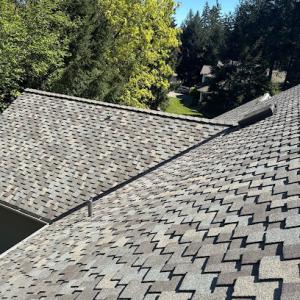
On Top Roofing
(360) 520-6504 www.otroofingwa.com
1101 Kresky Ave, Centralia, Washington
4.8 from 77 reviews
At On Top Roofing, our passion is providing exceptional roofing solutions for residential and commercial properties in Centralia, WA, and neighboring areas. Family-owned and operated, we prioritize building enduring relationships with our customers through impeccable craftsmanship and transparent communication. Whether you need a new roof installation, skillful repairs, thorough cleaning, or siding services, our experienced team is fully equipped to enhance the beauty and longevity of your property. We take pride in utilizing only the highest quality materials, ensuring exceptional durability and cost-effectiveness. Ask us about our preferred products and our Financing options!!
GT Roofing
(360) 388-8222 www.gtroofingwa.com
Centralia, Washington
4.5 from 23 reviews
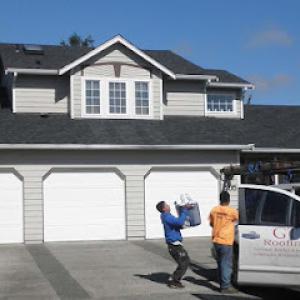
GT Roofing provides residential and commercial roofing, reroofing, and new construction roofing to the Centralia, WA area.
DB Roof
1011 Elm St, Centralia, Washington
4.3 from 20 reviews
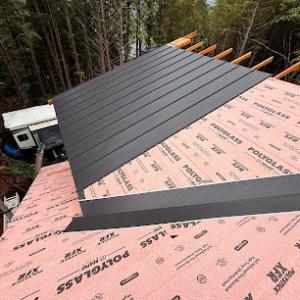
DB Roof provides residential roofing, roof repair services, and FREE estimates to the Centralia, WA area.
Genesis Roofing & Remodeling
1413 Harrison Ave, Centralia, Washington
2.9 from 19 reviews
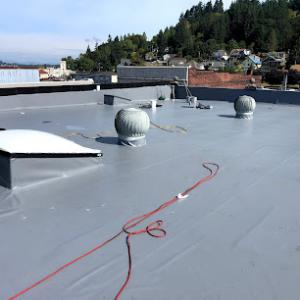
Genesis Roofing and Remodeling We specialize in all kinds of roofing, cedar shingles, cedar shakes, torch down, TPO, PBC (single ply membrane). Window installation, siding, decks, porches, metal carports, poll barns, and any remodeling needs or additions.
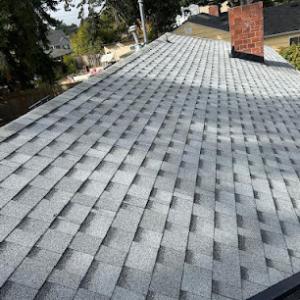
Brothers Roofing
(360) 237-4826 brothersroofingllc.net
Centralia, Washington
3.7 from 3 reviews
Brothers Roofing was founded 15 years ago under the values of professionalism, diligence, and integrity in the city of Centralia, WA. Our team is locally known for its professionalism and cost-effectiveness. Our company grew from ground up thanks to the referrals from our clients. Our clients don’t hesitate to recommend us to their families, friends, and co-workers because they know what we deliver; an exceptional service with high-quality finishes and great customer service. Here in Brothers Roofing we have a free estimate company policy, so feel free to contact our customer service number to ask for a free estimate for your upcoming project!
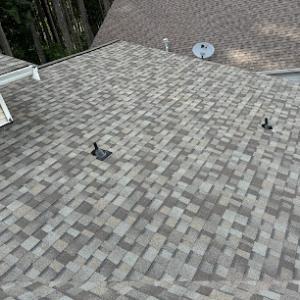
Romero Construction & Roofing
(360) 481-4673 romeroconstroofing.website3.me
1002 Madrona Ave, Centralia, Washington
3.7 from 3 reviews
Roof installation, repairs , maintenance. Siding , fences 15 years of experience combined. Emergency calls
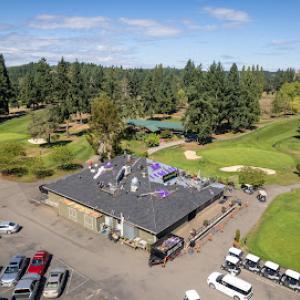
Safecover Roofing
(360) 304-8055 www.safecoverroofing.com
Serving
5.0 from 152 reviews
Safecover Roofing is a full service roofing contractor located in Chehalis Washington. We service Chehalis, Centralia, Rochester and all other cities in Lewis County. Safecover Roofing offers roof replacement, roof repair and roof inspection. With over 20 years of roofing experience, our team will get the job done right. Contact Safecover Roofing for your roofing needs.
Pro-Cover Roofing
(360) 500-9784 procoverroofingllc.com
Serving
5.0 from 20 reviews
Pro Cover Roofing Llc offers residents of Beaverton, Portland, West Linn and other locations in the State of Oregon all phases of roofing, where our services stand out for being delivered in the agreed time, and above all in a more professional manner in all areas of our projects. Our roofing contractor services are based on the satisfaction of our clients when receiving our services, as well as the good recommendations we receive from them. We also specialize in Insulation, Wooden Fences, and Sidings.

The Roof Doctor
(360) 559-6867 www.theroofdoctor.com
Serving
4.6 from 87 reviews
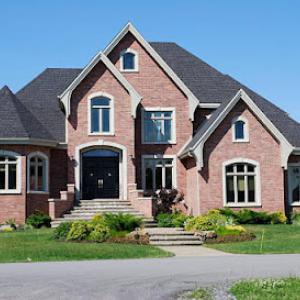
Since 1959, The Roof Doctor has been Western Washington's trusted family-owned provider of comprehensive roofing and home improvement services. Specializing in new roofing, re-roofing, repairs, cleaning, and 24/7 emergency services, they ensure homes and businesses remain protected and visually appealing. Beyond roofing, The Roof Doctor offers solar panel installations and various home improvement services, including decks, siding, windows, and doors, enhancing both energy efficiency and property value. With over 60 years of experience, highly trained crews, and a commitment to unparalleled customer service, The Roof Doctor delivers prompt, reliable, and quality craftsmanship tailored to each client's needs.
Supreme Roofing
(360) 206-8238 www.supremeroofingwa.com
Serving
4.9 from 85 reviews
Supreme Roofing, founded in 2020, delivers unparalleled roofing services in Rochester, WA. Our expert contractors guarantee outstanding, seamless, durable, visually striking roofs. In addition to roofing, we specialize in deck building, siding repairs & installations, and general contracting services. Our comprehensive solutions are designed to significantly enhance your property's beauty, functionality, and value. From intricate repairs to complete roof replacements, Supreme Roofing is unwavering in its commitment to quality craftsmanship and unsurpassed customer satisfaction. Choose us for results that exceed your expectations.
MAR Construction
(360) 349-4005 marconstructionolympia.com
Serving
5.0 from 5 reviews
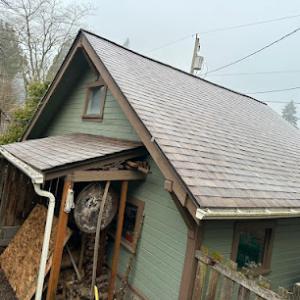
When it comes to Roofing Services and more, no one compares to MAR Construction With years of combined experience, MAR Construction has worked hard to build the trust of our clients in Olympia and surrounding areas. Visit our website to learn more or better yet, call us today!
Roofers Near Me
(360) 880-8582 roofrsnearme.com
Serving
5.0 from 1 review
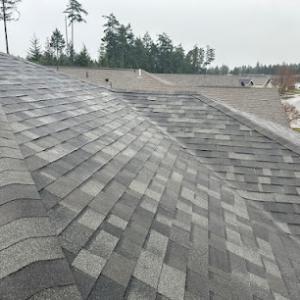
The most trusted roofing company for all of your family or business roofing needs. From new roofing to repairs, cleaning, and emergency jobs, our expert crews will get the job done and make sure your roof looks and functions its best.
In this area, a building permit is typically required for a full re-roof rather than treating the project as a no-paperwork maintenance item. That distinction matters when moss, moisture, or rain-timed replacement is in play, because the permit process invites a closer look at the roof assembly as a whole rather than only the surface layer. Planning ahead helps align expectations with local reviews, especially if the project involves changing materials or upgrading underlayment and ventilation to meet current standards.
Local inspections are scheduled during the job and again at completion. You'll see a district or city inspector visit partway through the work to verify that the planned underlayment, ventilation strategy, and flashings are being installed properly, and that temporary protections are in place for wet conditions. The final inspection focuses on installation quality, underlayment integrity, and ventilation performance before sign-off. In practice, this means keeping a clean workspace, storing materials under cover during late-winter and spring rains, and coordinating access for inspectors who need to see attic ventilation details and ridge or soffit venting during the inspection window.
Centralia's building review pays close attention to code compliance and fire-rated roof assemblies, which matters when homeowners change materials or rebuild more than just the surface layer. If any component shifts from a combustible to a fire-rated system, or if an underlayment choice influences foam, felt, or synthetic options, anticipate questions from the reviewer. It's not unusual for the plan review to request documentation on roof deck condition, attic ventilation calculations, or a details sheet showing dew-point control and moisture management-especially with the persistent winter moisture that shapes local practice. Having a clear narrative about moisture management, moss mitigation, and the sequence of installation helps the permit path stay smooth.
Coordinate your contractor's schedule with anticipated weather and inspection windows so moisture events don't push work past critical stages. Prepare to provide existing deck condition notes, any previous repair records, and a concise description of material changes or wind-resistance considerations. If the project involves replacing or upgrading ventilation, be ready to discuss intake and exhaust locations, soffit openings, and any new fire-rated assemblies with the reviewer. Clear communication helps ensure that the final sign-off reflects a durable, code-compliant roof that stands up to Centralia's damp, moss-prone climate.
The steady damp weather here means more wear and moss-related deterioration than dramatic, once-in-a-decade hail events. Insurance adjusters expect to see a roof that has been cared for against moisture ingress, not a perfect surface untouched by time. Photos, roof age disclosures, and a clear trail of inspection notes help establish the condition of the roof before a claim. When a claim is filed, the emphasis is on documenting how moisture has affected the assembly over time, not only what failed in a single storm.
Because claim questions often turn on whether damage is sudden or the result of long-term moisture exposure, you need date-stamped photos and maintenance records ready. Leaks that arrive after a heavy rain or persistent drizzle are scrutinized for underlying moisture damage, moss-related deterioration, and ventilation performance. Insurers will look for evidence that dampness was managed prior to the event and whether the roof's protective layers remained intact. Without a clear timeline, the adjustment process can stall.
Maintain a meticulous photo log of the roof's condition across seasons, especially after storms. Keep dated receipts or notes from any professional inspections, moss removal, or minor repairs, so you can show ongoing maintenance rather than a reactive patchwork. If you notice leaks after a storm, gather all affected areas, note when moisture appeared, and photograph surrounding interior damage. A credible narrative built from consistent documentation helps differentiate sudden damage from long-term moisture wear.
Insurers serving this part of the state commonly ask for updated roof photos, roof age disclosures, and detailed adjuster walkthroughs before approving major repairs or replacement. Because the climate fosters moss growth and moisture-related deterioration, the documentation you provide should illustrate how moisture has progressed and what measures have been taken to mitigate it. Understanding that claim outcomes hinge on moisture history rather than isolated events helps you plan for talks with your adjuster and any follow-up documentation you may need.
Connect with contractors who help homeowners navigate the claims process from damage assessment to final approval.
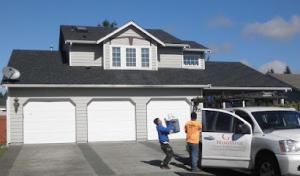
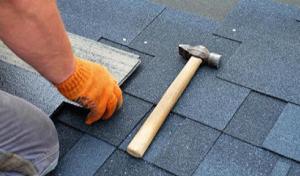
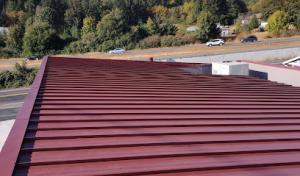
In the long wet season, skylight perimeters and other roof penetrations are common leak investigation points because repeated rain exposes flashing weaknesses quickly. Start with a careful visual survey after a heavy rain or a warm sunny day when shingles are dry enough to distinguish raised edges. Check flashing transitions where the skylight frame meets the roof deck, and look for loose or buckled shingles that expose underlayment. If flashing appears healed with sealant, expect it to fail under sustained moisture; replace with a proper metal flashing curb and integrated waterproof membrane. Document any creases or gaps in the sealant bead and plan for re-sealing from the inside if interior staining is present.
Moisture-heavy conditions in this part of Washington can keep sealants and surrounding assemblies wet for long periods, making recurring leaks harder to diagnose if repairs are only surface-level. When evaluating leaks, avoid treating just the surface crack. Track the path of moisture along the deck and underlayment by inspecting a wider zone around the penetration. If sealants remain wet for days after rain, consider replacing sections of flashing and reapplying with compatible weatherproof sealant beneath a new flashing flange. Pay attention to the orientation of the skylight to ensure the drainage plane appears continuous and that any condensation is not being mistaken for a leak.
Chimney and penetration details deserve extra scrutiny on older roofs because persistent rain can mask the true entry point of water until interior staining appears. Inspect the chase, header joints, and counter-flashing where the chimney meets the roof. Look for hairline cracks in mortar joints, loose shingles at the base, and any sign of rusted or degraded step-flashing. In areas with a long wet season, it is common for moisture to creep along the deck edge before surfacing inside, so widen the search radius around the chimney and other penetrations to verify all components are sealed and backed by proper underlayment.
Find contractors experienced in skylight installation, flashing, and leak repairs to bring natural light into your home.
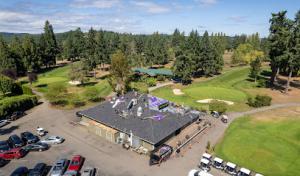

In Centralia, the warranty value hinges on whether the installer corrected wet-climate basics like ventilation and underlayment, not just the shiny covering. If moisture management and proper underlayment were skipped or rushed, the warranty may reduce its scope or fail to activate when mold, ice damming, or accelerated deterioration appear behind the shingles. A true warranty payoff depends on whether the job addressed the path moisture takes into the structure, not merely what the exterior looks like after the fact.
Because roofs here are exposed to frequent precipitation for much of the year, workmanship issues often show up early around flashings, penetrations, and transitions if installation details were rushed between rain events. You want to look for clean, continuous flashing at chimneys, vent pipes, and transitions to walls or skylights, with sealants that remain flexible in cold, damp weeks. If the installation was paced to beat a weather window rather than to ensure proper seal, those compromised areas become the first to fail and the first to challenge any warranty claims.
Manufacturer-backed coverage matters more when homeowners are upgrading materials in a market where local inspectors also review fire-rated assemblies and code compliance. Upgrades bring a more complex warranty landscape, especially if the new materials require different underlayment or ventilation standards. Expect the coverage to hinge on whether the install team followed the exact sequence and assembly specified for the climate, including fire-rated components and proper ventilation pathways. If those details were skimped, the manufacturer's backing can be limited, even if the visible roofing looks intact.
Document every step of the installation, focusing on underlayment type, ventilation strategy, and how penetrations were sealed. Have the installer provide a written checklist of flashing methods and transitions used. If a problem arises, a timely, detailed inspection that notes adherence to the climate-specific recommendations will strengthen any warranty discussion, rather than leaving ambiguity about what was actually built on your roof.