
Last updated: Apr 19, 2026
Yelm sits in the South Sound portion of Western Washington, where long damp stretches and limited winter drying time keep roof surfaces wet enough for moss to establish and spread. That dampness isn't about heat or drying heat waves; it's about persistent slime, shade, and debris-holding valleys that trap moisture. The local roofing concern is usually cumulative moisture exposure rather than extreme heat, which changes how you judge replacement timing and remaining shingle life. In this climate, roofs face a slow, steady aging process as moisture penetrates and mineral granules weaken under constant dampness. Pacific Northwest moss growth is especially relevant on shaded roof planes and around debris-holding valleys, where retained moisture can shorten the service life of common asphalt roofs in Yelm.
Moss isn't just an unsightly topping; it acts like a sponge. When moss blankets a section of roof, it absorbs rain and holds moisture against the shingles for longer than sunny days would. In shaded necks of the roof and along valleys where rainwater tends to pool, moss thrives and accelerates wear on the surface. Over time, the combination of moisture and mineral uptake can lift granules, reduce reflective properties, and create micro-damages that allow water to seep into the underlayment. You'll notice granule loss in gutters and on shingles that feel bumpy rather than smooth. In Yelm's wet climate, that pattern repeats season after season, quietly accelerating aging on common asphalt shingles and making other roofing types more vulnerable if they aren't properly maintained.
First, inspect for visible moss mats, especially on shaded north-facing slopes or under eaves where debris accumulates. Moss presence often signals persistent moisture exposure rather than a single wet season issue. Look for curling or cupping shingles, granule loss in gutters, and soft spots around valleys or around vent flashing. In shaded areas, expect moss to establish sooner and persist longer; in open, sun-warmed planes, moss may dry out more readily but can still recur with nearby trees shading portions of the roof. Track staining and dark streaks that indicate moisture retention. If you notice widespread granule loss, curling, or misshapen shingles across large sections, replacement timing warrants consideration, especially if the roof is approaching the end of its design life. The key is to assess how much moisture-related wear has accumulated rather than focusing on a single damp year.
You can slow the moss-driven aging process by combining proactive cleaning with moisture management. Start with a careful removal of visible moss from shingles using a soft brush or plastic scraper, avoiding aggressive pressure that can damage granules. Take care around flashing, valleys, and joints where water concentrates. Improve drainage and airflow under eaves by trimming overhanging branches and clearing debris from valleys, gutters, and downspouts. Consider periodic moss-preventive treatments in problem areas, selecting products compatible with the roofing material and local conditions. Ensure flashing and seals stay sound; even small leaks can compound moisture intrusion when moss is present. If a roof section is heavily mossed, plan a targeted cleaning in stages to prevent damage while controlling moisture pockets. In the damp South Sound climate, keeping water moving off the roof and away from the underlayment is a practical first line of defense.
If the roof has accumulated repeated moss invasions across multiple seasons, with consistent granule loss and signs of structural wear beneath the surface, replacement should be contemplated before leaks become chronic. Consider the roof's age, the extent of moisture-induced weakening in the underlayment, and the condition of flashing and valleys. In Yelm, the decision to replace commonly hinges on whether the available remaining life of the shingles aligns with the ongoing moisture exposure and moss risk, not solely on visible wear. When in doubt, prioritize a targeted inspection by a roof professional familiar with the South Sound climate, moss dynamics, and how long a given roofing type typically holds up under persistent dampness.
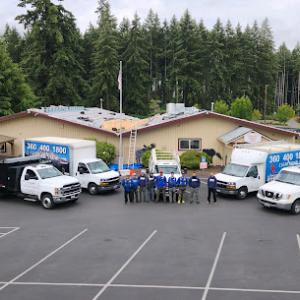
Clear View Exteriors
(360) 400-1800 www.clearviewwa.com
18324 119th Ave SE, Yelm, Washington
4.9 from 199 reviews
Since 2015, Clear View Exteriors, LLC has been dedicated to providing exceptional service and quality for every project. Based in Yelm, Washington, this professional team specializes in a range of exterior home improvements. Whether you need a full re-roof, a simple repair, or an upgrade to your siding and gutters, they are committed to delivering the highest level of craftsmanship to protect and enhance your home's exterior.

Whitman's Roofing
(360) 485-3061 whitmansroofing.com
15834 123rd Ave SE, Yelm, Washington
5.0 from 7 reviews
Whitman's Roofing values integrity and quality and treats your home as if it were our own. You will find us to be competitively priced, paying close attention to the details of each and every project that we are involved with. You don't just want to find a good company that gets the job done; you want a company that strives for excellence and delivers it with each and every project. That's Whitman' Roofing. No matter how big or small your project. Whitman's Roofing offers a broad range of services as well as the expertise to get the job done right the first time. It is our mission to provide excellent workmanship and complete customer satisfaction to you at a reasonable price without sacrificing quality.
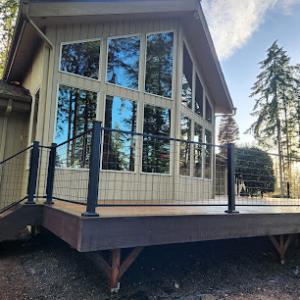
Allender Construction
(360) 660-0132 www.allenderconstructionwa.com
Serving
5.0 from 25 reviews
Allender Construction, a premium exterior remodeling company in Olympia, WA, is renowned for delivering exceptional workmanship and unparalleled customer service. As skilled roofing contractors, expert deck builders, fence specialists, and siding professionals, we bring a comprehensive range of services to transform your outdoor spaces. From sturdy roofs that withstand the elements to elegant decks perfect for entertaining, and durable fences that enhance privacy, to stunning siding that boosts curb appeal – we go the extra mile to ensure your needs are not just met, but exceeded.
Supreme Roofing
(360) 206-8238 www.supremeroofingwa.com
Serving
4.9 from 85 reviews
Supreme Roofing, founded in 2020, delivers unparalleled roofing services in Rochester, WA. Our expert contractors guarantee outstanding, seamless, durable, visually striking roofs. In addition to roofing, we specialize in deck building, siding repairs & installations, and general contracting services. Our comprehensive solutions are designed to significantly enhance your property's beauty, functionality, and value. From intricate repairs to complete roof replacements, Supreme Roofing is unwavering in its commitment to quality craftsmanship and unsurpassed customer satisfaction. Choose us for results that exceed your expectations.
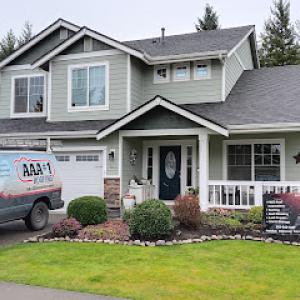
AAA #1 Roofing
(253) 377-3800 aaa1roofing.com
Serving
4.7 from 43 reviews
Professional, licensed roofing services done right the first time. Pierce County’s trusted roofing pros, providing commercial and residential roofing and waterproofing services since 1987.
South Sound Roofing
(360) 771-7637 southsoundroofingllc.netlify.app
Serving
5.0 from 26 reviews
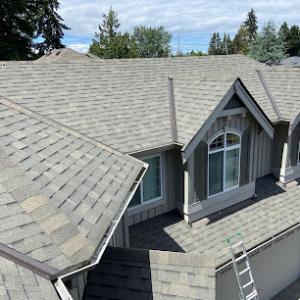
Established in 2020, South Sound Roofing is a local roofing company serving the South Sound region of Washington. We offer a wide range of roofing services, from roof repairs and replacements to new roof installations. Our team of experienced and certified roofers is committed to providing our customers with the highest quality workmanship and customer service.
High Level Roofing
(425) 988-0378 www.highlevelroofingservices.com
Serving
4.9 from 160 reviews
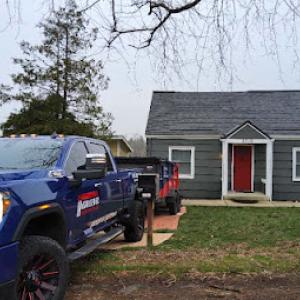
🏠 High Level Roofing – Your Trusted Roofing Experts in Spanaway, WA ✨ 🛠️ At High Level Roofing, we specialize in roof installation, repair, and replacement for both residential and commercial properties 🏡🏢. With over 20 years of experience, we provide reliable solutions for: ✅ Storm Damage Repair ✅ Skylight Installation & Repair ✅ Siding Services ⚡ We stand out for our fast response, high-quality materials, and guaranteed workmanship, ensuring long-lasting protection and durability for your home or business. 🚨 Available 24/7, our team is ready to handle emergencies as well as scheduled projects! 📞 Call us today for a professional inspection!
United Roofing Solutions
(360) 915-9116 www.unitedroofs.com
Serving
4.6 from 68 reviews
United Roofing Solutions is a top-rated roofing contractor in Olympia, WA, proudly serving Olympia, Lacey, Tumwater, and the greater South Sound region for over 15 years. We specialize in both residential and commercial roofing services, including roof repair, roof replacement, new roof installation, and roof inspections. Whether you're dealing with storm damage, planning a commercial flat roof project, or upgrading your home’s roofing, our experienced team delivers results you can count on—even when emergency roof repair services are needed. We also handle skylight installation and repair—including sun tunnels and Solatubes—plus expert gutter installation, gutter repair, and seasonal cleaning. Call today to schedule your free estimate!

Roy Roof Repair
Serving
5.0 from 5 reviews
Roy Roof Repair has been working in Roy ever since 2011, and happily services the 98580 zip code and surrounding locations We supply professional services in roofing contractor in the Roy community If you want help in roofing contractor inside Roy district look no further We're headquartered in Washington, within Roy We are the highest quality at roofing contractor in 98580 Washington
Proline Roofing & Restoration
(253) 468-3227 prolineroofingnr.com
Serving
4.8 from 49 reviews
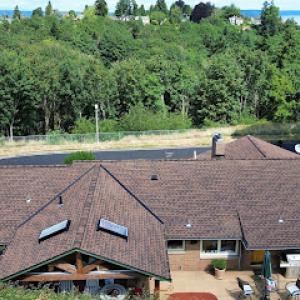
Proline Roofing and Restoration: Expert roofing solution for a safe and secure home. Family-owned and operated, serving Tacoma and surrounding areas with top-quality materials, skilled craftsmanship, and personalized customer care. From repairs to full replacement, and insurance claim, trust us to protect your sweet home.

Olmos Brothers roofing company
(206) 910-2078 www.olmosbrothersroofing.com
Serving
5.0 from 40 reviews
Installation: Installed roofs using various materials and tools Maintenance: Performed repairs and maintenance on roofs Project management: Collaborated with managers and foremen to ensure projects were completed on time and to specifications Quality control: Maintained a clean and organized work environment Safety: Removed debris from roofs to place materials Cost estimation: Inspected damages and estimated labor costs Knowledge: Has a strong understanding of building and construction regulations, materials, and techniques

Charlie Roofing
(360) 485-9732 www.charlieroofing.com
Serving
4.8 from 45 reviews
A roofing company that offers services at a residential and commercial level through hard work, commitment, and professionalism. Our 18 years of experience as roofers and 4 years as a team guarantees each one of our jobs to be professionally done.
Autumn through spring often brings frequent rainfall that can interrupt tear-off and dry-in sequencing, making scheduling more fragile than in drier inland Washington markets. When you plan window work, expect delays caused by back-to-back downpours or sudden lulls that never quite settle into a predictable rhythm. In this climate, crews often tack on buffer days to accommodate unexpected moisture, which can push project timelines toward the end of a window you hoped to keep. If a weather front sneaks up mid-construction, protect the opening and interior spaces with extra temporary weather barriers, because a small leak during a critical phase can ripple into extended downtime and rework.
Winter rain and occasional snow in the area can reduce safe work windows and increase the risk of exposing decking to moisture during replacement. If the project involves exterior flange work or sill replacements, the surface below needs to stay as dry as possible to maintain fastener longevity and seal integrity. A damp substructure can compromise shims, flashing, and flashing seams, which prolongs the time you'll be living with altered curb appeal and potential water intrusion risk. Inside the home, moisture loading can show up as condensation on newly installed components or temporary trimming that clings to cool surfaces. Expect crews to schedule a few short dry-in periods rather than a single long stretch when days are cool and wet; the result is slower progress but better long-term performance. Precautions like covering studs and keeping interior air balanced help keep mold risk and wood warping in check while the team works.
Cool, cloudy South Sound conditions can make installation days workable for longer parts of the year, but adhesive sealing on some products can take longer when temperatures stay low. In practice, that means you may notice longer curing times for sealants and multipurpose adhesives, which can push deadlines if late-season rain arrives. If you're installing newer, energy-efficient units with specialty sealants, plan for a couple of extra days beyond the bare minimum so you aren't rushing a critical seal once a dry window opens. The goal is a robust seal that holds up to the constant humidity and moss-friendly growth typical of this area; skimping on cure time now often leads to faster, repeat maintenance later.
Choose a window system with proven performance in moist conditions, favoring materials and flashing details that shed water quickly and resist moss-driven deterioration. Coordinate closely with your installer to map out a flexible sequence that accounts for rain days, including staged interior protection and ready-to-redeploy tarps for exterior work. Keep gutters clear and ensure the site remains dry between stages to minimize moisture damage to framing and insulation. Finally, set real expectations with a contingency plan that anticipates abrupt weather changes; a conservative schedule reduces the chance of exposed gaps and moisture exposure during the critical stages of replacement.
When you can't wait, these contractors offer fast response times to stop leaks and prevent further damage.
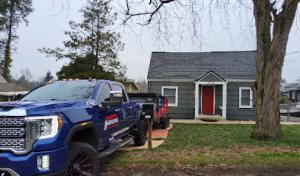
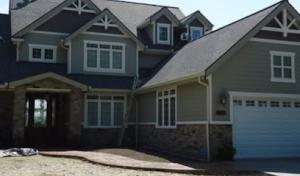
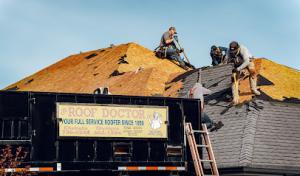
Asphalt shingles remain a practical fit in Yelm because they are widely used and economical, but the local moisture-and-moss environment makes ventilation, underlayment condition, and maintenance especially important. The profile of a typical Yelm roof is one that faces a lot of wet-season exposure and lingering humidity in the spring and fall. Proper attic ventilation and a well-sealed, breathable underlayment help prevent moisture from migrating into sheathing and edges, where moss can start to take hold. If you choose asphalt, plan for periodic checks-especially after wet seasons-to ensure improper drying isn't creating soft spots or dark moss patches. In years with heavy rainfall, you may notice faster moss colonization on shaded areas, so prioritize ridge vents, soffit intake, and a vented attic design that keeps the underside of the roof deck drier. Maintenance becomes a proactive task: keep gutters clear, trim overhanging branches that drip moisture onto the shingles, and address any shingle granule loss promptly to maintain UV and moisture resistance.
Metal roofing is well suited to Yelm's wet climate because it sheds water efficiently and is less hospitable to moss than rougher roof surfaces, which matters in the South Sound environment. Smooth metal panels allow rain to glide away, which reduces standing moisture that moss and algae feed on. This can translate into lower moss growth on the surface itself and less frequent need for aggressive moss-removal practices. However, metal still requires careful attention to fastener sealing, edge flashing, and ridge cap integrity, since persistent moisture can encroach around penetrations and seams. A well-sealed metal roof benefits from a high-quality underlayment below and a continuous ventilation strategy inside the attic to control condensation that might otherwise trap moisture at the deck. In shaded portions of the roof, consider proactive moss-management strategies, such as regular inspections and safe cleaning methods that preserve the protective coating and prevent moisture from seeping into fastener holes.
Clay and concrete tile appear in the market but require attention to structural load, underlayment life, and moss accumulation in a region where moisture exposure is more persistent than summer heat. These tiles are unforgiving of overburdened structures, so confirm that the supporting roof framing can handle the weight, especially for older homes or those with retrofit modifications. Underlayment choice matters more with tile in a damp climate: a robust, mold- and moisture-resistant membrane beneath the tiles helps slow water ingress from moss-laden surfaces and trapped moisture. Moss tends to accumulate on shaded, cool tiles, which can cause micro-damages over time as roots or lichens grow into the substrate. Regular cleaning and moss-control strategies-using safe, roof-friendly methods-help preserve tile longevity. In areas with persistent moisture, ensure flashing details around chimneys, skylights, and intersections are inspected frequently to prevent moisture infiltration.
Across material types, the common thread is a proactive maintenance routine centered on moisture control and moss management. Yelm homes benefit from thoughtful ventilation design, high-quality underlayment, and timely interventions at first signs of moss or algae growth. Shaded roof planes deserve particular attention, since damp microclimates there accelerate moss formation. When choosing materials, balance the immediate benefits of installation with long-term considerations: how the roof breathes, how easily moisture drains, how moss typically establishes on that surface, and how maintenance routines will fit into the local wet-season calendar. A well-planned combination of ventilation, moisture-resilient underlayment, and regular cleaning can help extend roof life and keep moisture- and moss-related aging at bay.
Explore specialists in steel, aluminum, and standing seam metal roofs built to last 50 years or more.

Whitman's Roofing
(360) 485-3061 whitmansroofing.com
15834 123rd Ave SE, Yelm, Washington
5.0 from 7 reviews
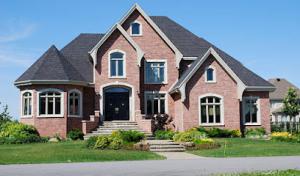
Provided local ranges run about 350 to 650 USD per square for asphalt shingles, 700 to 1300 for metal, 1000 to 2400 for clay tile, 900 to 2000 for concrete tile, 600 to 1400 for wood shingles or shakes, and 550 to 1000 for synthetic or composite shingles. Those figures are a starting point, not a final bid, and the actual price depends on the roof's pitch, layout, and any fan-out edges or dormers that add square footage. In this climate, asphalt remains common for its balance of cost and repairability, but metal can be attractive when exposed fasteners and moss-prone decks push you toward longer-lasting options. Clay and concrete tiles bring premium upfront costs yet can offer longer lifespans if the deck is sound and the underlayment is solid.
In this region, moisture-related deck repairs, moss cleanup, and replacing compromised underlayment can push final pricing above a simple material-only estimate because hidden damage is common after long wet exposure. Moss can trap moisture and accelerate wood rot or fastener corrosion, so expect to budget for deck repairs, additional flashing, and sometimes plywood or roof deck replacements. If moss has held moisture against the sheathing for multiple seasons, the contractor may uncover rot or delamination when the old roof is removed. Those discoveries can add a meaningful chunk to the project cost, even if the surface appearance looked fine from ground level.
Project timing affects cost locally because rain delays in the Thurston County area can stretch labor schedules and staging, especially during the wetter autumn-to-spring period. Local crews often prioritize dry spells, which can compress scheduling windows and push pricing if a contractor needs to secure seasonal material stocks or extend the job to salvage time lost to rain. If planning around the typical wet season, build in a cushion for potential weather-related delays, and discuss tarp and staging needs upfront to minimize wind-driven or moisture-related surprises.
Don't let upfront costs delay a critical repair - these contractors offer payment plans to fit your budget.
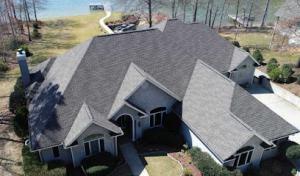
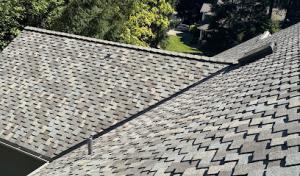
For Thurston County properties with a full roof replacement, a building permit is typically required rather than treated as a no-permit minor repair. This distinction matters because a full re-roof involves structural or sheathing changes, ventilation considerations, and proper underlayment installation that can affect decades of service in the damp South Sound climate. Missing a required permit can lead to delays, rework, and penalties when the job reaches final inspection. In practice, a re-roof in a typical Yelm home is treated as a project that benefits from formal oversight rather than ad hoc workarounds.
The local process generally includes an initial plan review followed by at least a final inspection after the roofing work is completed. During plan review, identify the scope of the replacement, any updates to deck or attic ventilation, and the chosen roofing materials. The plan review helps ensure that moisture management, moss resistance details, and ventilation meet Thurston County standards, which is especially important given Yelm's persistent damp conditions. After the project progresses, the final inspection confirms that the installed system aligns with approved plans, building code requirements, and permit conditions. Both steps protect home value and help prevent moisture-related issues that can accelerate aging of a roof in this climate.
Inspections are coordinated through the county's online portal, and weather-related delays can affect inspection timing as well as the construction schedule. In practice, wet seasons can push inspection windows or force temporary postponements, so plan for potential gaps between permit approval, material delivery, and actual work. If a weather halt occurs, the online portal provides the updated inspection status and next available slots. Having a clear communication line with the roofing contractor and knowing the portal login process helps reduce downtime. Timely documentation, including any required weather-delay notices, supports smoother progress through plan review and final inspection stages.
Before scheduling, verify that the contractor will handle all permit applications and correspondence with the county. Keep copies of plan submissions, permit numbers, and inspection notices accessible on site. If the project involves changes to attic ventilation or underlayment strategies aimed at mitigating moss-related moisture, ensure those specifics are reflected in the approved plans. Understanding the county's online portal workflow and anticipated weather delays helps align the permit timeline with the local roofing schedule, reducing the risk of gaps that could invite moisture intrusion or moss growth between material cycles.
In the Puget Sound region, roof claims are more often tied to weather wear and occasional wind events than to a single dominant catastrophe pattern. That pattern shows up clearly in Yelm, where long wet seasons and persistent moss pressure shape how roofs age and how homeowners experience claim conversations. If a claim is triggered by a specific storm, you'll want to isolate that event, but you'll also need to acknowledge the ongoing moisture exposure that contributes to slow deterioration.
There is no broad regional insurer pullback noted for this market, but carriers may ask Yelm homeowners for roof photos and documentation showing current condition before or after a claim. Start gathering dated images that capture overall roof health, attic ventilation signs, exterior fascia and flashing, and any moss growth or shingle lifting. Consistent, well-lit photos from ground level and from a lateral angle help illustrate general condition and any recent changes.
Adjusters in this region commonly distinguish between new storm-related damage and long-term moisture or moss-related deterioration, which is especially important in this climate. When preparing, include a concise narrative that links observed damage to both a recent weather event and ongoing moisture exposure. If you have prior maintenance records, moss treatment, or past repairs, attach those details to show patterns over time and to avoid misclassification.
Before contacting the insurer, map out areas of concern such as wind-lifted shingles, granule loss, moss-laden surfaces, and any signs of roof deck exposure. Note attic conditions, condensation, and ventilation issues, since these factors influence what the adjuster sees as storm-related versus moisture-driven. If you can, schedule a preliminary assessment with a roofing professional to document findings that support a clear, event-based narrative alongside the chronic moisture story.
Connect with contractors who help homeowners navigate the claims process from damage assessment to final approval.
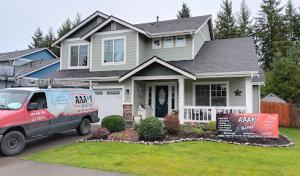
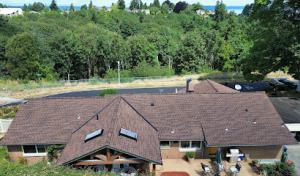
In this climate, roof penetrations and transitions stay under repeated moisture stress for long parts of the year, so small flashing defects can become active leaks quickly. A loose vent boot, a cracked chimney flashing, or a misaligned skylight seal can quietly work against you as soaking rains and high humidity persist. Regular checks after heavy rains or early spring thaws help catch these weak spots before they start dripping indoors. Pay particular attention to any movement around pipes, vent collars, and where the roof meets chimneys or dormers.
Moss and debris buildup in valleys is a locally relevant failure pattern because it slows drainage and keeps water in contact with roofing materials longer than intended. In Yelm's wet South Sound climate, that stagnant moisture accelerates the degradation of shingles, underlayment, and flashing. Valleys deserve a careful twice-yearly cleaning, not a once-in-a-decade sweep. If moss is present, treat it with non-corrosive products designed for roofs and ensure valleys are free of obstructions to maintain a clear, fast path for runoff.
The local contractor market shows meaningful demand for chimney-related work, which aligns with leak concerns where masonry and roof flashing meet in older South Sound homes. Cracked mortar, deteriorated chimney flashing, or improperly sealed step and counter-flashing can channel water onto the roof decking. With age, these joints loosen, allowing moisture to migrate into roof lines and into the attic space. Inspect around chimney bases after storms and consider a professional inspection if discoloration, damp rafters, or musty attic odors appear.
Keep a routine of dry-season and wet-season inspections focusing on penetrations, valleys, and chimney interfaces. Rattle-free flashing, solid sealant joints, and clean drainage paths save more than you might expect when the next heavy rain hits. If any soft spots, curling shingles, or visible staining appear, treat them as urgent indicators rather than minor inconveniences.
Find contractors experienced in skylight installation, flashing, and leak repairs to bring natural light into your home.
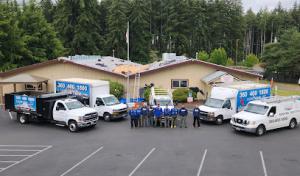
Clear View Exteriors
(360) 400-1800 www.clearviewwa.com
18324 119th Ave SE, Yelm, Washington
4.9 from 199 reviews
In a market where leaks during rainy periods can be urgent even without a major storm, a roofer's ability to respond quickly is a key factor for homeowners. The practical choice is contractors who can schedule timely inspections, identify the source of moisture, and outline immediate steps to prevent further interior damage. You'll notice that local crews with reliable call-back times and predictable on-site arrival days tend to win repeat work from nearby neighbors and long-time residents.
Long-established contractors are common in this market, and that depth of local know-how matters. Homeowners value crews who have faced Thurston County's typical weather swings, from damp springs to cool, moss-prone winters. A proven track record translates into familiarity with common roof types found in the area and a sense that the contractor won't vanish after a mid-project lull. When talking to candidates, ask about a few nearby jobs with similar weather histories and how they handled persistent moisture and moss-related aging.
The local signals emphasize practicality over niche luxury specialization. Homeowners often prefer teams that demonstrate straightforward, transparent workmanship and reliable material recommendations tailored to South Sound moisture exposure. A strong emphasis is placed on solid re-roofing experience tied to practical outcomes-long-lasting protection, efficient installation, and predictable timelines-rather than flashy, one-off enhancements that don't address the wet-climate realities.
Moss pressure is a defining factor for roofs here. Expect contractors to discuss moss-aware inspection routines, surface preparation, and guidance on how to minimize future moss growth without compromising roofing integrity. You'll want crews that can articulate a maintenance plan aligned with seasonal cycles, including timely treatments or preventative steps to extend the life of aging shingles in a damp environment.
The most trusted options are those who have built relationships across Thurston County, understood common neighborhood roof lines, and demonstrated consistent performance across similar homes. When evaluating bids, consider how well each contractor communicates about weather-driven delays, milestone expectations, and the practicality of repair versus full replacement decisions for typical Yelm homes.