Last updated: Apr 19, 2026
Chehalis sits in Western Washington's wet-side climate, where long autumn and winter rain periods keep roof surfaces damp for extended stretches. That constant dampness isn't just uncomfortable to look at-it accelerates rot, degrades underlayment, and invites hidden leaks to form behind shingles. Moss and algae love the shaded, moss-prone nooks, especially on roof planes blocked by trees or near debris-holding valleys. If gutters are clogged or vents are blocked, moisture sits where it shouldn't, inviting ice-dam-like behavior during shoulder seasons. In this setting, a small leak today can become a ceiling-full of trouble tomorrow.
Where problems tend to surface most quickly are shaded slopes, valleys with standing debris, and intersections where vent pipes and chimneys meet the roofing plane. Asphalt shingles may start to curl or delaminate as moss anchors itself and holds moisture against the deck. Metal roofs, though durable, can trap condensation under panels if fasteners loosen or seals fail, creating hidden leaks that only show up after a heavy rain. Clay and concrete tiles are susceptible to broken or dislodged pieces from wind-driven moisture, and wood shingles are particularly at risk when damp conditions linger and prevent the wood from fully drying between storms. The danger isn't just a drip-it's delayed deck evaluation, soaked attic insulation, and accelerated mold risk in insulation cavities.
Local replacement timing is typically favored from late spring through early fall because winter rainfall can delay tear-off, drying, and deck evaluation. In practical terms, that means the window for reroof projects closes if autumn turns wet early or a late October storm sneaks in. If the roof shows telltale signs of failure-peeling flashing, curling shingles, persistent moss mats, or suspicious damp spots in the attic-action should not wait for a "good weather week." The longer moisture sits on the deck or underlayment, the more likely fascia rot, roof deck rot, or compromised ventilation will compound the problem.
If shingles are curling, granules are washing away, or moss patches feel spongy to the touch, treat those as active failure indicators rather than cosmetic flaws. Check gutters and downspouts for clogs that back up water onto the roof edge; clear debris promptly, especially near valleys and penetrations. Look for dark stains inside attic spaces, musty odors, or damp insulation-these signal moisture intrusion that needs prompt professional assessment. In shaded areas, invest in targeted moss control and surface cleaning to restore drainage paths. For roofs with visible leaks, prioritize a diagnostic roof inspection to identify compromised decking, compromised underlayment, and flashing failures before the next heavy rainfall.
The most reliable plan is to coordinate roofing work during the dry, extended window late spring through early fall, with an emphasis on thorough cleaning, moss mitigation, and resealing flashing and edge metal before the next wet season begins. Keep an eye on trees that shade the roof; trim branches that drape over shingles to reduce ongoing moss growth and debris accumulation. Ensure valleys stay clear and drainage paths remain open, and confirm attic ventilation is balanced so moisture can dry rather than condense. In short, treat persistent moisture, moss growth, and leak risk as a single, urgent system that dictates maintenance timing and focus every year.
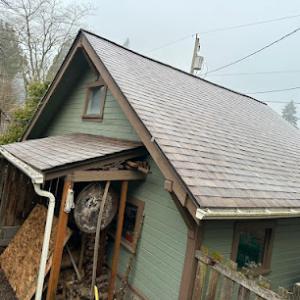
In Chehalis, high humidity and frequent precipitation make moss control a roof-longevity issue rather than just a cosmetic one. Moss can cling to shingles and flashing, especially on north-facing slopes or shaded sections of the roof where moisture lingers. When moss stays put, it holds moisture against the roofing layer, promoting deterioration of the protective granules and accelerating wear during the region's long rainy season. The problem isn't confined to appearance-softened shingles, hidden leaks, and accelerated flashing rotation can all follow when moss remains unchecked. The practical move is to address moss early, not only to improve curb appeal but to protect the underlying roof structure from becoming a moisture trap.
Moisture-retaining moss can shorten service life by holding water against shingles and flashing through the region's long rainy season. As moss traps dampness, the heat and freeze cycles common in shoulder seasons can loosen shingles and undermine seals around vent flashing and chimney details. In roofs with existing minor voids or gullies, moisture-filled moss can magnify leaks that otherwise would be dormant between storms. Regular removal and filtration of moss growth helps ensure that water has a clear path to shed off the roof, reducing the chance that moisture sits where it shouldn't. If moss is left to grow unchecked, the combination of continuous wetness and the valley's frequent wind-driven debris can create a slow, creeping deterioration that's far harder to reverse than to prevent.
Windstorms in shoulder seasons can add branches and organic debris that trap moisture and create temporary vulnerabilities on already damp roofs. In neighborhoods where trees lean over the eaves, a stray branch or pine needle layer can act like a wick, guiding water toward vulnerable seams or under shingles. Debris can also clog gutters and downspouts, widening the moisture window along the eave line and around vents. The resulting damp pockets encourage moss to spread and keep moisture in contact with flashing and joints longer than ideal. The practical response is proactive debris management: keep the roof surface clear of fallen branches, prune overhanging limbs, and schedule timely gutter maintenance before the wet season intensifies. If debris is allowed to accumulate, moisture retention becomes a cycle that's harder to interrupt after a heavy rain event.
A steady rhythm of moss checks in the late fall and early spring helps prevent a moisture build-up that would otherwise linger through the winter. When moss is spotted, gentle removal with a soft-bristle brush and careful use of a moss-friendly cleaning solution can reduce invasion without harming the shingles. Prioritize roof sections most shaded or prone to dampness, and keep an eye on flashing details where moss often first takes hold. By maintaining a clean, well-drained roof surface, homeowners reduce the likelihood of moisture-related damage that tends to compound during Chehalis's wet season.
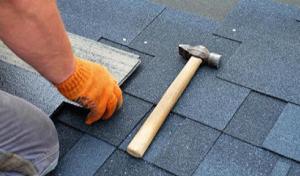
Asphalt shingles are a dominant local choice, and for good reason. The Chehalis area endures long stretches of wet weather and moss-prone conditions, so the underlayment quality, ventilation, and ongoing maintenance become just as important as the shingles themselves. If you opt for asphalt, choose architectural or thicker 3-tab shingles with a high water resistance and a robust underlayment system. Install a breathable, moisture-tolerant synthetic or felt underlayment, and pair it with a proper ridge vent and soffit intake to keep attic moisture levels in check. In this climate, periodic moss control and gutter maintenance are essential, because damp conditions can quickly create a slippery, mold-friendly surface on the roof edge. A well-sealed flashing detail around chimneys, vents, and skylights finishes the moisture shield you'll rely on through the winter.
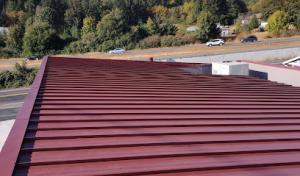
Metal roofing is an active specialty in this market and is often considered by homeowners looking for faster water shedding during prolonged rain periods. Modern metal panels with integrated underlayment and proper fasteners can resist moss retention better than many other options, especially when installed with a continuous vented ridge line. For Chehalis winters, look for metal systems that emphasize a concealed fastener or high-quality sealants, and ensure the installation includes a non-prorated, durable coating that tolerates damp, shaded spots. Early attention to roof-to-wall transitions, gutters, and downspouts pays off: metal shed edges must still shed moisture efficiently to prevent lingering moisture near the fascia. Regular moss scrapes and amaintained aeration beneath roofing panels help extend the life of a metal roof in this moisture-rich valley.
Wood shingles and shakes face added longevity challenges in Western Washington's damp climate. If you lean toward wood, select heartwood species with natural decay resistance and opt for a product with embedded preservative treatments. Pay careful attention to attic ventilation, as a properly ventilated roof helps slow moisture-driven rot and reduces fungal growth on exposed edges. Maintain a robust coating schedule or consider a durable top sealant that resists moss staining. Regular cleaning of moss and debris from the roof surface, plus trimming overhanging branches that drop shade and moisture onto the shingles, supports performance. Expect more intensive inspection, especially after heavy rainfall years, to catch lags in fastener corrosion or edge lift early.
Tile systems require attention to weight and water-management details during reroofing. Concrete or clay tiles bring distinctive durability in a wet climate, but their weight demands a solid structural check and appropriate underlayment. In this area, a segundo layer of moisture protection beneath tiles helps reduce capillary rise and seepage through the deck. During reroofs, ensure that the roof deck is solid, vented, and free of rot, because tile floors can trap moisture in the substrate. Proper flashing at hips, valleys, and penetrations is crucial, as is an integrated gutter plan that handles heavy rainfall without shifting tiles or pooling water. If you choose tile, insist on a well-designed moisture-management detail that respects the local seasonal rhythms and moss pressures.
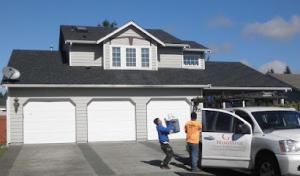
The reroof window in this area is a real constraint. You usually see the best scheduling conditions from late spring through early fall, when temperatures are mild and rain is less likely to anchor crews to the ground. Plan for a weather-limited installation season and align your project with a dry stretch of weeks so decking stays protected and tarps don't become daily chores. In practice, you'll find many local contractors prefer late May through September for full tear-off and reinstallation work, with a clear plan for wet spells that could push work into shoulder periods.
Heavy autumn and winter rainfall in this area can increase labor time, protection needs, and scheduling delays during active reroof projects. Expect more trips for debris cleanup, extra underlayment checks, and contingencies if sections of decking show moisture-softened wood after tear-off. If a storm rolls in mid-project, crews may pause to safeguard interior spaces, which lengthens the timeline and can tighten access for delivery of materials and ventilation components.
Costs can also move based on moisture-related deck repairs discovered after tear-off, since inspectors may verify decking, underlayment, and ventilation where applicable. Soft or warped decking often requires replacement before or during underlayment installation, which adds both material and labor. Addressing mold, rot, or fungal growth on the sheathing or plywood is common in this climate and can shift a project from a standard replacement to a more involved repair plan.
Practical budgeting steps include getting two written bids and confirming weather contingency lines in the contract. If you uncover soft decking, add additional contingency for repair and potential ventilation upgrades, as attic access and venting effectiveness influence long-term performance and roof life in wet months. In peak rainy season, expect increased protection measures and potential overtime to maintain a dry, safe work zone.

Safecover Roofing
(360) 304-8055 www.safecoverroofing.com
1696 Bishop Rd, Chehalis, Washington
5.0 from 152 reviews
Safecover Roofing is a full service roofing contractor located in Chehalis Washington. We service Chehalis, Centralia, Rochester and all other cities in Lewis County. Safecover Roofing offers roof replacement, roof repair and roof inspection. With over 20 years of roofing experience, our team will get the job done right. Contact Safecover Roofing for your roofing needs.

The Roof Doctor
(360) 559-6867 www.theroofdoctor.com
1522 Bishop Rd, Chehalis, Washington
4.6 from 87 reviews
Since 1959, The Roof Doctor has been Western Washington's trusted family-owned provider of comprehensive roofing and home improvement services. Specializing in new roofing, re-roofing, repairs, cleaning, and 24/7 emergency services, they ensure homes and businesses remain protected and visually appealing. Beyond roofing, The Roof Doctor offers solar panel installations and various home improvement services, including decks, siding, windows, and doors, enhancing both energy efficiency and property value. With over 60 years of experience, highly trained crews, and a commitment to unparalleled customer service, The Roof Doctor delivers prompt, reliable, and quality craftsmanship tailored to each client's needs.
Roofers Near Me
(360) 880-8582 roofrsnearme.com
1101 Kresky Ave B, Chehalis, Washington
5.0 from 1 review
The most trusted roofing company for all of your family or business roofing needs. From new roofing to repairs, cleaning, and emergency jobs, our expert crews will get the job done and make sure your roof looks and functions its best.

Best Roofing
438 SW William Ave, Chehalis, Washington
3.0 from 4 reviews
At Best Roofing we proud ourselves on the quality of work delivered every time. We service Olympia, Chehalis and Surrounding areas. Call Us Today To Get An Estimate!
On Top Roofing
(360) 520-6504 www.otroofingwa.com
Serving
4.8 from 77 reviews
At On Top Roofing, our passion is providing exceptional roofing solutions for residential and commercial properties in Centralia, WA, and neighboring areas. Family-owned and operated, we prioritize building enduring relationships with our customers through impeccable craftsmanship and transparent communication. Whether you need a new roof installation, skillful repairs, thorough cleaning, or siding services, our experienced team is fully equipped to enhance the beauty and longevity of your property. We take pride in utilizing only the highest quality materials, ensuring exceptional durability and cost-effectiveness. Ask us about our preferred products and our Financing options!!
Pro-Cover Roofing
(360) 500-9784 procoverroofingllc.com
Serving
5.0 from 20 reviews
Pro Cover Roofing Llc offers residents of Beaverton, Portland, West Linn and other locations in the State of Oregon all phases of roofing, where our services stand out for being delivered in the agreed time, and above all in a more professional manner in all areas of our projects. Our roofing contractor services are based on the satisfaction of our clients when receiving our services, as well as the good recommendations we receive from them. We also specialize in Insulation, Wooden Fences, and Sidings.
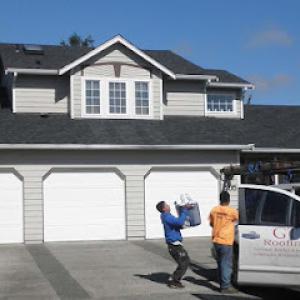
GT Roofing
(360) 388-8222 www.gtroofingwa.com
Serving
4.5 from 23 reviews
GT Roofing provides residential and commercial roofing, reroofing, and new construction roofing to the Centralia, WA area.
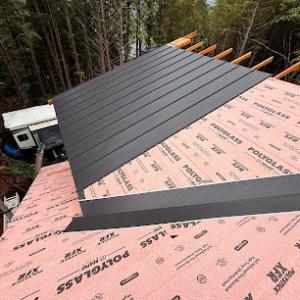
DB Roof
Serving
4.3 from 20 reviews
DB Roof provides residential roofing, roof repair services, and FREE estimates to the Centralia, WA area.
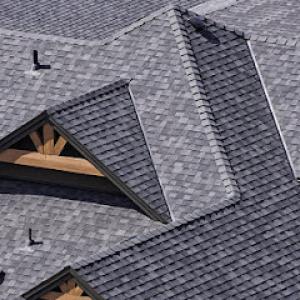
Apex Northwest Roofing
Serving
5.0 from 3 reviews
Apex Northwest Roofing provides residential architectural roofs, metal roofs, rubber roofs, roof repairs and cleaning, and gutter repairs and cleaning to the Winlock, WA area.
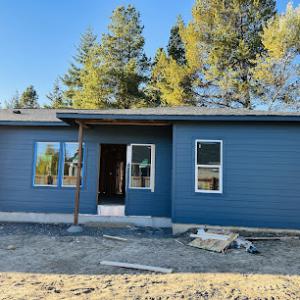
Washington Infinity Roofing
(360) 347-2332 www.washingtoninfinityroofing.com
Serving
5.0 from 8 reviews
Washington Infinity Roofing strives for excellence and satisfaction from our clients. We offer metal roof installation, rain gutter installation, repairs, and more.

Supreme Roofing
(360) 206-8238 www.supremeroofingwa.com
Serving
4.9 from 85 reviews
Supreme Roofing, founded in 2020, delivers unparalleled roofing services in Rochester, WA. Our expert contractors guarantee outstanding, seamless, durable, visually striking roofs. In addition to roofing, we specialize in deck building, siding repairs & installations, and general contracting services. Our comprehensive solutions are designed to significantly enhance your property's beauty, functionality, and value. From intricate repairs to complete roof replacements, Supreme Roofing is unwavering in its commitment to quality craftsmanship and unsurpassed customer satisfaction. Choose us for results that exceed your expectations.
MAR Construction
(360) 349-4005 marconstructionolympia.com
Serving
5.0 from 5 reviews
When it comes to Roofing Services and more, no one compares to MAR Construction With years of combined experience, MAR Construction has worked hard to build the trust of our clients in Olympia and surrounding areas. Visit our website to learn more or better yet, call us today!
A building permit is normally required for residential reroof projects in Chehalis and Lewis County. Beginning with the permit ensures the reroof aligns with local code, drainage assumptions, and venting requirements that the long wet season makes more critical. Before you commit to tearing off and replacing, gather any documentation on your current roof deck, vents, and attic space-this helps the clerk know what to expect and can speed up the review.
The local process typically involves submitting project details to the building department, paying the permit fee, and scheduling inspections during and after installation. In practice, the department will want a clear plan for how moisture control will be maintained throughout the job, especially given the valley's persistent winter moisture and moss-prone conditions. A typical submission includes a roof plan, attic vent calculations, and a brief description of underlayment and deck protection. If your home has any unusual features-odd slopes, skylights, or a radiant-heating system in the attic-have those noted up front to avoid delays.
During installation, inspections are generally spaced to catch potential issues early. The first inspection often checks ventilation adequacy and underlayment setup before the roof is closed up. In this climate, proper attic ventilation is not just a code box to check; it directly affects how well the roof handles the damp winters and keeps moss at bay on shaded areas. Ask your contractor to verify deck condition and integrity before re-covering, especially if your current deck shows signs of moisture intrusion or prior moss-related damage. If there is a metal or tile transition in the roof, inspectors will look for proper flashing and edge details to prevent leaks in the typical Chehalis winter.
Another common focus is weather timing. Inspections scheduled during dry spells or just after completion help confirm the roof system's continuity and the effectiveness of moisture barriers. If you are working through wet season windows, coordinate with the inspector to ensure no work is performed when conditions could compromise underlayment or ventilation components. After installation, a final inspection confirms everything is installed to code and that ventilation routes remain clear for ongoing moisture management. If any deviations are found, follow the inspector's guidance promptly, as corrections can prevent costly leaks during the next heavy rain. Keeping notes from each inspection visit can also help when you renew or transfer ownership in the future.
In Western Washington, roof insurance claims commonly follow wind and heavy rain events rather than hail-driven loss patterns. That reality shapes how the Chehalis-area homeowner approaches storm damage: wind gusts can loosen shingles, lift flashing, or drive moisture under roof edges after the rain starts. Leaks often show up days later as interior walls and ceilings react to sustained wetting. Understanding this pattern helps you prepare and respond promptly, especially in a year with persistent moisture and moss pressure.
Chehalis-area homeowners should expect insurers to require photos, contractor estimates, and documentation of damaged areas before claim decisions are made. After a storm, take clear pictures of all affected roof sections from multiple angles, including any displaced shingles, lifted edges, damaged flashing, and visible granule loss. Keep a dated interior log of any leaks, staining, or mold signs, and photograph those interior areas as soon as you notice them. Collect any repair orders or contractor notes that describe the condition before and after moisture events. Present those items with your claim to avoid delays and questions about the severity.
Adjusters may inspect damaged roof sections personally, so documenting leaks, displaced materials, and interior moisture signs promptly is especially important after storms. If possible, arrange access to the attic or crawlspace to show damp insulation or roof decking staining. Do not discard damaged materials until the adjuster has seen them, unless safety concerns require removal. Prepare a simple home moisture timeline: when the storm hit, when leaks appeared, and when interior damage was first noticed. This helps the adjuster connect the roof issue to the event and reduces back-and-forth requests.
Protect exposed areas with tarps or temporary coverings to minimize further moisture intrusion while awaiting assessment. Photograph any temporary fixes and document the date of installation. If moss or algae growth is visible near the leaking zones, note how long it has been there, since vegetation can complicate moisture paths. Keep a consistent line of communication with your insurer and your chosen contractor, and verify that repairs address both the surface damage and the underlying moisture channels that moss-prone roofs create in the long wet season.
Connect with contractors who help homeowners navigate the claims process from damage assessment to final approval.
The valley's long wet seasons mean that leak tracing around skylights and other roof penetrations can stay active for months. Small flashing defects or misaligned seams often hide in plain sight, only showing up after persistent drizzle or a quick freeze-thaw cycle. In Chehalis, a careful, patient approach to monitoring is essential: when gutters clog, water backs up and finds the easiest path, which may be a quietly corroding seam or a missealed skylight curb. The consequence is not dramatic failure overnight, but a slow drip that erodes insulation and elevates indoor humidity, inviting mold and heat loss alongside your roof's aging membrane.
Low-slope sections demand meticulous drainage planning. In this climate, standing moisture risk is higher during repeated rain events, so membrane laps must be oriented to shed water toward proper outlets, not toward seams or corners. Pay attention to field details where two membranes meet, and ensure terminations are reinforced with durable flashing that resists moss growth and debris buildup. If moss starts to form on the roof itself, it can wick moisture under flashing lines and create hidden leaks that only reveal themselves after a cold snap or a heavy rain.
Cold snaps and freezing conditions can temporarily worsen vulnerable seams and flashing details after saturated weather. Frozen moisture expands slightly and can stress sealants and lap joints, making previously minor gaps seepier. In practice, this means inspections after a stretch of continuous rain should focus on skylight plenums, vent bootings, and valley channels. If a leak appears after a cold spell, inspect the underlayment and flashing with an eye for hairline gaps that might have opened up under freezing pressure.
Maintain a regular check routine, especially after each significant rain event. Keep skylight surrounding areas clean of accumulating debris that can trap moisture and disguise slow leaks. When a leak trace leads to a flashing seam, address it promptly with careful resealing and, if necessary, a conservative repair that preserves drainage integrity. In this climate, the true endgame is preventing moisture from finding a line to the inside, rather than chasing a drip after it starts.
Find specialists in TPO, EPDM, and built-up flat roofing systems for residential and commercial properties.

Safecover Roofing
(360) 304-8055 www.safecoverroofing.com
1696 Bishop Rd, Chehalis, Washington
5.0 from 152 reviews