Last updated: Apr 19, 2026
Issaquah's temperate, rainy climate supports year-round moss and algae growth, especially on shaded roof planes near trees and in foothill neighborhoods. In practice, that means you'll see moss thriving on north-facing slopes, under dense fir and cedar canopies, and on sections of the roof that stay damp longer after rain. Moss isn't just cosmetic; it hides tiny gaps, lifts shingles, and holds moisture next to flashing details. Expect moss to establish first in shaded valleys and around dormers where runoff slows down. If your home sits near Tiger Mountain, Squak Mountain, or Cougar Mountain, the extra canopy cover and slower roof drying intensify those effects. Plan on a proactive rhythm for cleaning, treating, and re-sealing potential grout lines around vents and chimneys to stay ahead of creeping moss and moisture issues.
The city's long wet season makes drainage details such as valleys, flashing transitions, and debris-prone gutters more important than in drier Puget Sound locations. Roof valleys carry the bulk of water during storms, so inspect them for algae buildup, debris, and subtle shifts in slope that create standing water. Flashing around chimneys, skylights, and vent stacks should be checked annually for loose seals, rust, or pinhole leaks where moisture can spread to sheathing. Gutters and downspouts, especially in shaded sections near trees, often collect moss fragments, needles, and conifer debris. Debris-packed gutters slow drainage and encourage water to back up under shingles. When leaves and needles accumulate, verify that downspouts direct flow away from the foundation and onto a sloped surface that disperses water rather than pooling at the edge.
If moss appears, address it promptly to prevent moisture from infiltrating under shingles or flashing. Start with a careful cleaning method: use a plastic scraper to lift loose mats without gouging the roofing material, then rinse with a gentle stream to avoid driving moss into seams. Apply a moss-inhibiting treatment following manufacturer directions, focusing on shaded areas and roof crests where dampness concentrates. In the high-canopy zones near the foothills, consider a targeted treatment plan that cycles moss removal with re-sealing or re-coating of vulnerable sections. For roofs with wood shingles or shakes, ensure surface drying between cleanings and treat any signs of rot, as damp, shaded environments accelerate deterioration. In mixed roofing constructions, pay attention to transitions between materials where moss can trap moisture and cause mismatched expansion or contraction.
Steeper roof planes shed moisture more quickly, but shaded, moss-prone areas like those under heavy tree cover still require regular attention. Asphalt shingles remain common and practical, yet in very shaded zones or in damp microclimates, you may notice faster moss colonization on the shaded portions. Metal roofing can shed moisture cleanly, but flashing transitions around dormers and chimneys demand meticulous sealing to prevent creep of moisture into the deck. When choosing a new roof or evaluating an existing one, factor in the risk of moss and moisture retention in the local foothill setting, ensuring you plan for periodic cleaning, moss treatment, and consistent drainage maintenance as part of the long-term upkeep.
Royal Roofing
(206) 600-7428 royalroofingservice.com
22525 SE 64th Pl #222, Issaquah, Washington
5.0 from 60 reviews
At Royal Roofing, we stand out through our commitment to excellence, transparency, and customer satisfaction. Our experienced team delivers top-notch service with clear, honest communication, ensuring a smooth, stress-free experience. We offer comprehensive services, from new installations and repairs to maintenance and emergency services, using only high-quality materials. Your satisfaction is our priority, backed by our numerous positive reviews and comprehensive warranties. As a locally owned business, we understand King County’s unique needs and provide prompt emergency services to ensure your home’s safety. Experience the Royal Roofing difference today.
Integrity Roofing & Construction
(425) 272-6253 integrityrc.com
455 Rainier Blvd N, Issaquah, Washington
5.0 from 29 reviews
Roofing, siding, and other construction services for residential and commercial properties.
Morgan Roofing Company
(425) 606-3041 morganroofsammamish.com
22605 SE 56th St suite 139, Issaquah, Washington
5.0 from 25 reviews
Morgan Roofing Company provides trusted roofing services in Issaquah for both residential and commercial properties. Whether you need a roof repair, replacement, or routine inspection, our experienced team uses high-quality materials and proven techniques to ensure lasting protection. We specialize in shingle, flat, and metal roofing systems. Choose Morgan Roofing Company for dependable service and expert craftsmanship.

Portillo Roofing
(425) 503-6283 www.portilloroofingllc.com
14401 Issaquah-Hobart Road Southeast Suite 303B, Issaquah, Washington
5.0 from 22 reviews
Residential Roof Replacement, ReRoof, Roof Repairs. Certified Installers with CertainTeed brand and GAF certified WeatherStoppers.
Anderson Roofing
(425) 671-5303 andersonroof.com
200 NE Juniper St, Issaquah, Washington
4.7 from 31 reviews
We are a family owned roofing company proud to serve the greater Seattle area. Anderson has been the trusted name in top-quality residential and commercial roofing for over 50 years. We specialize in Composition, Flat Roofs, Torch Down and PVC Membranes on new and existing structures. Roof Repairs, Roof Replacements, Roof Maintenance, Inspections and Free Quotes on our Services! Our sterling reputation can be confirmed by the many professional working relationships we have with reputable firms such as McKinstry Construction, Kelleran Custom Homes, Willkens Construction and numerous other general contractors. Anderson Roofing is also a preferred customer with area suppliers that include Allied, Pioneer, ABR, Stoneway and ABC.
New Look Roofing
(425) 671-1650 issaquahroofingcompany.com
Serving
5.0 from 45 reviews
New Look Roofing is your trusted roofing contractor, delivering top-quality services with unmatched expertise and care. Whether you need roof installation, replacement, or repair, we’ve got you covered. Specializing in metal roofing, asphalt shingle roofing, and commercial TPO roofing, we tailor solutions to fit your needs perfectly. Our skilled team handles new construction roofing and flat roofing projects with precision and efficiency, ensuring durable, long-lasting results. Committed to excellence and customer satisfaction, New Look Roofing transforms your property with reliable, high-performance roofs that protect and enhance value. Choose New Look Roofing for expert craftsmanship and dependable service every step of the way.

One Click Roofing
(425) 999-3001 www.1clickroof.com
Serving
4.7 from 43 reviews
🏠 Welcome to One Click Roofing! 🏠 We're your trusted roofing experts in King, Pierce, Snohomish and Kitsap counties, offering repair, replacement, maintenance, and storm damage services. With 12+ of experience, we prioritize quality, customer satisfaction, and transparent pricing. Choose us for top-notch service and peace of mind. For an instant quote you can count on go to our website now and see how we can help you with your roofing needs today.
Maple Valley Roof Repair
Serving
4.9 from 95 reviews
Maple Valley Roof Repair have been operational around Maple Valley ever since 2003, and proudly assists the 98038 zip code and adjacent regions We offer expertise in roofing contractor in the Maple Valley community If you need help in roofing contractor within the Maple Valley community your search is over We're located in Washington, located in Maple Valley

Covington Roof Installation
Serving
4.9 from 42 reviews
Covington Roof Installation has been operational around Covington ever since 2015, and with pride services the 98042 zipcode and around areas We supply solutions in roofing contractor for the Covington community Should you require assistance with roofing contractor inside the Covington region then you're in the right place We're situated in Washington, within Covington
Bennett Roof Repair & Install
(425) 521-6904 bennettroofsnoqualmie.com
Serving
5.0 from 23 reviews
Bennett Roof Repair & Install offers reliable roofing services in Snoqualmie, specializing in repairs, replacements, and new installations for residential and commercial properties. Whether you're dealing with a roof leak, storm damage, or aging shingles, our experienced team delivers quality workmanship using durable materials. Trust Bennett for responsive service, expert solutions, and long-lasting roof protection.
True Blue Roofing & Siding
(253) 655-9898 trueblueroofs.com
Serving
4.8 from 277 reviews
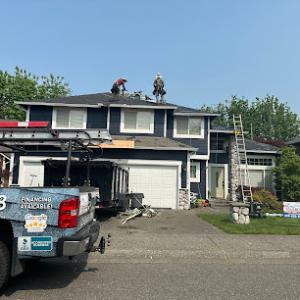
True Blue Roofing was established because we wanted to offer a fair price for a quality product. Our reputation goes before us. Most of our customers are referrals. We don’t have to spend tons of money on marketing and advertisements. So, our costs compared to the big roofing companies are less expensive and our prices are very fair. And with that fair price, we don’t compromise on the quality of what we do. All of our roofers have been roofing for years and are great at what they do. All roofers are certified and trained by the product manufacturer. At True Blue Roofing we install certified roofs with a guaranteed product and a guaranteed labor warranty.
Eco Roofing Cleaning & Roof Repair
(425) 650-4703 ecoroofingnw.com
Serving
5.0 from 160 reviews
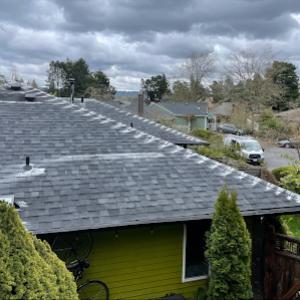
Eco Roofing Bellevue is a premier roof replacement company dedicated to preserving the beauty and longevity of your home’s roof. Specializing in roof replacement, roof cleaning and roof repair, we ensure that your roof not only looks pristine but also functions optimally to protect your home from the elements. Our team of experienced professionals uses the latest techniques and eco-friendly solutions to remove moss, algae, and debris effectively, preventing potential damage and maintaining your roof’s integrity.
In this foothill setting, prolonged winter rain drenches roofs and keeps decking wet, often with occasional snow events that trap moisture in shingles and underlayment. That constant dampness slows drying time and pushes every roof surface toward saturation. With limited dry installation windows, scheduling repairs or sealing becomes a race against the weather. When rain stays in the forecast, expect decking to stay slick, which compounds slip hazards for anyone working up there and increases the risk of missed fasteners or seamed joints. The result is a higher probability of leaks forming just where small flaws exist, especially after a sequence of wet days.
When temperatures swing above and below freezing, moisture in small cracks expands and contracts, widening those gaps around flashings, exposed fasteners, and aging shingles that have already seen better days. The cycles of saturation followed by freezing harden and brittle aging materials, turning tiny cracks into pathways for water to infiltrate. In practice, that means a roof that seems fine after a mild spell can suddenly reveal drips or moisture traces after a cold snap. In this climate, the vulnerability is not dramatic failure but cumulative edge wear that invites leaks at valleys, around vent flashings, and along the nailing zones on older shingles.
Autumn winds sweep through the canopy and dump branches, needles, and leaves into valleys and gutters. Blocked valleys and clogged gutters become bottlenecks just as the heaviest winter rains hit. Debris-packed drainage raises standing water on the roof, lifting shingles slightly and attracting moss growth that thrives in persistent shade and moisture. If gutters aren't cleared before storms, you lose the quick path drainage, pushing water toward vulnerable seams and flashing details. The risk compounds once the snow or continued rain begins, making timely cleanup essential.
Prioritize a thorough inspection while dry days are still possible. Focus on the flashings around chimneys, vents, and skylights, and check for loose or cracked shingles, especially on edges and in shaded areas where wear hides. Clear all gutters and downspouts, and remove debris from valleys to prevent water backup. Consider adding or refreshing moss control along shaded rakes and eaves where moisture lingers. If repairs require a deck or moss-laden surface, schedule them for a window with dry conditions and avoid acute cold snaps that could turn a simple reseal into a brittle, non-adherent job. In Issaquah's wet, shaded foothill setting, proactive maintenance now reduces the risk of hidden leaks that quietly undermine structure and interior comfort through the deepest part of winter.
Find local contractors experienced in assessing and restoring roofs after hail, wind, and severe weather events.
Royal Roofing
(206) 600-7428 royalroofingservice.com
22525 SE 64th Pl #222, Issaquah, Washington
5.0 from 60 reviews
Integrity Roofing & Construction
(425) 272-6253 integrityrc.com
455 Rainier Blvd N, Issaquah, Washington
5.0 from 29 reviews
Morgan Roofing Company
(425) 606-3041 morganroofsammamish.com
22605 SE 56th St suite 139, Issaquah, Washington
5.0 from 25 reviews
In this steep, forested foothill setting at the base of the Cascades, roofing choices must contend with persistent moisture, shade, and heavy moss growth. Roofs regularly shed pine needles, branches, and leaf litter, and drainage paths must handle year-round rainfall. The mix of suburban home styles means materials that blend well visually and perform reliably under moss-prone, damp conditions tend to be favored. The right roof for a given house balances durability in shade, ease of maintenance, and how well the system handles runoff around steep slopes and clustered tree canopies.
Asphalt shingles are common because they fit the area's large reroof market and work across the mix of suburban home styles found in neighborhood neighborhoods. In practice, asphalt offers straightforward installation, broad color choices, and reasonable repairability when moss or debris require attention. The key to longevity in a shaded, moist setting is proactive maintenance: annual inspections, careful clearing of overhanging branches, and ensuring gutters and downspouts stay free of debris. For homes with irregular roof lines or multiple valleys, asphalt's lighter weight and ease of flashing around penetrations can reduce ongoing maintenance headaches compared with heavier systems.
Metal roofing is relevant locally because it sheds water and debris well in a high-rain environment. When paired with proper underlayment and precise installation around penetrations, metal can resist roof algae and moss better than some other options. However, in wooded residential settings, sound can be a factor, especially on eaves and during heavy rainfall. Noise insulation and careful flashing around vents, skylights, and chimneys are essential. Consider edge details and gutters that can handle leaf litter without creating standing water. A metal roof often pays dividends in long-term durability and ease of maintenance in this climate when installed with attention to attic ventilation and condensation control.
Wood shakes and shingles remain part of the regional roofing mix in this area, offering texture and a classic feel that suits many craftsman and cottage styles. Yet the moisture and moss exposure in sheltered, shaded sites means maintenance demands are a major ownership factor. Expect more frequent moss control, periodic algae treatment, and quicker wear in shaded pockets where moisture lingers. If choosing wood, select a rot-resistant species and install a robust underlayment, plus a drainage-friendly design to reduce moisture pooling. Regular cleaning of moss and debris, plus timely repairs to any warped or cracked shingles, helps preserve performance and curb appeal.
Regardless of material choice, the central strategy centers on proactive moss management, efficient drainage, and timely debris removal. Regular inspections after wet seasons, targeted moss treatment on shady slopes, and ensuring valleys and ridge lines stay free of vegetation are essential. In wooded neighborhoods, you should plan for more frequent cleaning of gutters, downspouts, and roof surfaces. A well-ventilated attic paired with a sound underlayment reduces condensation risks and extends the roof's life in the damp, moss-friendly environment.
In Issaquah's cloudy, wooded setting, skylights are a common way homeowners bring daylight into interiors, making curb flashing and surrounding shingle integration a frequent leak concern. The combination of persistent rain and shade means flashing joints around skylights bear more repetitive moisture than a similar install in a drier climate. If the skylight frame sits against a roof plane that already carries a generous load of moss and runoff, even small misalignments can translate into slow drips that travel along rafter tails or through attic joints. The daily rhythm of damp mornings and cool afternoons keeps runoff moving slowly, allowing water to soak into vulnerable seams longer than you might expect.
Flat or low-slope sections upslope of skylights tend to collect debris from nearby trees, creating a barrier that slows drying and increases standing moisture around flashing details. Over time, that standing moisture can corrode sealants or widen gaps as shingles shift with seasonal freeze-thaw cycles or prolonged wet stretches. Plumbing vents and chimney intersections near skylights are especially prone to expedited wear in this climate, since shared flashing must handle two or more moisture pathways simultaneously. If the surrounding shingles look dark with moisture or have lichen growth, treat that as a warning sign: the area is not shedding water efficiently, and the risk of a slow leak at the skylight rises.
Prioritize a skylight installation that emphasizes solid integration with the roof deck and durable flashing transitions. Use flashing details designed to interface cleanly with adjacent shingles, not as an afterthought that sits atop a ridge of moisture-filled intersection. When debris is present upslope, schedule more frequent checkups in late autumn and after heavy wind events, clearing branches and needles from the roof edge where they can block drainage channels. In loose or older roofs, consider reinforcing the surrounding shingle line with a compatible sealant or flashing kit that is rated for high-moisture environments, ensuring all seams stay protected during extended wet periods.
After a rainy period, inspect skylight perimeter caulking for cracks or gaps. Look for any soft spots in the surrounding shingles that might indicate moisture intrusion behind the flashing. If a spill develops, address it promptly before it migrates to attic framing or insulation. In wooded neighborhoods, seasonal maintenance becomes a habit: track moss growth near skylight lines, trim branches to reduce shade, and keep gutters clear so that water can shed cleanly away from the roof edge. With steady vigilance, you can minimize the risk of leaks without sacrificing the daylight that makes a gray day feel a little brighter.
Find contractors experienced in skylight installation, flashing, and leak repairs to bring natural light into your home.

Portillo Roofing
(425) 503-6283 www.portilloroofingllc.com
14401 Issaquah-Hobart Road Southeast Suite 303B, Issaquah, Washington
5.0 from 22 reviews
Emerald State | Roofing | Windows | Siding
(425) 260-4498 www.emeraldstate.com
Serving
4.7 from 66 reviews
In this foothill setting, the starting point for budgeting is the roofing material you choose. Asphalt shingles Typical cost range runs from 350 to 650 USD per square. Metal roofing sits higher, at 700 to 1100 USD per square. Clay tile runs 1000 to 1800 USD per square, concrete tile 900 to 1500 USD per square, wood shingles or shakes 600 to 900 USD per square, and synthetic or composite shingles 500 to 900 USD per square. Those numbers assume a straightforward dry-weather reroof; any moisture or debris issues add up quickly.
Homes here are often steep, heavily cut up, and surrounded by trees. When a roof is uneven, has many small facets, or requires frequent staging and maneuvering, crews incur extra labor time. Debris hauling, edge protection, and careful tear-off become more complex, which pushes costs upward across all materials. Expect notable jumps when your roof is not a clean, simple rectangle.
Moisture and persistent shade drive more than just missing shingles. Wet-season scheduling can reveal deck rot, flashing corrosion, and fascia moisture damage that must be addressed before new siding or underlayment goes down. If deck repairs or reinforcements are needed, add cost for materials and additional labor. In an area where moss is common, expect slightly extended remediation steps to ensure the new roof remains drainage-friendly and moss-resistant.
Issaquah costs can rise when roofs are steep, heavily cut up, or surrounded by trees that slow staging, tear-off, cleanup, and debris hauling. If the project extends into shoulder or wet months, additional weather protection measures, tarping, and temporary heating can push the price beyond the base material cost.
Start with your chosen material, then add a margin for steepness, complexity, and tree-related staging. If moisture or deck repairs surface during inspection, allocate a contingency for those repairs rather than letting unexpected work derail the project schedule.
Get a clear picture of your project costs upfront - no commitment required.
Anderson Roofing
(425) 671-5303 andersonroof.com
200 NE Juniper St, Issaquah, Washington
4.7 from 31 reviews
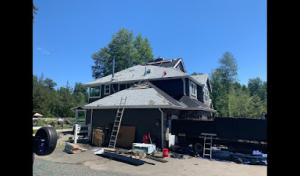
A full reroof in Issaquah generally requires a building permit through the City of Issaquah Building Department. The permit process is designed to verify that the work protects the home from the region's persistent moisture, shade, and moss-prone conditions. Before any tear-off, you should confirm that the scope of work aligns with local codes for roof assemblies, drainage, and venting, especially for steep slopes and forested lots.
Applications are submitted with project details that outline roof shape, deck or crawl space access, underlayment type, flashing transitions, and venting strategy. In wooded foothill neighborhoods, inspections focus on how the underlayment sheds moisture, how flashing around chimneys and skylights is integrated with existing gutters, and how venting supports attic moisture control. Providing precise plans and measurement data helps reduce back-and-forth and speeds the review, which matters when you're coordinating a tear-off on a shaded, moss-prone roof.
Inspections are used to verify underlayment, flashing, and venting compliance during and after the work. Expect at least one rough-in inspection during removal and installation, plus a final inspection to confirm that drainage and flashing details meet city standards. In gray, damp months, inspectors pay close attention to how the installation handles run-off from steep slopes and how moss-prone areas are sealed against moisture intrusion. Scheduling inspections promptly helps minimize delays that can arise from weather windows and access constraints.
Fees and review timing vary with project scope and home size, so scheduling can be affected before tear-off begins. Plan for potential pacing changes if a permit review uncovers a need to adjust underlayment or flashing details to better manage moisture and drainage on the roof's exterior edges. Coordinate with the contractor to ensure the site stays accessible for inspections, especially in narrow lots where trees and shade complicate material deliveries and staging.
On wooded, moisture-rich sites, it helps to pre-inspect the roof edge and chimney flashing before submittal, documenting any pre-existing issues that could affect permit approval. Clear communication with the Building Department about drainage strategies and moss control measures can prevent surprises during inspections and support a smoother permit journey.
In the Cascades foothills, moss and persistent moisture can blur the line between wear and sudden damage, and insurers routinely want a clear record. You should keep a dated file that includes the roof age, the material type, and recent maintenance notes. Photos taken from multiple angles when the roof is dry help establish a baseline for condition before any incident. If an issue arises after a heavy rain or storm, you'll want recent photos that show the condition in the period leading up to the claim, not just after the event. Documentation should also include receipts or notes from any maintenance visits, especially moss removal, gutter clearing, and repairs. This evidence helps support whether damage is storm-related or the result of longer-term moisture exposure.
Adjusters often request photos and a contractor estimate to verify the scope of damage. In Issaquah's moist climate, a professional assessment tailored to roof age and material type carries weight. When you file, include a contractor's estimate that specifies the components affected (shingles, underlayment, flashing, drainage components) and notes any moss-related degradation that could influence the claim. If a claim hinges on storm entry, your records should clearly distinguish a sudden event from gradual moisture intrusion. A slow leak that has persisted for months may be treated differently than a leak blamed on a single weather incident. Clear, organized documentation can prevent disputes and delays in settlement.
Heavy-rain leak claims often depend on proving storm-related entry rather than long-term deferred maintenance. In practice, that means you should be ready to show how and when moisture entered, and why a recent storm is implicated. The presence of moss, shade, and runoff changes the risk profile and can complicate timing for coverage decisions. Avoid letting moss-removal or maintenance gaps become the focus of a denial, and instead present a cohesive narrative linking the event to the observed damage.
Coverage availability for certain materials or upgrades is generally stable in Washington but still varies by carrier and policy. This is why you should reference your policy's specifics when discussing replacement options with a contractor and the insurer. Having a clear record of material type and installation date helps ensure your claim is evaluated fairly, even when the climate adds extra moisture and complexity to the roof's aging process.
Connect with contractors who help homeowners navigate the claims process from damage assessment to final approval.
Royal Roofing
(206) 600-7428 royalroofingservice.com
22525 SE 64th Pl #222, Issaquah, Washington
5.0 from 60 reviews


Low-slope roofs show up in additions, multifamily blocks, and some commercial properties, even though steep pitches remain the neighborhood standard. The local contractor market has notable flat-roof expertise, driven by demand for durable membranes and reliable details in these settings. If your project includes a small flat deck, a dormer, or a low-slope weathered section, plan for the special maintenance needs those surfaces require.
In Issaquah's frequent rain, low-slope roofs are more vulnerable to drainage problems, seam failures, and moisture intrusion when debris blocks outlets or scuppers. Heaviness from fallen needles, leaves, and moss is common in forested foothill lots, and every fall cleanup should include the roughs of the membrane edges, drains, and any internal gutters. Verify that outlets promote continuous flow and that scuppers aren't shaded by overhanging branches. A simple annual checkpoint helps catch minor blockages before they back up onto the membrane.
Low-slope systems rely on continuous seams and well-sealed flashing at penetrations. In wet, shaded conditions, moss and algae can build up on the top surface, hiding slow leaks. Keep a clear inspection line along transitions from membrane to flashings, around vent pipes, and at parapet edges. If you see dark staining or damp patches near seams after a rain, treat that area promptly and schedule resealing if needed to prevent intrusion.
Replacement timing is more weather-sensitive on low-slope systems because dry substrate conditions matter for adhesion and detailing. Plan replacements for drier windows, and ensure roof decks are clean, dry, and free of debris before applying new membranes or coatings. A cautious approach during shoulder seasons often yields better adhesion and longer life.
Find specialists in TPO, EPDM, and built-up flat roofing systems for residential and commercial properties.
Morgan Roofing Company
(425) 606-3041 morganroofsammamish.com
22605 SE 56th St suite 139, Issaquah, Washington
5.0 from 25 reviews
Anderson Roofing
(425) 671-5303 andersonroof.com
200 NE Juniper St, Issaquah, Washington
4.7 from 31 reviews