Last updated: Apr 19, 2026
Sammamish sits in the wet Puget Sound climate, so roofs spend long stretches damp through winter and shoulder seasons rather than drying quickly in heat. That persistent moisture shapes every reroof decision, from underlayment choices to flashing details, and it means you should plan for moisture management as the baseline, not an add-on. In practice, that means treating your roof like a sponge that rarely gets a full chance to dry out, especially on the shaded, forested slopes that characterize many neighborhoods.
The city's heavily wooded residential setting creates persistent shade on many roof planes, which increases moss and algae growth compared with more exposed Eastside neighborhoods. Moss isn't just a cosmetic issue on these roofs; it acts like a tiny sponge, holding moisture against the shingles and underlayment. Over time, that sustained dampness accelerates laminate degradation and can trap heat in the attic. Your target is to keep the surface as dry as possible, especially on the north and west faces that stay dampest through the year.
In this market, roof longevity is strongly tied to how well underlayment, flashing, attic ventilation, and drainage handle chronic moisture rather than extreme summer heat. Start with a durable, lapse-resistant underlayment suited to wet conditions, and ensure flashing details are continuous and integrated at all roof-to-wall transitions, chimneys, skylights, and vent penetrations. The goal is to create a continuous moisture barrier that can tolerate repeated wet cycles without drying out entirely between storms. If flashing shows any lift or gaps, address it before you finish new shingles, because even small leaks can become big problems under constant dampness.
Proper attic ventilation matters more here than in drier climates. A roof can look dry from the outside while the attic remains humid, feeding moisture into sheathing and insulation over time. Aim for a balanced intake and exhaust plan that reduces stack effect in winter and avoids creating condensation pathways that feed moss on the roof surface. If the attic feels damp or has noticeable mildew odors, reconsider vent sizing and placement rather than just increasing the intake area. In wooded neighborhoods, it's common to need a slightly more robust venting strategy to counter persistent shade-driven humidity.
Drainage is not a luxury; it's a necessity on Sammamish roofs where shade and moss pressure linger. Ensure that roof pitches lend themselves to effective runoff, with clean gutters and downspouts that move water away from the fascia quickly. Clogged or slow-draining systems compound moisture retention on the roof surface and in the eaves, inviting rot and moss colonies to establish deeper roots. Plan for a thorough gutter and downspout check as part of any reroof or major repair, and consider installing leaf guards to preserve drainage performance through the fall and winter storms.
Persistent shade and damp conditions mean you'll likely face moss growth before it becomes a major issue. Proactive steps include a targeted moss cleanse during dry spells, selective granule or brush treatments designed for roofs, and a plan for re-striping or resealing any flat or low-slope sections that retain moisture. Align moss control with underlayment and flashing inspections so that preventive maintenance becomes a coordinated routine rather than a reactive repair after staining or shingle lifting occurs. If you see moss spreading toward valleys, hips, or flashing corners, address it promptly to prevent moisture from seeping into the deck or attic plane.

Emerald State | Roofing | Windows | Siding
(425) 260-4498 www.emeraldstate.com
Sammamish, Washington
4.7 from 66 reviews
Your Trusted Seattle Roofing, Window & Siding Experts. Emerald State Exteriors delivers over 25 years of professional experience in home exterior maintenance, backed by a family legacy spanning more than 75 years. We pride ourselves on delivering exceptional roofing, siding and window solutions that enhance the beauty, durability, and energy efficiency of your home. Backed by years of experience and a commitment to excellence, we ensure every project is completed with precision and care—so your home stays protected for years to come. Discover the difference of working with Seattle’s trusted experts!
Morgan Roofing Company
(425) 606-3041 morganroofsammamish.com
Serving
5.0 from 25 reviews
Morgan Roofing Company provides trusted roofing services in Issaquah for both residential and commercial properties. Whether you need a roof repair, replacement, or routine inspection, our experienced team uses high-quality materials and proven techniques to ensure lasting protection. We specialize in shingle, flat, and metal roofing systems. Choose Morgan Roofing Company for dependable service and expert craftsmanship.
Royal Roofing
(206) 600-7428 royalroofingservice.com
Serving
5.0 from 60 reviews
At Royal Roofing, we stand out through our commitment to excellence, transparency, and customer satisfaction. Our experienced team delivers top-notch service with clear, honest communication, ensuring a smooth, stress-free experience. We offer comprehensive services, from new installations and repairs to maintenance and emergency services, using only high-quality materials. Your satisfaction is our priority, backed by our numerous positive reviews and comprehensive warranties. As a locally owned business, we understand King County’s unique needs and provide prompt emergency services to ensure your home’s safety. Experience the Royal Roofing difference today.
Orca Roofing & Exteriors
(425) 584-6722 www.orcaroofing.com
Serving
5.0 from 81 reviews
We are a Bellevue-based company serving the Puget Sound Region. We don't have salespeople; we have roofers who manage your project from start to finish. As CertainTeed ShingleMaster Select roofers, we are among the 1% of companies that provide workmanship warranties, offering 50-year coverage on labor, disposal, tear-off, and materials. We don't cut corners to ensure the highest standards of projects. We offer complete commercial and residential roof replacements and specialize in various roof types including asphalt shingles, standing seam metal, low slope, and tile (being the only Brava-preferred contractor in Washington). We also offer roof cleaning, attic insulation, gutter, window, siding, skylights, and deck replacement services.
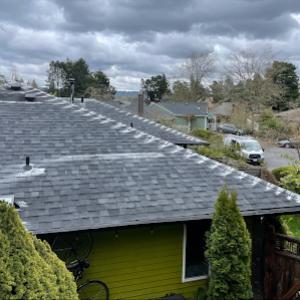
Eco Roofing Cleaning & Roof Repair
(425) 650-4703 ecoroofingnw.com
Serving
5.0 from 160 reviews
Eco Roofing Bellevue is a premier roof replacement company dedicated to preserving the beauty and longevity of your home’s roof. Specializing in roof replacement, roof cleaning and roof repair, we ensure that your roof not only looks pristine but also functions optimally to protect your home from the elements. Our team of experienced professionals uses the latest techniques and eco-friendly solutions to remove moss, algae, and debris effectively, preventing potential damage and maintaining your roof’s integrity.
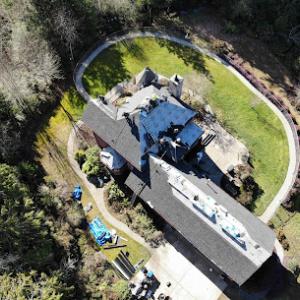
Integrity Roofing & Construction
(425) 272-6253 integrityrc.com
Serving
5.0 from 29 reviews
Roofing, siding, and other construction services for residential and commercial properties.
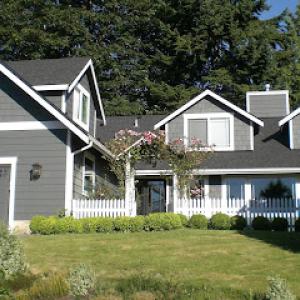
Anderson Roofing
(425) 671-5303 andersonroof.com
Serving
4.7 from 31 reviews
We are a family owned roofing company proud to serve the greater Seattle area. Anderson has been the trusted name in top-quality residential and commercial roofing for over 50 years. We specialize in Composition, Flat Roofs, Torch Down and PVC Membranes on new and existing structures. Roof Repairs, Roof Replacements, Roof Maintenance, Inspections and Free Quotes on our Services! Our sterling reputation can be confirmed by the many professional working relationships we have with reputable firms such as McKinstry Construction, Kelleran Custom Homes, Willkens Construction and numerous other general contractors. Anderson Roofing is also a preferred customer with area suppliers that include Allied, Pioneer, ABR, Stoneway and ABC.
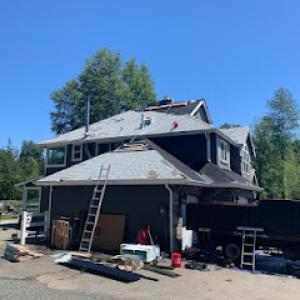
Emerald Mountain Roofing
(425) 698-3076 www.emeraldmountainroofing.com
Serving
5.0 from 65 reviews
Emerald Mountain Roofing, owned by Steve Rose with over 40 years of experience, offers top-tier roofing services in Lake Stevens, WA & all surrounding areas. We provide free estimates and prioritize transparent communication to ensure our clients are always informed. Known for our reliability and punctuality, we deliver on-time roofing solutions for homes and businesses. Our commitment to quality extends to our thorough post-construction cleanup, ensuring your property remains spotless. Trust Emerald Mountain Roofing for professional and dependable roofing services.

NearMe Roofing Company
(206) 487-4380 www.nearmeroofingcompany.com
Serving
4.9 from 338 reviews
Near Me Roofing Company, headquartered in Seattle, is a leader in residential roofing services, providing top-tier roof replacements, repairs, and cleaning across King, Snohomish, and Pierce Counties. We pride ourselves on offering the best in terms of pricing, quality, and availability, ensuring that our clients receive exceptional value and superior service every time. Whether you need a quick repair or a full roof replacement, our skilled team is ready to deliver prompt, reliable, and cost-effective solutions.
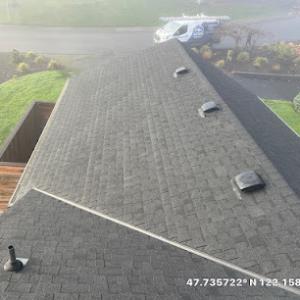
Astro Roofing
(425) 380-9560 astroroofingwa.com
Serving
5.0 from 60 reviews
Astro Roofing is your premier roofing company in Kirkland WA, Bellevue WA, Bothell WA, and surrounding areas. Specializing in roof repair, replacement, and inspection services in Kirkland WA, we are known for our reliability and excellence in the greater Kirkland area. Our skilled roofers use top-quality materials to ensure durable and aesthetically pleasing results. We take pleasure in our commitment to customer satisfaction, providing transparent communication and timely project completion. Whether it’s a simple repair or a complete roof replacement, Astro Roofing provides skilled work that is customized to meet your requirements. You can trust us with all of your roofing needs in Kirkland WA.
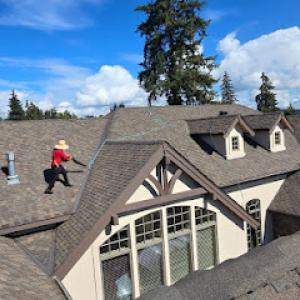
Touchstone Roofing & Siding
(425) 428-8053 www.touchstonehomes.net
Serving
5.0 from 136 reviews
Touchstone Roofing & Siding is your trusted roofing contractor serving Bellevue and the surrounding areas. We focus on roof repair and maintenance, offering reliable solutions for homeowners and businesses. Whether you need roof repair in Bellevue or a complete roof replacement, our team is committed to delivering quality service. We also provide siding installations, gutter services, and general contracting to ensure your property is fully protected. At Touchstone Roofing & Siding, we prioritize customer satisfaction and work hard to complete every job with precision and care. Ready to improve your property’s roof, siding, or gutters? Contact Touchstone Roofing & Siding today for a free consultation and discover how we can help!

In Sammamish, winter rain is the main trigger for active leaks, and the lush, forested setting means gutters and vents fight constant moisture. When rain pounds the roof for days, sealants take a slower set, flashing seals stress, and hidden pockets seep through. The result is a leak pattern that mirrors the frequent shade and dampness of hillside streets, not sudden bursts of heat or hail. If you notice staining along eaves or attic signs of moisture after a storm, you're not imagining it-conditions stack up quickly when the skies stay gray.
Occasional snow adds short-term load and meltwater problems even though the city isn't a major snow market. The snow may press on ridge lines and valleys, then melt into weak points around chimney flashing, vent boots, or transitions between roofing materials. In Sammamish, those stress cycles happen repeatedly, so a small issue today can become a larger leak after a few warm days with rain. Pay attention to any dripping from attic vents or interior frost, and treat it as a sign that the system is struggling to shed moisture during freeze-thaw cycles.
Cool, wet spring and fall conditions can slow sealant curing and extend repair timelines, which is why late spring through early fall is the preferred replacement window in this area. That same damp pattern also means sealants stay soft longer and flashing materials remain susceptible to movement or corrosion. If you see peeling sealant lines around vent collars, chimney flashings, or edge metal, don't wait for a stiff Easter thaw-these are the points where that slow cure translates into persistent leaks during the next wave of storms.
When leaks appear in a wet spell, acting quickly matters more than doing a perfect repair in one shot. The ongoing moisture load means temporary fixes can fail under the next wall of rain. Prepare for a multi-step plan: address the obvious ingress, dry and inspect interior spaces, then schedule a robust re-seal and flashing update once dryer weather returns. In Sammamish, local contractor signals show unusually strong demand for emergency response and storm-related roof work, matching the region's pattern of leak callouts during wet weather. If you notice active dripping, call for rapid assessment and a staged repair to minimize water intrusion while you secure longer-term fixes.
When you can't wait, these contractors offer fast response times to stop leaks and prevent further damage.
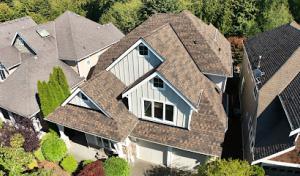
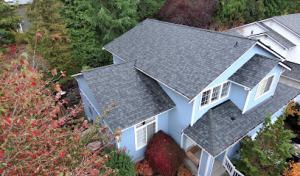
Seattle Roof Systems | Shoreline Roofing Company
(425) 996-1386 seattleroofsystems.com
Serving
5.0 from 34 reviews
Asphalt shingles remain the dominant practical choice for steep-slope single-family homes in these hillside, forested neighborhoods. They're widely serviced by local reroof crews, which translates into faster scheduling and more predictable maintenance. In a climate where prolonged moisture and shade drive moss pressure, asphalt systems offer a reliable plaster-and-flash solution that can be upgraded with algae- and moss-resistance laminates. When installing, prioritize good attic ventilation to pull moisture up and out, and ensure flashing around chimneys, valleys, and skylights is continuous and well-sealed. A well-executed edge detailing prevents the typical moisture-driven edge rot that can shorten a roof's life in this humid, shaded setting.
Metal roofing stands out as a meaningful local upgrade for homeowners who value faster water shedding and the potential for lower moss retention during the region's long wet season. Metal's smooth, non-porous surface discourages persistent moss and reduces surface runoff stagnation on steeper pitches. In Sammamish's shade-heavy landscapes, this can translate into fewer moss-related maintenance cycles and longer intervals between cleanings. When choosing metal, pay attention to panel sidelining details and the quality of sealant around roof penetrations. Proper underlayment and ventilation remain critical, and a metal system still needs durable flashing at joints and transitions to manage moisture where the roof meets walls and chimneys.
Clay tile, concrete tile, and slate appear in the market but are more specialized here, which affects crew availability, detailing expertise, and replacement planning. Tile and slate bring distinct aesthetic value and excellent longevity in dry climates, but Sammamish's wet, shaded conditions demand precise installation to prevent water intrusion at fasteners, hips, and valleys. If choosing these options, verify that the installer has recent experience with the local climate and understands moss control as part of ongoing maintenance. Synthetic or composite shingles can mimic the look of tile or slate with more forgiving weight and installation requirements, but they still require expert detailing in valleys and roof-to-wall junctions to prevent moisture buildup.
Across every material, moss pressure and moisture management dictate performance here. Ventilation must be sized to move damp air from the attic effectively, and ridge or soffit venting should be paired with a continuous underlayment strategy that blocks water intrusion while allowing vapor to escape. Drains and scuppers should be inspected for leaf and moss debris that can dam drainage on slope transitions. In a shaded environment, proactive moss prevention-whether through copper pennies in flash seams, zinc strips, or periodic treatment with moss-control products-helps protect the roof deck beneath any material choice.
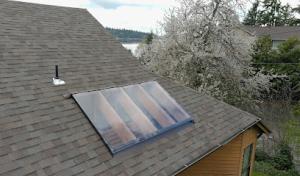
Skylights show up a lot in Sammamish contractor listings because daylight matters during long gray seasons, and roof penetrations can become persistent sources of leaks after damp winters. A skylight sits on a curved, constantly shaded surface, which means more moss, more moisture retention, and more chance for cold-trap condensation to work its way under edge flashing. When you're planning a reroof, you're balancing the need for natural light with the reality that a failure at a skylight flashing detail can ruin a roof in a single wet season. Expect steady attention to the way the skylight frame, curb, and surrounding shingles meet, and don't assume the most visually polished cap will prevent trouble-perspective on water flow and drainage matters more than curb appeal.
In this climate, the flashing at skylights, chimneys, valleys, and wall intersections is the real backbone of a durable roof. The long gray stretch and frequent drizzle push moisture toward every penetration, so a leak that starts at a corner can quickly creep along a ridge line or into the attic. It's not unusual to see momentary shingle wear around a skylight after a heavy rain, but if the flashing isn't bonded and sealed correctly, that wear becomes a pathway for ongoing moisture intrusion. The quality of the seal around the curb, the proper integration with underlayment, and the way pans or flashings terminate at vertical surfaces all determine whether you'll face an early roof-aging cycle or a longer, steadier service life. Keep an eye on evidence of wind-driven rain leakage around skylights after storms; a small misfit tends to widen with each additional rain event.
Beyond flashings, ventilation near roof penetrations matters. Insufficient attic ventilation can worsen condensation around skylights, accelerating moss growth and wood deterioration. In Seattle-area soils and trees, drainage paths must be clear so water doesn't back up against flashing interfaces or pool at the top edge of the curb. When inspecting or choosing a contractor, test for a thorough plan: how the skylight integrates with ventilation, how the flashing channels water away from openings, and how coordination with wall flashing and valley flashing is achieved. In the end, a well-executed skylight and flashing assembly protects the roof's structure while preserving daylight-without inviting persistent moisture trouble.
Find contractors experienced in skylight installation, flashing, and leak repairs to bring natural light into your home.
Emerald State | Roofing | Windows | Siding
(425) 260-4498 www.emeraldstate.com
Sammamish, Washington
4.7 from 66 reviews
For asphalt shingles, budget around 350 to 700 USD per square, installed. Metal roofing typically falls between 850 and 1500 USD per square. Clay tile projects run from 1200 to 2100 USD per square, while concrete tile is usually 1100 to 1900 USD per square. Synthetic or composite shingles sit roughly from 650 to 1100 USD per square, and slate is commonly 1100 to 2100 USD per square. In practice, those numbers reflect Sammamish's typical residential stock, where steep pitches and multi-plane roofs migrate costs upward.
Steep residential rooflines, multi-plane designs, and moisture-related tear-off needs are common on Eastside homes and push costs above standard estimates. The combination of shade, frequent drizzle, and moss pressure makes flashing, underlayment, and drainage details more complex. Expect a tighter schedule on larger or irregular roof footprints, which can raise labor time and safety measures. Material choices that resist moisture and moss-such as upgraded underlayment or specialty fasteners-also contribute to the overall price.
Project timing affects pricing because the drier late spring to early fall window is the preferred installation season in this region. Demand concentrates during that period, which can nudge prices upward if crews are booked or weather delays press crews to work longer days. If you're balancing a budget, planning a fall project after the peak demand period can sometimes yield more scheduling flexibility and slightly better pricing, provided weather cooperates.
When you're comparing bids, ask for a clear breakdown: material costs per square, underlayment and flashing upgrades, tear-off or disposal fees, and any moss treatment or moisture-related prep. For Sammamish's climate, prioritize underlayment quality, venting strategy, and proper drainage details to slow moss-driven aging. If you have a very tall or complex roof, request a staged estimate that reflects phased work or partial tear-off options to manage costs without compromising moisture protection.
Get a clear picture of your project costs upfront - no commitment required.

In Sammamish, full reroofs are treated as major work rather than simple maintenance, so a City building permit is typically required. This distinction matters for scheduling, coordination with inspectors, and ensuring that moisture management and moss-driven aging considerations stay compliant with local codes. Understanding that distinction up front helps avoid delays when the roofing project moves from removal to installation.
Permitting starts with the City of Sammamish online portal. Permit applications are submitted through this portal, and the process naturally integrates contractor paperwork with the project setup. Expect to provide project details such as roof plan, scope of work, ventilation strategy, and details on underlayment and flashing. The portal also coordinates required documentation, including contractor licenses, insurance, and any specialty waste or disposal plans. Having these documents prepared in advance speeds the review.
During installation, city inspections occur at key milestones. The first inspection typically happens when underlayment and flashing are in place, confirming that the chosen materials and installation methods meet local requirements for moisture control on steep, shaded lots. The inspector will verify proper nailing patterns, flashing integrity around chimneys and vents, and how roof ventilation is arranged to mitigate moss-driven aging. A second, final inspection confirms that all components are completed to code, the attic or crawlspace ventilation meets requirements, and that underlayment, drip edges, and eaves flashing are correctly installed and sealed.
To prepare for inspections, align your contractor's scheduling with the City portal notifications and build a checklist focused on Sammamish-specific moisture concerns. Ensure that roof ventilation calculations reflect the forested, shaded conditions and the propensity for ongoing moisture. Have mail-in or digital copies of all permit-related drawings and product data ready for the inspector, including details about drip edges, valley flashing, and underlayment type. If there are any deviations from the approved plan, request a plan review or permit amendment before proceeding to avoid rework.
Understanding the inspection cadence helps homeowners and crews stay coordinated in this climate. Expect that the process unfolds in stages tied to the installation timeline, with clear sign-offs at each critical juncture. Keeping communication open with the permitting office and the inspector helps verify that each step-underlayment, nailing, flashing, and ventilation-will pass when the final review is completed.
When a roof issue hits, the path to claim approval often hinges on solid documentation. Washington roof claims commonly require photos, contractor information, and records showing when damage occurred and when work was performed. Gather dated photos of active leaks, moss buildup, and any visible damage after storms. Save invoices or written estimates from a qualified roofer, and note who inspected the roof and what they found. Clear timelines help insurers separate what happened during a weather event from pre-existing wear.
In Sammamish, insurers are more likely to scrutinize whether leaks stem from sudden weather events versus long-term moss, deferred maintenance, or pre-existing deterioration in the wet climate. Moss-related moisture can create slow, structural aging that looks gradual on paper, even though it accelerates the failure process. When documenting, emphasize if a leak appeared suddenly after a named storm or heavy rainfall, and contrast that with areas where moss or lattice-like roof surfaces have persisted for years. Honest, precise notes about soil drainage, overhanging branches, and shading can strengthen a weather-event claim.
Coverage remains widely available in Washington, but weather-driven claim activity means homeowners should document active leaks and storm-related damage promptly before temporary repairs obscure evidence. If temporary fixes are necessary to prevent interior damage, photograph them in place and keep receipts, but do not rely on temporary fixes as a substitute for a thorough assessment. Schedule a prompt inspection from a licensed contractor who can provide a dated report that aligns with the insurer's expectations and supports the claim narrative.
Avoid delaying photos or hiding pre-existing moss growth in the hopes that it won't matter. Insurers may compare pre- and post-storm conditions, and uncovered moss or deferred maintenance can complicate approvals. Be prepared to explain your roof's shading patterns, moisture exposure, and the age of key components, so the claim accurately reflects both event-driven damage and the climate-driven wear that daily Sammamish moisture can cause.
Even though Sammamish is primarily a steep-slope residential market, local contractor signals show a meaningful amount of flat-roof work for porches, additions, garages, and modern home sections. These low-slope areas are especially vulnerable in the city's long wet season because water drains more slowly and small flashing or membrane defects can stay hidden until winter leaks appear. The combination of shade, persistent moisture, and moss pressure makes this a critical part of the reroof plan, not a courtesy detail.
In Sammamish, many homes blend main roofs with low-slope transitions, which creates two distinct sets of conditions to address. The main roof may shed moisture efficiently, while a flat or low-slope section can trap dampness and hide small flaws in flashing or terminations. Look for sagging edge details, pooling water after a rainstorm, and moss or algae growth that concentrates at seam lines and penetrations. On porches or garages, fasteners and edge metal often show wear first, signaling that the membrane is approaching its service life.
Mixed-roof homes often need different materials and detailing standards on the main roof versus low-slope transitions. This means plan reviews should explicitly map where each material begins and ends, how transitions are flashed, and how drainage is directed toward downspouts and scuppers. On low-slope sections, prioritize continuous underlayment, robust edge terminations, and slope-tied drainage that connects to the main roof system without creating cold-bridge risks. If moss is present, address it promptly on these areas to avoid hidden moisture accumulation.
During inspection, separate the low-slope area from the main roof to document distinct condition notes and maintenance needs. In winter, schedule closer monitoring of these transitions to catch slow leaks early. For reroof planning, confirm that the scope accounts for differing assemblies, flashing details, and drainage paths between the main roof and low-slope transitions to minimize surprises once work begins.
Find specialists in TPO, EPDM, and built-up flat roofing systems for residential and commercial properties.