
Last updated: Apr 19, 2026
In this corridor, contractor signals cluster around storm damage and insurance claims. Hail and high wind drive most roofing work, and that reality shapes timing, availability, and the pace of replacements. For a homeowner with a mid-30-year asphalt shingle roof or a metal, tile, or shake option common to older Winchester-area homes, the practical effect is that storm-driven demand can overwhelm local crews during busy weeks. Expect that many crews shift their focus to storm claims first, with general re-roofing work taking a back seat until the queues clear. This means you'll want to plan around the weather calendar and the claim cycle, not just your personal project window.
Illinois claim handling in this region is documentation-heavy. Pre-repair photos are a must, not optional, and you should capture close-ups of contractor-affected areas, hail impact patterns, and damaged flashing or attic signs of water intrusion. Post-repair photos are equally critical to show the completed work and any repairs that were weathered by the storm. Adjuster notes, too, carry weight in the settlement, so maintain a concise record of conversations, dates, and any written confirmations. In practice, that means a quick, organized photo log on your phone, a dated note every time you speak with your insurer, and copies of any written estimates you receive. The goal is a clean, verifiable trail that reduces back-and-forth and delays when the check arrives.
Spring hail season in the Rockford-area market can tighten contractor availability and material supply right when many homeowners are trying to schedule replacements. If a hail event hits, you'll likely see a surge of simultaneous claims, which can stretch local crews and suppliers thin. The best plan is to initiate the claim promptly after a significant event, but only after you've done a basic damage check and gathered initial photos. Early contact with a licensed local contractor who understands insurance mechanics can help you prioritize the most urgent repairs, especially if there are exposed underlayment or attic concerns. Expect that some window exists between the first signs of damage and full assignment of a crew, so protect vulnerable roof edges and flashing with temporary measures as recommended by a trusted professional.
Contractors in this market are tuned to storm damage and insurance workflows. That specialization matters: when your roof is hail-marked, a crew with a strong insurance claims track record can translate into smoother documentation, faster estimates, and more predictable scheduling. Look for local references, confirmation of insurance, and proven experience handling pre- and post-repair photo documentation. A responsible contractor will walk you through which shingles or alternatives align with your home's style, local climate stress, and wind history-while also explaining the claim process in plain terms so you avoid common missteps that delay a settlement.
Insurance adjusters in this region expect thorough documentation and may request additional evidence before final settlement. Prepare for a multi-step process: inspection, note-taking, and then an estimate revision if gaps appear. Your contractor should coordinate with the adjuster to ensure that hail impact and wind-related damage are attributed correctly, and that the repair scope reflects actual needs rather than assumptions. If a discrepancy arises between the insurer's numbers and your contractor's assessment, you'll want a clear, written explanation backed by photo evidence and a detailed scope. This is not a guesswork moment-it's the point where meticulous records and organized communication pay off, reducing the risk of underpayment or prolonged negotiations.
RPM Contracting
(877) 776-3981 www.rpmroofs.com
5024 Willow Creek Rd Unit C, Machesney Park, Illinois
5.0 from 176 reviews
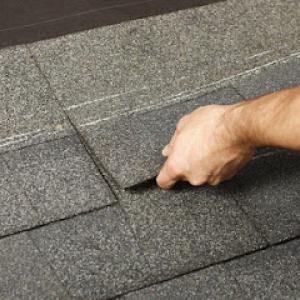
RPM Contracting provides residential roofing and siding repair and replacement to the Machesney, IL area.
Castle Contracting
(877) 512-4207 www.castleexteriors.net
10565 Product Dr Suite A1, Machesney Park, Illinois
4.9 from 150 reviews
Castle Contracting is the roofing company homeowners and businesses in Loves Park and Rockford, IL trust for durable repairs, replacements, and inspections. Our roofing contractors handle commercial roofing, solar roofing installs, and basement window upgrades with skilled, code-compliant work. Backed by a trained, safety-focused team, we recommend solutions that fit your building, budget, and timeline. From energy-efficient roofing systems to watertight basement improvements, we aim to add comfort and value to every property. Our mission is simple: provide honest guidance, quality materials, and workmanship that protect your home or business for years. Count on us for clear communication, timely work, and service rooted in the community.
Pro Restoration
(815) 781-2006 www.pro-restorationllc.com
7848 Burden Rd, Machesney Park, Illinois
4.8 from 350 reviews
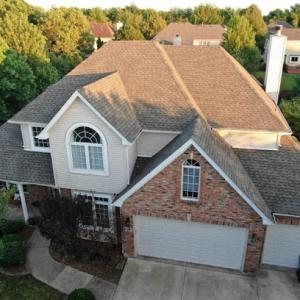
Pro Restoration is your best residential roofing and commercial roofing company in Machesney Park, IL, so don’t hesitate to get in touch with us anytime! We work hard to exceed your expectations, and you can count on honesty, communication, and transparency from our entire team. No job is too big or too small for our trained and skilled roofers. We’ll always ensure you receive an unmatched quality of work, no matter the type of roofing service you require. Contact us today for premium roof replacement, roof repair, storm and hail damage restoration, asphalt & metal roofing, gutters, siding services, and free roof inspections!
Custom Upgrades
(815) 558-7153 customupgradesinc.online
Machesney Park, Illinois
5.0 from 20 reviews
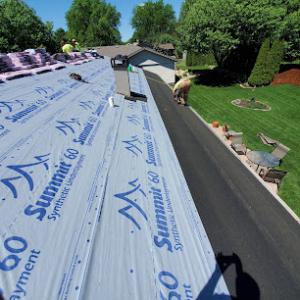
licensed #104-018792, & Insured Roscoe-based roofing contractor. Flat and shingle roof repairs and replacements wilh guarantees. Exterior repairs, wood replacement, siding, leaks, general contracting. Chimney and masonry repairs. Interior repairs other issues, Also handle property insurance claims for the policy holder.
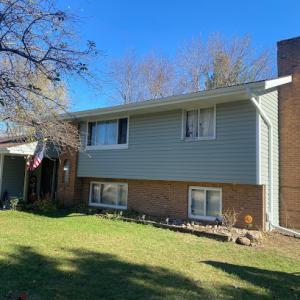
Scaduto Solutions
(877) 722-3886 www.scadutosolutions.com
9957 N Alpine Rd #102, Machesney Park, Illinois
4.6 from 44 reviews
Roofing & Siding Contractor.
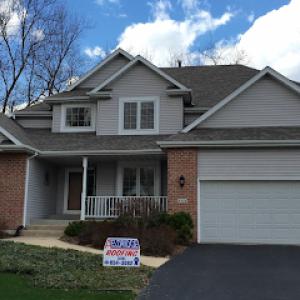
Eldridge Roofing
(815) 654-3062 www.eldridgeroofing.com
Serving
4.5 from 92 reviews
Eldridge Roofing provides residential and commercial roofing services, siding, and insurance claims work in Rockford, IL

Top Notch Roofing & Exteriors
(815) 721-4666 topnotchroofing.net
Serving
4.9 from 105 reviews
Top Notch Roofing & Exteriors provides roofing, siding, downspouts, and gutters to Northern Illinois.
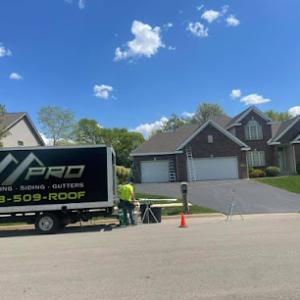
Pro Restoration
(815) 683-8345 pro-restorationllc.com
Serving
5.0 from 4 reviews
When it comes to finding a reliable local roofing company in Loves Park IL, Pro Restoration is the company you can rely on. We have been in the roofing business for many years and have a team of experienced and qualified roofers who can handle any roofing job, no matter the size. You can put your trust in our company as we can guarantee you 100% satisfaction with the end result. Our wide range of roofing services includes roof repair, roof replacement, storm and hail damage repair, gutters, siding, commercial roofing, and more. Contact us today for high-quality and affordable roofing solutions!
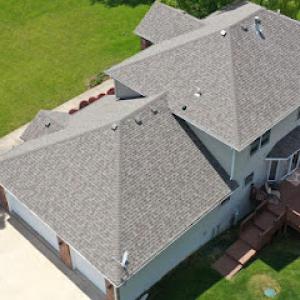
Rockford Siding & Windows
(815) 214-9390 rockford-siding.com
Serving
4.3 from 75 reviews
Rockford Siding and Windows provides roofing, window, siding, door, and gutter installation services to the Rockford IL, Northern Il and Southern WI area.
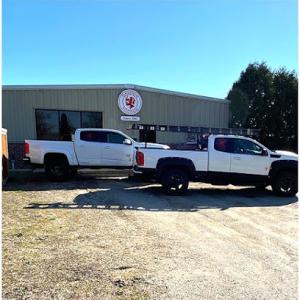
Dagnon Building & Roofing
(815) 633-4443 www.dagnonroofing.com
Serving
4.7 from 31 reviews
Dagnon Building & Roofing has over 63 years of expertise in exterior home improvements. We specialize in roofing, gutters, siding, windows, and insurance restoration. We welcome the chance to earn your trust & deliver the best service. Our experience helps us transform any roofing issue into a solution. The foundation of our service is to be detailed, truthful, and provide our customers the proper actions of expertise. We ensure quality work and prompt service!
Zanoni Contracting
(779) 513-2767 zanonicontracting.com
9958 N Alpine Rd suite 104, Machesney Park, Illinois
5.0 from 1 review
We specialize in hail damage repair, roofing, gutters, windows, siding, remodeling and snow removal. Over 15 years in business.
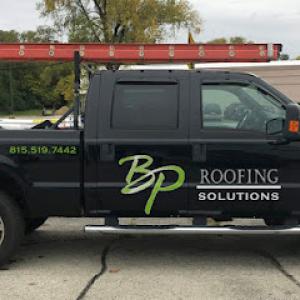
BP Roofing Solutions
(815) 885-8326 www.bproofingsolutions.com
Serving
5.0 from 21 reviews
BP Roofing Solutions provides commercial roofing, roof repairs, roof coatings, roof maintenance, and 24-hour emergency service to northern Illinois and southern Wisconsin.
In this area, the impact of repeated freeze-thaw cycles shows up most at shingle edges, around flashing transitions, and where penetrations meet the roof line. The daily swing between freezing nights and daytime thaws causes small, repeating stresses that can worsen minor defects into noticeable leaks if a tear-off and replacement are rushed into winter. The practical takeaway is to align the replacement window with the period when temperatures hold consistently above freezing for extended stretches and when moisture has reduced enough to allow a clean tear-off and a solid installation. In this pattern, late spring through early fall stands out as the preferred window, since winter snow and ice can delay tear-off, slow inspections, and create inconsistent installation conditions.
Autumn wind events and winter weather in northern Illinois have a real effect on scheduling slippages. Wind-driven debris can puncture new underlayment or complicate temporary protection if a project drags into late fall. Cold snaps can lock tarps in place but also stiffen materials, making shingle handling riskier and more error-prone. When planning, set expectations for a sequence that begins with a careful assessment of roof condition after the worst of summer wear-then book enough time to accommodate potential weather-driven pauses. The goal is a single, uninterrupted tear-off and installation window rather than a cascade of weekend detours.
Begin with a robust inspection in late winter or early spring to document hail, wind, and edge wear that could influence timing decisions. Use that record to coordinate with the chosen contractor for a replacement that targets late spring or early summer, avoiding the late-summer heat peak and the early fall hurricane of wind events. If a hail or wind claim is involved, ensure documentation is thorough and delivered promptly to support scheduling within the optimal weather corridor. On days when forecasts show a steady stretch above freezing with moderate humidity, err on the side of proceeding rather than waiting for a perfect dry spell that may not materialize.
Even within the ideal window, late spring storms or early autumn wind gusts can disrupt progress. Build a buffer into the schedule for potential delays caused by unsettled weather, and confirm with the contractor how they handle temporary weather protection and material storage on the roof deck. Ensure crews have adequate daylight for each phase of work, particularly during shoulder seasons when days shorten and frost risk can linger toward dawn and dusk. By prioritizing a clearly defined, weather-aware plan, a residential replacement can deliver a durable, long-lasting roof with fewer re-dos caused by early-season cold or late-season moisture.
Asphalt shingles are the practical backbone of most re-roofs in this market. The suburb-wide housing stock, from split-levels to ranches, aligns well with standard shingle installations, fast repair schedules, and dependable availability from local crews. In areas with frequent spring hail and seasonal wind events, the familiarity of asphalt shines: many local contractors carry a steady supply of shingles in common colors and profiles, and the installation workflow matches the typical suburban home footprint. If a homeowner is looking for predictable performance with a broad service network, asphalt shingles are typically the easiest route to a solid, durable roof that can stand up to Rockford-area weather patterns.
Metal roofing appears in the market, but it remains less common and more specialized than the familiar shingle replacement. For homes with existing metal-ready structures or for families seeking long-term durability and a distinctive curb appeal, metal can offer excellent wind resistance and a cool, modern look. The local contractor base treats metal as a more targeted choice, so expect longer lead times for material selection and installation slots during peak storm seasons. If a home already features a metal roof or if a homeowner anticipates heavy hail exposure paired with climate-driven energy considerations, metal can be a worthwhile route. It is less about common practice and more about selecting a material that matches long-term goals and maintenance expectations.
Clay tile and concrete tile exist in the local material mix, providing options that bring a high-end aesthetic and solid durability under certain conditions. Cedar shakes and other wood products also surface, delivering a rustic or traditional appearance. However, the contractor signal data shows far less specialization in tile and cedar work than in storm-driven asphalt re-roofing. That means fewer nearby crews with deep, consistent tile or cedar installation and repair experience, especially for repairs after severe hail or wind events. If a homeowner prioritizes a distinctive architectural look or a specific climate-driven advantage (such as tile's heat tolerance in hotter months), tile or wood can be appealing-but plan for careful selection of a skilled, local crew and realistic timelines during peak storm seasons.
Synthetic and composite shingles provide color and texture options similar to traditional asphalt but with enhanced impact resistance and flexibility. In a market shaped by hail-driven claims, some homeowners find that synthetic layers offer an appealing blend of performance and ease of installation. The local supplier and contractor network can guide you to products that pair well with existing roof decks and attic ventilation strategies. If choosing a synthetic route, prioritize products with proven hail resistance and compatibility with the typical underlayment choices used by suburban crews.
When evaluating materials, consider the typical suburban roof profile found in this region, which often features moderate slopes and standardized rafter spacing. The ease of access for inspection and dry-in during wet seasons matters, especially in the aftermath of hail storms that spike documentation needs. If storm history suggests a high probability of wind-driven uplift, discuss with the contractor how each option handles wind resistance, fastening patterns, and attic ventilation to balance performance with long-term comfort. For homeowners weighing long-term maintenance, asphalt remains a reliable, familiar path with broad local support, while metal, tile, and synthetics offer specialized benefits that may align with specific goals or architectural styles.
Local pricing is strongly affected by storm-driven demand spikes after hail and wind events, which can push scheduling out and raise labor pressure in the market. When a hail storm hits, news or rumor travels fast, and crews bounce from one homeowner to the next. That surge can compress lead times for material deliveries, push full replacement timelines beyond the typical 1-2 week window, and nudge the crew to prioritize jobs with quicker payoffs. If the weather turns bad during a project, you'll also see incremental costs tied to weather-related delays, temporary protection measures, or rework on minor flashing flaws uncovered during the tear-off.
In this area the price landscape follows the same material logic you'd expect, but with storm demand adding a premium on the same products. Asphalt shingles remain the practical baseline for many homes, with a typical field cost in the low-to-mid range per square, and metal and tile options carrying higher upfront material costs but potentially longer life. The ranges you'll most often encounter are:
Because this market is heavily re-roof oriented, tear-off scope, cleanup expectations, and the condition of flashing and ventilation often influence final pricing as much as the shingle field itself. A thorough removal and disposal of old layers can add tens to hundreds of dollars per square if multiple layers exist or if disposal pathways are restricted. Flashing around chimneys, vents, and dormers should be examined carefully; if the flashing is corroded or mismatched, a reputable contractor will quote remediation as part of the job rather than as an afterthought. Ventilation checks-roof or soffit vents-can also shift the bottom line if upgraded baffles or additional runs are needed to prevent future moisture issues.
If a storm event has just occurred, plan for a potential short-term hold on scheduling while crews triage damaged homes in the neighborhood. It's prudent to build in a small time buffer for material backorders and adjusted lead times after a major hail episode, even for standard asphalt replacements. In practice, you'll often see projects start within a few weeks of sale approvals, but high-demand windows can stretch this to a month or more after a storm, especially if multiple homes in the neighborhood are competing for the same crews. Expect early-morning starts, careful staging in driveways, and a clear path for debris and waste removal to minimize disruptions on busy street-front properties.
Get a clear picture of your project costs upfront - no commitment required.

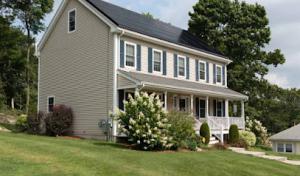
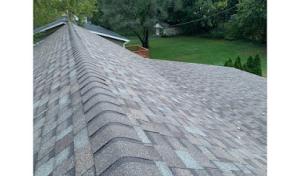
A full roof replacement typically requires a permit, and the filing path is usually handled through the Village of Machesney Park or the Winnebago County building department. Your contractor can guide you to the correct office and forms, but it pays to verify before work starts. Missing or delayed permits can stall a project, trigger rework, and complicate insurance claims if a claim is filed during renovations. Keep a record of your permit status and any approved scope changes in case questions come up later with inspectors or your insurer.
When the project wraps, a common focus for inspections is the underlayment, flashing details, and proper ventilation. These elements are critical in this climate, where freeze-thaw cycles and wind-driven events stress the roof system. Some tear-off projects may also trigger a mid-build inspection, especially if substantial changes are made to the roof deck or support structure. Being prepared with clear documentation from your contractor-warranty notes, material specs, and installation methods-helps the process move smoothly and reduces the chance of a re-inspection or corrective work.
Winter weather can interfere with inspection timing, delaying sign-off and progressing repairs. In practice, this area tends to see more predictable replacement activity from late spring into early fall, when temperatures, daylight, and moisture levels cooperate for safe and effective installation. If a storm or damage event happens in late fall, anticipate potential delays as inspectors balance weather constraints with safety considerations. Planning with this rhythm helps homeowners avoid unnecessary storage or interim roof accommodations while waiting for approvals.
Northern Illinois is an active hail and wind claim environment, so homeowners should expect insurers to scrutinize whether damage is storm-related versus age-related wear. In practice, adjusters will look for clear links between a storm event and visible roof impacts, not a generic wear pattern. This means your documentation needs to tell a precise story: when the storm happened, what you observed immediately afterward, and how subsequent conditions have affected the roof since.
The local contractor market's strong insurance-claims presence means many homeowners here are navigating adjuster meetings, scope comparisons, and supplement requests rather than simple retail replacements. Begin with a dated, objective exterior assessment from a licensed professional or reputable roofer. Include photos from multiple angles, close-ups of damaged areas, and a rough timeline of weather events. After the project, assemble a corresponding set of photos and notes that show the completed scope, any delays, and post-work results. This two-sided record helps prevent disputes over what was found, what was promised, and what was delivered.
Detailed condition records before and after work are especially important in this market because Illinois claim settlement practices often rely on documented inspection findings. Keep copies of all inspector notes, diagrams, and stamped reports. If there are any discrepancies between the initial assessment and the work performed, document them with dates and signatures. For yields of supplements or scope changes, ensure every adjustment is supported with updated photos and a written rationale tied to observed conditions and storm-related indicators.
When meeting with the adjuster, present a cohesive file that connects storm timing, visible damage, and the roof's condition changes over time. Clarify any questions about material compatibility, workmanship, and the need for additional documentation. If a supplemental claim is suggested, request a detailed itemization and a clear, photograph-backed justification. This approach helps keep the process transparent and reduces the risk of unexpected gaps in coverage.
In local full replacements, flashing and attic ventilation are recurring weak points. Expect that transition details around valleys, joints at step flashings, and where roof planes meet walls will require extra attention. When you're reviewing bids, look for a clear plan that covers not just shingles but the entire flashing stack-edge metal, gutter aprons, and revamp of vent collars. Poor attic airflow compounds these issues, so verify that soffit, ridge, and gable vents are sized and sealed to prevent moisture buildup behind the ceiling line.
Freeze-thaw cycling in this area makes roof penetrations and metal flashings more vulnerable to seasonal movement and water entry than in milder climates. Pay close attention to places where pipes, roof jacks, and gas lines pass through the deck. In metal flashings, look for signs of thermal movement-wavy seams or misaligned joints. Ensure sealants and caulks are matched to the local cycles and that any step flashing along hips and ridges is reinforced with corrosion-resistant material.
Chimney-related work appears often enough to be a regular service need. Inspect the masonry-to-roof intersection for cracked brick, deteriorating mortar, or missing flashing along the chimney base. The transition area is a common leak source when shingles settle away from the masonry or when counter-flashings fail. Ask for a detailed plan that includes chimney cricket or proper drainage to shed water away from the stack.
Seasonal shifts can push against sealants and nail line zones. Expect inspections to target the roof-to-wall interface and any metal edge details after harsh winds or hail events. A proactive assessment that maps vulnerable joints now helps prevent active leaks during spring thaws.
Find contractors experienced in skylight installation, flashing, and leak repairs to bring natural light into your home.

RPM Contracting
(877) 776-3981 www.rpmroofs.com
5024 Willow Creek Rd Unit C, Machesney Park, Illinois
5.0 from 176 reviews
Flat-roof specialization exists in this market, but it remains secondary to traditional pitched systems. For homeowners, that means low-slope sections should be treated as a meaningful niche rather than an afterthought. When planning a re-roof, consider a design that accommodates limited drainage, simpler transitions, and materials that are proven on low-slope exposure. A practical approach balances durability with ease of maintenance, especially on transitions to steeper roof planes where detailing can become more complex.
Snow retention and slower drainage on low-slope areas create unique winter risk patterns compared to standard suburban rooftops. In practice, this means paying attention to edge details, leak-prone seams, and vent flashing that can be stressed by freeze-thaw cycles. Choose membranes and sealants rated for cold-weather cycles, and ensure proper slope where feasible to promote drainage. Regular inspections after heavy snows or rapid thaw events help catch edge wear and ponding before it leads to interior leaks.
Detached garages, additions, and porch sections frequently introduce mixed-slope roof systems on the same property. These configurations demand attention to how different materials meet at transitions and how drainage paths converge. When detailing a plan, specify compatible materials for the low-slope portions and the steeper sections, with careful flashing and integrated venting. Maintenance should treat each segment as a distinct micro-system while ensuring that fasteners, coatings, and sealants are compatible across the entire roof to prevent mismatches and corrosion at joints.
In practice, asphalt shingles can cover many mixed-slope scenarios, but for low-slope pockets, consider products that perform well on flat or near-flat surfaces and provide reliable waterproofing at seams. For metal or synthetic options, verify that coatings and membrane products terminate cleanly at transitions to steeper roofs. Detail-focused workmanship matters: field-applied sealants, trenching at penetrations, and backer rod choices influence long-term performance in this climate's freeze-thaw rhythms.
Find specialists in TPO, EPDM, and built-up flat roofing systems for residential and commercial properties.
Pro Restoration
(815) 781-2006 www.pro-restorationllc.com
7848 Burden Rd, Machesney Park, Illinois
4.8 from 350 reviews
Custom Upgrades
(815) 558-7153 customupgradesinc.online
Machesney Park, Illinois
5.0 from 20 reviews
When a hail or wind event hits, the local market rewards crews that can mobilize quickly and return your property to pre-storm condition without dragging out the process. Look for a contractor who documents a definite arrival window, on-site tarp or debris removal plans, and a clean, step-by-step cleanup protocol. A crew that commits to daily site care, including dumpster management and trash removal, makes the long re-roofing process easier to manage amid weather swings and freeze-thaw cycles.
Affordable pricing matters in this market, but so does a contractor with a sustained, recognizable presence. Prioritize firms that have stood the test of time in Winnebago County and can point to a steady post-storm workflow in this neighborhood. Ask how long they've operated locally, how many similar re-roof projects they've completed nearby, and how they stay engaged with customers after a storm rebuild.
Residential and commercial work both appear in this market, but homeowners should confirm a contractor's main experience matches neighborhood re-roofing. Ask for specific residential projects within the area, including a rough idea of team size, typical daily progress, and how crews protect landscaping and hardscape during tear-off and installation. A strong local home-roofing track record often correlates with smoother insurance coordination and fewer surprises.
Request references from nearby homes that experienced a storm-driven replacement, and verify warranty coverage on both materials and workmanship. Inquire about post-installation follow-up, claim handling, and responsiveness if a problem arises after the project is complete. A reliable local crew will outline a clear warranty framework and a direct point of contact for any future concerns.