
Last updated: Apr 19, 2026
In Loves Park, spring storms and hail are a major driver of roofing calls and insurance claim activity. When hail hits, the clock starts ticking on damage assessment, safety checks, and claim documentation. The first 24 to 72 hours after a storm is when the risk of hidden damage grows, and delays can complicate coverage if the insurer flags late reporting or incomplete scopes of work. Stay ahead by treating every shingle bruise, fascia dent, and granule loss as a potential claim trigger, even if the surface looks OK at a glance.
After a hail event, walk the most accessible roof sections only if you can do so safely from the ground or from a stable ladder with a spotter. Look for random bruising on shingles, exposed granules in gutters, and denting on metal flashing, vents, or the chimney cap. Shingles with soft spots, curling edges, or textural changes can hide internal damage that won't be visible from the ground. If a fast check confirms likely impact areas near valleys, edges, and along the rake lines, capture clear photos from multiple angles-before and after rain washes can dull the evidence. Document dates, time of the storm, and any accompanying wind or debris events. If you notice leaks inside the attic or visible water stains, treat that as urgent and note the exact location to guide a contractor's assessment. When choosing a response, prioritize safety: if a roof line looks unstable or there is pooling water near the foundation, avoid climbing and rely on a licensed inspector.
Illinois insurers in this market often require thorough documentation including photos and a clear scope of work before approving roof-related claims. Create a simple, high-quality portfolio: exterior shots of each roof plane, close-ups of suspected impact areas, a panoramic view that shows overall roof condition, and interior photos of any moisture intrusion. Pair each image with a dated caption that points to the exact location on the roof (ridge, eave, valley, dormer). Maintain a written note that links every photo to a potential problem (granule loss, curling shingles, dented flashing, attic condensation). A concise scope of work should outline the repairs needed: safe debris removal, hail-damaged shingles replacement or overlay considerations, flashing and vent resealing, and fascia or gutter checks. If a contractor is involved, request a preliminary assessment that clearly differentiates cosmetic issues from structural concerns, ensuring the scope matches what the insurer will expect. Keep all records organized in a single accessible folder-photos, receipts, inspection reports, and a running log of communication with the insurer and contractor.
Recent carrier tightening in Illinois can affect deductibles, underwriting, and how quickly homeowners need to document damage after a storm event. Initiate contact with the insurer promptly, but avoid rushing into a settlement before an independent roof evaluation is complete. A licensed roofer who specializes in storm damage can help translate damage indicators into a credible scope of work, which supports faster claim approval. When you file, provide the documented evidence and a proposed scope that aligns with the assessment. If the insurer assigns an adjuster, be ready to reference your photo log and the contractor's scope to verify that repairs cover all damaged areas and flashing, not just the most visible shingles. During the claim process, keep a running timeline: storm date, inspection date, notification date to insurer, adjuster appointment, and start of repair work. This rhythm is critical because underwriting decisions and deductible alignments can change as new information comes in.
Storm-driven decisions often hinge on the season's sequencing: whether to pursue a full roof replacement or staged repairs. After a hail event, timing matters-especially in a market with insurance-driven dynamics and a climate prone to freeze-thaw cycles. If the damage is widespread and the scope confirms extensive hail impact, plan for replacement sooner rather than later to avoid repeated peak-season weather hazards. Coordinate closely with your chosen contractor to align the scope, warranty terms, and material compatibility with the existing roof system, using the established documentation to defend the claim and support a smooth, timely transition from assessment to installation. In all steps, keep safety at the forefront, protect your home during the process, and insist on a transparent, evidence-backed plan that meets insurer expectations.

Top Notch Roofing & Exteriors
(815) 721-4666 topnotchroofing.net
7703 Forest Hills Rd, Loves Park, Illinois
4.9 from 105 reviews
Top Notch Roofing & Exteriors provides roofing, siding, downspouts, and gutters to Northern Illinois.
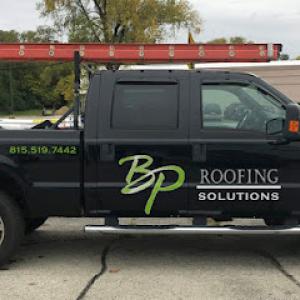
BP Roofing Solutions
(815) 885-8326 www.bproofingsolutions.com
916 River Ln unit 1, Loves Park, Illinois
5.0 from 21 reviews
BP Roofing Solutions provides commercial roofing, roof repairs, roof coatings, roof maintenance, and 24-hour emergency service to northern Illinois and southern Wisconsin.
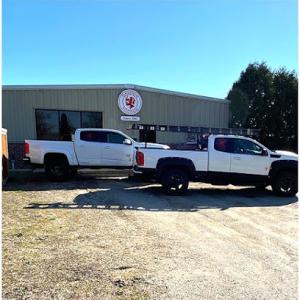
Dagnon Building & Roofing
(815) 633-4443 www.dagnonroofing.com
2113 Rivington Rd, Loves Park, Illinois
4.7 from 31 reviews
Dagnon Building & Roofing has over 63 years of expertise in exterior home improvements. We specialize in roofing, gutters, siding, windows, and insurance restoration. We welcome the chance to earn your trust & deliver the best service. Our experience helps us transform any roofing issue into a solution. The foundation of our service is to be detailed, truthful, and provide our customers the proper actions of expertise. We ensure quality work and prompt service!
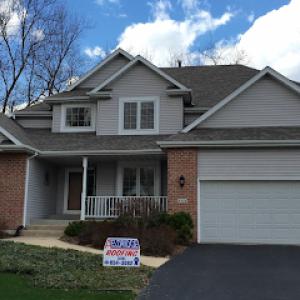
Eldridge Roofing
(815) 654-3062 www.eldridgeroofing.com
2222 Range Rd, Loves Park, Illinois
4.5 from 92 reviews
Eldridge Roofing provides residential and commercial roofing services, siding, and insurance claims work in Rockford, IL
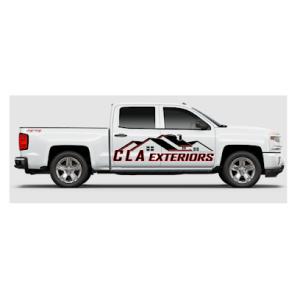
CLA Exteriors
4901 N 2nd St, Loves Park, Illinois
4.7 from 28 reviews
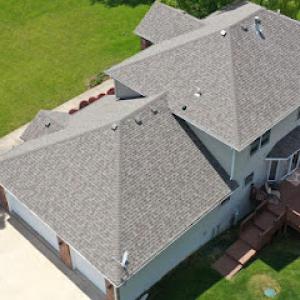
Welcome to CLA Exteriors, your trusted partner for premium exterior solutions. At CLA Exteriors, we specialize in high-quality roofing, siding, and gutter services tailored to enhance the durability and aesthetics of your home. With a commitment to excellence and customer satisfaction, our skilled team utilizes top-grade materials and innovative techniques to deliver outstanding results. Whether you're looking to upgrade your exterior, repair damage, or maintain your property, CLA Exteriors is here to provide reliable, efficient, and professional service. Our focus on detail and craftsmanship ensures that every project meets the highest standards. Contact us today to discover how we can transform your home's exterior with our expertise.
Rockford Siding & Windows
(815) 214-9390 rockford-siding.com
5441 Forest Hills Ct, Loves Park, Illinois
4.3 from 75 reviews
Rockford Siding and Windows provides roofing, window, siding, door, and gutter installation services to the Rockford IL, Northern Il and Southern WI area.
Echelon Construction Group
(888) 802-8453 www.echeloncg.com
7115 Windsor Lake Pkwy, Loves Park, Illinois
5.0 from 5 reviews
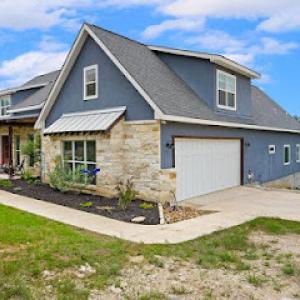
Echelon Construction Group is a veteran-owned company specializing in roofing, siding, and general contracting, dedicated to quality craftsmanship and exceptional service for homeowners and property managers.
Pro Restoration
(815) 683-8345 pro-restorationllc.com
6259 Walnut Grove Rd, Loves Park, Illinois
5.0 from 4 reviews
When it comes to finding a reliable local roofing company in Loves Park IL, Pro Restoration is the company you can rely on. We have been in the roofing business for many years and have a team of experienced and qualified roofers who can handle any roofing job, no matter the size. You can put your trust in our company as we can guarantee you 100% satisfaction with the end result. Our wide range of roofing services includes roof repair, roof replacement, storm and hail damage repair, gutters, siding, commercial roofing, and more. Contact us today for high-quality and affordable roofing solutions!
Lask Exterior Solutions
(815) 964-2220 www.laskexteriorsolutions.com
530 Windsor Rd, Loves Park, Illinois
3.5 from 41 reviews
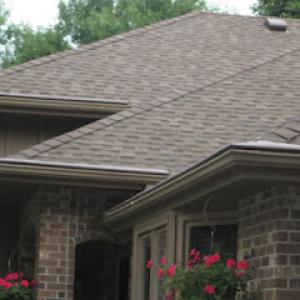
Find Out More About Our Roofing Professionals With years of roofing experience in the areas of Rockford, Northern Illinois and Southern Wisconsin, LASK Exterior Solutions, LLC has proven to be the area’s most trusted roofing professionals. We have upheld our commitment to help each and every customer before we try to sell them anything. We are here to help you not sell you! Our current certifications, prompt technicians, and top notch workmanship are what set us apart from other roofing companies. Add to this the fact that we are a company that is employee owned, operated and ran, and you will understand what makes us unique.
Custom Upgrades
(815) 558-7153 customupgradesinc.online
Serving
5.0 from 20 reviews
licensed #104-018792, & Insured Roscoe-based roofing contractor. Flat and shingle roof repairs and replacements wilh guarantees. Exterior repairs, wood replacement, siding, leaks, general contracting. Chimney and masonry repairs. Interior repairs other issues, Also handle property insurance claims for the policy holder.
RPM Contracting
(877) 776-3981 www.rpmroofs.com
Serving
5.0 from 176 reviews
RPM Contracting provides residential roofing and siding repair and replacement to the Machesney, IL area.
Pro Restoration
(815) 781-2006 www.pro-restorationllc.com
Serving
4.8 from 350 reviews
Pro Restoration is your best residential roofing and commercial roofing company in Machesney Park, IL, so don’t hesitate to get in touch with us anytime! We work hard to exceed your expectations, and you can count on honesty, communication, and transparency from our entire team. No job is too big or too small for our trained and skilled roofers. We’ll always ensure you receive an unmatched quality of work, no matter the type of roofing service you require. Contact us today for premium roof replacement, roof repair, storm and hail damage restoration, asphalt & metal roofing, gutters, siding services, and free roof inspections!
Loves Park experiences cold, snowy winters followed by freeze-thaw cycling that can shorten roof and decking life. When the temperature swings above and below freezing, water trapped in shingles, underlayment, and decking can expand and contract. Repeatedly, that movement creates micro-cracks and loosens fasteners, inviting leaks just when you're thinking you've weathered the worst of the season. The longer a storm-laden winter lasts, the more those little failures accumulate, especially on roofs that are already aging or have imperfect seals around penetrations. The result is not dramatic one-day failure, but a creeping deterioration that erodes the roof's ability to shed water quickly and uniformly.
Winter freeze-thaw conditions in this part of northern Illinois can stress flashing details and expose weak points when snow and ice repeatedly melt and refreeze. The edges of chimneys, vents, and skylights are prime trouble spots, because standing ice adds weight and creates pressure against sealants. In Loves Park, wind-driven snow can wedge into eaves and soffits, forcing moisture behind the outer layer. Over time, that trapping leads to rot in the decking and the potential for hidden leaks that only show up after a thaw or during a heavy rain. Even a sturdy roof with good materials can begin to show small, persistent dampness in ceilings or attic corners if flashing has been compromised.
Pay attention to shingles that curl or lift at the edges, especially after a thaw when sun returns and moisture moves again. Granules shed from asphalt shingles during severe cold snaps can signal aging or damage; a marked loss in granule cover accelerates surface wear and reduces the roof's ability to shed water. In the attic, a musty odor or visible moisture near joints, vents, or along the rafters is a red flag. If you see cracked caulk around vents or flashing, that's an invitation for moisture to travel along the deck. You may also notice frost buildup along the eaves while the rest of the roof remains dry-an indicator that improper drainage or insulation is allowing warm interior air to melt snow unevenly, creating ice dams that stress the system further.
Replacement timing in Loves Park is commonly pushed into spring through fall because winter conditions complicate tear-off, drying, and inspection. If the structure has sustained freeze-thaw damage that undermines shingles, flashing, or decking, delaying a full replacement until the milder seasons can reduce the risk of rapid deterioration during a rushed project. A cautious homeowner will consider the overall condition of the roof, attic ventilation, and interior signs of moisture when weighing options. When leaks become more frequent after a thaw or after a heavy spring rain, it's a clear signal that the roof needs a thoughtful plan, not a hurried fix in mid-winter.
Keep gutters and downspouts clear so meltwater can exit properly and avoid ice dam buildup near the edges. During milder spells, inspect visible flashings for loose seams and ensure sealants remain flexible, not brittle. If a professional identifies compromised decking or persistent flashing failures, plan for a coordinated replacement that accounts for drying time and the ability to protect interior spaces during installation. In this climate, a measured approach that prioritizes reliable flashing, solid decking, and attention to attic ventilation can help extend the roof's life through the next round of freeze-thaw cycles.
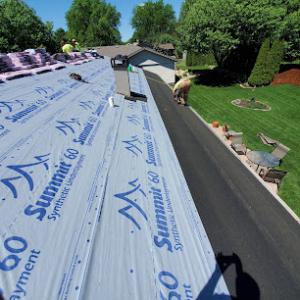
Asphalt shingles are the dominant residential roofing material in Loves Park, aligning with the area's large re-roofing market and affordability focus. When choosing a replacement after a storm or during a spring-through-fall window, asphalt remains your most predictable option for both performance and scheduling. Look for 30-year or 40-year rated shingles with a verified wind resistance rating appropriate for the area, and pair them with a roofing underlayment that offers good moisture protection. In practice, you'll find local crews and suppliers readily stocked for this material, with straightforward installation timelines that help minimize weather exposure in late winter or early spring.
Metal roofing is a meaningful but smaller specialty in this market, often considered by homeowners looking for durability against snow, wind, and repeated weather swings. If the goal is a long-term solution that can shed ice and handle temperature swings without the same level of thermal expansion concerns as some composites, metal can be a strong fit. The key in Loves Park is selecting a profile and coating that tolerate freeze-thaw cycles and the freeze-triggered moisture cycling that happens here. Expect faster initial installation compared with more traditional options, and plan for contractor scheduling during the shoulder seasons when crews with metal experience have the most availability.
Tile and wood products exist in the broader material mix here, but the local contractor signal strongly favors asphalt and storm-replacement work over a tile-heavy market. Tile, whether clay or concrete, can offer unique curb appeal and long life, but these materials demand precise roof framing, heavier structural support, and careful maintenance to handle ice damming and freeze-thaw stress. Wood shingles or shakes can provide character, yet they require more maintenance and are more prone to damage from moisture and pests in this climate. If you're evaluating these options, plan for a more involved installation process and a longer lead time to secure experienced local crews who can address the specific seasonal risks.
In storm recovery scenarios, the material choice should align with the expected insurance-driven replacement timeline and the ability to document damage quickly. Asphalt shingles simplify rapid replacement and documentation, which helps when timelines tighten after hail or high-wind events. Metal can offer a resilient alternative for homes facing repeated weather swings, especially where snow load and wind uplift are concerns. Tile or wood, while visually appealing, demand careful structural assessment and may extend the recovery window due to specialty labor. Prioritize a proven local contractor who understands how the region's freeze-thaw cycles interact with your chosen material, and coordinate the installation window to avoid late-season freezes and spring thaw complications.
Typical Loves Park pricing runs along familiar ranges for our housing stock. For asphalt shingles, you're generally looking at 350 to 550 USD per square. Metal roofing tends to be 700 to 1100 USD per square, while clay tile clocks in at 1000 to 1800 USD per square and concrete tile at 900 to 1600 USD per square. If you're weighing wood shingles or shakes, expect 450 to 900 USD per square, and synthetic or composite shingles sit between 400 and 750 USD per square. These figures reflect the winter freeze-thaw stress, hail debris, and the nearby Rock River weather pattern that pushes some materials to a higher, more durable specification in practical late-winter and spring replacements.
Storm-driven demand spikes after hail and high-wind events can tighten the local contractor market in Loves Park. When a hail storm rolls through, you may see multiple crews in the same neighborhood, bidding timelines up and slots filling quickly. If you're replacing after a notable hail event, plan for a queue of inspections, material orders, and crew allocations that can extend scheduling by weeks. In busy months, the fastest option isn't always the best-balance quick availability with proven storm-response experience and the ability to document prior damage for insurance needs.
After a damaging season, timing hinges on securing materials and a crew who can handle insurance-driven documentation, plus the realities of spring-to-fall backlog. You'll want to confirm lead times for your chosen material, especially for metal, clay, or concrete options that can require longer procurement. Freeze-thaw cycles increase the risk of secondary damage if a roof remains exposed after a storm, so coordinating a prompt but careful assessment, debris removal, and installation window is key. Budget for potential weather-related delays, and align the project with the crew's ability to sequence tear-off, underlayment, and final surface work to minimize exposure.
Start with a realistic per-square estimate using your roof size and the material you favor, then factor in seasonal demand. If you suspect hail damage, gather documentation early to ease downstream insurance interactions. Have a short list of three local roofers with storm-response experience, and verify their ability to manage the full sequence: assessment, material procurement, installation, and final walkthrough. Even in a busy market, clear timelines and good communication can keep Loves Park projects moving steadily through the spring and fall windows.
Get a clear picture of your project costs upfront - no commitment required.
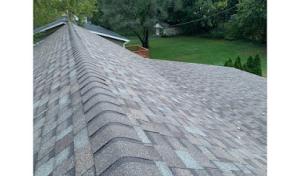
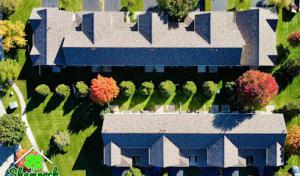
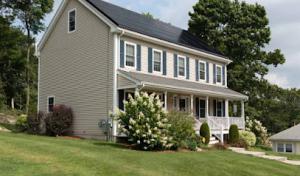
Before any roof work starts, you must secure a permit through the Loves Park Building Department. The local process hinges on submitting the project for permit review and having plans checked before labor begins. This step is essential to ensure the roof system, decking, ventilation, and flashing details meet current code requirements and the neighborhood's typical storm-related demands. Have your contractor provide a clear scope, roof venting plan, and an outline of decking condition and fastener method to speed the review. Delays commonly occur when submittals lack a complete set of details, so prepare to share manufacturer installation guides and any prior damage documentation.
The plan review focuses on the roof's coverage type, attic ventilation, and compatibility with existing gutters and chimney flashing in the area's winter cycle. In Loves Park-where freeze-thaw cycles stress decking and sealants-inspectors pay close attention to how flashing at valleys, penetrations, and roof-to-wall transitions are integrated with proper underlayment and drip edge. Your submittal should include a schematic of the roof pitch, vent locations, and any recovery or ice-damming mitigation measures. A clear sequencing plan helps the reviewer understand the proposed work window, which is particularly important for storm-response projects that may need expedited attention after hail or wind events.
After the replacement is completed, a final inspection is required. Inspectors will verify that decking is sound and properly supported, flashing details are correctly installed around chimneys, vents, and dormers, and venting runs meet code and manufacturer recommendations. Evidence of proper underlayment installation and flashing integration with gutters and roof-to-wall transitions should be visible. If any deficiencies are found, the contractor will need to address them prior to certification of occupancy or permit closure. Expect the inspector to check for clean attic ventilation balance and confirm that penetrations are sealed to protect against moisture ingress during the next freeze-thaw cycle.
Coordinate with the contractor to align your project timeline with permit review deadlines, especially in spring and early summer when storm repairs are common. Have ready any contractor-supplied documentation that demonstrates compliance with local amendments and provides a straightforward path for addressing any noted issues during the final inspection. Keeping a copy of the permit, approved plan, and the final inspection report on-site can streamline potential follow-up actions and help ensure the replacement remains compliant long after the job is done.
Loves Park's contractor market shows meaningful demand for both flat-roof and skylight work, which means those details come up regularly in steady repairs and replacements. That recurring need isn't just about patching a leak; it reflects how a city built on seasonal stress tests transitions, penetrations, and drainage in practical ways. When you see a flat section or a skylight crown, you're looking at a potential pressure point that needs careful treatment from the first design discussion through the final inspection.
Freeze-thaw cycling in this area makes every transition, seam, and drain detail more consequential. On low-slope roofs, even small misalignments around a skylight can become a creeping leak after a heavy thaw followed by a sudden cold snap. Pay close attention to flashing where the skylight meets the roof deck, and to the drainage path around curb-adjacent areas. If water can pond for more than a day after a storm, that's a sign to revisit slope, flashing, and sealant choices before winter rolls back in.
Because local inspectors verify flashing and venting at final inspection, skylight and low-slope detailing can become a key compliance and leak-prevention issue in projects. Plan for robust flashing kits, properly integrated vent stacks, and secure, weather-tight sealants that accommodate seasonal movement. Tighten every fastener and ensure sealant joints remain flexible through temperature swings. The risk isn't just a leak today; it's a failure to pass inspection that forces rework and delays.
When you're evaluating a flat roof or a skylight installation, insist on a cohesive plan that links the curb or penetration flange to the main roof surface with continuous, properly terminated flashing. Check that drainage points are clear and that any scuppers, gutters, or downspouts are sized to handle typical spring melt and summer storms. Document every transition, because a clear, organized photo trail helps with both maintenance and inspection conversations down the line.
Find specialists in TPO, EPDM, and built-up flat roofing systems for residential and commercial properties.
BP Roofing Solutions
(815) 885-8326 www.bproofingsolutions.com
916 River Ln unit 1, Loves Park, Illinois
5.0 from 21 reviews
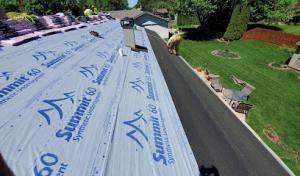
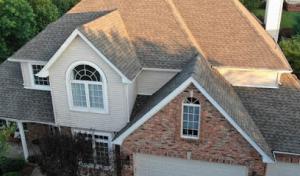
After a hail or wind event, the insurance conversation can steer a roof replacement timeline more than you expect. In this market, carriers adjust coverage terms or deductibles after major weather events, which can flip a project from a repair to a full replacement. The choice isn't just about what happened to the shingles, but how the adjuster views the scope and the remaining life of the roof. You'll want to plan for potential changes in coverage and deductible if a storm hits close to the renewal window.
Storm damage doesn't wait for estimates to line up. Take detailed photo records as soon as possible after a wind or hail event, capturing shingles, flashing, gutters, vents, and the overall roof line. Time-stamped images help the claim reflect the true extent of damage, including any hidden issues that aren't obvious from the ground. Create a simple, written scope of work that outlines observed damage, suspected leaks, and areas that may require temporary protection to prevent further water intrusion. Insurers scrutinize storm-related roofing claims, so having crisp, organized documentation reduces back-and-forth and speeds decisions.
Begin with a licensed contractor's roof evaluation that highlights repair vs. replacement needs, the roof's remaining useful life, and evidence of recurring weather exposure. Get a line-by-line estimate and a narrative explaining why the recommended path makes financial sense for the homeowner. Present photos and the scope to your insurer in a single, cohesive packet. If the adjuster proposes a repair instead of replacement, be prepared with weather history, material warranties, and a clear rationale for why a full roof replacement guards against further claims and future losses.
Storm response in this area hinges on the spring-to-fall window and how soon claims are opened after a severe event. Prompt, organized documentation helps carriers process claims faster and positions you to select a roofing option that aligns with your long-term protection and policy terms, rather than a quick, interim fix.
Connect with contractors who help homeowners navigate the claims process from damage assessment to final approval.

Top Notch Roofing & Exteriors
(815) 721-4666 topnotchroofing.net
7703 Forest Hills Rd, Loves Park, Illinois
4.9 from 105 reviews
Dagnon Building & Roofing
(815) 633-4443 www.dagnonroofing.com
2113 Rivington Rd, Loves Park, Illinois
4.7 from 31 reviews
Eldridge Roofing
(815) 654-3062 www.eldridgeroofing.com
2222 Range Rd, Loves Park, Illinois
4.5 from 92 reviews