
Last updated: Apr 19, 2026
Hail and high winds hit hard here, and claims activity climbs compared with calmer Wisconsin markets. When a storm rolls through, you should treat any roof impact as urgent, not cosmetic. Missing shingles, granule loss, or dented edges can hide under a routine inspection, but a small opening invites moisture that worsens fast in cold snaps. After a storm, you need to take swift photos from ground level and from the ladder line, then document surrounding damage to gutters, siding, and attic ventilation in case the insurer asks for a broader weather impact view. Your best defense is a rapid, organized file: dated photos, a brief storm summary (time and wind direction if known), and a concise list of affected areas. If there is any doubt about leakage or attic staining, treat it as a potential claim trigger and push for an on-site assessment within days, not weeks. Delays can translate into leaking ceilings, warped decking, and accelerated shingle deterioration when winter returns.
Cold winters with repeated freeze-thaw cycling can turn minor storm damage into leaks if repairs are delayed into winter. Ice dams and thaw cycles create a perfect pathway for water intrusion, and compromised flashing or aging underlayment will fail once snow sits on a roof surface. If a repair is postponed and the temperature drops, small issues can cascade into large, expensive problems before spring arrives. Start with a temporary mitigation plan if needed: remove any obvious standing water, clear debris from gutters, and keep attic vents unblocked so residual moisture can vent. The goal is to limit new moisture ingress while arranging a comprehensive assessment and a prioritized repair timeline with your contractor and insurer. Clear communication is essential-explain what you observed during the latest thaw and what remains exposed to wind-driven rain or sleet. Insurance adjustments often hinge on a documented sequence of events, especially when a winter repair window is looming.
Late spring through early fall is the most common replacement window locally because winter snow, frozen surfaces, and spring moisture complicate tear-off and dry-in. If your roof has sustained significant hail or wind damage, pursuing a replacement during this window minimizes the risk of weather-related delays and ensures the fastest return to a weather-proofed home. Short turnaround times demand clarity: confirm the exact scope of work with your insurer, set expectations for material choices, and schedule a project kickoff that aligns with drying-in requirements. If a storm claim is approved, you'll need to coordinate a project timeline that accounts for Dane County's typical spring rainfall and the need for a dry, controlled environment to complete a full tear-off, installation, and insulation checks. Delaying a needed replacement into late fall or winter increases exposure to freeze-thaw cycles and can complicate claim finalization. Proactive, documented communication with both insurer and contractor keeps the project on track and reduces the chance of coverage disputes over the replacement period.
RQ Roofing
1199 Abbott Ln, Sun Prairie, Wisconsin
5.0 from 50 reviews
An Affordable Roofing Company Near You When you think "quality roofing", you may think extraordinary prices. Let RQ Roofing give you a quote that you can smile about. One thing that makes our roofing service in Madison stand apart from the rest is our competitive pricing. Tie that with our unmatched quality service, RQ roofing is the only option worth working with. You worked hard for your money, so you should be able to trust that you're investing in a roof that will last! Honesty and Integrity These days it can be hard to find a dependable roofing company that you feel will be honest and forthcoming. Believe me, we want you to hear all about our roofs and services, but what always comes before work here is honesty and integrity.

RPM Property Service
50 Kroncke Dr, Sun Prairie, Wisconsin
4.8 from 24 reviews
RPM Property Service is a locally owned and operated company serving the Dane county area. We pride ourselves with providing quality, affordable and dependable services to all of our clients in Madison and surrounding areas. Contact us for a FREE estimate. RPM offers lawn services, winter services, siding, roofing, windows, window treatments painting, and general maintenance services for your interior and exterior needs. Our goal is to make it simple for you!
Rock Solid Builders
(608) 335-6288 www.rocksolidbuilders.net
3034 Selkirk Dr apt 1, Sun Prairie, Wisconsin
5.0 from 9 reviews
Locally owned business with roots in Dane County for the past 20 years. Providing carpentry related services for your interior or exterior needs.
Roofing Specialists
159 Clarmar Dr, Sun Prairie, Wisconsin
3.7 from 6 reviews
Wisconsin's leading commercial flat roof specialist since 1999! We use the highest quality materials and we offer residential and commercial roofing, roof installation, repair and maintenance, replacement roofs, flat roofs and much more. We started this business in Madison, Wisconsin to help you protect your investment and make sure every customer is completely satisfied. Contact us today for professional roofing services!

Standard Roofing & Restoration
(262) 212-5853 standardroofingandrestoration.com
Serving
5.0 from 31 reviews
Standard Roofing and Restoration specializes in residential and commercial roofing services in Madison, Wisconsin. Unlike other roofing companies, we’re roofers – not salesmen – first. So, when you partner with us, you won’t just get a new roof for your home or business – you’ll also get an expert in the field or roofing, who has extensive knowledge of and experience working on roofs.
Swita Metal Roofing
(608) 298-7334 switametalroofing.com
Serving
5.0 from 72 reviews
Swita Metal Roofing Madison, in Madison, Wisconsin, is the area's leading roofing company serving Brooklyn, Madison, Verona, Stoughton, McFarland and surrounding areas. We specialize in roof consultations, metal roof installation, professional and daily cleanup, and owner involvement from start to finish. For all your roofing needs, contact Swita Metal Roofing Madison in Madison.
All City Exteriors
(608) 225-8064 www.allcityexteriors.com
Serving
4.9 from 14 reviews
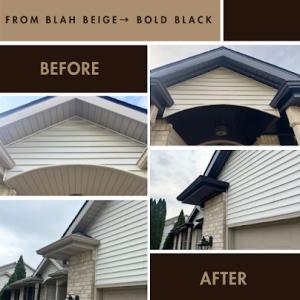
Serving Madison and surrounding communities since 1994, All City Exteriors offers expert solutions for your home’s exterior. This family-owned business specializes in professional roofing, siding, and window installation. With a commitment to quality craftsmanship and customer satisfaction, they enhance the beauty and durability of homes throughout Dane County for over 30 years. All City Exteriors builds lasting relationships with homeowners by delivering exceptional service on every project.
Brookens Construction
Serving
4.9 from 979 reviews
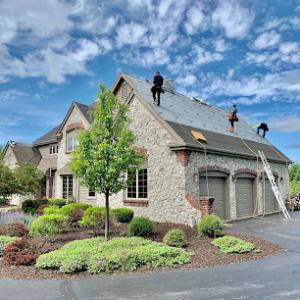
Brookens Construction is a family-owned, licensed, and insured roofing company based in Windsor, proudly serving homeowners across Wisconsin for over 10 years. We specialize in roof inspections, replacements, and hail and storm damage restoration—offering free inspections, expert insurance claim guidance, and honest, high-quality service. BBB Accredited and A+ rated, we’ve earned the trust of thousands of Wisconsin homeowners through professional workmanship, clear communication, and an unwavering commitment to our community.
Ridge Top Exteriors
(608) 218-4904 www.ridgetopexteriors.com
Serving
4.8 from 1137 reviews
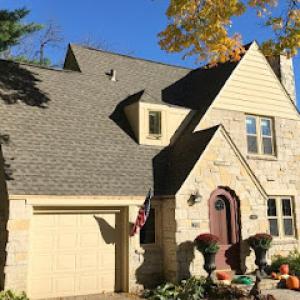
Ridge Top Exteriors in Madison specializes in roofing, siding, windows, and gutters, providing expert craftsmanship and premium materials to protect and enhance your home. We offer energy-efficient vinyl, fiberglass, and wood windows and LP SmartSide siding for stylish, durable, and low-maintenance solutions tailored to Wisconsin’s weather. Backed by over 20 years of experience and multiple industry awards, our team is committed to delivering superior service and long-lasting results. With free consultations, transparent pricing, and a dedication to customer satisfaction, Ridge Top Exteriors is proud to serve Madison homeowners as their trusted home improvement partner.
Angel's Exterior
(608) 501-1518 www.angelsexterior.com
Serving
5.0 from 14 reviews
Angel's Exterior is a Wisconsin-based roofing contractor with a steadfast commitment to providing exceptional customer service and high-quality roofing solutions for both commercial and residential properties. Backed by extensive industry experience and a team of skilled professionals, Angel's Exterior stands as a trusted partner for all your roofing needs, ensuring the integrity and longevity of your property's protective shield.
A-Team Construction
(608) 237-8680 www.ateamunlimited.com
Serving
4.8 from 104 reviews
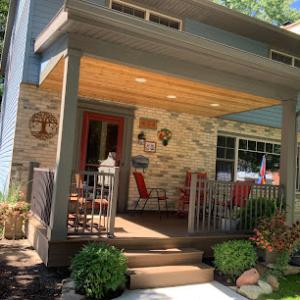
A-Team Construction. provides residential and commercial construction to the Madison Wisconsin area.
Elite Roofing Pros
(608) 206-9166 eliteroofingprosinmadison.com
Serving
5.0 from 43 reviews
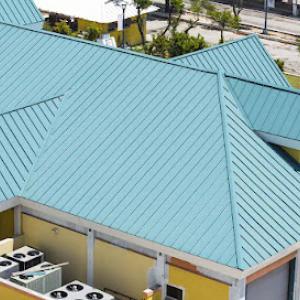
When it comes to Roofing Companies, Roofing Contractors, Roofers, and more, no one compares to Elite Roofing Pros With years of combined experience, Elite Roofing Pros has worked hard to build the trust of our clients in Madison and surrounding areas. Visit our website to learn more or better yet, call us today!
Asphalt shingles are a dominant choice in this market because they fit the area's mainstream residential housing stock and replacement budgets better than slate or clay tile. For a typical Sun Prairie home, asphalt shingles offer straightforward installation, reliable local service, and readily available color options that blend with older neighborhoods and newer builds alike. They handle the freeze-thaw cycle reasonably well when installed with proper underlayment and ventilation, and they are usually the easiest to repair mid-life if hail or wind damage occurs. If you want a low-maintenance path that still gives solid weather protection, asphalt shingles are the steady, familiar option.
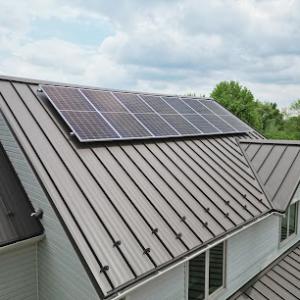
Metal roofing is active in this market and is often considered by homeowners looking for stronger performance against snow shedding and storm exposure. Metal can shed snow more predictably, reducing ice dam risk on shallower pitches, and its durability can limit damage from hail compared to some other roof types. For homes facing repeated wind-driven hail events or marginally higher wind loads, a standing-seam metal system can offer longer intervals between major repairs. However, metal is still a balance between upfront ruggedness and the neighborhood aesthetics; some older homes and certain architectural styles may look incongruent with metal unless carefully matched. If longevity and winter maintenance are priorities, a metal roof is worth a closer look.
Clay tile and slate bring distinctive curb appeal and long lifespans, but their fit is limited in this market. Clay tile is heavy and demands a reinforced structure, and it can be brittle in freeze-thaw cycles if there is trapped moisture or improper drainage. Slate offers superb durability, yet its weight and cost tend to push both installation and repairs out of reach for many homes in this area. In a neighborhood with standard construction and typical roof pitches, these options tend to be sidelined unless a specific architectural vision or high-end retrofit requires them. If a structure already has suitable framing and a compatible roof deck, these materials can be considered, but they require careful engineering for winter performance and storm resilience.
Fiber cement shingles sit between asphalt and expensive options in terms of durability and weight. They resist cracking from freeze-thaw cycles better than some traditional asphalt products and can be installed with a look closer to cedar without the same maintenance. This option strikes a practical balance for homes facing repeated hail and wind exposure, offering improved long-term performance without the heavier structural demands of tile or slate. For a homeowner who wants a sturdier surface but prefers a conventional appearance, fiber cement shingles are worth evaluating.
Stone-coated steel combines metal performance with a textured, architectural look that can mimic traditional shakes or tiles. This material tends to perform well under freeze-thaw stress because the coating and deck protection minimize moisture ingress and fastener movement. It can be a strong choice for storms and snow exposure where a more durable surface is desired without sacrificing a distinctive exterior aesthetic. If the plan includes a design that benefits from a durable, textured finish, stone-coated steel is an option to discuss with a local contractor who can confirm compatibility with existing roof framing and attic ventilation.
When planning a roof replacement, you'll see a clear spread in local pricing based on material choice. In this market, asphalt shingles typically run from about 350 to 600 USD per square, a range that reflects both material quality and the impact of local labor demand after big storms. If you're weighing options, remember that the lower end is common for standard, economy bundles, while the upper end often aligns with architectural shingles or mid-range brands that include longer warranties and enhanced durability against Sun Prairie's freeze-thaw cycles. For the premium end, slate stands out-as a luxury option, it commonly falls between 1200 and 2500 USD per square, with installation complexity and weight driving the price. This is a normal spread for this market and a good reminder that projects of similar size can finish at very different totals depending on the chosen material.
Sun Prairie experiences sporadic storms that can trigger sudden demand for roof work. After severe weather, scheduling pressure tends to rise quickly, and labor prices can shift as several homeowners pursue replacement or repair at once. If a storm hits and a claim is filed by many households around the same block, you may notice longer wait times for crews and tighter windows to complete projects. Planning ahead by aligning with a contractor before peak storm seasons helps lock in a timeline and avoid the premium caused by last-minute demand shifts. In practice, you'll often see crew availability become the limiting factor more than material stock in the immediate aftermath of a hail event.
Choosing specialty materials or requiring structural changes can push the overall cost above standard estimates. For slate or stone-coated steel, where weight calculations and structural considerations come into play, expect added review steps that can influence scheduling and pricing. Similarly, opting for fiber cement or clay tile can introduce longer installation times and higher labor requirements, which shows up in the per-square cost. You'll also see elevated costs if your project triggers extra inspections or structural assessments that go beyond a basic reroof. In practical terms, if a storm damages multiple homes in your neighborhood and a contractor must coordinate with additional specialists, the total project cost can reflect those added steps even before material prices are considered.
Begin with a reasonable target window for replacement that avoids peak storm months and aligns with your insurer's documentation timeline. Gather evidence of damage promptly and organize photos and notes to accompany your claim; this helps prevent delays that inflame scheduling pressures for both you and the contractor. If you anticipate the need for premium materials, discuss delivery contingencies and lead times early in the bidding process. Finally, align expectations on possible price adjustments when multiple homeowners in your area file claims in a short period-this is a normal response from local crews managing seasonal demand.
Get a clear picture of your project costs upfront - no commitment required.
RPM Property Service
50 Kroncke Dr, Sun Prairie, Wisconsin
4.8 from 24 reviews
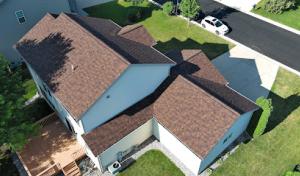
A building permit is typically required for a full roof replacement rather than being treated as a no-permit maintenance item. In Sun Prairie, failure to obtain the proper permit can lead to delays, fines, or inspections that disrupt your project timeline. The local code expects a formal process for major roofing work, especially when a replacement changes the roof's structure, venting, or overall dimensions. If your project involves new underlayment systems or significant modifications to drainage points, treat it as a full reroof rather than a cosmetic update.
The City of Sun Prairie Building Inspection Department issues roofing permits and performs inspections at critical milestones and at final completion. The inspection sequence typically starts with permit issuance, followed by a rough-in or intermediate check if structural work or venting changes are involved, and ends with a final inspection to verify that the roof is secure, weather-tight, and compliant with local codes. Knowing these milestones helps you coordinate with your contractor and avoid surprises when the inspector arrives. Keep a close line of communication with the permit office so you understand what documentation is needed at each stage, especially after weather events that might impact scheduling.
Projects using specialty materials or involving significant structural work in this area may require additional plan review beyond a straightforward reroof permit. If you're considering metal panels, clay tile, slate, or stone-coated steel, or if your roof replacement includes structural modifications to accommodate attic vents, skylights, or load-bearing considerations, expect a more thorough review. Plan reviews can add time to the process, so it's wise to submit plans early and anticipate potential questions from the Building Inspection Department. Having detailed product specifications, installation diagrams, and a prepared load calculation can help move the review along more smoothly.
Start by confirming the project scope with your contractor, then visit the Building Inspection Department's website or office to pull the permit checklist specific to roofing. Gather architectural drawings if required, including any changes to eave lines, overhangs, or structural reinforcing. Schedule inspections promptly after the contractor completes each milestone, and keep a clear, accessible record of approvals and feedback. If weather patterns are favorable, align your schedule so critical milestones avoid the heart of Sun Prairie's freeze-thaw cycle, which can complicate inspections and roof performance. Finally, communicate any deviations from the original plan to the inspector as soon as they arise, so the inspection notes reflect actual work completed rather than deferred items.
The winters in this area bring sharp freeze-thaw cycles that can quietly sabotage roofing work. Snow load and stubborn ice can delay underlayment installation, leaving mats or shingles exposed longer than anticipated. When temperatures dip, adhesives may cure slowly or not at all, and slip hazards increase for crews on steep pitches. That means a job started before a polar snap could stall mid-progress, potentially extending the window of exposure to interior moisture. If a replacement is planned around a stormier stretch, expect a shift in sequencing as crews chase dry, workable conditions rather than sticking to a rigid calendar.
Spring rains saturate the roof deck and the surrounding site, which can slow tear-off and installation sequencing. Wet decking can hide rotten sheathing, making repairs appear more extensive once work actually begins. Water intrusion risks rise especially during deck exposures or when ventilation is temporarily limited. When a spring timeline is in play, temporary containment becomes critical, as do careful surface checks before re-covering. The moisture burden also challenges fasteners and sealants, so accuracy in fastening and flashing becomes extra important to avoid later leaks after the first heavy rainfall.
The heat and humidity of midsummer can affect handling and adhesive performance for some shingle products. Shingles may expand or become pliable, complicating alignment on long runs and increasing the chance of edge lift if airflow around the eaves is insufficient. Humidity can also influence sealant behavior, delaying proper bonding in some material types. If work stretches into the hottest weeks, plan for midday pauses and shade strategies to protect materials and crews. A rushed summer schedule can compromise the precision needed for wind uplift resistance and weatherproof flashing.
Autumn introduces variable winds that can complicate material handling and debris management. Falling leaves, branches, and cooler afternoon gusts raise the risk of trip hazards and debris-related damage to newly installed components. Wind-driven dust and grit can interfere with sealant curing and create a less than ideal surface for final shingle seating. If a project transitions from a late-season storm, careful staging and ongoing debris cleanup become essential to maintain performance as temperatures fall.
Coordinate with the crew to align project timing with forecasted windows of dry, moderate weather. Prioritize thorough deck inspection and any necessary repairs before covering, and schedule quality checks after each major weather event. Keep an eye on material storage conditions on-site to prevent warping or premature aging, and insist on detailing for flashing and edge sealants that anticipate the local freeze-thaw and wind cycles. A measured approach that respects seasonal rhythms greatly reduces the risk of premature failure and unfinished work leaving the roof vulnerable to the next weather event.
Skylights stand out as a meaningful specialty in the local contractor market. In homes with aging or poorly flashed skylights, leaks often show up after a heavy thaw or rapid melt following hail events. Check around the skylight flange where it meets the roof deck, and pay attention to any discoloration, damp spots, or musty smells inside. If a skylight sealant shows cracking or shrinkage, plan for resealing or flashing replacement before the next freeze cycle to reduce water tracking into the attic.
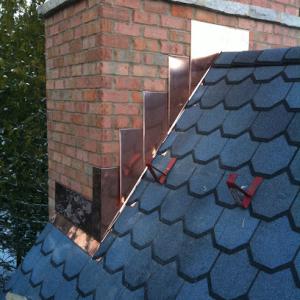
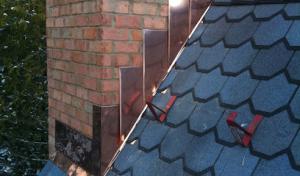
Freeze-thaw conditions make flashing transitions more vulnerable when sealants age or water enters small gaps and refreezes. Inspect around roof-to-wall intersections, valleys, dormers, and chimneys after storms. Look for hairline cracks in metal flashing, lifted shingle edges near transitions, and loose or degraded sealant beads. Addressing these points promptly helps prevent slow water intrusion that can escalate into rot or sheathing damage once temperatures drop.
Overflowing gutters and clogged downspouts push water toward the roof edge, increasing the risk of edge leaks and ice dam formation. Check inside attic spaces for staining along the eaves and at the valley lines where two roof planes meet. Valleys are efficient water conduits, so any shingle misalignment or debris buildup here can lead to concentrated leaks during a storm. Regular cleaning and proper alignment of valley metal reduce recurring trouble spots.
After a significant storm, a detailed photo-documented inspection helps with insurance and verification after repairs. Photograph every suspected leak site, focusing on skylight seams, flashing transitions, and valley intersections. Keep a dated record that shows both outdoor conditions and interior effects, as insurers may request proof of damage and post-installation verification during the claim process.
Find contractors experienced in skylight installation, flashing, and leak repairs to bring natural light into your home.

The Gardner Company
(608) 834-8348 www.thegardnerco.com
2691 County Trunk Hwy V, Sun Prairie, Wisconsin
4.6 from 89 reviews
Rock Solid Builders
(608) 335-6288 www.rocksolidbuilders.net
3034 Selkirk Dr apt 1, Sun Prairie, Wisconsin
5.0 from 9 reviews

Standard Roofing & Restoration
(262) 212-5853 standardroofingandrestoration.com
Serving
5.0 from 31 reviews
Some Sun Prairie insurance claims involve post-installation verification requests from adjusters to confirm that approved replacement work was completed. That reality means your warranty and installer records should be organized and easily accessible. After a storm, the timeline for verification can influence when a claim moves from approval to final settlement. Prepare a simple file with installation dates, product serials, and a summary of work performed so the insurer, if asked, can quickly confirm that the project matched the scope of the approved claim.
Because insurers in Wisconsin have tightened some coverage terms in recent years, Sun Prairie homeowners may weigh wind-resistance ratings and documentation more heavily when selecting materials. If a hail or wind event triggers replacement, the claim may hinge on whether the chosen product meets anticipated wind and impact performance. Be mindful that some products carry stronger manufacturer-backed wind warranties, but require proper installation and clear documentation to keep those guarantees enforceable. Ask for written performance claims that align with local weather realities and insist on a copy of the installation checklists from the contractor.
Warranty discussions matter more locally after storm-driven replacements, especially when homeowners want both manufacturer backing and clear installation records. Keep a client-friendly trace of every step: product model, batch or lot numbers, installation crew, and dates for every phase of work. Request a certificate of completion or a signed lightweight report from the installer that reproducibly states what was done. If a dispute arises, having a concise, verifiable trail can prevent misunderstandings about what was approved and what actually happened on the roof.
Coordinate the timing of verification with the insurer and the roofing crew to minimize delays. When possible, obtain both a manufacturer warranty and a contractor workmanship guarantee in writing, clearly delineating responsibilities for replacement, repair, or any subsequent issues arising from the same storm event. In the end, clear records help protect the balance between reliable protection and the realities of Wisconsin's freeze-thaw cycles.