
Last updated: Apr 19, 2026
Burbank's Mediterranean pattern makes the dry season the natural window for reroofing most years. Dry weather means fewer slip hazards, steadier fastener performance, and cleaner work with less rain intrusion into underlayment. However, winter rain can catch a project mid-teardown or while the new underlayment is in place, spiking the risk of leaks and surface damage during a storm. If a reroof is postponed into late fall or early winter, anticipate shorter workdays and tighter schedules as storms roll through. The practical move is to align the bulk of tear-off and shingle or tile replacement to a dry stretch in late spring through early autumn, with contingencies built for the occasional stray shower. For tile and low-slope configurations common on mid-century homes, a well-primed plan grown from local experience reduces the chance of weather-related setbacks and keeps crews focused on a clean, continuous install rather than patchwork repairs after a rain.
Fall Santa Ana wind events in this area can disrupt tear-off staging, underlayment protection, and debris control on active reroof jobs. Santa Ana winds push dust and debris into exposed valleys, abrade exposed underlayment, and increase the risk of debris rolls or loose materials becoming project hazards. The day-to-day impact is not only safety; it also compresses the window you have to complete critical stages like underlayment installation and flashing integration. If a project starts in late summer or early fall, expect wind advisories to tighten access to the rooftop, complicate material staging on the ground, and require additional securing measures for tarps, ladders, and scaffolding. A practical response is to schedule the most wind-sensitive tasks-underlayment installation, roof-to-wall transition flashing, and final re-seaming-on days with lighter gusts and to have a rapid response plan for wind events: extra fasteners, heavier ballast for tarps, and a readiness to pause work and protect exposed edges. Communicate a clear storm plan to the crew and the homeowner so everyone understands when staging needs to shift or when work must pause to avoid damage to the newly installed layers and neighboring property.
During the peak heat of summer, the San Fernando Valley can push installation conditions into days where adhesives, sealants, and exposed materials behave differently than in milder months. Heat accelerates curing times for some products, but it can also cause premature loss of tack or excessive handling difficulty for shingles, shakes, or metal panels. The practical effect is a higher likelihood of delicate steps needing adjustments-adhesive sequences, ventilation considerations for attic-space work, and more frequent material checks for expansion or warping in hot sun. The recommended approach is to schedule the most heat-sensitive work for early morning shifts, protect underlayment from direct sun by using reflective coverings when feasible, and ensure crews rotate out of direct sun exposure to keep material handling steady and safe. For tile and low-slope roofs, the risk isn't only cosmetic: long exposure during heat can stress fasteners and laps if the installation sequence is rushed to beat the clock.
In practice, the Burbank reroof timeline hinges on anticipating weather windows and building in buffer days for rain or wind. Communicate a concrete weather-tolerant plan: lock in a primary dry-season window, designate fallback dates in late fall or winter only if an extended dry spell is forecast, and establish a daily objective with the crew for each stage-tear-off, underlayment, flashing, and final surface. When Santa Ana warns are issued, you'll want a quick decision framework for halting staging, securing materials, and protecting the roofline from wind-driven debris. A neighbor-friendly approach means coordinating access, protecting driveways and sidewalks, and promptly addressing any incidental rain exposure to interior spaces. The result is a reroof that stays on track through Burbank's seasonal quirks, with reduced risk of leaks, delays, and material waste.
Burbank's tile-roof homes are a defining feature of the neighborhood, and clay tile dominates the skyline here. When you replace tile, the weight and fragility of clay mean that every detail matters more than on other roof types. Start with the underlayment, since a proper bond between tile and decking is essential for long-term performance. Inspect the deck for existing water staining, cupping, or any soft spots, and address them before re-tiling. If the structure has experienced seasonal movement or minor shifting from past quakes and winds, verify that the rafter layout and fastener plan can handle the new tile's load. In a practical sense, plan for a slightly higher safety margin in nailing patterns and fastener selection to reduce the chance of tile breakage during installation, and keep a small stock of extra tiles on site to replace any accidental breaks quickly.
Winter rain and fall Santa Ana winds create a precise window for reroofing projects. The goal is to avoid heavy rains during installation while also preventing premature exposure of a bare deck to drying winds and sun. In practice, schedule the bulk of the tear-off and deck prep for a stretch forecasted to be dry for several days, with a contingency plan for a mid-project rain delay. If a Santa Ana event is forecast, consider delaying lifting tasks that leave the decking exposed and prioritize installing underlayment and temporary weather protection so you're ready to resume immediately when the wind eases. For tile specifically, you want the substrate dry and sound before setting, to reduce the chance of micro-movement that can crack tiles later.
Low-slope sections are common on additions, garages, and some mid-century homes, and they behave differently than steep-slope areas. These zones are more vulnerable to drainage issues and ponding that can lead to leaks if not addressed properly. During replacement, ensure that the roof system includes a robust waterproofing layer with an appropriate slope and reliable termination at perimeters and penetrations. Pay extra attention to the transitions from low-slope to higher sections, where misaligned flashings can trap water. It's prudent to install a slightly beefier edge drip and verify that downspouts align with existing drain paths to prevent overflows during heavy winter storms.
Clay tile's weight requires a sound support plan, so confirm that rafter sizing and spacing meet the project's needs. Underlayment choice should prioritize a durable, watertight layer that resists wind-driven moisture, especially in Santa Ana wind bursts that can lift unsecured materials. In durable tile installations, confirm that all penetrations-vents, chimneys, skylights-receive detailed flashing that integrates smoothly with the tile's curvature. A tight seal at these points reduces the risk of wind-driven leaks during the windy shoulder seasons and winter storms.
On a typical tile or low-slope reroof, the process begins with careful tarp protection and debris containment, then deck assessment and underlayment installation. Tile removal is staged to minimize deck exposure, and temporary fall protection is set before any high-work. After underlayment, a primer or bond coat may be applied where required by the chosen system, followed by precise tile layout to avoid dry runs and breakage. Finally, flashing, venting, and ridge components are integrated with a focus on continuous drainage and clean lines that resist debris buildup during the fall-wall wind and winter rain cycles.
Find contractors who specialize in clay and concrete tile roofs, known for their durability and curb appeal.
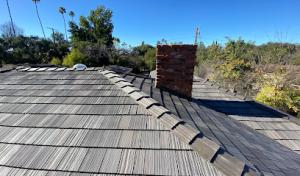
Specialist Roofing & Repair
(626) 624-4897 www.specialistroofing.com
1061 N Victory Pl, Burbank, California
4.9 from 157 reviews
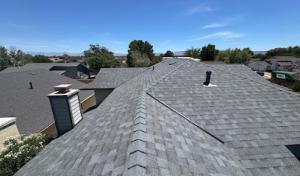
Hann Roofing
(818) 456-1333 www.hannroofing.com
207 N Victory Blvd Suite L, Burbank, California
5.0 from 43 reviews
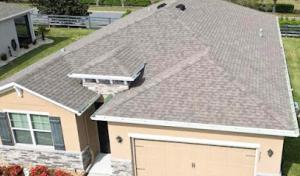
PriceWise Roofing
(818) 946-0842 pricewiseroofingburbankca.com
1701 N San Fernando Blvd, Burbank, California
4.9 from 57 reviews
Clear View Roofing & Construction
(866) 253-2789 clearviewroofers.com
1003 Chestnut St, Burbank, California
5.0 from 254 reviews
Clear View Roofing and Construction is a family-owned and operated roofing and construction company committed to delivering high-quality, affordable, and experienced services to homeowners and businesses in our community. With a strong foundation built on family values and decades of industry expertise, we take pride in offering top-notch solutions that not only protect your investments but also enhance the aesthetic appeal of your property.
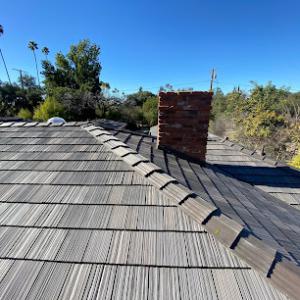
Specialist Roofing & Repair
(626) 624-4897 www.specialistroofing.com
1061 N Victory Pl, Burbank, California
4.9 from 157 reviews
Specialist Roofing & Repair is Burbank’s trusted choice for residential and commercial roofing services. Backed by over 10 years of experience, we specialize in roof repairs, replacements, and new installations using premium materials from Owens Corning, GAF, Polyglass, and CertainTeed. As an Owens Corning Platinum Preferred Contractor, we deliver long-lasting, weather-resistant solutions with transparency and integrity. Our licensed, BBB-accredited team proudly serves the Los Angeles area with free inspections, honest assessments, and fast emergency response. Protect your home or business with expert roofing you can count on—call today for a free estimate! C39 License # 1007386
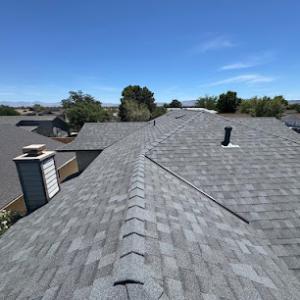
Hann Roofing
(818) 456-1333 www.hannroofing.com
207 N Victory Blvd Suite L, Burbank, California
5.0 from 43 reviews
At Hann Roofing our mission is to build long-term relationships with our clients and the community by providing both residential and commercial roofing, siding and gutter services with the most qualified, long standing, workmanship and service. Contact us today for your FREE estimate!
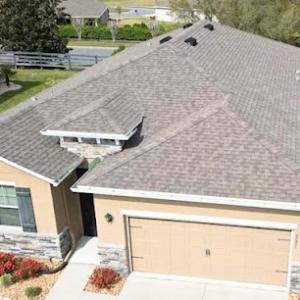
PriceWise Roofing
(818) 946-0842 pricewiseroofingburbankca.com
1701 N San Fernando Blvd, Burbank, California
4.9 from 57 reviews
With over 20 years of trusted experience, PriceWise Roofing provides dependable and affordable roofing services in Burbank, CA, for both residential and commercial properties. As a reputable roofing contractor in Burbank, CA, we offer a full range of services including Roof Repair, Roof Replacement, Roof Installation, Roof Coating, Roof Inspection, and Roof Rejuvenation. Our skilled team works with all major roofing systems—Shingle, Metal, Tile, Slate, Flat, TPO, Rubber, and Cedar Roofing—ensuring long-lasting performance tailored to Burbank's unique climate. Whether you're dealing with storm damage, persistent leaks, or planning a full upgrade, we deliver durable results at honest prices. Contact us today for expert roofing in Burbank, CA
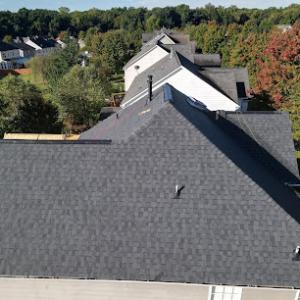
Valley Roofing
(818) 350-5944 burbankroofingcontractor.com
1800 Empire Ave #24, Burbank, California
5.0 from 23 reviews
Welcome to Valley Roofing, where expertise meets excellence in roofing solutions. Elevate your home or business with our comprehensive services. Our skilled team specializes in Roof Installation, seamlessly blending craftsmanship and quality. Trust us for precision in Roof Replacement, ensuring durability and style. Need Roof Repair? We've got you covered, restoring integrity to your structure. Experience the resilience of Metal Roofing or the classic charm of Asphalt Shingle Roofing. For commercial spaces, our top-notch Commercial TPO Roofing guarantees longevity. Whether it's New Construction Roofing or the sleek appeal of Flat Roofing, Valley Roofing ensures a sturdy, stylish shelter. Elevate your property's protection.
Sky Shield Roofing
(888) 331-3460 www.skyshieldroofingca.com
3500 W Olive Ave #300, Burbank, California
5.0 from 18 reviews
We are a full service company based in Burbank led by a team of industry experts. Established with the sole purpose of redefining roofing, Sky Shield has a proven track record when it comes to our experience, support and quality. Our hand-selected team of professionals, from our installers to support staff, are continuously and vigorously trained. Our team is driven and prepared to go above and beyond their role each day. The Sky Shield team focuses on exceeding what our clients need and expect. We take pride in what we do and honor our reputation. We are masters in our passion, the art of roofing. We look forward to serving you.

Newhaus Roofing & Construction
(747) 271-1757 newhausroofing.com
3316 W Victory Blvd, Burbank, California
4.5 from 189 reviews
Since 1998, Newhaus Roofing & Construction has been a trusted, family-owned name in Burbank, delivering exceptional roofing and construction services. Their in-house team of licensed, bonded, and insured experts specializes in new installations, re-roofing, and repairs for both residential and commercial properties. Utilizing Owens Corning-certified materials, they ensure superior durability and lasting quality. Beyond roofing, Newhaus also offers comprehensive services, including gutters, insulation, solar, AC, and remodeling, providing a seamless solution for all your home improvement needs. They expertly manage insurance claims, ensuring a smooth and stress-free experience for every client.
Epic Roof Replacement
(888) 714-3742 epicroofreplacement.com
2919 W Burbank Blvd Suite #D, Burbank, California
4.5 from 81 reviews
Epic is a leading roofing company with a unique manufacturer-direct-to-consumer approach. We cut the salesmen and simplify our quote-to-installation process, ensuring you'll receive a fast and honest quote to replace your roof at the lowest price without compromising on quality.

Pacific Roofers
(818) 351-5177 pacificroofers.com
1909 W Magnolia Blvd, Burbank, California
4.8 from 30 reviews
At Pacific Roofers, our decades of experience have allowed us to fine tune our services to better serve you, while offering you exactly what you need at an affordable price. Pacific Roofers can help you with your upcoming roofing project. Our experienced roofing professionals are dedicated to helping you quickly and efficiently take on your roofing needs. Our services include roof repairs and full roof replacements. We serve homes with asphalt shingle and tile roofs.
Journey Builders Inc Roofing Contractors
(818) 450-5673 journeybuildersinc.com
3111 Winona Ave Suite 103, Burbank, California
4.4 from 75 reviews
Journey Builders is a roofing and construction company, based in Burbank, CA that serves the counties of Los Angeles County, San Fernando Valley, Santa Barbara County, Ventura County, and surrounding cities. Over the years, our company has grown into the premier provider of construction and roofing services in Southern California. All of our roofing specialists are experienced in providing the best energy-efficient options to all of our customers. Our meteoric rise to the forefront of the roofing industry is a direct result of our customer-first approach.
Prime American Roofing
(888) 391-3444 www.primeamericanroofing.com
Serving
5.0 from 69 reviews
Prime American Roofing: Your Trusted Roofing Experts Prime American Roofing specializes in high-quality commercial and residential roofing installations, repairs, and maintenance. We use premium materials and advanced techniques to ensure long-lasting, durable roofs that protect your property. Our team is committed to delivering exceptional service on time and within budget, with a focus on customer satisfaction. From new roof installations to emergency repairs, trust Prime American Roofing for reliable and professional service. Contact us today for a free roof assessment!
Jextro Mode Roofers
(424) 328-6300 jextromoderoofers.pro
Serving
4.9 from 46 reviews
Jextro Mode Roofers are the experts in roofing solutions, serving the Toluca Lake area with reliable craftsmanship and impeccable precision. We offer a wide range of advanced techniques to cater to any roofing project's needs, from installations to complex repairs, ensuring your property stays protected and sturdy for years to come. Visit our website for more information.
In Burbank, asphalt remains the most common entry point for many mid-century homes and newer rebuilds alike. Provided local cost ranges run from about $350 to $750 per square, which reflects the mix of simple peel-and-stick underlayment on low-slope sections and upgraded 30-year to 50-year shingles on steeper pitches. Real-world pricing in this market can drift higher when deck repairs are needed on older homes or when suppliers are dealing with tight crews during peak demand after winter leaks or wind events. Preparation should include a clear assessment of any deck or surface repairs that might be required before shingling begins.
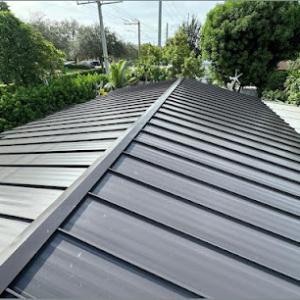
Metal options in the valley-adjacent climate of Burbank bring longevity and a different installation profile. Costs run from $700 to $1200 per square, with price sensitivity tied to panel type, coating, and the complexity of attaching metal to mixed rooflines. Heavier or more intricate metal systems-especially those adapting to transitions between steep-slope and low-slope sections-tend to push the upper end of the range. If a home has older, more delicate decking, budgeting for reinforcement or repair can add to the project. In practice, metal can be a sensible choice where Santa Ana winds and heat demand robust flashing and wind-rated fasteners.
Clay tile roofs are common on mid-century and some hillside-adjacent homes, offering durability and a distinctive look. Provided local cost ranges run from $900 to $1800 per square. Costs rise with heavier tile sets, longer runs, and the need for more labor in careful tile setting and alignment. Mixed rooflines, where tile meets low-slope surfaces or the reroof involves underlayment adjustments, further impact pricing. When tiles crack or deck issues exist, expect additional labor and material charges. Heavy tile systems also demand attention to proper ventilation and drainage during replacement.
Wood shingles or shakes typically run $600 to $1100 per square in this market, with synthetic or composite shingles easing into $500 to $900 per square as a lower-maintenance alternative. In Burbank, the presence of mature trees and the related debris load can influence maintenance frequency and the perceived value of a longer-lasting synthetic option. Costs rise where weathered decking or planking needs stabilization before installation. Synthetic shingles can provide a lighter, faster install that may help with scheduling pressures after winter leaks or wind events.
Slate roofs command a premium in this area, with ranges from $1200 to $2200 per square. The combination of historic homes and steep pitches can drive both material and labor costs upward, particularly if slate needs careful precision to match alignment and feathering against chimneys or skylights. When slate systems exist alongside low-slope sections, contractors may need specialized detailing to ensure proper integration, which also impacts schedule and pricing during months following heavy winter rainfall or wind damage.
The most popular roofing material in the US. Find pros who install, repair, and replace asphalt shingles.
Specialist Roofing & Repair
(626) 624-4897 www.specialistroofing.com
1061 N Victory Pl, Burbank, California
4.9 from 157 reviews

Pacific Roofers
(818) 351-5177 pacificroofers.com
1909 W Magnolia Blvd, Burbank, California
4.8 from 30 reviews
A full reroof in Burbank typically requires a building permit through the City of Burbank Building Division. The permit process is not a疾 sprint; plan on a timeline that accounts for plan review and potential questions from the plan review staff. Because structural adjustments or significant material changes are common in the local housing stock, the review can extend beyond a simple reroof, especially if a new underlayment system or venting changes are proposed. Opening the permit window early helps avoid a last-minute rush when Santa Ana winds are not cooperating or winter rain starts to arrive.
Burbank inspections usually include an initial inspection after tear-off and a final inspection after completion, with possible intermediate inspections when structural work or specialty materials are involved. The initial tear-off check ensures that the roof deck is dry, structurally sound, and ready for the new system. If metal, clay tile, or slate are specified, inspectors may request documentation of fastener patterns and underlayment compatibility. The final inspection verifies that all work conforms to code and the contract plans. If intermediate inspections are needed, expect a coordinated schedule that aligns with progress on framing, sheathing, or re-seating specialty components.
Plan review can take time in Burbank, and homeowners should confirm the contractor holds a valid California license and that the permit number appears on bids and subcontractor invoices. Submittals should include roof type, underlayment, ventilation, and any seismic or wind-related tie-downs required by local code. Because tile, shingle, and many low-slope configurations appear across mid-century homes, the city will look closely at flashing details, edge protection, and rainwater dispersion plans. Having stamped drawings or product data ready can speed the review and reduce back-and-forth.
Verify that the contractor's California license is current and that the permit number is consistently cited on all bids and every subcontractor invoice. The permit record travels with the job, and discrepancies between bids and permits can trigger delays or stop-work orders. If a subcontractor is used for specialty work (tile installation, metal fabrications, or re-roof ventilation), ensure their credentials are on file with the permit authority and that their contact information matches the project documents.
Plan around Burbank's winter rain and fall Santa Ana winds by coordinating permit timing with dry spells and predictable weather windows. Weather-sensitive work-tear-off, decking, and waterproofing-benefits from scheduling that minimizes exposure to storms. Delays in plan review or inspection cycles can push project milestones toward the rainy season, increasing risk exposure on a mid-century roof configuration. Keeping communication open with the contractor and the Building Division helps avoid hold-ups and keeps the reroof moving toward a compliant finish.
California's tightening homeowners insurance market affects Burbank reroof decisions, especially where carriers want more documentation before approving repairs or replacement. The combination of Santa Ana wind episodes and the winter rain season means insurers are increasingly precise about what qualifies as a valid claim and how quickly a decision is needed. When the wind drives debris or the rain reveals overlooked vulnerabilities, knowledge of the process can prevent delays. You should anticipate a request for evidence that the roof system is sound, not just visually intact, before a carrier will sign off on repairs or a full replacement.
For claims tied to wind or rain damage, adjusters may ask for photos, material specifications, prior damage estimates, and proof that the installation is permit-compliant. Photos should clearly show damage at each affected area, including any deterioration of underlayment or flashings. Gather product names for shingles, underlayment, and fasteners, along with installation dates if known. If prior damage exists, share documentation that demonstrates the sequence of events and how the current claim fits into that history. In this climate, a well-organized packet that traces the roof's condition from pre-damage through repair can accelerate the review.
Some carriers may scrutinize underlayment choice and code-approved installation details more closely on reroof projects in this region. Expect questions about why a particular underlayment was chosen, how it performs against anticipated Santa Ana winds, and whether the installation meets current wind and moisture-resistance expectations. Having a clear explanation of the selected system, the fastener pattern, and water-shedding details can help address concerns. If an adjuster notes questions about venting, eave protection, or flashing integration, providing manufacturer criteria and a concise rationale tailored to local weather patterns can prevent back-and-forth delays.
Before initiating or responding to a claim, photograph the whole roof from multiple angles and inside attic spaces where visible. Compile a concise timeline of events, including how recent storms or wind events may have affected areas prone to damage, such as tile edges or valley intersections. When discussing the project with an adjuster, reference the most recent product literature and installation guidance, and be prepared to explain how the chosen materials align with local weather exposure. A clear, methodical presentation reduces ambiguity and helps ensure that a reroof decision proceeds with fewer holdups, even in a market that demands extra documentation.
Connect with contractors who help homeowners navigate the claims process from damage assessment to final approval.
Specialist Roofing & Repair
(626) 624-4897 www.specialistroofing.com
1061 N Victory Pl, Burbank, California
4.9 from 157 reviews
PriceWise Roofing
(818) 946-0842 pricewiseroofingburbankca.com
1701 N San Fernando Blvd, Burbank, California
4.9 from 57 reviews

Newhaus Roofing & Construction
(747) 271-1757 newhausroofing.com
3316 W Victory Blvd, Burbank, California
4.5 from 189 reviews
In a climate where winters bring meaningful rainfall after a long dry spell, aging roofs in Burbank often show hidden weaknesses only when the moisture arrives. The dry periods can mask cracked coatings, dried-out sealants, and worn underlayment, so a heavy winter rain can reveal leaks that weren't obvious after summer heat. Paying attention to stains on ceilings, interior discoloration, and musty odors after a rain helps catch problems before they spread. Focus on areas where storm water tends to pool or travel, such as valleys and low spots, and keep an eye on shingles or tiles that have lost their edge support or have lifted slightly from wind gusts.
Santa Ana wind events can aggravate openings at edges and around flashings, especially when a temporary dry-in was not secured well. Wind-driven rain can push under loose shingles, tile edges, and around penetrations more readily than a calm day would permit. Inspect edge drip details, rake and hip tiles, and any transitional areas where a steep-slope roof meets a low-slope section. If you notice lifted tiles, torn underlayment, or exposed fasteners, treat these as priority targets during a roof check after a windy spell.
Tile roofs are common in the area, and their failure points often line up with the way tiles interlock and how flashings handle penetrations. Cracked or chipped tiles can allow moisture to reach underlayment quickly, and broken mortar or failed bedding around vents and skylights compounds the risk. Transitional zones-where a higher slope meets a flatter section-tend to gather water or shed it unevenly, so these junctions deserve careful inspection. Skylight penetrations demand special attention: sealed mounts, flashing skirts, and corner joints are frequent leak paths when aging components weaken.
Skylight housings and surrounding flashings are common trouble spots in mid-century homes with mixed roof configurations. Over time, sealants dry out, fasteners corrode, and flashing bends develop stress cracks from temperature swings. When inspecting, test for damp patches at skylight baselines, around curbs, and along the intersection where the skylight meets the roof plane. Poorly sealed penetrations or compromised booting around vent pipes can become leak culprits when a storm hits after a dry spell.
The roof edge often bears the brunt of wind-driven rain and debris intrusion. Look for loose shingles or tiles that can funnel water toward fascia and soffit areas, where visible rot or paint bubbling may indicate moisture intrusion. Around dormers and boundary transitions, flashing hardware can loosen with temperature changes, creating creeping leaks that only show after substantial rainfall. Consistent edge maintenance helps mitigate sudden failures during heavy wet seasons.