Last updated: Apr 19, 2026
Santa Ana events sweep through this inland valley with surprising speed, turning a routine roof replacement into a high-stakes project. The wind can disrupt tear-offs, expose underlayment, and push exposed sheathing into cheap delays or damaged work, especially on steeper pitches or hillside blocks. When planning a roof swap, you must expect wind windows to close quickly and weather to flip in a hurry. That means staging materials tightly, sequencing removal and installation tightly, and factoring in potential wind delays into your projected timeline. A clear, weather-aware plan helps you avoid exposed rows of underlayment or loose fasteners that wind can lift, creating vulnerabilities that show up as leaks or wind-driven debris before you know it.
Foothill and canyon-edge neighborhoods experience higher ember risk during wildfire season, and that reality drives the need for more than a basic install checklist. Embers can land on vents, rooftops, and HVAC intakes, igniting small, hard-to-detect fires that traditional screens might miss. Choose roofing materials and accessories with ember resistance in mind, and verify that roof-to-wall detailing seals gaps where embers could penetrate. Consider upgrades to enhanced edge metal, upgraded flashing, and tighter ridge and vent penetrations. In brush-heavy Santa Clarita corridors, curbside debris and during-fire air movement can deposit fine embers across the surface long after the main flames are out, so emphasis on durable, ember-resistant details matters for long-term resilience.
Wildfire underwriting has sharpened scrutiny on the exact sequence of installation, the visibility of underlayment exposure, and the durability of staging before and during a replacement. Underlayment must be protected from UV exposure and wind-driven damage from the moment removal begins. When planning a project, ensure that underlayment is covered during any extended intervals, and that the staging area minimizes exposure to direct sun and gusts. If a reroof is needed, prefer materials and fastening patterns that hold up under hot sun and gusty Santa Ana conditions, with careful attention to wind-rated fasteners and compliant nailing schedules. A well-organized staging zone reduces the chance of panels warping, underlayment tearing, or sheets being blown loose, all of which can complicate inspections and underwriting.
California wildfire underwriting now hinges on precise roof condition photos, explicit material specs, and documented maintenance histories. For homeowners facing coverage or renewal, your project should come with a clear record: current and proposed material types, exact fastener patterns, and photos that show existing vulnerabilities before work begins and after completion. Prepare a concise roof condition report that highlights vulnerable valleys, chimney and vent transitions, and edge detail integrity. This documentation not only speeds insurance reviews but also guides crews to focus on the details that matter most in ember exposure, wind resistance, and long-term performance in steep terrain and canyon exposures. In this market, being proactive with photos and specs can make the difference between smooth coverage and delays that stretch well beyond the hot season.
Find local contractors experienced in assessing and restoring roofs after hail, wind, and severe weather events.
GreatWay Roofing
(661) 200-9452 www.roofingcontractorcamarillo.com
Santa Clarita, California
5.0 from 114 reviews
LA Roofing Masters
(888) 621-9378 www.roofinstallationlosangeles.com
26841 Ruether Ave c117, Santa Clarita, California
5.0 from 13 reviews
Late spring through early fall is typically the most predictable reroofing window in Santa Clarita. That same window works well for installing replacement roof-related windows or skylights, because you can align installation with dry weather, lower wind risk, and fewer rain delays. When planning, prioritize materials and styles that are proven to resist Santa Ana wind events and ember exposure. A properly chosen unit can help vent hot interior air during the peak of inland heat, reducing overall roof temperature load and extending the life of adjacent roofing materials.
Santa Clarita's hillside and canyon exposure means wind can whip debris toward the roofline, especially during Santa Anas. Choose replacement windows with reinforced fasteners and impact-resistant glass or polycarbonate options when possible, and ensure flashing around the unit is integrated into the roof's weather barrier. Ember resistance matters too: look for products labeled for wildfire-prone zones and consider micro-venting or vented skylights that seal tightly when closed. In practice, that means selecting skylights with multipoint locking systems and robust seals, then coordinating with the roof installer to verify gasket continuity across the roof deck.
Warm, dry summers can accelerate aging of asphalt and synthetic roofing products, and the same heat can tax roof-attached windows. For replacement skylights or roof windows, prioritize glazing with low-emissivity coatings and high solar glare control. A well-insulated curb or skylight well reduces heat transfer into the attic and helps preserve insulation performance around the opening. When evaluating brands, compare laminated or tempered glass with UV inhibitors and check for sunlit glare ratings that translate to comfortable interior lighting without excessive heat gain.
The typical Santa Clarita roof slope often combines stubborn sun exposure with occasional wind-driven debris. Choose a window design that suits a moderately pitched roof and that can be integrated without compromising roof ventilation or ridge line airflow. Installation should include a continuous weather-resistant barrier behind the window opening, with flashing that bridges the roof deck and window curb. Ask for a test fit in the attic or loft space to confirm that interior framing remains accessible and that there is no obstruction to attic ventilation paths.
Documentation is a key part of wildfire-driven insurance scrutiny that affects roof work. Keep manufacturer literature, installation details, and photos of the window integration, including flashing and flashing-to-deck connections. Establish a maintenance plan for cleaning UV-impacted glazing and inspecting seals after big wind events. In this climate, periodic checks-especially after summer peak heat and during fire season ahead of potential ember exposure-help ensure performance remains consistent and the roof's protective envelope stays intact.
Clay and concrete tile are a natural fit for Santa Clarita's Mediterranean-style homes, but the real story often sits beneath the decorative surface. In this climate, underlayment aging drives replacement decisions long before the tiles themselves fail. The intense sun and seasonal Santa Ana winds bake roof decks, accelerating wear on felt and more modern synthetic underlayments. If the underlayment shows signs of wrinkling, seepage, or reduced weather resistance after decades of exposure, replacement is often prudent to maintain a watertight barrier. When tiles are still sturdy, focus on seam protection, fastener integrity, and ensuring strong wind uplift resistance, because the winds can take hold of even well-placed tile courses if the substrate has weakened over time.
Asphalt shingles remain common, yet Santa Clarita's prolonged UV exposure and heat can shorten service life compared with cooler coastal parts of Southern California. Look for accelerated granule loss, curling edges, and accelerated color fading on darker shingles, which absorb more solar energy. In high-UV environments, ridge and valley detailing deserve extra attention during inspections, since heat cycling can loosen hips and ridges and create micro-leaks. Regular maintenance should emphasize inspecting flashing around chimneys, vents, and skylights, where heat-induced expansion can lead to gaps if sealants or fasteners lose their bite. When shingles show signs of granule loss or notable curling in exposed sections, anticipate that faster-than-average deterioration may be at play, and plan for timely reinforcement or replacement to maintain a resilient roof line that stands up to summer heat.
Synthetic/composite roofs in this market demand careful evaluation for heat and UV durability, not just appearance, because Santa Clarita summers are harsher than nearby marine-influenced areas. Some composites resist staining and color fading well, but others can become brittle or delaminate with prolonged heat exposure. When evaluating these roofs, test for the flexibility of the membrane underlayment beneath the cap sheets, verify the integrity of any reflective coatings, and assess the UV stability of color pigments in the surface layer. In particular, check for heat cracks, accelerated aging around roof penetrations, and any delamination between layers. If a chosen material shows good initial performance but exhibits heat-sensitive behavior after multiple summers, consider reinforcement with a higher-grade underlayment, enhanced venting, or a revised surface color that minimizes heat absorption. A careful comparison of UV resistance, warranty coverage, and real-world performance in hillside and canyon settings can help determine whether synthetic options will endure Santa Clarita's combination of sun and wind without compromising long-term protection.
Across tile and shingle categories, wind fastening and documentation become crucial in this market. The Santa Ana-driven winds can stress roof assemblies unevenly, especially on older installations where laps, fasteners, and sealants may have degraded. When planning replacement timing, prioritize upgrades to wind-resistant underlayments, corrosion-resistant fasteners, and properly sealed penetrations. Documentation that records material choices, wind-tested fastening methods, and inspection results helps address insurance considerations and ensures a durable, valley-ready roof that performs when the hillside sun and wind drive demand.
Find contractors who specialize in clay and concrete tile roofs, known for their durability and curb appeal.
GreatWay Roofing
(661) 200-9452 www.roofingcontractorcamarillo.com
Santa Clarita, California
5.0 from 114 reviews
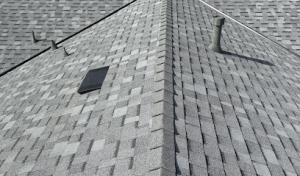
United Roof Builders
(661) 977-7669 unitedroofbuilders.com
19197 Golden Valley Rd #617, Santa Clarita, California
5.0 from 18 reviews
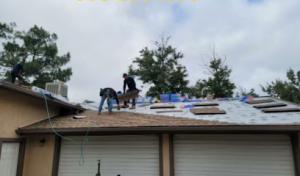
Perfect Roofing
(855) 866-4423 perfectroofingca.com
21700 Golden Triangle Rd unit 106, Santa Clarita, California
4.5 from 26 reviews
GreatWay Roofing
(661) 200-9452 www.roofingcontractorcamarillo.com
Santa Clarita, California
5.0 from 114 reviews
Looking for a reliable and professional roofing contractor in Valencia, CA? Look no further than GreatWay Roofing. With more than 20 years of experience, we have been proudly serving the community since 1999. As a locally and family-owned business, we understand the importance of providing exceptional customer service and workmanship from start to finish and even after the job is done. Unlike many of our competitors who are one-man shows, we have a dedicated team committed to delivering quality results and ensuring your satisfaction. Don't waste your time with unreliable contractors; choose GreatWay Roofing for all of your roofing needs. Contact us today for a free estimate.
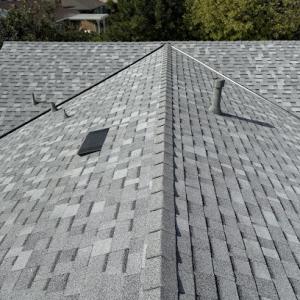
United Roof Builders
(661) 977-7669 unitedroofbuilders.com
19197 Golden Valley Rd #617, Santa Clarita, California
5.0 from 18 reviews
Install new shingle roof Install new tile roof Replace old roof shingles Install fascia boards Install new flat roof
Santa Clarita Roofing Experts
(661) 768-1026 santaclaritaroofingexperts.com
Santa Clarita, California
5.0 from 17 reviews
Transform your roofing needs with Santa Clarita Roofing Experts, your trusted partner for roofing solutions in Santa Clarita, CA. Our team is dedicated to bringing your roofing projects to life, whether it's a reliable residential roof replacement, a high-quality commercial roofing installation, roof repairs, or a custom roofing design, we can do it all. We combine expertise with the latest roofing materials and craftmanship to deliver lasting results. Santa Clarita Roofing Experts is committed to creating secure, energy-efficient, and visually pleasing roofing solutions whether that is residential roofing or commercial roofing. No one handles roofing projects better than us! Contact us today and let's turn your roofing vision into reality!

LA Roofing Masters
(888) 621-9378 www.roofinstallationlosangeles.com
26841 Ruether Ave c117, Santa Clarita, California
5.0 from 13 reviews
To say you are the best roofing company in Santa Clarita CA doesn’t mean that you are really the best. Only years of experience, and countless amount of satisfied customers in Santa Clarita can prove that you are the best roofing contractor in Santa Clarita California. LA Roofing Masters can service, repair, install all types of roofs. From leaking roof repair, to complete new roof installation, we can help. Contact us for free estimate on you next roof or for same day roof repair in Los Angeles County.

Perfect Roofing
(855) 866-4423 perfectroofingca.com
21700 Golden Triangle Rd unit 106, Santa Clarita, California
4.5 from 26 reviews
Perfect Roofing inc Company is your resource for top-notch for new roof installation services, replacement or repair. we services los Angeles county, venture county and orange county. our team member’s bring many years of experience to projects of all kinds. Our priority to provide the highest quality level of work and customer service. Our crew is trained to provide the first-class work material and good experience for all our customers Contact the Perfect Roofing inc today to schedule your no cost, no obligation, in-depth consultation. Free Onsite Inspection Best Price Guarantee 100% Satisfaction Guarantee Call Today.
Golden Valley Roofing
24273 Main St, Santa Clarita, California
5.0 from 6 reviews
Roofing services Santa Clarita | Golden Valley Roofing | Roof repair Santa Clarita | Roof replacement | Roof installation | Asphalt shingles | Metal roofing | Tile roofing | Flat roofs | TPO | EPDM | Storm damage | Emergency roof repair | Licensed roofer | Free estimates | Certified contractor | Residential roofing | Commercial roofing
Statewide Roof Repair
25824 Springbrook Ave, Santa Clarita, California
5.0 from 5 reviews
Roof leaking in Santa Clarita? Statewide Roof Repair provides fast emergency repairs and permanent solutions. We handle wind damage, hail damage, worn shingles, flat roof issues, and more. Licensed roofing contractor offering same-day service, detailed estimates, and workmanship guarantees.
Santa Clarita Roofing
(661) 446-8400 santaclaritaroofingpro.com
26475 Summit Cir, Santa Clarita, California
5.0 from 4 reviews
Welcome to Santa Clarita Roofing, your trusted local experts for all your roofing needs. With years of experience and a commitment to quality, we specialize in residential and commercial roofing services, including repairs, replacements, and new installations. Our skilled team uses the highest quality materials to ensure your roof is durable and long-lasting. We pride ourselves on our exceptional customer service and competitive pricing. Whether you're dealing with leaks, storm damage, or simply need a roof upgrade, Santa Clarita Roofing is here to provide reliable, professional solutions. Contact us today for a free estimate and experience the difference.
All Weather Roofing
(818) 686-5852 roofingcanyoncountry.com
Serving
5.0 from 5 reviews
All Weather Roofing provides professional roofing services for residential and commercial properties in Santa Clarita, California, and surrounding areas. Our skilled team specializes in roof installation, roof replacement, roof repair, roof inspection, and roof maintenance. We also address roof leaks and repair damage caused by storms or high winds. Understanding Santa Clarita’s climate and roofing challenges, All Weather Roofing delivers durable, reliable solutions tailored to local homes and businesses, ensuring long-lasting protection and peace of mind for every property we serve.
IRC Roof Solutions
28457 Via Joyce Dr, Santa Clarita, California
5.0 from 1 review
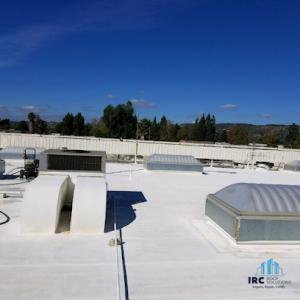
IRC Roof Solutions has been a trusted name in roofing since 2004, serving California, Arizona, and the West Coast with top-quality residential and commercial roofing services. Our expertise includes thorough roof inspections for lenders, homeowners, and insurance companies, as well as specialized services such as commercial roof maintenance, leak repairs, and California Title 24-compliant acrylic roof coatings. At IRC, we pride ourselves on delivering reliable solutions to protect your investment and extend the life of your roof. Whether you're looking for detailed inspection reports, preventative maintenance, or energy-efficient roof coatings, our professional team is here to ensure your peace of mind.
T&M Roofing
18344 Soledad Canyon Rd CA, Santa Clarita, California
5.0 from 1 review
Roofing services Santa Clarita neighborhoods | T&M Roofing | Roof repair Santa Clarita | Roof replacement | Roof installation | Asphalt shingles | Metal roofing | Tile roofing | Flat roofs | TPO | EPDM | Storm damage | Emergency roof repair | Licensed roofer | Free estimates | Certified contractor | Residential roofing | Commercial roofing
Ferguson & Melvin Roofing
Serving
4.9 from 49 reviews
We’ve proudly served Santa Clarita and Los Angeles County since 1979, providing reliable roofing services for residential and commercial properties. Our experienced team specializes in roof repairs, re-roofing, maintenance, and restoration. Whether you need a new roof installation, a repair, or preventive maintenance, we deliver lasting results with quality craftsmanship. With decades of experience, we’re the trusted local roofing contractor homeowners and businesses count on for dependable, professional service.
Provided local pricing ranges run from about $400 to $800 per square for asphalt shingles up to about $1300 to $2300 per square for slate. Those numbers frame what a reroof project could cost before add-ons like underlayment upgrades or specialty fasteners. In Santa Clarita, the UV-heavy summers and long dry spells push many homeowners toward longer-lasting options, even if the upfront price is higher. For tile options, you'll often see a wider spread because field tiles may be reusable, but the underlayment, flashings, and replacement tiles can require careful labor and more material handling. That combination shifts the economics away from a simple tear-off and reinstall toward a more deliberate, staged replacement plan.
Costs rise on hillside lots, canyon-adjacent homes, and wind-exposed sites where staging and material handling are harder. Narrow driveways, sloped access, and lifting materials up stairs or over landscaping add crew time and risk, which shows up as higher daily rates or added equipment fees. If your roof is visible from the street with strong wind corridors or sparse access, expect longer installation windows and a need for more secure fastening and waste containment. These site realities also influence how many mats, tarps, and temporary protections are warranted for the interior.
Tile reroofs can become more expensive when the field tile is reusable but the underlayment, flashings, and broken replacement tiles require careful labor rather than simple tear-off and install. In practice, the labor intensity for removing damaged tiles, cleaning fasteners, re-bedding, and ensuring a seamless wind- and water-tight envelope tends to extend project duration and require skilled masons or tile crews. That labor premium is especially noticeable on canyon-facing or wind-prone elevations where any misalignment risks future leakage or wind uplift.
Hot inland sun and Santa Ana wind events stress roofing systems, pushing decisions toward materials with proven heat resistance and wind-fastening capabilities. While longer-lasting materials may raise upfront cost, they can reduce the risk of mid-cycle repairs or premature replacements. In Santa Clarita, the balance between material performance under UV exposure and the inevitability of wind-driven damage often shifts the preferred reroof window slightly earlier, particularly after a severe wind season or wildfire-driven insurance reviews.
When budgeting, couple material pricing with site-specific surcharges for hillside access and wind exposure. If you're weighing tile versus composite or asphalt, factor in underlayment and flashings as separate line items rather than lumping them into a simple tear-off. Start with the known ranges-and then add for staging, specialized fasteners, and safe handling on slopes-to arrive at a realistic project total.
Don't let upfront costs delay a critical repair - these contractors offer payment plans to fit your budget.


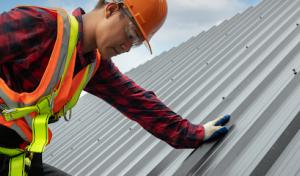
Reroof projects in this area typically go through the City of Santa Clarita Building & Safety department for permits. That means the project is not just a matter of buying materials and hiring a crew; it also requires plan review and formal approval before much work can begin. The process helps ensure that venting, flashing, and nailing meet local codes, which is especially important given how Santa Ana winds, heat, and hillside exposure stress roof systems. You should expect to assemble a complete package for permit review, including roof details, underlayment specifications, and any changes to vent locations. The permit acts as a safety net for your home and for insurers, who scrutinize the documentation after a loss or during a policy renewal.
Inspections follow a practical sequence in this market. After the underlayment goes down, an intermediate inspection verifies that load paths, nailing patterns, and venting are installed correctly and that flashing around penetrations adheres to code. A final inspection then validates overall installation, ensuring proper alignment with roof lines, secure fastening, and that drainage and chimney flashing are sealed to prevent leaks. In hillside and canyon sites, inspectors pay close attention to wind-resistant fasteners and any valley or hip configurations that could be vulnerable to high-wind events. Being prepared for these checks and documenting the installation steps can prevent callbacks that delay occupancy and expose the home to weather exposure longer than necessary.
Plan check and permit issuance can add lead time, so contractors often structure the project timeline around permit processing rather than starting immediately after signing. In practice, this means conversations about material delivery, crew mobilization, and calendar blocks should occur with awareness that approvals may take weeks or more depending on complexity, plan accuracy, and any required revisions. Delays in plan checks are not unusual in this region, where code updates and neighborhood fire-safe requirements influence approval speed. Communicate clearly with the contractor about expected milestones, and confirm whether temporary protection measures will be needed during any waiting period.
Keep a dedicated file for all permit-related paperwork, receipts, and inspection notices. If the project involves changes to venting strategies or retrofit of fire-resistant details, have the modeling or calculations ready for review. Local inspectors tend to value a proactive approach: when systems are clearly labeled, neatly installed, and paired with a concise set of drawings or product specs, the path from plan review to final clearance moves more smoothly. In this climate, where documentation can influence insurance considerations after a reroofer visits, the more organized the submission, the less risk of rework or delays.
Santa Clarita homeowners are operating in California's tighter insurance market, where wildfire exposure has increased scrutiny of roof age and condition. That means insurers may request detailed roof photos, product information, and condition assessments before binding or renewing coverage on homes in this region. Knowing that these requests are routine rather than exceptional helps you prepare in advance and reduces the chance of coverage delays or surprises when you least need them.
Before you even think about renewing, gather clear, up-to-date evidence of your roof's full story. Have high-resolution photos that cover overall roof condition, shingles or tiles, flashing, attic underlayment, and any vents or skylights. Collect product data sheets for the exact materials installed, including granule loss, color, and warranty details. If you've had recent roof work, include invoices and a written summary from the contractor detailing age, warranties, and any repairs. Insurers often rely on these images and specs to assess wildfire exposure risk and wind performance, so accuracy matters.
After wind or rain events, Santa Clarita owners should document displaced tiles, exposed underlayment, flashing damage, and interior leaks quickly because adjusters often rely on photo evidence and roof specs. Take fresh photos from multiple angles, timestamp them, and note any changes since the last inspection. If accessible, arrange a brief inspection by a licensed roofer to corroborate condition with written notes or a simple, verifiable report. Timely, thorough documentation helps prevent gaps in coverage and supports a smoother claim process when the weather inevitably tests roofs here.
Connect with contractors who help homeowners navigate the claims process from damage assessment to final approval.
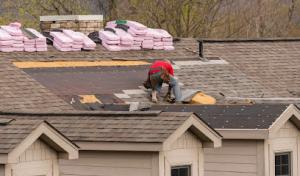

Roofing Guys
(661) 964-4522 www.roofingrepairguy.com
22916 Lyons Ave #227, Santa Clarita, California
5.0 from 9 reviews
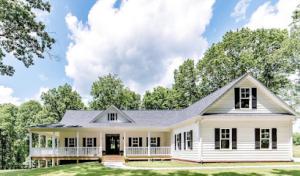
In many tile-roof homes, leaks start not with widespread tile failure but with aged underlayment, compromised valleys, and worn flashings. After years of sun and heat, the underlayment can dry out and lose its seal, creating hidden paths for moisture. Valleys concentrate water flow, and with heat cycles, the metal or fabric within can oxidize or shift, allowing dampness to seep into the attic. Flashings where the roof meets walls or other roof planes are often the first to show signs of wear, especially around horizontal transitions. For homeowners, the takeaway is clear: if your tiles look intact but staining or dampness appears near a valley or flashing, inspect the metal or transition detail first and consider replacing vulnerable flashings with corrosion-resistant, properly sealed units. In Santa Clarita's dry climate, this work tends to pay off by preventing quiet, progressive damage.
Wind-driven rain during winter storms can expose weaknesses around ridges, roof-to-wall transitions, and penetrations after Santa Ana events have loosened components. The gusty winds push moisture toward vulnerable seams, and even a small lapse in sealant or a loose ridge cap can become a leak source. Pay particular attention to ridge vent seals, kickout flashing at the eaves, and any sealant around vent pipes, chimneys, or HVAC flues. After a strong Santa Ana period, it's prudent to recheck all flashing with a quick test: run a cautious water spray along transitions and penetrations from a ladder, looking for moisture entry in the attic. If anything moves or lifts, reseal or replace the offending piece promptly.
Skylights and chimney intersections are recurring trouble spots in this market because many homes combine tile profiles with multiple roof penetrations. The combination of curved tile edges, flashing details, and the sheer number of penetrations creates multiple potential leak paths. Inspect skylight boots, surrounding tile laps, and the base flashing around chimneys. In Santa Clarita, heavy sun can cause differential movement between tile, metal flashing, and roofing felt, so scrutinize joints after seasonal shifts or seismic activity. If anything shows movement or dampness, address it before it migrates into framing. Regular, targeted checks at these intersections save larger repairs later.
Find contractors experienced in skylight installation, flashing, and leak repairs to bring natural light into your home.
LA Roofing Masters
(888) 621-9378 www.roofinstallationlosangeles.com
26841 Ruether Ave c117, Santa Clarita, California
5.0 from 13 reviews
Sierra Crest Roofing
16305 Lost Canyon Rd CA, Santa Clarita, California
5.0 from 7 reviews
Although pitched tile and shingle roofs dominate Santa Clarita, many homes also include low-slope sections over patios, additions, or transitions that fail differently from the main roof. Those low-slope areas sit at the edge of wind scour and sun exposure, and they often bear the brunt of seasonal Santa Ana winds and heavy winter runoff. The combination of inland heat and canyon exposure means membrane performance, fastener selection, and edge details must be tailored to the transition zones, not just the primary roof plane.
These low-slope tie-ins are especially vulnerable when runoff from higher tile roofs concentrates at transitions during winter rains. Water can back up at parapets, drip edges, or oddly angled transitions, finding path lines through seams and fastener patterns that worked on steeper sections. In Santa Clarita's climate, heat cycles can cause differential movement between roof planes, stressing sealants and field-applied membranes. The result is more frequent edge failures, accelerated wear on roof-to-wall flashings, and a higher risk of concealed leaks that manifest only after a rain event.
Mixed-roof homes in Santa Clarita often need contractors comfortable with both steep-slope reroofing and low-slope waterproofing details. Because valleys and transitions behave differently than main roof planes, the crew should approach low-slope work with a plan for surface preparation, compatibility between materials, and robust tests for water tightness across sheet seams, penetrations, and fastener detailing. Ask for references that demonstrate success on patios, sunrooms, and other low-slope tie-ins in sun-exposed and wind-prone sections of similar homes.
When evaluating a proposal, prioritize a comprehensive waterproofing plan for the tie-ins, including upgraded edge metal, integrated flashing at wall interfaces, and a tested membrane approach that can handle Santa Ana wind-driven drying and seasonal rains. Ensure the contractor reviews drainage patterns, confirms proper slope continuation through transitions, and documents all transitions with detailed detailing drawings. Regular inspections after heavy rains help catch issues tied to these vulnerable sections before they become larger problems.
Find specialists in TPO, EPDM, and built-up flat roofing systems for residential and commercial properties.
United Roof Builders
(661) 977-7669 unitedroofbuilders.com
19197 Golden Valley Rd #617, Santa Clarita, California
5.0 from 18 reviews
Statewide Roof Repair
25824 Springbrook Ave, Santa Clarita, California
5.0 from 5 reviews
In Santa Clarita, the sunny inland climate makes roof-mounted solar a common planning factor when scheduling reroofs. Heat and UV exposure accelerate aging of roof decks and fasteners, especially on steeper canyonsides and exposed ridges. When a roof is due for replacement, anticipate solar system work as part of the overall project timeline so panels don't become a separate, last-minute expense.
Homeowners replacing older roofs often need to coordinate timing so roofing work is completed before panel removal and reinstallation costs stack up. If panels stay in place during reroofing, the installer must carefully protect mounting hardware and flashing details, which adds complexity and risk. A practical approach is to schedule roof replacement to wrap up ahead of any planned solar module removal window, ensuring the panel work rides along with the new roof rather than after.
Penetration flashing quality matters more on reroofs with solar because heat, UV, and wind exposure in Santa Clarita can punish poorly detailed mounts. Seek installers who detail flashing around mounting hardware, rails, and standoffs with high-temperature sealants and corrosion-resistant materials. Ask for a documented plan showing how flashing transitions from roof plane to rail penetration, including underlayment continuity beneath the mounts. In hot, drying summers, the difference between a rushed flash and a properly sealed one can show up as future leaks after windy Santa Ana events.
For hillside or canyon homes, wind uplift considerations increase the importance of fastener pattern and edge securing. Coordinate with solar contractors to confirm that roofers can access edge zones and penetrations without compromising panel seals. If a reroof overlaps with solar service life, ensure the order of operations preserves both the integrity of the new roofing and the long-term performance of the solar system, minimizing the need for rework.
Find contractors who integrate solar panels or solar shingles into your roof for long-term energy savings.