
Last updated: Apr 19, 2026
Patterson sits on the west side of the San Joaquin Valley, where hot, dry summers create prolonged UV and heat loading on roof surfaces. That relentless sun bakes shingles, tiles, and underlayment from spring through fall, accelerating aging, fading aesthetics, and potential heat-induced problems in attic spaces. After a winter spent soaking up episodic rain, the roof faces a different test: moisture challenges, expanded flashing joints, and drainage strain as gutters and downspouts handle burst winds and runoff. The result is a climate pattern that makes timing decisions for replacement far more consequential than in milder coastal California cities.
The wet season in Patterson is concentrated in winter, so leak risk and project disruption rise when tear-offs are scheduled during rainy periods. A late-fall or mid-winter replacement can become a sprint against weather, with tarps, temporary coverings, and unplanned work stoppages. Scheduling during a wet spell also complicates underlayment performance and full-dry conditions for interior protection. If a project must occur in winter, plan for flexible timing windows and have contingencies for rain delays. In practice, that means aiming for a window when forecasts show clear weeks, not weeks with a pattern of intermittent showers or arctic fronts.
Extreme summer heat isn't just about comfort; it reshapes the workday and the materials you choose. In Patterson, you want to complete removal and deck assessment when temperatures are lower to protect adhesive bonds, sealants, and fasteners, while preserving the integrity of newly installed underlayment and flashing. Heat accelerates curing times for some sealants and slows others, and it can stress roofing crews working long hours. A phased approach-hot-weather days focused on non-penetrating tasks, cooler mornings for critical fastening and sealing-reduces the risk of imperfect seals and future leaks.
The choice of roof system will influence timing sensitivity. Asphalt shingles, metal, clay tile, concrete tile, wood shingles, and synthetic options each respond differently to heat and moisture loads. In heat-heavy periods, consider heat-tolerant fasteners and compatible sealants to maintain long-term performance. In winter, ensure the material's moisture handling and installation tolerances align with anticipated rainfall patterns and the risk of temporary leaks during construction. The climate pattern-intense sun followed by episodic winter rain-means your replacement strategy should be proactive, weather-aware, and capable of swift adaptation to shifting conditions.
In Patterson, common roofing choices are asphalt shingles, metal, clay tile, concrete tile, wood shingles or shakes, and synthetic or composite shingles. The local climate pushes roofs to endure long summers with intense UV exposure and seasonal rains that test underlayment, flashing, and drainage. Each option has a balance of heat resistance, wind tolerance, and water management, so the decision should hinge on how well the material handles UV risk, thermal cycling, and winter moisture intrusion. Asphalt shingles are familiar for suburban builds and deliver straightforward installation, while metal offers solid reflectivity and rapid shedding of rain. Clay and concrete tiles bring long life and a classic look, but their weight and installation demands change what the structure must support. Wood shingles or shakes lend a natural aesthetic but behave differently in heat and heavy rain. Synthetic or composite shingles aim to blend durability with a lighter footprint and easier maintenance.
Tile systems appear frequently in Patterson-area suburban architecture, and they bring curb appeal and excellent longevity when properly installed. The catch is weight: tile systems load the structure more than asphalt or most synthetics. If you're switching to tile from a lighter roof, a structural review is essential to confirm joist spacing and overall support can handle the added mass. In addition, tiles resist heat and water well when installed with the right underlayment, but failure often starts at flashing details and eaves where frozen water can back up. If winter storms are a regular test, ensure the underlayment is rated for freezing conditions and that drip edge and flashing transitions are integrated with the roof line. Tile textures can also trap heat or collect debris if eave lines aren't adequately ventilated, so plan for continuous soffit vents and ridge ventilation.
For extreme sun, material choice should favor high UV resistance and minimal thermal expansion stress. Asphalt shingles stand up well when paired with reflective coatings or cool roofs, but expect more rapid UV aging in intense sun without protective finishes. Metal roofs reflect sun effectively and tolerate thermal cycling, yet flashing around chimneys and skylights must be meticulous to prevent leaks in winter rain. Clay and concrete tiles demand a compatible substrate and careful fastening patterns to resist wind uplift, especially on exposed ridgelines and larger homes with open eaves. Wood shingles and shakes can add character but require consistent maintenance to prevent moisture ingress and UV drying out the fibers. Synthetic or composite shingles aim to combine ease of installation with improved weather resistance, though color longevity and fiber content vary by product line. A practical approach is to match the roof's venting, underlayment, and flashing strategy to the chosen material, then schedule a professional roof assessment after the first season of severe heat and rains. This ensures the system remains watertight and capable of handling the local climate without premature aging.
Legend Roofing Company
(669) 294-1760 legendroofingcompany.com
Serving
4.9 from 51 reviews
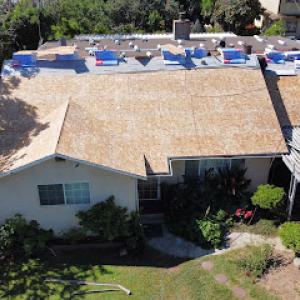
Discover top-tier roofing services with Legend Roofing Company, a BBB Accredited A+ rated business serving Modesto, California, and surrounding areas. As a distinguished GAF Master Elite® Contractor, we specialize in superior roof repair, installation, and replacement for both residential and commercial properties. Our commitment to quality is underscored by the GAF’s Golden Pledge Warranty, providing comprehensive protection against defects and misapplication. Trust us to deliver durable, aesthetically pleasing roofs designed to safeguard your home against harsh weather. Contact us now for a free estimate and elevate your property’s safety and style!
Regal Roofing Solutions
(209) 576-5500 regalroofingsolutions.com
Serving
5.0 from 19 reviews
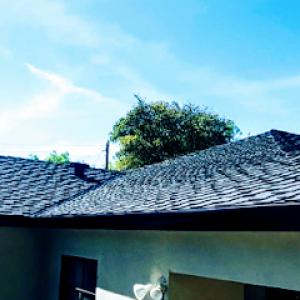
We realize nobody wants to repair or replace their roof. Your calling roofing contractors because you are seeking honesty, quality and a fantastic reputation. You're probably dealing with an insurance company as well with lots of questions. We can help you with your roof restoration or replacement. At Regal Roofing Solutions, our promise is to give you 5 star service and workmanship on your new roof or roof repair. We have over 10 years experience building and repairing custom roofs. Every homeowner has questions, should I repair or replace my roof, what are my roof options, you may want to know what is roof replacement cost? Regal Roofing Solutions is your full service 5 star roofing contractor.

True Roof
(209) 718-7663 www.trueroofca.com
Serving
4.9 from 475 reviews
Third generation roofing contractor focused on inspecting and ensuring your roofing system is protecting what matters most. We strive to put integrity on top.
SQ Roofing
(209) 595-3908 www.sqroofinginc.com
Serving
5.0 from 20 reviews
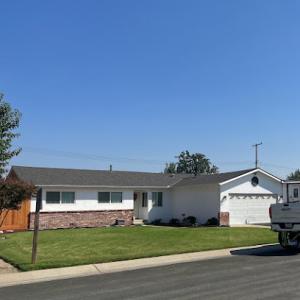
Supreme Quality Roofing is a residential roofing company to provide the best quality service and customer experience for your roofing needs. With over 30+ years of inspecting, repairing, and installing residential roofs in the Central Valley, our technicians are experts in consulting with customers to install and repair their roofs to pass city and county inspections. Get your free consultation and estimate today.
Peterson Roofing
(888) 596-4889 petersonroofingca.com
Serving
4.9 from 40 reviews
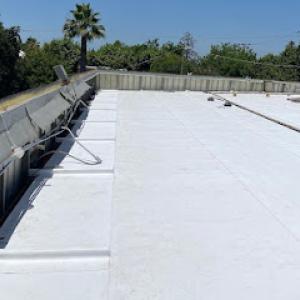
Peterson Roofing, Inc. provides expert roofing services in Modesto, CA. We specialize in roof installation, repair, and replacement for commercial properties. Our licensed and insured team ensures durable, high-quality roofing solutions using premium materials. We handle asphalt shingles, metal roofing, flat roofs, and emergency repairs with precision and care. We aim to deliver affordable, long-lasting, weather-resistant roofs that protect your home or business. Contact Peterson Roofing, Inc. for a free estimate and experience professional, reliable roofing services in Modesto.

Roof Doctors Stanislaus County
(209) 846-2377 theroofdoctors.net
Serving
4.8 from 75 reviews
"Nobody inspects, repairs and certifies more roofs or solves more roof leak problems in the Central Valley Area." Over 300,000 roofs inspected. We do complimentary roof inspections with detailed reports that include pictures. Reports sent within 24 hours of inspection. We are a licensed roofing contractor that offer repairs, replacment bids, gutter cleaning bids, gutter guard installs, and general roof maintenance. Service in the following Central Valley counties: San Joaquin, Stanislaus, Merced, Madera, Fresno, Kings & Tulare Counties.
Roofing Modesto Pro
(209) 279-5012 modestoroofingpro.com
Serving
4.8 from 85 reviews
We are proud to be a locally owned small business that provides high quality roofing services to customers who need roof repairs, roof inspections or roof installations in Modesto, CA. Our company invests heavily in its employees and has been connecting people with professional and expert roofing contractors for a number of years now. We understand how roofing is done and are devoted to offering our services with open communication and straightforward honesty as our guiding slogans.
Innovation Roofing
(510) 203-0948 www.innovationroofinginc.com
Serving
5.0 from 17 reviews
Innovation Roofing has been a cornerstone of the Tracy, CA community for over 25 years, providing reliable and high-quality roofing services. Our journey began with a simple mission: to offer superior roofing solutions with a commitment to excellence and customer satisfaction. Over the years, we have grown and evolved, but our core values remain the same. We are dedicated to building long-lasting relationships with our clients, based on trust, integrity, and exceptional service. Our experienced team is passionate about what they do, and it shows in the quality of our work.
Roofing Modesto CA
(209) 287-3204 www.roofingmodestoca.com
Serving
5.0 from 9 reviews
Unparalleled Residential And Commercial Roofing Services From Your Trusted Roofing Modesto Roofing Modesto CA is your dependable roofing services provider in Modesto California. We are renowned for our exceptional roofing solutions catering to commercial and residential properties. Our certified roofing Modesto have comprehensive expertise in installing various roofing components, including siding, skylights, gutters, and downspouts. Your Top Choice Among Roofers in Modesto. Maintaining open lines of communication is crucial to ensure your Modesto Roofing project is a success. We prioritize clear and effective communication from the initial consultation, discussing your roofing needs, to the final inspection, ensuring your satisfaction.
Loma Blanca Roofing
(209) 604-5348 lomablancaroofingco.com
Serving
4.6 from 10 reviews
🏠 Loma Blanca Roofing Built on Trust. Driven by Excellence. 🔨 For over 16 years, Loma Blanca Roofing has proudly served the Modesto, CA community with reliable, high-quality roofing solutions 🛠️. 🏢 From residential homes to commercial properties, we’ve built a reputation for craftsmanship, integrity, and customer satisfaction. 🏗️ Founded on the principles of trust, quality, and excellence, our journey began with a simple vision: to deliver roofing services that not only meet—but exceed—our clients’ expectations. Over the years, we’ve: 🔧 Honed our skills through hands-on experience 📐 Adopted industry best practices and modern techniques 👷♂️ Built a team of dedicated professionals who treat every roof like it’s their own.
Nushake Roofing
Serving
4.5 from 104 reviews
Nushake Roofing, located at 540 Frontage Rd, is your premier roofing contractor, specializing in top-quality roof replacement and roof repair services. Our experienced team expertly handles residential roofing and flat roofing projects, ensuring each job is completed with precision and care. Whether you need commercial roofing solutions or urgent emergency roof repairs, Nushake Roofing is equipped to meet your needs. We tackle roof leak repairs efficiently, ensuring your property is protected. Rely on our comprehensive roof replacement services for lasting results. Trust Nushake Roofing for all your roofing needs and experience exceptional craftsmanship and customer service.
Alba's Roofing
(209) 602-2795 www.albasroofingca.com
Serving
4.5 from 37 reviews
For over 20 years, Alba’s Roofing has been the trusted Roofing Contractor in Modesto, Ceres, and Riverbank, CA, known for our commitment to professionalism, integrity, and reliability. We specialize in Roof & Ceiling installations, Gutter Installation Services, and complete roofing solutions tailored to protect and enhance your property. Our team delivers exceptional craftsmanship, cost-effective results, and durable finishes that stand the test of time. Most of our business comes from referrals by satisfied clients who appreciate our attention to detail and outstanding customer service. Whether you need a new roof installation, roof repair, or gutter maintenance, Alba’s Roofing is your local expert for high-quality, long-lasting results.
On many local homes, prolonged summer heat can speed up how asphalt shingle surfaces wear, with granule loss showing up sooner and the plastic-like feel of shingle edges becoming brittle. This isn't a dramatic failure overnight, but it gradually reduces reflective quality and accelerates surface aging, making granules rinse away in gutters and valleys after a heat spike. If a roof looks chalky or the granule loss is obvious on the first rains of fall, it's a sign that the underlying fibers and coating are closer to the end of their useful life. You may notice more patchy replay of sun damage on south- and west-facing slopes, where heat exposure is strongest. In those spots, a roof spends more time at peak temperatures, and the clock for useful life runs faster.
Clay and concrete tile roofs dominate the skyline around here, and their beauty can mask real risks. Tiles can crack under sudden temperature swings or heavy foot traffic during maintenance, and even tiles that stay in place can slip slightly, especially after wind events or seismic shifts. The consequence isn't always a visible leak right away; what matters is whether underlayment and roof deck are exposed to winter rain. When tiles misalign or crack, moisture can creep in through gaps that aren't immediately obvious, and the damage compounds as rain arrives. A cautious homeowner regularly checks for loose or cracked tiles after storms, particularly along ridges and eaves, and keeps an eye on flashing at intersections where tiles meet valleys and walls.
Spring winds in this area can fling branches, dust, and other debris onto exposed roof areas during active projects or normal maintenance. Debris can abrade surface edges, gutters, and vents, and it often lands on weak flashing or at the edges where ridge lines end. Over time, disturbed flashing loses its seal, and edge conditions deteriorate, increasing the chance of slow leaks or delayed water entry that isn't obvious until a heavy rain. If wind events scatter debris, inspect the ridge cap and drip edge after each gust as part of a routine maintenance check. A careful eye on these zones helps prevent minor issues from escalating into more noticeable roof failures.
Watch for sudden changes in roof appearance after heat waves or storms: accelerated granule loss, brittle shingle edges, or a pool of moisture near flashing. For tile roofs, look for any displaced or cracked tiles, and check underlayment exposure where tiles have shifted. After spring winds, inspect for debris buildup along ridges and at eave lines, and tighten or reseal flashing as needed. Regular, proactive inspections can keep small problems from becoming costly repairs when winter arrives.
Typical Patterson-area installed cost ranges are about $350 to $700 per square for asphalt shingles. In the desert heat and sun exposure common here, asphalt tends to age fastest, so a homeowner can expect more frequent replacement cycles if the roof is not well-insulated or vented. When summer heat is extreme, installation windows shrink and labor costs can spike due to tighter schedules. If winter rain comes early in the project, you may see temporary delays that push timelines without changing the base price.
Metal roofs run about $600 to $1100 per square in this market. Metal holds up well under Patterson's heat and can reflect a portion of the sun's energy, potentially lowering cooling loads. Heavier metal options or added underlayment for wind seasonality can push costs upward. Seasonal demand matters: winter rain slows work, while dry summer intervals concentrate crews, sometimes compressing the schedule and affecting staging costs.
Clay tile typically lands in the $900 to $2100 per square range. The weight of clay means structural considerations and potential reinforcement, which can add to the cost. In Patterson, when homeowners choose heavier tile systems, a structural review is more likely and labor-intensive tear-off and staging may be required, driving up price. Expect longer lead times in wet months if rain interrupts delivery of tile stock or crews.
Concrete tile runs about $800 to $1800 per square. Concrete is durable in heat but heavy, so structural compatibility matters and can trigger higher install burdens. If the house needs additional bracing or reinforcement, costs rise accordingly. Winter rain can slow removal and staging, while the hot season intensifies daytime work and can push labor rates if crews are in high demand.
Wood shingles or shakes are typically $650 to $1100 per square. In the Patterson climate, sun exposure accelerates drying and cracking, making replacement timing more weather-dependent. Heavier, thicker shakes can require more careful nailing patterns and ventilation checks, increasing labor time. Seasonal demand affects scheduling, and wet months may extend the project duration and price indirectly through labor availability.
Synthetic or composite shingles range from $550 to $900 per square. This option often balances weight and durability, which helps in areas with both heat and rain. If the project involves upgrading underlayment or venting to cope with extreme heat, costs can edge higher. Seasonal demand in winter rain periods can shorten productive work windows, affecting overall pricing and timing.
A full re-roof project in this area typically requires a building permit through the local building department. Before any shingles, tiles, or panels are lifted, you'll want to line up the permit process and confirm what paperwork is needed from the contractor-plan check, structural notes, and proof of material compatibility with the existing roof framing and underlayment system. Because Patterson sits in a climate that endures long, heat-filled summers and a winter rainfall pattern, the building department's mindset is practical: they want to ensure the roof system holds up under high sun and heavy moisture swings, not just that the finish looks new.
Permit review commonly focuses on underlayment, venting, flashing, and structural considerations rather than just the finish roofing material. The review will likely scrutinize the type and placement of underlayment for weather-tightness, the adequacy of roof vents to handle attic moisture during the hottest days, and flashing details around chimneys, skylights, vents, and where walls meet the roof plane. Structural considerations address whether the existing framing can support the chosen roof assembly, especially where heavier tile or metal is contemplated. If the project involves any retrofit of attic ventilation or insulation, expect the plan examiner to look at how those changes integrate with the new roof.
Patterson permits also require inspections during and after installation to verify compliance before the project is considered complete. An inspector will typically visit at key stages-before shingles are set to verify underlayment and flashing are correctly installed, during critical flashing transitions, and after the final surface is in place to confirm fastening patterns, material compatibility, and overall weatherproofing. Because the local climate tests both heat resilience and rain-driven integrity, expect inspectors to pay particular attention to perimeter edge details, valley and drip-edge performance, and any penetrations through vent stacks or skylights.
Preparing for inspections starts with clear communication with the contractor about the sequence of work and the timing of the permit submittal. Have the project plans, product data sheets, and any moisture-control details ready for the building department's review, especially if a switch to metal or concrete tile is on the table to meet higher heat exposure or winter rain demand. After installation, walk the completed roof with the inspector to confirm that flashing around chimneys and vents adheres to code, and that underlayment coverage extends correctly over eave details and transitions. Keeping all documentation organized reduces delays and helps ensure the new roof meets Patterson's practical expectations for long-term performance.
Patterson homeowners are affected by California's variable insurance market, where carriers may ask for roof age, material type, and prior claims history before binding or renewing coverage. The practical consequence is that a roof that has aged through extended summers and winter rains can trigger stricter underwriting or premium shifts if the history shows accelerated wear or notable weather-related events. When you're talking to an insurer, be ready to document the roof's age, the material installed, and any substantial repair events that occurred after severe seasonal impacts. Clear, consistent records help avoid gaps in coverage or last-minute surprises when a claim is filed.
Adjusters evaluating Patterson roof claims may separate pre-existing wear from sudden storm-related damage, which matters on older sun-exposed roofs. The climate pattern here-long, hot summers followed by wet winters-tends to accelerate aging regardless of a single storm. If a claim arises after a heavy winter rain or a late-season wind event, you'll want to demonstrate the distinction between ongoing deterioration from sun exposure and a discrete trigger, such as a wind-driven impact or a fallen branch. Having contractors' notes, roof evaluations, and dated photos can help calibrate expectations and reduce friction during the claims process.
Regional California wildfire risk and related endorsements can influence premiums or coverage conditions even though the primary wear pattern is heat plus winter rain rather than hail. Fire-related endorsements aren't just about flame exposure; they can affect debris coverage, temporary loss of use, and nearby hazard exposure. If a wildfire event or elevated fire risk season looms, expect carriers to re-examine limits, deductible options, and required maintenance records. Keeping a documented maintenance history and a smoke- and ember-preparedness plan can ease conversations with both agents and adjusters.
Maintain a routine of capturing seasonal condition notes with dated photos, especially after the most extreme heat spells and the wettest weeks. Store receipts for roof-related repairs, including underlayment or flashing work, and keep an updated list of contractors who have serviced the roof. When presenting this information after a weather incident, present a clear timeline that shows normal wear progression alongside any incident-driven damage. This approach helps protect the roof's value and your ability to sustain suitable coverage through the years.
Patterson's rainfall comes in a concentrated winter pattern, so late dry-season scheduling can reduce the chance of open-roof exposure during storms. If the roof isn't protected when the first storms hit, you risk leaks that cascade into attic spaces, ceilings, and personal belongings. Waiting too long means you're not just chasing a temporary inconvenience-you're inviting interior damage that's tougher and costlier to repair.
Homes with aging underlayment beneath tile roofs are especially vulnerable if replacement is postponed until after leaks appear in winter. Once the underlayment breaks down, the first heavy rain finds a path through to rafters and interior drywall. Even if tile looks sound, compromised underlayment erodes long-term protection and can accelerate deck rot and mold issues. Treat underlayment as the real frontline and don't test it with the next storm.
Extreme summer heat in Patterson can also limit daily installation hours, so homeowners should plan earlier than they might in cooler regions. High daytime temps shorten work windows, affect adhesive cures, and fatigue crews faster, which compounds risk of imperfect waterproofing. By locking in a replacement window sooner, you keep materials and flashing correctly sequenced and minimize the chance of weather-related delays that leave your home exposed.
Inspect visible flashing and tile edges after the last dry spell and before any rain forecast, noting any dark staining or blistering. If you see aging underlayment or suspect tile movement, prioritize scheduling a full roof replacement or major repair before winter rains arrive. Coordinate with a trusted local crew to confirm a plan that finishes ahead of storm season, preserving interior comfort and structural integrity.