
Last updated: Apr 19, 2026
The Inland Empire's summer sun can turn a roof into a heat trap that bakes shingles, roofing underlayment, and even nails. In Fontana, the workday window for reroofing or major repairs shrinks as temperatures climb, and spring and fall become the preferred reroof windows when the sun isn't at full strength for every daylight hour. If you're juggling a reroof, aim to start before the peak heat of late morning and to finish by mid-afternoon, sheltering crews and materials from extreme heat buildup. Roof sections that sit in direct sun will overheat faster, accelerating material expansion and increasing the risk of premature sealant failure or fastener loosening. Plan ahead for longer access times, hydration needs, and midday pauses to protect the crew and the roof components. For Tile and Concrete Tile options, heat accelerates curing of sealants and reduces the window to recheck underlayment feasibility; you'll want to synchronize inspections with cooler hours and avoid squeezing crucial details into the hottest stretch of the day. If rain isn't anticipated, you still treat heat as a scheduling factor, because overheating can compromise fastener performance and sheet alignment even in dry weather.
As fall arrives, Fontana experiences stronger gusts funneling through the Cajon Pass, often driving debris across exposed roof planes. These fall wind events can cause loose shingles, uplift simulated by wind-driven debris, and accelerated wear on flashing and edge materials. The danger isn't just wind itself - it's what the wind carries: branches, gravel, and synthetic debris that can gouge valleys, corners, and drip edges. The result can be small leaks that look minor but undermine the roof's integrity before the first winter rain arrives. If you're scheduling a reroof or a major repair in the months leading into rain season, prioritize securing all vents, re-adhering flashing where needed, and pre-testing underlayment seams. Consider covering vulnerable valleys and installing temporary protective measures to catch gust-driven debris during the windiest parts of fall. The goal is to err on the side of securing and sealing every potential entry point before a mid-winter storm.
Winter rain in Fontana doesn't demand a flood warning, but it does demand vigilance. Small, existing leaks can turn into active interior moisture problems quickly when rain arrives and pressure builds behind an imperfect seal. Even minor flashing gaps, loose nails, or compromised shingles can become conduits for water intrusion once cold air and rain cooperate. That means any reroof project that drifts into winter should not be treated as a temporary fix. Complete and test flashing, ensure proper shingle alignment with sufficient overlap, and verify that valley and chimney penetrations are sealed with weather-appropriate materials. If leaks exist going into winter, schedule a timely repair rather than hoping a light-season lull will hide them. A modest rain event can expose a fault line in the roof assembly that otherwise wouldn't show up in dry conditions.
Coordinate reroof timing to leverage the cooler spring and fall pockets, avoiding the peak heat window whenever possible. For fall, stage the project to minimize exposure to wind-driven debris, reinforcing edge details and securing all penetrations before heavy gusts become common. As winter approaches, prioritize completing any outstanding sealing work and testing for moisture intrusion in the attic and around vents. If a small leak is detected, address it promptly rather than allowing it to linger through the season, because rain plus time equals interior damage risk. In all seasons, keep a close eye on edge metal, flashing seams, and valley intersections after major weather events, and establish a quick-response plan with your contractor so a new problem doesn't become a bigger one once the next rainstorm rolls in. Fontana's climate rewards proactive scheduling and decisive repairs over reactive, patchwork fixes.
In these neighborhoods, clay and concrete tiles dominate the skyline, and that shapes every roof decision you make. Tile shingles are heavy and long-lasting when combined with proper underlayment, but the heat of an inland summer, paired with Santa Ana wind events funneled through the Cajon Pass, accelerates aging of the underlayment and elevates the risk of broken field tiles. When a tile roof starts leaking, the first sign is often water tracking under the tiles rather than a visible roof crack, because the waterproofing layer beneath may have aged or been compromised by repeated hot-cool cycles and wind-driven debris. Understanding this helps you target the real failure point: is it a broken tile, or is the waterproofing layer beneath overdue for refresh?
Tile systems in Fontana tend to push heavy weight and require a robust underlayment and deck preparation. The consequence is that aging underlayment, not just cracked tiles, becomes a common failure mode. In the dry, hot months, vented attic spaces matter because they affect roof deck temperatures and protective layers. If winter rains arrive and the waterproofing has thinned from heat cycles, you will notice staining or damp spots that may not align with a single tile break. When planning a reroof or major repair, ask a contractor to evaluate both the tile condition and the integrity of the waterproofing membrane, flashings, and sealants beneath the field tiles. A failure often hides in those hidden layers rather than in the visible tiles alone.
Regular visual checks after the peak summer and after any strong fall wind event are essential. Look for: loose or hollow-sounding tiles, uneven tile rows, and any staining on interior ceilings that aligns with storm or wind periods. Pay attention to the areas where tiles meet vent stacks, chimneys, or skylights, since those transitions are prime failure points for waterproofing. If you notice a tile that looks heavy or shifted, don't assume it's just cosmetic-check the underlayment and deck beneath it. Because tile roofing is so prevalent here, you are more likely to encounter contractors who specialize in tile repair and replacement, offering targeted experience with tile-to-underlayment transitions, broken-field-tile fixes, and tile-retention systems.
When interviewing contractors, prioritize tile-specific experience and a track record with the local climate. Ask about how they assess underlayment aging, their process for re-sealing flashings, and the method they use to test waterproofing integrity after tile removal. Expect recommendations that address whether the problem is the tile itself or the waterproofing layers beneath it, especially on heavier tile assemblies common in this market. A good Fontana contractor will map out a plan that preserves the aesthetic while reinforcing the waterproofing system to withstand heat, wind, and sudden rain.
Find contractors who specialize in clay and concrete tile roofs, known for their durability and curb appeal.
Fernandez Roofing
(714) 504-3290 fernandezroofingcorp.com
14334 Ivy Ave, Fontana, California
5.0 from 15 reviews
Hull & Sons Roofing / Commercial & Residential Roofing
(951) 685-9499 hullandsons.com
Serving
4.8 from 141 reviews
Fontana Roofing Experts Pro
(840) 217-7622 fontanaroofingexpertspro.com
7400 Cherry Ave, Fontana, California
5.0 from 43 reviews
With years of experience serving Fontana and surrounding communities, Fontana Roofing Experts Pro is your trusted partner for all roofing needs. We pride ourselves on quality workmanship, exceptional customer service, and competitive pricing. Our team of certified professionals is available 24/7 to handle any roofing emergency or scheduled service. We use only the highest quality materials and the latest techniques to ensure your roof stands the test of time.
Fernandez Roofing
(714) 504-3290 fernandezroofingcorp.com
14334 Ivy Ave, Fontana, California
5.0 from 15 reviews
Welcome to Fernandez Roofing CORP, your trusted provider of top-notch roofing services. With 30 years of experience, we have built a reputation for excellence in both residential and commercial roofing. Our team of skilled professionals is dedicated to delivering high-quality workmanship and exceptional customer service. Whether you need a new roof installation, repair, or maintenance, we have the expertise and resources to get the job done right. We use the best materials and the latest techniques to ensure your roof is durable, reliable, and aesthetically pleasing. At Fernandez Roofing CORP, we are committed to protecting your property with roofs that stand the test of time.
Tinoco Roofing
(909) 717-8955 www.tinocoroofing.com
15218 Summit Ave #300-259, Fontana, California
4.4 from 19 reviews
At Tinoco Roofing, we are family owned and operated. We have over 30 years of experience in the roof installation. We work with shingle, metal, TPO, stone coated roofs among many other materials. This allows us to provide a variety of solutions to your roofing needs. If you don't need a full roof replacement, we also do roof repairs. We also offer gutter installation and repairs!

Viza Roofing
16627 Barbee St, Fontana, California
5.0 from 2 reviews
Our company is located in Fontana, California. Our passion is to help people have the best roof for their homes. We work for a roof that provides the attractive look you want and the durability you expect. We are in continuous training to offer unmatched quality.

JL Roofing Company
(909) 465-1100 jlroofingcompany.com
Fontana, California
3.1 from 16 reviews
JL ROOFING CO. is dedicated to providing quality roofing services throughout the inland empire, Los Angeles and orange county communities. JL ROOFING CO. is a family owned company that has been in business for over 30 years. all our services are guaranteed with a workmanship warranty, providing our customers with a peace of mind. At JL ROOFING CO. we recognize that customers are looking for the highest quality of work for the best price.
Valley Roofing
(909) 725-4771 valleyroofingwebpage.godaddysites.com
Serving
5.0 from 117 reviews
Protecting your home from the elements involves investing in your roof. At Valley Roofing in San Bernandino, CA, we can help you deal with any roofing problems you may have, whether you're experiencing leaks or need a new roof altogether. Our family-owned and -operated roofing company has over 30 years of combined experience in the roofing industry, and we help residential and commercial customers alike. Contact us today and see how we can get your roof fixed fast!
Torres Pro Roofing
(909) 904-7079 torresproroofing.com
Serving
5.0 from 18 reviews
Torres Pro Roofing is a licensed, bonded, and insured roofing contractor serving Fontana CA and surrounding areas, such as Jurupa Valley and Riverside. We work on both residential and commercial roofing projects. Our services include roof replacements, roof installations, reroofs, roof repairs and roof maintenance. We work on many types of roofing systems, such as asphalt shingles roofing, composition shingles roofing, tile roofing, TPO roofing, single ply roofing, torch-down roofing, flat roofing and modified bitumen roofing. Whether you have a small leak repair or a large roof replacement project, give us a call. We pride ourselves in offering affordable and high quality roofing solutions. Call us today to schedule for a FREE estimate!
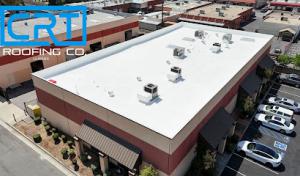
CRT Roofing Co. Inc,
(909) 566-4036 www.crtroofing.com
Serving
4.1 from 44 reviews
CRT Roofing Inc, Is a roofing contractor with over 50 years of combined knowledge in the field. We have experience working with property management companies, general contractors, commercial building owners, and facility managers. Need a roof inspection for repairs? Contact us today and receive a free quote!
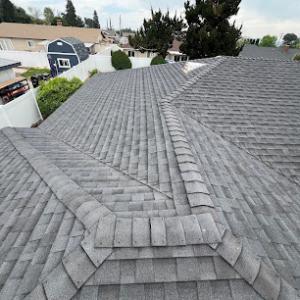
Frontline Roofing
(951) 399-0072 frontlineroofing.com
Serving
5.0 from 23 reviews
Located at 3845 Stobbs Way Suite E, Frontline Roofing is your premier roofing contractor catering to both residential and commercial clients. Specializing in roof repair, installation, and replacement, we provide top-notch roofing services tailored to your specific needs. Recognized for exceptional customer service and a 4.9-star rating, we are the go-to roofing company near you. From metal and shingle roofing to industrial strength commercial roofing solutions, our expert team delivers quality, reliability, and energy efficiency. Contact us today for detailed roofing estimates and discover why we are a leader among roofing companies in the area.
Hull & Sons Roofing / Commercial & Residential Roofing
(951) 685-9499 hullandsons.com
Serving
4.8 from 141 reviews
At Hull & Sons Roofing we provideQuality Roofing Services for Commercial, Industrial or Residential in the Inland Empire. We offer other roof sevices like replaceing Skylights, Roof Drains, Gutters, Crickets to divert water, Removal and replacement of AC units, Wood platforms for AC units, Resealing duck work and total removal for abandoned units.

Rocket Roofing
(800) 720-0775 rocketroofingca.com
Serving
4.9 from 56 reviews
Rocket Roofing Contractors are the most experienced commercial roofing company in California. We know how to fix your leaky roof so that you can focus on running your business. You need a reliable roof over your head if you want to run a successful business. Let us take care of your roof repairs so you can rest easy knowing the job is done right.

Ontario Roofing
(909) 330-4661 roofingontario.net
Serving
4.9 from 48 reviews
Ontario Roofing is the best roofing contractor in the Ontario, California area that you could have work on your home. We are able to work on any kind of residential or commercial roofing project.Whether you need roof repairs or a new roof installation we have a variety of options and pricing to fit your specific needs.Give us a call today and we offer a no cost, completely free estimate on your next roofing project.
In this market, asphalt shingles remain the most common starter solution for many Fontana homes, especially where a faster reroof can be scheduled between the hot days of summer and the busy winter rain season. The typical cost range here is about 350 to 750 USD per square, depending on shingle quality, underlayment, and tear-off needs. When summer heat tightens production windows, crews may push longer days or require more labor, nudging the price toward the higher end. If a roof already overflows with older underlayment or multiple nail patterns, expect an increase in disposal and installation time, which also weighs on the final bill. For homeowners eyeing long-term reliability in a tile-oriented town, asphalt remains a solid entry point, but be mindful that the local reroof market's tempo can compress scheduling into tighter windows.
Metal brings durability against Fontana's Santa Ana wind bursts and the harsh sun, and it often recoups the initial premium through energy savings and longer service life. Costs run roughly from 550 to 1100 USD per square, with higher figures tied to standing-seam systems, insulation needs, and roof geometry that complicates panel layout. In hot months, metal can shorten install timelines when crews chase cooler hours or demand spikes after a wind event. Winter rain can also introduce occasional delays, particularly on tall slopes or complex eaves. If reflective finishes and air-gap underlayment are chosen, expect a modest uptick in price, but a corresponding improvement in comfort and long-term performance.
Clay tile is a staple of Fontana's curb appeal and long-term value, and it sits toward the higher end of reroof costs. Expect roughly 700 to 1400 USD per square, influenced by the tile profile, local fastener choices, and whether a full tear-off is required. The mix of heat and wind, plus the prevalence of tile systems in the housing stock, means tear-off complexity and disposal become significant cost drivers. Tile reroofs often demand underlayment replacement and careful framing assessment, which raises both labor and material costs compared to non-tile systems. Winter rain can delay tile installation due to the need for a dry substrate, and hot summers can extend curing windows for mortars and sealants.
Concrete tile provides robust durability for Fontana's climate, with a cost band generally between 650 and 1200 USD per square. The higher end typically reflects larger or heavier tile formats, more intricate layouts, and additional underlayment or reinforcement requirements. Like clay, concrete tile reroofs commonly involve tear-off, which elevates disposal and removal costs. Extreme heat slows production only if crews encounter equipment overload or scheduling bottlenecks, while rainfall can push back days when the substrate must remain dry. Expect underlayment and penetrations to drive portions of the budget, particularly on reroofs with multiple venting points.
Wood remains a recognizable option for specific architectural styles, but it tends to sit in the mid-to-upper tier of Fontana pricing, roughly 600 to 1200 USD per square. The heat amplifies drying times for finishes and sealants, while winter rain can complicate installations when moisture control becomes critical. Roofs with heavy exposure or close proximity to mature trees may demand additional maintenance, which translates into higher lifetime cost even if the initial install sits at a moderate level.
Synthetic or composite shingles balance durability and cost, often landing between 450 and 900 USD per square. In Fontana, the local mix of production schedules during peak heat and occasional wind-driven demand can push installations toward the upper end of this range. The advantage is typically lighter weight and potential for longer warranties, but complex roof geometries or high-velocity wind zones can still raise labor and disposal costs, especially if a full tear-off is required.
Overall, tear-off complexity, disposal, and underlayment replacement emerge as the more influential cost drivers in Fontana compared to markets dominated by simple overlays. The city's strong reroofing market and tile prevalence mean planning for higher edge costs today can prevent surprise expenses later, particularly during peak heat, fall wind events, and winter rains.
The most popular roofing material in the US. Find pros who install, repair, and replace asphalt shingles.
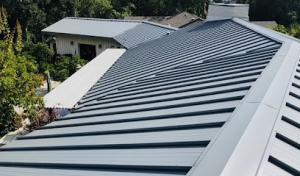
Tinoco Roofing
(909) 717-8955 www.tinocoroofing.com
15218 Summit Ave #300-259, Fontana, California
4.4 from 19 reviews
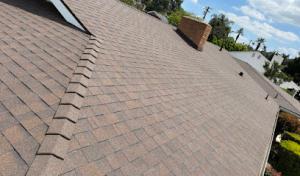
For reroof projects, permits are required in Fontana rather than treated as simple maintenance. That means your project will navigate a formal process, with checks and paper trails you'll need to follow closely to avoid delays or penalties. The city's stance reflects a commitment to ensuring new underlayment, flashing, and venting meet local codes, especially given Fontana's hot summers and Santa Ana wind exposure. Treating this as a straightforward, low-friction step will save you headaches later when the roofer asks for plans, pages of notes, or a corrections list.
Local inspections occur at key milestones, including tear-off or underlayment, installation, and final approval. At tear-off, inspectors verify that old materials are removed and that the roof deck is sound enough to receive new underlayment and the chosen covering. The installation inspection checks that underlayment, fasteners, flashing, vents, and other components comply with Fontana codes and the chosen roof system's specifications. Finally, the final approval confirms the project is complete and that all permits and corrections are satisfied. Expect questions about attic ventilation, damage from seasonal heat, and how wind-driven debris is addressed, especially with existing tile or clay tile stock.
Homeowners should plan for roughly 1 to 3 weeks of permit processing in Fontana depending on current department workload. That window isn't a promise; it's a reality you'll want to build into your reroof timeline, particularly if you're coordinating tile reroofs or reroofs on homes with historic or visually sensitive façades. Weather windows matter, but so do city queues. If the project hinges on a weather break, factor in potential delays for inspection scheduling prompts or requested corrections.
Begin with the contractor pulling the permit and submitting a complete package, including elevation details, roof venting plans, and a schedule that aligns with your dry-season calendar. Keep a dedicated file of approvals, inspection notices, and any corrective letters. When the inspector comes through, be ready to show access to the attic, deck, and any ventilation upgrades. Missing documents or partial work gaps trigger re-inspections, which can push your project into peak heat and Santa Ana wind periods-precisely when Fontana's reroof risk spikes. Planning around permit timing helps prevent rushed work that could compromise your new roof's performance in extreme summer heat and winter rains.
California's insurance environment affects Fontana homeowners because wildfire and wind exposure can influence underwriting, premiums, and coverage terms. The Inland Empire heat, Santa Ana wind events funneled through the Cajon Pass, and a mix of tile reroofs and fast leak response create a profile that insurers scrutinize closely. When the roof has endured intense heat or rapid temperature swings, or shows signs of prior wind damage, insurers may re-evaluate risk factors and adjust terms accordingly. Understanding this dynamic helps you prepare for smoother renewals and less friction if a claim becomes necessary.
Insurers serving Fontana may ask for detailed records of roof age, material type, recent repairs, and proof that work was properly installed. Having organized documentation ready can shorten the process and reduce delays during a claim. Expect questions about the roof deck condition, attic ventilation, and any incidents during Santa Ana wind seasons. If a tile reroof was completed, provide manufacturer specs, shingle or tile type, and installation notes that verify adherence to standards. Concrete and clay tiles, metal, or synthetic options each carry unique documentation needs, so collect product data sheets and installation manuals for quick reference.
For claims, adjusters commonly want contractor estimates, photos, and installation documentation before approving roof-related payouts. Photograph the roof in good light, capturing overall condition and any leaks or damage after notable wind events or winter rain. Store receipts, warranties, and maintenance records in a central folder that's easy to share with the adjuster or your insurer's portal. If a contractor performed recent work, keep the project scope, date, and installer details ready to verify workmanship quality and compatibility with the existing roof system.
Keep a running file with roof type, age, and any repairs tied to heat stress or wind exposure. After a storm or heavy rain, document new damage promptly and maintain a chronology of repairs and inspections. Proactively syncing with a trusted local roofer who understands Fontana's common housing stock-tile reroofs, concrete tiles, and metal options-can help ensure your records reflect conditions that matter to underwriters. This preparedness translates into clearer communications with insurers and a stronger position if a payout becomes necessary.
Connect with contractors who help homeowners navigate the claims process from damage assessment to final approval.
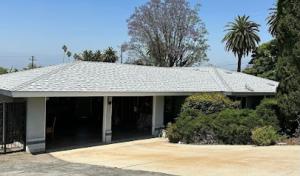
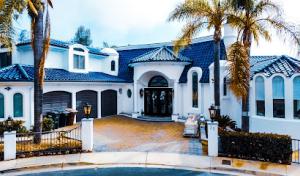
Flat and low-slope roofs are a meaningful portion of the local contractor market, reflecting demand beyond purely steep-slope tile work. In Fontana's hot summers, these roofs endure intense solar exposure and seasonal heat buildup, which can accelerate membrane aging and edge deterioration. The fall season brings Santa Ana winds that can lift unsecured flashings and push debris into joints, increasing wear on seams and penetrations. When winter storms arrive, standing water becomes a key stress point; slow drainage and minor ponding heighten the risk of capillary action transferring moisture into the substrate and insulation. The combination of heat cycles, wind-driven debris, and winter rainfall means that roof integrity on low-slope designs should be evaluated not just for leaks, but for edge detailing, drainage efficiency, and membrane compatibility with local conditions.
On low-slope roofs, reliable drainage is essential to prevent ponding that can lead to accelerated wear of the waterproof layer. Inspect all internal drains, scuppers, and membrane penetrations for signs of rust, detachment, or loosening of flashings. Look for blisters or wrinkles in the surface, which can indicate trapped moisture or inadequate adhesive bonds. In fall and winter, ensure that debris from trees and landscaping does not clog drains or channels, as even brief delays in water removal can cause micro-leaks to progress. Edge metal and termination bars should be examined for corrosion and secure fastening, since wind-driven rain can push water under marginal seals if these details are compromised. Regular probing of the membrane perimeters can help detect small delaminations before they become puddled zones.
Roof coatings are an active specialty in Fontana, signaling that restoration and reflective treatment options are common for aging low-slope roofs. Reflective coatings can lower surface temperatures, reduce thermal cycling, and improve energy performance, while elastomeric coatings help seal minor leaks and provide a renewed surface bond. When considering coatings, assess substrate compatibility, splice compatibility for multipolymer systems, and the potential need for reconditioning of flashing and penetrations. Coatings are particularly beneficial where original membranes show early signs of wear but still have adequate adhesion. For homes with flat or low-slope sections that have experienced long-term weather exposure, a targeted coating strategy combined with timely maintenance can extend service life and maintain performance through Fontana's seasonal energy swings and storm events.
Find specialists in TPO, EPDM, and built-up flat roofing systems for residential and commercial properties.
Fernandez Roofing
(714) 504-3290 fernandezroofingcorp.com
14334 Ivy Ave, Fontana, California
5.0 from 15 reviews
Tinoco Roofing
(909) 717-8955 www.tinocoroofing.com
15218 Summit Ave #300-259, Fontana, California
4.4 from 19 reviews
Solar roofing is an active specialty in Fontana, so reroof planning often needs to account for existing or future solar-related penetrations. Before any tear-off, map every vent, rafter-clip, and rafter-astray location that could carry a conductor or a flashing interface. Confirm whether the existing underlayment has been rated for continuous solar exposure and whether mounting rails will require edge clearance that lines up with high-heat months.
Skylight work is also a meaningful local specialty, making flashing and leak control around roof openings a recurring issue in this market. Inspect step and counter-flashing where skylights meet tile or shingle surfaces, and plan for a continuous seal around the curb. In high-heat seasons, you'll want to confirm sealant compatibility with elevated temperatures and ensure fasteners are stainless or corrosion-resistant to prevent creeping gaps.
In Fontana, penetration details become more time-sensitive ahead of winter rains because small flashing failures can quickly turn into interior leak complaints. Schedule pre-winter checks to resecure seals, re-bed flashing, and test penetration flashing with a light water spray test from the attic side if accessible. If a roof is due for a full reroof, coordinate solar or skylight work to complete flashing when new decking is exposed for best continuity.
Keep an eye on aging caulk and joint sealants around penetrations, especially where metal flashing contacts concrete or clay tiles. In fall, reapply compatible sealants to prevent seasonal expansion and contraction from opening micro-gaps. For Fontana homes with mixed tile and shingle approaches, ensure flashing notes align with the chosen material to avoid mismatched expansion behavior.
Find contractors who integrate solar panels or solar shingles into your roof for long-term energy savings.
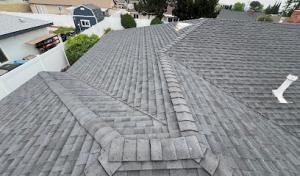
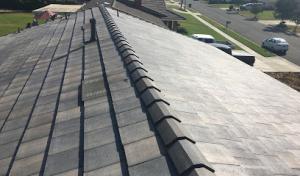
Warranty-offered roofing is a visible specialty in Fontana, and that matters in a market where heat and wind can expose installation weaknesses quickly. A robust warranty is not just a promise on paper; it's a disclosure of confidence in how the system will hold up under Inland Empire conditions. Look for terms that cover both labor and materials, and verify that the warranty remains in effect if a project is interrupted or a crew changes midstream.
Because insurers may request proof of proper installation in Fontana-area claims, workmanship records and manufacturer-backed documentation carry extra value. Ask the contractor to supply a detailed installation checklists, manufacturer product delivery receipts, and a signed workmanship warranty that identifies the date of completion, scope of work, and any deviations from standard practice. Store digital copies and keep a labeled binder on site so future adjustments can be referenced quickly.
Homeowners in Fontana's active reroof market should expect cleanup and responsiveness to be part of the hiring conversation, not just price. Extreme summer heat accelerates material expansion and potential fastener loosening, while fall wind events test edge detailing and ridge lines. A reputable installer will describe how asphalt, tile, or metal systems are secured to resist Santa Ana-driven gusts and how integrated underlayment performance supports winter rain shedding.
Install quality in Fontana should translate into clear communication through the project, from timing to debris removal. Ask for a written day-by-day plan, a cleanup agreement, and a point of contact who can respond within a business day after weather events or post-install checks. This practical responsiveness minimizes exposure to leaks during the first season after reroofing.