
Last updated: Apr 19, 2026
The Inland Empire summer heat in this area is brutal on roof systems, and UV exposure is a constant test for asphalt shingles. In practice, you'll notice accelerated aging, curling, and fading sooner than you expect compared with cooler coastal California cities. You can see the impact most on roofs with thin shingle profiles or lighter colors that absorb more sun. A practical approach is to inspect the roof pattern and edge details after peak heat waves, paying close attention to any signs of granule loss or surface glazing. If you live on a hillside or near open ground where reflections bounce, consider UV-resistant options and a color choice that minimizes solar gain while still aligning with your home's style. Routine checks after the hottest months can catch edgewear and flashing degradation before leaks form.
Wildfire risk isn't just a seasonal worry; it shapes how insurers view a roof's vulnerability, especially for homes edging into foothill zones or wildland interfaces. In these areas, the roof system becomes a line of defense, and ignition resistance matters as much as aesthetics. When considering upgrades or replacements, understand that the wildfire exposure can influence coverage considerations and premium perspectives. Maintenance becomes a form of risk management: keeping gutters clear, sealing penetrations, and ensuring spark arresting measures on vents are intact. If your home sits near vegetation or has a roof with substantial overhangs, plan for proactive ember resistance with proper underlayment and flashing that can withstand this harsher exposure.
Clay and concrete tile reflect a climate fit for hotter, drier seasons, and many neighborhoods favor their durability and long-term beauty. Yet tile systems are not a guarantee of low maintenance. The tiles themselves are robust, but underlayment, flashing, and ridges age independently and can fail long before the tiles reach the end of their cosmetic life. In San Bernardino's heat, underlayment materials can dry out, and fasteners can loosen if the roof experiences significant thermal cycling. A thorough roof assessment should include the condition of the underlayment, the integrity of valley and parapet flashing, and the edge closures where wind and sun aggressively test components. If tile choices lean toward a heavier profile, ensure the supporting structure and bar joists are adequate to prevent sagging over time, which can invite leaks and costly repairs.
You cannot set and forget a roof in this climate; a disciplined maintenance plan saves headaches later. Schedule semi-annual inspections that pair heat season checks with the wildfire risk window, focusing on edges, penetrations, and flashing transitions around chimneys and vents. Confirm that attic insulation and ventilation are balanced to prevent heat buildup that can transfer to underlayment and decking. For asphalt and composite options, monitor for edge wear and granule loss, especially after heat spikes or hail events. For tile options, verify that flashing at roof-to-wall transitions remains watertight and that sealants or mortar around parapets haven't degraded. Acknowledge that even if the tiles look sound, hidden wear on the underlayment can undermine performance during a heavy wind or ember exposure event.
In this climate, a roof is as much about resilience as appearance. You should plan for gradual replacements or upgrades that address UV aging, wind-driven edge exposure, and the need for reliable flashing against ember intrusion. Choosing materials that balance heat resistance with structural compatibility will reduce the likelihood of premature failures. When contemplating updates, bring in a local roofer who understands how San Bernardino's unique blend of interior heat, wildfire risk, and housing stock interacts with edge detailing, ventilation, and underlayment choices. Your roof deserves a system that can endure both the sun-soaked summers and the seasonal winds without turning maintenance into a constant burden.
In this market, concrete and clay tile dominate the skyline, and you'll notice roofs that still look solid on the surface while the waterproofing underneath has already seen better days. The underlayment in a tile roof can deteriorate quietly, especially when UV and heat cycles cook through the layers year after year. When the visible tile surface appears serviceable but the underlayment has begun to break down, the reroof issue moves from cosmetic tile work to a wholesale decision about the roof's foundation. The result is a higher likelihood of leaks after heavy heating days or a sudden wind event that shakes loose vulnerable edge details.
Tile behaves like a protective shell, but it's the underlayment that keeps water out when the tiles shift, crack, or lift. In this climate, the sun's long-term exposure ages underlayment faster, and the combination of heat, air movement, and occasional driving rain takes a toll on the membrane and related flashing. When the underlayment fails, you may notice damp spots in the attic, staining near eaves, or a spongy feel on the roof deck during inspection. The problem is often not the tile alone but the reveal between tile and deck, where moisture sneaks in through edge, hip, or valley areas.
Concrete and clay tile dominate the local stock, so homeowners frequently face a choice between lift-and-reset and a full replacement. Lift-and-reset can be appealing when the tile surface is intact and the deck and underlayment are in decent shape. But in a heat-and-wind-prone region with aging underlayment, lifting the tile without addressing old flashing, fasteners, and deck damage can trap moisture and lead to recurring leaks. A full replacement, while more invasive, gives a clean slate: you can install a newer, better-underlayment system, modern ventilation, and updated edge details that resist wind uplift. In practice, many homes benefit from replacing the deck and underlayment along with new tiles when the underlayment shows signs of failure or when edge/valley flashing is degraded.
Start with a careful attic search after a storm or heavy heat day. Look for dark staining, mold, or any musty odor. Inspect the roof deck for softness or impression marks around fasteners. From the exterior, inspect edge and ridge tiles for looseness after wind events; gaps here often signal underlayment exposure beneath. If tiles crack or fracture at edges and ridges, or if the underneath membrane shows bubbling or tearing upon inspection from the attic, plan a targeted assessment of the underlayment. A professional roofer should perform a shallow roof inspection to confirm membrane integrity, flashing adhesion, and deck condition before choosing lift-and-reset versus full replacement.
To maximize underlayment life under tile, pay attention to the edge and ridge details where wind can pry tiles loose. Ensure proper ventilation is maintained to reduce heat buildup in the attic and under the deck. Use compatible fasteners and sealants designed for high-heat Inland Empire conditions, and upgrade to a well-sealed, reflective underlayment system when you replace the roof. If a wind event has loosened edge tiles, schedule a prompt inspection before moisture intrusion becomes a larger problem. With tile-heavy neighborhoods, proactive underlayment care and timely decisions about lift-and-reset versus replacement keep the entire roof system performing longer.
Find contractors who specialize in clay and concrete tile roofs, known for their durability and curb appeal.

Atlas Roofing
(818) 536-7661 atlasroofingpro.com
217 E Club Center Dr suite D, San Bernardino, California
5.0 from 63 reviews
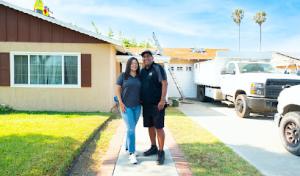
Oscar & Rosa Roofing Restoration
6762 N Ofelia Dr, San Bernardino, California
5.0 from 29 reviews
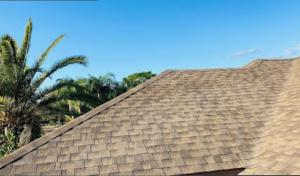
George & Sons Roof Architecture
945 Kendall Dr #7000, San Bernardino, California
4.8 from 35 reviews

Atlas Roofing
(818) 536-7661 atlasroofingpro.com
217 E Club Center Dr suite D, San Bernardino, California
5.0 from 63 reviews
Atlas Roofing is a veteran-led, licensed, and insured roofing company proudly serving Los Angeles, San Francisco, San Diego, and Portland. We specialize in residential and commercial roofing, offering services such as new roof installations, repairs, maintenance, and custom rooftop decks. Our commitment to quality craftsmanship and customer satisfaction is backed by flexible financing options and comprehensive warranties. With a diverse selection of premium materials—including shingles, tiles, and flat roofing systems—we tailor solutions to meet your aesthetic and budgetary needs. At Atlas Roofing, we stand behind our work, ensuring your property is protected with durable, high-quality roofing solutions.

Oscar & Rosa Roofing Restoration
6762 N Ofelia Dr, San Bernardino, California
5.0 from 29 reviews
Oscar & Rosa Roofing Restoration is a family-owned business proudly serving Los Angeles county, Orange County and the surrounding areas with expert roofing and restoration services. Founded by Oscar and Rosa, the company combines hands-on craftsmanship with a commitment to client care, delivering high-quality solutions that protect homes and provide peace of mind. From minor roof repairs to full roof replacements, their team ensures each project is completed with precision and integrity. With decades of experience and a focus on enduring workmanship, Oscar & Rosa is dedicated to building lasting relationships and safeguarding communities through reliable, top-tier roofing services.
Alpha Roofing Company
(909) 435-7576 www.roofinghighland.com
165 W Hospitality Ln Ste.2, San Bernardino, California
4.8 from 68 reviews
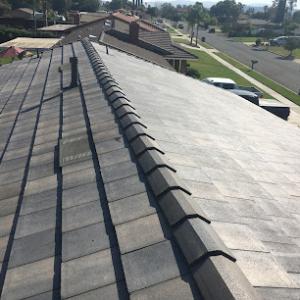
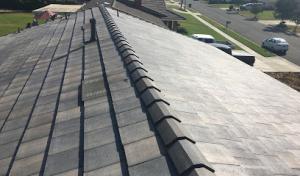
Founded in 2016, Alpha Roofing Company has built a reputation for impeccable craftsmanship and unrivaled customer service throughout San Bernardino. Boasting a skilled team of specialists, they cater to residential and commercial roofing needs of all sizes, offering comprehensive services from minor repairs to extensive installations. Their profound knowledge and dedication ensure the longevity and integrity of every roof they touch.
Summit Solar & Roofing
(909) 881-2699 www.summitsolarandroofing.com
325 W Hospitality Ln Ste 115, San Bernardino, California
4.7 from 116 reviews
Solar and roofing contractor serving the Inland Empire and helping property owners restore their homes and businesses with energy-efficient upgrades.
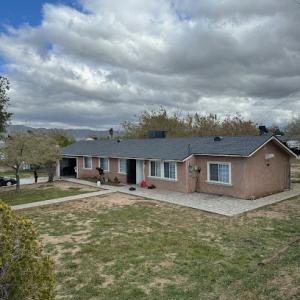
E.F. Roofing Services
(909) 834-1167 efroofingservices.com
San Bernardino, California
5.0 from 15 reviews
E.F Roofing Services es una empresa líder en servicios de techado dedicada a brindar soluciones de primer nivel para propiedades residenciales y comerciales en todo el condado de San Bernardino. Nuestra experiencia abarca la instalación de techos nuevos, la reparación de techos y la impermeabilización de techos. Ya sea que esté buscando instalar un techo nuevo o necesite reparaciones para extender la vida útil de su techo actual, nuestro equipo capacitado está equipado para manejar todos los aspectos del trabajo con una atención excepcional a los detalles. Además de nuestros servicios básicos de techado, también ofrecemos reparación e instalación de canaletas. Tenemos personal bilingüe disponible.
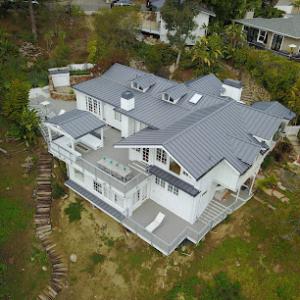
Howard & Sons, Inc. Roof Specialists
1802 Commercenter W Unit C, San Bernardino, California
4.6 from 54 reviews
Howard & Sons, Inc. is a family owned construction company. The owner, Dustyn Howard has over 25 years of experience in the construction and roofing industry. Howard & Sons, Inc. is licensed under the state of California, and is also fully insured and bonded.
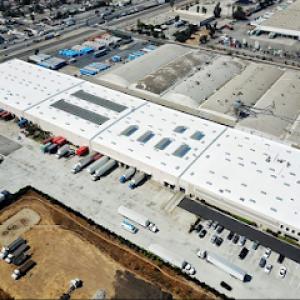
HP Roofing Pro
(909) 521-1285 hproofingpro.com
18553 Arrowhead Blvd, San Bernardino, California
5.0 from 13 reviews
As a leader in commercial roofing for San Bernardino County, HP Roofing PRO specializes in comprehensive roof inspections and detailed assessments. Our team ensures that decision-makers are equipped with the right information to make informed choices for their buildings. Contact us today for reliable service and expert advice!

United Roofing California SB
(909) 473-5221 www.unitedroofingcalifornia.com
2130 N Arrowhead Ave Unit 205 D, San Bernardino, California
5.0 from 13 reviews
United Roofing California SB is a trusted roofing company providing high-quality roofing solutions for residential and commercial properties across Southern California. With years of industry experience, our team is committed to delivering durable, reliable, and aesthetically pleasing roofing systems tailored to meet our clients’ specific needs. We specialize in: ✔ Roof Installations & Replacements ✔ Roof Repairs & Maintenance ✔ Re-Roofing & Inspections ✔ Commercial & Residential Roofing At United Roofing California SB, we use top-quality materials and the latest roofing technology to ensure long-lasting protection and energy efficiency for your home or business. Our expert team is dedicated to excellent craftsmanship, customer satisfacti
Jure Roofing & Solar
(909) 888-5717 jureroofandsolar.com
255 N D St #216, San Bernardino, California
4.3 from 12 reviews
BRS Roofing
777 S Lugo Ave, San Bernardino, California
3.5 from 32 reviews
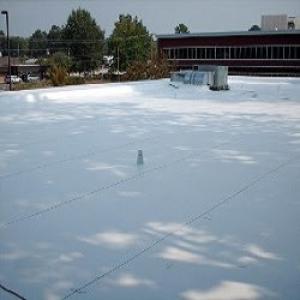
At BRS Roofing we take great pride in the people, dedication and professionalism that drives us to new levels of success and excellence in roofing. BRS Roofing is your trusted commercial and industrial roof specialist - Call us Today!
Sears Roofing
(626) 310-1005 www.searshomeservices.com
101 Inland Center Dr, San Bernardino, California
4.5 from 6 reviews
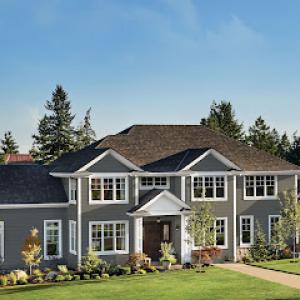
For 30+ years, Sears Home Services has been a leader in home improvement and remodeling services in your local area—continually earning 5-Star Reviews. Simply call or click to schedule your FREE in-home consultation with one of our local home improvement consultants for your heating and cooling, windows, cladding or siding, or roofing needs. In some areas we also do kitchen and bathroom remodeling, including countertops, cabinets and flooring. Our knowledgeable experts will explain your options, money-saving deals, special financing offers and flexible payment plans. When you work with us, we provide you with a project manager to ensure your home improvement project goes smoothly from start to finish. We are committed to your satisfaction.

Mj Roofing & Construction
727 E Norman Rd, San Bernardino, California
3.7 from 3 reviews
MJ CONSTRUCTION & ROOFING has been providing professional quality workmanship for over 30 years here in the Inland Empire. We provide residential, commercial and new construction roofing needs to our service area. We install many types of roofing types and styles to meet your budget needs.
Spring and fall are typically the best reroof windows in this Inland Empire heat pocket because moderate temperatures are easier on crews and materials than peak summer heat. Plan tear-off and installation during days that stay comfortably out of the 90s and below the afternoon dew point spikes. Scheduling for shoulder seasons also helps crews complete under cooler afternoon shade, reducing heat-related strain on workers and reducing the risk of material handling mistakes. If a homeowner has a clear two- to three-week weather slot in either spring or fall, that window often yields the smoothest work sequence from tear-off through final inspection. By targeting these seasons, the crew can pace adhesive cures, tile or shingle placement, and underlayment installation without the rush that comes with extreme heat.
Winter rainfall can interrupt tear-off schedules and expose roofs to moisture if projects are not tightly sequenced. In San Bernardino's climate, rains tend to arrive in bursts, so a dry-weather plan matters. A practical approach is to complete the deck and underlayment prep during a string of dry days, then hold off on the final surface until a dry stretch is forecast. If rain is possible, ensure tarping, edge protection, and temporary drainage are in place to prevent water infiltration between removal and re-cover. Short, well-coordinated phases minimize the time the bare roof is exposed to wet air, which helps protect wood components and reduce the chance of micro-leaks around edge details.
Summer installation conditions can complicate handling and placement of heat-sensitive materials, especially asphalt shingles. High ambient temperatures shorten working windows for roofers who need to carry, cut, and set shingles without warping or tearing. When a project must occur in summer, plan for early starts to exploit cooler morning hours, frequent shade breaks, and strict material rotation to keep shingles from softening during installation. Consider prioritizing higher wind or east-facing exposures early in the day, when the sun's impact is less severe, and use sun-shielding strategies in exposed ridge and edge areas. If asphalt products are part of the plan, have a contingency to pause on the hottest days and resume when temperatures moderate.
Develop a precise, weather-informed schedule with single-task milestones: tear-off completion, underlayment inspection, flashing and vent seals, tile or shingle layout, and final waterproofing checks. Build flexibility to accommodate a surprise heat wave or a rare winter storm. Maintain a clear communication line with the contractor about preferred sequencing for edge details and valley installation, since these areas drive long-term performance in a desert-adjacent climate. By aligning work with these local conditions, the project reduces the risk of heat damage, moisture intrusion, and delays that extend exposure of vulnerable roof components.
When you can't wait, these contractors offer fast response times to stop leaks and prevent further damage.
Atlas Roofing
(818) 536-7661 atlasroofingpro.com
217 E Club Center Dr suite D, San Bernardino, California
5.0 from 63 reviews
Alpha Roofing Company
(909) 435-7576 www.roofinghighland.com
165 W Hospitality Ln Ste.2, San Bernardino, California
4.8 from 68 reviews
In fall, heavy gusts racing through the Inland Empire hammer roof edges, ridges, and older attachment points. Debris whips across shallow-attic eaves, vents, and valley seams, and the pressure from wind uplift can loosen fasteners on aging roofs. Tile and asphalt behave differently under these conditions: tiles may crack or lift, while edge fasteners on shingle roofs can back out, leaving vulnerable gaps that let moisture in. If your roof uses older edge details or compromised ridge caps, expect wind-driven leaks to appear first at those weak spots.
When the first winter rain arrives after a dry stretch, you'll often see leaks that were hiding in plain sight. Small defects in flashing around chimneys, vent pipes, skylights, and where the roof meets walls migrate from questionable to active. Underlayment that dried out during dry months becomes stiff, forming hairline cracks that water can follow to attic spaces. Penetrations-sagging boot seals, dried sealant, or split vent flashings-are prime failure points after a dry spell turns wet. Don't wait for a drip to progression-test every joint: inspect the most exposed areas first, especially after a storm brings wind-driven rain.
The signal mix in this market clearly shifts toward urgent response after storms rather than solely planned replacements. Properties that sit under mature eucalyptus or pine shelter belts often experience wind-blown debris and rapid edge deterioration. Homeowners should be prepared for rapid-response needs: temporary tarping, decisive leak containment, and on-call roovesmiths who can mobilize quickly to stop active leaks and prevent interior damage. If you notice sudden attic moisture, damp ceilings, or stained drywall after a wind event, treat it as an active leak and arrange a same-day assessment.
Walk the roof after any fall wind event and look for displaced or cracked tiles, exposed edge fasteners, and loose ridges. Check flashing around penetrations from ground level with a flashlight at dusk-moisture often reveals itself as darker streaks. Keep debris off the roof and gutters; clogged channels trap water and increase uplift risk. In dry spells before storms, schedule a quick service call to reseal flashing joints and secure vulnerable edge attachments, so a single rain shower doesn't turn into interior damage. If a leak is suspected, place a temporary tarp and contact a local emergency-capable roofer who can respond promptly to stop the spread.
Find local contractors experienced in assessing and restoring roofs after hail, wind, and severe weather events.
Oscar & Rosa Roofing Restoration
6762 N Ofelia Dr, San Bernardino, California
5.0 from 29 reviews
George & Sons Roof Architecture
945 Kendall Dr #7000, San Bernardino, California
4.8 from 35 reviews
Summit Solar & Roofing
(909) 881-2699 www.summitsolarandroofing.com
325 W Hospitality Ln Ste 115, San Bernardino, California
4.7 from 116 reviews
When budgeting a roof in this area, you'll frequently see these per-square costs (one square equals 100 square feet): asphalt shingles range from $420 to $800, metal roofing from $700 to $1100, clay tile from $1100 to $1900, concrete tile from $900 to $1600, wood shingles or shakes from $800 to $1200, and synthetic or composite shingles from $700 to $1200. These figures reflect San Bernardino's blend of heat, sun exposure, and wind, where UV stress and edge detailing often determine price more than simple material type. If you're replacing a worn surface on an older house with a tile profile, you'll commonly see higher numbers simply because many homes require careful lift-and-reset work, not just a surface swap.
Tile roofs in this market are popular because they resist heat better and can last a long time, but they aren't cost-free. Lift-and-reset labor for tile is a real consideration when the existing roof deck isn't pristine or when underlayment shows its age. Concrete tile tends to handle the heat well but comes with heavier weight and different cycling needs than clay, which can influence fastener patterns and edge details. Asphalt shingles can be a practical, lower-cost option, but UV exposure and wind-driven edge tiles in exposed sections can accelerate deterioration, especially on lighter colors or thinner shingle lines. Your best bet is to match the roof slope, wind exposure, and anticipated access for maintenance with material choices that won't break down under daily sun and high summer temps.
Costs often rise when installers must do lift-and-reset or when replacing aged underlayment along with the surface. If brittle accessory tiles exist-think decorative ridges or vents that must be remade rather than simply replaced-expect the project to creep upward in price. In peak season, scheduling pressure can push both price and timeline, so you'll want to align project windows with drier, milder weather if possible. Keep in mind that concrete and clay tiles can require different handling and sequencing than asphalt or metal, which can affect both crew availability and mobilization time.
For a tile-first home, plan for the higher end of the tile ranges if lift-and-reset or underlayment work is anticipated. If the existing deck is in unusually good shape and only surface replacement is needed, you may land closer to the lower edge of your tile or concrete tile options. If you're transitioning from asphalt to tile, expect a larger upfront investment but longer-term durability and potential cooling benefits. For shadowed or wind-prone edges, confirm edge repair options and fastener compatibilities to prevent early edge failure. In all cases, build a contingency for accessories and potential plan-check time that can nudge total project cost upward.
Don't let upfront costs delay a critical repair - these contractors offer payment plans to fit your budget.
Atlas Roofing
(818) 536-7661 atlasroofingpro.com
217 E Club Center Dr suite D, San Bernardino, California
5.0 from 63 reviews
George & Sons Roof Architecture
945 Kendall Dr #7000, San Bernardino, California
4.8 from 35 reviews
In San Bernardino, a full reroof typically requires a permit issued by the City of San Bernardino Building & Safety Division. This means your project will move through an official channel that confirms the roof replacement aligns with local code, zoning, and safety standards. The permit process helps ensure that materials, flashing details, ventilation, and roof edge conditions are installed to withstand Inland Empire heat, wind, and wildfire exposure. Expect that a reroof plan review will look closely at how underlayment, drip edges, and venting tie into the attic and attic-to-roof transitions, since those details can influence long-term durability in the desert climate.
Plan-check timelines can vary, and during peak roofing seasons, delays are not unusual. When you submit drawings or product data, the Building & Safety Division may request clarifications or additional details, especially for homes with unique eave profiles, tile or shingle edge details, or retrofits that affect venting and moisture control. Prepare for a bit of back-and-forth, and build in extra time if your project coincides with hotter months or coastal-smoke seasons, which can stretch inspection queues. Clear documentation about the chosen underlayment, flashing at valleys and chimneys, and proper vent placement helps keep the review moving.
Once the roof is installed, inspections verify key items that directly impact performance in this climate. Inspectors will check underlayment installation to ensure a continuous, weather-tight barrier, proper flashing around penetrations, and correct venting to prevent moisture buildup in the attic. If tile systems are used, flashing transitions between tiles and roof deck must be examined for cracking or gaps that could allow water intrusion during Santa Ana winds or monsoon-inspired temp swings. Expect a final or retrofit inspection to confirm that all roof penetrations are sealed correctly and that edge details resist wind uplift and UV exposure.
To minimize disruption, coordinate with your contractor about the timing of permit submission, plan-check reviews, and inspection windows. Have shop drawings, product data, and installation details ready for the plan-check phase, especially if your home features a clay or concrete tile setup, a standing seam system, or ridge vent configurations tailored to hot inland conditions. Prepare to respond promptly to any inspector requests, as timely responses help avoid rework or scheduling delays that can extend the project timeline.
California wildfire-related insurance tightening is already reshaping the underwriting landscape in inland markets like San Bernardino, and that pressure shows up in how roof age and condition factor into decisions at renewal. The heavier the heat, the more vulnerable older roofs become to ember exposure and wind-driven embers, and insurers are paying closer attention to what sits on top of a home. That means a recent roof inspection and a clear record trail matter more than ever when the policy is on the line.
When a claim is filed, adjusters may ask for photos, receipts, and independent inspection reports that document prior condition and current damage. In practice, that means you should have a well-organized archive: dated photos of the roof before and after events, receipts for maintenance or repairs, and an independent assessment that explains any preexisting wear or weakness. San Bernardino homeowners who can present a transparent history of roof health often navigate the claim process with fewer surprise denials or lowball adjustments.
Wind and rain damage can be disputed if it's framed as wear and tear rather than acute damage from a singular event. Keeping dated maintenance records helps establish a baseline for how the roof behaved under stress. After a storm or heavy wind, promptly document any new lifted shingles, granule loss, or flashing issues, and photograph the surrounding debris and gutter flow. In this climate, a quick, careful post-event packet can bridge the gap between what happened and what insurers will recognize as covered damage.
Because wildfire risk remains a central concern for coverage, expect that a well-documented roof history will be a deciding factor in both underwriting and claims settlement. Build a habit of routine inspections, store the results, and align them with any emergency repairs. Attention to this record trail can spare you protracted disputes and help preserve the roof's protection in the challenging Inland Empire climate.
Connect with contractors who help homeowners navigate the claims process from damage assessment to final approval.
Oscar & Rosa Roofing Restoration
6762 N Ofelia Dr, San Bernardino, California
5.0 from 29 reviews
George & Sons Roof Architecture
945 Kendall Dr #7000, San Bernardino, California
4.8 from 35 reviews
Summit Solar & Roofing
(909) 881-2699 www.summitsolarandroofing.com
325 W Hospitality Ln Ste 115, San Bernardino, California
4.7 from 116 reviews
San Bernardino's residential landscape features a mix of asphalt shingles, clay tile, concrete tile, metal roofing, wood shingles or shakes, and synthetic or composite shingles. This variety reflects both the housing stock and the Inland Empire climate, where summers push heat and UV exposure, while cool nights and occasional winds test edge details. Each material brings its own balance of durability, maintenance needs, and aesthetic appeal.
Tile roofs-especially clay and concrete-remain especially relevant locally because they perform well in the hot, dry climate. Clay tile tends to hold color longer and resists scorching heat, though it can be heavier on the structure and may require a strong subframe. Concrete tile offers similar heat resistance with a broader range of profiles and often lower weight per tile. In this market, tile roofs frequently weather long dry spells with less rapid UV degradation than asphalt, making them a practical long-term choice for many homes.
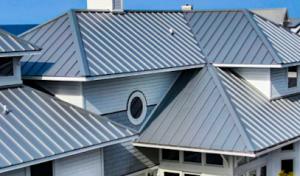
Asphalt shingles are common and familiar, but UV-driven wear and wind exposure can shorten their life in this area. Metal roofing provides excellent longevity and reflectivity, a benefit on scorching days but may require careful flashing and seam attention in wind-prone edges. Wood shingles or shakes deliver a distinct look, yet they demand regular maintenance to prevent drying and insect issues in dry heat. Synthetic or composite shingles blend resilience with lighter weight, offering a lower maintenance option that still mimics traditional looks.
The local contractor market shows meaningful specialization in flat roofing, reflecting the presence of low-slope sections on some homes and many commercial buildings. Flat roofs require careful waterproofing and drainage planning, as heat can accelerate material fatigue and seam wear. Even with a favorable climate, edge detailing, flashing at penetrations, and timely maintenance matter for long-term performance.
Find specialists in TPO, EPDM, and built-up flat roofing systems for residential and commercial properties.
Atlas Roofing
(818) 536-7661 atlasroofingpro.com
217 E Club Center Dr suite D, San Bernardino, California
5.0 from 63 reviews
Alpha Roofing Company
(909) 435-7576 www.roofinghighland.com
165 W Hospitality Ln Ste.2, San Bernardino, California
4.8 from 68 reviews

United Roofing California SB
(909) 473-5221 www.unitedroofingcalifornia.com
2130 N Arrowhead Ave Unit 205 D, San Bernardino, California
5.0 from 13 reviews