
Last updated: Apr 19, 2026
Livermore's pattern of very hot, dry summers followed by cool, wet winters means UV aging and thermal movement are constant roof stressors. The heat expands roofing materials during the day, then cools and contracts at night, which over years can loosen fasteners, crack sealants, and shorten the life of coatings. In the winter, rain and damp conditions can push underlayment toward failure if installation wasn't done with proper ventilation and drainage. When you're evaluating material choices, prioritize systems with reliable expansion allowances, proven UV resistance, and adequate attic ventilation to manage moisture and heat transfer.
Late spring through early fall is typically the best reroofing window, because dry conditions reduce rain interruptions and help crews complete tear-off and dry-in more predictably. If you plan a reroof during this window, align your scheduling with the driest stretches in late spring and early summer, avoiding heat spikes that can stress new underlayment and fasteners. Allow for a couple of days of moderate temperatures to keep sealants and peel-and-stick underlayment at optimal adhesion. If a wind storm or heat wave pushes work into peak afternoon heat, consider rescheduling for a cooler morning slot to protect the installation crew and ensure asphalt, metal, or tile roofing materials lay flat without thermal distortion.
Spring and fall wind events in the inland valley can increase debris loading and wind uplift exposure on roofs that sit more open to surrounding hills and valley corridors. The exposed portions of the roof you can see from the street are the parts most prone to wind-driven debris, which means you should pre-clean gutters and valleys and plan a thorough debris removal immediately before tear-off. In wind-prone seasons, specify a roof system with robust edge detailing and wind-resistant fasteners. If you have clay or concrete tile, take particular care to inspect for broken tiles after windy spells, since small fractures can propagate with thermal cycling and rain exposure.
When selecting roofing materials, balance heat resistance with wind resilience and the ability to shed rain quickly in winter. Metal roofing offers excellent longevity and wind performance but needs careful panel seam sealing and attic venting to manage heat. Clay and concrete tiles look durable and provide good solar reflectance when finished with light colors, yet ensure the underlayment and fastener layout are designed for thermal movement and seismic considerations. Asphalt shingles are common for a cost-effective reroof, but choose a premium, high-wind-rated shingle with good UV stability and consider a secondary moisture barrier in valleys. Wood shingles and shakes bring a classic look but require careful maintenance against UV drying and potential fire considerations in wildfire-prone periods. Slate delivers long life and wind resistance but demands an experienced roofer for precise installation to accommodate thermal movement.
Before lifting, inspect the attic for ventilation adequacy; confirm a balanced intake and exhaust system, and verify the roof deck is dry and solid. When tearing off, plan for a staged dry-in that protects interior ceilings from any sudden rain or dew, even in late spring thunderstorms. Have gutters and downspouts cleared and temporarily stabilized so debris doesn't clog drainage during the work. For the installation, insist on a roof deck inspection, proper underlayment chosen for local moisture patterns, and fastener schedules that account for temperature-driven expansion. In wind-prone stretches, request additional edge fasteners and sealant branding at penetrations to reduce uplifts. After completion, schedule a quick walkthrough to confirm seals around vent pipes, skylights, and chimneys, and check that all ridge, hip, and valley areas are properly sealed to prevent wind-driven moisture from penetrating during winter storms.
Clay tile and concrete tile are especially relevant in this area because Mediterranean and California-style homes are common across the Tri-Valley. In a climate with hot summers and seasonal winds, tile often delivers longevity and a distinct curb appeal that matches the local housing stock. When planning a reroof, focus on full tile replacement and on the aging of underlayment, fasteners, and roof-to-wall transitions. Tile systems tend to require careful matching of color and profile to the house's architecture, and proper tile layout matters for wind resistance in inland valley corridors. If a tile roof is already present, upgrades to high-quality underlayment and improved drainage beneath the tiles can extend life and performance, especially where age has started to show in flashings and valley details.
Asphalt shingles remain a dominant option, but Livermore's intense summer sun can accelerate granule loss and surface aging compared with cooler coastal markets. The heat effect can shorten the visual life of a standard shingle and may reveal granule sheds or color fading earlier than expected. When choosing asphalt, consider architectural or dimensional profiles that better handle heat buildup and resist curling in the attic's hot months. A ventilated attic and well-sealed condensation barriers help reduce heat transfer to the shingle surface, preserving life and reducing energy use. In homes with mixed roof lines or multiple penetrations, a carefully designed starter course and proper nailing patterns become especially important to withstand the Santa Ana-style winds that occasionally sweep through the valley.
Wood shakes and shingles face added concern in the broader East Bay wildfire environment, so material choice in Livermore is influenced not just by appearance but by defensibility and insurability. If choosing wood, select fire-rated products and ensure the installation includes a code-compliant ignition barrier and proper clearance around roof penetrations. Treated or engineered wood options can offer improved durability, but they still rely on sound ventilation and regular maintenance to minimize surface decay from sun exposure and heat buildup. For homes that prioritize insurance compatibility, a shift toward noncombustible or fire-resilient alternatives may prove prudent, especially on steep or exposed slopes where ember intrusion risk is higher.
Beyond the aesthetic appeal, both concrete and clay tiles demand attention to substrate rigidity and consistent underlayment performance. In a climate with hot, drying winds, the substrate must be able to handle thermal expansion and contraction without causing tile cracking or loosened fasteners. Underlayment with high moisture resistance and robust edge detailing helps prevent leaks during the wet season, particularly in areas with sprawling eaves and complex roof intersections. If a home's previous installation used older underlayment or decomposed flashing, a reroof offers the chance to upgrade to modern synthetics and sealants that resist wind-driven rain while preserving tile alignment and water runoff efficiency.
The wind exposure common in inland valley corridors makes attention to edge details, ridge systems, and fastener maintenance essential. A well-ventilated attic reduces heat buildup that can accelerate material aging across all roof types. For tile roofs, ensure proper interlock and ballast where winds are strong, and check hip and ridge tiles for secure seating. In asphalt and wood systems, upgraded edge clips, sealant primers, and wind-rated flashing help maintain integrity during seasonal gusts. A thoughtful blend of material choice and installation detail can yield a roof that resists weathering, reduces interior heat gain, and maintains a comfortable living environment during peak summer months.
In Livermore, you benefit from a choice that balances appearance with durability under hot summers, winter rains, and wind exposure. Tile options deliver long life and a timeless look aligned with local architectural trends, while asphalt provides a familiar, cost-conscious path with proper heat management. Wood remains a stylistic option but demands heightened fire and maintenance considerations. Whatever path you choose, pair it with a robust underlayment, precise flashing, and a ventilation strategy tailored to the home's orientation and attic space to ensure the roof ages gracefully in this unique Tri-Valley climate.
In Livermore, many tile roof leaks come from aging underlayment and flashings rather than from the tile surface itself, making leak diagnosis different from simple shingle replacement markets. The underlying layers bear the brunt of heat, wind, and seasonal moisture, so a creak in the membrane or a loose flashing around a skylight can act like a quiet gateway for water penetration. When evaluating a suspected leak, start by inspecting where the roof meets the structure: the edges, valleys, and transitions around vents and skylights often show signs of wear before the tiles do.
Strong sun exposure and seasonal temperature swings can shorten the service life of sealants and flashing details around skylights, penetrations, and roof transitions. In homes with tile roofing, the underlayment works continuously to keep moisture out, while the fasteners and metal flashings flex with each hot day and cool night. Over time, that movement can create hairline cracks, loose patches, or gaps that allow water to migrate laterally and downward. Expect to find the earliest evidence of trouble at joints, step-and-flashings, and around any seam where two planes meet. A careful, methodical check often reveals the true path of leakage rather than the most obvious tile surface damage.
Because tile roofing and skylight work are both active specialties in this market, homeowners here often need repair crews who can work around brittle field tiles while tracing leaks at openings. The tiles themselves may show minimal staining or surface wear even as the underlying layers have degraded. A thorough investigation requires lifting select tiles to examine the condition of underlayment, flashing, and fasteners beneath, paying close attention to the contours where water usually pools or redirects during rainstorms or heavy wind. When leaks are intermittent, wind-driven rain or rapid heating cycles can push water through seams that only open under certain angles of sun or wind.
Approach leak diagnosis as a layered problem: confirm the tile surface is intact, then verify flashing and sealant integrity around penetrations, and finally assess the condition of the underlayment and roof deck beneath. Look for signs of prior repairs that used temporary sealants or mismatched flashing colors, which often indicate a patchwork approach rather than a complete, long-term fix. In hot-dry days followed by sudden storms, keep an eye on skylight flashings and transitions, since these areas are particularly vulnerable to rapid contraction and expansion. When scheduling work, coordinate tile replacement or skylight repairs with care to preserve brittle field tiles and minimize further damage during access.
Find contractors experienced in skylight installation, flashing, and leak repairs to bring natural light into your home.
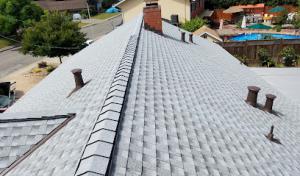
P.R.I. - Premiere Roofing
(925) 453-6240 pripremiereroofing.com
5662 La Ribera St C, Livermore, California
4.9 from 96 reviews
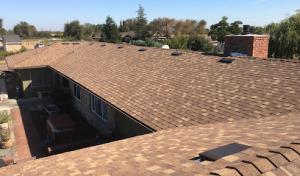

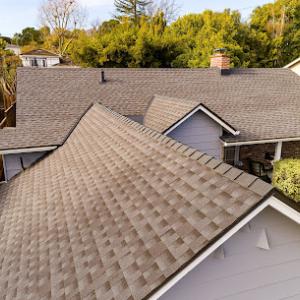
Mel's Roofing
(510) 228-5247 www.melssroofing.com
5840 East Ave, Livermore, California
5.0 from 57 reviews
MEL’S ROOFING is here to maximize your budget with top of the line Roofing services. With over 10 years in the roofing industry we can ensure the quality of our work is well above average.
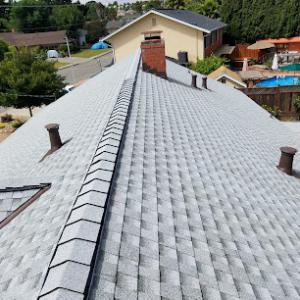
P.R.I. - Premiere Roofing
(925) 453-6240 pripremiereroofing.com
5662 La Ribera St C, Livermore, California
4.9 from 96 reviews
PRI-Premiere Roofing is a trusted roofing contractor in Livermore, CA, proudly serving the East Bay and Bay Area since 2016. As a family-owned and operated company, we specialize in residential and commercial roofing, including roof repairs, replacements, gutter services, painting, storm damage restoration, and more. Our certified, licensed, and insured team works with top brands like CertainTeed, Owens Corning, and IB Roof Systems to deliver durable, energy-efficient solutions. With 300+ 5-star reviews, we’re the go-to choice for quality roofing, expert craftsmanship, and dependable service.
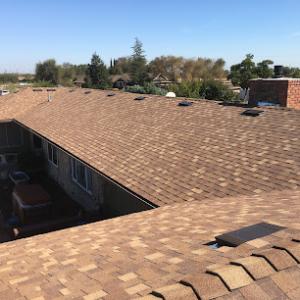
Sherman Roofing
(925) 443-7663 shermanroof.com
Livermore, California
5.0 from 9 reviews
We are a local family owned business that has been in business for 30+ years. Our goal is to be the best in roofing.
Bay Area Roofers Training Cnt
420 Leisure St, Livermore, California
5.0 from 6 reviews
This skilled trade apprenticeship program is designed to develop highly competent Roofers and Waterproofers through a combination of structured on-the-job training and related classroom instruction. Apprentices earn a competitive wage while learning and gain the necessary skills and technical knowledge to become versatile journey-level craftworkers.

Roofers & Waterproofers
420 Leisure St, Livermore, California
4.5 from 10 reviews
We are the Bay Area Counties Roofing & Waterproofing Apprenticeship Program, serving our northern California Unions Locals 40, 81, & 95.

CentiMark Corporation
(510) 921-5500 www.centimark.com
203 Lawrence Dr Ste D, Livermore, California
4.6 from 7 reviews
CentiMark, serving the San Francisco Bay Area including San Jose, Oakland and beyond, is your trusted partner for all your commercial roofing needs. We understand the region's unique roofing challenges from coastal humidity to heavy winter rainfalls. Our team of experts specializes in providing customized, high-quality roofing solutions designed to withstand the local weather conditions. Our services include roof installation, repair, maintenance and emergency response. Whether you're dealing with moisture-related issues, wind damage or general wear and tear, CentiMark is committed to delivering superior service and long-lasting results. We prioritize your roof's health to ensure your business's safety and protection.
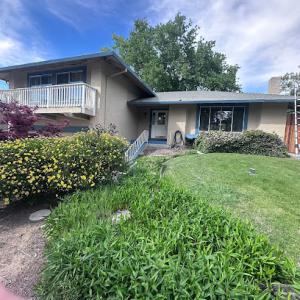
Yorkshire Roofing
(800) 794-7444 www.yorkshireroofing.com
7610 National Dr, Livermore, California
4.0 from 11 reviews
Yorkshire Roofing has been a premier Bay Area roofing and solar contractor serving the entire tri-valley including San Mateo, Fremont, San Jose, Los Gatos, Oakland, Livermore, Pleasanton, San Ramon, Danville, Walnut Creek, and the surrounding areas for over 20 years. We specialize in residential, commercial, condominium associations, and apartment buildings. We are “Top of the House” accredited, which means we know how to cover, ventilate, and insulate a house. Our goal is to be the finest in the business. With assurance, you will have the most exemplary quality roofing system that has been installed by highly qualified personnel via ongoing training in correct safety practices and installation processes.
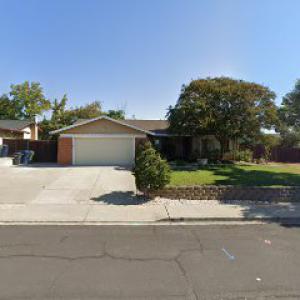
Livermore Roofing Replacement
(510) 948-3868 livermoreroofingreplacement.xyz
1101 Cromwell St, Livermore, California
5.0 from 1 review
For expert roofing solutions, trust the premier choice in Livermore. Livermore Roofing Replacement provides durable and reliable roofing products for every project. Their team of skilled professionals are dedicated to delivering top-tier service and craftsmanship, ensuring your roof is built to last. Located in Livermore, this trusted contractor is your reliable partner for new installations, repairs, and total replacements.
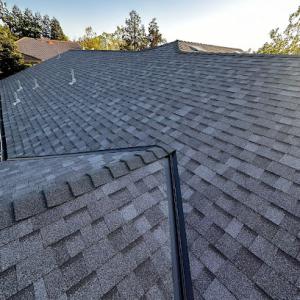
RECO Roofing
(510) 343-4603 www.recoroofinginc.com
Serving
5.0 from 14 reviews
RECO ROOFING holds two decades of experience delivering top-notch roofing services. We prioritize quality installations using the latest roofing technologies and best materials, ensuring your roof's longevity and performance. We are the Best Roofing professionals in Northern California. We offer FREE Roof Quotes / Consultations. We service your area, check out our website for more details and our portfolio!
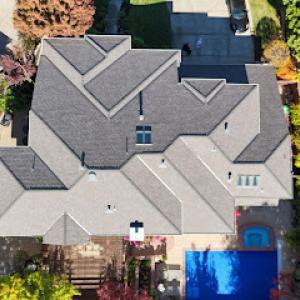
Rooflow Roof Repair & Installation
Serving
5.0 from 66 reviews
At Rooflow Roofing Company, we specialize in providing premier roofing services across California. With years of experience and a commitment to excellence, our skilled team offers comprehensive solutions including new roof installations, meticulous repairs, and complete roof replacements. We utilize only the highest quality materials and employ advanced techniques to ensure your roof is built to withstand California's diverse climate, delivering lasting protection and superior curb appeal. Choose Rooflow for professionalism, reliability, and a roof that stands the test of time.

Integrity Roofing Systems
(925) 248-9000 www.integrityroofingpleasanton.com
Serving
5.0 from 52 reviews
Integrity Roofing helps homeowners across Pleasanton and the East Bay protect their homes with high-quality roof installation, repair, and maintenance services.
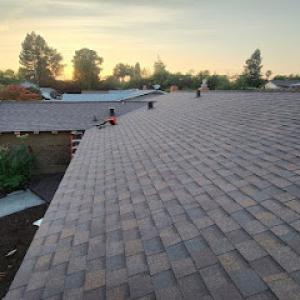
GTE Construction & Roofing
(925) 452-7630 gte-construction.com
Serving
5.0 from 36 reviews
GTE Construction & Roofing is a trusted provider of roofing services in Dublin, CA, specializing in high-quality roofing solutions for both residential and commercial properties. As a leading residential roofing contractor in Danville, CA, we offer a wide range of services, including new roof installations, roofing repairs, and custom additions. Our team is committed to delivering reliable, professional services with a focus on craftsmanship and customer satisfaction. Serving Dublin, Danville, and Concord, CA, GTE Construction & Roofing ensures durable and long-lasting results for every project, with a reputation built on integrity and excellence.
California's insurer adjustments in wildfire-prone areas affect homeowners even when damage is not from a major fire event. In Livermore, the defensibility of a roof-its age, its material, and the ease with which it can slow or stop ember exposure-now weighs heavily in underwriting and renewal decisions. The inland valley winds combine with hot summers to stress roofing systems, amplifying burn risk for crews reviewing policies. As a result, insurers are more reluctant to extend broad coverage or favorable terms unless the roof signals resilience against ember intrusion and rapid fire spread.
You should treat roof records like a financial document that can influence coverage decisions. Keep thorough photo records that show the roof's current condition year by year, including close-ups of flashing, valleys, and edge metal. Preserve permit records and inspection sign-offs, if any, and compile material documentation for all components-shingles or tiles, underlayment, fasteners, and any fire-resistant barriers. When a claim or renewal review occurs, California insurers increasingly rely on complete documentation to verify that the roof meets defensible standards and that upgrades, if needed, are genuine improvements rather than cosmetic fixes. A well-organized file can speed decisions and avoid disputes during renewal cycles.
Material selection in a fire-adapted climate changes more than aesthetics. In this area, roof type influences premium conversations and future marketability because insurers scrutinize fire-related risk more closely across inland East Bay communities. Lightweight, ember-rated options that resist ignition and maintain structural integrity under high heat deliver measurable defensibility gains. Conversely, aging or easily combustible roofs can trigger tighter underwriting, higher renewal scrutiny, and more frequent questions about maintenance and recent upgrades. When planning a reroof, consider how a resilient system supports both risk reduction and the homeowner's long-term equity.
Connect with contractors who help homeowners navigate the claims process from damage assessment to final approval.
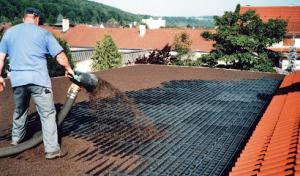
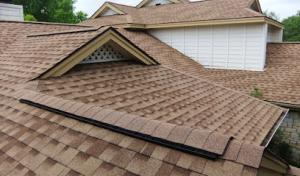
Winter rain tends to expose deferred maintenance issues that stayed hidden through the dry season, especially at flashings, valleys, and old underlayment. In a dry-warmed climate like this, sealants can dry out and crack, allowing water to seep into joints that looked fine in summer. When storms roll through, look for staining along eaves or interior patches on ceilings near exterior walls. A careful inspection after a heavy rain should focus on flashing around chimneys, skylights, and dormers, plus the intersections where roof planes meet walls. If a leak is found, address it promptly before the next front arrives, because winter storms can magnify small defects into larger damage quickly. In Livermore, it's common for older roofs to hide rusted metal flashings or brittle valley membranes that fail under sustained moisture, so pay close attention to metal parts and any sagging or loose shingles that indicate movement.
Summer heat can make installation and repair conditions more demanding, particularly on dark asphalt roofs where surface temperatures rise sharply during inland heat events. Warmer temps soften asphalt, which can affect shingle shaping, sealing, and nail setting. On clay and concrete tiles, heat can increase brittleness during handling, raising the risk of cracking if tiles are rushed or improperly supported. Inspect after heat waves for lifted edges, cracked tabs, or gaps where wind can whip through. Heat also accelerates expansion and contraction cycles, so flashing joints and fasteners may loosen over a season of hot days followed by cool nights. Plan replacements for the shoulder seasons when temperatures are moderate to reduce the chance of premature material stress and to improve sealant performance at fasteners and seams.
Dry-season dust and wildfire smoke exposure can leave roofs and gutters dirtier than in many coastal Bay Area cities, complicating inspections and making maintenance more important before winter storms. Dust buildup can hide subtle shingle wear or micro-cracks and can clog valleys and gutters, reducing drainage efficiency. Regular cleaning of roof surfaces and eaves helps inspectors spot issues early and prevents debris from trapping moisture against roofing membranes. Smoke residue can settle into underlayment and vent seals, potentially masking leaks until a heavy rain or wind event tests the system. Before the first winter rain arrives, sweep roofs and gutters, inspect for coating deterioration on painted surfaces, and check vent seals for signs of drying or cracking.
Livermore roofs benefit from a proactive cadence: a thorough attic and roof inspection after the wet season ends, after peak fire season, and after any major wind event. Prioritize flashing integrity, valley condition, and underlayment wear, especially on older tile roofs where sediment and debris can accumulate at low spots. If gutters pull away from fascia or show frequent clogging, plan remediation to maintain proper drainage before winter rain returns. A careful, seasonal routine keeps the roof resilient through hot summers, wet winters, and the wind corridors that cross the valley.
When you can't wait, these contractors offer fast response times to stop leaks and prevent further damage.
P.R.I. - Premiere Roofing
(925) 453-6240 pripremiereroofing.com
5662 La Ribera St C, Livermore, California
4.9 from 96 reviews
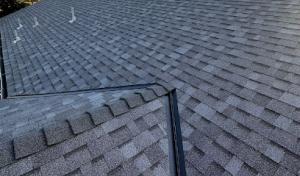
Livermore's roofing landscape runs from affordable asphalt shingles to high-end tile and slate, with a strong tilt toward heavier systems in many homes. That means reroofs often involve more labor, longer install times, and accessory replacements beyond a simple tear-off. If you're replacing through a mid-century rehab or a tile-dominant stock, expect crews to pull up more decking, install better underlayment, and re-seat around chimneys, vents, and valleys. Temperature extremes and wind exposure don't just affect feel; they drive crew logistics and material choices that influence price.
Costs can rise when older homes reveal decking issues once the roof is off. Dry seasons hide moisture damage until winter leaks emerge, sometimes uncovering soft spots, warped plywood, or hidden rot. In Livermore, that scenario is common enough to plan for a higher contingency. If decking needs replacement, add to the square footage and material cost of the roof assembly. A thorough inspection before tear-off helps you catch these issues early and avoid surprise escalations mid-project.
Scheduling variations affect pricing because the preferred dry-season reroof window is concentrated. Winter rain can delay work, and summer heat can thin crew throughput, extending project timelines. If a project slips into shoulder months, you may see price shifts tied to labor availability and material lead times. Anticipate a tighter window for completion when dry weather is reliable, but plan for potential delays during wet periods or heat spikes.
Asphalt shingles sit at a lower end of the spectrum, while metal, clay tile, and slate carry higher costs. Concrete tile and wood shingles offer mid-to-upper ranges, with slate topping the ceiling. For budgeting, consider not just the visible roof surface but the added weight, potential underlayment upgrades, and necessary flashing and vent work that often accompany heavier systems.
Get a clear picture of your project costs upfront - no commitment required.
Integrity Roofing Systems
(925) 248-9000 www.integrityroofingpleasanton.com
Serving
5.0 from 52 reviews
A reroof generally requires a building permit from the City of Livermore, with submittal to the Building Division for plan review. The process is designed to ensure your replacement aligns with local weather realities-hot summers, winter rains, and wind corridors that can stress roofing materials and venting. When you file, expect to provide details on the chosen roofing system, underlayment, ventilation, and any skylights or经营 brackets. The plan review helps confirm that flashing transitions, vent placements, and seismic or wind considerations meet current codes and your home's structure.
Inspections occur during installation and after completion to verify the work matches approved plans and applicable code requirements. An inspector will typically verify underlayment continuity, nailing patterns for your chosen material, flashing at chimneys and roof-to-wall transitions, proper venting, and attic access conditions. If your project involves tile or metal, look for checks focused on fastener type, spacing, and corrosion protection. Coordinating with the Building Division to schedule inspections at key milestones-such as after roof deck installation, after underlayment, and after final surface application-helps catch issues early and minimizes delays.
Because permit sign-off matters for future insurance, resale, and claim documentation in California, Livermore homeowners should keep copies of permit and final inspection records after reroofing. Store the approval set and final inspector notes in a safe place, and consider maintaining digital backups. If you ever file an insurance claim or pursue a deduction related to the reroof, having these documents readily available can streamline the process and substantiate compliance with local requirements and code standards. In practice, keeping a tidy file during and after the project saves time when future work or disclosures arise.
In this market, homeowners demand fast mobilization after a leak or wind event, with crews that know how to protect interior spaces during rain and when old fasteners fail. Reroofing experience matters more when tile or flat roofs are involved, because those systems have unique shutoffs, ballast, or underlayment requirements. A contractor who includes thorough cleanup as part of the job reduces the risk of wind-blown debris or stray nails lingering after a storm. In dry months, a quick turnaround can still hinge on weather windows, so prioritize contractors who can outline a realistic plan and a solid follow-up for inspection after heavy rain.
Tile roofing, skylight work, flat-roof service, and emergency repair show meaningful local specialization. The fit often depends on the roof type and where a leak originates rather than simply a price tag. A long-earned tile crew knows how to reseal penetrations around chimneys and skylights without cracking tile. Skylight work benefits from outfits with glazing experience and safer ladder access. For flat roofs, confirm compatible membranes and drainage strategies, since pooling rain is common in winter. Emergency repairs require 24/7 responsiveness and clear damage containment steps to prevent further interior damage.
The local mix includes long-established firms and family-owned operators, so homeowners frequently weigh tenure alongside scope-specific expertise. When evaluating bids, look for a proven track record with similar roof types and a clearly staged replacement plan. Ask about on-site supervision, material warranties, and who handles cleanup and debris haul-off. A reliable Livermore installer will also describe how they prevent leaks during the replacement process and how they address attic ventilation if a hip attic is affected by the new underlayment.
Get a clear picture of your project costs upfront - no commitment required.
Integrity Roofing Systems
(925) 248-9000 www.integrityroofingpleasanton.com
Serving
5.0 from 52 reviews