Last updated: Apr 19, 2026
Los Alamitos has a Mediterranean climate with dry summers and wet winters, so full replacements are typically easier to schedule in the dry part of the year. This seasonality matters because a well-timed roof project minimizes interior disruption and reduces the risk of weather-driven delays. The goal is to pick a window that naturally aligns with long, dry spells while staying flexible enough to absorb occasional storms without letting water into living spaces.
The ideal window runs from late spring through early fall, when rain risk is lowest and the Santa Ana pattern has not yet ramped up. Start by locking in a target span of two to three consecutive dry weeks. In practice, that means coordinating around the southern California high-pressure ridge that typically reinforces dry weather from May through September and keeping a back-up plan for a weekend or two if a stray shower brushes through. For occupied homes, plan a more conservative window so that you can respond quickly if a storm threatens, preserving interior comfort and minimizing hose-down leaks in sleeping areas or home offices.
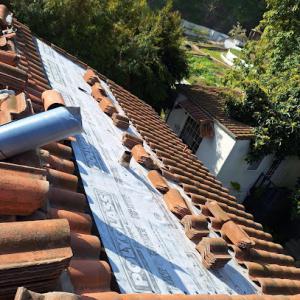
During tear-off, crews remove old roofing material and inspect the sheathing for water damage, rot, or hidden leaks. In the dry season, the goal is to complete tear-off and install a dry-in quickly, so the interior stays protected while trim and flashing are finalized. Expect a dry-in phase to include deck protection, temporary insulation cover screens, and careful management of attic access. In practice, a two-day tear-off followed by a dry-in period of one to three days is common on standard homes when weather cooperates. If a minor moisture spot or soft deck is found, allow the crew to address it immediately before laying the new underlayment and roof system.
Winter rain can interrupt tear-off and dry-in timing, which is especially important for occupied homes trying to avoid interior leaks during a re-roof. Have a contingency plan for sudden showers: tarps, rapid drainage paths, and a staging area that keeps materials away from interior openings. If a scheduled dry-in is interrupted, use temporary cover and a leak-deterrent strategy in rooms beneath vulnerable eaves or attic access points. Communicate expectations with the crew so you know how long damp conditions may extend the project and what the best practical adjustments are to protect interiors without sacrificing overall progress.
Santa Ana wind events in this part of Southern California can disrupt installation days and increase concern about wind uplift at edges, ridges, and flashings. On days with gusts, plan for slower, more methodical lap sealing, secure temporary edge protection, and a shorter daily work target to prevent misalignment. Discuss with the team the sequence of installing underlayment, flashing kits, and ridge cap to minimize exposed areas during high-wind forecasts. In some cases, crews will advance interior work while outdoor components wait for calmer days, then finalize exterior elements when winds abate.
Begin with a clear, calendar-based plan that maps dry weeks in the upcoming months and designates a primary, secondary, and backup date window. Confirm that the chosen crew has a strategy for rain contingencies and wind events, including a predefined protocol for delaying or pausing work to protect interior spaces. On site, ensure a dedicated path for debris removal and a protected interior access point for the crew to monitor any incidental leaks. Finally, set expectations for edge conditions, including how the team will handle wind-lift concerns at ridges and flashings and how temporary fasteners will be used during windy periods to prevent damage. This approach keeps the project aligned with the dry-season rhythm while staying responsive to winter rain and Santa Ana winds.
In Los Alamitos, the most relevant weather stressors are dry heat, seasonal rain, and Santa Ana winds rather than freeze-thaw cycling or heavy hail. The roof spends long, hot days baking under inland sun, which accelerates aging of underlayment and shingles even when the surface looks fine. That hidden deterioration quietly loosens the roof's protective layers, so when the first cold front or late-winter shower arrives, issues show up not on the ridge line but at the joints, eaves, and penetrations. The timing of a re-roof should reflect hot-season aging and the near-certain winter rain, so you don't discover vulnerability after a storm.
The city's climate notes point to accelerated aging of underlayment and shingles during hot, dry summers, making hidden waterproofing layers a local concern even when the roof surface still looks serviceable. As a result, a roof that survived a summer with no obvious leaks can still lose its edge over the following season if the underlayment has become brittle or the fasteners have weakened. A cautious homeowner should expect that years of sun exposure can hide small compromises behind flashing, drip edges, and transitions. When a storm arrives, those hidden weak points become the first places to fail, especially where the roof meets walls, dormers, or vent pipes.
Wind-driven rain during Southern California storm periods puts extra attention on flashing details, roof penetrations, and transitions where leaks often first appear. Santa Ana winds push water under the edges of shingles and behind trim pieces, lifting edges and forcing water toward joints. Pay particular attention to roof-to-wall transitions, chimney and vent flashing, skylight surrounds, and the base of dormers. If flashing feels soft, loose, or split at the edge, that's a red flag that wind-driven rain could exploit. In a neighborhood with close-set homes and shared eaves, a small, seemingly minor gap can become a channel for water intrusion during a sharp gusty rain.
A practical signal to watch for is staining near fasteners and along valleys after a windy rain event, even if the surface appears intact. Look for granule loss on shingles, curling edges, or brushed-off paint near the flashing-the sort of wear that suggests the roof's outer skin is thinning. When a dry spell ends and a storm moves in, you'll prefer layers that resist wind-driven intrusion rather than relying on a glossy surface appearance. If you notice any dampness in attic corners after a windstorm, or if upstairs rooms report a musty odor after rain, treat those as urgent warnings and investigate flashing integrity and transitions without delay.
Find local contractors experienced in assessing and restoring roofs after hail, wind, and severe weather events.
1st Roofing Solution Anaheim CA
(657) 202-1183 1stroofingsolutionanaheimca.com
Serving
5.0 from 35 reviews

Swell Roofing
(562) 751-2090 swellroofing.com
Serving
5.0 from 23 reviews
Swell Roofing, located at 6801 E 11th Street, is your top choice for expert roofing solutions. As a leading roofing contractor, we specialize in roof repair, roof replacement, and comprehensive roof inspection services. Our skilled team is dedicated to providing exceptional craftsmanship and swift emergency roof repair for your peace of mind. As your trusted local roofer, we pride ourselves on serving our community with reliable and affordable services. When searching for "roofer near me" or reputable "roofing companies," Swell Roofing is committed to ranking at the top of Google Maps, delivering quality results, and ensuring complete customer satisfaction.
Edison California Roofing
(949) 407-9094 www.edisoncaroofing.com
Serving
5.0 from 288 reviews
At Edison Roof In Irvine, CA we specialize in providing top-quality roofing solutions tailored to meet the unique needs of businesses. Our experienced team understands the importance of a durable and reliable roof for your property, as it protects your investment and ensures the safety of your operations. We offer a wide range of options, including TPO, PVC, EPDM, and modified bitumen roofing systems, all designed to withstand the demands of the environment. With our commitment to using high-quality materials and expert installation techniques, you can trust us to deliver a roofing solution that enhances your building’s efficiency and longevity. Additionally, we provide ongoing maintenance and support to keep your roof in optimal condition
Roofing H Rancho Palos Verdes
Serving
5.0 from 44 reviews
As a premier roofing service, Roofing H Rancho Palos Verdes offers exceptional craftsmanship for all your roofing needs. We specialize in installations, repairs, and maintenance, ensuring the durability and longevity of your home's protection. Our dedicated team uses high-quality materials and proven techniques to deliver results that stand up to the elements and elevate your property's curb appeal. Trust us to provide reliable, professional service that keeps your home safe and secure for years to come.
1st Roofing Solution Anaheim CA
(657) 202-1183 1stroofingsolutionanaheimca.com
Serving
5.0 from 35 reviews
1st Roofing Solution Anaheim CA delivers reliable, high-quality roofing services throughout Anaheim, CA, seven days a week. We handle roof inspections, roof repairs, roof installations, shingle replacement, storm and wind damage repair, gutter installation, gutter cleaning, attic venting services, and ongoing roof maintenance. Our team focuses on durable workmanship, honest recommendations, and long-lasting protection for your home or business. Whether you need a small fix or a full roof upgrade, we provide fast service, clear communication, and solutions built to withstand Southern California weather. Homeowners in Anaheim trust us for dependable, affordable, and professional roofing care.
Atlas Roofing of Long Beach
(562) 376-2244 www.atlasroofinglongbeach.com
Serving
5.0 from 18 reviews
Atlas Roofing is Long Beach and the surrounding area’s premiere roofing company providing a variety of roofing, siding, and gutter services. We offer residential roofing and commercial roofing, roof repair and roof replacement, including asphalt shingles roofing, wood roofing options, metal roofing, tile roofing, and low slope roofing. We are experts at helping you navigate through insurance issues.

Tom Byer Roofing Service
(714) 892-1140 www.tombyerroofingservice.com
Serving
4.8 from 62 reviews
Tom Byer Roofing Service was established in 1952 as a family-owned company, and we have more than 60 years of experience in commercial, residential, industrial, and apartment roofing. We are proud to have served the Southern California area, including Orange County, with prompt, courteous service and quality workmanship. Our full-service company has also become the best hot asphalt flat roofing applicator in the area. We also have the experience and resources to work with other materials, including gravel, cedar shakes, composite, asphalt shingles, lightweight tiles, cold process roll roofing, and fiberglass composition materials.
DGL Roofing & Masonry
(657) 530-5097 www.dglroofingandmasonry.com
Serving
4.9 from 65 reviews
With decades of experience serving the Southern California community, DGL Roofing & Masonry stands as a beacon of quality craftsmanship and unwavering reliability. We specialize in providing comprehensive roofing solutions, from new installations to meticulous repairs, ensuring every project is completed with precision and durability. Our skilled team is dedicated to protecting your property with the highest standards of materials and expertise, giving you peace of mind for years to come. Located in Stanton, we are proud to be the trusted choice for all your roofing needs.
Shingle Guard Roofs
(562) 545-4906 shingleguardroofs.com
Serving
5.0 from 25 reviews
Shingle Guard Roofs is a trusted roofing company dedicated to protecting homes and businesses with durable, quality roofing solutions built to last. Specializing in roof repairs, replacements, new installations, and preventative maintenance, our team delivers expert craftsmanship and reliable service at fair prices. We work with all major roofing materials asphalt shingles, tile, metal, and flat roofing systems to provide customized solutions that enhance curb appeal while keeping properties safe from the elements. At Shingle Guard Roofs, we stand by our name by offering long lasting protection, honest estimates, and a commitment to excellence that has made us a go to roofing contractor for homeowners and businesses.
Hercules Roofing
(949) 301-8984 www.herculesroofingoc.com
Serving
5.0 from 112 reviews
Hercules Roofing is a family-owned, fully insured, and licensed roofing contractor. Our California team receives proper training to ensure that they wield the best skills and equipment on every roofing project in town. We are a reliable and trustworthy roofing contractor in Huntington Beach offering only honest and customer-focused roofing services. If you are looking for a trusted high-quality roofing contractor, you have come to the right place. We are proud to be the community roofer you can trust! Our dedicated team of expert roofers takes care of every roof repair and replacement issue from residential to commercial properties in Huntington Beach and surrounding areas.
Cal Roofing Expert
(323) 559-9748 calroofingexpertinc.com
Serving
5.0 from 18 reviews
CAL ROOFING EXPERT INC it's a roofing contractor serving Los Angeles and surrounding areas. High quality materials,work with all city requirements, jobs warranty
California Coast Construction
(562) 850-1722 californiacoast.construction
Serving
5.0 from 23 reviews
California Coast Construction is a trusted roofing company proudly serving Long Beach, CA, with reliable residential and commercial roofing services. Known for quality craftsmanship and attention to detail, the team provides expert roof installations, maintenance, and repairs designed to protect homes and businesses year-round. As a dependable roofing contractor in Long Beach, we specialize in durable materials, energy-efficient solutions, and professional service that clients can count on. California Coast Construction is dedicated to customer satisfaction, offering honest communication, fair pricing, and dependable results. Homeowners and businesses in Long Beach, CA choose us for roofing solutions that deliver long-lasting protection.
Paragon Roofing
(714) 393-1950 paragonroofinginc.org
Serving
4.9 from 49 reviews
Based in Huntington Beach, CA, Paragon Roofing has been providing licensed and insured roofing services across Orange County and Riverside County since 1996. We specialize in roof repair, roof replacement, shingle and tile roofing, gutter installation, skylights, and leak repair for both residential and commercial properties. As a trusted local roofer, we are committed to delivering reliable, high-quality roofing solutions tailored to every customer. Contact us today for a free estimate!
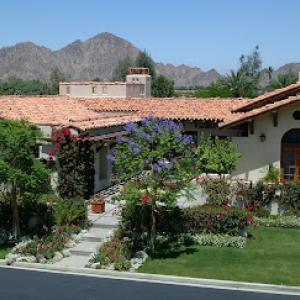
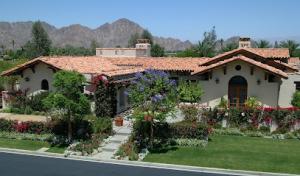
Tile roofs dominate the housing stock in this inland Orange County corridor, and the activity among local contractors reflects a steady demand for tile work and flat-roof projects. Clay and concrete tiles are common choices, and that means attention to underlayment life, broken tile replacement, and flashing compatibility is especially relevant. When a tile roof ages, the underlayment carries the long-term warranty against penetrating moisture, so choosing a compatible, durable underlayment for clay or concrete tiles helps prevent leaks in the winter rains and during Santa Ana events. If a tile breaks during wind gusts or maintenance foot traffic, plan for prompt replacement with color-matched or closely coordinating tiles to preserve both performance and curb appeal.
Clay and concrete tiles bring distinct benefits-durability and a classic southland look-but they also require precise detailing at hips, ridges, and roof-to-wall transitions. Flashing must be designed to handle the expansion and contraction of tile installations, especially where metal counter-flashing interfaces with clay or concrete. For a reroof, verify that the selected underlayment is rated for tile systems and that nail placement and fastener schedules align with the tile profile. A common pitfall is underestimating the importance of continuous edge and rake flashings, which, if compromised, can channel water into roof-to-wall interfaces during the wet season. In addition, ensure that vent flashings are compatible with the tile's arrangement so that asphalt or synthetic membranes do not create friction points under the tile, which can shorten the effective life of the roof.
Low-slope areas-additions, patios, garages, or homes with mixed roof geometries-need drainage and waterproofing strategies that differ from steep, tile-only sections. The key is to prevent ponding and to provide robust surface water shedding without compromising tile aesthetics. For these zones, a properly integrated membrane assembly beneath a compatible cap sheet or tile-approved underlayment becomes essential. In practice, this means detailing a continuous, drift-free drainage plane that connects seamlessly with roof edges and scuppers, plus attention to penetrations and roof penetrants. If your project includes flat or near-flat portions, consider tapered transitions to maintain gravity-driven drainage and to support long-term waterproofing performance.
Given the dry months that bookend the year, the timing of any re-roofing or major repairs matters. Schedule work after the dry spell ends and before the first cold front or wind event to maximize installation quality and to reduce the risk of weather-delayed cures. After completion, a proactive maintenance plan-inspecting for cracked tiles after windstorms, resealing penetrations, and confirming flashing integrity-helps keep a tile or low-slope system resilient through Santa Ana winds and winter rain. Regular inspections during the wet season can catch minor issues before they escalate into leaks in a higher-pressure storm.
Find contractors who specialize in clay and concrete tile roofs, known for their durability and curb appeal.
Atlas Roofing of Long Beach
(562) 376-2244 www.atlasroofinglongbeach.com
Serving
5.0 from 18 reviews
In this inland Orange County setting, you plan for long dry stretches in summertime while keeping the roof ready for winter rain and Santa Ana wind events. That means choosing materials that stand up to heat aging, while ensuring the underlayment beneath heavier systems stays in good shape. When the dry season arrives, you want a roof that minimizes heat transfer into the attic and helps keep the home comfortable without needing excessive cooling. If a roof is older, inspect the underlayment and fasteners now, so the heavier layers won't be compromised when the first storms hit.
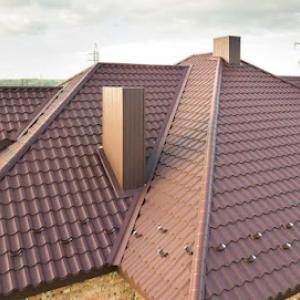
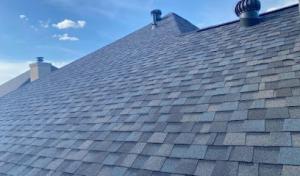
The dominant materials in Los Alamitos include asphalt shingles, metal roofing, clay tile, concrete tile, wood shingles or shakes, and fiber cement shingles. Asphalt shingles are a practical all-around choice that holds up to heat and occasional wind, with a straightforward repair path if a section is damaged. Metal roofing offers excellent wind resistance and low weight, which matters when Santa Ana gusts push the roofline; it also tolerates heat well and can reflect a portion of the sun's energy if you opt for lighter colors. Clay and concrete tiles bring a classic Southern California look and strong durability, but require a solid deck and careful evaluation of weight and underlayment, especially since clay can absorb heat and stress the fasteners in hotter summers. Wood shingles and shakes provide a traditional, welcoming appearance but need regular maintenance to prevent weathering and insect issues in dry stretches. Fiber cement shingles blend modern durability with a lower weight profile than tile and a low maintenance footprint, all while playing nicely with many architectural styles common in the area.
Heat aging matters for every choice, so factor in how the underlayment and ventilation will hold up under extended dry heat. Heavier systems like tile demand careful assessment of roof structure and weight support, since winter rain adds dynamic loads. Wind performance is not a one-size-fits-all detail; Santa Ana events favor materials with robust wind ratings and secure fastening. For homes with a stronger Mediterranean or Spanish influence, clay and concrete tiles often fit visually while delivering wind resilience if installed with proper sealant and clips. For maintenance-savvy homeowners, asphalt, metal, or fiber cement can offer a good balance of performance, upkeep, and curb appeal.
Material choice often comes down to balancing Southern California architectural fit with wind performance and how much maintenance is desired over time. If you value a low-maintenance roof with a modern finish, metal or fiber cement might be preferred. If a timeless, clay-tile look is essential, ensure the structure is prepared for the weight and the underlayment is upgraded to handle seasonal rain. For a warm, traditional appearance, clay or concrete tiles can align with the home's character, provided ventilation and sealing are prioritized to extend life through Santa Ana winds and heat.
The most popular roofing material in the US. Find pros who install, repair, and replace asphalt shingles.
Atlas Roofing of Long Beach
(562) 376-2244 www.atlasroofinglongbeach.com
Serving
5.0 from 18 reviews
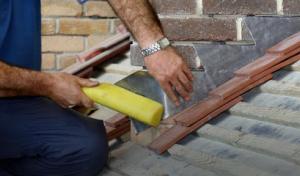
When you're budgeting a roof replacement, the local cost ranges per square (100 square feet) matter. In Los Alamitos, asphalt shingles typically run from 350 to 700 USD per square. Metal roofs sit higher, about 650 to 1300 USD per square. If you're choosing clay tile, plan for 900 to 2000 USD per square, while concrete tile comes in around 700 to 1400 USD per square. Wood shingles or shakes are generally 600 to 1200 USD per square, and fiber cement shingles fall roughly between 600 and 1100 USD per square. These figures reflect the Inland Orange County climate, where durability and wind performance are prioritized.
Costs in town can rise when tile systems are involved and underlayment work is needed to match the existing profile. If your home has mixed rooflines-steep main sections with low-slope transitions-the labor intensity goes up, and so does the meter reading on the bid. The local crews must feather the edges, tie in dormers, and sometimes address aging underlayment that's not compatible with newer tile or shingle systems. In short, tile-heavy homes or those with terrain-shaping features tend to see higher square-foot costs than a straightforward rectangular roof.
Scheduling during the dry season is not just about avoiding rain; it affects availability and pricing. In Santa Ana-dry months, you'll find more crews focused on residential projects, which can tighten the bid pool and push prices slightly higher if you demand a quick turnaround. Conversely, rain delays or storm-driven demand spikes can push timelines and labor costs up as crews shift to protect interiors and manage scheduling backlogs. If you plan ahead to the end of the dry season, you're often balancing a steadier crew rotation with potentially better material pricing.
If you're replacing multiple roof lines or redoing an older system, consider underlayment upgrades that extend life and improve wind resistance, especially given Santa Ana exposure. For tile or concrete tile, verify that the bid includes matching existing profiles so the result looks seamless from street level. For asphalt or metal, ensure the contractor accounts for the coastal climate's heat and sun exposure. Matching ridge caps and hip details can avoid frustrating post-install touch-ups.
Get a clear picture of your project costs upfront - no commitment required.
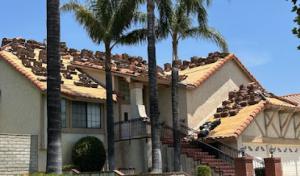
For a full re-roof, you will typically need a building permit. The City's building department oversees the process, and securing the permit before work begins helps ensure that your project aligns with local rules and neighborhood standards. In this inland Orange County setting, the permit helps formalize the timing around dry months and the transition into winter readiness, reducing the risk of weather-related delays down the line. Plan on submitting project details that reflect the chosen roofing system, materials, and an anticipated schedule so the department can evaluate your approach against current codes and local practice.
Inspections occur both during installation and after the roof is completed. The timing is not solely about the finished look; inspectors verify key components that protect your home against Santa Ana winds and seasonal rains. Expect checks on underlayment installation, flashing around penetrations, venting adequacy, and drainage considerations. This means your contractor should coordinate with the inspector to confirm that each stage complies with the latest code amendments, especially those that address wind uplift and moisture management common to our climate.
Local inspections emphasize the integrity of underlayment and flashing as much as the surface appearance. In a home stock that often features hips and valleys, correctly laid underlayment and properly integrated flashing around chimneys, skylights, and vent stacks are crucial. Venting is reviewed to ensure attic or roof space remains ventilated to reduce heat buildup and moisture risk in the dry season's transition to the wet months. If your system includes retrofit accessories or continuous venting solutions, have documentation ready for the inspector to demonstrate compliant installation.
Current codes guide how materials are fastened, how roof edges are secured, and how drainage is managed during heavy rains. The inspector will look for adherence to these standards rather than solely focusing on appearance. Prepare to present product data sheets, installation manuals, and any manufacturer-recommended installation sequences that demonstrate compatibility with Los Alamitos' climate and structural details. Keeping a tidy job site with clearly labeled penetrations and orderly waste management helps streamline the inspection process and reduces the likelihood of rechecks.
Upon successful completion, the final inspection confirms that the re-roof meets structural and safety requirements. Approval signals that the project is ready for any applicable warranty activation and that the roof system is prepared for dry months ahead and the potential winter rain season. Keep copies of all permit documents and inspection approvals in a central place for future reference, especially when scheduling maintenance or any future repairs.
In this inland Orange County setting, Los Alamitos homeowners face a broader insurance landscape where selective insurer pullbacks and rising premiums can influence roofing decisions even outside the highest-risk pockets. The reality is that carriers may tighten coverage or adjust what they consider insurable wear and tear after a storm or over time. That means your choices for repair or replacement aren't just about your roof's age or appearance; they're also tied to what your insurer is willing to cover and under what terms. Understanding this environment helps you plan conservatively and avoid surprises when a claim is filed after Santa Ana winds or a heavy winter rain event.
Adjusters will want a clear trail of your roof's life and care. In practice, that means dated photos showing the roof at key moments-before repairs, after, and after any maintenance. Keep receipts for materials and services, notes from professional inspections, and a written summary of all weather events that affected the roof. A simple file kept over the years can prevent disputes about the condition of the roof when a claim is reviewed. If a repair was completed, capture what was done, who performed it, and any warranties attached. In this market, thorough documentation can be the difference between a smooth claim and a drawn-out process.
For wind or storm-related claims, focus on what matters: uplift, displaced or missing materials, flashing damage, and interior leaks that followed the storm. Photographs should show the flashing and hip or ridge lines, any tarping or temporary fixes, and interior signs of water intrusion. If shingles or tiles have broken edges or misalignment, note the extent and location. The more precise your record of damaged components and subsequent symptoms inside the home, the more likely the claim will reflect the true scope of loss and the mitigation steps you took to protect the interior.
When you notice issues, address them promptly but methodically. Work with a local contractor who understands Santa Ana wind patterns and the way dry months can mask moisture problems. Ask for a written assessment that lists both present condition and potential failure points during the upcoming wetter season. Finally, align expectations with your insurer early in the process so you avoid last-minute disagreements when a claim is filed after a storm.
Connect with contractors who help homeowners navigate the claims process from damage assessment to final approval.
Atlas Roofing of Long Beach
(562) 376-2244 www.atlasroofinglongbeach.com
Serving
5.0 from 18 reviews