
Last updated: Apr 19, 2026
Bellflower sits in a warm Mediterranean climate with dry summers and milder, wetter winters. Reroof scheduling commonly targets the dry months to reduce weather delays. In practical terms, that means aiming for a window from late spring through early fall, when dry days are more predictable and the risk of a rainout is minimized. For a home with older low-slope or pitched sections, that predictable stretch helps crews manage imperfect deck conditions and underlayment staging without the constant interruption that a sudden storm can trigger. Understanding this pattern helps you align your demolition, material delivery, and installation windows so the project stays on track and avoids back-to-back soakings that complicate repairs or replacement.
The dry-season window is not a blank check. Fall Santa Ana wind events in Southeast Los Angeles County can create uplift risk during active reroof work and on roof edges if projects are not fully dried-in quickly. If planning beyond the core dry months, build in extra drying time and secure fasteners and edges early in the process to resist sudden gusts. When scheduling, prioritize longer stretches of consecutive dry days, and coordinate with the crew to have tarps, edge metal, and temporary sealants ready to extend protection during unexpected warm spells. Early-season starts should still anticipate a period of hot, dusty conditions that stress materials if not shaded or watered offhand, so plan for shaded staging areas and frequent debris removal to prevent grit from embedding under underlayment or into starter courses.
Winter storms and rainfall in the area can interrupt tear-offs, expose decking to moisture, and complicate underlayment staging on occupied homes. Before any tear-off begins, water-damage risk assessment should confirm that the existing deck and sheathing show little sign of hidden moisture behind old roofing or under shingles. If signs exist, prioritize a rapid deck inspection and, if needed, a temporary patch or tarping strategy to prevent moisture intrusion during a rain event. On occupied homes, communicate clearly about temporary living arrangements, dust control, and the sequence that minimizes intrusion into interior spaces. Consider staging the project so that the most moisture-sensitive operations-underlayment installation, flashing integration, and final sealing-occur during the driest portion of the window, with a contingency plan for a brief work pause if a storm arises.
Wind exposure demands emphasis on edge protection and a fast-drying-in strategy. For roofs facing prevailing Santa Ana winds, the priority is to reach a fully dried-in state quickly so that roof edges and ridges are mechanically secured before high winds surface. The typical sequence is careful removal of the old roofing, rapid deck assessment, then timely installation of underlayment and flashing along hips, ridges, and eaves. Dry-in readiness means not leaving open penetrations or roof openings overnight whenever high wind advisories are forecast. If a project must extend into variable weather, ensure temporary closure points are properly sealed, and keep a wind-rated tarp plan ready to cover exposed sections without creating wind-load hazards.
1) Pinpoint a primary dry-window that yields at least two full work weeks of consecutive dry days, with a flexible buffer in anticipation of late-season Santa Ana activity. 2) Schedule a pre-tear-off assessment focusing on decking condition, flashing corners, and any soft spots that could trap moisture. 3) Align material delivery to match the planned sequence, reducing on-site staging time and exposure to weather. 4) Establish a dry-in target for each roof segment, prioritizing critical edge details and penetrations first, then move to field shingles or tiles. 5) Develop a contingency plan for wind advisories, including temporary edge closures and rapid-seal strategies to maintain a safe, weather-resistant install without delaying the overall timeline. 6) Communicate with occupants about anticipated dry periods, potential brief pauses for wind events, and the importance of keeping the site clear to avoid wind-driven debris.
A well-timed dry-season reroof in this area hinges on locking in a weather-protected window, preparing decking and underlayment staging for rapid progress, and building a practical wind-readiness plan to minimize uplift risk. With careful scheduling and proactive protection measures, the project can proceed efficiently through Bellflower's typical year while minimizing weather-related surprises.
Bellflower's residential reroofing landscape includes asphalt shingles, clay and concrete tile, metal roofing, wood shingles or shakes, and EPDM on low-slope sections. This mix reflects a practical balance between durability, styling, and the region's dry summers. For a homeowner, the choice often comes down to how the roof handles heat, wind, and seasonal shifts. Asphalt shingles can be a straightforward option, but aging under the relentless sun can demand closer attention to underlayment and attic ventilation. Tile options bring elegance and long life, yet require careful installation to withstand temperature swings during fall and winter transitions.
Bellflower's dry season is the window where reroofing can proceed most predictably, but timing must align with upcoming fall rain and Santa Ana winds. A dry-start approach helps protect interior spaces during the teardown and overlaps with the need to seal gaps quickly before first rains. When planning for asphalt, a vented roof deck and high-quality underlayment matter more than ever to resist heat-related degradation. For tile installations, ensure quick-dry setting and proper wall and rafter connections, since heat fatigue can compromise fasteners and foot traffic during late-season storms.
Seasonal temperature swings matter for tile roofs, a common local choice. Clay and concrete tiles resist high heat but are sensitive to rapid temperature shifts that can cause cracking if panels are too tightly spaced or not properly supported. In Bellflower, where Santa Ana winds can gust through neighborhoods, the wind uplift on tiled roofs demands robust fastener layouts and appropriate underlayment. Ventilation beneath tile roofs remains essential to balance attic temperatures and protect the roof deck from accelerated aging. If a home already features tile, anticipate potential retrofit needs to improve wind resistance and thermal performance.
Metal roofing offers excellent wind resistance and quick shedding of heat, which reduces attic temperatures in hot summers. For homes with metal, inspect exposed fasteners and sealants to prevent wind-driven leaks during Santa Ana events. Wood shingles or shakes deliver a distinct look, but require careful maintenance to prevent moisture intrusion and insect concerns in the dry season. In Bellflower, opting for hardwood- or cedar-treated products with stringent attic ventilation can help maintain dimensional stability and longevity, especially under the stress of seasonal humidity swings.
EPDM on low-slope sections provides a weather-tight balance in areas where gravity-driven water movement is a concern. The dry season can expose the roof-to-wall transitions, so ensure edge detailing and flashing are upgraded to resist wind-driven rain when fall storms arrive. For low-slope parts, matching membrane thickness and seamless seams with proper bonding agents helps prevent leaks during the transition to winter rains. In all cases, a well-sealed interface between roof types protects the structure from the harsh Santa Ana winds and the seasonal moisture load unique to this market.
Flat and low-slope roofing is a meaningful Bellflower market segment, reflected by strong local contractor specialization in flat-roof work. The layout of many homes and additions favors low-slope surfaces where water does not shed as readily as on a traditional pitched roof. In this area, the dry season prompts a focus on reroofing timing, while the wet winter months lift the stakes for keeping roofs watertight. That combination pushes a practical, no-nonsense approach to leak patterns: frequent, slow leaks that quietly creep along joints and transitions, rather than dramatic bursts of rainfall-induced damage.
EPDM rubber roofing is one of the dominant materials in Bellflower, especially relevant for low-slope additions, garages, and commercial-style roof areas. Its seamless appearance and resilience to UV exposure suit the local climate, but it is not a panic-proof shield. EPDM can be forgiving during dry spells, yet becomes vulnerable where membrane laps, edge details, and penetrations are not properly detailsed. In this market, you will see careful attention paid to seam tapes, fastener patterns, and protective flashing around perimeters and roof penetrations. If a flat segment serves as a terrace or equipment pad, the membrane must behave as a single, continuous plane with robust edge detailing.
Bellflower's winter rain makes drainage, ponding control, flashing transitions, and moisture handling especially important on low-slope roof sections. Drainage problems often begin as minor ponding that persists after storms, which then accelerates membrane wear and flashing deterioration. A slow, persistent drip at a parapet or along a seam is a typical sign that water is catching on the wrong plane long enough to cause damage to underlayment or insulation. In addition, misaligned or insufficient drip edges and scuppers can let water find pathways under flashing, creating hidden leaks that only become evident after several storms.
Leaks on flat roofs frequently show up at flashing transitions, especially where the roof meets parapets, up against walls, or around skylights and penetrations. In Bellflower, chronic wind exposure can lift and loosen flashing edges, allowing rain to bypass the primary membrane. Even a small gap around an HVAC curb or vent can channel water into a concealed cavity and manifest as staining inside ceilings. The pattern is rarely a single event; it is a sequence of compromised seals that worsens with seasonal cycles and repeated wind-driven rain.
You cannot wait for a leak to become a crisis. Regular inspection of flat sections, especially after the first substantial rains and after Santa Ana wind events, helps catch seam deterioration, flashing looseness, and drainage blockages early. Look for surface ponding that remains for more than 48 hours, softened edges at transitions, and any damp patches along parapets. In practice, a targeted approach-prioritizing EPDM seams, edge detailing, and drain paths-can keep low-slope areas functional through Bellflower's wetter months without unexpected surprises.
Find specialists in TPO, EPDM, and built-up flat roofing systems for residential and commercial properties.
GreenCal Construction
(714) 790-1750 greencalinc.com
9065 Rosecrans Ave, Bellflower, California
4.5 from 76 reviews
GreenCal Construction provides high-quality, energy-efficient home improvement solutions: residential and commercial roofing & solar, roof repair, windows, insulation, exterior paint, and patio covers. Focusing on sustainability and durability, their expert team enhances homes with innovative, eco-friendly upgrades. Whether you're looking to improve curb appeal, reduce energy costs, or create a low-maintenance outdoor space, GreenCal offers customized solutions tailored to your needs. Their services combine expert craftsmanship, top-notch customer service, premium materials, and long-lasting performance to ensure customer satisfaction. GreenCal Construction has you covered...and surrounded!
Elevate Roofing
(562) 469-2089 elevateroofingservices.com
Serving
5.0 from 96 reviews
At Elevate Roofing, we're more than just a roofing company we're a close-knit, family-owned business with over 30 years of combined experience in the industry. Picture us as your friendly neighborhood roof experts, committed to treating your home like our own. Here's the deal: we take the time to get things just right, from hand-picking the best materials for your roof to making sure every detail, like ventilation and flashing, is spot on. Our team? They're not just skilled workers; they're like part of the family, dedicated to crafting roofs that not only look great but also stand strong against whatever Mother Nature throws their way. So, if you're ready to give your home the top-notch treatment it deserves, let's chat.
Lifetime Roofing & Renovation
(408) 685-2177 lifetimeroofingrenovation.com
Serving
4.8 from 17 reviews
Lifetime Roofing & Renovation, Inc is a full-service roofing and renovation company based in Los Angeles, CA. We specialize in residential and commercial roofing services, including new installations, repairs, and replacements. Our team of experienced professionals is dedicated to providing high-quality workmanship and excellent customer service. In addition to roofing services, we also offer a wide range of renovation services, including kitchen and bathroom remodels, additions, and exterior renovations. We are fully licensed, insured, and bonded, and we use only the highest-quality materials to ensure that our work is built to last. Trust us to protect your home or business with a sturdy, long-lasting roof and beautiful renovations.
AHR Company
Serving
5.0 from 49 reviews
We provide commercial and residential roofing services in LA County, Orange County, and the surrounding areas. Call today for your free estimate.
A-1 Roofing
(562) 249-1725 lakewoodroofingsolution.com
Serving
4.9 from 17 reviews
Welcome to A-1 Roofing, where excellence meets expertise in roofing solutions! Elevate your property's protection with our top-notch services. Our skilled team specializes in seamless Roof Installation, ensuring durability and style for your home or business. Experience a transformative upgrade with our Roof Replacement services, providing innovative options for every need. Trust us for swift and effective Roof Repair, restoring your peace of mind. Explore the modern charm and resilience of Metal Roofing or opt for the classic appeal of Asphalt Shingle Roofing. For commercial spaces, our expertise extends to Commercial TPO Roofing. Whether it's New Construction Roofing or efficient Flat Roofing solutions, A-1 Roofing is your premier choice.

Elite Paramount Roofs
(562) 340-7666 roofingsolutions.site
Serving
4.8 from 80 reviews
Elite Paramount Roofs is a reputable roofing company known for its dedication to excellence and customer satisfaction. With our experienced team of professionals, we specialize in delivering top-notch craftsmanship and exceptional results. Whether you need roof repairs, installations, or maintenance, our skilled technicians are equipped with the knowledge and resources to handle your project efficiently and effectively. We understand the importance of a well-maintained roof and prioritize using high-quality materials and proven techniques to ensure its longevity and functionality. Trust Elite Paramount Roofs for reliable roofing solutions that protect and enhance the value of your property.
Allied Roofing
(562) 525-5839 norwalkroofingcontractor.com
Serving
4.9 from 23 reviews
Welcome to Allied Roofing, your trusted partner in elevating rooftops to new heights! Experience excellence in every layer with our expert Roof Installation – a seamless blend of precision and aesthetics. Transform your property with confidence through our dedicated Roof Replacement service, ensuring durability and curb appeal. Count on us for meticulous Roof Repair, restoring your peace of mind. Embrace innovation with our cutting-edge Metal Roofing solutions or the timeless charm of Asphalt Shingle Roofing. For commercial spaces, choose the reliability of Commercial TPO Roofing. From New Construction Roofing to the sleek lines of Flat Roofing, Allied Roofing delivers quality, durability, and a new zenith for your property.
Thompson Roofing
(562) 669-3163 www.thompsonroofingca.com
Serving
5.0 from 28 reviews
Thompson Roofing is a reliable roofing contractor providing expert service to homeowners and businesses who want lasting protection and peace of mind. We specialize in roof repairs, full roof replacements, new installations, leak detection, and emergency roofing services, using only top-quality materials designed to withstand tough weather conditions. Our skilled team works with all roof types, including asphalt shingles, tile, flat roofing, and energy-efficient systems, ensuring every project is completed with precision and care. At Thompson Roofing, we pride ourselves on honest pricing, dependable service, and workmanship that adds both safety and value to your property—making us a trusted choice for roofing solutions in the community.
Shingle Guard Roofs
(562) 545-4906 shingleguardroofs.com
Serving
5.0 from 25 reviews
Shingle Guard Roofs is a trusted roofing company dedicated to protecting homes and businesses with durable, quality roofing solutions built to last. Specializing in roof repairs, replacements, new installations, and preventative maintenance, our team delivers expert craftsmanship and reliable service at fair prices. We work with all major roofing materials asphalt shingles, tile, metal, and flat roofing systems to provide customized solutions that enhance curb appeal while keeping properties safe from the elements. At Shingle Guard Roofs, we stand by our name by offering long lasting protection, honest estimates, and a commitment to excellence that has made us a go to roofing contractor for homeowners and businesses.
Paradise Roofing
(562) 568-8783 downeyroofingcontractor.com
Serving
4.9 from 39 reviews
Paradise Roofing is your trusted roofing contractor proudly serving Downey, CA, and surrounding areas. Specializing in a wide range of roofing solutions, we deliver exceptional craftsmanship and reliable service for all your roofing needs. Whether you require roof installation, roof replacement, or roof repair, our skilled team has you covered. We work with high-quality materials, offering expertise in metal roofing, asphalt shingle roofing, and durable flat roofing systems. For businesses, our commercial TPO roofing services provide energy-efficient, long-lasting solutions. Building a new home? Count on our new construction roofing expertise to protect your investment. At Paradise Roofing, customer satisfaction is our top priority.

Selah Roofing
(323) 870-7086 www.selahroofingcorp.com
Serving
4.7 from 61 reviews
We bring a passion for efficient results & honest communication to every new project. Put your worries to rest with a roof done right by our experts.
Most Bellflower reroof projects require a building permit through the City of Bellflower Building & Safety Division. Before a single nail is driven, verify that your project scope matches what the permit covers and that the roof type you've chosen aligns with local codes and historic or neighborhood standards. Your contractor should confirm permit needs and lay out a realistic timeline that respects the dry-season window while keeping an eye on fall Santa Ana wind forecasting. This upfront step helps prevent frustration when inspections are scheduled and late-season weather pressures creep in.
The contractor typically submits plans and roofing specifications to the city for plan review before work proceeds. Expect documentation that includes roof dimensions, slope, underlayment type, flashing details, venting plans, edge protection, and access for inspectors. In Bellflower, the plan set often needs to show wind uplift considerations and tie-ins to existing roof geometry, especially on older homes with low-slope sections or clay and concrete tile connections. If your home has unique features-flare hips, dormers, or retrofit skylights-make sure those details are clearly annotated in the submittal. Timely, clear plans can shave days off the review and keep your project on track.
Plan review cycles in this city tend to focus on wind resistance, underlayment quality, and edge detail standards. Expect a checklist-style response from the Building & Safety Division that may request small amendments to flashing details, vent placement, or fastener schedules. Heeding these notes promptly helps you maintain the project tempo, especially when dry-season work becomes scarce and inspections become highly scheduled as storms approach. Your contractor can coordinate resubmittals and rechecks to minimize downtime.
Bellflower inspections commonly include a rough-in inspection for underlayment and flashing, followed by a final inspection after completion. The rough-in focuses on ensuring proper underlayment installation, correct flashing around penetrations, and secure fasteners that meet wind uplift requirements. The final inspection emphasizes integrated performance: venting adequacy, edge details, and the overall watertight finish. The final check also confirms that any city-specified enhancements-such as drip edges, valley protection, and proper termination-are in place. Scheduling smartly around local weather patterns reduces the risk of rework caused by early winter rains or gusty Santa Ana winds, which can complicate inspections if the roof is not yet protected against moisture ingress. If inspections reveal deficiencies, address them swiftly to keep the project moving toward a compliant finish in a timely manner.
In this market, asphalt shingles sit in the low-to-mid range for a quick reroof when a lighter system is acceptable, with provided Bellflower-area pricing ranges running about $450 to $900 per square for asphalt shingles. Metal roofing tends to be pricier, typically from $650 to $1100 per square, reflecting the faster installation and longer life. If clay tile is the look you want, expect a premium-usually $1000 to $1900 per square-while concrete tile sits a bit below clay but still commands a higher budget, about $900 to $1700 per square. For wood shingles or shakes, you'll generally see $700 to $1200 per square. If EPDM rubber is on the table, it is priced by the square foot, about $3 to $6 per square foot. In Bellflower, those ranges are the starting point, and final numbers hinge on roof geometry, accessibility, and the chosen underlayment and detailing.
Costs in Bellflower can rise when tile replacement requires heavier material handling, more detailed edge work, or repairs uncovered during tear-off after winter moisture exposure. A roof with multiple penetrations, skylights, or complex hips and valleys will push labor time upward, and that shows up quickly in the bottom line. Concrete or clay tile, in particular, may require more crew coordination and specialized rigging to protect the home while crews move heavy tiles across a pitched or low-slope surface. If your home has older, brittle decking discovered during removal, expect additional decking work and material upgrades to be priced into the project.
Project timing affects pricing locally because dry-season demand is stronger in Bellflower, while permit review timing and inspection scheduling can also influence total project cost. Dry months can bring shorter lead times for materials and tighter crew calendars, which sometimes nudges per-square pricing upward. Conversely, choosing to start right after the winter moisture peak can catch crews with a backlog from heavy rain repairs, potentially delaying schedules and impacting labor availability. If timing aligns with a cooler, drier stretch before Santa Ana wind season, you can sometimes secure better pricing and steadier scheduling. Planning around shoulder months-not peak heat or the first heavy wind spells-often yields calmer logistics and smoother, more predictable costs.
Don't let upfront costs delay a critical repair - these contractors offer payment plans to fit your budget.
Lifetime Roofing & Renovation
(408) 685-2177 lifetimeroofingrenovation.com
Serving
4.8 from 17 reviews

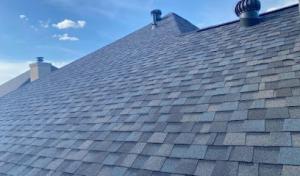
In Bellflower, homeowners often see storm-related roof claims tied to winter rain intrusion and wind damage, not hail patterns common elsewhere. The Santa Ana winds can strand loose shingles and lift edges during windy spells, while the dry season creates brittle shingles that crack under pressure. This combination means adjusters expect to see how the roof performed in Santa Ana wind conditions and during even modest rainfall, not just dramatic storms.
Adjusters are likely to request permits, photos, material specifications, and evidence that the roof work met local code and inspection requirements. In practice, that means you should have clear documentation showing when the roof was installed or repaired, the exact products used, and receipts or statements from the contractor about workmanship. Keep date-stamped photos from before, during, and after the work, especially of edge details, flashing, and penetrations where leaks often start.
Storm-related visits often hinge on how well a roof handles winter rain and wind events. Before the rainy season, gather records of any prior wind-related damage and the contractor's proposed mitigation steps. If an incident occurs, capture high-resolution images of torn underlayment, damaged flashing, and shingle displacement. Provide a concise timeline of the event, including wind speeds if available, to help a adjuster assess whether existing conditions or an incident caused the loss.
Keep an organized file with the roof's material specs, installation dates, and contractor contact details. After a wind event or heavy rain, perform a careful exterior inspection focusing on valleys, transitions, and chimney gaps. If you notice recurring water intrusion near the eaves, you'll want to document it promptly, as carriers scrutinize claims that involve persistent moisture issues rather than isolated incidents.
Connect with contractors who help homeowners navigate the claims process from damage assessment to final approval.

Sunny, dry-season reroofing in this area always hinges on how skylights and solar tie-ins fit into the project. Practical planning means noting that roof penetrations for these features can complicate both weatherproofing and edge detailing. Local contractors with a Bellflower specialty tend to coordinate skylight flashing and rafter-fitments in a way that minimizes interruptions to the dry season window while staying prepared for the fall Santa Ana winds. When layout is drawn, confirm where existing penetrations sit relative to hips, valleys, and field shingle runs to avoid awkward gaps later.
In homes with multiple penetrations, the flashing layout becomes the most visible and consequential part of the job. Edge detail accuracy is emphasized during inspections, so ensure the plan accounts for all skylight curbs, vent pipes, and any solar mounting rails. The sequence matters: seal and flash these areas early in the reroof, then install underlayment and shingles or tile around them. This approach reduces the risk of late-stage leaks and makes the final edge line cleaner. Local crews often bake in redundancy around corners to accommodate heat cycling and wind-driven rain typical of Santa Ana periods.
Choosing materials and tie-in methods that tolerate sun exposure and thermal movement is key. Skylight flashings should be compatible with the chosen roofing surface, and solar attachments should integrate with a flashing plan that respects roof plane transitions. Expect that experienced local installers will tailor fastener patterns and sealants to your roof type, ensuring a durable, paint-free edge and a robust, weather-tight interior around each penetration.
Find contractors experienced in skylight installation, flashing, and leak repairs to bring natural light into your home.
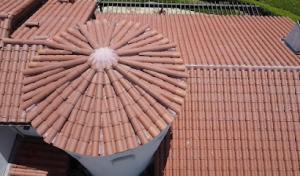
Bellflower's inspection process puts visible emphasis on underlayment, flashing, venting, and edge details, so workmanship quality directly affects both approvals and long-term leak risk. When choosing a contractor, ask for a detailed workmanship plan that shows how flashing transitions around dormers, valleys, and roof edges will be sealed, and request a sample of edge detailing. The city's reviewers look closely at how these elements integrate with existing roof lines and how promptly potential water intrusion would be addressed after installation. A job that prioritizes precise lateral alignment, secure fasteners, and clean, continuous edge metal is more likely to sail through inspection and stand up to Santa Ana winds and seasonal rains.
The local market shows a meaningful number of contractors advertising warranties, which matters in a reroof-heavy city where homeowners often replace aging systems rather than patch indefinitely. When a contractor offers a warranty, verify its scope (material vs. workmanship vs. both), duration, and what triggers coverage (manufacturers' defects, installation flaws, maintenance requirements). In this climate, where dry-season reroofing is common but fall winds can stress roofline components, a robust workmanship warranty adds practical protection against wind-driven uplift or edge disturbance that can emerge after the first wet season.
Because California insurers are scrutinizing code compliance more closely, homeowners benefit from keeping warranty documents, permit records, and final inspection signoff together. Create a simple binder or digital folder that nests the contract, product data sheets, installation specifications, and the inspector's written notes. Whenever a claim or audit arises, having these elements organized helps demonstrate compliance with installation standards and supports continuity of coverage if future issues appear. This practice is particularly prudent in neighborhoods where aging edges and venting configurations have historically shown vulnerabilities.