Last updated: Apr 19, 2026
Planning a reroof around the Bay Area dry season is a practical move that pays off in stay-dry performance and a smoother tear-off. In this climate, winter rain can interrupt tear-off work, and exposure of decking to moisture during a lengthy replacement can lead to delays and added risk. The goal is to complete full replacements during the months with the driest, most predictable weather windows, typically late spring through early fall. This approach minimizes the chance of moisture intrusion into exposed decking and underlayment and helps crews move steadily without frequent pauses to wait for a break in the weather. For Newark homeowners, timed scheduling aligns with the region's wetter months and the typical lull in heavy storms once the calendar shifts away from winter.
Start by identifying the preferred replacement window within the local dry season. Look for a sequence of several consecutive days with low chances of rain and temperate mornings that allow for safe deck inspection and material staging. The bay fog and coastal humidity can linger in the mornings, keeping roof decks and underlayments damp even when there is no active rain. That means planning for longer dry stretches after the dew has burned off, usually mid-morning to early afternoon, and avoiding start dates that are followed by a predicted return of marine fog. A practical rule is to target a window of 5 to 7 dry days in a row, with a margin of one or two spare days in case of a late-winter or early-spring cold snap.
Coordinate the project with attention to moisture pockets. Even during dry spells, mornings can present damp surfaces on elevated roofs. Schedule the most critical phases-tear-off, inspection, and decking repair or replacement-during the warmer, drier parts of the day. If a stretch of stringy fog rolls in, postpone surface-sensitive tasks such as applying underlayment or setting new shingles until the dew lifts and the substrate is comfortably dry. Communicate clearly with the crew about morning moisture checks and the decision points that trigger a shift to daytime-only work or a brief pause to protect exposed materials. This practical discipline reduces the risk of compromised underlayment adhesion and helps keep the project on track.
Wind events are a real factor in this area and can complicate material staging and handling on elevated roofs. During your dry-season planning, review the local forecast for potential gusts that might affect loose shingles, bundles, or ladders. If wind is forecasted within a window of the planned work, adjust staging and sequencing so that materials are secured at ground level or on sheltered portions of the property, and postpone higher-risk tasks to calmer days. On busy mornings, establish a clear on-site routine: secure all loose items before the crew begins, designate a wind-safe area for staging, and keep pathways clear to reduce the chance of tools or materials being blown off the roof.
Timing decisions should consider the home's current condition and the structure's exposure to the bay environment. If existing decking or underlayment shows signs of moisture damage or advanced wear, prioritize a slightly earlier start within the dry-season window to complete necessary repairs before the season shifts again. A well-planned sequence-tear-off, decking inspection and repair, underlayment, and final shingle installation-can proceed with fewer unwelcome interruptions. In the end, the aim is simple: a full replacement completed during a stretch of reliably dry days, with robust precautions for morning dampness and occasional wind, so you finish with a durable, weather-ready roof that stands up to the south East Bay climate.
The dominant residential materials in Newark include asphalt shingles, clay tile, concrete tile, metal, wood shakes, and synthetic/composite shingles, making material selection a central local reroof decision. Homeowners in this area often start by matching the existing roof profile and neighborhood look, then weigh how each option handles Bay Area conditions. Asphalt shingles remain common for value and straightforward repairs, while tile options bring a long lifespan and distinctive curb appeal that many homeowners in this market pursue when replacing or updating a roof. Metal roofs offer durability and a modern aesthetic, whereas wood shakes evoke a traditional texture that still appears on a good portion of established homes. Synthetic or composite shingles provide a middle ground, aiming to balance cost, weight, and weather tolerance. The best choice typically aligns with roof pitch, roof deck condition, and the home's exposure to fog, salt air, and summer sun.
Tile roofing is especially relevant in Newark because local contractor signals show strong prevalence for tile specialists, reflecting real homeowner demand for tile repair and replacement. If clay or concrete tiles are already on the house, repairs tend to focus on broken or cracked tiles, underlayment wear, and fastener corrosion from salt-laden air. When considering a full reroof, clay and concrete tiles are valued for their long life under Bay Area moisture regimes, but they do demand a careful assessment of deck integrity and underlayment compatibility. A tile reroof can also influence attic ventilation needs and roof-to-wall detail waterproofing, especially on older homes that feature heavier roof assemblies. For homeowners contemplating tile for the first time, a careful evaluation of weight-bearing capacity and existing structural conditions is essential, given the heavier load compared with asphalt shingles.
Dry summer UV exposure in the Bay Area can accelerate visible aging on asphalt roofs, leading to faster granule loss, color fading, and potential edge cracking. In contrast, persistent moisture exposure from fog can be more consequential for underlayment and deck condition beneath heavier roof systems like tile or concrete. When planning a reroof, consider seasonal timing that minimizes wet-weather exposure to the deck and underlayment while still fitting a dry window for tile installation. For shingle systems, UV resistance and dimensional stability should be weighed against the weight and span requirements of the home's structure. For tile and concrete options, ensure the existing structure can support the additional weight and that underlayment choices maximize moisture resistance without sacrificing breathability. This balance helps preserve the attic space and roof sheathing through Newark's mix of damp winters and dry summers.
NEW Roofing
(510) 405-1806 newark-roofing.pro
6231 Jasmine Ave, Newark, California
5.0 from 20 reviews
Introducing New Roofing, your dependable roofing company for all your residential and commercial roofing needs. With a simple and straightforward approach, we focus on delivering quality services that you can rely on. At New Roofing, we understand the importance of a solid roof in protecting your home or business. That's why our team is dedicated to providing top-notch craftsmanship and exceptional customer service. Whether it's roof repairs, replacements, or new installations, you can trust us to get the job done right. Trust New Roofing for all your roofing needs – because when it comes to quality and reliability, simplicity is key!

Mendez Roofing
(510) 340-9902 www.mendezroofing.com
Newark, California
5.0 from 2 reviews
At Mendez Roofing, we offer services just when you need it. We know the importance of your roof and that is why, we would waste no time in getting the issue resolved Our Maintenance Services Routine and scheduled maintenance can help in extending the life of your roof. At Mendez Roofing, we offer complete maintenance services to small local stores as well as large factories and multistoried offices. Our roofers Fremont expert technicians will inspect your roof thoroughly, by following all the relevant protocols and standards. We provide written inspection reports and identify the possible problem areas before the problem arises.
Roofing Doctor, 屋顶检修,루핑,루핑 수리, Roofing Contractor
(510) 828-2232 www.roofingdoctor.com
6026 Breton Pl, Newark, California
5.0 from 2 reviews
Roofing doctor for commercial and housing. We can repair your roof. 屋顶装修,改建,更新,商业房屋整修,湾区屋顶工程,屋顶检修, 루핑 수리
NuRoof
Serving
5.0 from 13 reviews
NuRoof specializes in delivering high-quality roofing solutions for residential and commercial properties. With 15+ of experience in the industry, we take pride in our commitment to exceptional craftsmanship, reliable service, and customer satisfaction. Our services include roof installation, repair, replacement and inspections, utilizing top-grade materials and the latest techniques to ensure durability and aesthetic appeal. Licensed, Insured and ready to deliver top quality service.
Knight Roofing
(510) 438-9077 www.knightroofing.com
Serving
5.0 from 6 reviews
Residential roofing contractor.
Oakland Emer Roofing Pros
Serving
4.9 from 58 reviews
Do Your Have Roof Leaks ? Do You Need Emergency Service ? Call Now For Oakland Emergency Roof Repair Pros We Cover All Repairs For Any Roof we have most shingles in stock so we can preform most service today day call now save on your next roof service

Top Roofing
(408) 900-6551 toproofingca.com
Serving
5.0 from 42 reviews
Top Roofing is your trusted Cupertino CA based local roofing company specializing in roof replacements, roof repairs, and roof maintenance for both residential and commercial properties. We use only high-quality materials and expert craftsmanship to ensure long-lasting, reliable roofing solutions. Our fully licensed and insured team is committed to honest communication, fast response times, and exceptional customer service. Whether you need a new roof, leak repair, or routine maintenance, we provide free estimates and guarantee satisfaction on every job. For all roofing work in the Bay Area the team at Top Roofing are ready to help you with professional courteous service.

Tri-City Roofing
(510) 797-3901 www.tri-cityroofing.com
Serving
4.7 from 24 reviews
Tri City Roofing specializes in roof repair, maintenance, re-roofing, and full roof replacement for both residential and light commercial properties. With over 30 years of trusted industry experience, we help homeowners, property owners, and real estate professionals protect their investment with high-quality roofing solutions. Our expert team is known for dependable service, honest estimates, and durable materials that stand the test of time. Whether you're dealing with leaks, wear and tear, or planning a new roof, we’re here to help. Contact us today to schedule your free roofing estimate..

MY Tech USA Roofing
(833) 828-4144 www.mytechusa.com
Serving
4.7 from 24 reviews
MY Tech USA Roofing Of Fremont repair, install and service all types of roofs in The Bay Area. MY Tech USA Roofing offer SAME DAY REPAIR! We are ready for the task, and we have the knowledge, the parts and the tools to be there for you today! We service all roofs! We offer Free Estimate on new roof installation & gutters installation. If you are looking for roof replacement, leaking roof repair, or any other roofing services, our experts are here for you.
Arch Roofing
Serving
4.7 from 18 reviews
Arch Roofing, Inc. is your trusted Fremont roofing contractor, dedicated to providing top-quality roofing solutions. Located in the heart of Fremont, we offer expert craftsmanship and reliable service for all your roofing needs. Discover how Arch Roofing, Inc. can protect your home or business with durable, long-lasting roofing solutions.

Dura-Foam Roofing & Solar Center
Serving
4.8 from 82 reviews
Dura-Foam Solar Center – Expert Foam Roofing, Solar Roofing & Coating Services in Menlo Park Dura-Foam Solar Center has proudly served Menlo Park and the Bay Area since 1981, specializing in high-quality foam roofing, shingle roof coatings, solar roofing installations, and power washing services. With over 20,000 satisfied customers, we combine decades of experience with the latest energy-efficient technologies to protect and enhance residential and commercial properties. Our team is committed to delivering durable, cost-effective roofing solutions and exceptional customer service from our longstanding location near the Dumbarton Bridge. Trust Dura-Foam for reliable roofing and sustainable energy upgrades tailored to your needs. Call Now!
Roofing & Gutters Nation
(510) 335-5466 roofingandguttersnation.com
Serving
5.0 from 9 reviews
Roofing and Gutters Nation is a company serving all of the Bay Area, the famous Silicon Valley; having worked in Commercial and Residential for more than 20 years. Your roof may be the last thing you think about, but when it comes time to do any roofing Installation, you want to hire a trusted roofer in Bay Area to handle the job correctly.
Provided Newark-area pricing spans from asphalt shingles at 350 to 650 USD per square up to clay tile at 1000 to 2700 USD per square, with concrete tile, metal, wood shake, and synthetic products falling between those ranges. That spread reflects the mix of housing stock you encounter in this part of the South Bay, where older homes with tile roofs sit beside newer, higher-end replacements. When you're budgeting, start with the lowest plausible cost for a basic job and add for upgrades like better underlayment, upgraded shingles, or higher wind and seismic criteria.
Costs in Newark can rise when moisture discovered during tear-off requires replacement of roof decking or underlayment affected by winter leaks or bay humidity. In practice, that means you should plan for a cushion if the old roof shows signs of soft spots, staining, or elevated moisture levels after the old layers are lifted. In damp seasons, faster project completion helps minimize exposure to bay fog and rain, but it also heightens the chance of discovering hidden damage once the shingles come off. If decking or structural components need replacing, the overall price climbs, and the project timeline lengthens accordingly.
Projects involving heavier tile systems or structural review can add cost in Newark because the city's permit review may require structural documentation or product approvals depending on the reroof scope. Heavier tiles-such as clay or concrete-come with higher per-square costs, not only for the material itself but for the required structural considerations and potential reinforcement. If a lighter option like asphalt or synthetic shingles fits your home, you'll typically land closer to the lower end of the spectrum, with faster installation and less intrusion into attic spaces. Metal, wood shake, and synthetic products occupy the middle-to-upper ranges, balancing durability with installation complexity in bayside conditions.
Begin with a basic material choice aligned to climate and existing roof geometry, then add contingencies for moisture-related repairs. If you're replacing in the dry season, you gain a window of stable weather-great for both execution speed and material handling. If the project drifts into wetter months, expect more precautions to protect exposed areas and to manage ventilation and ventilation-related costs during the teardown. Budget a realistic contingency for decking, underlayment, and any necessary reinforcement to maintain performance through winter rains and coastal humidity.
Get a clear picture of your project costs upfront - no commitment required.

A full roof replacement in Newark typically requires a building permit from the City of Newark Building Division. Before any shingles come off, you'll need the permit formally issued, and the permit package should show plans, material type, and any required structural notes. Because the city sits in a damp, bay-influenced climate, some projects demand documentation that confirms the structure can support the chosen roofing system. Expect a review stage that looks at any changes to vents, skylights, or roof penetrations, and be prepared for requests for addendum or clarification. If the project involves significant structural work or unusual materials, the plan review may take longer and require formal product approvals before permit issuance. Missing or incomplete submissions are a common reason for delays, so gather all documentation up front.
Reroof projects generally require inspections during the work and a final inspection after completion. During the build, inspections confirm that the work follows the approved plans and that flashing, underlayment, and roof penetrations meet code standards. A mid-progress check may be requested if the roof line changes or if structural elements are altered. The final inspection verifies that the reroof is completed correctly, the ventilation is adequate, and drainage is properly integrated with the gutter system. If inspectors find gaps between the actual work and the permit plans, corrections will be required before issuance of an occupancy or closure of the permit. Plan for potential re-inspections, especially if the weather window is tight or if materials arrive late.
Plan review timing in Newark varies with workload, and some projects may need structural documentation or product approvals before permit issuance. Because winter rain and bay moisture can slow progress, align your reroof schedule with a dry-season window when possible to minimize callbacks and weather-related hold-ups. Coordinate with your contractor to secure plan approvals early, and keep communication open with the Building Division about any changes to materials or structure. If a permit lapses or work pauses for an extended period, expect a re-check of conditions and updated permit conditions before resuming.
In this part of the East Bay, insurers have grown warier about wildfire risk and aging roofs, even when the home isn't located in a classic foothill fire zone. Policies can shift after a harsh winter or a string of foggy, salty days that wear shingles faster. You are more likely to see requests for up-to-date roof age, recent photos, and documentation when underwriting, renewing, or assessing reroof-related claims. The reality is that a reroof is not just cosmetic-it can influence eligibility and how a claim is processed if a storm or moisture event occurs later. Staying ahead of these changes can prevent surprise gaps in coverage when you need it most.
When working with your insurer, be prepared to show a clear timeline of your roof's life-from installation date to any major repairs, plus a current photo set that captures condition across each plane and edge. If you have a folio of past maintenance, include it. In this market, clear documentation matters as much as the condition of the shingles themselves. If a loss occurs during a wet winter, your file may be scrutinized for signs of wear, matching systems, and whether the materials meet current standards for fire resistance and impact resistance. The more organized you are, the smoother the review process will go.
California's insurance environment keeps a closer eye on fire risk, and that can influence pricing and eligibility. Materials with recognized fire ratings and code-appropriate underlayment can positively affect underwriting judgments, even in a neighborhood that doesn't sit in the highest foothill category. If a reroof involves choosing tiles or shingles with enhanced fire resistance, note that some products pair better with existing venting and ventilation details present on many homes here. Documenting these choices, along with compatibility to your deck attachments and chimney flashing, can support a favorable review.
Take comprehensive photos from multiple angles after a rain and before a wind event, documenting flashing, vent terminations, and edge details. Create a simple roof problem log-leaks, staining, or loose tabs-so you can demonstrate a maintenance history. If you plan a reroof in the coming dry season, keep receipts and product data handy, and ensure you have a clear record of installation dates and contractor warranties. A well-documented roof story helps your insurer see the full picture and can prevent delays when coverage decisions hinge on the roof's current condition.
Connect with contractors who help homeowners navigate the claims process from damage assessment to final approval.
NEW Roofing
(510) 405-1806 newark-roofing.pro
6231 Jasmine Ave, Newark, California
5.0 from 20 reviews
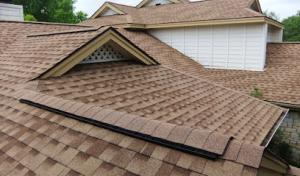
Skylights stay convenient until a leak shows up around the curb or flashing. Local contractor signals in Newark show meaningful demand for skylight work, which means leaks traced to the curb, sealant joints, and the transition from skylight framing to the roof deck. When you notice condensation, damp drywall at the skylight edge, or a damp ring around the curb after a storm, set a beacon: address the flashing first and then re-check the curb seal. Keep the skylight frame clean and dry during winter rains to slow seepage from slow-drying moisture.
Flat and low-slope roofing is also a meaningful local specialty, reflecting the town's mix of additions and multifamily properties. In reroofs or repairs, prioritize consistent drainage paths from gutters to scuppers and edge flashing. Inspect for blisters or ponding near skylight sleeves and around transitions to pitched sections. In Newark a common issue is shoulder flashing at parapets and at curb-mounted skylights that invites slow leaks during the bay fog season. If a low-slope area has standing water after a storm, note the likely need for resealing seams or upgrading a crickets/trench detail to promote faster drying.
Winter wet periods amplify drainage concerns. Low-slope drainage performance becomes more important because standing water and slow drying can extend leak investigations. Before a reroof in the damp part of the year, map the drainage routes across the roof and verify that membrane laps are clean and gap-free. Schedule work to avoid the peak of rainy spells and focus on dry days for sealant cures and flashing re-seaming. For added resilience, consider a tapered insulation plan that directs water toward the drainage outlets without creating new ponding zones.
Keep an eye on the bay breeze and salt air around metal flashings, since corrosion loosens seals. If a skylight sits where two roof planes meet, ensure transition flashing includes a back dam to stop wicking during winter storms reliably.
Find contractors experienced in skylight installation, flashing, and leak repairs to bring natural light into your home.
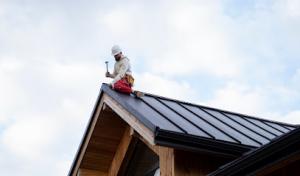
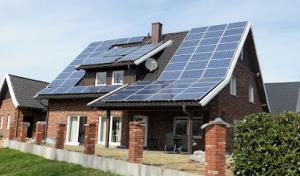
Solar-integrated roofing is an active specialty in Newark's contractor market, so reroof planning often needs to account for existing or future solar equipment. When a roof is already showing signs of aging, or when a home is a strong candidate for upcoming solar install, aligning the reroof schedule with the solar timeline prevents back-to-back work that can extend exposure to bay moisture and winter rains. The goal is to finish a reroof with clean, solid dry-down time before any panel system is mounted, or to design the reroof so mounting points and flashing will accommodate future PV hardware without rework.
Coordinating reroof work before solar installation is especially relevant in this area because dry-season scheduling is already important and duplicate mobilization can be avoided. If a home is in need of new underlayment, deck repair, or tile adjustments, completing those tasks prior to solar rake-offs helps prevent gaps where water could intrude around penetrations. Contractors familiar with both reroof and PV installations will sequence work to minimize ladder repositioning, protect newly finished flashing, and ensure roof-to-module interface details are spot-on. For homes where a retrofit solar system is anticipated, discuss panel mounting height, rafter spacing, and flashing choices early so the roof can be prepped for a clean, long-lasting installation.
Roof material choice in Newark can affect how easily future penetrations, flashing details, and panel mounting are handled on tile versus shingle systems. Tile roofs require careful integration of step and base flashings to avoid tile breakage and to maintain watertight seams under sensor mounting or racking. Shingle systems, while more forgiving in some penetrations, still demand precise sealants and backer materials to prevent interference with shingle overlap and wind uplift zones. When reroofing with a view to solar, it's practical to plan for standardized, modular mounting footprints and confirm that flashing transitions align with current or anticipated tile patterns or shingle courses. This proactive approach reduces the risk of retrofit adjustments once solar hardware arrives.
Find contractors who integrate solar panels or solar shingles into your roof for long-term energy savings.