
Last updated: Apr 19, 2026
Clay and concrete tile dominate the roofs in master-planned hillside neighborhoods with Mediterranean character. The texture and color choices reflect the hot, dry summers and the mild, wetter winters that define the area. In practice, that means your roof system spends extended periods in full sun, with occasional deluge events in winter that test the underlayment and flashings more than the shingles beneath. When evaluating a tile roof, look for long runs of clean ridge tiles, intact hip caps, and solid edge details, since the prevailing exposure in these communities places a premium on secure barriers at transitions from roof to vent stacks, skylights, and walls.
Where shallow drought-clearing rains alternate with heavy but brief winter downpours, underlayment integrity often becomes the first vulnerability. You may find that underlayment aging shows up before tile cracking or breakage, especially on roofs that saw repeated sun exposure over a decade or more. In this climate, a leak is frequently carried along the roof plane and presents at interior ceilings in a way that makes the path of water less obvious than in shingle-first markets. A practical approach is to inspect underlayment access points and transitions behind the tiles-valleys, around vents, and at flashings-before assuming tile damage. When a rain event exposes moisture, trace it to the fastest path you can identify, then confirm with a pressure test if the system has recently aged or suffered movement from temperature swings.
Fall Santa Ana winds are more than a breeze in this hillside setting; they can physically dislodge ridge and edge tiles and push debris into valleys and flashings. Local experiences show that ridge caps and fastening patterns must stand up to gusts that press against long ridge lines and uneven roof planes. Inspect ridge ventilators, seam intersections, and eave details after wind events, especially if the roof sits near exposed saddle slopes. Debris accumulation in valleys is common when winds funnel through nearby open spaces, so check for pine needles, leaf litter, and small branches that can trap moisture or compromise flashing bells. Regular cleaning and resealing around roof penetrations help minimize wind-driven leaks, even when the tile itself remains intact.
Tile surfaces can look solid even when the substrate shows signs of movement or moisture intrusion. In practice, the most reliable checks focus on alignment and support beneath the tiles. Look for cracked or loose tiles, but pay attention to warped or sunken sections that hint at framing or sheathing movement. Valleys deserve particular scrutiny because debris buildup concentrates water flow and accelerates flashing wear. If valley shoes or metal flashings show discoloration, rust, or separation, the problem may be less about tile integrity and more about the underlying metal components and flashing joints. A sound roof relies on both a well-bonded tile surface and a stable, well-sealed base.
Proactive maintenance pays off for tile roofs in this climate. Schedule semi-annual inspections that align with the after-winter wet season and the late-summer heat peak. During inspections, confirm that all fasteners remain secure, edges stay intact, and roof penetrations are sealed. Address gaps between tile rows where wind-driven debris can lodge, and verify that rain spur channels remain clear so water can shed quickly to gutters and downspouts. Consider a targeted refresh of flashing materials at key transitions-eaves, chimney-to-roof junctions, and vent terminations-to maintain a robust barrier against Santa Ana gusts and seasonal deluge. In the right hands, a tile roof can continue performing reliably for decades, while a neglected underlayment or degraded flashing often becomes the first signal of broader age-related concerns.
Find contractors who specialize in clay and concrete tile roofs, known for their durability and curb appeal.
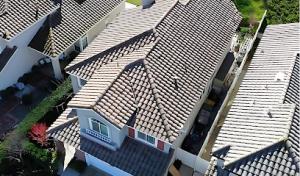


Many reroof projects in the Saddleback foothills follow the dry season to minimize weather risk during tear-off and dry-in. Dry, predictable conditions reduce moisture intrusion and help crews finish in a single window, which matters when homes have tile-heavy roofs that shed heat and carry long installation timelines. Scheduling with that seasonal pattern in mind helps avoid late-season rain delays and wind-driven interruptions that are common when a storm track moves into South Orange County.
Winter rainfall in this area can delay open-roof work and expose homes to moisture intrusion if staging is poor. If a project must bridge the transition from wet-season storms to dry-season work, plan for a staged approach: secure tarping and underlayment protection ahead of any anticipated rain, and ensure temporary weather breaks are ready to deploy. For homes perched near wildfire-prone open space, crews pay extra attention to staging musts and containment to prevent wind-driven debris from compromising barriers during any residual winter rain events.
Spring often brings tighter scheduling because milder weather increases homeowner demand before peak summer heat. As the calendar moves toward late spring, availability can tighten for both material delivery and skilled crews who specialize in tile-heavy assemblies. To capitalize on this window, align reroof timelines with established local lead times for tile products and underlayment systems, so installations can proceed without last-minute substitutions that may affect heat performance and wind resilience.
Tile-heavy configurations perform best with a carefully staged sequence: remove and inspect decking, address any prior water damage, install a high-quality underlayment, and then set tiles to promote airflow under the roofscape. In Santa Ana wind corridors, sequencing should emphasize secure ridge lines and wind uplift considerations for tiles or shingles, especially after a dry-in period. When planning tear-off, designate a dry window of at least several days in sequence to complete staging, installation, and curing before potential heat buildup or a late-season storm.
Before locking dates, verify long-range forecasts for the dry-season outlook, and prepare for a possible early spring surge by confirming product availability and crew readiness at least two to four weeks out. Maintain flexibility with backup dates that still align with the dry-season objective, so a project can absorb an unexpected warm spell or a brief wind event without compromising the overall schedule.
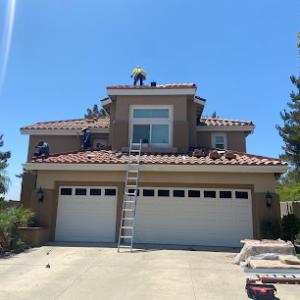
Purpose Roofing & Waterproofing
(949) 409-5450 www.purposeroofs.com
23091 Antonio Pkwy Suite 335, Rancho Santa Margarita, California
4.4 from 23 reviews
Purpose Roofing & Waterproofing is a full service Residential, HOA and Commercial roofing and waterproofing contractor based in Orange County, CA. We are fully licensed, bonded and insured, serving all of Southern California. It's more than just a name, our PURPOSE is to service our clients and ensure the best possible result for each and every project. PURPOSE is dedicated to meeting the specific needs of our clients with services tailored to the individual project. We are small enough to insure hands-on involvement by key personnel, yet able to offer a degree of professionalism and attention that is unsurpassed.
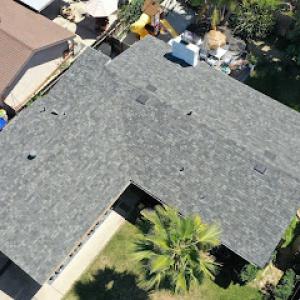
Peak Builders & Roofers of Orange County
(949) 787-2555 www.peakbuildersoc.com
22362 Gilberto suite 220, Rancho Santa Margarita, California
5.0 from 5 reviews
Peak Builders & Roofers of Orange County is your premier choice for top-quality roofing services and exceptional remodeling projects. With a steadfast commitment to excellence, we specialize in providing comprehensive roofing solutions, from new roof installations to thorough roof repairs, ensuring your home is protected and looks stunning. Our expert team also excels in home remodeling, bringing your vision to life with meticulous attention to detail and superior craftsmanship. Whether you're looking to upgrade your kitchen, renovate your bathroom, or undertake a complete home transformation, we deliver results that exceed expectations.
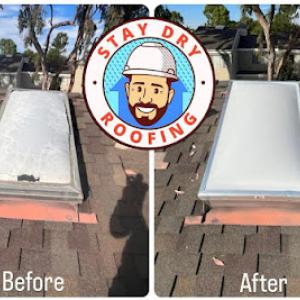
Stay Dry Roofing
(949) 528-7663 staydryroofingmissionviejo.com
Serving
4.5 from 16 reviews
Stay Dry Roofing Company is a 3rd generation roofing company based in Mission Viejo. We are Mission Viejo's local and highly requested roofing team dedicated to protecting your home and business and keeping you Dry during winter. Our skilled team specializes in high-quality roofing solutions from new installations, roof repairs, 24 hour emergency roofing services, Metal Roofs to meticulous repairs and much more. We use only the finest materials, ensuring every project is built to last against the elements. Trust us to deliver professional expertise and a secure, long-lasting roof for your property. (949)-528-7663 (ROOF) Stay Dry Roofing Company License #911019

Forefront Roofing
(800) 702-5032 www.forefrontroofinginc.com
Serving
5.0 from 105 reviews
Forefront Roofing is a family owned and operated roofing company that serves Orange County and Los Angeles. We specialize in residential and commercial roofing services, including new roof installations, roof repairs, and roof replacements. Our team of highly skilled and experienced roofers is dedicated to providing the highest quality workmanship and customer service. At Forefront Roofing, we understand the importance of a safe and reliable roof for your home or business. That's why we use only the highest quality materials and state-of-the-art techniques to ensure that your roof is built to last. Whether you need a small repair or a complete roof replacement, we are committed to providing you with the best possible service.

B.P. Custom Roofing
(949) 390-3627 www.bpcustomroofing.com
Serving
5.0 from 75 reviews
Quality residential roofing company in business since 1992 (License #652641 C-39)
Pacific Roofing Systems
(949) 495-4200 pacificroofingsystems.com
Serving
4.7 from 47 reviews
For over 25 years, Pacific Roofing Systems has been Orange County's trusted roofing expert. Specializing in all roofing types, from classic tile and composite shingles to modern metal and innovative green roofing solutions, they deliver premier roofing services for every need. As a VELUX 5-Star certified installer, Pacific Roofing Systems expertly installs and services the complete VELUX product line for both residential and commercial properties. Experience the difference of superior craftsmanship and dedicated customer service; Pacific Roofing Systems takes pride in using only the best products to exceed your expectations with every project.

South County Roofing
(949) 597-0192 southcountyroofing.com
Serving
4.7 from 27 reviews
South County Roofing is a roof repair–only company located in Lake Forest, California, specializing in tile roof leak repair and tile roof maintenance for homeowners throughout Orange County. We focus on identifying the source of roof leaks and performing permanent, targeted repairs rather than recommending unnecessary roof replacement. Our work commonly addresses leaks caused by localized issues in valleys, skylights, chimneys, roof transitions, and field areas where water is concentrated. Services include professional roof inspections, roof leak detection, broken tile roof repair, flashing repair, and preventive roof maintenance. Our approach is based on experience, clear evaluations, and practical repair solutions tailored to each roof’s

Single Ply Roofing Experts
(949) 966-7819 singleplyroofingexperts.com
Serving
4.3 from 18 reviews
When working with Single Ply Roofing Experts, you know that you are working with a company that is highly advanced in the field of commercial roofing. We have specialized in Single Ply Roofing for nearly 2 decades, so when it comes to the unique challenges and opportunities that this type of roofing presents, you can count on the fact that we’ve got it all figured out! We are a California Licensed Contractor, and possess the proper training and certifications to do the job right, and to do it safely.

OC Custom Roofing
(949) 431-2220 occommercialroofing.com
Serving
5.0 from 7 reviews
TAKE IT TO THE EXPERTS When installing a new roof on your commercial building, you want the best fit for your budget and building needs. There are many roofing companies to call on, but not all roofing companies are the same. OC Custom Roofing has a reputation for designing and installing quality roofs, custom fit for your commercial or industrial buildings. Our roofing experts and installers will answer any questions you may have throughout the roofing project, and will guide you through the process so that you are comfortable and knowledgeable of your new roofing system. Call today and set up an appointment with one of our experienced roofing consultants. You can be sure that you are getting a quality roof installed by a company you ca...
Di Rock GC & Roofing
(949) 545-1976 www.dirockgc.com
Serving
5.0 from 49 reviews
Established in 2010, DiRock General Contracting & Roofing safeguards Orange County homes with expert roof care. Their licensed and insured team offers a complete range of services, from inspections and repairs to replacements. DiRock prioritizes client collaboration and utilizes skilled craftsmanship to ensure your roof's long-lasting protection. Please reach out and make the call!

City Roofing & Maintenance
(949) 500-3980 www.cityroofingandmaintenance.com
Serving
5.0 from 31 reviews
The integrity of your roof, on a personal residence, rental property or business, is vital. Choosing the best roofing contractor should be simple. At City Roofing and Maintenance, (CR&M) our philosophy is also simple: "Your satisfaction is our priority." We ensure our clients a seamless and professional experience regardless of job size, material installation, timeline or price. CR&M clients always feel respected and appreciated.

Rod's Roofing Company
(949) 212-3557 www.roofingsanclementeca.com
Serving
4.7 from 14 reviews
If your roof is in a state of disrepair or looking worn-out, you need a local roofing company you can trust to restore it or replace it. That's where Rod's Roofing Company comes in. We offer professional roof replacement, repair and reroofing services to homeowners throughout San Clemente, CA and the surrounding areas.
The foothill setting of this community means fall wind events can slam over ridges and funnel into valleys, shaking tile-heavy roofs and squeezing flashing gaps. Minor movement you barely notice during summer heat can become active leaks once winter storms arrive. Tiles can lift, shift, or crack in sustained gusts, and flashing at chimneys, vents, and transitions can loosen just enough to channel rainwater into the attic or ceiling spaces. When a wind event hits, don't assume the roof is fine simply because there's no obvious water stain-hidden movement can become a deluge with the first meaningful rain after a dry spell.
Offshore wind patterns drive debris toward ridgelines and roof-to-wall transitions. A stray branch, palm frond, or shingle fragment can pierce the envelope at a weak point, especially where tile edges meet parapets or valleys. In the saddleback terrain, debris can ride along the slope and press against roof edges, pushing against seals and allowing water to intrude behind the tiles. Pay particular attention to areas where tiles butt against vent pipes, skylights, and chimney flashing; these are common risk points when wind is driving debris at high speed.
Leaks often reveal themselves during the first meaningful rain after a long dry spell, as summer damage hides under heat-soaked membranes and underlayment. If a storm arrives with a gusty punch and the rain starts, act quickly: a sudden drip within an interior corner or along a ceiling seam warrants an emergency response approach. Do not wait for widespread staining to escalate. If you notice a damp spot that expands after each hour, set up a temporary protective plan-panels, tarps, or plastic sheeting-over the affected area while arranging a professional inspection. In these foothill neighborhoods, delays in addressing even small leaks can let water travel along roof planes and facility joints, turning a minor incident into significant damage.
Before the next anticipated Santa Ana wind event, walk the roof edge and transitions with a flashlight on a clear day. Check for loose tiles, cracked flashing, and any gaps where tiles meet the wall or chimney. Ensure valley metal is intact and free of debris. Clear the roof-to-wall interface of leaves and branches that a gusty day could drive into vulnerable seams. If you notice any movement, looseness, or water staining during a dry spell, schedule a professional assessment promptly and arrange temporary mitigation while waiting for a full repair. In this climate, fast recognition and swift action are the difference between a quick fix and a costly, lasting leak.
When you can't wait, these contractors offer fast response times to stop leaks and prevent further damage.

If you're budgeting for a roof in this hillside community, expect clear material differences. Asphalt shingles run roughly 420 to 750 USD per square, a solid option if you're balancing upfront cost with heat resistance and relatively quick installs. Metal roofs sit higher, at about 800 to 1500 per square, often chosen for durability against Santa Ana winds and radiant heat. Clay tile projects typically land between 1200 and 3000 per square, with concrete tile slightly lower at 1100 to 2400 per square. For a rustic or traditional look, wood shingles or shakes span 900 to 1900 per square. If you're exploring modern or lower-maintenance alternatives, synthetic or composite shingles fall between 500 and 1100 per square. These ranges reflect a local mix of labor, coating systems, and fastener choices that matter on steeper, sun-scorched roof planes.
This market tends to lean toward tile-heavy housing. When projects require replacing broken tiles, more underlayment work, or careful staging rather than a simple overlay, costs can push higher. The emphasis in Rancho Santa Margarita on hillside views and durable finishes means crews often pre-order replacement tiles to match the original profile and color. If your home has curved or Spanish-influenced shapes, plan for additional labor in tile matching and layout, which can elevate both material and installation fees compared to a straightforward reroof.
Seasonal demand spikes before winter rains and during spring scheduling windows can affect labor availability and project timing. If you're aiming to avoid delays, factor in a small premium for peak-season crews and plan a window where crews can secure material deliveries without competing with the bigger, statewide rushes. For tile projects, especially clay or concrete, lead times on specialty profiles can lengthen during spring, so you may see longer-than-typical fixtures between teardown and reinstallation. In practice, a well-structured plan that aligns with shoulder seasons often yields steadier scheduling, steadier subcontractor availability, and fewer weather-induced hiccups.
The most popular roofing material in the US. Find pros who install, repair, and replace asphalt shingles.
Peak Builders & Roofers of Orange County
(949) 787-2555 www.peakbuildersoc.com
22362 Gilberto suite 220, Rancho Santa Margarita, California
5.0 from 5 reviews
A full reroof in this area typically requires a permit issued by the City of Rancho Santa Margarita Building & Safety. That permit signals to local inspectors that the project will meet the community's hillside construction standards, wildfire-safety expectations, and climate-specific roofing needs. Before any nail is driven, make sure the project is registered with the city and that the contractor is licensed and insured to perform work within the city limits. The permitting process helps ensure that the chosen roofing assembly works with the neighborhood's drainage patterns, ventilation, and fire clearance requirements that are common in master-planned hillside areas.
The city expects plan details that address the roofing assembly, venting, and compliance with local code requirements before approval. When preparing the plan set, include a clear roof assembly diagram that shows underlayment, flashing, and any transitions around chimneys, skylights, and vent stacks. Venting is particularly important in hot Santa Ana-prone conditions, so specify soffit, ridge, and crawlspace or attic ventilation strategies and their calculated rates. Materials should be described with type, underlayment, and attachment method, ensuring compatibility with the existing roof deck and the slope typical of hillside lots in this region. If there are open spaces nearby or in the vicinity, indicate how the reroof design maintains fire clearance and ember resistance as required by code. Submittals must demonstrate compliance with energy and moisture management standards that align with local expectations for winter rain exposure and heat.
Inspections occur during and after installation, and the final inspection is required to close the permit. Plan for at least one mid-project inspection to verify proper nailing patterns, flashing details, and vent connections. The final inspection confirms that the roof system functions as designed under typical Santa Ana wind events and winter rainfall, and that all penetrations and transitions meet code. Be prepared with approved plans on site, permit number visible on the job, and access for the inspector to the entire roof and attic or crawlspace area. If adjustments are needed, address them promptly to keep the project on track and ensure a clean permit closure.
Rancho Santa Margarita homeowners face insurers pulling back and tightening underwriting, a trend that has sharpened in wildfire-prone open spaces surrounding hillside neighborhoods. Even solid roofs face closer scrutiny, and carriers increasingly favor homes with recent upgrades, well-documented maintenance, and clearer risk narratives. In this market, a roof's age and material type matter more than ever, because the insurer's risk picture hinges on long-term performance under Santa Ana winds, intense sun, and episodic winter rain.
With tighter moves from carriers, detailed photo documentation matters. A handful of recent claims show decisions driven by the clarity of condition records, not just the visible damage. You should keep a chronological library: pre-loss condition, post-storm photos, and notes on any seasonal maintenance. If your roof is tile-heavy, capture close-ups of any cracked or displaced tiles, fastener exposure, and flashing integrity. This is not about perfection, but about building a transparent narrative that explains how the system has held up in heat, rain, and wind.
Claim timelines can be less predictable, so you must document wind damage, leak entry points, and pre-loss roof condition as soon as you notice trouble. A quick map of vent stacks, valleys, and exterior gaps helps when assessing wind-driven leaks. Keep repair receipts and contractor notes organized, because insurers will look for a clear trail from initial observation to completed fixes. In this climate, one overlooked pinhole or missing shingle edge can complicate a claim for months, increasing the back-and-forth before a resolution.
Connect with contractors who help homeowners navigate the claims process from damage assessment to final approval.

Purpose Roofing & Waterproofing
(949) 409-5450 www.purposeroofs.com
23091 Antonio Pkwy Suite 335, Rancho Santa Margarita, California
4.4 from 23 reviews

Top-Notch Roofing
2 Vía Compania #2, Rancho Santa Margarita, California
4.8 from 5 reviews
In Rancho Santa Margarita's sunny inland Orange County climate, roof penetrations tied to solar and skylights deserve extra attention because summer heat and UV exposure accelerate sealant aging. When planning or inspecting, check every flashing juncture around mounted solar modules and skylight housings for signs of aging or micro-cracking in sealants. The heat can makeExisting sealants brittle and reduce adhesion to underlayment over time.
Tile roofs common in the city require careful flashing and tile fitment around penetrations to avoid hidden leak paths under the field tiles. Ensure flashing channels are continuous and properly lapped beneath the tiles, not just perched on top. Loose or poorly seated tiles near penetrations create damp pockets that can imitate a leak long after a rainfall. Use matching tile spacers to maintain uniform gaps and allow thermal movement without cracking.
When reroofing, homeowners should coordinate any existing rooftop solar attachments with the roof scope so underlayment and flashing work are not interrupted. Pre-plan the layout with the installer to verify that racking, conduits, and penetrations align with flashing kits. A clean handoff between solar mounting work and roof flashing prevents edge wear on underlayment and reduces the risk of future leaks around fasteners.
Set a seasonal inspection cadence focused on penetrations. After the first heavy storm, inspect skylight seals and solar wiring entries for any displacement or sealant fatigue. In late spring, check heat-exposed flashing for surface-melt marks or softening of bitumen-based components. For tile installations, test each nearby tile for proper seating to catch micro-movement early before it translates into a leak path.
If you notice bubbling sealant or loose tiles near a penetration, address it promptly rather than waiting for a rain event. Replace aging sealant with a UV-stable, color-matched product designed for vertical and slope applications. When resealing, remove old material fully, clean surfaces, and re-bed tiles to maintain the field's integrity against wind-driven Santa Ana gusts.
Find contractors who integrate solar panels or solar shingles into your roof for long-term energy savings.



Although steep visible tile roofs define much of Rancho Santa Margarita, some homes and attached structures still include low-slope sections that fail differently from the main roof. These transitions are commonly found where patio covers tie into the house, at additions, or along porches and garages that use flatter membranes. The unique Santa Ana wind exposure, mixed with winter rains, makes these areas a frequent source of leak paths if not checked.
Water can pond or back up where low-slope membranes meet tile edges and wall flashings. In practice, that means you should look for standing water after a rain, unusual damp spots on interior ceilings near these transitions, and any signs of membrane aging or punctures at seam lines. Tile alone cannot shed water in the same way as a full-slope roof, so membrane integrity matters more in these zones.
Start with the obvious: walk along the low-slope sections after a rain or with a flashlight and note any pooling, edge lift, or missing sealant at seams. Check the interface where the membrane meets wall flashings for looseness or gaps, and verify that flashings extend far enough behind any tile edge to redirect water away from the wall. Inspect transitions to attached patios and covers for hairline cracks or blistering on the membrane. If there are trees nearby, prune branches that shade or deposit debris on the membrane, as buildup can trap moisture.
Clean debris from the low-slope surface regularly, then reseal exposed edges and flashings as preventive care. Repatch or replace damaged membrane sections promptly, especially at the joints with wall flashings or where the membrane meets tile. Schedule a targeted inspection after heavy winter storms or gusty Santa Ana events when wind-driven rain can exploit small vulnerabilities.
Homeowners should inspect patio covers, additions, and other secondary roof areas separately instead of assuming the main tile roof condition tells the whole story. These zones often escape routine roof checks but carry the same risk of hidden leaks if left unchecked.
Find specialists in TPO, EPDM, and built-up flat roofing systems for residential and commercial properties.
Top-Notch Roofing
2 Vía Compania #2, Rancho Santa Margarita, California
4.8 from 5 reviews
In this hillside community, reroofing projects often hinge on preserving the visible tile while upgrading the waterproofing layers beneath. A solid proposal should clearly separate tile reset, underlayment replacement, flashing work, and cleanup as distinct line items. If any of these sections are bundled together or left vague, you risk gaps in coverage and disputes later when work shifts from cosmetic tile replacement to the critical waterproofing layer beneath.
Warranty language matters locally because many projects combine tile work with waterproofing repair. Look for language that specifies what happens if a tile mismatch or cracked tile occurs after the job, and whether the warranty covers tile reinstallation as well as the underlying underlayment and flashing failures. In this market, problems often emerge where the visible tile looks fine but water paths were never fully addressed, so the warranty should trace responsibility from tile up through the flashing and valley details.
Tile-heavy roofs in Santa Ana wind seasons and winter rains demand robust flashing and underlayment work. Ensure the scope explicitly covers flashing at all penetrations, valley flashings, chimney and vent terminations, and proper drip edge treatment. A strong warranty will not merely promise durability for tile aesthetics; it commits to the integrity of the layers that actually stop leaks during heavy rain and windy conditions.
Cleanup is a meaningful hiring priority in this market, especially in dense planned neighborhoods where debris control and driveway protection affect the homeowner experience. The warranty discussion should include cleanup responsibilities, insurance-backed protection for driveway surfaces, and protection plans for landscaping and exterior surfaces during tile handling, transport, and installation. If the claim is vague on debris containment, reconsider the value of the proposal.