
Last updated: Apr 19, 2026
In this area, the wet-winter schedule can stall a roof replacement from start to finish. Tear-off, dry-in, and inspection sequencing all slow down when rain is in the forecast or lingering on the ground. The common rhythm is to push major roof work into late spring through early fall, when dry days are more predictable and the project can progress without unexpected rain delays. If a project must begin in late winter or early spring, expect shorter windows for each stage and prepare for potential delays that ripple through the schedule. Your contractor should map out a realistic sequence that carves out enough dry, wind-free days for felt or underlayment installation and the first rounds of flashing without material exposure to moisture.
The Bay Area's microclimate shows a clear east-west gradient. Homes closer to the Bay and the marsh influence on the east side can experience more persistent morning moisture, while neighborhoods farther west tend to dry out faster after a night fog. This matters for underlayment, sealants, and any adhesive components. If your roof is slated for underlayment or sealant installation, plan for longer cure times on mornings when dew is heavy or when a marine layer lingers. Scheduling early work on days with a forecast for mid-day drying can help products set properly and reduce the risk of moisture-related setbacks. For a roof with large, flat sections or low-slope areas, that slower drying can meaningfully affect the speed of progress, so be prepared for a slightly slower cadence on those sites.
A typical Menlo Park street features mature trees and substantial shade over many homes. The resulting dampness on roof surfaces can extend into the afternoon, especially after a light drizzle or fog. This dampness can prolong curing times for sealants, mastics, and some foam or self-adhered layers. When planning the sequence, choose a dry window for any moisture-sensitive steps, such as applying moisture-curing coatings or setting metal flashing with sealant beds. If the forecast shows stacked days of cloudy weather, you may encounter longer-than-expected cure times, which in turn shifts the cadence of inspections and subsequent phases of the project. Prepare for a modest slip in the timeline if many shaded days appear back-to-back.
Tree cover and shaded lots contribute to persistent surface dampness that can encourage moss and algae on certain materials. In neighborhoods with heavier moss pressure, asphalt shingles and synthetic options may benefit from an earlier treatment window to address surface cleanliness before installation and to ensure long-term performance. For tile or slate, drying and curing can be more sensitive to surface moisture, making careful sequencing essential. If your roof has a history of moss, a proactive plan that includes surface cleaning and moss-control steps in the days leading up to installation can help avoid later maintenance complications. The timing of these steps should align with dry spells to prevent recontamination of the roof deck.
Coordinate with a contractor who provides a progressive timeline that respects seasonal constraints. Ask for a staged plan that prioritizes weather windows and clearly marks dry-in milestones. Keep a close eye on forecasts, especially in late winter and early spring when a single storm can reset progress. For homes with east-side moisture exposure, consider scheduling the most moisture-sensitive tasks for mid-morning to early afternoon, when dew has largely dissipated. If the forecast shows a string of dry days, you'll gain momentum, but be prepared for a potential crowded calendar as contractors try to capitalize on the stretch of favorable weather. Communicate in advance about any fog risks, as coastal fog can reduce daily working hours and affect the handling of underlayment and sealants in the early morning hours.
Typical local projects face a twin constraint: Bay Area weather and permit-related pacing. Although permits and approvals lie outside this section, the practical impact is that the timing you aim for should maximize the long, dry stretch available in late spring through early fall. If your street is particularly shaded or has towering trees nearby, you can expect a modestly longer drying phase between stages. In planning, balance the desire for a rapid replacement with the reality of damp mornings, fog, and the seasonal lull that follows a wet winter. By aligning stages with this seasonal pattern, a replacement can stay on track without compromising the long-term performance of your chosen roof system.
Menlo Park hosts mid-century housing patterns shared with the Peninsula, where low-slope rooflines demand different drainage, flashing, and membrane details than steeper shingle roofs. This isn't just a matter of style; it changes how water travels across a roof, where it tends to pond, and how edges and transitions behave over time. The subtle slope you see on Eichler-era homes can hide vulnerabilities that only show up after a few seasons of wet winters and dense fog. Understanding that nuance is the first step toward avoiding quiet, persistent leaks.
Low-slope roofs are less forgiving during winter rain events. Ponding water, edge flashing errors, and penetrations can produce leaks that are harder to trace. In practice, that means small misalignments or overlooked membrane laps can become noticeable only after a series of storms, when moisture migrates toward interior joints and fascia. If water sits or travels along a membrane seam, the result can be more than a damp attic-rotted sheathing, stained ceilings, and accelerated wear around ridges and parapets. In neighborhoods with mixed-age construction, you'll especially notice that the older portions of a roof may be well past their planned life for a low-slope system, making the risk of hidden failures higher.
Homes with added skylights, solar, or later mechanical penetrations on originally simple rooflines often develop leak points at transitions and curbs. The moment a new feature is introduced, the roofface becomes a small plumbing network where moisture can become trapped or misdirected. In Menlo Park's damp winters, even a well-sealed transition can exhibit micro-leaks that only reveal themselves after a stretch of wet weather. Pay particular attention to where membranes meet curbs, chimneys, vents, and perimeters of skylights; those junctions are the most likely sources of trouble if a roof is not documented with precision.
During or after heavy rain, look for dark streaks or damp spots along the roof edge and near transitions, especially where curb flashings meet the membrane. Inspect for irregular ponding areas that sit longer than a short drizzle, and note any edge flashing that appears lifted or wrinkled. If you detect a stain that travels along a seam or penetrates a joint near a skylight or solar array, treat it as a red flag. In slip-prone, fog-rich environments, even small changes in roof geometry-such as added vents or patched sections-deserve careful review by a contractor who understands low-slope zone behavior.
When considering any roof work, acknowledge the complex relationship between winter rain, fog exposure, and the aging of low-slope membranes. A conservative approach favors precise detail in flashing, proper seam detailing, and thoughtful channeling of water away from transitions. If a project touches any corner or edge where older materials meet new additions, insist on comprehensive testing and a written plan for cure, rather than relying on surface repairs that might only mask a deeper issue.
Find specialists in TPO, EPDM, and built-up flat roofing systems for residential and commercial properties.
Bay View Roofing
(408) 705-0059 www.bayviewroofinginc.com
Menlo Park, California
5.0 from 27 reviews
Tile roofs are a defining feature of the higher-end neighborhoods with Mediterranean and Spanish influence, and in West Menlo Park you'll see how clay and concrete tiles shape maintenance decisions. The local climate-wet winters, fog, and coastal air-means that underlayment age and moisture management often drive a reroof plan more than tile wear alone. When you're evaluating a replacement, start with the underlayment, ventilation, and flashing system, since these elements determine long-term performance after a tile roof is installed.
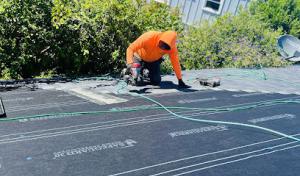
The region's winter weather affects the timing and sequencing of work. Because heavy rains can linger, the work window for replacing or resealing underlayment should align with the dry spells between storms. In practice, this means sequencing the project to allow for gutter and valley drainage adjustments before the first wet front, then completing flashing and membrane work prior to tile installation. Fog and humidity aren't just comfort concerns; they influence curing times for underlayment sealants and can complicate adhesive and fastener performance on cooler, damp days. If you're in the middle of a rainier stretch, you'll likely push fastener-driven details to sunnier days and concentrate on non-penetrating tasks like temporary weather protection until the forecast improves.
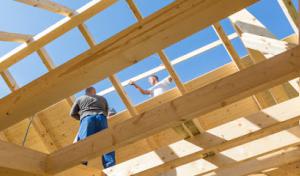
Tile roofs demand attention to structural support, especially in houses with older framing or lighter roof decks. Heavy tile systems can reveal or amplify issues you don't see with lighter asphalt. Before replacement, verify that the roof structure, deck, and anchorage are able to handle the added weight and dynamic loads. Multiple layers, including accent features and parapets, require careful integration with the new flashing and edge details. Matching accessory components-hip caps, ridge tiles, and fascia-becomes a planning exercise rather than a simple swap. If the house has a history of movement or settlement, the installation sequence should include a contingency for adjusting support members and re-nailing as needed to maintain a watertight, visually cohesive look.
In established Peninsula neighborhoods, color matching for clay and concrete tile can be tricky, and you'll notice that some pieces have aged to vary in shade. Color consistency matters for the overall curb appeal, so plan ahead for potential tile substitutions that blend with the remaining field tiles. Valley and eave details are particularly conspicuous from the street, making flashing integration and edge treatments more critical. Expect careful field assessment of individual tiles for micro-cracks or glaze wear; brittle pieces can fracture during removal, so you'll want to set aside time for selective replacement while maintaining the roof's pattern and rhythm. A clear plan for tile salvage or controlled reuse helps maintain the character of the home while ensuring a durable, watertight result.
Find contractors who specialize in clay and concrete tile roofs, known for their durability and curb appeal.
Bay View Roofing
(408) 705-0059 www.bayviewroofinginc.com
Menlo Park, California
5.0 from 27 reviews
The narrow Bay-side microclimate creates a steady cycle of fog, dew, and winter wetting that you can feel on every ridge line and eave. Shaded roofs and mature tree canopy around many homes tend to stay damper longer, which can promote staining and biological growth on roofs that stay wet. In these conditions, material choice matters not only for longevity but for how the roof ages visually under recurring moist exposure. The balance between dry, sunlit elevations and the shaded zones around your property will guide how you prioritize drainage details, venting, and surface finish.
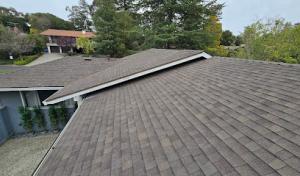
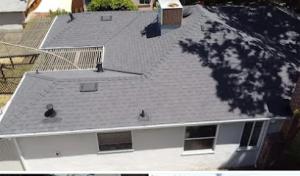
Asphalt shingles remain a practical choice for many homes with simpler rooflines or Eichler-era footprints, where a straightforward replacement aligns with existing geometry. In shaded or moisture-prone areas, expect faster staining or algae growth on darker shingles, and plan for periodic cleaning or gentle biocidal treatment to keep surfaces looking even. Color selection can influence heat absorption on the north-facing or fog-wet exposures, so consider lighter tones where dew lingers longer after a foggy morning.
Metal roofing offers strong performance during dry summers and rapid shedding of rain when storms roll in. The key here is detailing for expansion and penetrations, especially on homes not originally designed for metal. In a Bay Area climate, detail the intersections at chimneys, skylights, and transitions to wall planes to minimize creaking and potential leaks. Noise can be a factor on older, lighter structures; if architectural style and interior acoustics rely on a quiet ceiling, plan for solid underlayment or sound-dampening strategies to keep rain impact from becoming intrusive.
Synthetic shingles, slate, and clay or concrete tile are often evaluated for two things: how well they fit Peninsula aesthetics and how they manage recurring dew and winter wetting cycles. Tile options introduce heavier loads and require roof structures to bear that weight, while slate brings a refined look and excellent longevity in exposed, sun-drenched sections but can be brittle under rapid temperature shifts. All three families respond differently to prolonged dampness: texture and porosity influence staining, moss, and micro-cracking risk. For lighter, moisture-tolerant performance with a classic look, synthetic options may deliver a balanced profile.
Regardless of material, bay-side moisture demands a proactive maintenance rhythm. Schedule regular inspections after wet seasons, focusing on flashings, edge details, and any eaves where dew collects. Proper ventilation, ridge venting where appropriate, and a carefully designed drip edge help control moisture ingress and surface wear. Your roof choice should align with the home's architecture, the exposure pattern across different roof planes, and the preference for how quickly and evenly the surface dries after fog events.
The most popular roofing material in the US. Find pros who install, repair, and replace asphalt shingles.
Bay View Roofing
(408) 705-0059 www.bayviewroofinginc.com
Menlo Park, California
5.0 from 27 reviews
Use these local ranges per square: Asphalt Shingles 400 to 650, Metal Roofing 650 to 1100, Clay Tile 900 to 1500, Concrete Tile 850 to 1400, Synthetic/Composite Shingles 600 to 1000, and Slate 1200 to 1800. These figures reflect the Peninsula-edge pricing seen with crews that handle tight residential streets, street parking limitations, and the frequent presence of skylights, chimneys, and solar equipment. In practice, the cheapest option often gets pulled up by logistics and detail work, while premium systems tolerate higher entry costs but deliver longer life or a closer architectural match.
Costs in this market are frequently pushed up by Peninsula labor pricing, tear-off logistics on narrow streets, and the complexity of working around skylights, chimneys, and solar equipment. When a roof has multiple penetrations or requires special sequencing to protect large trees and limited access points, expect a longer workday and additional protective measures. If the home sits on a cul-de-sac or a lot with limited staging, crews may need to coordinate material drops and waste removal more carefully, which can nudge the price upward. These factors also translate into tighter schedules and the need for meticulous cleanup to avoid blocking driveways or triggering neighborhood HOA concerns.
Tile and other premium systems can cost more here because many homes have architectural styles and neighborhood expectations that favor appearance matching and higher-detail flashing work. Clay, concrete, and slate options often require careful color-matching of flashing, precise ridge detailing, and specialized fasteners for local weather cycles. If the home has a historic look or clay-tile neighbor context, installers may allocate extra time to achieve uniform lines and a seamless transition at edges and valleys. In such cases, the added cost is typically tied to materials compatibility, flashing finesse, and drillings around curved or complex roof lines rather than sheer material price alone.
Get a clear picture of your project costs upfront - no commitment required.
Bay View Roofing
(408) 705-0059 www.bayviewroofinginc.com
Menlo Park, California
5.0 from 27 reviews
28 yrs experience, dependable, honest, informative, skilled.
Dura-Foam Roofing & Solar Center
1185 O'Brien Dr, Menlo Park, California
4.8 from 82 reviews
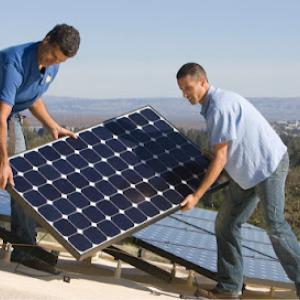
Dura-Foam Solar Center – Expert Foam Roofing, Solar Roofing & Coating Services in Menlo Park Dura-Foam Solar Center has proudly served Menlo Park and the Bay Area since 1981, specializing in high-quality foam roofing, shingle roof coatings, solar roofing installations, and power washing services. With over 20,000 satisfied customers, we combine decades of experience with the latest energy-efficient technologies to protect and enhance residential and commercial properties. Our team is committed to delivering durable, cost-effective roofing solutions and exceptional customer service from our longstanding location near the Dumbarton Bridge. Trust Dura-Foam for reliable roofing and sustainable energy upgrades tailored to your needs. Call Now!

NR Roofing
(669) 345-4555 www.nrroofingca.com
Serving
4.9 from 155 reviews
NR Roofing CA is your trusted local roofing company in San Jose, California, offering expert repair, installation, and maintenance services for all types of roofs. Whether you need a quick roof repair or a complete new roof installation, NR’ team of professionals is ready to assist you today. With a rich legacy of providing exceptional roofing services across San Jose and Santa Clara County, NR Roofing CA has built a reputation for reliability, quality, and customer satisfaction that you can count on. NR Roofing offers all roofing services: New Roof installation and Roof Repair service, for commercial and residential properties in the Bay Area. We offer free quotes on roofing projects and welcome you to contact us for free consultation.

Palo Alto Roofing Inc. #548166
(650) 222-2800 paloaltoroofing.info
Serving
5.0 from 5 reviews
Serving the Palo Alto Alto area and San Francisco Peninsula Palo Alto Roofing has been providing quality re-roofs and repairs to Palo Alto and the surrounding areas since 1980. We are a family owned business and have grown in our community for the last three decades. We look forward to serving new and return customers for all the necessary roofing needs - both residential and commercial.
Sersiv Roofing Corporation
Serving
4.9 from 13 reviews
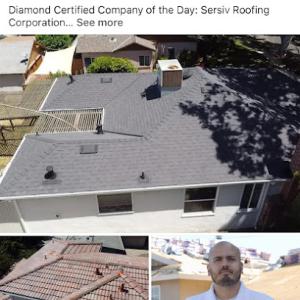
Protect your largest investment with our reliable roofing services. We are a locally owned and operated roofing company currently serving Sunnyvale, CA and surrounding communities. If you want to make your roof last as long as possible, it is vital that you never put off a roof repair. Small issues with roofing become big issues in a hurry. No matter how major or minor the repair you need, we are here to help. We offer roof installation, roof repair, and roofing service. -Repairs -Wood Shake Installation - Tile Roof Installation -TPO System Installation -PVC System Installation -Commercial Roofing - Maintenance -Gutter Replacement -Asphalt Shingle - Re-Roofing -Water Leak Repairs - Overlay Roofing
EM Roofing
(650) 363-8388 www.emroofing1.com
Menlo Park, California
5.0 from 1 review
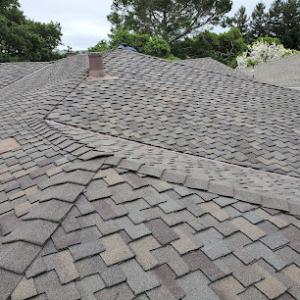
EM Roofing is a small family business that has been run by Eduardo Montoya for 25 years. We take pride in working on almost all types of roofs including; Shingle, IB Roofing Systems, Tile, and Metal Roofs.
Alexander Roofing
(650) 454-6718 www.alexanderoofing.com
Serving
5.0 from 19 reviews
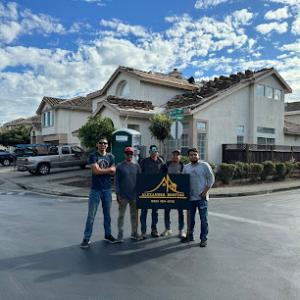
When it comes to safeguarding your home, don't compromise on quality! At Alexander Roofing, we specialize in providing roofing services tailored to meet your needs. Our skilled team is committed to delivering exceptional craftsmanship and outstanding customer service. We offer Roof Installation, Roof Repair, Roof Inspections, Roof Tune-Up, Gutter and Downspouts Installation and Repair etc...

Flawless Roof Repair & Installation
(650) 900-0052 www.roofrepairpaloalto.com
Serving
5.0 from 38 reviews
As a local roofing contractor in Palo Alto California, who have been servicing roofs in Palo Alto CA since 2012, we believe that there is such thing as a roof repair that is too big or too small. Whether you need a minor leaking repair, or complete roof replacement, we can help. We have the tools, the knowledge and the experience to service any roof in Palo Alto. Just as we do in all our roofing projects, Our experts take a personalized approach to your roofing project to ensure the best possible solution and a worry-free experience
RC Roofing Experts - Any Roof Repair & Installation
(650) 789-5040 roofrepairredwoodcity.com
Serving
4.9 from 33 reviews
Welcome to RC Roofing Experts - Any Roof Repair & Installation. Finding the right roof contractor can make the difference between a roof repair and installation that will go smoothly and you will get exactly what you paid for, and a project that can end with frustration and that will leave you without the roof you hoped for. At RC Roofing Experts we are commented to 100% satisfaction for every roof project we accept.
Shelton Roofing
(650) 961-7699 sheltonroof.com
Serving
4.8 from 109 reviews
Shelton Roofing has proudly served Mountain View and the surrounding San Francisco Bay Area since 1942. Family-owned and operated for over 80 years, we have built a trusted reputation for excellence in roofing. Our goal is to provide every customer with the best products and services available in the roofing industry, ensuring each project is completed with quality workmanship, on time, on budget, and with the highest regard for safety. With thousands of roofs installed over the decades, Shelton Roofing continues to uphold its legacy of reliability, craftsmanship, and customer satisfaction in every job we take on.
Andes Roofing
(650) 995-3565 www.andesroofingcorp.com
Serving
5.0 from 15 reviews
Andes Roofing- roofing contractor LIC#1098858, based in Redwood City and serving the peninsula and wider Bay Area.I specialize in all types of residential roofing. I look forward to connecting with you as your local roofer.

Above All Roofing Services
(650) 622-9780 www.aboveallroofingservices.com
Serving
5.0 from 15 reviews
As certified roofing experts, we take pride in the work we do, and as Bay Area residents, we take pride in the community we serve. To us, you're more than just a customer, you're our neighbor, and we'll provide you with personal and professional service you won't get anywhere else.
A full roof replacement in Menlo Park requires a permit through the City of Menlo Park Building Division. Before any shingles hit, you'll need a permit application that outlines the roofing material, the scope of tear-off, and any structural or venting changes. The permit process helps ensure the project aligns with local codes, especially when the roof assembly includes clay or concrete tiles common in this area. Have your contractor submit plans or a detailed scope, and be prepared for a short waiting period while the plans are routed for review.
The city typically inspects at tear-off or underlayment stage and again at final to verify roofing material, flashing, and installation compliance. The tear-off/underlayment check confirms that old material is removed to a clean, dry substrate and that the underlayment is correctly installed for Menlo Park's foggy, damp winters. The final inspection confirms that the chosen roofing system, flashing details around chimneys and vents, and roof penetrations meet code and permit specifications. Plan for both inspections to occur during typical work hours, and ensure access for the inspector to areas like attic space and roof edges.
Plan review timing can vary with backlog, and some projects may trigger additional plan checks depending on scope or roof assembly changes. If you're switching to heavier tile or modifying ventilation or skylight layouts, expect extra scrutiny. Stay in close contact with the permitting office and your contractor, and be ready to provide product data, wind uplift details, and installation manuals as requested.
Bay Area storms bring wind-driven rain that finds its way through weak points in older or nonstandard roofing. This isn't a severe hail market, but winter weather still yields leak claims, and success hinges on solid photo evidence and accurate material identification. When a leak shows up after a nor'easter or a windy front, you'll want to document not just the drip, but the roof surface in contact with it-shingle or tile type, color changes on decking, and any visible damage to flashing or drip edge. In neighborhoods with Eichler-era low-slope roofs or heavier tile setups west of El Camino Real, those details matter more than you might expect.
Bay Area insurers have adjusted underwriting and pricing in recent years, so homeowners may weigh replacement timing against changing coverage terms and renewal uncertainty. The timing of your claim can influence how an adjuster views preexisting conditions versus storm-driven damage. Clear documentation helps delineate what happened during the storm versus what predated it. If you've had a string of wet winters, streamlining communication with the insurer early in the process can prevent misunderstandings when notes are compared across multiple storms.
Detailed records of wet insulation, stained ceilings, displaced flashing, and manufacturer information can matter when adjusters review Peninsula storm-loss claims. Take wide shots of the entire roof plane and close-ups of damaged flashing, improper shingle or tile laps, and any granule loss on asphalt or synthetic shingles. Keep an inventory of roof age, the visible roofing type, and any recently installed patches. If a label on a shingle or tile shows a specific product name or batch, photograph that too. These details help separate wind-driven moisture from slow leaks that started in a prior season.
Begin with a temporary, weather-tight seal to prevent further interior damage, but avoid creating new interior or exterior issues that could confuse the claim. Schedule a prompt, professional roof inspection to verify the extent of damage and to identify underlayment or decking exposure that may require attention. When you gather evidence, organize it by date, storm name (if applicable), and the roof area affected. This organization can accelerate the adjuster's review and support your case if coverage terms are disputed as renewal terms shift.
Connect with contractors who help homeowners navigate the claims process from damage assessment to final approval.
Dura-Foam Roofing & Solar Center
1185 O'Brien Dr, Menlo Park, California
4.8 from 82 reviews

Flawless Roof Repair & Installation
(650) 900-0052 www.roofrepairpaloalto.com
Serving
5.0 from 38 reviews