
Last updated: Apr 19, 2026
Tile roofs in this area reflect a coastal character: clay and concrete tile dominate, perched on hillsides with ocean views and salty breezes. The key dynamic here is aging underlayment beneath reusable tiles. In many homes, replacement decisions hinge on the condition of the underlayment rather than a handful of cracked tiles on the surface. The salt air doesn't stop at the exterior tiles; it travels to the interior layers, accelerating wear where wind-driven moisture can seep past the surface. In practice, that means you'll want to think about the entire roof system-tile, underlayment, flashing, fasteners, and any metal accessories-together, not as isolated pieces.
San Clemente's architectural flavor leans on clay and concrete tile, a choice that suits the climate but also compounds age-related issues. Clay and concrete tile themselves can be durable, but their weight and long service life depend on secure attachment and a resilient underlayment. As tiles age, some may be re-use candidates, but the more critical decision point becomes whether the underlayment has degraded enough to require replacement before retiling. Wet-season cycles and winter rain can reveal soft spots under the surface faster than visible tile damage would imply. Because coastal conditions stress the system, you'll often find that a restoration project focuses on reinstalling a robust underlayment assembly rather than simply replacing broken field tiles.
Salt air accelerates corrosion on flashings, fasteners, and metal accessories. In exposed coastal zones where roofs meet ocean spray and gusty marine winds, fasteners can corrode sooner than homeowners expect. On older roofs, corrosion can compromise the seal at hips, valleys, and terminations, inviting leaks even when the visible tiles look intact. If you're evaluating a roof, prioritize inspecting metal components: ridge caps, flashing at chimneys and skylines, and any edge metal. The right choices-corrosion-resistant alloys, properly sealed joints, and compatible flashing materials-can dramatically extend the life of the entire system. In practice, expect to refresh or upgrade metal work when you notice staining, looseness, or kinetic movement at seams, especially near the water's edge or on bluff-adjacent elevations.
Santa Ana wind events bring powerful uplifts to exposed slopes and ridges. On homes perched above the shoreline or set on bluff lines, uplift forces can pry tiles and components loose if the fasteners or underlayment aren't up to the task. The risk isn't only about tiles popping; it's about the system's ability to stay watertight under repeated gusts. If your roof sits on an exposed hillside or ridge, you should plan for more frequent inspections after high-wind periods. Look for loose tiles, unusual rocking, or shifting at the eaves and hips, and treat any wind-driven movement as a sign to re-evaluate fastening, underlayment condition, and overall roof assembly.
Begin with a careful walkaround after each storm or high-wind event, paying close attention to the perimeter and eaves where salt spray tends to collect. Inspect flashing at all penetrations-pipes, vents, chimneys-and test for loose or corroded fasteners. When tiles are removed for underlayment access, replace with a corrosion-resistant fastener package and a modern, coastal-appropriate underlayment. If an inspection reveals any signs of rust, significant wear, or moisture intrusion, treat the underlayment and metal components as a priority. For exposed hillside homes, schedule targeted checks on ridge cap and hip areas where uplift forces concentrate. In San Clemente, proactive care-focusing on underlayment integrity and corrosion-resistant metal detailing-yields the most durable results for tile roofs facing salt air and Santa Ana winds.
Find contractors who specialize in clay and concrete tile roofs, known for their durability and curb appeal.
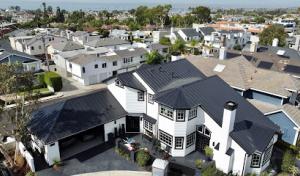
J L Ray
1447 N El Camino Real, San Clemente, California
4.7 from 120 reviews
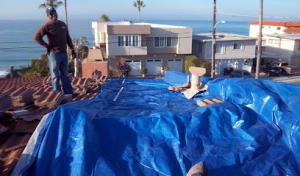
Atkins Roofing, Best Orange County Roofing Contractor
(949) 456-0777 www.atkinsroofing.com
San Clemente, California
4.8 from 5 reviews
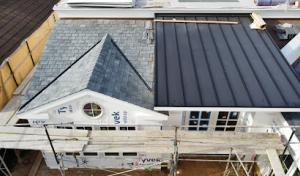
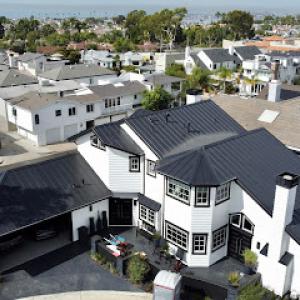
J L Ray
1447 N El Camino Real, San Clemente, California
4.7 from 120 reviews
J.L. Ray has been a professional roofing contractor in San Clemente since 1989. We can reroof, restore, fix virtually any roof type for residential homeowners, commercial businesses and even work with planned developments. We have a dedicated team of highly skilled Roofers, full-service Roof Repair contractors that serve Orange County CA, Newport Beach, Dana Point, Laguna Beach, Irvine, Laguna Niguel and surrounding areas. We are committed to getting the job done right, on time and with the highest level of customer satisfaction. We are a Roofing Company that produces the highest quality roofing work through uncompromising workmanship; building long lasting relationships with our customers through honesty, forthrightness, and integrity.
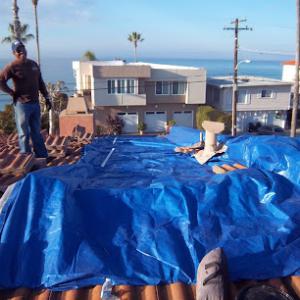
Atkins Roofing, Best Orange County Roofing Contractor
(949) 456-0777 www.atkinsroofing.com
San Clemente, California
4.8 from 5 reviews
Atkins Roofing is the Best Orange County Roofing Contractor to call! 949-456-0777 We are a family owned and operated Orange County Roofing contractor company. We recently celebrated our 44th year as C-39 CA Licensed Roofing Contractor in August of 2018 We have the best warranty in the business, “If we can’t fix your roof leak, you don’t pay for it” We offer old school service and skill, coupled with today’s technology. Every job is overseen by the owner, Danny Atkins. Atkins Roofing specializes in extending the life of your roof. Thus, saving you thousands of dollars by delaying the cost of installing a new roof. We also provide roof certification if your selling your home.
RESCUE ROOFER San Clemente
(949) 493-8927 www.rescueroofer.net
555 N El Camino Real, San Clemente, California
5.0 from 1 review
We are your dependable Roofing Contractors in San Clemente. As your neighborhood roofing specialists, whether you need San Clemente roofing repair and restoration, commercial rooding services, roof inspection, or roof replacement, Rescue Roofer is conveniently located nearby! When you call us for assistance for a roofing emergency, or to schedule routine maintenance, you can be confident that you are supporting a local company invested and committed to providing the best services to our community. In return, you will receive impeccable results with the best customer care in the business throughout Orange County! Just give us a call and your roofing experts in San Clemente, CA will arrive on your doorstep within one hour! License #: 1137524
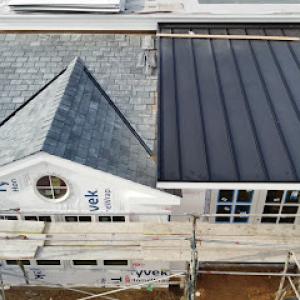
JRT Roofing & Waterproofing
(949) 749-2721 www.jrtroofing.com
Serving
4.7 from 36 reviews
JRT Roofing & Waterproofing provides complete roofing, waterproofing services in and around the Capistrano Beach, CA area.
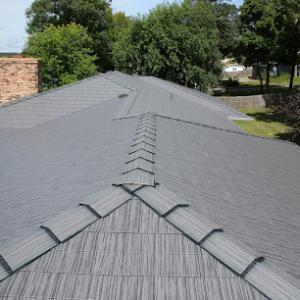
Green Roof Designs
(844) 344-7663 greenroofdesigns.business.site
Serving
4.7 from 27 reviews
Green Roof Designs specializes in residential and commercial roofing. With over 40 years in the industry, our family owned and operated roofing company has been an industry leader from the start. GAF Certified Roofing contractor - 50 year warranty with Composition Shingle roofing materials. With a background in general construction, and roof installation systems our team is highly trained to handle any roofing product that may come our way. When you give Green Roof Designs a chance to work with you once, we will win your business for life! Simply give us a call and talk to an amazing member of our staff, they are waiting for your call today! Some of the products that are installed on a daily basis include: Eaglegreen roof designs Certain...

Rod's Roofing Company
(949) 212-3557 www.roofingsanclementeca.com
Serving
4.7 from 14 reviews
If your roof is in a state of disrepair or looking worn-out, you need a local roofing company you can trust to restore it or replace it. That's where Rod's Roofing Company comes in. We offer professional roof replacement, repair and reroofing services to homeowners throughout San Clemente, CA and the surrounding areas.
B.P. Custom Roofing
(949) 390-3627 www.bpcustomroofing.com
Serving
5.0 from 75 reviews
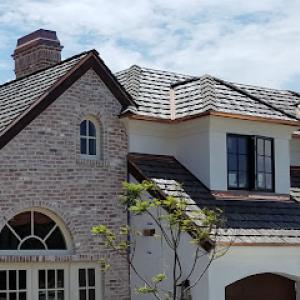
Quality residential roofing company in business since 1992 (License #652641 C-39)
Crown Reconstruction Services
(866) 702-7696 crownreconstructionservices.com
Serving
5.0 from 16 reviews
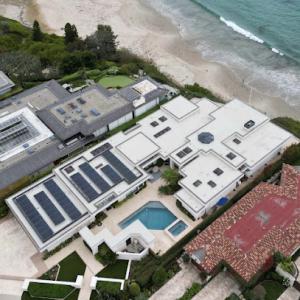
We are a full-service general contractor based in Laguna Beach, CA, offering comprehensive project management and skilled workmanship for residential and commercial construction. From initial design and planning through to construction and finishing touches, we coordinate every aspect of your project with licensed, insured professionals. Whether you’re remodeling a kitchen, repairing a foundation, or renovating an entire home, we ensure quality, reliability, and open communication throughout. With over 70 combined years of experience in coastal Orange County communities, we understand local codes, climate challenges, and design tastes — delivering durable and attractive results that increase your property’s value.
Laguna Beach Roofing
(949) 528-7663 www.ocstaydryroofing.com
Serving
5.0 from 8 reviews
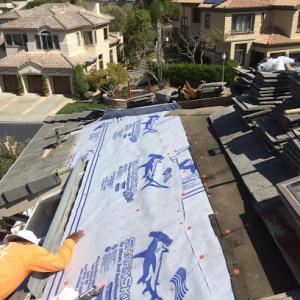
Stay Dry Roofing Company is a commercial and residential roofing company serving the Orange County and Los Angeles County Areas. Stay Dry Roofing provides top quality roofing installation, maintenance and repair services. Building strong relationships has been our key to success. Our mission is to deliver the best possible roof at the lowest reasonable price with quality and customer service in mind. Why Choose Us 1. 3rd Generation Roofer 2. Family Owned & Operated 3. Licensed Insured & Bonded 4. Workers Compensation 5. 2 Million Dollar General Liability 6. Contractor Supervising All Projects
Pacific Roofing Systems
(949) 495-4200 pacificroofingsystems.com
Serving
4.7 from 47 reviews
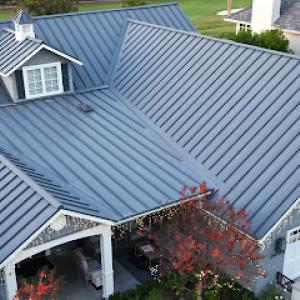
For over 25 years, Pacific Roofing Systems has been Orange County's trusted roofing expert. Specializing in all roofing types, from classic tile and composite shingles to modern metal and innovative green roofing solutions, they deliver premier roofing services for every need. As a VELUX 5-Star certified installer, Pacific Roofing Systems expertly installs and services the complete VELUX product line for both residential and commercial properties. Experience the difference of superior craftsmanship and dedicated customer service; Pacific Roofing Systems takes pride in using only the best products to exceed your expectations with every project.
South County Roofing
(949) 597-0192 southcountyroofing.com
Serving
4.7 from 27 reviews
South County Roofing is a roof repair–only company located in Lake Forest, California, specializing in tile roof leak repair and tile roof maintenance for homeowners throughout Orange County. We focus on identifying the source of roof leaks and performing permanent, targeted repairs rather than recommending unnecessary roof replacement. Our work commonly addresses leaks caused by localized issues in valleys, skylights, chimneys, roof transitions, and field areas where water is concentrated. Services include professional roof inspections, roof leak detection, broken tile roof repair, flashing repair, and preventive roof maintenance. Our approach is based on experience, clear evaluations, and practical repair solutions tailored to each roof’s
Forefront Roofing
(800) 702-5032 www.forefrontroofinginc.com
Serving
5.0 from 105 reviews
Forefront Roofing is a family owned and operated roofing company that serves Orange County and Los Angeles. We specialize in residential and commercial roofing services, including new roof installations, roof repairs, and roof replacements. Our team of highly skilled and experienced roofers is dedicated to providing the highest quality workmanship and customer service. At Forefront Roofing, we understand the importance of a safe and reliable roof for your home or business. That's why we use only the highest quality materials and state-of-the-art techniques to ensure that your roof is built to last. Whether you need a small repair or a complete roof replacement, we are committed to providing you with the best possible service.
Winter in this hillside strip along the coast brings more disruption from rain and Santa Ana winds than from snow or hail. Storms slam into valleys and ridgelines with gusts that push rain sideways against roof surfaces, testing underlayment and fasteners like never during the dry months. When a storm front rolls in, active leak response and a dry-in plan matter most. If moisture gets into the attic or around roof penetrations during a bout of wind-driven rain, the clock starts ticking on interior damage. Your home's protection hinges on how quickly leaks are contained and dry-in is secured.
San Clemente homeowners commonly push reroof projects into spring or fall because winter storms can pause tear-off and installation schedules. This interruption isn't a sign of a job being abandoned-it's the practical outcome of weather-driven risk. If your project is scheduled in winter, stay prepared for temporary measures that keep water out while crews navigate gusty days and heavy downpours. A coordinated plan with the contractor for a reliable dry-in and rapid mobilization once the storm passes is essential to minimize exposure and stay on track.
Wind-driven rain, even after a stretch of dry weather, tends to reveal weaknesses around valleys, ridges, penetrations, and tile transitions on coastal homes. San Clemente roofs with Spanish-style tiles or metal components can mask minor issues until a windy, wet front exposes gaps. Valleys and ridge intersections are especially vulnerable to water tracking under overlapping tiles or rusted fasteners. Tile transitions around chimneys, vents, and skylines are common leakage points when salt air accelerates corrosion and underlayment fibers degrade. Expect to see water staining near ceiling joints, or damp attic insulation following a storm with strong gusts.
After a significant wind-driven rain event, perform a targeted inspection before the next batch of storms arrives. Start at roof penetrations: check flashing around vents, chimney bases, and skylight perimeters for lifted edges or torn sealant. Inspect valleys and ridge caps for displaced tiles or exposed underlayment. Look for subtle signs of moisture in the attic: damp sheathing, staining, or compressed insulation near fasteners. If any leak or soft spot is detected, call a local roofer immediately for a temporary dry-in and a plan to restore a weather-tight seal. In the meantime, clear gutters and downspouts so water can shed freely, and consider protective tarps or temporary mesh to shield vulnerable penetrations during heavy rain. Coordinate with a trusted contractor to time a spring or fall reroofing window when conditions allow for a full, uninterrupted tear-off and installation. The goal is to keep coastal salt air from accelerating corrosion and to prevent wind uplift from creating new entry points as storms circulate. Stay vigilant: in San Clemente, the combination of salt-laden winds and winter rainfall demands fast action and a flexible schedule to protect your roof's integrity.
When you can't wait, these contractors offer fast response times to stop leaks and prevent further damage.
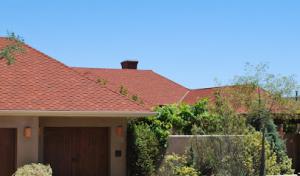
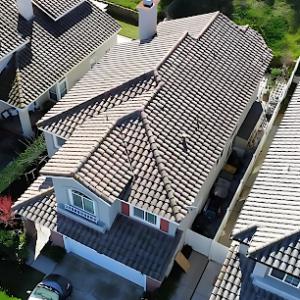
Clay tile and concrete tile are especially relevant in this area because they fit the coastal Mediterranean and Spanish-influenced housing styles that populate the hillsides and bluff-front neighborhoods. The shape, color, and profile of these tiles help resist wind-driven rain and offer long-term durability when properly installed. However, the long life of the tiles themselves can be offset by the performance of the underlayment and fasteners in a salty, windy environment. When considering tile roofs, prioritize underlayment with proven moisture resistance and corrosion-resistant fasteners rated for exterior use in coastal conditions. Proper sealing around penetrations and generous overhangs can reduce water intrusion during winter storms and help maintain roof longevity in Santa Ana wind events.
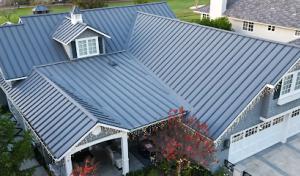
Metal roofs in this climate provide excellent durability against wind and sun, but coastal salt exposure requires extra attention to corrosion resistance, especially for fasteners, clips, and accessories. The panel system itself may be robust, yet rust or galvanic corrosion at seams and through fastener penetrations can shorten overall system life. Choose metal with a proven coastal performance, such as alloys or coatings designed for salt spray environments, and specify sealants and coatings that resist salt buildup. Regular inspection of ridge caps, flashing, and drip edges is essential after Santa Ana gusts to catch pitting, loosened screws, or compromised gasket compounds early. A thoughtful maintenance plan-including promptly addressing any surface corrosion-helps protect the roof's functional and aesthetic integrity for years.
Even if inland heat isn't the norm, the hot summer sun in this area accelerates aging of underlayment and some shingle products more quickly than people expect. When choosing between tile, metal, or composite options, consider underlayment technology that stands up to repeated heating cycles and UV exposure. In tiled systems, a robust, breathable underlayment helps manage moisture while maintaining thermal performance under the tiles. For metal or composite options, look for underlayment-compatible assemblies that resist delamination and provide a reliable moisture barrier during the hottest months. The goal is a roof that maintains its watertight performance as temperatures swing and daily solar load intensifies across the Pacific breeze.
The typical San Clemente home often features Mediterranean-inspired forms, with roof lines that emphasize shade and shadow. Tile roofs can be heavy, so structural assessment is crucial before replacement or major repairs. If convergence with nearby houses or waterfront exposure raises concerns about wind- or salt-driven damage, discuss fascia, soffit ventilation, and eave details with a local roofing professional who understands coastal microclimates. In coastal neighborhoods, the integration of color, texture, and roof pitch matters as much for longevity as for curb appeal. A well-maired tile or metal system aligns with the coastal character while offering reliable performance amid salt air, Santa Ana winds, and seasonal rains.
A proactive approach to maintenance pays dividends in this climate. Schedule periodic inspections that focus on fasteners, flashing, and moisture barriers, especially after wind events and heavy rains. Keep gutters clear to prevent water back-up behind roof lines, which can undermine underlayment integrity over time. If problems are detected early-like loose tiles, loose fasteners, or flashing gaps-address them promptly to preserve the chosen roof type's lifespan and maintain the home's iconic coastal presence.
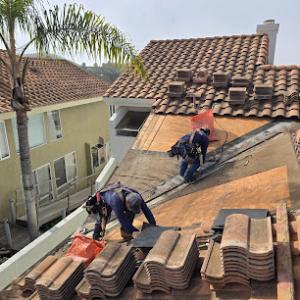
San Clemente's tile-heavy housing stock means a reroof project in this neighborhood isn't a straight shingle tear-off. Tile removal, stacking, replacement of broken pieces, and underlayment work require extra labor and careful handling to avoid cracking or breaking tiles that sit on hillside homes near salt spray. The result is a higher baseline labor load compared to inland OC. Expect the project to allocate more time for tile staging, careful reassembly, and explicit attention to matching existing clay or concrete tile shapes and colors, which can influence both crew size and material waste.
Coastal exposure can push material costs upward when you need corrosion-resistant fasteners, flashings, and accessories designed for near-ocean duty. In practice, that means stainless or coated fasteners, reinforced ridge systems, and more robust sealants for coastal air. These choices protect fasteners and flashings from Santa Ana gusts and salty mist, reducing leak risk in the first few years. You'll see higher per-square material line items for premium fasteners and flashings, but the payoff is fewer repairs and less frequent resealing in the near term.
Winter rain and wind events are a reality here, and they can disrupt labor availability and project timing. When a storm swells into a leak-driven situation, crews may skew toward rapid reseal or temporary patchwork rather than a full reroof. That can push schedules and inflate labor expense in the short term. To minimize this, coordinate a window of dry days for tile removal and underlayment work, if possible. If a storm hits mid-project, expect extra tarp work and potential re-work on underlayment seams, which adds to both cost and duration.
In San Clemente, tile-heavy installations carry distinct implications for cost. Asphalt shingles and synthetic options tend to be on the lower end, but tile materials and underlayment preparation still drive a premium compared to inland areas. For metal roofing, corrosion-resistant fasteners and coastal-ready flashings add to the bill. Concrete or clay tile reroofs reflect the labor-intense nature of tile handling and the need for careful piece replacement. Here are the city-relevant ranges to anchor planning:
When you build your budget, expect a premium for tile handling, underlayment detail, and coastal-fastener selections. If a storm season looms, set aside a contingency line for weather-related delays and temporary repairs that might occur before the full reroof can proceed. Prioritize a schedule that minimizes rain exposure during critical underlayment work and ensure your contractor inventories coastal-grade accessories ahead of time to prevent hold-ups and last-minute price spikes.
A full reroof in this coastal community generally requires a permit through the City of San Clemente Building Division. The process is designed to account for salt-blanketed air, Santa Ana wind exposure, and winter rains that stress underlayment and fasteners. Before starting, verify that the project scope matches what the permit office expects for a reroof, especially if the plan involves any structural changes or a switch to heavier tile or metal systems.
Permit applications are typically submitted by a licensed contractor, and plans are usually not required unless structural changes are involved. If the project sticks to a like-for-like reroof without framing alterations, the submission can be straightforward, but a licensed contractor must handle the paperwork and be the point of contact with the Building Division. Ensure the contractor provides a current contractor's license, proof of insurance, and any engineered items if you are moving to heavier tiles or integrating new roof vents or skylights.
Even when plans are not required, having a simple drawing or product specification sheet can help the plan checker review materials suited for this environment. The focus is often on underlayment type, attachment method, and wind-resistance ratings. Document any changes to venting or attic ventilation that affect moisture management, since the coastal climate makes proper ventilation crucial for tile and underlayment longevity.
Reroof projects commonly involve inspections during installation. Expect at least one inspection during the roof removal and substrate preparation phase, followed by a mid-point check keyed to fastener patterns and flashing details. The inspector will verify underlayment installation, proper nailing or fastening, and adherence to local wind-resistance requirements. If metal components or tile hangers are used, inspectors will specifically look at corrosion protection and secure attachments in the salt-air environment.
A final inspection closes out the permit. The city engineer or inspector will confirm that all work complies with code, including flashing, penetrations, and venting. Ensure you have all contractor warranties, material specs, and any required test documentation ready for the inspector. Once approved, the permit is closed, and the project is officially complete.
San Clemente homeowners are navigating California's tighter insurance market, where insurer pullbacks in wildfire-prone and higher-value areas can narrow options and raise premiums even in coastal communities. That pressure translates to careful underwriting and more stringent expectations when a roof is involved. If your roof blends age, salt exposure, and storm leaks, insurers will scrutinize the overall condition and the consistency of your maintenance history. The closer you live to the coast, the more likely a carrier will weigh salt corrosion, wind-driven damage, and the inadequacy of underlayment or fasteners in their decision. Expect a tougher negotiation than you might have seen a decade ago, especially after a severe season.
Insurers commonly ask for roof age, prior damage history, and a detailed scope of work before approving replacement. In San Clemente, where salt air accelerates wear and Santa Ana winds push debris and grit against flashings, documentation needs to be precise and complete. Gather photos showing the condition of tiles or shingles, underlayment, fasteners, and any prior repairs. Maintenance records, previous inspections, and notes on wind or storm events will help substantiate when and how damage occurred. A clear narrative that ties age, exposure, and events to the current failure can smooth a claim through a coastal underwriting lens.
Statewide underwriting pressure tied to wildfire and climate-related losses affects how coastal homeowners in San Clemente approach reroof timing, maintenance records, and claim preparation. If a roof shows mixed causes, insurers want a coherent story: what portion is attributable to natural aging, what portion to salt-induced deterioration, and what portion to a specific storm or leak event. Plan for a claim that includes a well-scoped replacement or repair plan with accompanying evidence of ongoing upkeep. Delays or ambiguities can invite denials or partial payouts, so clarity and readiness are your best strategy.
Connect with contractors who help homeowners navigate the claims process from damage assessment to final approval.
J L Ray
1447 N El Camino Real, San Clemente, California
4.7 from 120 reviews
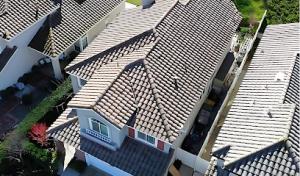
In San Clemente, coastal moisture and winter rain stress low-slope sections attached to tile roofs, making drainage details and membrane condition critical. Salt spray and Santa Ana winds accelerate fastener corrosion and degrade underlayment where water can pool or back up at low points. When surveying a flat or low-slope addition, look for algae or mineral staining near transitions and confirm that the membrane lays flat with no fishmouths or wrinkles. Ensure ridge and edge details direct water away from transitions, and inspect drain outlets for blockages after storms. A small membrane lift at a seam is a telltale sign that moisture vulnerability is present.
Transitions between tile main roofs and low-slope areas are a common complexity in older Southern California coastal housing layouts. The membrane must bridge smoothly over hips, valleys, and parapets without creating hidden pockets. Pay close attention to step flashing where low-slope sections meet tile roofs; if the flashing shows corrosion or appears crushed by movement, moisture can migrate under the tile and into substrate. In additions or mixed-roof homes, verify that fastener patterns on metal edge and trim align with the underlying deck surface to prevent lift during Santa Ana gusts.
Develop a routine that emphasizes drainage box checks, clean gutters, and clear scuppers before winter storms. Examine seals around penetrations and curb flashings for hairline cracks that salt air can widen. Test for standing water after rainfall and reflash any suspect seams promptly. Boldly address any signs of membrane blistering or delamination, which are more likely where coastal humidity concentrates at transitions or under accumulated debris. If a low-slope area feels soft underfoot, treat it as an immediate warning and inspect the substrate and fasteners for rust or rot.
Find specialists in TPO, EPDM, and built-up flat roofing systems for residential and commercial properties.
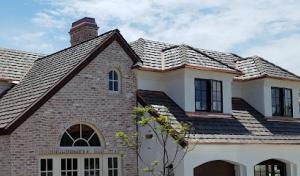
Spring and fall are often the most practical reroof windows in San Clemente because they avoid the wettest winter periods and reduce exposure to peak summer heat on underlayment and crews. In the spring, you'll typically find calmer Santa Ana influences easing off, which helps with tear-offs and dry-ins without the heavy marine humidity that can slow adhesive cures. Fall brings a similar balance: the heat tapers, rains are less likely, and the coastal breeze stays more predictable, helping staging and material handling. When planning, use those shoulder seasons to minimize dry-in risk and maximize the chance that underlayment and fasteners perform as intended.
Winter storms in this coastal corridor can delay open-roof work, while Santa Ana wind periods can complicate tear-off, material staging, and dry-in scheduling. On a typical Santa Ana day, dry-in becomes a moving target: gusts spike, debris shifts, and roofer safety becomes a priority. Your project timeline should include built-in buffers for a few wind events and a handful of rain-free days. If a storm system lingers, crews may pause to protect exposed underlayment and newly installed components, then resume promptly when conditions cooperate. This city's maritime pattern means that a well-coordinated crew and a proactive material plan are nearly as critical as the weather forecast itself.
The city's mild coastal climate allows year-round roofing in many cases, but weather timing still matters because rain and wind are the main schedule disruptors rather than freezing temperatures. Open-roof work benefits from a weather-oriented calendar: check a short-range forecast, align tear-off with dry days, and anticipate the Saturday-to-Monday rhythm that often suits coastal crews. If a Santa Ana event is forecast, adjust staging and dry-in milestones in advance, so the project remains on track when the window finally clears. In practice, a flexible plan that respects local wind and rain patterns keeps resilience high without sacrificing quality.
In this city, roofs encounter salt-laden air, sea spray on windy days, and damp winters that test fasteners and underlayment. Tile-heavy homes are common, with materials that lean toward long-term durability but rely on precise installation to resist corrosion and wind-driven leaks. The seaside climate means that underlayment performance, fastener choices, and the spacing of ties and clips matter far more than in inland markets.
Santa Ana winds can drive rain in from unusual angles, creating sudden, pressure-driven leaks around hips, valleys, and perimeter edges. Roofs that lack continuous, well-sealed underlayment or that use aging metal components tend to show trouble first at eaves, penetrations, and transitions between roof planes. In San Clemente, leak patterns are often linked to wind gusts and seasonal rain events rather than steady, uniform weather, so inspections after wind storms are especially important.
Tile underlayment in this coastal environment must tolerate salt exposure and rapid temperature swings. Choose underlayment with proven salt-spray resistance and ensure fasteners are corrosion-resistant and properly seated for wind uplift. The smallest gaps or mismatches in tile alignment can become entry points during Santa Ana gusts. Regular checks for cracks, hairline fractures, or loose tiles pay dividends, because small defects amplify quickly in coastal gusts.
Coastal homes often carry specific insurance considerations tied to corrosion risk, wind exposure, and storm history. It helps to document roof materials, underlayment types, and fastener specifications with your insurer so coverage aligns with the actual roof assembly. Understanding how salt air affects metal components-valleys, flashings, and edge metals-helps homeowners anticipate replacement timelines and maintenance needs.
A proactive approach to maintenance matters: schedule mid-season inspections, especially after windy or wet spells; track any signs of rust, staining, or rust-colored efflorescence on metal components; and plan for targeted underlayment checks when tiles are removed for repairs. This neighborhood-friendly vigilance supports longer roof life amid San Clemente's coastal rhythms.