Last updated: Apr 19, 2026
Glendora sits at the base of the San Gabriel foothills, so homes can see stronger Santa Ana wind exposure than flatter inland neighborhoods farther from the mountain front. That wind is not a cosmetic nuisance-it tests roof edges, flashings, and hip-and-valley transitions every year. When wind-driven debris from dry brush and landscaping climbs onto the roof, it can loosen shingles, lift flashing, and push water into underlayment seams. The takeaway is simple: strength and redundancy in cover and sealant matter more than looks. If a roof looks like it's seen better days, expect wind to expose any weaknesses quickly. Prioritize systems that resist uplift, maintain close-fitting cap shingles or tiles, and keep ridges reinforced so wind gusts don't pry them loose. Regular inspections after peak wind events are not a luxury here-they are a safety check you cannot skip.
Dry-season wildfire concern is a real roofing decision factor in Glendora because insurer underwriting in California increasingly weighs roof material, age, and defensibility in fire-prone foothill-adjacent areas. The roof is a frontline defense: ember intrusion can occur from wind-driven embers up to miles away, and a small gap can ignite a concealed area. A roof assembly with tight, continuous coverage and non-combustible or fire-resistant components provides a meaningful buffer. In practice, this means choosing materials with Class A ratings where possible, and ensuring battens, underlayment, and venting are arranged to minimize ember traps. It also means improving fascia protection, sealing skylights and vents, and sealing all penetrations with fire-rated sealants. When a reroof is planned, consider upgrades that reduce fuel load around the eaves and rake lines, and look for systems that stand up to repeated exposure to sparking debris during Santa Ana events.
The city's Mediterranean pattern of long dry summers followed by winter rain means roofs are stressed by both heat aging and the first major wet-season leak tests each year. Asphalt, tile, and composite options each respond differently to that cycle. In heat-heavy periods, materials should resist photo-oxidative degradation, maintain dimensional stability, and avoid rapid granule loss or color fading that could mask vulnerabilities. During the first heavy rains, roof assemblies must shed water promptly and without seam or flashing failures. That dual pressure makes a thoughtful selection critical: not just what lasts, but what preserves its protective envelope under repeated cycles of sun, heat, and moisture. A clear maintenance plan-clean gutters, inspect flashing, replace damaged ridge caps before the rains-keeps the roof performing when storms finally arrive.
Locally, roofs benefit from designs that minimize exposed edge length and simplify maintenance in windy, fire-prone conditions. Consider systems with higher uplift resistance and robust connection between tiles, underlayment, and the roof deck. If choosing tiles, evaluate the weight, mechanical interlock, and freeze-thaw behavior (Glendora's winter rain can be cool but not severely freezing; still, a sound tile system handles rapid temperature swings). For shingle options, prioritize fire resistance and wind uplift ratings, along with coatings that resist heat aging. Vents, chimney junctures, and skylights demand meticulous detailing-burnable soffits should be fortified or avoided in high-risk zones. In short, a Glendora roof is a shield: it must be intentionally designed, robustly installed, and consistently monitored to survive Santa Ana bursts, ember spells, and the year-after-year stress of heat and rain.
Glendora's homes often showcase Spanish, Mediterranean, and suburban tract designs where clay and concrete tile are architecturally expected. That tile profile isn't just about aesthetics; it shapes how roofs behave under foothill weather. Clay and concrete tile on these homes typically sit over a different underlayment and roof deck rhythm than standard asphalt, so replacing tile can mean rethinking the layers below as part of the job. When a house looks solid from the street but the underlayment is aging, the clock on a reroof can start ticking even if the surface tiles still appear serviceable. In the foothill climate, tile's longevity depends on the longevity of the underlayment, fasteners, and the ability to manage heat and moisture at the roof plane.
In Glendora heat, underlayment life becomes the real reroof trigger for many tile roofs. The Santa Ana winds can drive dry, hot air through attic spaces and fastener patterns, accelerating wear on underlayment and flashing. If the underlayment shows signs of aging, curling, or water intrusion after a heavy rain, a reroof may need to address the whole system, not just the visible tiles. Even tiles that look fine from the ground can hide compromised underlayment or deck rot. Plan for a thorough inspection of underlayment, fasteners, and eave details when tile roofing is considered for replacement or repair.
Asphalt shingles remain a major lower-cost reroof option in Glendora, but prolonged summer sun and wind exposure can make ventilation, fastening, and product grade more consequential than homeowners expect. When choosing asphalt, the key decisions center on ensuring a high enough wind rating for the local Santa Ana pressures, selecting a shingle class that tolerates heat without excessive glare or curling, and coordinating attic ventilation to manage heat buildup. A well-ventilated attic helps keep the roof deck cooler, which in turn reduces wear on both the underlayment and the fasteners. In a wind-prone area, proper nailing patterns and starter courses become critical to prevent blow-offs during gusts.
Foothill winds and wildfire pressure influence material choice beyond initial cost. Tile offers excellent wind resistance when installed with proper clips and setting patterns, and concrete tile tends to be heavier and sturdier, which matters on hillside crews and deck connections. Clay and concrete tiles also carry a distinct maintenance rhythm: broken tiles can expose vulnerable underlayment quickly, especially after wind events. Shingles, while lighter and easier to replace, may require more frequent inspection for uplift, wind-driven debris, and heat-related warping. Fire resistance ratings vary by product and installation quality; in zones facing wildfire risk, the roof system's overall ignition vulnerability hinges on both the chosen material and the integrity of underlayment and flashings.
A practical approach is to treat replacement timing as a two-track decision: surface condition and underlying system health. If the tiles show no major cracks but the underlayment is aged, replacement without tile removal may not be sufficient to restore long-term performance. In areas with strong sun and wind, investing in a higher-grade shingle with enhanced fire resistance and better venting can be a smarter short-to-mid-term move than chasing every tile crack. Conversely, if the home's design hinges on tile aesthetics and the underlayment and deck are in good shape, tile refurbishment with a modern underlayment system can extend the roof's life while preserving curb appeal.
Find contractors who specialize in clay and concrete tile roofs, known for their durability and curb appeal.
Dowd Roofing
(626) 857-1070 dowdroofing.com
540 S Glenwood Ave, Glendora, California
5.0 from 39 reviews

Dowd Roofing
(626) 857-1070 dowdroofing.com
540 S Glenwood Ave, Glendora, California
5.0 from 39 reviews
Since 1979, Dowd Roofing has provided residential and commercial roofing, roof repair, and much more to Glendora, CA and the surrounding areas. Dowd Roofing takes integrity and dependability very seriously when it comes to your projects, from whole roof replacements to storm damage maintenance. We work on asphalt roofing, concrete tile roofing, spray coating, leak plugging, inspections, and more. With over 35 years of experience, you know we are still in business for a reason, Call us today to schedule an estimate, or contact us through our website.
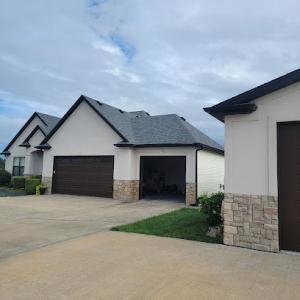
Mighty Roofing
(626) 727-9229 azusaroofingcontractor.com
Serving
5.0 from 11 reviews
Welcome to Mighty Roofing, where excellence meets expertise in every shingle! Elevate your property with our stellar services. Need a roof that withstands the test of time? Our skilled craftsmen specialize in Roof Installation, ensuring durability and style. Upgrade confidently with our Roof Replacement service, tailored to your aesthetic preferences. Did you get leaks or damage? Fear not! Mighty Roofing excels in Roof Repair, restoring your peace of mind. Explore innovation with our sleek Metal Roofing options or opt for classic charm with Asphalt Shingle Roofing. For commercial spaces, trust our expertise in Commercial TPO Roofing. Whether it's New Construction or rejuvenating a Flat Roof, Mighty Roofing has you covered!

Ruiz Roofing Corporation
(626) 533-8848 ruizroofingcorp.com
Serving
4.7 from 55 reviews
Small and well-stablished roofing contractor specializing in quality full re-roof project. Financing available, Owens Corning Certified, Licensed and bonded. CSLB #1076100
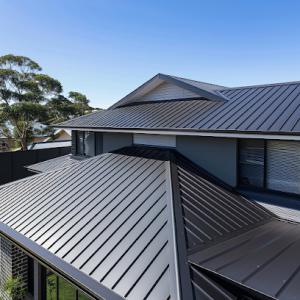
Fast Track Roofing Repair Service West Covina
(626) 548-2620 fasttrackroofingllc.com
Serving
5.0 from 19 reviews
Reliable Roofing in West Covina, CA At Fast Track Roofing, we make protecting your home or business simple. Serving West Covina, CA, we handle everything from quick leak repairs to full roof replacements with speed and precision. Our team uses durable materials and proven techniques to deliver strong, long-lasting roofs. Whether it’s residential or commercial, you can count on expert service and lasting results.

Stone Roofing Company
Serving
4.9 from 31 reviews
Contact Los Angeles County commercial roofers Stone Roofing Company at 1-800-31-STONE for your free roof inspection & consultation. A trusted roofer based in Azusa serving all of Southern California, Stone specializes in flat re-roofing, roof repair, re-roofing, roof coatings, installations & roof replacements for commercial & industrial buildings. From emergency roof leak repair to roof maintenance, Stone is capable of handling jobs of any size. Using the latest technology in digital estimating, we're dedicated to serving the needs of our customers & providing the highest levels of efficiency & quality. We excel in the application of all major roofing systems. Licensed, Insured & certified by every major roofing materials manufacturer.
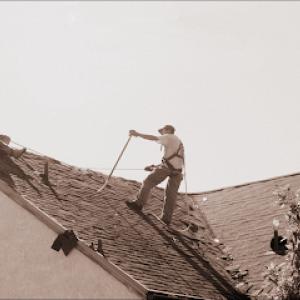
J.N. Davis Roofing
(626) 815-1279 www.jndavis.com
Serving
4.6 from 18 reviews
Since 1929, J.N. Davis Roofing has been the trusted roofing contractor for homeowners and businesses across Covina and the San Gabriel Valley. Our licensed and insured team (CA Lic. #572125-C39) provides expert roof replacement, leak repair, new roof installations, flat roof systems, cool roof solutions, gutters, and skylights. Whether you need a quick roof inspection or a full re-roof, our experienced roofers deliver reliable workmanship backed by nearly a century of service. We proudly serve Covina, West Covina, Glendora, San Dimas, Azusa, Pasadena, and nearby communities.
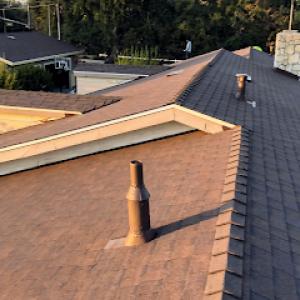
Mountain Pacific Roofing
(626) 364-9844 www.mountainpacificroofing.com
Serving
5.0 from 13 reviews
Welcome to Mountain Pacific Roofing, your number one roofing company in West Covina, CA and the surrounding area. We're a full-service company that specializes in commercial roofing and residential roofing. You can depend on our experts when it comes to repairing and installing a new roof system. There is no job too big or small for us to handle! With several years of industry experience, our family-owned and operated business is dedicated to providing the residents and business owners of West Covina with the best solutions to repair or replace their roofing. Our mission is to provide our clients with the same high level of service and quality that we expect ourselves.
Highland Commercial Roofing
(626) 856-2076 www.highlandroof.com
Serving
4.6 from 45 reviews
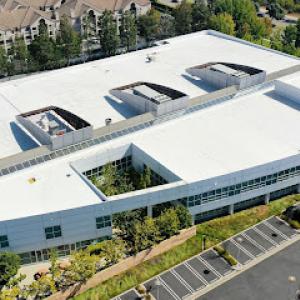
Highland Commercial Roofing offers expertise in commercial and industrial roof installation and maintenance. We begin with a thorough roof inspection at no cost to provide a variety of solutions for maintenance, repair, or a new roofing system. Our commercial roofers are skilled, dedicated, and highly trained master craftsmen who provide a quality service with extensive pros and cons to each option in order to help you make the best decision for your commercial property. Our production management team will work with you to develop a plan and construction schedule designed to minimize our impact on your business operations, or that of your tenants, during installation. Contact us today for a quote or more information.
Northwood Roofing
(626) 482-2455 www.northwoodroofinginc.com
Serving
5.0 from 5 reviews
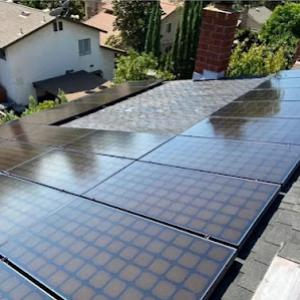
At Northwood Roofing, our founder brings over 30 years of experience to every roofing service we provide, setting a standard for quality and reliability in La Verne, CA. Founded in 2014, our approach is rooted in values of integrity and punctuality, distinguishing us from competitors with a family-operated structure and a dedication to maintaining pristine work sites.
Manna Roofing Company
Serving
5.0 from 6 reviews
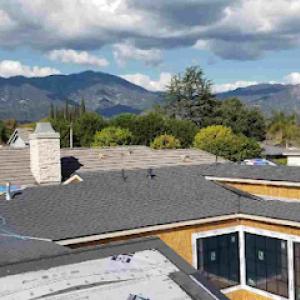
Manna Roofing Company is a family owned and operated business located in Riverside, California servicing the majority of the Southern California area. We specialize in complete roof installs as well as roofing repairs and wood replacement. We have three generations of roofing and construction experience in residential and commercial properties. Call today to receive an appointment for a on property inspection and quote.
The Roofing Company
(909) 333-5415 theroofingcompanyoc.com
Serving
5.0 from 16 reviews
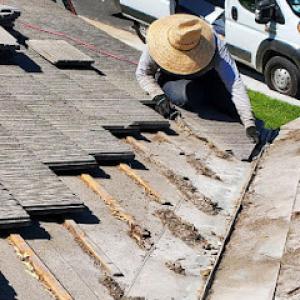
The answer is yes, now whats the question? Want advice on roofing? we can help. Our business is to help you. advice and estimates are always free. Don't want to risk it? We'll do it for you!
Silvestre Roofing
(626) 806-4857 www.silvestreroofing.net
Serving
5.0 from 18 reviews
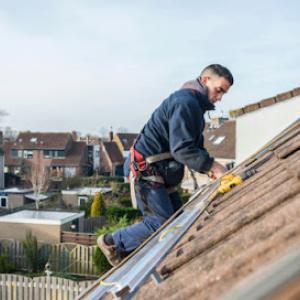
Silvestre Roofing was founded on the principles of quality craftsmanship, dedication, and a passion for excellence. Over the past 24 years, we have built a reputation in La Puente, CA, as a roofing company that homeowners and businesses can rely on. Our experience spans across various roofing services, from residential roof repairs to commercial installations, and our team of skilled professionals is committed to delivering top-notch results in every project we undertake. We believe in continuous improvement, which is why we stay up-to-date with the latest advancements in roofing technology and techniques.
Winter storm systems moving through Southern California don't look dramatic, but they expose aging flashings, valleys, and underlayment with surprising speed. Even a short rain window can reveal vulnerable spots that were fine through fall sun. In a town with a lot of reroof-driven projects, those leaks don't wait for a scheduled replacement cycle-they show up as soon as the first meaningful shower arrives. When the foothills bring moisture down from above, roofs that seem solid can suddenly fail at the most inconvenient point, testing gutters, chases, and dormers alike.
You'll want to inspect after every rain, not at the end of the month. Look for damp spots on ceilings, stained attic rafters, and any visible water tracking along seams. Pay particular attention to flashing around chimneys, skylights, and vent pipes, plus the valley intersections where metal or clay tiles meet. If shingles or tiles are loose or cracked from wind before the next storm, that damage compounds quickly once rain starts. In Glendora, with Mediterranean heat and Santa Ana wind events that push weather through the foothills, the weakest link is often the underlayment and the first line of defense beneath the surface, which can deteriorate far faster than expected.
When a leak surfaces, time is of the essence. A rapid assessment can identify whether the issue is a simple flashing sealant failure, a displaced shingle, or a compromised valley liner. A temporary patch placed by an experienced roofer can buy critical hours, but the goal is a targeted fix that stops water intrusion and stabilizes the roof until a full reroof is scheduled. Prioritize professional repairs that address wind-driven damage from recent Santa Ana events and any signs of tile movement or missing fasteners. Interior risks-stained ceilings, warped drywall, or compromised insulation-are most likely to escalate during ongoing wet weather if not contained quickly.
Because winter weather can be intermittent, coordinate with a trusted local roofer who understands the seasonal surge in demand. Start with an assessment as soon as a leak appears, and establish a plan for continuous protection through subsequent storms. A dependable contractor will document findings, propose prioritized fixes, and communicate clearly about what can be safely postponed while preparing for a longer-term reroof strategy that suits the house type and material in your project queue.
When you can't wait, these contractors offer fast response times to stop leaks and prevent further damage.
Dowd Roofing
(626) 857-1070 dowdroofing.com
540 S Glenwood Ave, Glendora, California
5.0 from 39 reviews

Spring and fall are the two periods that consistently line up with slower heat and more predictable weather for reroof projects. In Glendora, these windows let crews pace installation without the extreme heat of summer sapping battens and labor hours, and without the heavy, rain-prone days that come with winter. Plan for dry, moderate days with mornings cool enough to keep shingles from overheating in the sun. Leaving a wider margin around equinoxes helps avoid the shoulder heat of late spring and early autumn, when the sun can still be intense but rainfall remains a possibility.
Santa Ana winds can disrupt tear-off and dry-in sequences, so you should coordinate with the contractor to lock in wind-sensitive steps rather than assuming any dry week is automatically suitable. In practice, that means scheduling the removal of old roofing and the installation of underlayment during periods with stable, lighter winds, followed by the dry-in phase when humidity is lower and afternoon heat is manageable. If a windy spell is forecast, be prepared to adjust the plan or push some stages into the next favorable window. This approach minimizes lifted sheathing, blown debris, and potential backtracking on the roof deck.
Steep tile roofs demand careful sequencing. Tile and darker shingle systems absorb heat, which can slow adhesive bonding and slow work pace during peak sun hours. When the forecast calls for heat spikes, consider early starts or short, focused work blocks to maintain crew momentum without overheating materials. Concrete and clay tiles, due to their weight and handling needs, benefit from cooler temperatures that keep fasteners and sealants performing as intended. Communicate with the crew about preferred work hours and hydration breaks to sustain steady progress through the chosen window. In Glendora, aligning the project with spring or fall, and then tightly managing wind and heat during the Santa Ana season, leads to fewer delays and a more predictable schedule.
Get a clear picture of your project costs upfront - no commitment required.
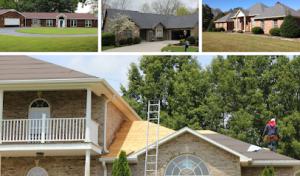
Glendora's cost spread is strongly influenced by the local prevalence of tile roofs, where underlayment replacement, broken tile matching, and heavier roof loads can push projects above basic shingle reroofs. In practice, that means a reroof may lean toward clay or concrete tile, with underlayment refresh and a careful tile-by-tile replacement plan. Expect higher material handling costs if a roof has a mix of old and new tiles or if specialty tile shapes are required to maintain the historic look some neighborhoods retain.
Asphalt shingles start in the mid-300s per square but can climb with steep pitches or tricky transitions, while clay tile is commonly the dominant choice here and tends to run higher. Concrete tile sits between asphalt and clay in many builds, offering a balance of durability and cost. Wood shingles, synthetic composites, and slate projects can push costs higher still, especially when matched to existing architectural features. For planning, keep in mind that tile and synthetic options often incur added expenses for underlayment, fasteners, and precise color matching to maintain curb appeal.
Foothill-area access, multi-level homes, and steeper rooflines common in parts of Glendora can increase labor and staging complexity compared with simple low-slope tract roofs. Elevated work zones demand additional safety and equipment, which translates to higher daily rates and longer project timelines. If the house presents a tight yard or limited staging area, the crew may need to bring in extra setup gear, further increasing the daily cost per square.
Seasonal demand spikes after winter leak periods or wind events can tighten scheduling and affect pricing, especially in a market where reroofing is more prevalent than niche specialty installs. If you're planning around a known wet season or after a Santa Ana wind event, anticipate some premium time slots and potential weather-related delays. Early scheduling with a reputable local roofer can help lock in a favorable window and stabilize costs.
Start with a tile-first evaluation: confirm tile type, assess underlayment condition, and identify broken or non-matching pieces that will require careful sourcing. Build contingency into the budget for tile matching and potential reinforcement to address heavier roof loads. For most Glendora homes, plan for the higher end of the tile or synthetic ranges if the house features visible slopes, multiple ridges, or historically styled façades.
Don't let upfront costs delay a critical repair - these contractors offer payment plans to fit your budget.

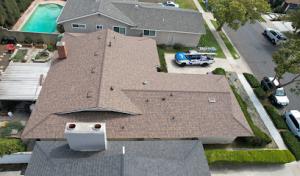
Most full reroofs in Glendora require a building permit through the City of Glendora Building & Safety Department. That means your project needs official review before any tear-off or replacement begins, even if the job seems straightforward. Reroof work isn't treated as a simple swap in this town; the permit process ensures the structure can handle the new roofing system and that proper drainage and ventilation are planned from the outset. Expect the permit to be tied to a set of engineered or stamped plans if the roof is substantial or if there are changes to load paths, attic vents, or skylight configurations. Having a complete package with roof spec sheets, underlayment choices, and venting layouts ready can keep the process moving.
A local review focuses on structural loading, drainage, and roof venting compliance rather than just approving a swap with no plan implications. The reviewer will look at how the new materials interact with existing trusses or rafters, especially on steeper foothill homes where Santa Ana winds and thermal stress can influence loads. Drainage plans are checked to ensure proper eave overhangs, gutter connections, and scupper or valley behavior align with the site's rainfall patterns. Venting strategies are examined to prevent attic condensation and to maintain roof longevity in Mediterranean heat and winter rain cycles. This is not a formality-test fits and details can affect long-term performance.
Inspections are typically scheduled during and after installation, and larger or more complex reroof projects may trigger plan review before work proceeds. Expect a permit-specific inspection at key milestones: after demolition/underlayment installation, at mid-roof when fasteners and venting are in place, and upon completion before the final sign-off. If the project involves significant structural modification, a plan review may occur ahead of construction, with revisions requested to satisfy local wind and load requirements.
Coordinate with the contractor to align delivery schedules with inspection windows. Have storm or Santa Ana season considerations in mind-wind and heat can influence both material handling and inspection timing. Ensure all structural and drainage notes, venting calculations, and product spec sheets are readily available for the Building & Safety Department, and keep a dedicated record of any changes approved during plan review. This proactive approach helps prevent delays and supports a durable, code-compliant reroof.
In Glendora, California's blend of foothill weather, Santa Ana wind events, and wildfire exposure has pushed insurers to tighten underwriting in wildfire-sensitive markets. Carriers scrutinize roof age and material more closely at renewal, and a roof that was acceptable a few years ago can become a point of concern today. The impact is not theoretical: renewal terms, coverage options, and even deductibles can shift based on observed aging, prior wind damage, and the roof's ability to resist ember ignition or wind-driven debris.
For homeowners, keeping thorough records matters. Document roof age, material type, and any wind- or storm-related damage promptly with dated photos and third-party assessments when possible. If a claim is contemplated or underway, have measurements, a brief history of maintenance, and any repairs ready to show. This evidence helps claims handling and can influence whether a carrier views the roof as an ongoing risk or a reasonable, up-to-date installation.
Material choice in Glendora is not only a durability decision but also an insurance decision, especially where wildfire exposure concerns overlap with older roofs. A roof that demonstrates modern fire resistance, good wind uplift ratings, and proper installation is more likely to support favorable underwriting communications. Conversely, older tile, shake, or composite systems without recent upgrades can invite closer scrutiny, higher deductibles, or tighter coverage options after a loss.
When planning a roof refresh or replacement, consider how a given material will align with both long-term resilience and insurer expectations. Pair any material decision with a documented maintenance plan, routine inspections after wildfire season, and ready-to-review records that show proactive stewardship of the roof's condition. If insurers request updates, respond promptly with clear, organized information to maintain stable coverage.
Connect with contractors who help homeowners navigate the claims process from damage assessment to final approval.
Dowd Roofing
(626) 857-1070 dowdroofing.com
540 S Glenwood Ave, Glendora, California
5.0 from 39 reviews
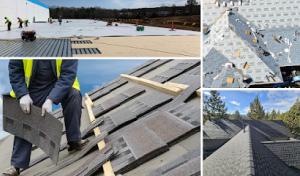
In this foothill area, the mix of Mediterranean heat, winter rain, and Santa Ana wind events shapes how low-slope and flat roofs behave. Although the neighborhood leans toward pitched residential roofs, there is meaningful demand for flat and low-slope work on additions, patio covers, multifamily, and commercial properties. You'll want a setup that responds quickly to winter rain and summer heat, with a focus on reliable drainage and long-term performance under Santa Ana gusts and wildfire pressure.
On low-slope projects, sheet goods and single-ply options perform best when paired with a reflective finish and robust edge detailing. In the local market, consider options that resist wind uplift and offer proven seam integrity. For additions or covered outdoor areas, a well-installed membrane with a serviceable flashing plan helps maintain a watertight edge where walls meet roof planes. If reroofing an older flat section, prioritize material systems that tolerate expansion and contraction from hot days and cooler winter cycles, and plan for a durable waterproofing approach rather than a quick patch.
Drainage matters locally because low-slope roofs that seem fine through summer are often exposed by the first concentrated winter rain events. Ensure the roof has adequate slope, slope transitions, and compatible penetrations to route water toward scuppers or interior gutters without pooling. Retrofit or replace counterflashing where existing designs trap debris, and confirm that edge terminations and drains are sized to handle heavier winter flow. A simple but effective practice is to test runoff after a rainfall event and document any slow drains or minor ponding for later correction.
In Glendora's dry-summer climate, reflective coatings and restoration options are part of the conversation for low-slope roofs where full replacement may not be the first recommendation. Choose coatings with proven solar reflectance and long-term durability, and ensure the base surface is clean and sound before application. Restoration can extend life and reduce heat absorption, but require a careful inspection of seams, flashings, and edge details to prevent wind-driven leaks during Santa Ana periods.
Because winds and heat stress are part of the local pattern, schedule regular inspections of low-slope sections, especially after major wind events or heavy rains. Focus on seams, fasteners, and edge detailing, and keep a clear plan for addressing minor imperfections before they escalate. A thoughtful approach here combines preventive maintenance with selective restoration to maintain performance without unnecessary downtime.
Find specialists in TPO, EPDM, and built-up flat roofing systems for residential and commercial properties.