
Last updated: Apr 19, 2026
In this inland valley climate, the long, intense sun and persistent heat speed up the aging of asphalt shingles more than cooler coastal areas. The sun's ultraviolet rays break down the asphalt layer, causing it to become brittle and curl at the edges faster. This is not just about color fading; it shortens the effective life of the roof and can create micro-cracks that let moisture in during the first sustained rain after a dry spell. If the roof overhangs are shaded for only a portion of the day, you may still see accelerated deterioration on the southern exposure where the sun beats down hardest. Practical action starts with inspection intervals aligned to the seasons: check after the hottest months for surface cracks, granule loss, and any noticeable delamination around hips and ridges. When tiles or shingles show visible wear, plan a proactive repair rather than waiting for a leak to announce itself. For asphalt systems, consider upgrading venting strategy and ensuring the attic remains ventilated to reduce heat buildup under the roof deck, which compounds aging of the shingles. For tile roofs, the expansion and contraction caused by heat can drive fasteners loose and loosened tiles to crack; look for loose or misaligned tiles after peak heat periods and before winter storms.
Fall Santa Ana wind events in the Valley can drive debris across roofs and stress ridge, edge, and tile components before the winter rain season begins. That wind action matters because it not only bangs debris into roof surfaces but also subjects fasteners, flashings, and edge details to repeated gusts. Proper maintenance starts with securing ridge lines and ensuring ridge cap tiles are intact and properly sealed. Check hip and ridge tiles for cracking or displacement, especially after a windy spell, and re-seat any disturbed pieces to prevent water intrusion. Debris like branches and palm fronds can abrade surfaces along the eave lines, so inspect gutters and under-eave areas for lodged material that could trap moisture against the substrate during rain. If a roof uses vented membranes or cap shingles near the ridge, confirm these components have no gaps and that sealants remain flexible enough to accommodate wind-driven movement. A practical habit is to perform a targeted walkaround after the first major Santa Ana event of the season, then schedule a more thorough inspection before the winter rains arrive.
Most annual precipitation arrives in winter, so leaks often show up after long dry periods when underlayment, flashings, or cracked tiles first get tested by sustained rain. Dry spells can conceal underlying vulnerabilities, and when the first substantial rainfall arrives, water finds those weaknesses. Prioritize inspecting joints where roof planes meet walls, around chimneys, and along any vent penetrations. Flashings should be snug and continuous, with no curling edges that could channel water into the roof deck. Underlayment should be intact beneath clay or concrete tiles, but longer dry periods can allow the underlayment to dry out and crack, especially under thermal stress from heat and wind. If tiles are being re-seated or replaced, consider inspecting the underlayment layers beneath for signs of delamination or moisture staining. When a winter rain pattern stretches into several days, check interior ceilings for any telltale damp spots, indicating slow leaks that could point to missing or damaged flashings, poor tile alignment, or compromised sealants. For tiles and synthetic alternatives, assess the condition of the bedding and fasteners; loose bedding can allow movement that trips with seasonal temperature shifts, creating a leak path during heavy moisture events.
At the start of fall, review ridge and edge components for any loose tiles and reseal where applicable to withstand Santa Ana winds. In late autumn, perform a thorough edge-to-ridge inspection after any strong wind events, focusing on fasteners and sealants. After the first significant winter rain, recheck for moisture intrusion along penetrations and around the chimney, and re-tighten or replace flashing where corrosion or wear is evident. Regularly monitor for granule loss on asphalt shingles and for any spalling or cracking in clay or concrete tiles, especially near chimneys and vents. Keeping a close eye on heat-related wear, wind exposure, and wet-season stress helps preserve tile and shingle systems through the distinctive climate cycle of this valley neighborhood.
Clay and concrete tile are common on West Hills homes, and the local heat cycle can contribute to tile movement, slipped pieces, and underlayment wear even when the tile surface still looks serviceable. In this climate, cycles between scorching days and cool nights can cause tiles to expand and contract which gradually loosens fasteners, shifts interlocks, and races the underlayment toward premature aging. Even when a roof looks intact from the ground, small gaps or micro-movements can create pathways for wind-driven debris and moisture. Inspect tiles for hairline cracks, hollow sounds when lightly tapped, and any misalignment after a windy stretch or heavy rain. If a tile shows movement, do not assume a simple reseating will suffice; the underlying underlayment may already be stressed and deserves a targeted check by a qualified roofer.
The Santa Ana wind pattern can drive debris into tile roofs with enough force to chip edges or loosen fasteners, especially on roofs with a pronounced slope or exposed eaves. Even where the surface tile remains visually tidy, fasteners can loosen and underlayment layers can compress or abrade. A routine after-wind inspection should focus on ridge caps, hip caps, and areas around vents, chimneys, and skylights where seals and flashings meet the tile plane. Damaged or displaced tiles create a domino effect: once the support lattice is compromised, more tiles can shift or crack under the next heat cycle or wind gust. Proactive sealing, re-fastening, and tile replacement as needed prevent more extensive moisture intrusion and heat transfer into the attic or upper story.
Asphalt shingles remain a major lower-cost option in the area, but prolonged Valley sun can dry them out faster and shorten the useful life of lower-grade products. Shingle brittleness, reduced granule adhesion, and accelerated curling commonly appear after multiple hot seasons. Look for wide granule loss on exposed surfaces, cupping or curling edges, and granules washing into gutters after rain. In the heat-heavy stretches, pay attention to the underside of overhangs and dormer profiles where sun reflection can intensify wear. When shingles start to show surface breakdown but the roof still holds a watertight feel, it's a sign to plan for a mid-life refresh before leaks or heat-related failures become noticeable inside the attic.
Wood shakes and shingles exist on some older homes in the area, but wildfire-era insurance scrutiny in Los Angeles makes roof condition and material choice more consequential than in many other markets. Aged wood poses higher exposure to ember intrusion, potential rapid ignition, and accelerated degradation from sun and wind. Even when a wood roof appears intact, check for splitting, cupping, or granular wear in cedar or redwood surfaces. Ensure that flashing around chimneys, dormers, and vent pipes remains sound, as gaps here can allow embers to nest and ignite dry roof zones. If a homeowner plans to retain wood materials, confirm that a protective coating or treatment schedule is in place and that inspect-and-repair routines align with both fire-safety expectations and roof performance.
Across materials, the telltale signs in this climate revolve around movement, fastener resilience, and moisture management. For clay and concrete tiles, monitor interlocks and fastener corrosion, plus underlayment wear at hips, ridges, and valleys. For asphalt shingles, watch for accelerated granule loss, edge curl, and dry-out cracking. For wood, keep an eye on edge splitting, cupping, and any softening around fastener points. In all cases, the attic space will often reveal more clues: damp rafters, dark staining along joints, or a musty odor after heavy rains point to leaks that should be addressed before structural damage develops.
To minimize failures, establish a seasonal inspection cadence focused on heat-driven movement, wind exposure, and post-storm debris patterns. Keep an eye on fastener corrosion and flashing integrity, especially around penetrations and near transitions between different roof planes. When in doubt, call a local roofer who understands the Santa Ana wind cycles and the unique tile movement tendencies of the common West Hills roof families. A timely repair or targeted reinforcement can extend the life of tile and shingle systems while reducing the risk of moisture-related damage down the line.
Find contractors who specialize in clay and concrete tile roofs, known for their durability and curb appeal.
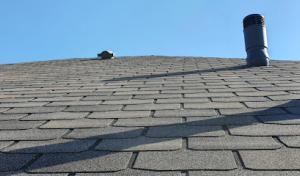
Pro West Hills Roofing
(818) 210-4099 roofingwesthills.com
22700 Sherman Way #202, West Hills, California
4.9 from 74 reviews

West Hills Pitch Roofing
22736 Vanowen St, West Hills, California
4.8 from 73 reviews

Spring and fall are the most workable replacement windows in West Hills because they avoid the hottest Valley summer days and the main winter rain period. For tile and shingle roofs, aim for mid-season months when daytime temperatures hover in a manageable range and nights stay cool. Scheduling during these seasons helps crews handle thermal movement more predictably and minimizes the risk of heat-related material handling delays. If a roof needs to be replaced after a winter storm, the start should be timed for the first dry stretch of early spring to keep project momentum smooth.
Very hot summer days in West Hills can affect crew productivity and material handling, which can slow installation pace on exposed roofs. Plan for the hottest weeks to be avoided if possible, and coordinate with a contractor to target cooler early mornings and late afternoons when heat buildup is most intense. Concrete and clay tiles expand with heat, so some extra time may be needed to manage tile alignment and underlayment preparation. Heat also increases the risk of worker fatigue, so shorter daily shifts or shaded staging areas can help keep progress steady without compromising quality.
Winter storms and fall wind events can both disrupt scheduling in West Hills, so homeowners who wait until active leak season may face longer lead times. If a replacement falls behind a brittle weather window, lingering leaks can complicate staging and safety. A proactive approach that prioritizes a dry spell in late fall or early winter minimizes the chance of storms interrupting the project. When winter rain is unavoidable, plan for protective coverings and quick tarp strategies to keep the interior dry without slowing the crew's workflow.
Coordinate with a roofing contractor to set a target start date during a dry, mild spell in spring or fall, and build in a small contingency for an unseasonable heat wave or a late storm. Consider material handling realities-tile systems and synthetic shingles can shift more with temperature, so ask about scaffold shade options, staged tile removal, and phased re-roofing to maintain safety and pace. Have a clear sequence of tasks: removal, underlayment inspection, flashing and vent verification, and careful tile or shingle reseating. Finally, confirm access routes for equipment to minimize disruption to neighboring homes, which helps prevent delays when wind events threaten the schedule.
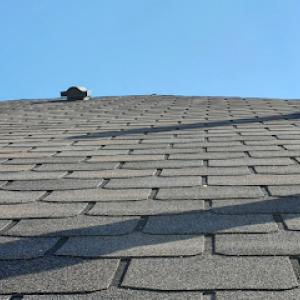
Pro West Hills Roofing
(818) 210-4099 roofingwesthills.com
22700 Sherman Way #202, West Hills, California
4.9 from 74 reviews
Welcome to Pro West Hills Roofing, your trusted partner for all your roofing needs. With our dedicated team of professionals, we deliver exceptional results that exceed expectations. We specialize in roofing installations, repairs, and maintenance, ensuring the integrity and durability of your roof. Our attention to detail and superior craftsmanship prioritize the protection and longevity of your property. Trust Pro West Hills Roofing for reliable and professional solutions that enhance the value and aesthetics of your home or business. Experience the difference we can make for your property today.

Atlas Roofing
(866) 343-0686 atlasroofingpro.com
6700 Fallbrook Ave STE. 100C, West Hills, California
4.9 from 185 reviews
Atlas Roofing Company is a roofing contractor in the Los Angeles, CA area that serves customers in West Hills, Woodland Hills, Calabasas, Canoga Park, Reseda, Tarzana, and Encino. We are a professional roof installer that can handle residential and commercial roofing needs. Whether you have a new construction project or it is time for repairs, we offer the roofing services you need. We are licensed and insured: California CSLB C39 LICENSE# 1057468 — and have dozens of customer referrals to confirm our reliability. If you're searching for "roofing companies near me" or roof repair in Los Angeles, look no further than Atlas Roofing. We can provide roof replacement and repair and go above and beyond to make sure the job's done right.
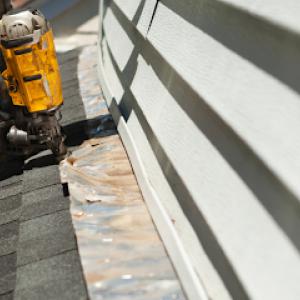
West Hills Pitch Roofing
22736 Vanowen St, West Hills, California
4.8 from 73 reviews
West Hills Pitch Roofing is your premier choice for top-quality pitch roofing solutions in the West Hills area. Our team of skilled professionals specializes in installing and maintaining pitch roofs with precision and expertise. We understand the unique challenges that come with pitch roofs and ensure that each project is handled with care. Using high-quality materials and proven techniques, we create roofs that are not only durable but also visually appealing. Trust West Hills Pitch Roofing for expertly executed pitch roofing services that enhance the protection and aesthetics of your property.
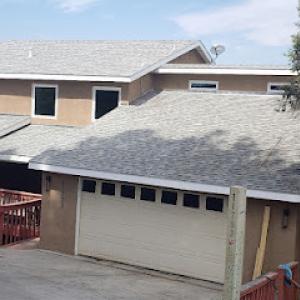
Zen Roofing Pros
(818) 530-3373 zenroofingpros.com
22734 Eccles St, West Hills, California
5.0 from 32 reviews
Zen Roofing Pros is a trusted roofing contractor in West Hills, CA, delivering top-quality residential and commercial roofing services since 2010. As a family-owned roofing company, we specialize in everything from asphalt shingle roofing in West Hills to full roof replacements for homes and businesses. Our experienced team is known for reliable craftsmanship, transparent pricing, and a commitment to doing every job right the first time with 120% efficiency. Whether you need residential roofing in West Hills or expert commercial roofing in West Hills, we're here to help. Contact Zen Roofing Pros today for roofing West Hills CA can count on—built to last with premium materials and decades of proven expertise.
Roof Installation Pros
(818) 864-1350 roofinstallationprosca.com
Serving
5.0 from 59 reviews
Roof Installation Pros proudly serves Woodland Hills, CA, and nearby areas with over 19 years of professional roofing expertise. Our skilled team specializes in roof installation, roof replacement, shingle roofing, tile roofing, flat roof systems, roof leak repair, storm damage restoration, and more. We are dedicated to delivering durable, energy-efficient, and cost-effective roofing solutions that protect and enhance your home or business. With a focus on quality workmanship and customer satisfaction, our roofing contractors ensure every project is completed to the highest standard. Contact Roof Installation Pros Woodland Hills today for a free roofing estimate and dependable service you can trust.
vibe roofing
(855) 999-8666 viberoofing.pro
Serving
5.0 from 15 reviews
Vibe Roofing is a trusted local roofing contractor serving Los Angeles and nearby areas. We specialize in roof replacement, roof repair, new installations, gutter systems, and emergency leak response for both residential and commercial properties. Our team is fully licensed, bonded, and insured, bringing expert craftsmanship and a customer-first approach to every project. Whether you're dealing with a leak or planning a full roof upgrade, Vibe Roofing delivers dependable service at competitive prices. 📍 Serving: Los Angeles, Van Nuys, Studio City, Burbank, Sherman Oaks, and beyond. 📞 Call Vibe Roofing now for a free roof inspection or estimate.
Prime Team Roofers
(747) 298-5700 canogaparkroofing.com
Serving
4.9 from 67 reviews
Prime Team Roofers is a trusted and experienced roofing company dedicated to providing top-quality services and exceptional results. With our skilled team of professionals, we offer a comprehensive range of roofing solutions for both residential and commercial properties. From roof repairs to complete installations, we have the expertise and knowledge to handle projects of any size or complexity. We prioritize craftsmanship, attention to detail, and customer satisfaction, ensuring that your roofing needs are met with the highest standards. Trust Prime Team Roofers for reliable and efficient roofing services that enhance the beauty and durability of your property.

Global Roofing Specialist
(877) 345-7223 globalroofingspecialist.com
Serving
5.0 from 287 reviews
WHO WE ARE & WHY WE’RE HERE As a homeowner, Global Roofing Specialist recognized there was a market need for roofers who could not only provide an excellent job with low-cost, long-lasting materials but also live up to their promises. Global Roofing Specialist was created to meet that need, and we have been doing just that since our founding in 2006.
Morning Light Roof Repair
(818) 699-0488 roofingcalabasas.com
Serving
4.8 from 67 reviews
Welcome to Morning Light Roof Repair, your reliable partner for all your roof repair needs. Our dedicated team of professionals is committed to providing exceptional results and exceeding customer expectations. With our attention to detail and expertise, we offer reliable and efficient repair services to address any issues with your roof. Whether it's fixing leaks, replacing damaged shingles, or addressing structural concerns, trust Morning Light Roof Repair for reliable and professional solutions. Experience the difference we can make for the longevity and functionality of your roof.

LocalRoofs
Serving
4.9 from 118 reviews
LocalRoofs has provided residential and commercial roofing services in Los Angeles, Ventura, and Santa Barbara for more than 50 years. Locally owned and operated, we are a licensed and insured local roofing company dedicated to providing high-quality work and premium service to our customers. We offer free roof checkups and estimates, roof replacement and repair services, solar shingle roofs, roof tune-ups, roof inspections, gutter installation and replacement, and attic venting. CSLB #1095477
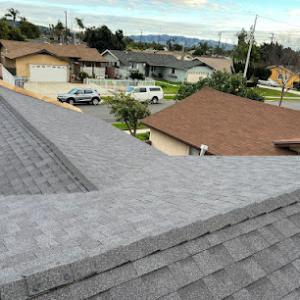
Silver Roofing Specialist
(818) 863-3755 silverroofingspecialist.com
Serving
5.0 from 76 reviews
Silver Roofing Innovation Company, we pride ourselves on being more than fair a material company – we are your committed accomplice in defending and upgrading your property. Our group of gifted experts brings decades of ability to each venture, guaranteeing predominant comes about. We prioritise high-quality materials, and exact establishments, and provoke repairs to ensure a smooth and fulfilling material encounter for you. Past material, we construct unwavering quality, provide strength, and change spaces into persevering sanctuaries. Select Fabric Administrations to hoist your property, protect your venture, and give you a roof you can depend on for a long time.
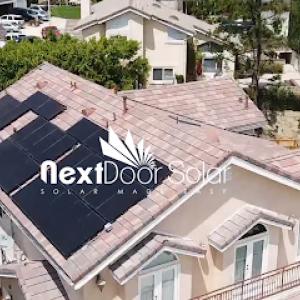
Next Door Home Upgrades
(805) 919-8091 nextdoorsolar.com
Serving
5.0 from 69 reviews
Next Door Home Upgrades in Simi Valley, CA, specializes in professional roof replacement designed to protect homes from the region’s hot sun, seasonal winds, and occasional heavy rain. Our team replaces aging or damaged roofs with durable solutions that address common local issues such as cracked shingles, heat damage, and storm wear. By focusing on quality installation, we help homeowners improve energy efficiency and safeguard their property for years to come. As experienced roofers in Simi Valley, we are known for our professionalism, reliability, and dedication to delivering trusted roofing services tailored to the needs of our community.
When planning a re-roof, you'll want to anchor expectations to the West Hills reality: heat, Santa Ana winds, and the way tile systems flex and move with seasonal shifts. Typical pricing by material runs about $400 to $700 per square for asphalt shingles, $1000 to $1700 for clay tile, $900 to $1500 for concrete tile, $900 to $1500 for wood shingles or shakes, $700 to $1200 for synthetic or composite shingles, and $1500 to $3200 for slate. Those numbers are the baseline you'll use when you're weighing options after a leak, wind event, or the aging of a tile roof's underlayment and membrane.
If the roof is an older tile setup, costs in West Hills often rise when underlayment replacement is needed while preserving or resetting heavy field tiles rather than simply installing a new exposed surface. In practice, that means the crew will sometimes lift and re-secure large field tiles, replace the underlayment behind them, and then reset the tiles with careful attention to wind-driven debris and thermal movement. It's not just about a fresh top layer; it's about ensuring the base is sound to resist Santa Ana gusts and the seasonally variable heat without creating recurring leaks.
Concrete and clay tiles hold up well under high daytime heat, but they demand professional handling when it comes to underlayment and flashing details around chimneys, skylights, and vent pipes. Expect higher labor hours if you have to reseat or replace heavy field tiles to maintain proper roof pitch and drainage. Synthetic or composite shingles can be a cost saver upfront, but they must be evaluated for wind uplift resistance and color fading in the sun-drenched exposures you see here. Slate sits at the top end of the cost spectrum, and the price reflects both material and meticulous installation required to keep it weather-tight in demanding Santa Ana wind cycles.
Labor and logistics are a factor from the start. Local labor pools and material sourcing in this area are influenced by Los Angeles scheduling rhythms and weather-driven demand spikes after winter leaks or wind events. That can push lead times and price timing, especially if the crew needs to coordinate multiple jobs or accommodate a tightly timed inspection window. Plan for a window in which dry weather aligns with the job, because a sequence of rain or high winds can slow or pause work and shift overall costs.
In short, when you compare quotes, weigh not only the per-square price by material but also how the contractor handles underlayment preservation, tile resetting, flashing upgrades, and the anticipated schedule around weather and inspections. Those factors often determine whether you're financing a maintenance-grade fix or a long-lasting, wind-resilient re-roof.
Find contractors who specialize in clay and concrete tile roofs, known for their durability and curb appeal.
Pro West Hills Roofing
(818) 210-4099 roofingwesthills.com
22700 Sherman Way #202, West Hills, California
4.9 from 74 reviews
West Hills Pitch Roofing
22736 Vanowen St, West Hills, California
4.8 from 73 reviews
In this area, full re-roof work generally goes through the Los Angeles Department of Building and Safety rather than a separate city building office. That distinction isn't just bureaucratic trivia-it affects how quickly your project moves and how documents are tracked for resale and insurance records. A permit signals that the tear-off, replacement, and any venting upgrades meet current code standards, which helps prevent future leaks when Santa Ana winds kick up debris and the winter rains arrive. Skipping or rushing the permit process can leave a homeowner exposed to code violations, rejected inspections, and costly rework down the line.
A full re-roof project starts with plan review and an approved scope of work. In this climate, tile and shingle systems must accommodate thermal movement and wind-driven debris, so the inspection will focus on proper nailing patterns, underlayment ventilation, and alignment for optimal water shedding. During tear-off, inspectors verify that the old roofing is removed cleanly and that any existing venting or soffit details won't impede new installation. After installation, inspections zero in on venting adequacy, flashings around chimneys and skylights, and the overall integrity of roof penetrations. If the roof uses tile, there is particular attention paid to underlayment and fastener hang times to resist heat and gusty Santa Ana winds. If asphalt or synthetic options are chosen, the inspector checks that the layering and attic ventilation meet current standard practices for energy efficiency and moisture control.
The project isn't fully closed out until final sign-off, which matters for future resale documentation and insurance records in Los Angeles. A completed permit file provides a verifiable trail that the roof was installed to code and that required venting and flashing work was approved. Without that sign-off, a future buyer may encounter questions from lenders or insurers, and claims related to wind or rain damage could become more complicated. It's practical to coordinate with your insurance agent early to ensure that the permit documentation aligns with the policy requirements, reducing the risk of coverage gaps if a claim arises later.
Plan for a window where inspections are scheduled and be prepared for potential adjustments after the tear-off. Keep access clear for inspectors to view attic ventilation and roof deck conditions, since blocked views can delay progress. If you're dealing with wildfire-era concerns, ensure that all debris management and ignition-resistant considerations are reflected in the plan, as these details can influence both inspection outcomes and your insurance documentation. Working with a licensed contractor who understands West Hills' climate nuances helps align your permit path with practical on-site realities.
In West Hills and the broader California market, homeowners are dealing with tighter insurer availability and closer review of roof condition, especially in wildfire-sensitive areas near the Valley foothills interface. The narrative insurers rely on has shifted toward thorough documentation, not quick judgments. A roof that looks worn or aged can attract sharper scrutiny, so the way a claim is framed matters as much as the condition itself.
Insurers and adjusters in this region may weigh prior roof photos, contractor notes, and a clearly documented scope of work more heavily than homeowners expect. That means keeping a consistent, dated record of any issues, repairs, or replacements helps the process move smoother. If a contractor issue arises, ensure the scope explicitly addresses materials, fasteners, flashing details, and protection against wind-driven debris.
Because West Hills roofs are often evaluated after wind events or winter leaks rather than hail events, documentation should focus on displaced tiles, broken flashings, debris impact, and water entry paths. A careful photo log after storms-showing ridge lines, hips, valleys, and details around chimneys and vents-can significantly influence how an insurer views your roof's current condition. Highlight any recently disturbed fasteners or compromised underlayment where moisture could seep in.
Prepare a simple, honest narrative that connects observed damage to potential water routes rather than isolated blemishes. Collect contractor notes that specify the scope of work and intended remedies, with emphasis on how the plan restores wind resistance and dampens debris intrusion. When stakeholders see a clear, credible chain from issue to fix, wildfires-era scrutiny can translate into a fairer, more predictable process.
Connect with contractors who help homeowners navigate the claims process from damage assessment to final approval.
Pro West Hills Roofing
(818) 210-4099 roofingwesthills.com
22700 Sherman Way #202, West Hills, California
4.9 from 74 reviews
West Hills Pitch Roofing
22736 Vanowen St, West Hills, California
4.8 from 73 reviews
Zen Roofing Pros
(818) 530-3373 zenroofingpros.com
22734 Eccles St, West Hills, California
5.0 from 32 reviews
While tile dominates many streets, flat-roof work sees meaningful demand, especially on additions, patios, multifamily properties, and some modern homes. In these zones, correct slope, flashing detail, and material choice matter just as much as on a tile roof. A flat roof in this market needs a robust membrane system and precise edge detailing to stand up to Santa Ana gusts and seasonal rain. Expect attention to wind uplift resistance and careful seam decisions where multiple roof planes meet.
Skylight work is a notable specialty here, and leaks often trace to transitions rather than the main field. In West Hills, roof-to-skylight transitions frequently contend with thermal movement and sun exposure. When planning replacement or repairs, prioritize flashing installs around curb mounts, skylight frames, and ventilation shafts. Ensure neoprene or bitumen flashings sit flush against sheathing, with rigorous sealant transitions at the curb and deck edges. Regular inspection should focus on surrounding flashing and any creep of sealant after hot spells.
Solar installations add complexity during re-roofing because of mounts and penetrations. High sun exposure makes rooftop solar attractive, but mounting hardware can complicate membrane integrity if not coordinated during the roofing sequence. A coordinated plan should align rafter framing, underlayment transitions, and roof venting with panel layouts. Consider dedicated flashing around racking systems and ensure penetrations are sealed to resist wind-driven rain. If panels are planned, pre-detail the sections where wiring routes down walls or into attic spaces.
Flat sections demand proactive drainage checks, seam integrity, and quick reseal after winter rain. In neighborhoods with mixed ages of homes, expect varied substrate conditions; tailor the approach to slope, deck coatings, and insulation continuity. Regular inspections focusing on flashings at skylights and at solar penetrations help prevent small leaks from becoming big issues during Santa Ana cycles or winter storms.
Find specialists in TPO, EPDM, and built-up flat roofing systems for residential and commercial properties.
Pro West Hills Roofing
(818) 210-4099 roofingwesthills.com
22700 Sherman Way #202, West Hills, California
4.9 from 74 reviews

Atlas Roofing
(866) 343-0686 atlasroofingpro.com
6700 Fallbrook Ave STE. 100C, West Hills, California
4.9 from 185 reviews
West Hills Pitch Roofing
22736 Vanowen St, West Hills, California
4.8 from 73 reviews