Last updated: Apr 19, 2026
Agoura Hills sits along the Santa Monica Mountains, where the Wildland-Urban Interface makes wildfire risk a homeowner concern that drives every roofing decision. The neighborhood mix, with many hillside and canyon-adjacent lots, means heat, ember exposure, and rapid flame spread are not theoretical risks-they are part of every storm, wind event, and dry season. A roof that simply looks solid or is a few years old won't cut it if its performance isn't calibrated to wildfire conditions, especially when Santa Ana winds howl and debris collects along eaves and ridges.
In this terrain, ember intrusion is a practical, day-to-day concern. Sparks can ride along roof edges, around vents, and into valleys where debris and needles accumulate. The risk isn't uniform across the roof; it concentrates at transitional points, flashing joints, and where shingles meet chimneys and skylights. Your reroof plan must treat these micro-targets with high-priority materials and detailing, ensuring that embers have nowhere to latch and no fuel to creep toward the attic.
Insurers in this part of the state scrutinize fire resistance and upkeep more closely when a hillside home is in or near the canyon. A true wildfire-ready roof uses a Class A assembly, paired with durable underlayment and meticulous sealing at flashing, valleys, and edge applications. Documentation of past maintenance-clean gutters, cleared roof edges, and intact flashing-becomes part of the risk profile. A proactive maintenance rhythm, with seasonal inspections after wind events or heavy rains, supports both safety and insurance considerations.
Choose roofing systems and accessories that prioritize fire resistance at all critical junctions. Prioritize solid integration around chimneys, turbines, and vent stacks, and select vent caps and flashing that resist ember intrusion. Debris pockets along eaves and in gullies should be addressed with design elements that discourage accumulation, such as smooth transitions and roughness-free edge details that resist ember catching. When planning a reroof, require a detailed installation plan that specifies the exact placement of insulation, underlayment grade, and fastening patterns designed to resist wind-driven embers at the most vulnerable points.
After installation, formalize a wildfire-ready maintenance routine. Schedule inspections after Santa Ana wind events and winter rains, and document each check with notes on flashing integrity, ridge cap condition, and any vent screen replacements. A transparent maintenance log demonstrates ongoing fire readiness and supports a solid risk profile for your home in this hillside environment.
Clay and concrete tile are especially relevant in this area because Mediterranean-style homes are common across established residential districts. The curved profiles and saturated color palettes you see along the hillside align with the long lifespan these tiles offer when installed with care. In Agoura Hills, the slope and exposure mean tiles must be paired with a thoughtful underlayment system and edge details to handle Santa Ana winds, winter rain runoff, and the diffuse heat that presses on the roof surface. Expect a roof that looks timeless and ages gracefully, provided the installation accounts for the local conditions from the start.
On hillside lots, tile systems need close attention to underlayment life, fastening, and edge detailing because wind exposure and runoff can be harsher than on level tracts. Choose underlayment that cushions against seasonal pressure changes and moisture intrusion, and verify that fasteners extend properly through battens to anchor the tile firmly. Edge detailing matters more here: precise rake and eave closures prevent wind-driven moisture from sneaking beneath tiles and help reduce debris buildup that can cap storm runoff. The goal is a roof that sheds wind and water efficiently, without creating pockets where heat and moisture can linger.
A tile roof in Agoura Hills often outlasts its underlayment, so many reroof projects involve lifting and resetting tile rather than replacing the visible roof covering outright. When reinstalling, technicians inspect each tile for hairline cracks, broken clips, or degraded mortar joints that can trap moisture. Reuse of tiles is common if their profiles and colors match the existing look, but any cracked tiles are replaced to preserve the roof's seal. This approach minimizes disruption to the home while preserving the aesthetic and structural integrity of the tile system on a hillside property.
Proper fastening at hip and ridge lines, plus secure edge trim, is essential in wildfire-prone, wind-heavy environments. Tile fasteners must be sized for the tile type and local wind considerations, and metal flashings should be corrosion-resistant and continuous where possible to prevent leaks at transitions. Install step flashings with a tight seal against chimney, vent, and skylight penetrations, and ensure there is a reliable rain channel around penetrations to direct runoff away from the underlayment. A well-sealed perimeter reduces the chance of wind-driven rain entering the attic space during Santa Ana gusts.
Regular inspections focus on tile condition, underlayment wear, and edge closures. Look for loose tiles after heavy winds and verify that all edges are still properly sealed to the roof deck. Keep debris off the roof and out of channels so runoff remains unimpeded. In hillside homes, a proactive maintenance cadence prevents minor issues from becoming large failures during wildfire season or winter storms. Establish a short annual check with a local roofer who understands tile behavior on slopes and can spot early signs of underlayment fatigue or edge deterioration.
Find contractors who specialize in clay and concrete tile roofs, known for their durability and curb appeal.
Immaculate Roofing
(818) 456-4654 www.immaculateroofing.com
5308 Derry Ave UNIT C, Agoura Hills, California
4.3 from 22 reviews

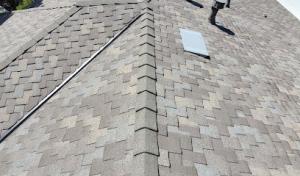
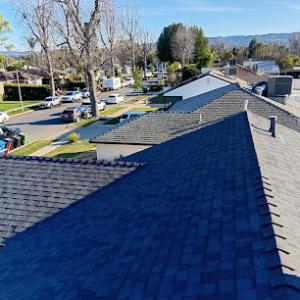
Immaculate Roofing
(818) 456-4654 www.immaculateroofing.com
5308 Derry Ave UNIT C, Agoura Hills, California
4.3 from 22 reviews
Immaculate Roofing is a family owned, award-winning roofing company with over 25 years of experience, proudly serving residential multifamily and commercial clients. Specializing in all aspects of roofing— from asphalt shingle, clay and concrete tile, slate, DaVinci systems, and flat roofing to TPO, PVC, and granulated torch asphalt solar solutions, ventilation, and VELUX skylight installations.All work and installations are completed in-house. Our skilled crews are managed by dedicated foremen, with job sites overseen by experienced superintendents who ensure full supervision and attention to detail at all times. We offer industry-leading warranties from 5 to 25 years, backed by the manufacturer. Immaculate Roofing delivers quality,

LocalRoofs
Serving
4.9 from 118 reviews
LocalRoofs has provided residential and commercial roofing services in Los Angeles, Ventura, and Santa Barbara for more than 50 years. Locally owned and operated, we are a licensed and insured local roofing company dedicated to providing high-quality work and premium service to our customers. We offer free roof checkups and estimates, roof replacement and repair services, solar shingle roofs, roof tune-ups, roof inspections, gutter installation and replacement, and attic venting. CSLB #1095477
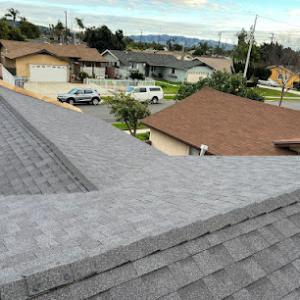
Silver Roofing Specialist
(818) 863-3755 silverroofingspecialist.com
Serving
5.0 from 76 reviews
Silver Roofing Innovation Company, we pride ourselves on being more than fair a material company – we are your committed accomplice in defending and upgrading your property. Our group of gifted experts brings decades of ability to each venture, guaranteeing predominant comes about. We prioritise high-quality materials, and exact establishments, and provoke repairs to ensure a smooth and fulfilling material encounter for you. Past material, we construct unwavering quality, provide strength, and change spaces into persevering sanctuaries. Select Fabric Administrations to hoist your property, protect your venture, and give you a roof you can depend on for a long time.

Silver Stone Roofing
(818) 737-0647 sshomeremodeling.com
Serving
4.8 from 70 reviews
Silver Stone Roofing is a trusted roofing contractor serving Calabasas, Westlake Village, Camarillo, Ventura, Oxnard, Santa Clarita, Los Angeles, Long Beach, South Pasadena, Arcadia, Altadena, and the San Fernando Valley. We specialize in roof replacement, repair, and maintenance, delivering high-quality craftsmanship with durable materials to ensure long-lasting protection for your home or business. Our expert team is dedicated to precision, reliability, and customer satisfaction, offering a range of roofing solutions, including shingle, tile, metal, and flat roofing systems. Whether you’re dealing with storm damage, leaks, or simply need an upgrade, Silver Stone Roofing provides customized solutions tailored to your needs and budget.
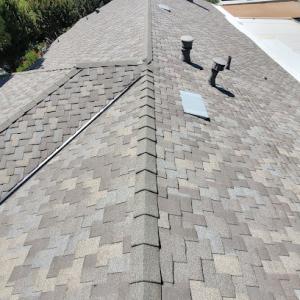
Roof Land
(747) 242-0362 www.rooflandla.com
Serving
4.9 from 37 reviews
Roof Land is a trusted roofing company proudly serving Agoura Hills, Westlake Village, Oak Park, Thousand Oaks Simi valley and surrounding areas. We specialize in roof replacement, re-roofing, and roof repair for all roof types—tile, shingles, and flat roofs. Our experienced in-house crew delivers top-quality workmanship using the best materials on the market. We are licensed, bonded, and insured, and every job comes with a 10-year warranty for your peace of mind. Contact us today for a free estimate – quality and professionalism you can count on.
Morning Light Roof Repair
(818) 699-0488 roofingcalabasas.com
Serving
4.8 from 67 reviews
Welcome to Morning Light Roof Repair, your reliable partner for all your roof repair needs. Our dedicated team of professionals is committed to providing exceptional results and exceeding customer expectations. With our attention to detail and expertise, we offer reliable and efficient repair services to address any issues with your roof. Whether it's fixing leaks, replacing damaged shingles, or addressing structural concerns, trust Morning Light Roof Repair for reliable and professional solutions. Experience the difference we can make for the longevity and functionality of your roof.
vibe roofing
(855) 999-8666 viberoofing.pro
Serving
5.0 from 15 reviews
Vibe Roofing is a trusted local roofing contractor serving Los Angeles and nearby areas. We specialize in roof replacement, roof repair, new installations, gutter systems, and emergency leak response for both residential and commercial properties. Our team is fully licensed, bonded, and insured, bringing expert craftsmanship and a customer-first approach to every project. Whether you're dealing with a leak or planning a full roof upgrade, Vibe Roofing delivers dependable service at competitive prices. 📍 Serving: Los Angeles, Van Nuys, Studio City, Burbank, Sherman Oaks, and beyond. 📞 Call Vibe Roofing now for a free roof inspection or estimate.

Top Armor Roofing
(805) 492-9036 toparmorroofing.com
Serving
4.9 from 28 reviews
Roofing contractor specializing in Community/HOA, Commercial, and Residential roofing services in Thousand Oaks, Westlake Village, and the greater Ventura County area. Family owned with over 35 years of experience. With our roofing services, you can expect a project manager on every job, all full-time employed crews who are manufacturer-trained and certified. Certainteed Shinglemaster Pro roofing contractor in addition to our specializations on all other roofing systems and applications. Professionalism, integrity, and pride in workmanship are just a few of our many core values. From roof replacement, roof repairs, re-roofing services and beyond - you'll find a team of roofing professionals you can rely on with Top Armor Roofing.
Build Up Roofing
(888) 231-9991 builduproofing.com
Serving
5.0 from 42 reviews
At Build Up Roofing, experience a company that puts you first. With a wide range of options from asphalt shingles to metal roofs we have the perfect fit for your home and budget, ensuring quality and satisfaction every step of the way.

Global Roofing Specialist
(877) 345-7223 globalroofingspecialist.com
Serving
5.0 from 287 reviews
WHO WE ARE & WHY WE’RE HERE As a homeowner, Global Roofing Specialist recognized there was a market need for roofers who could not only provide an excellent job with low-cost, long-lasting materials but also live up to their promises. Global Roofing Specialist was created to meet that need, and we have been doing just that since our founding in 2006.
Roof Installation Pros
(818) 864-1350 roofinstallationprosca.com
Serving
5.0 from 59 reviews
Roof Installation Pros proudly serves Woodland Hills, CA, and nearby areas with over 19 years of professional roofing expertise. Our skilled team specializes in roof installation, roof replacement, shingle roofing, tile roofing, flat roof systems, roof leak repair, storm damage restoration, and more. We are dedicated to delivering durable, energy-efficient, and cost-effective roofing solutions that protect and enhance your home or business. With a focus on quality workmanship and customer satisfaction, our roofing contractors ensure every project is completed to the highest standard. Contact Roof Installation Pros Woodland Hills today for a free roofing estimate and dependable service you can trust.
Malibu Roofing
Serving
4.8 from 57 reviews
Malibu Roofing is your go-to roofing contractor serving the Malibu area. With a wealth of experience and expertise, we offer comprehensive roofing solutions tailored to your needs. Our team of dedicated professionals understands the unique challenges of the local climate and provides roofing services designed to withstand them. Whether it's a new roof installation or repairs, we ensure exceptional craftsmanship and reliable performance. Using quality materials and proven techniques, we deliver roofs that not only provide superior protection but also enhance the beauty of your property. Choose Malibu Roofing for expert roofing solutions you can trust.
The Mediterranean climate in this area creates a sharp split in roofing work: a dry season that favors efficient tear-off and a measurable wet period that amplifies exposure once removal begins. You should plan reroofing for the window when the skies stay reliably dry for consecutive weeks, not just days. In practical terms, that means coordinating with your crew to complete tear-off and underlayment before the first sustained rains arrive, ensuring ample time for dry-in before entering the wettest months. Any delays into late fall or early winter can push you into exposure risk, especially on hillside homes with exposed slope lines and open views.
Fall Santa Ana events change the risk profile dramatically. Exposed roof sections and loose materials become project liabilities when high winds arrive before the final dry-in. In this season, anticipate wind-driven debris and blown-off shingles or underlayment, and require secure staging areas and fastened temporary measures. A tight sequencing plan-progressing from wind-sheltered sections to high-load areas first, then progressing to more exposed zones-reduces the chance of wind-driven damage forcing costly rework. If Santa Anas announce themselves with gusts, interim protective enclosures and rapid tarp solutions become essential to protect the work and your home.
Homes perched near canyons or open hillside exposures face another layer of risk: wind-driven rain and debris during active projects. Temporary dry-in quality matters more in these microclimates because even brief rain can saturate gaps and loosen soils, threatening interior damage and ongoing degradation of underlayment. The practical takeaway is to stage work so that the most vulnerable areas-ridge profiles, balcony connections, and tile transitions-receive priority dry-in once sheathing is exposed. Use continuous tarping, secure edges, and robust quick-seal measures to keep work resilient during those high-wind, high-rain events.
Find local contractors experienced in assessing and restoring roofs after hail, wind, and severe weather events.
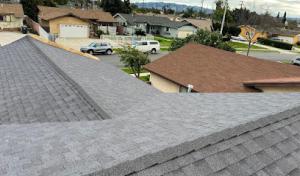
In Agoura Hills, reroof projects tend to run higher than simple flat-area replacements because many homes carry tile inventories that are heavier to handle. Lift-and-reset work on sloped sites adds labor and time, and the sheer weight of concrete or clay tiles means more rigging, more crew, and more staging gear. For a typical tile roof, expect costs to reflect not just the new material but the extra logistics of moving heavy bundles up a hillside driveway and working around multi-level layouts. Here the cost per square foot can push the lower end into the higher range, especially if underlayment or deck protection has to be upgraded to Wildfire-Ready standards.
Hillside access, multi-level homes, and steeper roof geometry common in the area can increase staging, safety setup, and debris handling costs compared with simple walkable roofs. If the property requires a lift, crane, or careful path clearing, the price per square rises accordingly. Debris containment on steep slopes, plus more frequent trips to haul waste away, also adds to the bottom line. In general, expect larger crews, longer working windows, and tighter site management than a gentler, single-story replacement.
Seasonal demand spikes after winter leak events or wind episodes can affect scheduling pressure, especially for emergency dry-ins and underlayment failures on older tile roofs. When a wind event or heavy rain hits the Santa Monica foothills, crews consolidate urgent reroofs, and pricing can move upward due to urgency. If you're planning ahead, locking in a contractor before peak season helps stabilize both timing and cost, while ensuring the chosen fire-resistant underlayment and sealed tile transitions are compatible with wildfire-ready criteria.
Tile-heavy substitutions influence the mix. Concrete tile and clay tile remain among the most common in this area, with costs that reflect both material and the extra hillside handling. Asphalt shingle options may be used as a lighter alternative in select sections, but the weight and wind performance in hillside settings still shape the overall budget. For guidance, costs can span roughly from the mid-range to the upper tiers listed for each material type, with the hillside premiums noted above applied to projects that demand extra staging, lifts, and multi-level access.
Get a clear picture of your project costs upfront - no commitment required.
Immaculate Roofing
(818) 456-4654 www.immaculateroofing.com
5308 Derry Ave UNIT C, Agoura Hills, California
4.3 from 22 reviews

In this hillside community, a full reroof is typically treated as a major project rather than routine maintenance. A permit through the local city building department is usually required, and the process is designed to ensure wildfire resilience, proper venting, and flood/runoff considerations on sloped terrain. Before any work begins, the permit path is activated by a formal scope of work, which the permit reviewer uses to validate that the reroof aligns with building codes, local amendments, and fire-safety objectives for tile-heavy neighborhoods. Expect that plan review will look at roof geometry, typical tile cycles, and how the new materials will perform during Santa Ana wind events and winter rains. The city's aim is not to slow work, but to confirm that the project will protect your home and neighbors from wind-driven embers and water intrusion.
A standard submittal package commonly includes a clear scope of work, the proposed roofing materials, underlayment type and installation details, and a sequence of construction activities. In Agoura Hills, plan reviewers often request flashing details around penetrations, roof-to-wall transitions, and venting configurations that prevent water intrusion and chimney or stack leaks during heavy rains. It is typical to provide specifications for underlayment materials rated for high wind uplift and for fire-resistive capability, along with any required fire-protection features for attic ventilation pathways. The submittal may also call out coordination with existing skylights, solar equipment, or rooftop appurtenances, ensuring they remain secure under Santa Ana wind gusts and potential debris impact.
Inspection sequencing commonly includes an underlayment stage followed by a final completion stage. The underlayment inspection validates that the correct material, nailing pattern, overlaps, and edge details are in place before any tile or metal is installed, which is crucial on hillside homes where wind uplift and runoff paths differ from flatter lots. The final inspection confirms that the roof is fully installed, with flashing, venting, and all penetrations correctly sealed, and that the roof coverings meet local wildfire-ready standards for tile-heavy designs. Some submittals may require pass-through approvals for detailed flashing and venting strategies, particularly where roof slopes are steep or where adjacent structures create complementary wind flows. Planning ahead for these steps reduces delays and helps ensure that the reroof project proceeds smoothly through both plan review and field inspections. If a contractor handles the process, ensure they provide the city with timely updates and keep a copy of submitted drawings and specifications for your records.
Agoura Hills homeowners operate in a California insurance environment where wildfire and wind risk can affect underwriting, renewals, and repair-versus-replacement expectations. Insurance providers increasingly scrutinize roofing material, fire resistance, and the ability of a system to hold together under Santa Ana wind gusts. That scrutiny can translate into tighter policy terms, higher deductibles, or more conservative replacement decisions after a loss. The takeaway: the type and condition of the roof matters at the table long before a claim is filed.
Because the city is associated with wildfire exposure near the Santa Monica Mountains, roof documentation such as age, material type, and fire rating can materially affect insurance conversations. When policies come up for renewal or a claim is contemplated, having clear records helps avoid disputes over what was installed and when. If the roof is tile-heavy, document the number of layers, any retrofits to improve fire resistance, and visible weathering or damage. Clear, dated photos of the roof's surface and eaves can prevent misunderstandings that slow resolutions during a claim or renewal cycle.
After wind or rain damage, photo documentation of displaced tiles, underlayment exposure, flashing failures, and interior leak paths is especially important before temporary repairs obscure evidence. In hillside homes with tile roofs, underlayment and flashing details often drive the extent of water intrusion. Take wide shots of the roof from multiple angles, then close-ups of rafter exposure, ridge lines, and valley metal. Capture interior signs of leaks in ceilings, walls, and closets, noting the date and weather conditions. If a claim is forthcoming, organized evidence can support a quicker, more accurate assessment and help maintain the roof's investment value through the recovery process.
Connect with contractors who help homeowners navigate the claims process from damage assessment to final approval.
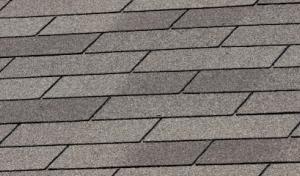
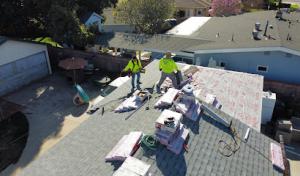
Reroof planning often hinges on how skylight openings and solar penetrations are treated during underlayment replacement. In the hillside climate, winter rain can push marginal flashing failures into visible leaks, so anticipate the worst-case rainfall pattern when detailing dry-in locations. Prioritize continuity of the underlayment around every penetration and ensure lift-off sequences allow seamless resealing without creating dry spots that trap moisture.
Tile roofs common in the area require careful flashing transitions around skylights and mounted equipment. When older components are integrated into a new dry-in system, flashing kits and counter-flashing must match the tile pitches and profiles to avoid crack propagation and water tracking. Pay close attention to step flashing where tile courses meet vertical penetrations, and verify that the sealant paths align with the natural drainage of hillside homes facing Santa Ana winds.
Homes taking advantage of Southern California sun exposure may combine reroofing with solar-related work, which makes sequencing and penetration detailing more important than on a simple roof swap. Coordinate module racking and skylight re-flashing so that panels don't force late-stage penetrations to be disturbed. Create temporary weatherproofing that protects already-flashed penetrations during any later module adjustments or inverter wiring runs.
During the dry-in, ensure that skylight curbs and mounted equipment bases sit flush with or above the finished roof plane, avoiding dimples that trap water. Use pigmented sealants compatible with clay or concrete tile, and confirm that all penetrations receive expanded foam or appropriate backer rods before final sealant. In hillside microclimates, err on the side of robust flashing details to mitigate wind-driven rain intrusion.
Find contractors experienced in skylight installation, flashing, and leak repairs to bring natural light into your home.
Immaculate Roofing
(818) 456-4654 www.immaculateroofing.com
5308 Derry Ave UNIT C, Agoura Hills, California
4.3 from 22 reviews
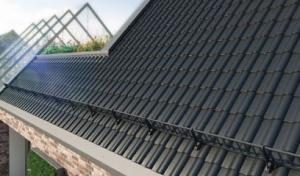
In hillside neighborhoods around the Santa Monica foothills, some homes mix low-slope sections over patios or modern additions with the main tile or shingle roof. These flat or near-flat edges behave differently than the steep-pitch sections and demand pointed attention during reroofing or repairs.
Winter ponding and drainage issues tend to show up where flat sections meet tile or shingle lines. Check for standing water after rains, and compare splash-up paths along the edge, especially where downspouts discharge onto low-slope transitions.
When planning repairs, treat these seams as a distinct detail. Use edge flashing, valley treatment, and drainage planes rated for low slope, and select membranes or coatings designed for 2:12 or flatter pitches. Do not assume that the same materials used on the main roof will perform identically at the edge.
The transition from a low-slope area to a steeper main roof is a common failure point. Ensure proper integration of roofing underlayment, drip edges, and expect the roof-to-wall interfaces to be sealed for wind-driven rain events.
Regular inspection after winter rains is helpful. Look for wet decking, discoloration on the edge plywood, or micro-ponding that could indicate a failed seal. Address edge issues promptly, because neglect here can propagate across the transition.
Because these areas are visually and structurally different, a dedicated detailing plan is essential. Coordinate color and material choices with the main roof to maintain a cohesive look and reliable drainage. On hillside sites, planter boxes or soil loaded adjacent walls can alter drainage paths, so plan accordingly.
Checklist for Agoura Hills edge repairs: verify flashing at the transition, confirm slope compatibility of membranes, and test drainage paths after rains.
Find specialists in TPO, EPDM, and built-up flat roofing systems for residential and commercial properties.
Immaculate Roofing
(818) 456-4654 www.immaculateroofing.com
5308 Derry Ave UNIT C, Agoura Hills, California
4.3 from 22 reviews
Wood shingles and shakes still appear on some older homes in this hillside stretch, but they are a more sensitive choice here because of wildfire exposure and Santa Ana wind events. The way these roofs age - checking for curled edges, brittle tabs, or gaps where embers can land - matters as much as their curb appeal. In dry seasons, a small spark can escalate quickly, so the material choice carries consequences beyond aesthetics. Regular, careful inspections after strong winds or storms help catch damage early, before water intrusion or ember hotspots form.
When these roofs age, homeowners often face a decision between preserving architectural character and moving to more fire-resistant replacement systems. Tile alternatives may mimic the look, but the underlying structure and venting must be re-evaluated to handle a switch. If a reroof rebuild is pursued, consider options that maintain a decorative profile while improving sacrificial features like a fire-rated underlayment and ember-resistant soffits. You may find that modest design tweaks can preserve the home's silhouette without sacrificing resilience.
Insurance scrutiny can be sharper for combustible coverings in this region, making documentation and replacement planning more consequential than in lower-risk markets. Gather detailed records of surface age, maintenance, and any past embers exposure. When discussing a reroof with your insurer or a contractor, emphasize preventive measures: fire-rated underlayment, upgraded vents, and solid attachment methods that withstand Santa Ana gusts. Clear documentation can smooth transitions if coverage questions arise during a reroof project.
If replacement is chosen, consider systems designed to blend with the home's original look while elevating fire resistance. Some options replicate the visual texture of wood while using noncombustible cores or treated surfaces. The goal is to retain the neighborhood charm without inviting increased risk from embers, stains, or rapid deterioration during the region's dry summers and windy winters.
Connect with specialists in the installation and restoration of natural cedar shake and shingle roofs.