
Last updated: Apr 19, 2026
In this Front Range corridor, spring hailstorms routinely hammer roofs and kick off inspections, claim activity, and replacement decisions. The combination of heavy spring hail, winter freeze-thaw cycles, and intense summer UV accelerates material aging and accelerates damage progression. When hail arrives, the window to document damage and pursue a claim can be tight, and delays after a storm may complicate your options. A roof that looks "fine" right after a storm can show bruising, loosening, or tiny granule loss days later as thaw cycles push water into vulnerable edges, valleys, and flashings. This dynamic is familiar to neighbors who watch the weather pattern shift quickly from freezing mornings to warm afternoons, then back to cold nights, all while storms roll through. The risk isn't only visible impact-hidden moisture intrusion can begin just beneath the surface, creating costly issues if left unaddressed.
Local claim handling in this area is shaped by insurers expecting photo-heavy documentation, clearly marked damage areas, and detailed scope notes after hail events. To position a claim for a thorough assessment, gather wide-angle exterior shots showing roof planes, gutters, vents, and edge details, then close-ups of dented shingles, lifted tabs, bruised edges, and granule loss concentrated at valleys and ridges. Include photos of accelerated wear indicators, such as exposed underlayment or water staining on interior ceilings, aligned with the storm timeline. Create a simple map of damage zones on the roof-marking where hail impact is most obvious and where leakage symptoms appear inside the attic or ceiling. When talking to the adjuster, translate the visual evidence into a clear scope: what sections require replacement, what portions merely need repairs, and where ventilation or flashing may need upgrades to address long-term performance. The more precise the documentation, the faster the determination and the fewer follow-up visits needed during the claims process.
Rapid thaw cycles after cold snaps can complicate damage assessment because granule loss, bruising, lifted tabs, and leak symptoms may not appear at the same time. If a storm is followed by warm days, the roof may temporarily dry, making subtle hail damage harder to distinguish. Conversely, extended cold snaps can mask emerging moisture problems behind hail-struck surfaces. The best approach is to stage documentation in phases: initial post-storm photos, then a mid-cycle follow-up after a few warm days, and a final assessment once the most prominent thaw-induced changes have settled. This cadence helps ensure that assessments reflect the true extent of impairment, not just what is superficially visible immediately after impact. For replacement decisions, align your timing with the insurer's evaluation window and the contractor's availability, keeping in mind that a delay might add risk if more moisture intrusion develops or if the roof sustains further weather-related damage before work begins.
Begin by scheduling a professional roof inspection within the first week after a large hail event, especially if your roof is older or if nearby homes report problems. Prioritize sections with visible bruising, curved or lifted shingles, and any signs of moisture in the attic after a rain. If leaks are detected, address interior damage promptly to minimize secondary issues such as mold or insulation degradation. Keep a running record of weather events that might influence damage progression: hail size, wind direction during storms, and temperature swings that drive thaw cycles. Communicate clearly with your insurer about the storm date, the scope of observed damage, and any recommendations from your contractor for immediate mitigation-such as tarping exposed areas or securing loose flashing-so that coverage decisions reflect both current conditions and the potential for future deterioration. This proactive approach helps ensure that any replacement reflects actual need rather than temporary appearance, reducing the chance of gaps between what was observed and what is ultimately approved for repair.
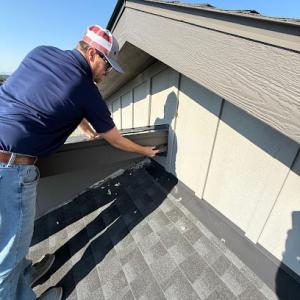
7th Generation Roofing
(719) 651-1883 7thgenroofing.com
10748 Darneal Dr, Fountain, Colorado
5.0 from 114 reviews
7th Generation Roofing, located at 10748 Darneal Drive, is your premier choice for top-quality roofing solutions. Specializing in roof installation, roof replacement, roofing services, roof repair, and roof leak repair, our skilled team is dedicated to delivering unparalleled craftsmanship and reliability. We also offer expert gutter installation, thorough roof inspection, and comprehensive roof maintenance to ensure your home stays protected. Serving our community with integrity and expertise, 7th Generation Roofing is committed to exceeding your expectations. Trust us for all your roofing needs and experience superior service and outstanding results.
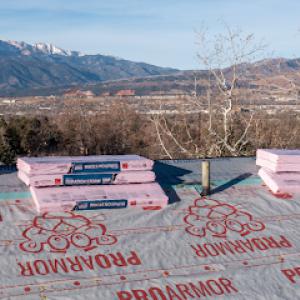
L&N Construction
(719) 355-0648 lnconstructionllc.com
7517 Horseshoe Cir, Fountain, Colorado
5.0 from 36 reviews
L&N Construction is your premier roofing contractor located at 7517 Horseshoe Cir, specializing in top-notch roofing services tailored to your needs. As one of the leading roofing companies, we pride ourselves on delivering exceptional residential roofing solutions, from roof replacement to thorough roof inspections. Our team of local roofers is dedicated to ensuring your home’s roof is sturdy, durable, and aesthetically pleasing. Trusted by the community as the best roofers, we combine quality craftsmanship with unmatched customer service. Choose L&N Construction for reliable, professional, and affordable roofing services.
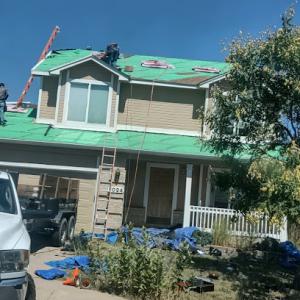
Abba's Roofing
1050 Lords Hill Dr, Fountain, Colorado
5.0 from 13 reviews
No job is too big or too small. We do commercial and residential. Call Abbas Roofing for a free quote.If you are interested in having your roof fixed or have any questions feel free to call or text me at 7194325461. If you would like to send an email to miguelorantes33@gmail.com I will reach back to you as soon as possible.
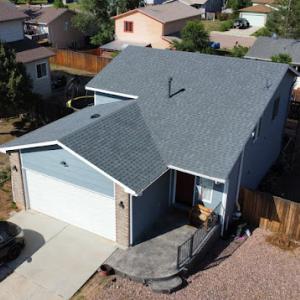
CR3 American Exteriors - Colorado Springs
(719) 735-5278 www.cr3america.com
Serving
5.0 from 26 reviews
CR3 American Exteriors was founded in 2017 to meet the need for high-quality customer service within the exterior remodeling industry. Since then, our commitment to excellence has earned us recognition as a top 10 producer for major shingle manufacturers, secured our place on the Top 100 Roofing List 5000, and helped us serve over 6,000 satisfied customers.
Eagle Roofing Company
Serving
5.0 from 10 reviews
Protect your largest investment with the reliable roofing services of Eagle Roofing Company, LLC. We are a locally owned and operated roofing company currently serving the area of Colorado Springs, CO and surrounding communities. If you want to make your roof last as long as possible, it is vital that you never put off a roof repair. Small issues with roofing become big issues in a hurry. No matter how major or minor the repair you need is, we are here to help. Our services include roofing, reroofing, and roof replacement.

7 Summits Roofing
(719) 432-8619 www.7summitsroofing.com
Serving
4.8 from 78 reviews
7 Summits Roofing is an elite roofing and exterior contractor built for homeowners and property managers who refuse average results. Known for precision craftsmanship, disciplined project management, and uncompromising standards, 7 Summits operates at a level most roofing companies never reach. Every project is executed with a long-term mindset—premium materials, exacting installs, and clear communication from inspection to final walkthrough. The team specializes in complex roof replacements, storm and hail damage restoration, and high-value exterior systems where mistakes are costly and shortcuts are unacceptable. While others compete on price, 7 Summits competes on execution, trust, and outcomes.
High Valley Roofing
(719) 249-7818 highvalleyroofing.com
Serving
5.0 from 71 reviews
High Valley Roofing, LLC is your top choice for roofing services in Colorado Springs, specializing in roof repair, replacement, and hail damage repair for both residential and commercial clients. As one of the top roofing companies in the area, we excel in metal roofing and emergency roof repair, offering high-quality craftsmanship with premium materials. Located at our Home Office 1125 Bayfield Dr, we pride ourselves on being the best roofing company near you, delivering exceptional service and customer satisfaction. Our experienced team is dedicated to providing competitive pricing and free estimates, ensuring transparency and trust. Contact us today for all your roofing contractor needs in Colorado Springs.

ECL Construction
(719) 367-9804 www.eclconstruction.net
Serving
5.0 from 56 reviews
Founded in 2018, ECL Construction has quickly become the one-stop solution for all residential and commercial property services. With over 17 years of experience, our team of expert roofing contractors, painters, fence technicians, siding specialists, stucco professionals, and gutter experts deliver exceptional results. We specialize in revitalizing homes with fresh coats of paint, unparalleled roof installations, and ensuring fences and gutters are in pristine shape. ECL Construction is the trusted partner for property owners seeking impeccable services.
Roofcraft
(719) 300-9329 www.roofcraftllc.com
Serving
5.0 from 30 reviews
Roofcraft, LLC provides quality commercial and residential roofing repair and restoration services to Colorado Springs, CO, and the surrounding areas.
Guardian Roofing & Restoration
(719) 755-8465 www.guardianroofingandrestorationllc.com
Serving
5.0 from 94 reviews
Guardian Roofing and Restoration is a locally owned and operated roofing company in Colorado Springs, CO that is committed to excellence in every aspect of our business. We service most surrounding areas as well. Our distinction is the quality of service we bring to our customers. Accurate knowledge of our trade combined with ability is what makes us true professionals. We offer a variety of services such as roof replacement, roof leak repair, roof skylight installation, and we specialize in hail damage repairs and working with your insurance for support through a claim. Call today!
Breashears
(719) 799-6482 www.breashearsroofing.com
Serving
5.0 from 56 reviews
Breashears Roofing has been a trusted, award-winning roofing contractor for more than 30 years; serving the greater Colorado Springs as well as the Western Slope and Intermountain area. A family owned and operated company, Breashears Roofing considers customers to be part of that family. Customers are always given honest and ethical information, without the confusing fluff or distractions that other roofing contractors provide. The team at Breashears Roofing are specialists in all types of high performance impact resistant roofs including metal & tile roofing.

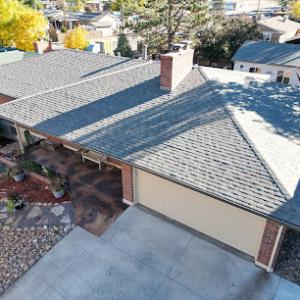
In Fountain, the roof faces Front Range hail, winter freeze-thaw cycles, and strong summer UV exposure at high elevation. Asphalt shingles are common, but hail impact and the sun's intensity shorten service life and can trigger earlier replacement if hail storms are frequent. Snow and ice shedding influence roof load and attic moisture behavior, so a material's weight, insulation compatibility, and underlayment performance matter for long-term reliability. The combination of weather stress and a tight permit/inspection cycle means choosing a roof that resists impact, retains color, and holds up under freeze-thaw moves is essential. In Fountain, balancing initial protection with ongoing performance is key.
Asphalt remains the most familiar choice for homeowners here, as it fits typical upper-elevation housing stock and offers straightforward repairs after storm events. In practice, you should expect periodic hail dings and accelerated granule loss on roofs receiving repeated exposure to hail swaths and bright sun. When selecting asphalt, consider a UV-resistant layer and a granule profile designed to resist weathering. Pay attention to warranty coverage that addresses impact resistance and weathering at elevation. Regular inspections after hail season help catch microscopic fractures before they escalate into leaks or interior damage.
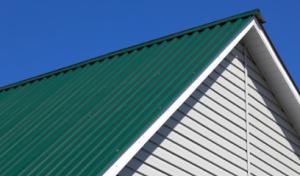
Metal roofing is a strong contender in Fountain because snow shedding reduces ice dam risk and the panels resist hail better than many other materials when properly installed. Metal's reflective properties help limit heat gain during the hot months, which contributes to more stable attic temperatures and reduced thermal stress on underlayment. For homeowners weighing metal, ensure the chosen system is rated for impact resistance and that fasteners, flashing, and drainage are designed for local wind and snow loads. A metal roof can perform very well if the attic space is ventilated and the underlayment is compatible with metal slope systems.
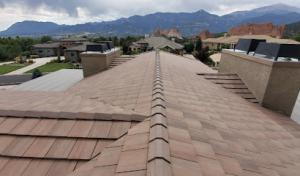
Clay and concrete tiles bring longevity and a distinct look, but local conditions demand careful sequencing. Freeze-thaw movement can stress tile joints, and the higher risk of breakage from hail or foot traffic means underlayment quality and roof deck preparation are more crucial here. Both tile types require a robust substrate and an underlayment that remains flexible in cold weather. If foot traffic for maintenance is anticipated, plan for a system that includes reinforced supports and a layout that minimizes walk-on areas. Proper sealants and flashing connections are essential to prevent leaks as joints age.
After hail events or severe UV exposure periods, schedule a thorough inspection focusing on impact zones, ridge lines, and transitions to the parapet. In Fountain, early detection of micro-cracks, loose fasteners, or granule loss helps extend roof life and avoids costly interior damage. Choose materials with measured installation compatibility for high elevation and temperature swings, and invest in a durable underlayment suited to the local freeze-thaw cycle. A well-matched system - considering asphalt, metal, or tile with appropriate underlayment and ventilation - delivers the most dependable performance in this Front Range climate.
A full roof replacement in Fountain typically requires a permit issued through the City of Fountain or, in some cases, coordinated through El Paso County's building department. The online portal manages the submission, review, and tracking of your project from start to finish. Because wind, snow load, and hail exposure are baked into local code interpretations, the reviewer will look for roof assemblies that meet or exceed the local design pressures and weather realities. Your contractor should file the permit early in the project timeline to avoid delays that can push inspections into the next storm cycle.
Local re-roof jobs commonly involve a rough-in or underlayment inspection followed by a final inspection rather than a single sign-off at project completion. The rough-in inspection verifies that the roof deck is sound, underlayment is correctly installed, and fastener patterns align with the specific product and slope. The final inspection confirms the completed roof, flashing, penetrations, and any required venting. In Fountain, inspectors may also request documentation showing hail resistance or wind uplift considerations for the chosen system, so have product data and installation manuals ready. Plan for scheduling windows that align with favorable weather to minimize re-inspection trips.
Fountain-area permitting is handled through an online portal workflow, and replacement roofs may be reviewed with local wind or load considerations in mind. If the project touches county lines or property lines near jurisdictional boundaries, anticipate a coordinated approach between the City's portal and the county's building department. Your contractor should verify which authority issues your permit and whether any additional plans are needed for special inspections. In neighborhoods with older construction, expect a quick check of eave overhangs, ridge lines, and fascia to ensure the new roof integrates with existing drainage and alignment.
Gather shop drawings, product data, and installation instructions for the chosen roofing system, along with any hail-resistance documentation that the permit authority requests. If your roof involves venting upgrades, ice barriers, or metal flashings, have those details on hand. For projects tied to insurance claims, ensure the documentation aligns with the claim scope so inspections reflect the actual installation. Keep communication open with both the contractor and the permitting office to track inspection dates and any required amendments promptly.
Fountain winters bring snow accumulation followed by thawing and refreezing, a pattern that stresses flashing, underlayment edges, and vulnerable roof penetrations. When moisture moves from the snowpack toward eaves and valleys, the freeze-thaw rhythm can pry seams apart and widen gaps where water can creep in. Ice dam formation at the eave edge becomes not just a nuisance but a driver of interior leaks if water finds a path behind the fascia, around vent pipes, or along dormers. The most stubborn moisture problems often reveal themselves during the first warm spell after a snap of cold snaps, when rushing melt meets stubborn ice still gripping the roofline.
Project scheduling in Fountain can be disrupted not just by snowfall but by site access issues and safety limits during icy conditions on steeper residential roofs. Every job that requires ladder access or rooftop work benefits from a plan that prioritizes days with solid, dry footing and predictable daylight. When days swing between crusted ice and overnight freezes, crews pause to prevent slips, tool damage, and fall hazards. Consider buffering outdoor tasks around forecasted warm spells or sun angles that improve traction and dry surfaces, while keeping enough flexibility for weather delays without compromising risk controls.
Leak calls after winter weather in this area often trace back to ice-related water backup at eaves, valleys, and roof-to-wall transitions rather than field shingle failure alone. The eave line and any transitions from roof to wall are particularly vulnerable when ice blocks moisture from draining properly, forcing it to back up under shingles or flashing. Valleys can become a choke point for meltwater, especially when ice builds along the down-slope edges of the roof. Post-storm inspections should focus on these edge details: flashing laps, drip edge connections, sealant integrity around penetrations, and the condition of underlayment where water first attempts to re-enter the structure. If moisture is found behind flashing or at joints, early reseaming and targeted resealing can prevent larger interior damage.
When you can't wait, these contractors offer fast response times to stop leaks and prevent further damage.
Cheyenne Mountain Roofing - Colorado Springs Roof Repair & Replacement
(719) 259-0731 cheyennemtnroofing.com
Serving
4.9 from 224 reviews
H3: Storm-driven pricing dynamics
In this area, pricing swings with the storm cycle. Hail seasons drive demand for crews, materials, and inspection slots, so you'll often see tighter scheduling and higher daily rates during early spring through late summer. If your home needs a roof right after a hail event, expect a quicker turnaround but higher labor availability competition, which can push up both material and labor costs compared with calm weather periods. Plan for a window of time where crews are busiest and prices are most reactive.
H3: Material choice matters here
The local market actively supports asphalt, metal, tile, wood, and synthetic shingles, but each system carries distinct labor requirements and accessory needs. Asphalt shingles remain the most economical upfront, yet long-term performance under Front Range freeze-thaw cycles, UV exposure, and hail can shift the cost-value equation. Metal roofs bring higher material costs but can offer faster installation and excellent hail resistance in some configurations. Clay and concrete tile present standout durability and a distinctive look but demand specialized substructure, higher installation skill, and moisture considerations that influence total price. Wood shingles or shakes carry unique aesthetic appeal but require more meticulous underlayment and ventilation work in this climate. Synthetic or composite shingles blend a middle path, often easing some labor demands while delivering hail resilience. Your choice can move the total installed price by a noticeable margin because labor and accessory packages differ so sharply between these options.
H3: What drives the bottom line beyond tear-off
Beyond simply removing old material and putting new on, several factors push costs higher in this market. Wind and load considerations can trigger more substantial underlayment, reinforcement, and fastening systems, especially on higher elevations and steeper roofs. Hail exposure also drives the need for upgraded ice and water shield, more robust underlayment coverage, and sometimes enhanced attic ventilation or secondary drainage details. If a project requires additional fasteners, sealants, or specialty clips to meet local wind load expectations, the price per square foot can rise accordingly. In practice, expect price variation to reflect both the chosen material and the added structural or protective components that are prudent for this climate.
H3: Where sizes and cycles land
A square remains the standard measurement, and the typical cost ranges reflect varied material choices. Asphalt shingles may land in the lower end, with metal, tile, wood, and synthetic systems spreading toward higher figures as you scale up durability and aesthetics. In storm-prone periods, expect bid ranges to widen as crews balance demand with availability. For planning purposes, align your budget with the material's long-term performance needs, the roof's pitch, and the anticipated cycle of hail events you're likely to face in the coming years.
Get a clear picture of your project costs upfront - no commitment required.
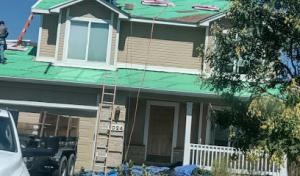
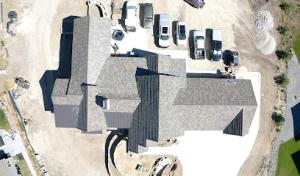
After major hail events, insurers in this area tighten their verification and documentation standards more than you might expect. Hidden denting in concealed areas, thin spots on underlayment, or minor granule loss can raise flags during claims reviews. A single storm can trigger a cascade of questions about cause, timing, and prior wear, and the decision on repair versus replace often hinges on how clearly the evidence tells your story.
Regional underwriters adjust their expectations after repeated hail losses. That means you may find that some roof repairs are treated as temporary fixes rather than durable solutions, or that a renewal prompts more scrutiny of material choices and life-cycle assumptions. If a roof has sustained multiple hail events, the insurer may favor full replacement to mitigate ongoing risk, or they may steer renewal toward different materials that perform better under future hail exposure. Understanding this dynamic helps you plan realistic options rather than chasing a quick patch.
Because claim scrutiny is high, you benefit from building a robust, date-stamped record before any temporary repairs begin. Take dated photos of all affected areas, including interior signs of leaks such as staining or wet insulation. Document collateral damage, like siding impact or fence damage, and gather notes from a professional inspection that outline observed hail-related impacts and areas at risk. This evidence helps support the claim narrative and reduces back-and-forth with the insurer during the review window.
Storm cycles in this region create peak activity periods for claims. If possible, align documentation and any initial mitigation steps with a clear timeline tied to storm events. Being proactive about capturing data soon after hail exposure can prevent disputes later on and helps convey the true condition of a roof when the insurer evaluates next steps.
Connect with contractors who help homeowners navigate the claims process from damage assessment to final approval.
7th Generation Roofing
(719) 651-1883 7thgenroofing.com
10748 Darneal Dr, Fountain, Colorado
5.0 from 114 reviews
L&N Construction
(719) 355-0648 lnconstructionllc.com
7517 Horseshoe Cir, Fountain, Colorado
5.0 from 36 reviews
In Fountain's climate, valleys, pipe boots, ridge caps, and exposed flashing details often show problems sooner than the main roof field after hail and freeze-thaw cycles. The Front Range mix of sudden hail, afternoon sun, and chilly nights can drive water into tiny gaps the eye misses. Pay close attention to metal step flashing along skylines and where two planes meet. Flashing that looks intact may be fatigued beneath the surface, so look for rust blooming, loose fasteners, or mineral staining at the joints after storms. Regular checks after hail events help catch small failures before they cascade.
Skylights deserve extra attention locally because hail impact, seal aging, and snow-related moisture intrusion can turn a minor weak point into an active leak. Inspect the curb and flashing around each unit for hairline cracks, popped seams, or softened sealant. In heavy snow years, weight and melt-refreeze cycles stress seals unevenly, so moisture around the glazing can migrate inward. Ensure the flashing sits snugly against the curb with a continuous bead of sealant where appropriate, and watch for degraded rubber gaskets on vented skylights that can fail long before the surrounding roof looks worn.
Tile and higher-profile roof systems in this market often need closer inspection for underlayment wear and accessory failure even when the surface covering appears partly intact. Hail can damage underlayment beneath clay or concrete tiles, allowing hidden moisture paths to form. Look for cracked or displaced tiles, torn underlayment edges, and loosening of ridge caps or decorative accessories. Valleys and gores supporting heavy tiles are high-risk zones for hidden corrosion or compromised installation; a careful hand-run of a moisture test at those lines after thaw cycles can reveal issues that surface checks miss.
Find contractors experienced in skylight installation, flashing, and leak repairs to bring natural light into your home.
7th Generation Roofing
(719) 651-1883 7thgenroofing.com
10748 Darneal Dr, Fountain, Colorado
5.0 from 114 reviews
Although Fountain is primarily a residential pitched-roof market, local contractor signals show a meaningful low-slope segment that needs different drainage and membrane evaluation after storms. The Front Range sun and hail cycle stresses these assemblies differently, so a low-slope roof calls for a careful hand when assessing drainage paths, slope adequacy, and rooftop interface details. In practice, this means checking that gutters and condensate channels carry water away efficiently after a mid-size hail event and that any membrane seams remain intact enough to shed water during rapid thaw cycles.
Strong summer UV in Fountain can accelerate aging on low-slope roof surfaces and make restoration or coating discussions more relevant on selected assemblies. Look for surface aging on reflective coatings, reduced elastomeric film thickness, and signs of accelerated wear around penetrations and edge details. After hail, the focus shifts from surface bruising to more subtle indicators: granule loss on protective layers, puncture marks in the membrane, and compromised lap seams that might not be immediately obvious from ground level. Pay special attention to rooftop equipment hoods, curbs, and flashings, since impact zones there experience higher risk of puncture or seam separation.
Hail assessment on low-slope roofs in this region often depends on membrane puncture, seam condition, and rooftop equipment impact zones rather than obvious shingle bruising. A thorough inspection should trace water flow paths across the deck, test the integrity of all seams with a proper seaming meter if possible, and check around penetrations for lift or lifting of the membrane edge. If a roof has a built-up or single-pply membrane, inspect the entire field for wear patterns consistent with freeze-thaw cycles, which can open microcracks over time. When in doubt, document with photos at multiple angles and elevations, noting any changes since the previous season.
Find specialists in TPO, EPDM, and built-up flat roofing systems for residential and commercial properties.

Cheyenne Mountain Roofing - Colorado Springs Roof Repair & Replacement
(719) 259-0731 cheyennemtnroofing.com
Serving
4.9 from 224 reviews
In a storm-driven market, the choice of contractor matters. Homeowners in Fountain look for crews that handle re-roofing with tight timelines, solid cleanup after tear-off, and reliable follow-up on insurance supplements. Because storms come in cycles, you want a roofer whose schedule reflects calendar realities here: rapid response after hail reports, a clear plan for temporary protection, and a track record of finishing without leaving trim work or debris, with documented timelines.
Established, family-owned, and locally owned firms have a visible presence, which matters when inspections reveal missing shingles or storm damage, and when you need post-inspection adjustments. Choose a crew that offers a named point of contact for weeks after installation, with clear accountability and a straightforward path to address any surprises from the insurer or the weather.
Residential work dominates local hiring signals, but many Fountain contractors also handle commercial roofs. Confirm the crew's experience matches your roof type, whether asphalt, metal, tile, or shakes, and ask to see recent projects with similar profiles, and verify they can couple storm repairs with your home's specific needs rather than offering a one-size-fits-all approach.
Ask about cleanup practices, disposal of debris, and how the crew protects landscaping and siding during teardown. A reliable storm roofer will lay down edge protection, tarp vulnerable areas, and return promptly for promised follow-ups on claim work, with a plan for post-installation cleaning that leaves your yard as it was found.
How to verify credibility during work: check local references, look for weathered permits display, and confirm the team will coordinate with your insurance adjuster. Scheduling can hinge on storm timing, so clarify response windows and written timelines upfront, plus a written warranty and a clear post-installation visit window. Visit a completed job in a nearby neighborhood after a hail event and talk to the homeowner about cleanup and communication. That firsthand feedback helps you choose a roofer who stays reachable through the claim process, and asks for a straightforward follow-up schedule.