
Last updated: Apr 19, 2026
Bear sits in northern Delaware where nor'easters and tropical-storm remnants are a recurring roofing threat, making wind-driven rain and shingle loss more relevant than purely arid-climate wear. The typical suburban roofscape-pitched homes with asphalt shingles or metal overlays-tends to bear the brunt of gusty winds, hail in unusual patterns, and repeated freeze-thaw cycles. When a storm rolls through, the combination of wind uplift, edge blow-off, and moisture intrusion can turn a routine re-roof into a cascading repair challenge. The result is concentrated risk for shoulders of roofs, valleys, and chimney flashings that often become weak points after a severe event.
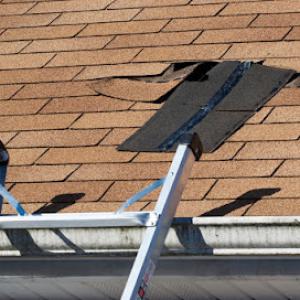
After a wind event, you should inspect with caution and act quickly. Start on the ground and look for missing or curling shingles, exposed underlayment, and any obvious gaps along the edge detailing. If you must climb up, use proper safety gear and avoid stepping on damaged sections. Photograph the roof from multiple angles, including close-ups of any lifted tabs, missing fasteners, or granular loss in the shingles. In Delaware's wind-heavy climate, claim activity is common, so thorough pre-loss and post-loss photo documentation helps support a reliable claim narrative. Keep dates, times, and weather notes tied to each image.
Storm-driven damage often shows up in stages-one gust reveals a new scuff, another storm loosens a row, and repeated wind-hail cycles complicate the picture. Your documentation should tell a complete story: how the roof looked before the event, what changed immediately after, and what worsened in the days that followed. Photos should include the condition of flashing around dormers, vents, and chimneys, plus close-ups of granule loss on asphalt shingles. Create a simple diary entry for each photo set: date, exact location on the roof (if safe to access), and a note on observable damage. Delaware's regular wind and hail claim activity means insurers will expect this level of detail.
Because Bear is a large suburban community with many detached homes, storm demand can surge quickly after regional weather events and slow scheduling for inspections and replacement. If you are dealing with multiple houses in the neighborhood, expect inspectors and crews to be booked solid for several days to weeks after a major event. To minimize displacement, have a clear plan for temporary protection-heavy-duty tarping where appropriate, and direct access routes for contractors. If gutters or downspouts show signs of separation, address those items promptly to prevent further moisture intrusion into the underlayment and roof deck.
In this climate, addressing moisture management means prioritizing effective sealing around penetrations and ensuring the roof system can shed wind-driven rain efficiently. Regular inspections after winter and after any major storm help catch emerging issues before they escalate. For Bear homes with attached or near-detached neighbors, coordinating with neighbors on staging and shared storm water flow can reduce localized damage risk and speed up restoration when an event hits. Stay vigilant, document consistently, and act decisively to protect your roof and your home.
Find local contractors experienced in assessing and restoring roofs after hail, wind, and severe weather events.
Dynamic Remodel & Repair
(302) 543-5573 dynamichomeremodel.com
14 Lauren Dr, Bear, Delaware
4.9 from 153 reviews
A. Parker Contracting
(302) 377-1193 www.delaware-roofing.com
109 Chartwell Ct, Bear, Delaware
5.0 from 31 reviews
First Class Contracting
(800) 307-1059 www.firstclass-contracting.com
825 Sparrow Ln, Bear, Delaware
5.0 from 11 reviews
Dynamic Remodel & Repair
(302) 543-5573 dynamichomeremodel.com
14 Lauren Dr, Bear, Delaware
4.9 from 153 reviews
Dynamic Remodel and Repair is a family-owned roofing, siding, decks, windows and doors contractor located in Wilmington, DE. Dynamic Remodel and Repair serves residential customers in New Castle County, PA, Southern Chester County PA, and in Southeastern Pennsylvania like Montgomery County, PA and Delaware County PA. We have been providing a wide array of services including roof replacements, roof repairs, siding replacement, siding installation, window replacements, and other exterior remodeling services for over 15 years. Apart from our roofing expertise, you can always trust Dynamic Remodel and Repair for your home improvement needs. We provide free on-site estimates and have financing available. Contact us today for more information!
A. Parker Contracting
(302) 377-1193 www.delaware-roofing.com
109 Chartwell Ct, Bear, Delaware
5.0 from 31 reviews
A. Parker Contracting, the best local, small family run companies for roofing Wilmington DE residents use, has been installing and repairing roofs in Delaware and surrounding areas for over 40 years. As one of the top roofers Wilmington DE residents utilize, A. Parker Contracting believes in keeping it simple. Our customers deserve the highest quality materials, professional installation, a reliable labor warranty & the lowest possible prices. As the most efficient roofers in Wilmington DE, we deliver exactly that. We pride ourselves as the Wilmington DE Roofers that listen to your needs and deliver the exact product you are looking for. One call does it all, with A.Parker Contracting, your roofer Wlimington DE loves!
Alfaro Enterprises
(302) 832-3930 alfaroenterprises.net
6 Constance Ct, Bear, Delaware
5.0 from 7 reviews
Roofing, Siding, Gutters & Windows installation and repair in New Castle County, Delaware and surrounding counties. Residential and commercial projects including Shingle & Flat Roofs, Siding, Metal, Gutter Protection, Window Installation & Replacement and Exterior Cleaning & Powerwashing.

Kirkin Exteriors
(302) 832-7663 kirkinroofing.com
Serving
4.8 from 438 reviews
Kirkin Exteriors is a trusted, full-service roofing and exterior contracting company serving Delaware and the surrounding region. With a reputation built on craftsmanship and reliability, the team specializes in roof repair, replacement, and energy-efficient solar shingle installation. Kirkin also provides expert siding repair, seamless gutter systems, and high-performance window and door installations designed to boost curb appeal and lower energy costs. Known for delivering affordable, timely, and high-quality results, Kirkin Exteriors is committed to protecting and enhancing homes across the Mid-Atlantic with durable, weather-resistant solutions.
N. Mallari General Contracting - New Castle, DE
(302) 516-7738 www.nmallarigc.com
Serving
4.8 from 23 reviews
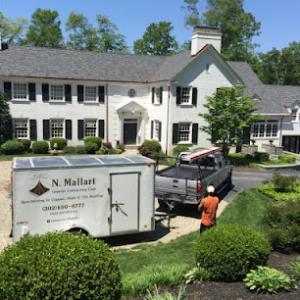
Based in New Castle, Delaware (and proudly serving the areas of Newark, Bear, Middletown, Sussex, Lewes - Delaware) - N Mallari General Contracting specializes in roofing (i.e. Shingles, Copper, Metal, Slate, & Tiles), Siding, Gutters, Windows, and Chimney Pointing. Top-rated Delaware Contractors, we help bring new life into older buildings and homes.
MOT Roofing
(302) 598-9717 www.motroofing.com
Serving
4.8 from 24 reviews
Your home is your biggest investment, and you should protect it as such. So when it comes to ensuring that your roof is properly maintained, it only makes sense that you hire the best. As a family owned and operated business, MOT Roofing will treat your home as if it was ours. We are known for our quick response times and top-quality work. Don't trust the roof of your home to just any company - put your home in good hands by calling MOT Roofing today.
Roof It - Delaware Roofing Contractors
Serving
5.0 from 43 reviews
Elevate your roofing experience with Roof It, Middletown's premier roofing contractor. Specializing in Roof Replacement, Metal Roof installations, and meticulous Roof Repair solutions, our seasoned team ensures every project reflects excellence. We prioritize customer satisfaction, backed by years of expertise in safeguarding properties against water damage. From Gutters and Downspouts maintenance to seamless installations, our commitment to quality shines through. Facing insurance claims post-storm damage? Trust Roof It to streamline the process, providing expert guidance and impeccable repairs for your peace of mind. Contact us today to discover why Roof It is the top choice for roofing solutions in Middletown, DE.
HRL Exteriors
(302) 363-8906 hrlcontractor.com
Serving
5.0 from 15 reviews
HRL Exteriors is your trusted partner for roofing. WE HAVE 24/7 EMERGENCY SERVICE Local ownership and service in Newark, Delaware area. Ranging from roofs to siding, gutters, decks, and more.
C H Evans Roofing & Gutters
(800) 846-7162 chevansroofingandguttersde.org
Serving
5.0 from 12 reviews
C H Evans Roofing has been a trusted name in roofing across Delaware, Maryland, New Jersey, and Pennsylvania for over 50 years. As a family-run business founded by Charles Evans’ father, we bring decades of craftsmanship and integrity to every job. We specialize in shingle, metal, flat, and commercial roofing systems, roof coatings, seamless gutters, and more. Whether you’re in Wilmington, Newark, or Middletown, we deliver high-quality, reliable roofing services. BBB members since 1976, we’re known for doing the job right—the first time. Choose C H Evans Roofing when you want peace of mind, honest pricing, and long-lasting roofing solutions.
Advance Inc - Roofing Windows Siding Doors & Decks
(302) 324-8890 www.advancemyhome.com
Serving
4.9 from 286 reviews
Advance is the premier exterior home improvement contractor for Southern Pennsylvania, Delaware and Eastern Maryland. We specialize in Window Replacement, Roofing, Doors and much more.
G. Fedale Roofing & Siding
(302) 527-6825 www.gfedale.com
Serving
4.9 from 10 reviews
G. Fedale Roofing & Siding has been a competitive leader in the home improvement and commercial roofing industry since 2002. Gaining a major market share through the specialized talents of our employees, we pride ourselves on the success of our rapidly growing company. We are dedicated to the highest install and repair standards and our extended workmanship warranties guarantee coverage long after work is completed. Our mission at G. Fedale is to provide the best value and craftsmanship for our customers and the communities we serve through service, education and commitment.
Perfect Roofing
(302) 743-1968 www.perfectroofing.us
Serving
5.0 from 57 reviews
Perfect Roofing is a trusted local roofing company serving Newark, Wilmington, Greenville, Bear, and surrounding Delaware communities. We specialize in full roof replacements, storm damage repairs, roof inspections, and emergency leak fixes. Our team works with all roofing systems, including asphalt shingles, flat roofs, and metal roofing. Whether you're in a historic Wilmington home or a large Greenville estate, we bring expert craftsmanship, honest pricing, and fast response to every job. Licensed, insured, and Google Guaranteed—contact us today for reliable roofing done right.
In Bear, cold winters create freeze-thaw cycling that can crack aging shingles and contribute to ice dam formation at eaves. That means you should prioritize inspection for hairline cracks and lifted edges after the heaviest freezes and thaws. If you notice widespread shingle damage or shingle granule loss, plan a reroof window before the next freezing spell, so moisture intrusion doesn't compound through the spring thaw. When ice dam concerns are high, address insulation and attic air leakage in tandem with any deck or underlayment issues to reduce melt water backing up at the eaves. If you're delaying a full replacement, ensure walking decks and overhangs are cleared of snow and ice to minimize sudden weight or surface damage during storms.
Spring precipitation and storm runoff can overwhelm gutters, so replacement timing in Bear often needs to account for drainage readiness as much as shingle condition. Start with a thorough gutter and downspout check as soon as winter thaws break. If gutters are clogged or sagging, water can back up against the roof edge, accelerating ice dam risk and damaging fascia and underlayment during the first big rain events. A roof with properly functioning drainage sheds water more predictably, reducing the chance that moisture penetrates the roof deck between storms. Plan any roof work for a window after a dry spell, when crews can safely move across the roof and inside attic spaces ventilate efficiently. If you do notice active leaks after heavy rains, prioritize a temporary seal to prevent interior damage while scheduling a more formal replacement.
Hot, humid summers in northern Delaware accelerate shingle aging and can stress underlayment and attic ventilation performance. When heat builds up, composite shingles may curl or blister on exposed slopes, and underlayment can soften if ventilation is insufficient. If your attic lacks adequate intake and exhaust, moisture from daily cycles won't vent properly, which compounds warping and reduces the roof's life. During shoulder seasons you should verify attic ventilation pathways and consider adding baffles or ridges to improve air movement before a full replacement. For a pending project, aim to complete work in late spring or early fall when temperatures are moderate, reducing heat-related stress on materials and helping the contractor manage adhesive and sealants more effectively. If you rely on attic fans, ensure they operate during life-to-death weather swings to balance the humidity that accelerates deck deterioration.
Storm-driven roof damage often presents as a sequence: hail or high winds can lift or crack shingles, followed by moisture infiltration during the next rain cycle. Schedule critical repair work promptly after a storm, so exposed decking isn't left to rapid moisture saturation during the worst part of the season. If you observe accelerated aging on one slope, inspect for wind-driven damage where exposure is highest and plan targeted replacements rather than a full-scale job unless multiple elevations show excessive wear. Finally, coordinate seasonal checks with a local pro who understands common Bear roofing practices, including pitch, typical snow load behavior on mid-range slopes, and the way local materials respond to our freeze-thaw and storm profiles.
Asphalt shingles are the dominant practical choice in Bear's suburban housing stock because they fit the area's common re-roofing needs and moderate replacement budgets. For a home with standard pitched framing, these shingles offer a familiar installation process, broad color options, and a reliable track record under typical Delaware weather patterns. When choosing asphalt, look for a rated 30-year or longer shingle with good granule adhesion and a compatible underlayment system. In Bear, a well-sealed roof deck and proper attic ventilation help prevent moisture buildup and ice damming during freeze-thaw cycles.
Storm-driven winds and heavy rains are regular conversations in this neighborhood. The key with any roof material is how it responds to wind uplift and moisture infiltration. Asphalt shingles perform well when installed with modern fasteners and a continuous underlayment that resists wind-driven leaks. Pay attention to edge detailing, hip and ridge areas, and any protrusions like vents or chimneys. Regular maintenance-clearing moss, checking for lifted tabs after a storm, and ensuring gutters flow freely-protects against moisture that can compromise sheathing and insulation over time.
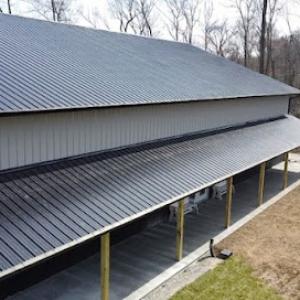
Metal roofing has a local niche for homeowners prioritizing wind resistance and lower maintenance through Delaware's wet winters and hot summers. In Bear, metal panels or shingles can reduce the risk of wind uplift and are often perceived as durable against hail and heavy rain. The trade-off is a different aesthetic and a higher upfront installation complexity. If choosing metal, ensure a precise seam detailing, weather-tight closures at transitions, and a robust underlayment to handle thermal expansion and contraction. Metal shines in larger, more open roof planes where reflective properties can also help reduce attic heat gain on hot days.
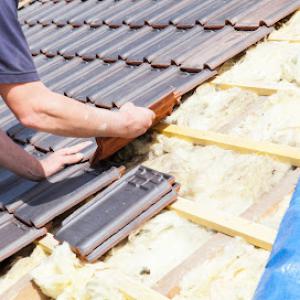
Heavy materials such as slate, clay tile, and concrete tile are available in this market, but they are less typical for mainstream suburban homes and usually appear on higher-end or architecturally distinct properties. These choices offer remarkable longevity and a distinctive look, but they demand a solid supporting structure, careful flashing, and meticulous installation. In Bear, these materials are most commonly paired with homes that already have reinforced framing or deliberate design elements that justify the weight and maintenance approach. A careful assessment of roof slope, deck condition, and attic ventilation is essential before committing to any heavy tile system.
When evaluating options, consider how often the roof may be exposed to direct wind-driven rain, how freeze-thaw cycles stress the attic and decking, and how future maintenance fits into household routines. For many homes, a well-installed asphalt system with modern damp-proofing and venting delivers dependable, cost-conscious performance. If wind resistance or long-term low-maintenance needs dominate your priorities, metal can be a practical upgrade with proper detailing. Heavy materials suit homes with distinctive architecture and robust structural support, where their visual impact and lifespan align with the project's scope. In any case, confirm that flashing, drip edges, and attic venting are integrated into the plan to manage moisture and preserve roof longevity through Bear's seasonal transitions.
Bear's market is heavily re-roof oriented, so pricing is often influenced by tear-off scope, disposal, and how quickly crews are booked after regional storms. When a typical suburban home needs a full replacement, the tear-off and waste management can easily shift you along the cost spectrum, especially if old decking needs to be stabilized or replaced. In practice, contractors price per square (10x10 feet) and most pricing scenarios hinge on how much of the existing roof is removed, how far waste must be hauled, and how efficiently crews can mobilize after a storm event.
In the late season, schedule windows compress and weather becomes a bigger hurdle. Costs can rise when weather windows tighten before winter, since Bear's climate makes late-season scheduling more difficult and can delay installation. If a storm clears ground only for a few days, crews may face premium overtime or limited crews, which pushes labor hours higher and squeezes the overall timeline. Planning with a window in mind helps keep both material and labor charges predictable, rather than chasing last-minute availability.
The area's predominantly residential pitched roofs keep asphalt pricing competitive, while premium materials such as slate and tile move sharply higher because they require more specialized labor. For example, asphalt shingles sit in a familiar range across Bear's market, even as storm-driven demand spikes, yet metal roofs and premium tile systems-slate or clay-command noticeably higher margins due to installation complexity and the need for specialized PPE, equipment, and precise flashing details. When you consider a full replacement, the economics often favor asphalt or metal for overall value and quick turnaround on typical residential pitches, while clay and slate are appropriate only when budget and long-term durability strongly align with the home's design and the contractor's proven setup.
To estimate, use the city's typical cost ranges as a rough guide, but anchor the final numbers to the tear-off, disposal, and crew mobilization factors described above. If you're weighing materials, remember that premium options may double or triple asphalt in price per square, not just for material but for the skilled labor required to install and integrate under the local freeze-thaw and wind exposure conditions. In practice, lock in a clear scope: what's being removed, what's staying, and what is being upgraded to ensure you're comparing apples to apples when storms approach.
Get a clear picture of your project costs upfront - no commitment required.
Dynamic Remodel & Repair
(302) 543-5573 dynamichomeremodel.com
14 Lauren Dr, Bear, Delaware
4.9 from 153 reviews
A. Parker Contracting
(302) 377-1193 www.delaware-roofing.com
109 Chartwell Ct, Bear, Delaware
5.0 from 31 reviews
Bear is served through local county permitting rather than a separate city hall roofing department, so homeowners should expect the local building department to handle permit review and final inspection. That means your project will ride on the county's schedule, not a city-specific timeline. The process can feel more work than a simple permit, especially if your roof change involves larger square footage or a switch in material. Expect the review to reflect county standards for weather-related vulnerability and residential endurance, not just aesthetic preferences. If a contractor promises a quick turnaround, double-check the exact permit path and whether any plan checks are required before work begins.
A full roof replacement in this jurisdiction typically requires a building permit, and the permit generally needs to be posted on-site during the project. This posting is not a mere formality; it signals to inspectors and neighbors that the work is recognized and monitored. If the permit isn't visible, you risk penalties or delays that can extend a project well beyond the planned window. The county often expects adherence to the same minimum requirements for all pitched residential roofs, including flashing details, vent placement, and underlayment continuity, regardless of roof style.
Final inspections in this jurisdiction focus on flashing, ventilation, and underlayment. Those components matter because storms and freeze-thaw cycles exploit any gaps or misinstallations. If flashing doesn't seal properly around chimneys, rake edges, or dormers, moisture intrusion becomes a risk even in otherwise sturdy assemblies. Adequate attic ventilation reduces moisture buildup that can rot sheathing and promote mold. Underlayment integrity, especially in areas prone to driving wind and precipitation, remains a frontline defense against leaks. Plan-checks may take longer during busy periods, which can push back start dates and push-forward deadlines you'll need to meet for the permit posting.
Work with a contractor who understands county plan-review cycles and inspection windows. Plan-check delays are a real possibility during peak seasons, particularly after storms when many homeowners pursue repairs simultaneously. If your project encounters a hold for missing documentation, respond promptly; a delayed kickoff can compress the window for the permit to remain active. Keep the permit posted, and arrange for the final inspection soon after completion while the site is still accessible for the inspector to verify flashing and ventilation details in the finished condition.
Before lifting shingles, confirm that the approved plan aligns with county wind and moisture standards, and that your chosen materials maintain performance under northern Atlantic weather patterns. Have your contractor coordinate the permit posting, plan-check submissions, and the sequence of inspections to minimize delays. If a problem arises during inspection, address it quickly and transparently; the county's focus on flashing, ventilation, and underlayment is designed to prevent costly moisture damage down the line.
Bear homeowners are operating in a Delaware insurance environment with recurring wind and hail roof claims, so claim scrutiny and documentation quality matter. When a storm hits, adjusters will comb through the details of what was damaged, how it was reported, and how quickly you reacted. Having clear, dated records of your roof's condition before and after the event can prevent disputes that stall you at a vulnerable moment. This means keeping up with photos, weather reports, and any temporary protection you put in place right after the storm.
Adjuster timelines can vary after severe weather, which can leave Bear homeowners balancing temporary protection with delayed claim decisions. If a nor'easter or tropical-storm event rolls through, expect waiting periods before a field adjuster can visit, even if you file promptly. In the meantime, take proper, noninvasive steps to shield the interior from leaks and further damage-tarps or boards properly secured, no walking on a fragile area, and careful debris management. Document every step you take to protect the home, and keep receipts or notes in case they're needed to support your claim later.
Coverage terms may tighten after major storm periods even without a documented statewide market pullback, so homeowners should review roof age, exclusions, and depreciation language carefully. Older roofs often face stiffer depreciation or higher scrutiny on pre-existing conditions, which can affect what is covered. Read any correspondence from the insurer carefully, and don't assume that a approved claim on one issue automatically covers related damage discovered during repairs. If something doesn't align with what you remember reporting, ask for clarification sooner rather than later.
Even after a claim is approved, resolution can hinge on precise documentation, including repair receipts, contractor assessments, and a clearly outlined scope of work. Keep a running file of all communications with the insurer, the contractor, and the adjuster. In this market, the more precise and proactive you are, the less room there is for misunderstandings that can derail restoration and leave you exposed to further moisture and wind-related risk.
Connect with contractors who help homeowners navigate the claims process from damage assessment to final approval.
Dynamic Remodel & Repair
(302) 543-5573 dynamichomeremodel.com
14 Lauren Dr, Bear, Delaware
4.9 from 153 reviews
A. Parker Contracting
(302) 377-1193 www.delaware-roofing.com
109 Chartwell Ct, Bear, Delaware
5.0 from 31 reviews
In Bear's wet and seasonally cold climate, flashing and ventilation details are especially important because local inspections specifically scrutinize them. Roof joints where the roof meets walls, vent pipes, and where roof sections overlap are frequent failure points after storm events or rapid temperature swings. You'll want to verify that metal flashing along chimney returns, dormers, and skylight curb transitions is continuous and sealed, with proper counter-flashing to shed water toward the eaves. Ventilation components-soffit vents, ridge vents, and attic baffles-must be balanced to prevent moisture buildup that can rot decking from the inside out. When attic air is not properly vented, you risk mold growth and accelerated shingle deterioration, especially after heavy rains.
Ice dam risk in winter and heavy rain exposure in spring make eaves, valleys, and gutter transitions common trouble spots on older roofs in this area. In Bear, freezing cycles trap meltwater at the eave, which can back up under shingles and into soffits. Valleys that channel rain into tighter spaces require attention to ensure a continuous waterproofing layer. Look for loose or missing drip edges, failed underlayment at rakes, and compromised ice barriers in the lower roof zones. Regular pruning of nearby trees helps reduce wind-driven debris that can clog gutters and downspouts, increasing the likelihood of damming and water backup.
Chimney and skylight penetrations are recurring concern points in Bear's contractor market, reflecting the number of local contractors advertising those repair capabilities. Each penetration is a potential failure site where flashing can fail, sealants degrade, or voids form in the surrounding decking. Inspect around chimney flashing for rusting or lifting metal, cracked mortar joints, and deteriorated sealant at the base. Skylight flanges require diligent sealing and proper coordination with step and kick-out flashings to manage rain intrusion during heavy downpours. Regular checks after storms help catch edge failures before interior leaks appear.
Find contractors experienced in skylight installation, flashing, and leak repairs to bring natural light into your home.
Dynamic Remodel & Repair
(302) 543-5573 dynamichomeremodel.com
14 Lauren Dr, Bear, Delaware
4.9 from 153 reviews
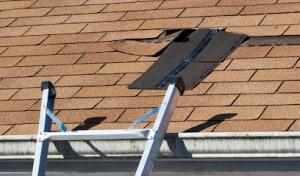
In Bear's market, response time after a leak or storm is a key signal of reliability. When a contractor visits, watch how they address the immediate problem and how clearly they outline the next steps. A practical crew will discuss temporary protection, material options, and a realistic timeline without high-pressure tactics.
Many homes here sit on pitched roofs shaped by freeze-thaw cycles and Nor'easter winds. Favor firms with years of local work and a track record on similar roof pitches and substrates. Ask for three recent Bear or nearby projects, and note what problems they encountered and how they fixed them.
Because the market is response-driven, you'll notice differences in how quickly contractors can start and finish. Prioritize companies that can commit to a reasonable start date and provide a clear plan for weather-related delays. A dependable crew will share daily progress updates and a defined sequence of steps.
Cleanup is a visible local priority. Request specifics on debris containment, dumpster management, and magnet sweeps for nails. Confirm that the crew includes a supervisor who will be present on key days. A tidy jobsite reflects respect for neighboring homes and a smoother project flow.
Bear homeowners often compare responsiveness and price against tenure and local reputation. Look for family-owned firms with long-standing community ties, and cross-check references in neighborhoods with similar roof types. A contractor's standing with local suppliers and other trades can signal stable, reliable service.
Agree on a written scope, the sequence of roofing steps, and who handles adjustments if weather interrupts work. Ensure contact details are clear and that the contractor commits to documented changes and agreed-upon milestones. Strong communication reduces surprises during a storm-driven re-roofing project.