Last updated: Apr 19, 2026
Delaware River winds and coastal storms slam this area with wind-driven rain that can force water under shingles, flashing, and ridge details. The result is not always obvious at first glance: a roof can look intact while underneath the decking and transitions have been compromised. In the riverfront and Old New Castle neighborhoods, aging roof assemblies are common, and repeated wind events tend to reveal hidden problems with flashing, masonry transitions, and deck integrity. After a nor'easter, conduct a careful, ground-level inspection and then a climb only if safety is assured. Look for lifted shingles, cracked or missing flashing around chimneys and skylights, blown-out ridge cap pieces, and staining or waviness along ceilings inside attic spaces. If you notice peeling paint or damp spots on interior ceilings near the roofline, treat that as a warning sign of potential partial decking damage or compromised underlayment.
You should document the condition before any temporary repairs. Start with wide-angle photos of the roof line from multiple angles, then close-ups of flashing joints, ridge lines, and any suspect areas around chimney stacks or dormers. In older neighborhoods, many homes rely on masonry transitions that can fail when wind pressures spike; photograph those transitions where the roof meets brick or stone. If you have attic access, inspect decking from above with a flashlight, noting any sagging, soft spots, or dark stains that indicate moisture intrusion. If you encounter active leaks or rain entering the home during the storm, prioritize temporary containment: place a tarp or heavy-duty plastic over obvious entry points and collect drips with buckets far from electrical sources. Never delay addressing a leak that threatens electrical or structural components.
New Castle homes often feature preservation-sensitive materials or older shingle and tile assemblies. If the roof shows wind-driven damage or water intrusion, bring in an experienced roofer who understands slate, clay tile, or historic masonry transitions, as appropriate. A professional should perform a careful assessment of the deck and underlayment, flashing around penetrations, and ridge details. In neighborhoods near the river, it is common for hidden decking failures to accompany visible damage; a thorough inspection prevents missed problems that could worsen after the next storm. Request a phased plan: stabilize to stop leaks, then schedule a complete evaluation of the roof structure and transitional details to determine if a full replacement or targeted repairs are warranted.
Delaware roof insurance claims frequently follow wind storms and nor'easters. Your best case is to have a precise, dated narrative of what failed and when, supported by high-resolution photos taken as soon as conditions permit. Create a log that includes the date of each observed issue, locations of leaks, and any temporary fixes you implemented. If possible, obtain written statements from neighbors who observed similar damage, especially for shared roof features such as parapets or common gutters. A clear condition report that maps problem areas, descriptions of affected materials, and any interior impacts helps streamline the claim process and supports timely restoration decisions. Keep copies of all communications, contractor estimates, and any prior roof work for reference during the insurance review.
Given the exposure to wind-driven rain from coastal storms, plan for more frequent inspections after heavy nor'easters. Prioritize secure fastening of vulnerable ridge caps, flashings, and transitions around the oldest portions of the roof. In preservation-sensitive areas, consult with a specialist who can recommend appropriate materials and detailing that respect the historic character while delivering reliable weather resistance. Regular, targeted maintenance during calmer months reduces the risk of cascading damage when the next storm hits the riverfront and Old New Castle neighborhoods.
Old New Castle contains one of the region's oldest concentrations of homes, where slate, clay tile, and other historically appropriate roof appearances are more relevant than in newer Delaware subdivisions. That means choices aren't just about weather and longevity; they're about preserving the look that defines the street and the street's memories. When you're evaluating a replacement, the acceptance criteria from preservation-minded neighbors and local trades often hinge on surface texture, profile, and the way materials age with the rest of the masonry. The most durable look in this context can still be a deliberate choice that respects roofline rhythm and the historic silhouette, even if it costs more upfront.
Roof work on older masonry homes in and around the historic area often involves chimney flashing, wall flashing, and preservation-sensitive material matching rather than simple tear-off replacement. The chimney stack and parapet walls frequently tie into the roof deck, carrying moisture risks if flashing is mismatched or compromised. Even small penetrations can direct leaks down into the brickwork or into interior cavities that have aged joints and lime-based mortars. Expect careful assessment of each corner, joint, and transition detail, because a misstep here will undermine years of decorative brick and historic plasterwork.
The presence of very old roof framing and decking in New Castle's oldest homes can change scope after tear-off, especially when replacing heavy materials like slate or tile. Underneath a visibly solid surface lies a mesh of warped planks, rot-prone sheathing, and nails that have seen centuries of climate cycles. When slate or tile is removed, you may discover rafters that are undersized for modern spans or decking that no longer offers a sound base for weighty replacements. This is not merely a material swap but a structural inquiry: what looked like a straightforward tear-off can morph into strengthening joists, adding sheathing, or re-working the attic ventilation to prevent future failures.
Delaware humidity combined with Nor'easter winds creates a specific moisture history in these homes. In practice, that means what looks dry from the exterior can hide slow-deteriorated sheathing and hidden rot behind brick walls or under eaves. Look for signs of chronic condensation, efflorescence on masonry, and soft spots at eave ends or along valley beams. These indicators are not cosmetic; they signal the potential for accelerated wear once a heavy, historically appropriate roof is lifted and re-seated. The goal is a roof that sheds water reliably while maintaining the building's breathability and the integrity of the long-standing masonry joints.
Preservation-sensitive replacements matter here more than in most markets. Modern, high-contrast substitutions can stand out against historic brick and sash windows, creating discord with surrounding homes. When selecting materials, think about the aging path: uniform darkening of slate, the subtle texture of clay tile, or the matte finish of fiber cement that nods to historic color without appearing artificial. The challenge is achieving a balance between a durable, weather-resistant system and a surface that remains visually faithful to the streetscape that gives Old New Castle its character.
Find contractors who specialize in clay and concrete tile roofs, known for their durability and curb appeal.
N. Mallari General Contracting - New Castle, DE
(302) 516-7738 www.nmallarigc.com
1031 Red Lion Rd, New Castle, Delaware
4.8 from 23 reviews
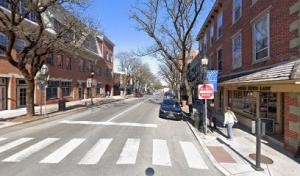
In this area, you're balancing hot, humid Delaware summers with cold, windy winters and frequent freeze-thaw cycles. The heat ages roofing materials differently, and algae-related staining can show up on shingle, tile, and metal surfaces if ventilation isn't up to snuff. Old homes in historic districts often have shallow roof pitches, chimney stacks, and delicate trim that call for thoughtful material choices and precise installation. The mix of historic slate and tile streetscapes with newer suburban roofs means you'll see a wide range of roof types, from preserved slate to modern composites. The climate pushes a practical approach: you want a material that tolerates heat and moisture, resists wind uplift, and tolerates repeated temperature swings without failing prematurely.
Asphalt shingles dominate the broader market, but several locally relevant options make sense depending on the house and replacement goals. Slate remains a recognizable choice for preservation-heavy sections, offering a timeless look and excellent durability when the roof structure and support are prepared to handle its weight. Clay and concrete tile provide a historic or European vibe on the right footprint and can perform well with proper venting and underlayment, though their weight and wind performance require careful assessment of existing rafters and anchors. Fiber cement shingles deliver a more practical blend of durability and ease of installation, with better resistance to moisture and algae growth than standard asphalt in humid summers. Standing seam metal brings modern wind resistance and longevity, and it pairs well with renovated or post-war homes seeking a low-maintenance solution. Each option has trade-offs in weight, labor, and compatibility with existing trim and chimneys, so the best choice hinges on what the current structure can support and the architectural goals you're pursuing.
Heavy materials such as slate and tile are especially consequential on older homes with limited attic space or weaker framing. If the roof plane is integral to the building's historic character, replacement may involve structural rehab to meet wind and load demands. When choosing material for a home in a preservation district, the appearance and profile matter as much as performance. Slate, for instance, can require specialist labor for repairs and matching lead-free fasteners and flashings. Clay and concrete tiles bring prominent profiles and wind sensitivity if improperly installed, but they can be a faithful match to period details when executed by masons experienced with coastal climates. For newer constructions or renovations that lean toward efficiency, fiber cement and standing seam metal offer reliable performance with more straightforward maintenance and a broader selection of profiles to mimic traditional looks.
Storm-driven leaks are common after coastal storms when wind-driven rain or hail finds vulnerable seams and vents. A careful approach to flashing, ridge lines, and chimney terminations matters more here than anywhere. Ventilation matters too: hot, humid summers accelerate heat aging, so an assembly with adequate soffit and ridge ventilation helps preserve underlayment and decking integrity. If you expect heightened wind exposure from nor'easters, choose fasteners and seam details rated for high wind loads and work with crews that understand coastal moisture and salt exposure. For historic homes, insist on matching detailing that preserves curb appeal while meeting modern performance needs.
Expect periodic inspections after major weather events, particularly to inspect chimney caps, flashing joints, and edge details where wind-driven moisture tends to intrude. Proactive maintenance-cleaning algae-prone surfaces, resealing flashings, and promptly addressing any lifted shingles or tiles-extends the life of the roof and protects the interior from moisture ingress. For roofs with heavy materials, routine checks of fasteners, underlayment condition, and support structure help prevent cascading issues that can be costly to remedy later.
In this market, pricing reflects a mix of straightforward suburban re-roofs and more complex projects in historic-area zones that call for specialty materials, careful tear-off, and detailed flashing work. That blend keeps averages visible but margins can swing by project type. When you're planning, expect the typical price bands for common materials to show up in your bids, with exact numbers nudged by roof complexity and material choice.
Storm-driven demand spikes after nor'easters and major wind events can tighten scheduling and push labor pricing higher in the New Castle market. If a storm hits, timelines tighten and crews juggle back-to-back calls, which can push weekly rates upward. Planning a replacement for the shoulder season helps soften the hit, but if the need is urgent after a big event, be prepared for faster turnarounds and potentially higher costs due to overtime, material demand, and limited contractor availability.
Costs can rise on older homes when tear-off reveals deteriorated decking, chimney integration issues, or the need to match slate, tile, or fiber cement profiles common in parts of the city. Historic-area projects demand precise matching and careful integration with existing chimneys and parapets. For those homes, consider contingencies for deck repairs, flashings around chimneys, and possible reusing or matching older profiles, since deviations from standard stock materials add time and labor.
Asphalt shingles range from about 350 to 700 USD per square. Clay tile runs roughly 900 to 1300 USD per square, while concrete tile is about 850 to 1150 USD per square. Slate tends to be 1200 to 2000 USD per square, with fiber cement shingles between 500 and 900 USD per square. Standing seam metal sits in the 900 to 1700 USD per square range. For projects in historic zones or on larger, more ornate homes, expect the lower end to feel optimistic and the upper end more common with added detailing.
Start with a bid that itemizes tear-off, disposal, flashing, and any deck repairs. Ask for a material sample and a plan for matching existing profiles if your house uses slate, tile, or fiber cement. If a project touches chimney lines or parapets, request a detailed flashing plan and a schedule that aligns with anticipated nor'easter seasons to avoid delays. Finally, gather at least two solid bids from locally familiar crews, and ask for references from recent historic-area replacements to confirm workmanship quality.

Iconic Roofing & Exteriors
(302) 305-3258 www.iconicroofers.com
13 King Ct Suite 3, New Castle, Delaware
4.9 from 141 reviews
Iconic Roofing & Exteriors in New Castle, DE specializes in professional roof replacement services that keep homes protected and looking their best. In the New Castle area, strong coastal winds, heavy rain, and fluctuating temperatures often cause roof damage, leaks, or premature wear, making timely replacement essential. Our skilled team provides expert tear-offs and installations designed to withstand local weather while enhancing curb appeal and home value. With a commitment to quality and reliability, Iconic Roofing & Exteriors has become trusted roofing contractors New Castle homeowners rely on for professional service and lasting results.

Kirkin Exteriors
(302) 832-7663 kirkinroofing.com
1053 Twin Lane Rd, New Castle, Delaware
4.8 from 438 reviews
Kirkin Exteriors is a trusted, full-service roofing and exterior contracting company serving Delaware and the surrounding region. With a reputation built on craftsmanship and reliability, the team specializes in roof repair, replacement, and energy-efficient solar shingle installation. Kirkin also provides expert siding repair, seamless gutter systems, and high-performance window and door installations designed to boost curb appeal and lower energy costs. Known for delivering affordable, timely, and high-quality results, Kirkin Exteriors is committed to protecting and enhancing homes across the Mid-Atlantic with durable, weather-resistant solutions.
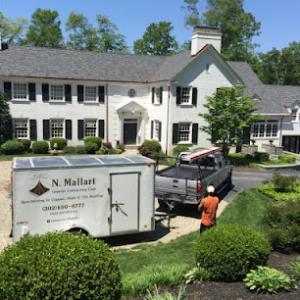
N. Mallari General Contracting - New Castle, DE
(302) 516-7738 www.nmallarigc.com
1031 Red Lion Rd, New Castle, Delaware
4.8 from 23 reviews
Based in New Castle, Delaware (and proudly serving the areas of Newark, Bear, Middletown, Sussex, Lewes - Delaware) - N Mallari General Contracting specializes in roofing (i.e. Shingles, Copper, Metal, Slate, & Tiles), Siding, Gutters, Windows, and Chimney Pointing. Top-rated Delaware Contractors, we help bring new life into older buildings and homes.
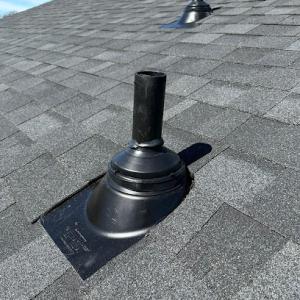
MLM Home Improvement
62 Reads Way, New Castle, Delaware
4.4 from 69 reviews
MLM Home Improvement is a premier storm restoration company specializing in full replacements for roofing, siding, and gutter systems. We offer free, no-obligation inspections and estimates to assess storm damage and provide transparent recommendations for replacement solutions. Our expert team is dedicated to delivering exceptional quality and service in every project we undertake.
Exterior Works
(302) 740-0793 www.exteriorworksde.com
132 N Katrin Cir, New Castle, Delaware
5.0 from 5 reviews
Are you looking to upgrade the exterior of your residential property? Are you looking to repair the damaged roof or siding on your property? Look no further than Exterior Works in New Castle, Delaware! Exterior Works offers top-quality roofing and siding installation, repair, and maintenance services that will keep your property protected. We have provided Delaware, Pennsylvania, New Jersey, and Maryland with quality home exterior services that speak for themselves. With years of experience, knowledge, and state-of-the-art tools and equipment, you can be sure that there is no fencing job that we can’t handle, large or small. We can install and repair roofs, siding, gutters, patios, decks, and more!
Rain Drainz
Serving
4.9 from 97 reviews
Rain Drainz is a family-owned and operated Wilmington, Delaware-based Roofing, Gutter, Siding, and Water Management company. Our comprehensive water management solutions to protect your property from water damage, including roofing, seamless gutters, gutter guards, gutter cleaning, and exterior French drain installation.
G. Fedale Roofing & Siding
(302) 281-0460 www.gfedale.com
Serving
4.8 from 713 reviews
G. Fedale Roofing & Siding has been a competitive leader in the home improvement and commercial roofing industry since 2002. Gaining a major market share through the specialized talents of our employees, we pride ourselves on the success of our rapidly growing company. We are dedicated to the highest install and repair standards and our extended workmanship warranties guarantee coverage long after work is completed. Our mission at G. Fedale is to provide the best value and craftsmanship for our customers and the communities we serve through service, education and commitment.
Tycos Roofing & Siding
(302) 478-9267 www.tycosgencon.com
Serving
4.9 from 362 reviews
At Tycos General Contractors, we're a full-service interior and exterior remodeling company, offering high-quality home improvement services for homeowners across South Jersey, Pennsylvania, Maryland, and Delaware. With over 100 years of experience on our team and over a decade of operating experience, we're trusted for our commitment to excellent workmanship.

A Plus Roofing & Construction
(302) 765-7878 www.getaplusroof.com
Serving
5.0 from 61 reviews
Looking for reliable, top-quality remodeling services in Wilmington, Delaware? You've come to the right place! At A Plus Roofing, we bring over 10 years of expertise in roofing, siding, gutters, and more. We’re proud to offer high-quality services at competitive prices, ensuring your satisfaction on every project, big or small. As a fully licensed and insured company, your protection and peace of mind are our top priorities. When you work with A Plus Roofing, you’ll communicate directly with the owner, who will oversee your project from start to finish, ensuring everything is done to the highest standards. Whether it's a minor repair or a major renovation, we’re here to help. Available 24/7, we’re always ready to meet your roofing needs.
Hard Hatters Roofing Services
(302) 766-3611 www.hardhattersroofing.com
Serving
5.0 from 93 reviews
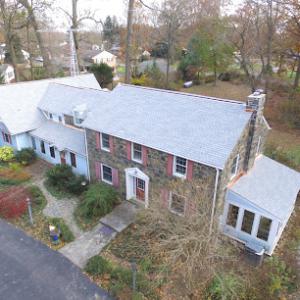
Hard Hatters Roofing & Construction is your choice for the best licensed & insured Wilmington DE roofing contractor. Your roof is safe under our hard hats! Licensed and insured roofing and gutter contractor dedicated to providing high standard quality service for an affordable price in Northern Delaware and the surrounding areas.
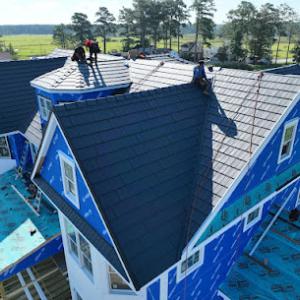
Two Brothers Roofing
(302) 751-3455 2brothersroofingllc.com
Serving
4.9 from 125 reviews
Two Brothers Roofing was founded with a mission to provide high-quality roofing services that are both reliable and affordable. With 14 years of experience serving the Wilmington, DE community, we have built a reputation for excellence and integrity. Our team is composed of seasoned professionals who bring a wealth of knowledge and expertise to every project. We believe that a well-crafted roof is more than just a structure; it’s a fundamental part of your home’s safety and aesthetic appeal.
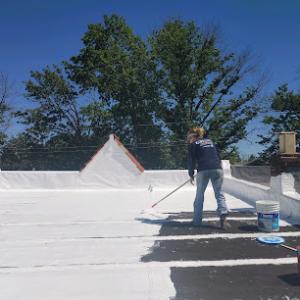
BluDog ROOFING
(302) 510-9356 www.bludogroofing.com
Serving
4.9 from 114 reviews
BluDog ROOFING, LLC is a CERTIFIED SMALL, WOMAN VETERAN owned & operated business. We are PROUD to ANNOUNCE our FIVE YEAR MARKER!! Built on TENACITY, TRANSPARENCY & TRUST; BluDog ROOFING is one of the FIRST FEMALE Roofing Contractors in the State. With over 24 years experience in the DE roofing industry, owner Kimberley IS onsite for every roof install. There are NO sales gimmicks or overstayed appts listening to yet another “sales pitch”. TRUST & QUALITY WORKMANSHIP is what BluDog offers + guarantees. Competitive pricing LIFETIME WARRANTIES, we’re confident you’ll be glad you chose BDR. Check us out: FACEBOOK, BBB, Nextdoor Services: Roof replacements & Seamless Gutters LICENSED, INSURED & BONDED REFERENCES BBB Accredited A+
A full re-roof in New Castle typically requires a permit, and the filing is handled through the local building department. Since the area includes both municipal and county-governed zones, the correct office can vary depending on the exact street address and jurisdiction. Before scheduling a contractor or any work, verify whether the permit sits with the city building office or the county office. That quick check can prevent delays caused by missing paperwork or misdirected inspections when the weather shifts from a nor'easter to a sunlit afternoon.
After the new underlayment, venting, and workmanship are completed, a final inspection is usually required to verify that the installation meets the adopted Delaware amendments to the International Residential Code. In practice, inspectors will look for proper attic ventilation, confirmed underlayment laps, secure fasteners, and appropriate flashing details around dormers, chimneys, and vent stacks. Given the coastal humidity and wind exposure here, inspectors pay particular attention to how the roof assembly handles wind-driven rain and potential movement of older roof decks. Coordinate with the contractor to ensure access for the inspector and have all system components clearly labeled or documented to speed the review.
Because the jurisdiction can shift between municipal and county oversight, it's essential to align scheduling with the correct authority early in the project. If a permit is issued at the city level, the final inspection date will typically be set through the city's inspection calendar; if issued at the county level, the county's routing and follow-up process applies. In all cases, the inspection window can be affected by weather, especially after coastal storms when crews may be out with other urgent storm repairs. Be prepared to provide documentation of material approvals, venting details, and roof deck condition, since New Castle's historic districts and preservation-sensitive areas may require additional verifications for certain roof coverings.
In historic districts and preservation-sensitive sections of Old New Castle, the permit review may include notes about compatibility with surrounding rooflines and historic materials. If slate, tile, or other period-appropriate coverings are involved, discuss any clarifications with the building department early. This reduces the chance of a later remedial requirement or a need to revert to an approved, historically appropriate option after installation. A well-documented plan that shows underlayment choices, vent placement, and flashing details helps the inspector, the contractor, and the homeowner navigate the process smoothly.
In the storm-prone corners of Delaware, roof claims are a familiar aftershock of wind and nor'easters. When damage is evaluated, insurers expect date-stamped photos, elevation-by-elevation notes, and contractor assessments that pinpoint what the storm caused versus what existed before. You can help your claim by organizing a clear timeline: when the storm struck, what you noticed immediately, and which areas showed new, wind-driven effects.
Wind-driven leaks often appear first at flashing, hips, valleys, and along edge detail where older roofs in historic districts show their vulnerabilities. In practice, adjusters will closely inspect whether shingles or tiles failed due to the storm or due to pre-existing wear, deferred maintenance, or simply an older roof age. Those distinctions can impact what the policy covers and how much out-of-pocket work remains after the claim.
For homes within the historic districts around Old New Castle, preservation-sensitive replacements matter as much as the storm itself. Contractors should document not only visible damage but also any underlying deck, underlayment, or ventilation components that need attention to restore the roof to code-appropriate performance. A thorough assessment can help justify the need for specific repairs or replacements that align with both safety and historic integrity.
Final inspections often hinge on code-related items identified during replacement. Ventilation, underlayment, attic access, and proper nailing patterns are common focal points. If adjustments are required to pass final inspection, those findings can influence the claim scope and potentially increase the amount of work considered as storm-related. Having a detailed, organized file makes it easier to respond quickly when the insurance company requests evidence after a nor'easter or coastal storm, especially for houses that have stood for generations in this climate. New Castle residents know that preparation and precise documentation can prevent surprises when the claim moves from field notes to approved settlement.
Connect with contractors who help homeowners navigate the claims process from damage assessment to final approval.

Kirkin Exteriors
(302) 832-7663 kirkinroofing.com
1053 Twin Lane Rd, New Castle, Delaware
4.8 from 438 reviews
MLM Home Improvement
62 Reads Way, New Castle, Delaware
4.4 from 69 reviews
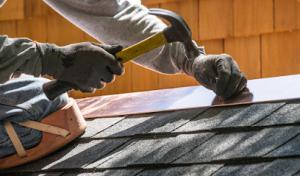
New Castle's winter freeze-thaw pattern creates ice damming at eaves, especially on older homes with uneven insulation and ventilation. When heat escapes into the attic, it melts a little of the roof surface, refreezes at the cold edge, and pushes water under shingles. In mixed-age housing stock around Old New Castle, you'll see this first along low-slope transitions and chimneys where flashing or counterflashing has aged. The result can be repeated leaks after heavy snowfall or rapid warm spells. The practical approach is to minimize heat in the attic and ensure attic ventilation paths stay clear, so the roof decking stays closer to the outside temperature. If you notice icicles forming heavily at the eaves or ice on gutters lasting more than a day, treat it as a warning sign that the damming cycle is starting.
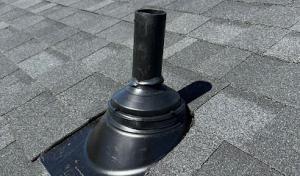
Autumn leaf drop increases moisture retention in gutters and roof valleys, a practical concern in the city's mature neighborhoods where trees are close to roofs. Leaves clog valleys and scuppers, creating standing water that can refreeze and worsen damming. In addition, decaying leaf debris holds moisture against flashing details, accelerating corrosion or deterioration of old pipe boots and step flashing. A practical routine is to remove leaves from gutters and valley intersections after peak leaf drop, then inspect for any pack-down in the gutter line where water would normally flow freely.
These seasonal issues typically show up first around chimneys, low-slope transitions, and older flashing details common on mixed-age housing stock. Chimneys often carry multiple roof lines, increasing the chance of minor flashing failures, especially after winter storms. Low-slope areas near transitions from shingles to metal or tile can trap moisture if drip edges or underlayment are compromised. Inspect these joints after a freeze-thaw cycle and after any sizable Nor'easter pressure events.
Keep attic baffles clear to maintain ventilation paths, and consider adding or updating ridge vents where feasible in attic spaces with limited airflow. Remove leaves from the gutter line and flush gutters with a hose to confirm drainage runs unobstructed. If ice damming is persistent, address insulation gaps around soffits and around any chimney chase, and verify that the roof flashing moves with seasonal temperature shifts without gaps. Regular, targeted checks after storms help catch problems before leaks develop.
Find specialists in TPO, EPDM, and built-up flat roofing systems for residential and commercial properties.