
Last updated: Apr 19, 2026
Titusville homeowners plan around Florida's June to November hurricane season because active tropical systems can interrupt tear-offs, dry-in schedules, and final inspections. The Space Coast setting means wind-driven rain gusts and fast-moving storms can arrive with little warning, even when a storm's center stays off the coast. That combination creates a high-stakes environment: a small weak point on the roof becomes a quick and costly leak, and a delayed roof event can cascade into interior damage, mold risk, and accelerated wear on nearby structures. Preparation in early season matters because a single storm can scramble crews, schedules, and materials across the region.
During hurricane season, make sure you have a reliable tarp plan in place and the ability to secure tarps fast after any wind event. If shingles or tiles lift, you need a temporary shield to prevent rain intrusion within hours, not days. Keep sturdy tarps and high-visibility fasteners accessible, and assign a trusted neighbor or local contractor who can mobilize quickly. After a storm, inspect the roof from ground level with binoculars first, then check for lifted edges, rolled seams, or any exposed underlayment. If you see wind-driven rain entering attic spaces, prioritize sealing the leak at the source to prevent interior spread and secondary damage like ceiling stains or electrical risks.
In our coastal climate, the direction and strength of winds matter as much as the storm category. Look for roof features that reduce uplift and water intrusion: integrated fasteners, wind-rated flashing around chimneys and vents, and properly sealed ridges. A quick post-storm check should confirm ridge lines, drip edges, and fascia are intact and securely fastened. If any component shows movement, address it immediately with temporary supports or tarps to curb further damage until a professional review can occur. When choosing a replacement or repair, prioritize materials and systems designed to resist high wind loads and driving rain, because a durable core reduces the time you spend fighting leaks after the next squall line.
In Titusville, post-storm roofing demand can spike quickly, so homeowners often face scheduling pressure for tarping, leak control, and re-roofing after regional storm events. Build redundancy into your plans by identifying at least two local roofing teams or crews who can respond within 24 to 48 hours after a storm. Maintain a current list of critical contact points, including emergency tarp services and 24/7 leak-response crews. Document any pre-existing vulnerabilities on your roof-loose shingles, missing flashing, or sagging eaves-so you can communicate them clearly to responders and avoid missteps during the rush. After storms, take a systematic approach: secure the perimeter, stop the leak at the source, and then coordinate a phased repair schedule that aligns with weather windows and crew availability.
Establish a proactive rhythm that pairs with the hurricane season. Schedule annual inspections before June to catch weatherproofing gaps and worn sealants. Re-seal flashings and inspect vent collars as part of a routine maintenance cycle, not just after a storm. Keep an up-to-date emergency kit with tarps, utility knives, nails, and quick-staple fasteners so you're not scrambling when a storm approaches. By locking in ready-to-mulyte responses and reinforcing the roof's wind resilience, a Titusville home can weather the season with minimal damage and faster recovery, even when the Atlantic side winds howl and the rain drives hard.
In this corner of the Space Coast, a roof isn't just a shield from rain-it's a first line of defense against the Atlantic's gusts and the lagoon's damp aftermath. Florida's high-claim insurance environment matters here more than most places, and Titusville homeowners know that storms can redefine the risk landscape overnight. When a hurricane or tropical storm barrels by, the window for documenting what your roof looked like before the hit and what it looks like after can feel fleeting. Being prepared to show the insurer a clear, dated record isn't dramatic-it's practical, and it can make the difference between a smooth claim and an exercise in frustration.
Keep a rolling set of dated roof photos and wind-mitigation-related records, and store them where they won't wash away or fade-digital copies plus a physical ledger work well. After a heavy event, insurers in Florida will often request detailed proof of condition before and after storms, so ensure your images capture roofing transitions, skylights, vents, and the edge details where wind pressure tends to do the most damage. A simple photo log with dates, weather notes, and a quick description of visible issues can save hours of back-and-forth later. For mosaic tile or wire-braced gutters, specific close-ups that clearly reveal each vulnerability can prevent ambiguity when a claim moves through the adjuster's desk.
Titusville sits in a pathway where Brevard County storms can cascade quickly from impact into claim activity. After a major weather event, claim timelines, adjuster availability, and contractor scheduling can all tighten at once. If the storm has drawn attention from neighboring neighborhoods, your project might not move at a brisk pace simply because everyone is busy. Plan for a slower cadence and identify backup crews or contractors in advance. Have a trusted contact who can reach you quickly for inspection reports, tarp needs, and temporary protection measures. Proactive steps-clear debris from overhangs, secure loose shingles, and ensure safe access for inspectors-minimize delays and keep the process from stalling when it matters most.
Invest in a concise, up-to-date roof-condition binder that pairs with your photos and wind-mitigation forms. Create a simple, repeatable inspection routine after storms: check for lifted shingles, flashing around chimneys and vents, fascia damage, and signs of accelerated wear on edge metals. If damage is found, document with time-stamped photos and notify your insurer promptly with the best possible evidence. Having a dependable plan and a clear record reduces the guesswork for those handling the claim and can prevent minor issues from becoming costly, long-running disputes when the next storm season rolls in.
Connect with contractors who help homeowners navigate the claims process from damage assessment to final approval.
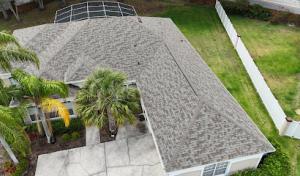
Titan Roofing Of Florida
(321) 400-9715 titanroofingfl.com
7075 Tico Rd Unit B, Titusville, Florida
5.0 from 125 reviews
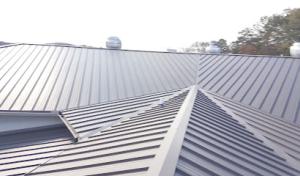
ARAC - Roof It Forward
(407) 955-3996 www.roofitforward.com
325 S Washington Ave, Titusville, Florida
5.0 from 47 reviews
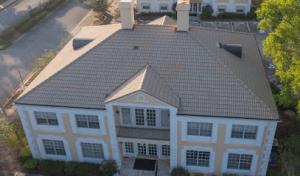
Thomas Roofing & Repair
(321) 291-8292 thomasroofingandrepair.com
323 S Washington Ave #14, Titusville, Florida
5.0 from 35 reviews
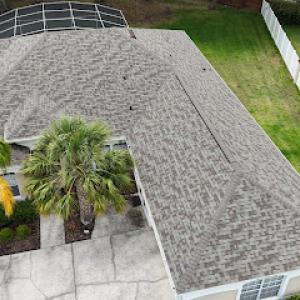
Titan Roofing Of Florida
(321) 400-9715 titanroofingfl.com
7075 Tico Rd Unit B, Titusville, Florida
5.0 from 125 reviews
Titan Roofing of Florida stands as the premier general and roofing contractor throughout the Sunshine State, proudly serving Titusville and surrounding areas with unparalleled service. Specializing in both residential and commercial roofing, their experienced and licensed team swiftly addresses everything from urgent leaks to comprehensive replacements. BBB-accredited business, they offer honest estimates, a 15-year workmanship guarantee, and 24/7 availability.
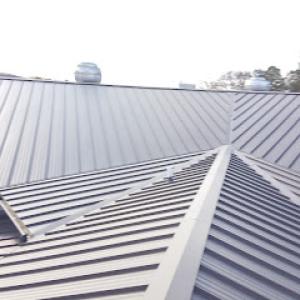
ARAC - Roof It Forward
(407) 955-3996 www.roofitforward.com
325 S Washington Ave, Titusville, Florida
5.0 from 47 reviews
ARAC Roof It Forward is a residential and commercial contractor specializing in retail and insurance restoration projects. Our expertise includes all types of roofing, gutters, insulation, woodwork, and more. We pride ourselves on uncompromising character, ethics, and workmanship. At the core of our mission statement, we feel a tremendous sense of gratitude and fulfillment in the fact that we've made a commitment to give back to the communities that we are blessed to serve through our Roof It Forward initiative. This involves volunteering our time and giving a portion of every dollar we earn to fund Camp Sunshine. The purpose of this beneficiary is to help kids battling cancer get back to being kids again. "Together we can Roof It Forward"
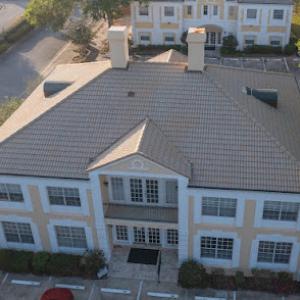
Thomas Roofing & Repair
(321) 291-8292 thomasroofingandrepair.com
323 S Washington Ave #14, Titusville, Florida
5.0 from 35 reviews
Thomas Roofing & Repair, located in Titusville, Florida, is your premier choice for all your residential roofing needs. With an unparalleled understanding of Brevard County's unique climate, we expertly tailor our services to withstand the challenges of coastal winds and heavy rains, ensuring your roof's longevity. We specialize in a range of roofing services, combining knowledge and experience to deliver unparalleled results, so you can rest assured your property is protected from the elements.
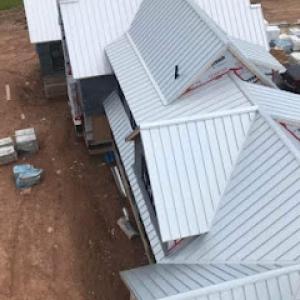
Storm Shield Roofing & Gutters
(321) 961-3961 storm-shieldroofing.com
3660 Hickory Park Dr, Titusville, Florida
5.0 from 30 reviews
Storm Shield Roofing And Gutters is a trusted roofing contractor in Titusville, FL, providing professional roof repair, roof replacement, and gutter installation for local homeowners. We specialize in storm damage repairs and durable roofing systems designed to protect homes from Florida’s harsh weather. Our experienced team delivers high-quality workmanship, honest pricing, and dependable service on every project. Whether you need emergency roof repairs, a full roof replacement, or new gutters, Storm Shield Roofing And Gutters is committed to protecting your home and giving you peace of mind. 📞 Call today for a FREE roof inspection and quick response from a local roofing expert.
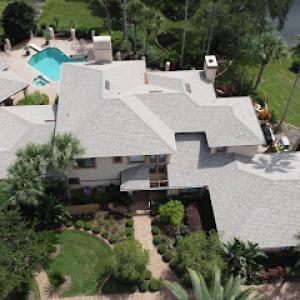
G&W Roofing
(321) 344-2017 www.gwroofing.com
1024 Garden St, Titusville, Florida
4.7 from 69 reviews
For more than 35 years, G&W Roofing has been a trusted partner for homeowners throughout the greater Titusville area. As a family-owned and locally operated company, we provide expert roof replacements and repairs, each backed by our 25-Year Craftsmanship Warranty. But our work is about more than just roofs—it’s about the experience we deliver. From your first call to project completion, we focus on attentive service, clear communication, and dependable follow-through, all hallmarks of The G&W Roofing Experience. Trusted by thousands in Titusville, we take pride in protecting your home and your peace of mind. Schedule your free estimate today.
Ti-Con Roofing
(321) 360-8262 roofingtitusville.com
1965 Tranquility Ln, Titusville, Florida
4.9 from 16 reviews
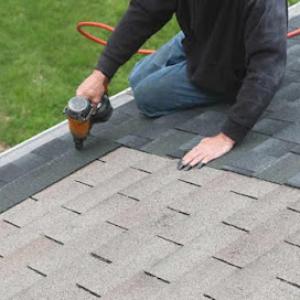
Ti-Con Roofing is a reputable and trusted roofing company dedicated to providing top-quality roofing solutions for residential and commercial properties. With a focus on exceptional craftsmanship, attention to detail, and superior customer service, we are your reliable partner for all your roofing needs. At Ti-Con Roofing, we understand the importance of a well-maintained and structurally sound roof. Whether you're in need of a new roof installation, roof replacement, or roof repair, our team of experienced roofing professionals is here to deliver outstanding results that stand the test of time. Our comprehensive range of roofing services includes asphalt shingle roofing, metal roofing, flat roof installations, roof inspections. 20 + years
Salazar Roofing
(321) 264-2396 salazarroofing.com
2314 S Hopkins Ave, Titusville, Florida
4.3 from 42 reviews
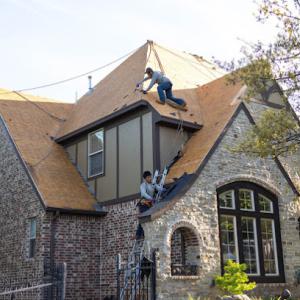
Trusted Florida roofing company for 30 years. Serving all south and north Florida roofing needs for both commercial or residential projects.
Elite Roofing Systems
(321) 987-2884 www.eliteroofingsystems.com
1069 Cheney Hwy, Titusville, Florida
4.4 from 9 reviews
We are a fully licensed and insured state of Florida Residential and Commercial Roofing Contractor.
Anchor Roofing Services
4850 Pasco Ave, Titusville, Florida
5.0 from 1 review
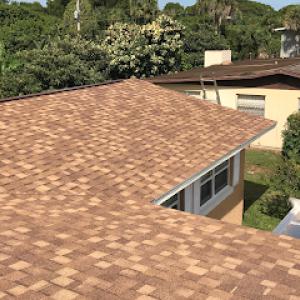
Anchor Roofing Services Re-roofs & Roofing Repairs
J&J Roofing Solutions
(321) 621-2930 www.jjroofingsolutions.com
Serving
4.8 from 57 reviews
With so many roofing companies to choose from, we understand that communication and basic customer service are extremely important to establish a great working relationship with the person that will have to hear our roofing noise throughout their entire home. We understand the inconveniences of replacing a roof and make sure to keep an open line of communication with our clients. That is how we get the job done as best and swiftly as possible! If you are thinking about changing from a shingle roof to metal roofing, or maybe just tear off and replace your shingles we can get the job done soon. Are you prepared for hurricane season? If you are concerned about your roof, give us a call today and we will come out and take a look for you!
Robert Jones Roofing & General Contracting
(321) 403-5047 www.robertjonesroofing.com
Serving
4.9 from 146 reviews
Reliable. Professional. Responsible. At Robert Jones Roofing and General Contracting, our careful and efficient roofing contractors are equipped and ready to handle your roofing needs. Locally and family-owned and operated in Titusville, FL, we are your friendly neighborhood roofing contractors with..."Experience You Can Trust!” For your peace of mind, we are an honest business that is fully licensed and insured. We have 20 years of experience serving commercial and residential clients and are committed to providing good service to our community. Whether interested in metal roof installation or downspout cleaning, all of our services are priced affordably and competitively.
Boulais Roofing
(321) 632-9623 boulaisroofingcompany.com
Serving
5.0 from 7 reviews
Roofing Contractor Seamless Gutter Installer Soffit and fascia work
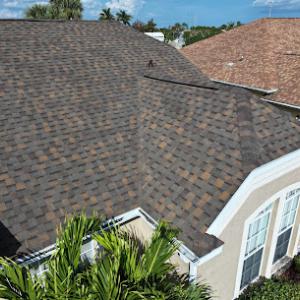
Asphalt shingles are common in this market because they fit many local residential reroof budgets, but the area's heat, humidity, and storm exposure can shorten service life compared with milder climates. If asphalt is your choice, look for "wind-resistant" bundles and double-check the nailing pattern recommended by the shingle manufacturer. In practice, you want a tight roof deck, proper underlayment, and a precise nailing interval to help resist wind-driven rain during a tropical storm. When preparing for hurricane season, you should have a plan to inspect for lifted tabs after every high-wind event and to address any damaged or missing fasteners promptly before the next storm surge. A weathered foam underlayment or a quality self-sealing adhesive can add a little margin against salt air, but you still need robust edge and hip rafter connections to mitigate uplift.
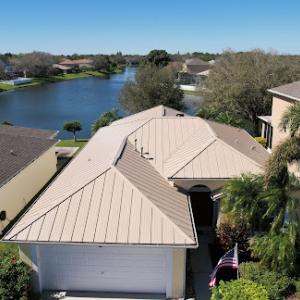
Metal roofing has strong local relevance because homeowners on the Space Coast often prioritize wind performance, lower maintenance, and resistance to humid coastal conditions. For best results, choose a standing-seam or concealed-fastener system with continuous venting at hips and ridges to reduce heat build-up that can stress fasteners. In this market, attachment details matter most: ensure the substrate is solid, fasteners are corrosion-resistant, and seals around penetrations are marine-grade when applicable. Because Titusville experiences high winds and storm surges, you should plan a quick post-storm inspection routine focusing on loose panels, degraded gaskets, and any trap moisture behind the rib lines. If you anticipate future roof penetrations for solar or vents, coordinate early with a roofer who can integrate those elements without compromising wind performance.
Tile roofs appear on some homes, but their weight and wind-performance details matter more in this market because Brevard County review and inspection can focus on code compliance and attachment considerations. Clay and concrete tiles bring durability and a long service life when properly installed, but they demand a sturdy structural support system to bear the load. In practice, verify that the deck is rated for tile weight, especially on older structures, and confirm fastener layout, underlayment choice, and edge notes for wind zones. Tile edges and hips should be securely anchored, with appropriate wind-rated clips where applicable. After storms, inspect for cracked or displaced tiles and check for moisture intrusion around penetrations, especially near vents and chimneys. Because high humidity and salt air can degrade sealants, carry spare matching ridge caps and quick-repair sealants for minor fixes between larger maintenance cycles. In Titusville, the balance between weight, wind performance, and code-compliant attachment determines whether a tile roof behaves as a durable shield or a vulnerability point during a hurricane season.
In Titusville, the defined wet season makes reroof timing more important than in drier markets because repeated rain interruptions can affect tear-off sequencing and dry-in protection. Plan full replacements for stretches when rain is less likely to interrupt material handling and membrane work, so long stretches of dry, wind-free days aren't wasted. If a roof must come off during the wet season, expect staggered tear-off progress and prepare for short workdays when late-afternoon storms roll in. Aligning the project with a window of several consecutive dry days helps the crew finish the tear-off, install underlayment, and shingle the roof without backtracking.
Hot, humid summer conditions in Titusville can shorten safe outdoor work windows for crews and increase the chance of afternoon thunderstorm delays. Early start times are worth it to beat the heat, but plan for midday shade breaks and hydration needs. Thunderstorms are common in the afternoon; a plan that hinges on back-to-back dry hours reduces the risk of tarp exposure and rain-related damage to underlayment. Consider contingencies for sudden rain, such as temporary protection for exposed roof edges and a quick-access plan for sealing vulnerable penetrations if a shower passes through.
Homeowners here often get better scheduling flexibility by planning full replacements in relatively drier periods instead of waiting until peak storm season. If you have a choice, target late fall or early spring when the risk of heavy tropical downpours is lower and there are longer stretches of stable weather. Communicate with the crew about preferred sequencing: a continuous tear-off, a clean dry-in, and prompt wrap-up in the same weather window reduce the odds of moisture infiltration. Build in a day or two of buffer for weather delays, but keep the schedule tight enough to prevent material exposure that could compromise the shingles or underlayment.
If you notice recurring leaks after heavy rains, wind-driven shingle damage, or widespread curling of edge shingles after a storm season, evaluate whether a full reroof now will pay off in reduced future repairs. In Titusville, the combination of wind exposure and seasonal moisture makes proactive replacement more predictable than chasing patch work after every storm. A timely, well-timed replacement lays down better dry-in protection and minimizes the risk of wind-driven leaks during the next hurricane season.
Get a clear picture of your project costs upfront - no commitment required.
G&W Roofing
(321) 344-2017 www.gwroofing.com
1024 Garden St, Titusville, Florida
4.7 from 69 reviews
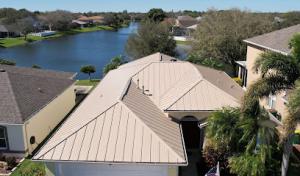
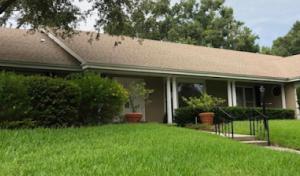
A full reroof in this area generally requires a permit, with Brevard County Building Department review to ensure Florida code compliance. The permit process helps confirm that the chosen materials and installation methods meet wind-resistance and ignition safety standards that matter locally, especially given the exposure to tropical weather and coastal wind bursts. Before starting, obtain all county-required forms, and work with a licensed contractor who understands the county's permit flow and the documentation you'll need for a smooth review. Keep a copy of the permit card on site during work so inspectors can quickly verify the project details at each stage.
Roof inspections in this jurisdiction commonly include stages such as decking or underlayment review and a final roof inspection rather than only a single end-of-job signoff. The decking check verifies that the substrate is in good condition, properly nailed, and free of rot or damage that could compromise long-term performance. Underlayment evaluation confirms the correct type and installation pattern for your climate and chosen roofing system. The final inspection confirms overall compliance with local wind and fire standards and confirms that ventilation and flashing details meet code. Plan for multiple visits, and keep seams, valleys, and penetrations clearly accessible so inspectors can move through their checklist efficiently.
Wind-resistance considerations may be verified for certain roofing systems in Titusville, reflecting the local importance of storm performance. Depending on the chosen material-whether asphalt, metal, clay or concrete tile, or synthetic options-inspectors may look for specific fastener patterns, nailing schedules, and edge/underlayment configurations designed to minimize uplift during tropical storms. If you expect firmware or sealant changes around skylights, chimney stacks, or vent pipes, make sure flashing is compatible with both your roof type and Florida's wind load requirements. Discuss any high-wind area concerns with your contractor ahead of the permit submittal so the plan aligns with what the county reviewers will expect during the decking and final inspections.
To keep inspections moving smoothly, have your contractor provide a detailed scope with material specifications, fastener type, and roof slope information. Schedule a pre-inspection walkthrough to identify potential issues-especially around eaves, overhangs, and transitions between different roof planes. Maintain clear access to the attic and roof edge, and ensure gutters and downspouts won't obstruct inspectors' view. By aligning with the county's review expectations from the start, you'll reduce delays and support a durable, code-compliant roof once the project reaches its final sign-off.
Typical Titusville material ranges run about 350 to 650 USD per square for asphalt shingles, 700 to 1200 for metal, 900 to 1700 for clay tile, 800 to 1500 for concrete tile, 450 to 1000 for wood shingles or shakes, and 600 to 1100 for synthetic or composite shingles. Those numbers reflect not just the roof panels but the overall package you'll encounter at a local shop, including fasteners, underlayment, and basic ventilation. When you're budgeting, plan for the middle of the range if your home's geometry is straightforward, and be prepared for the high end if there are long runs, steep pitches, or complex rooflines common on brick bungalows and midcentury homes in the area.
In Titusville, storm-driven demand surges can affect labor availability and scheduling, which can push reroof pricing higher after regional weather events. If a hurricane season stress test hits the area, it may take longer to secure crews, particularly for specialty installations like tile or metal. Expect some premium for expedited material delivery and crew assignments when the next storm cycle approaches, and factor in potential delays that can extend project timelines and settle into higher overall costs.
Permit requirements, inspection staging, and the need to meet Florida wind-performance expectations can add cost complexity beyond basic material pricing in this market. While not a permit guide section, note that choosing products with proven wind resistance and a roof system designed to meet local wind codes can raise upfront material costs but may reduce long-term risk and wind-driven leaks. Asphalt still remains the most budget-friendly entry, but metal or concrete tile often delivers superior performance during Atlantic-side gusts and lagoon humidity, which many Titusville homes contend with.
Don't let upfront costs delay a critical repair - these contractors offer payment plans to fit your budget.
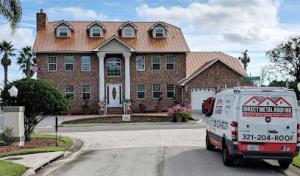

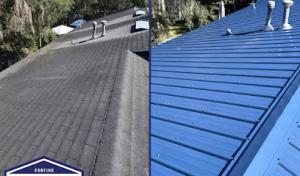
Covenant Roofing & Construction, Inc.® - Cocoa, FL
(321) 321-7719 covenantrooffl.com
Serving
4.8 from 231 reviews
In this market, heavy summer downpours and frequent wind-driven storms push water toward every edge. Low-slope transitions on homes and mixed-use buildings are prime trouble spots when flashing fails or is improperly integrated with surrounding surfaces. The consequences can be rapid: inside water staining, ceiling rot, and mold growth that spreads through attic and wall cavities. Focus on the critical joints where a flat or near-flat roof meets a parapet, a vent boot, or a metal seam. When contractors cut corners on these details, even a small misalignment can become a steady drip after a sudden squall. Expect your roofer to treat these areas as integrated systems, not as separate pieces tacked on. If a project involves a flat deck, a carport roof, or a porch overhang, demand a detailed plan for terminations, sealants, and how flashing will overlap with adjacent weatherproofing layers. A minor misstep here often triggers expensive repair cycles after storms.
Skylights are a recurring concern in this market because seal and flashing weaknesses can show up quickly during summer downpours and tropical weather. The glare and heat can accelerate sealant degradation, and wind-driven rain can press water under edge seals where panes meet frames. Inspect skylight installations for continuous nailing fins, proper shingle-to-skylight transitions, and silicone or butyl sealant compatibility with surrounding materials. If a roof rebuild includes skylights, insist on a layered approach: a properly sized flashing apron, an interior curb drip edge, and a rain shield above the curb where practical. After storms, check for new condensation spots or fastener corrosion around these penetrations-both are early signs of seal failure that often appear long before a drip becomes obvious on a ceiling.
Because Titusville contractors often serve both residential and commercial properties, homeowners with porch additions, carports, or low-slope sections should verify that the roofer handles these assemblies regularly. These spaces introduce longer flashing runs and more complex terminations, where a single compromised seam can channel water into living or storage areas. Ask for proof of recent work on similar structures and request a walkthrough of how gutters, scuppers, and edge details tie into the main roof. A careful check helps prevent small vulnerabilities from turning into big leak events when the next storm rolls in.
Find specialists in TPO, EPDM, and built-up flat roofing systems for residential and commercial properties.
Ti-Con Roofing
(321) 360-8262 roofingtitusville.com
1965 Tranquility Ln, Titusville, Florida
4.9 from 16 reviews
Salazar Roofing
(321) 264-2396 salazarroofing.com
2314 S Hopkins Ave, Titusville, Florida
4.3 from 42 reviews
Robert Jones Roofing & General Contracting
(321) 403-5047 www.robertjonesroofing.com
Serving
4.9 from 146 reviews
In this climate, warranty value hinges on how well the roof handles heat, humidity, and tropical storm exposure, not just the shingle or panel brand. The reliability of sealants, underlayment, fasteners, and flashings matters as much as the top surface. Look for warranties that explicitly cover heat-related curling, accelerated granule loss, and moisture ingress, with clear terms on what constitutes workmanship failure versus weather-related wear.
Because reroofing is a major share of the local market, you should insist on clean transitions and predictable project scope, especially for occupied homes. Confirm that debris removal, attic and living-space protection, and ventilation setup are part of the service. Ensure the contractor outlines who handles temporary sheathing and tarping during weather events, how long post-install support lasts, and how follow-up repairs are handled while the family remains in residence.
The local contractor mix includes both long-established firms and quick-response operators, so homeowners should distinguish between emergency availability and long-term workmanship follow-through. Prioritize companies with established service records, documented warranty administration, and a dedicated post-installation follow-up plan. Ask for references that reflect timely responses to storm-related issues and documented repair success beyond the initial project.
Expect a written warranty that details coverage scope, duration, and exclusions, plus a separate workmanship guarantee. Demand clear documentation of material specifications, roof system design, installation procedures, and the grading of fasteners and flashing. Request a warranty transferability clause if you sell the home, along with a straightforward process for submitting claims and scheduling service calls without disrupting living spaces.
Set up a post-install walkthrough with the contractor, noting any vulnerabilities exposed to heat or storm cycles. Schedule periodic inspections after major storms and seasonal heat peaks to verify seal integrity and ventilation performance. A reliable provider will offer proactive checkups, not just reactive fixes, and will stand by a plan that keeps occupied homes safe and dry through the next season.