Last updated: Apr 19, 2026
Dade City sits in Pasco County and faces June through November hurricane season scheduling pressure even though it is inland rather than coastal. That inland exposure creates a paradox: you may not see a direct strike, but you still ride out the same storm surge of weather systems, heavy rain bands, and shifting winds that stress the roof edges and vulnerable seams. When a storm moves through, the window to safely tear off and re-seal a roof narrows quickly. Plan as if every storm could compress your window by 24 to 48 hours. If you wait for perfectly sunny days, you risk letting sudden fronts push through with short notice and forcing you into rushed decisions or compromised workmanship.
Summer in this part of Central Florida delivers daily thunder storms and unusually high humidity. Those conditions can interrupt tear-off and dry-in windows with short-notice delays. Shingle and tile roofs absorb heat fast, which accelerates drying times in the warm hours-but a tropical humidity spike can stall adhesives, sealants, and underlayment products. The result is a schedule that can flip from "get it done this week" to "wait a day or two for dry enough conditions." If a crew lands a window with dry weather, protect that window fiercely: keep the job protected from sudden downpours, and set up tarps and temporary coverings that can handle quick, wind-driven rain without ripping away. In practice, this means you should lock in a priority sequence with your contractor, so a dry afternoon doesn't slip into a week of rain delays.
Local reroof planning is strongly affected by the dry season because it offers more predictable weather windows than Dade City's wet summer pattern. Begin planning early to align material deliveries, roof tear-off, and re-seal in a consolidated stretch during the dry months. That approach minimizes back-and-forth postponements caused by sudden rain, humidity, or heat spikes. If a storm looms during the dry season, you must have a contingency plan with your contractor: a ready-to-move schedule, secured materials, and pre-ordered underlayment already on-site. The dry season is not infinite-use it to establish progress milestones that keep the project from slipping into a rain-driven stall.
Leaks can appear in a heartbeat after a heavy storm, even if the roof looked intact beforehand. Being prepared means having a rapid-response plan for interior protection. Stock durable tarps and temporary sealant in a reachable location, and designate a water-escape route from the attic to minimize attic condensation and mold risk. If a leak starts, you should address it to slow damage immediately while arranging a professional assessment. Photograph damaged areas before any temporary repair, document the date and time of the storm, and note wind direction if possible. This information feeds insurance documentation and speeds a more accurate claim.
After a storm, gather as-built photos of roofing components, interior water intrusion points, and any temporary fixes. Create a concise timeline of the storm event, including wind speeds if known, rainfall intensity, and any on-site observations. Keep receipts for all emergency materials and any interim repairs. Clear, dated records simplify the claim process and help you secure prompt, appropriate funding for a complete reroof when repairs are required.
The dominant local material mix includes asphalt shingles, metal roofing, clay tile, concrete tile, wood shingles or shakes, and synthetic or composite shingles. Your neighbors' roofs show a broad spectrum from familiar asphalt to bolder tile or metal options, and that variety reflects both home age and the region's storm patterns. If you're replacing, aim for a roof that matches your house's height, eaves, and shade around the structure so water shedding works with the existing drainage plan. Keep in mind that the common mix means service providers in town are practiced at flashing around chimneys, vents, and skylights in several materials, not just one.
Dade City summers push shingles to the limit: prolonged heat and heavy humidity accelerate granule loss and curling in asphalt, and metal can expand with heat cycles, tightening fasteners over time. Tile systems, while durable, face weight considerations and could require structural checks if new tile is heavier than what the deck is rated to carry. In hotter years, inspectors look closely at underlayment, ridge caps, and proper ventilation to prevent moisture buildup under the roof plane. Plan for mid-life inspections that focus on sealing around penetrations, checking for algae or mold growth, and ensuring gutters stay clear to avoid water backing up against the fascia.
Tile roofs-both clay and concrete-remain a strong option where the home's style and roof pitch suit the weight. They excel in heat resistance and can outlive asphalt when correctly installed and vented. Metal roofs are increasingly common on newer or re-roof projects, offering quick installation and excellent impact resistance in some profiles. If you anticipate repeated storm exposure, metal can provide rapid shedding of wind-driven rain and a robust seal around flashing. Neither choice should be installed without careful attention to attic ventilation and appropriate underlayment to cope with humidity.
Older homes with mixed materials benefit from thoughtful detailing: transition zones between roof materials should be weatherless and clean, and parapets or dormers need precise flashing. For a home with architectural lines that suit tile or metal, lean into that character while preserving attic airflow. If the house leans toward the simpler gable or shed form, asphalt or synthetic shingles can deliver reliable performance with straightforward maintenance. The key is to ensure the roof's profile and color complement the home's exterior and landscaping, while still allowing for easy inspection of vulnerable seams after storms.
Storm season calls for quick action when leaks appear. If a shingle or tile panel is damaged, cover the area with a tarp to protect interior spaces while a temporary seal is arranged. For metal roofs, inspect fasteners and check for loose panels that could flap in a gust. Keep photos and installation details on hand for insurance purposes, and have a vetted local contractor ready to perform timely temporary and permanent repairs. A practical approach combines sturdy materials with disciplined maintenance, especially in this inland hurricane-exposed corridor.
In this area, a Pasco County building permit is typically required for a full re-roof. If you're replacing shingles, metal, or tile on an entire roof, the permit process helps ensure the project adheres to local wind and life-safety standards that are especially important given inland Pasco County's hurricane exposure. Start the process early by pulling the permit through the county's online portal or visiting the local building department. Expect a review period where plans are checked for structural compatibility, venting, drainage, and proper attachment methods for the chosen roofing material. Because this region experiences humid summers and seasonal storms, the county places emphasis on detailing fasteners, underlayment, and edge metal where applicable.
Re-roof projects are reviewed for code compliance and commonly inspected at the decking or underlayment stage and again at final finish. At the decking stage, inspectors verify that plywood or structural sheathing is sound, fasteners are adequate, and that the roof deck is clean, dry, and properly prepared to receive the chosen covering. The underlayment inspection confirms that the correct type and installation method are in place to tolerate Florida's moisture and wind cycles. When the finish layer is installed, the authority ensures proper nailing patterns, flashing details around chimneys and vents, and appropriate detailing at transitions like ridge and eave lines. The final finish inspection confirms the roof is weather-tight and ready for a season of typical Pasco County weather, including quick afternoon storms and the occasional extended windy spell.
Inspectors may request wind mitigation information and supporting documentation during the local approval process. Having your prior roofing history, photos of the existing deck and framing, and any new impact-resistant components on hand can streamline review. If the project includes upgrades such as improved underlayment or reinforced fasteners, be prepared to explain how these choices address local wind loads and storm exposure. For older homes, plan ahead to document any renovations that affect roof geometry or load paths, since these details can influence permit clearance and insurance considerations after a re-roof. If a wind mitigation inspection is part of the package, gather data on roof-to-wall connections, roof shape, and any secondary water-resistance measures. Clear, organized documentation tends to keep the process moving and reduces the chance of delays.
Before the permit is issued, assemble a simple load path summary for your chosen roof assembly, including sheathing, underlayment, and attachment method. Confirm the existing fascia and soffits can support new edge details or flashing, since improper edge work is a common source of leaks in this area after heavy storms. Schedule inspections promptly and coordinate with your contractor to have access during the required windows. Keep copies of all permit-related documents, inspection notices, and wind mitigation materials in one place. This helps you respond quickly if an inspector asks for additional documentation or clarifications during the review or at final approval. By aligning with Pasco County's expectations, a re-roof can proceed smoothly, providing durable protection against Dade City's hurricane season while meeting local standards for safety and livability.
In this market, price guidance starts with asphalt shingles, widely used on older and newer homes alike, spanning roughly 350 to 550 USD per square. Metal roofs step up into the middle-to-upper range, about 700 to 1100 USD per square, a popular choice for reroofs where wind resistance and lighter weight matter. Clay tile delivers the high end of the spectrum, typically 900 to 1800 USD per square, and concrete tile sits in a similar tier, roughly 800 to 1600 USD per square. Wood shingles or shakes run roughly 450 to 900 USD per square, and synthetic or composite shingles fall between 450 and 800 USD per square. This spread reflects a local reality: homes here often mix shingles, metal, and tile, not a single dominant system, so price plans should consider the expected long-term performance and curb appeal for your style.
Storm-season demand spikes can tighten reroof scheduling and push prices higher than figures you'd see in milder markets. When a tropical system looms, suppliers, crews, and delivery windows shift quickly, which may compress options and stretch project timelines. If you're targeting a reroof during or just after hurricane season, build in a buffer for material lead times and possible price bumps. In practice, this means confirming available start dates and securing a firm written estimate before the peak weeks arrive.
Material choice matters more here because the market actively supports shingles, metal, and tile rather than leaning on a single dominant option. Asphalt shingles remain the most budget-friendly entry point for value-conscious homes, while metal provides a durable, lighter weight alternative that can speed installation in tight spaces. Clay or concrete tile suits homes with existing tile framing or a preference for long-term durability in humid summers and storm cycles. Synthetic shingles offer a middle ground for those balancing cost with a modern warranty. A practical approach is to match the roof's material to the home's structure, expected storm exposure, and the clock you can devote to upkeep and inspections.
Don't let upfront costs delay a critical repair - these contractors offer payment plans to fit your budget.
Nations Roofing & Construction
(813) 485-4440 www.nationsroofingcompany.com
15421 Bellamy Brothers Blvd, Dade City, Florida
4.8 from 115 reviews
Hometown Roofing & Construction | Tampa Bay Area
(813) 996-0772 hometownroofingandconstruction.com
Serving
5.0 from 13 reviews
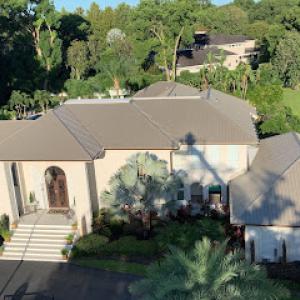
Nations Roofing & Construction
(813) 485-4440 www.nationsroofingcompany.com
15421 Bellamy Brothers Blvd, Dade City, Florida
4.8 from 115 reviews
Nations Roofing & Construction is a trusted local roofing company specializing in roof replacement and roof repair for residential and commercial properties. We install metal roofs, asphalt shingle roofs, tile roofs, and flat roofing systems, delivering durable solutions tailored to each customer’s needs. Our team is committed to honest pricing, clear communication, and quality craftsmanship. From roof repairs and full roof replacements to gutter repair and replacement, we handle every project with professionalism and care. We also manage insurance claims from start to finish and provide emergency roofing services for storm and wind damage, helping protect your property and restore it quickly. 0 Down Financing available.
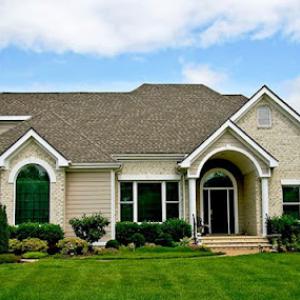
Clear Choice Roofing
32851 Trilby Rd, Dade City, Florida
5.0 from 2 reviews
We're a second generation, family owned and operated Roofing company serving the Tampa Bay Area and surrounding cities. Our owners, office team, and employees have been in the Roofing Industry for over 45+ years. ROOFING IS OUR PASSION and we are good at what we do! We treat every customer like family and every project like it's our own home. Most of our business is referrals from our happy customers. If you need a new roof (or roof repair) - done right, than Clear Choice Roofing is "CLEARLY THE RIGHT CHOICE!" (We specialize in roofs such as: Shingle, Metal, Tile, Flat)
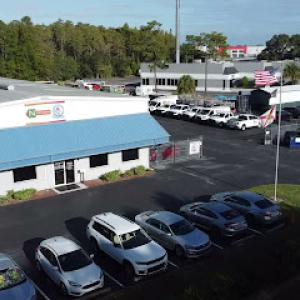
Neumann Construction & Roofing
(813) 782-9080 www.neumann.construction
Serving
4.9 from 227 reviews
Neumann Construction & Roofing, LLC has a wealth of construction and design expertise that we will put to work for you. We will show you cost-effective design options that you may not have been aware of, as well as, point out potential construction concerns. Our project managers use systems and processes that keep your project running smoothly and help keep your mind at ease; you can be confident in the fact that nothing is being overlooked. Let’s talk about your next project. Call us today and we will set up a free consultation with you. We look forward to working together with you.

Roofs For Everyone
Serving
4.7 from 44 reviews
Roofs For Everyone provides residential and commercial roofing, rain gutter services, skylight installation, and more in Florida's Orange, Lake, and Marion counties.
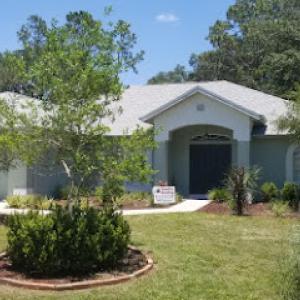
Quality Roofing
(813) 312-7338 www.qualityroofingfla.com
Serving
4.8 from 49 reviews
We are a state certified and licensed roofing contractor serving the greater Tampa Bay area. We're ready to provide any roof installations and repairs you may need. The best products and service at the best price. That's Quality Roofing.
Gecko Roofing Pros
(813) 570-4363 www.geckoroofingpros.com
Serving
5.0 from 151 reviews
Gecko Roofing Pros. provides comprehensive roofing services to both residential and commercial customers near our Wesley Chapel office. Customers come to us, often by referral, from all over the area. We are properly licensed, bonded and insured for your protection and ours. You can trust our team to treat your home or business like our own. Contact us today for quality you can rely on!
Roof Maxx of Tampa
Serving
5.0 from 79 reviews
Roof Maxx® is a scientifically formulated, and 100% safe, plant-based roof rejuvenating spray treatment that was developed by the world’s largest private research and development company.
Scott Blackman Roofing
(813) 782-1330 www.scottblackmanroofing.com
Serving
3.8 from 30 reviews
Scott Blackman Roofing, For All Your Roofing Needs. Residential, commercial, Industrial. Reroof and Repair specialists. Shingles, Metal, Flat roofs, Roof Inspections, Tile Repairs, single Ply, Rubberized Systems, Built-UP, Coatings, Mobile Homes, Skylights, Soffit & Facia, Gutters. Free Estimates. All jobs Done To Meet Florida Roofing Code Standards and Above. 100% financing available. 90 days, 6 months, 12 months, Same as Cash. Scoot Blackman Roofing Offers Professional, Experienced & Dependable Service For Over 20 Years.
A Bartlett Roofing & Construction Services
(813) 782-5585 www.abartlettdidmyroof.com
Serving
4.6 from 48 reviews
If you want reliable roofers who will do a quality job on your home's roof always, you don't have to look any further than A Bartlett Roofing & Construction Services Depending on the look you want, trust our experts to help you select from our wide range of roof types and shingles. Call us and learn more about our GAF veteran program.
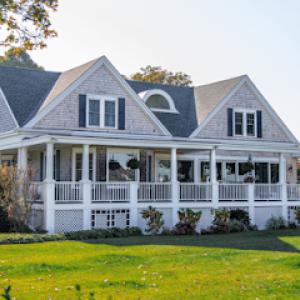
Walsh Roofing Services
(833) 977-7663 www.walshroofingservices.com
Serving
4.6 from 138 reviews
We are a fully licensed and insured roofing company that specializes in a variety of residential and commercial roofing services. Our roofing technicians are highly trained and are backed by the company’s commitment to quality workmanship and superior customer service. Give us a call today!
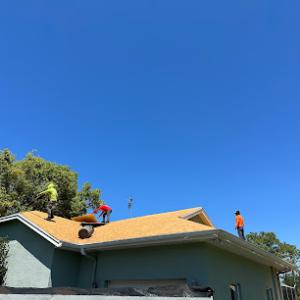
Hometown Roofing & Construction | Tampa Bay Area
(813) 996-0772 hometownroofingandconstruction.com
Serving
5.0 from 13 reviews
Hometown Roofing & Construction is based out of Zephyrhills, FL. We service all of the Tampa Bay Area! With over 50 years combined in the real estate, roofing, and construction industries, our business is uniquely staffed to service our clients like no other. It’s this experience, our personalized approach, and our rigorous quality assurance standards, which drastically differentiate our organization. We are proud of our in-house proprietary systems for managing many of the key processes: bidding, budgeting, final touches, and walk-through details. These allow us to efficiently approach each and every job as a custom project, no matter how big or small.
Chase Roofing
(813) 782-9400 chaseroofing.com
Serving
4.7 from 66 reviews
From planning to completion, our craftsman and staff are responsible for every roofing project we take on South Florida. We have earned a reputation for prompt, dependable roofing service, for quality work using the best materials, for competitive costs, and a high level of business integrity. We are proud to be Owens Corning Preferred Contractors and Certain Teed Preferred Contractors. We have a proven track record of completing quality projects, passed stringent legal and credit checks and offer home improvement financing. We have also met local requirements for licensing and insurance. We are also committed to submitting all warranty registrations on your behalf. Just one more thing we do to make it easier for our homeowners.
In this inland Pasco County zone, Florida's wind, hail, and hurricane claim environment can slam a roof in a single afternoon. After major storm events, sequence and timing matter: insurers may probe age, prior claims, and precise damage photos before any coverage decision or payout. Your roof is not just a covering; it's a policy trigger that can influence what gets approved or denied.
Material choice and roof design in Dade City influence how insurers view risk after a storm. Shingle roofs often face shingles loosening or missing under high winds, while metal and tile systems can suffer fasteners or underlayment issues if not properly detailed. The combination of humid summers and sudden downpours creates conditions where even minor vulnerabilities become substantial claims once a storm passes. Expect questions about how the roof has performed in prior events and what the driving paths of wind were on previous seasons.
Homeowners here may be asked for roof age, prior claims history, and detailed damage documentation before coverage decisions are made. A clear, organized file helps. Gather contractor estimates, before-and-after photos, and a dated log of any leaks or interior water intrusion that appeared with rainfall. Insurance adjusters often want to see where water entered, how it traveled, and whether rapid temporary repairs were performed to mitigate further damage. Including timelines and outcomes reduces back-and-forth and speeds processing.
Reduced carrier availability and higher premiums in Florida make wind mitigation documentation more important in reroof projects. Certificates or documentation showing upgrades like improved attic ventilation, secondary moisture barriers, or upgraded underlayment can tilt decisions in your favor when carriers tighten their rosters. Store these documents in a single, accessible location and provide them proactively to your insurer or agent when a storm warning looms or after a claim is filed.
In practical terms, think ahead about a storm event's potential impact on your roof's record. Create a concise, photo-supported narrative of your roof's condition before and after strong wind periods. If a claim arises, respond quickly with organized documentation to support the view that repairs or replacements are warranted, and preserve your options for coverage in the messy aftermath.
Connect with contractors who help homeowners navigate the claims process from damage assessment to final approval.
Nations Roofing & Construction
(813) 485-4440 www.nationsroofingcompany.com
15421 Bellamy Brothers Blvd, Dade City, Florida
4.8 from 115 reviews
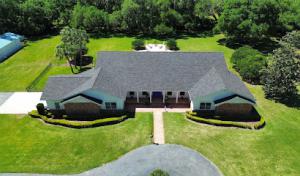
The humid subtropical climate that characterizes this area accelerates wear patterns on asphalt shingles that would look normal in drier regions. High humidity lunches into the roof deck, and heat makes the attic space swing between hot and damp. In practice, this means granules loosen faster, shingles curl sooner, and the underside of the roof sheathing can show subtle signs of moisture staining after a long Florida summer. When a reroof project is planned, expect more routine inspection for cupped or split shingles and a tighter eye on sealant around vent boots and penetrations. In longer-term terms, the inland Pasco County exposure to storms can amplify those heat-driven stresses, so the condition of sealants and flashing deserves closer monitoring.
Extreme summer heat and humidity not only affect material behavior but also the pacing of the crew. Materials can expand thermally, making shingle alignment more sensitive to wind-driven gusts on steep pitches. Crews should schedule major work for cooler parts of the day, typically early morning, to reduce handling damage and worker fatigue. Prolonged heat can lead to faster nail set wear and more frequent re-fastenings, so plan for slightly longer installation windows and ensure adequate hydration and shaded staging areas. For older homes with mixed roofing types, expect tighter transitions where tile and shingles meet; these junctures require precise alignment to prevent leaks during the heavy summer downpours.
Wet-season moisture exposure makes replacement timing more important locally than in drier inland markets. The late summer and early fall periods can bring rapid, heavy showers that stress new underlayment and flashing if installation lags behind weather windows. A practical approach is to target a dry-window installation before the heart of storm season, ensuring protective underlayment and flashing are fully seated before the fall rains begin. During active reroofs, double-check attic venting and soffit intake to prevent moisture buildup behind the installation, which can compromise shingles and deck integrity after a storm. Keep a close eye on moisture-driven edge failures near valleys and transitions, and address any flutter or seam gaps promptly to minimize wind-driven damage from hurricane season.
Skylights in this area aren't a rare add-on; they're a recurring specialty among local contractors who know the wear and tear from humid summers and fast-moving storm bursts. When a skylight sits atop a roof that already feels the fatigue of years on metal, tile, or shingles, you should expect careful framing, flashing, and sealant work. Skipping precise skylight integration during a reroof can create stubborn trouble later, especially when storms shake loose edges that never fully settled.
Leak troubleshooting often overlaps with storm-response work because summer thunderstorms and hurricane-season events expose vulnerable penetrations. If a leak appears after a heavy afternoon storm, check around the skylight curb and the surrounding flashing first, then trace any interior staining toward trenches where roof meets wall or vent. In Pasco County conditions, repeated exposure means small failures can grow quickly into active leaks. Plan for a robust temporary seal if a storm is bearing down, but arrange permanent repair soon after the lull.
Homeowners planning a reroof should account for detail work around penetrations during planning in this market. Prioritize coordinated flashing, sealing, and shingle or tile integration around vents, pipes, and skylights. Allow space for extra inspection time where penetrations intersect the underlayment. Rushed detailing here invites slow leaks and interior damage that feels heavier than the surface patch. A calm, methodical approach now saves you from expensive callbacks after the next storm. Keep a documented record of skylight dimensions, flashing types, and repair notes to simplify insurance communication after a storm. This detail helps crews stay aligned and speeds any needed claim-related work today.
Find contractors experienced in skylight installation, flashing, and leak repairs to bring natural light into your home.