
Last updated: Apr 19, 2026
When planning a roof in this area, the dry season from November through March stands out as the most favorable installation window. Rain interruptions are less frequent, and crews can keep a steady pace without weather-driven pause periods. Securing a start date early in this window helps avoid the frictions that come with sudden weather shifts and keeps the project on track. Waiting until the heart of the wet season leaves you chasing blue skies and elbow-room to complete a tear-off, installation, and any wind-mmitigation steps in one continuous stretch. If a quick turnarounds matters, prioritize a fall-to-winter start so the crew can finish before spring storms heat up again.
From June through October, the wet season increases the risk that exposed decking and underlayment take on moisture during tear-off and replacement. Even a well-timed morning rain can halt progress, and repeated interruptions invite moisture ingress if decking is not fully protected or dried before new layers go on. The window for a clean, moisture-controlled install tightens dramatically during these months, making the sequencing of steps crucial. When scheduling, communicate to the contractor that you expect meticulous handling of underlayment and vented substrates, and confirm dry-down periods between stages so a misstep in timing doesn't leave moisture lingering where it can cause long-term issues.
Tropical storms and hurricane-season wind-driven debris can create sudden emergency leak calls and push back scheduled re-roof projects across Pasco County. The risk isn't hypothetical: a stray gust or a pre-storm debris surge can expose vulnerable sections of the roof, and even brief outages in a project can cascade into a prolonged delay if crews have to re-sequence work or address unplanned damage. The practical consequence is that timing becomes not just a scheduling choice, but a risk-management choice. Build in buffer days for potential weather events, and opt for a start date that allows you to complete critical milestones before the heart of storm season.
If a rebuild needs to align with the calendar, target the dry-season block for the earliest possible start. Coordinate a sequence that prioritizes removing old shingles, inspecting and drying any decking, upgrading flashing and underlayment, and installing a wind-conscious ridge or hip system before the wet months arrive. Have a contingency plan with the contractor for extended weather holds, including staged progress checks and prioritized weather-resilient components. This approach minimizes the chance of weather spiraling into a project-long delay and preserves the integrity of the roof system from tear-off through final sealing. In Zephyrhills, a disciplined, season-aware schedule is the best defense against moisture and wind-driven disruption.
In the Zephyrhills area, wind-driven rain during tropical systems often finds its way through flashing, valleys, and roof penetrations even when the main field covering appears intact. That means a roof can look fine from the ground or in a quick inspection, yet a vicious window of moisture can slip into the attic or underlayment around chimneys, vents, and transitions. The consequence is not always dramatic at first-stains may creep along a ceiling or a dark spot may appear after a storm-but the damage can advance behind the scenes, compromising decking and insulation before a person notices. It is essential to routinely scrutinize flashing joints and penetrations after strong storms, and not rely on a clean, dry surface as proof of a watertight roof.
Heavy summer rainfall in inland Pasco can shorten the decision window between a minor leak and decking or underlayment deterioration. A single strong downpour can saturate attic spaces quickly, and the damp conditions may push plywood or synthetic underlayment past their tolerance thresholds in a matter of hours or days. When storms arrive in quick succession, the accumulation of moisture compounds the risk, and small drips can escalate into wood rot or mold growth more rapidly than anticipated. You may notice that even small leaks become more persistent after a few tropical days, making a cautious, timely assessment critical rather than waiting for a dramatic failure to reveal itself.
Because local permit and inspection workflows may include wind-mitigation and code-compliance checks, storm-related repairs often turn into broader replacement discussions after damage is documented. A patch job could trigger questions about whole-roof performance, deck health, and the suitability of existing underlayment or venting. When a contractor begins to address wind-driven leaks, it is common to uncover wear on eaves, ridge lines, or valley channels that signals a broader aging problem. In practice, that means repairs are not always a simple fix; they can reveal that a more comprehensive replacement structure is prudent to meet current wind-resistance expectations and to restore long-term reliability under the next round of storms.
A practical approach centers on proactive maintenance and targeted upgrades that address likely failure points. Schedule periodic inspections focused on flashing at valleys, around vent penetrations, and along roof-to-wall transitions, especially after tropical systems. After heavy rains, check for soft spots in decking or damp insulation in the attic, since those are red flags that moisture has penetrated beyond the surface. Consider reinforcing wind-sensitive areas with appropriate fasteners, sealants, and compatibility between components to minimize the chance of wind-driven rain exploiting any seam. If a roof shows repeated signs of moisture intrusion in the same locations, plan for a broader evaluation of its overall wind-resistance performance and potential replacement in a timely and coordinated manner to reduce the risk of cascading failures.
Roof Maxx of Tampa
Zephyrhills, FL
5.0 from 79 reviews
Roof Maxx® is a scientifically formulated, and 100% safe, plant-based roof rejuvenating spray treatment that was developed by the world’s largest private research and development company.
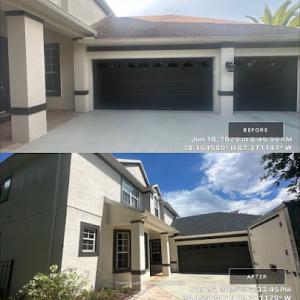
Roofing Rabbit
(888) 904-7936 www.roofingrabbit.com
Zephyrhills, FL
5.0 from 24 reviews
Roofing Rabbit is your trusted local roofing company serving Zephyrhills and Tampa, FL. We specialize in residential and commercial roof repairs, full roof replacements, metal roofing, shingle installation, and storm damage restoration. With years of experience and a commitment to quality craftsmanship, we’re proud to be the go-to roofer for homeowners and businesses alike. Whether you need an emergency roof repair or a full roof replacement, we offer fast, reliable service with competitive pricing. Our licensed and insured team uses top-grade materials and advanced installation techniques to ensure your roof is built to last — and backed by warranty. 🏠 Serving Zephyrhills, Tampa, Wesley Chapel, and surrounding areas ⭐ 5-Star Service
Quality Roofing
(813) 312-7338 www.qualityroofingfla.com
7010 16th St, Zephyrhills, Florida
4.8 from 49 reviews
We are a state certified and licensed roofing contractor serving the greater Tampa Bay area. We're ready to provide any roof installations and repairs you may need. The best products and service at the best price. That's Quality Roofing.
Chase Roofing
(813) 782-9400 chaseroofing.com
40415 Chancey Rd STE 103, Zephyrhills, Florida
4.7 from 66 reviews
From planning to completion, our craftsman and staff are responsible for every roofing project we take on South Florida. We have earned a reputation for prompt, dependable roofing service, for quality work using the best materials, for competitive costs, and a high level of business integrity. We are proud to be Owens Corning Preferred Contractors and Certain Teed Preferred Contractors. We have a proven track record of completing quality projects, passed stringent legal and credit checks and offer home improvement financing. We have also met local requirements for licensing and insurance. We are also committed to submitting all warranty registrations on your behalf. Just one more thing we do to make it easier for our homeowners.
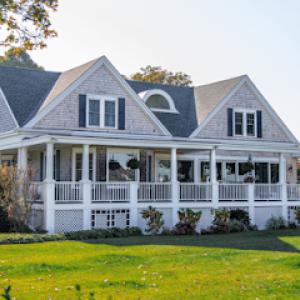
Walsh Roofing Services
(833) 977-7663 www.walshroofingservices.com
Zephyrhills, FL
4.6 from 138 reviews
We are a fully licensed and insured roofing company that specializes in a variety of residential and commercial roofing services. Our roofing technicians are highly trained and are backed by the company’s commitment to quality workmanship and superior customer service. Give us a call today!
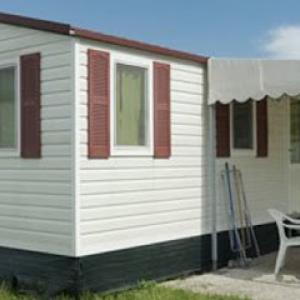
A Bartlett Roofing & Construction Services
(813) 782-5585 www.abartlettdidmyroof.com
38408 3rd Ave, Zephyrhills, Florida
4.6 from 48 reviews
If you want reliable roofers who will do a quality job on your home's roof always, you don't have to look any further than A Bartlett Roofing & Construction Services Depending on the look you want, trust our experts to help you select from our wide range of roof types and shingles. Call us and learn more about our GAF veteran program.
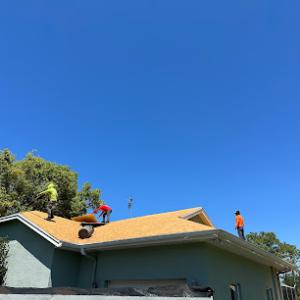
Hometown Roofing & Construction | Tampa Bay Area
(813) 996-0772 hometownroofingandconstruction.com
5031 Airport Rd, Zephyrhills, Florida
5.0 from 13 reviews
Hometown Roofing & Construction is based out of Zephyrhills, FL. We service all of the Tampa Bay Area! With over 50 years combined in the real estate, roofing, and construction industries, our business is uniquely staffed to service our clients like no other. It’s this experience, our personalized approach, and our rigorous quality assurance standards, which drastically differentiate our organization. We are proud of our in-house proprietary systems for managing many of the key processes: bidding, budgeting, final touches, and walk-through details. These allow us to efficiently approach each and every job as a custom project, no matter how big or small.
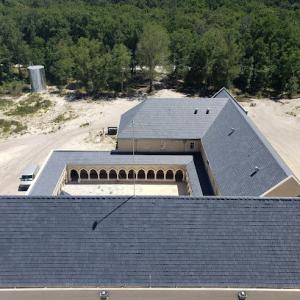
Ryman Roofing
(813) 782-6094 www.rymanroofing.com
36413 CR 54, Zephyrhills, Florida
4.2 from 102 reviews
At Ryman Roofing, we install everything from metal roofs, shingle roofs and tile roofs, both residential and commercial. Count on us to provide fast and reliable roofing services that feature superior products and workmanship at an affordable price. We also want to assure you that our sister company holds a GC license. This is important because some roofing issues have structural implications that require the expertise of a GC, so we are prepared when such situations arise. New Roofs, Re-Roofs and Repairs Gutters, Soffits and Fascias Experienced, Reliable Roofing Crews Jobsite Cleanliness Insurance Specialists to Appraise Damage 100% Financing Available W.A.C. 15-Year to 50-Year Roof Warranties

Ease Roofing
(863) 223-3900 www.easeroofing.com
7424 Hackamore Rd, Zephyrhills, Florida
3.8 from 23 reviews
Ease Roofing is one of the most respected roofing experts providing quality residential roofing, re-roofing, roof installation, replacement, restoration and all types of repairs including storm and hail damage repair services throughout the Central Florida areas. Our experienced roof inspectors will answer your questions and provide you with a free, written estimate to let you know what to expect and when our roofer services will be completed. Whether you need new roof installation, replacement, re-roofing, restoration or any type of damage roof repairs, our Central Florida roofing experts can help!
Roof Nation
(813) 428-6694 www.roofnationinc.com
34010 CR 54, Zephyrhills, Florida
3.7 from 12 reviews
When it comes to your roofing needs, you can count on Roof Nation, Inc. Established in 1991, Roof Nation, Inc. offers quality and expert roofing solutions with the same care and consideration you would expect to feel from family. We are proud to have served the greater Tampa Bay Tri-County and surrounding Sarasota, Clearwater, and Tampa areas for over 25 years. The service from Roof Nation, Inc.. is unmatched. We go out and will take care of the problem until it’s finished. Through providing an excellent experience, our team wants to leave every homeowner wondering why they didn’t choose Roof Nation, Inc. sooner!
Nations Roofing & Construction LLC - Zephyrhills
(813) 454-0952 www.nationsroofingcompany.com
Zephyrhills, Florida
5.0 from 1 review
Nations Roofing & Construction offers roof repairs and roof replacement services for Zephyrhills and the surrounding area. We repair and replace residential shingle roofs, metal roofs, composite roofs, and tile roofs. We also repair and install commercial flat roofs and metal roofs. Damaged roofs in need of blue tarps and roof repairs are our specialty. We will work with your insurance company to get the job done to both your and their satisfaction. Nations Roofing & Construction is a certified contractor and we are PACE certified. We do not use subcontractors; our workers are covered by our workers comp. We strive to be fair in our prices, honest and upfront and get the job done to your satisfaction.
Gecko Roofing Pros
(813) 570-4363 www.geckoroofingpros.com
Serving
5.0 from 151 reviews
Gecko Roofing Pros. provides comprehensive roofing services to both residential and commercial customers near our Wesley Chapel office. Customers come to us, often by referral, from all over the area. We are properly licensed, bonded and insured for your protection and ours. You can trust our team to treat your home or business like our own. Contact us today for quality you can rely on!
Zephyrhills experiences a hot, humid subtropical pattern with a long wet season and frequent afternoon storms. Heat buildup and high moisture demand careful roofing choices, especially during wind-influenced recovery after storms. The inland Pasco County exposure means roofs must tolerate gusts, driving a need for stronger fastenings and efficient water shedding. Storms can arrive quickly, so a roof that drains well and resists debris impact pays off for years beyond a dry-season routine. Ventilation, attic insulation, and a tight roof deck help keep interior spaces comfortable and reduce energy costs during peak summer heat.
The dominant residential materials in Zephyrhills are asphalt shingles, metal roofing, clay tile, concrete tile, wood shingles or shakes, and synthetic or composite shingles. Each material has its own balance of heat reflectivity, weight, and maintenance needs. Asphalt remains common for practical workhorse value, but heat and humidity push you to consider higher-quality shingles with good granule adhesion and a solid underlayment. Metal roofs bring quick shedding and wind resilience, yet require careful installation to manage thermal movement and potential noise in heavy rain. Clay and concrete tile offer excellent durability and heat resistance, though their weight and installation nuances matter for roof framing and structure.
Tile and metal remain especially relevant in this market because local contractor signals show meaningful specialization in both metal roofing and tile roofing. Clay and concrete tile handle sun and rain well and have long service lives, but tile is heavier and can be fragile under hail or improper foot traffic during maintenance. Metal offers durability and exceptional wind performance when installed with proper fasteners, correct overlap, and appropriate insulation. For homes with steep pitches or large roof areas, these options can deliver noticeable performance gains during storm season and during rapid cooling needs after rain.
Asphalt and synthetic options provide familiar choices for Zephyrhills homes with mixed roof conditions. Synthetic shingles can improve hail resistance and light reflectivity, helping with heat management, while asphalt choices with reinforced underlayment reduce leak risk during the wet season. Some homeowners pair high-wind-rated shingles with upgraded decking and underlayment to address local wind exposure. In residential sections with flatter sections or complex geometry, keeping a robust roof-to-wall connection and solid flashing is essential to prevent wind-driven leaks.
Practical steps for selection start with a trusted local contractor who understands wind-conscious re-roofing and the seasonal timing around the wet season. Consider roof shape, attic ventilation, and the expected load from tile or metal products. If a roof is near the end of its life, plan a replacement window before the peak of hurricane season, and factor in storm recovery needs such as temporary coverings and rapid access to repairs. For homes with high heat gain, prioritize reflective or lighter-colored surfaces and adequate attic insulation. Finally, balance durability, maintenance requirements, and local service availability when choosing between asphalt, synthetic, tile, and metal to ensure long-term resilience in this market.
For common residential roofs, you'll see asphalt shingles around 350 to 700 dollars per square, metal roofing from 600 to 1200 dollars per square, clay tile roughly 900 to 1700 dollars per square, concrete tile about 700 to 1300 dollars per square, wood shingles or shakes in the 500 to 900 dollars per square range, and synthetic or composite shingles around 550 to 1000 dollars per square. These figures reflect the local market and the materials you're most likely to select for Zephyrhills homes, with the same size roof costing more per square if trusses or complex geometry require extra labor.
In practice, costs can rise when storm demand surges after tropical weather because fast-response crews and scheduling become harder to secure across the local market. If a tropical system hits, you may face premium rates for rush tear-off and weather-conscious installations. Plan for potential short-notice changes to crew availability and material delivery timelines, which can affect overall project pacing and pricing.
Wet-season scheduling in Zephyrhills can add labor complexity because crews may need tighter staging, weather protection, and more cautious tear-off timing to avoid moisture exposure. A typical approach is to align the project with forecast windows that minimize prolonged exposure to afternoon thunderstorms. This may push kick-off a bit earlier or later in the week to avoid peak storm risk, and it often means stricter on-site moisture control practices. If the roof is showing signs of water intrusion after a storm, you'll want a quick but careful temporary fix to protect the home while the main replacement is staged.
Given inland Pasco County exposure to wind and rain, you'll benefit from choosing materials with proven wind performance, especially asphalt, metal, and concrete tile. Upgrades such as a higher wind warranty, quality underlayment, and proper nailing patterns can improve long-term resilience. When you review bids, compare not just the up-front price per square but also the scope: tear-off method, weather protection, ladder safety, and the crew's plan for staging and debris containment during the wet season.
Don't let upfront costs delay a critical repair - these contractors offer payment plans to fit your budget.
Chase Roofing
(813) 782-9400 chaseroofing.com
40415 Chancey Rd STE 103, Zephyrhills, Florida
4.7 from 66 reviews
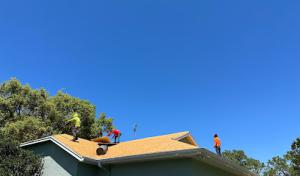
Hometown Roofing & Construction | Tampa Bay Area
(813) 996-0772 hometownroofingandconstruction.com
5031 Airport Rd, Zephyrhills, Florida
5.0 from 13 reviews
A full re-roof in this area typically requires a building permit. The permitting landscape is a collaboration between the City of Zephyrhills and Pasco County, with applications routed through the Pasco County Building Department rather than a standalone city-only roofing process. Understanding this interagency flow early helps prevent delays once work is ready to begin. The permit ensures that roof materials, installation methods, and any necessary upgrades meet regional wind-resilience expectations that are tuned to the local climate and storm history.
Begin by confirming that your project scope aligns with a full re-roof rather than a repair. The process is commonly initiated at the Pasco County Building Department, with city-related steps facilitated through the city's channels. Have drawings or a clear description of the roof assembly, including underlayment, fastener type, and any ventilation or attic insulation improvements. Your permit submittal will typically require contractor licensing, proof of property ownership, and a plan that demonstrates compliance with current wind-mmitigation or broader code standards. Timelines can be influenced by weather windows and the volume of permit reviews, so starting prereplacement planning with the permit authority helps align expectations with the wet-season schedule.
Inspections are performed at key milestones during and after installation. Expect an inspection after the roof deck and underlayment are in place, another once the shingles or roofing system is installed, and a final walkthrough to verify completion and workmanship. Local practice may include additional checks tied to wind-mitigation compliance or broader code-conformance requests, particularly if the project involves changes that affect attic ventilation, decking structure, or hip-and-valley configurations. Scheduling inspections promptly around unavoidable storm seasons helps minimize downtime and ensures that any required corrections are addressed quickly.
Wind-mitigation or broader code-compliance checks may be requested as part of the local process. If a wind-mitigation assessment is triggered, results can influence the inspection sequence and the final approval status. This area's weather patterns-seasonal storms, high winds, and the need for durable attachment systems-mean that documentation supporting wind-resilient design is especially valuable. Work with the contractor to ensure that fasteners, nailing schedules, and roof decking align with the latest standards, and be prepared for potential additional documentation requests from the building department during the permit review or after inspections.
Florida's volatile insurance market has touched Zephyrhills in real terms: some carriers have tightened wind-related roof coverage or pulled back exposure in higher-risk pockets. That means your policy's stance on a reroof, or even a renewal, may hinge on how your roof is documented and how well it stands up to wind questions. In practice, carriers may scrutinize the roof's age, its current condition, and any storm-related damage before approving a claim or granting a renewal.
In this town, detailed roof documentation and wind-mitigation assessments aren't ornamental extras; they're the baseline. Gather recent inspection notes, photos showing shingle integrity, and a clear record of any repairs or patchwork after storms. A straightforward, year-by-year log helps when an adjuster asks not just what happened, but when and how. Wind-mitigation features-proper attachments, reinforced hips, and other code-strengthening measures-should be easy to verify with stamped reports and photographed evidence. If a claim is needed, this documentation shortens questions and reduces the chance of coverage gaps.
After tropical weather in Pasco County, adjuster timelines can stretch. When many homeowners file at once, processing times lengthen and project schedules slip. In practice, that means a rushed evaluation can miss nuances that matter for both coverage and the actual repair timeline. Plan for potential delays, build in buffer time for weather windows, and have a clear line of communication with your insurer to avoid miscommunications about the scope or priority of your reroof.
Document your existing roof with a comprehensive photo series, focusing on fasteners, seals, and any lift patterns on shingles or tiles. Schedule a wind-mitigation assessment with a trusted local professional who understands Zephyrhills' wind exposure and typical roof types. Keep a current contact list for your insurer and your contractor, and log all storm-related maintenance in a simple, dated notebook or spreadsheet. In this market, preparedness isn't just thoughtful-it can help protect both coverage and peace of mind when the skies finally clear.
Local contractor signals show meaningful demand for both skylight work and flat or low-slope roofing in the Zephyrhills market, even though they are not the dominant roof types overall. If a home has a two- or three-angled roof or a sunroom addition, expect a steady flow of requests for daylight features and low-slope repairs. Contractors notice that many existing skylights date from earlier decades and that some low-slope sections were added during renovations, creating ongoing opportunities for timely updates and proper flashing details.
In the rainy season, low-slope drainage performance becomes more important because repeated heavy rainfall can expose weak seams, transitions, and ponding-prone areas. Plan work for periods when storms are predictable but not at the peak of the wet season, and ensure that temporary drainage provisions are in place during any replacement. If a roof must be opened during a storm window, use quick-sealing measures and schedule finishing stages for dry spells to minimize water intrusion risk.
Skylight penetrations in this climate deserve extra attention because wind-driven rain during tropical systems can exploit flashing weaknesses before broad field failure is visible. Inspect curb integrity, sealants, and flashing around the skylight flange with a critical eye. Prefer raised-flash, multi-layer seal details, and verify that the skylight integrates with the roof's primary drainage plane. When replacing skylights, consider upgrading to units with better insulating performance and tougher glazing to reduce condensation and heat gain, which helps the overall system cope with Zephyrhills' heat and humidity.
For flat or low-slope sections, prioritize a continuous, well-constructed drainage plane and seamless transitions at all penetrations. Check corners, transitions to steeper zones, and around any HVAC curbs or vents. Reinforce caulking and sealant joints with compatible, weather-rated products, and ensure that any existing ponding-prone areas receive attention to avoid long-term moisture buildup that could compromise the underlying deck. Regular inspections after heavy storms help catch issues before they cascade into bigger repairs.
Find specialists in TPO, EPDM, and built-up flat roofing systems for residential and commercial properties.
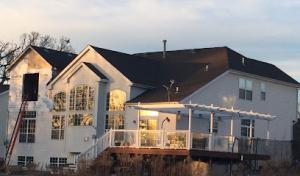
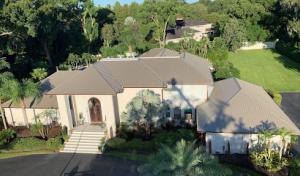
Nations Roofing & Construction
(813) 485-4440 www.nationsroofingcompany.com
Serving
4.8 from 115 reviews
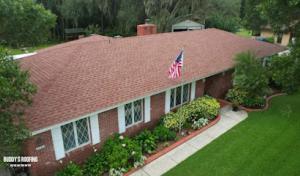
The Zephyrhills market values quick response, re-roofing turnaround, and cleanup included after storms or leaks. Homeowners here often balance affordability with a track record of reliability, favoring long-established, family-owned shops that are licensed and insured. In this area, you'll see a mix of small crews and mid-size outfits, but speed and jobsite recovery after a leak or wind event are key decision drivers.
Manufacturer-certified presence exists but is not dominant, so warranty terms and installer qualifications deserve careful scrutiny rather than assuming every bid brings the same backing. Check who actually installs your roof and who stands behind it after a storm. Confirm whether the manufacturer's warranty is fully transferable if you sell, and whether the installer provides a separate workmanship warranty that covers leaks, shingle lift-off, and flashing reseals for the first several years.
Ask for a detailed, local reference list with recent storm-related jobs and cleanup outcomes. Verify licensing, insurance, and a clearly written scope of work that includes debris removal, shingle resealing, and any wind-mitigation steps that the crew will perform. Look for crews that assign a project supervisor on-site during critical phases and have a formal process for protecting your landscaping and paved areas during material deliveries and tear-off.
Treat bids as a package: material type, delivery timeline, cleanup plan, and a written warranty outline. Favor contractors who provide a quick post-storm response window and documented yard cleanup, not just a price. If a bid promises ongoing service after installation, ensure that the terms spell out respond-and-repair timelines and what triggers a call-back.