Last updated: Apr 19, 2026
Inland north Hillsborough County still feels the sting of tropical systems long after they pass. Heavy, wind-driven rain can arrive without warning, and that pattern is especially real during hurricane season. A roof that looks solid at first glance can deteriorate quickly under the combination of sun-soaked days and sudden downpours. When a storm hits, the risk isn't just shingles flapping in the wind-it's the cascade effect of hidden leaks, saturated attic spaces, and accelerated roof deck damage that can show up days later. This section focuses on getting leaks under control fast, documenting damage for insurance, and ensuring temporary protection is in place before the next front arrives.
If you notice water staining or active dripping, treat the situation as an emergency. Start by safely locating the source without climbing on a wet, slippery roof. Look for obvious entry points: a knocked-off vent boot, lifted shingles, damaged flashing along chimneys, valleys, or skylights, and any pooling water on flat or low-slope sections. Place a sturdy bucket or container under the leak, and protect the interior with plastic sheeting or a tarp secured tightly at the edges to prevent wind-driven water from seeping behind trim or into attic eaves. Do not delay shoring up the most exposed area; temporary tarps and fasteners can prevent rapid interior damage during heavy storms that follow.
Temp protection is not a decorative measure-it buys time to minimize further damage. Check that any temporary tarp is anchored with weighted bags or nailed over rafters, not just draped over the surface. Ensure the tarp edges extend beyond the leak zone to catch potential wind gusts. If shingles have blown free in a localized spot, cover with a heavy-duty breathable membrane or overlay that won't trap moisture against the roof deck. Inside the attic, keep the space ventilated if possible, and place a few buckets strategically to avoid continuous saturation of insulation or ceiling drywall. For residential tile or metal systems, temporary patches should be sized to cover the affected area with a sealant compatible with the material and weather conditions. The goal is to prevent a worsening situation that could cascade into mold growth or structural rot.
Document everything meticulously. Take clear, dated photos from multiple angles: the exterior roof showing the damaged or missing components, the interior ceiling stains, and any exposed decking or framing visible from the attic access. Record the date and time of the first noticed leak, the severity of the water intrusion, and any weather events that preceded the damage. Keep a simple log of actions taken, including temporary tarping steps and any temporary repairs. When a professional assessor arrives, present this documentation first to guide their inspection and to support the claim narrative. If multiple leaks exist, map them with a rough roof diagram and reference the closest interior indicators that point to each leak's location. This thorough record-keeping helps ensure the insurance review focuses on actual damage rather than incidental staining.
Once the immediate leak is under control, prioritize a rapid professional evaluation. In this market, storm-response crews are prevalent, and timeliness matters: delaying a professional assessment can allow hidden rot or deck damage to worsen, especially during the peak danger months of August and September. Seek a contractor who can provide a written assessment quickly, identify whether flashing, vent boots, or decking failure is the root cause, and outline a plan for a temporary follow-up repair if needed while a full replacement plan is being arranged. Ask for a storm-damage-specific checklist that includes interior mitigation steps, leak-control practices, and a clear sequence for temporary vs. permanent fixes. This approach helps prevent minor issues from becoming major, costly problems when the next weather system rolls through.
New Roofs Group
(813) 215-4099 www.newroofsgroup.com
207 Crystal Grove Blvd, Lutz, Florida
5.0 from 112 reviews
At New Roofs Group, we pride ourselves on delivering exceptional roofing services throughout Tampa. Whether you need residential roofing, commercial roofing, or roof inspections, our team of experts is here to serve. With years of experience in the industry, we understand the unique roofing needs of Tampa residents. Our commitment to quality and customer satisfaction sets us apart. Don't let roofing issues linger; trust the best in Tampa. We service various areas of Tampa such as Lutz, Wesley Chapel, Sarasota, Lakeland, Zephyrhills and much more. Reach out to Tampa Roofing Company for reliable solutions and a free consultation today!
Gulf Shield Roofing
(813) 444-2510 gulfshieldroofing.com
18865 FL-54 Suite 112, Lutz, Florida
5.0 from 194 reviews
Welcome to Gulf Shield Roofing, where we build more than just roofs - we build relationships. We believe that the foundation of any successful business is trust, and that's exactly what we aim to build with every customer. As the premier roofing company in Tampa, FL, we take pride in delivering exceptional workmanship and customer service that leaves a lasting impression.
RoofElite
19002 1st St SW, Lutz, Florida
5.0 from 97 reviews
RoofElite is your premier roofing contractor located at 19002 1st St SW, offering top-notch services tailored to meet all your roofing needs. Specializing in roof repair, metal roofing, commercial roofing, and residential roofing, we guarantee superior craftsmanship and reliability. Our team excels in providing precise roof estimates and thorough roof inspections, ensuring quality from start to finish. Whether it's shingle roofing, affordable roofing solutions, or expert roof shingle repair, RoofElite delivers unmatched expertise and customer satisfaction. Trust us for excellence and durability in every project. Contact RoofElite today for all your roofing requirements!
Magnum Roofing & Restoration
(813) 606-4414 magnumrestoration.com
21129 Leonard Rd, Lutz, Florida
4.9 from 227 reviews
Call us today to learn more!
Robinson Roofing & Restoration
(866) 264-5943 robinsonroofingfl.com
25200 Sawyer Francis Ln Suite 134, Lutz, Florida
4.9 from 95 reviews
Residential & Commercial Roofing and Restoration
ERS Roof Repair
(813) 808-7663 www.erscontractor.com
209 Crystal Grove Blvd STE102, Lutz, Florida
4.8 from 43 reviews
Established in late 2020, ERS Roof Repair is a trusted roofing and general contractor based in Lutz, FL. The team specializes in comprehensive roofing services, providing expert solutions for everything from minor repairs to major restoration projects. They are also equipped to handle building and water damage restoration, offering a wide range of services to meet the diverse needs of homeowners in the Lutz area. With an emphasis on quality and dependability, they are dedicated to restoring the integrity of your home with professional and efficient service.
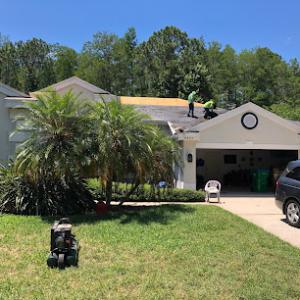
Carl Martin Roofing
(813) 977-0066 carlmartinroofing.com
14902 Livingston Ave, Lutz, Florida
4.7 from 33 reviews
Carl Martin Roofing is a roofing contractor specializing in re-roofing, maintenance, repair and roof system installation throughout the Tampa Bay Area. Carl Martin Roofing serves apartment complexes, homeowners associations public works projects, residential, commercial and industrial developments. High quality and superior customer service is our signature at Carl Martin Roofing. We maintain our clients roofs year round to maximize the roof systems life expectancy and our customers investment. Our roofing specialists are highly skilled at producing durable end results with minimal interference to the clients daily operation. This is what sets us apart from other roofing contractors.
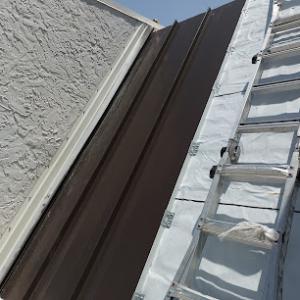
Titan Roofing & Metals
(813) 417-4829 titanroofandgutter.com
Lutz, Florida
5.0 from 9 reviews
Roofing and seamless gutters
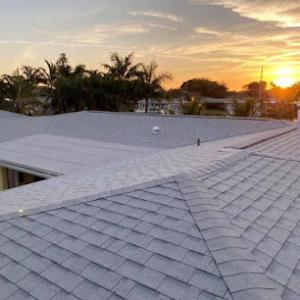
Maxx Roof
Lutz, Florida
4.9 from 9 reviews
Looking for a roof repair contractor near me, you can trust? Look no further! Contact Maxx Roof Tampa! Our company has extensive experience in roof repairs, so whether you need a roof repair or a roofer to come to your home to inspect your roof, you can rest assured that you can count on us. We are a leader in the industry, and our reputation is solid! No matter what type of roofing material you use, we guarantee the best Roofing Replacement service. We have a long customer service history and will continue providing excellent service by installing quality roofing. Contact us now for a consultation and quote for your Roofing Replacement project In Tampa!
Roof Hugger
(800) 771-1711 www.roofhugger.com
142 Whitaker Rd B, Lutz, Florida
5.0 from 4 reviews
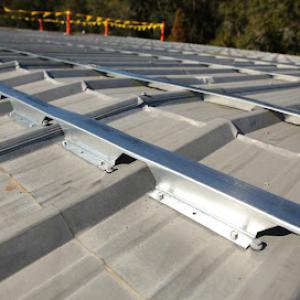
Roof Hugger is a sub-purlin metal-over-metal retrofit system designed to make metal re-roofing easier. The Roof Hugger systems are installed directly over the existing metal roof system for easy installation of the new metal roof.
A+ Roofing Solutions
(813) 338-0510 www.aroofingexcellence.com
1321 Avonwood Ct, Lutz, Florida
5.0 from 3 reviews
When it comes to roofing solutions in Tampa, A+ Roofing stands out as a trusted and expert choice for commercial projects. Our dedicated team is equipped to handle every aspect of your roofing needs, ensuring top-notch quality and unparalleled service. Comprehensive Commercial Roofing Services At A+ Roofing Solutions, we specialize in the replacement and repair of every component of commercial roofing projects. Whether it's a small repair or a complete overhaul, our experienced professionals are committed to delivering A+ results. From roof inspections and leak detection to full-scale replacements, we've got you covered.
RRCA - Roofing & Reconstruction Contractors of America
18424 Livingston Ave unit 2, Lutz, Florida
4.3 from 6 reviews
RRCA first opened our doors in 1993. In the 25+ years since, we have completed over 10,000 re-roofing projects! We are your one-stop for the best commercial & residential roofing restoration services. Being one of the top 100 roofing contractors in the U.S., we take pride in putting our customers first.
In unincorporated Hillsborough County, most roofing work is routed through Hillsborough County Building Services rather than a standalone city department. This means that a full re-roof project for a typical home will require submitting through the county system, with your permits tied to the property address rather than a neighborhood. A re-roof is treated as a structural update, so the jurisdiction expects code compliance for the roof assembly, attic access, and gravity loads. For many homes in this area, the process is straightforward but not automatic, and it pays to start early to avoid delays tied to plan review or missing documentation.
A full re-roof typically requires a building permit in this jurisdiction, and inspections occur at two pivotal stages: underlayment and final installation. The underlayment inspection verifies that the deck is sound, the roof is properly vented, and the chosen underlayment and fasteners meet code requirements. The final inspection confirms that the entire roofing system-including underlayment, ice and water shield in appropriate locations, flashing, penetrations, and the finished roof covering-meets the approved plan and local wind requirements. Any deviations found at inspection can trigger rework and further review, so accuracy on the plan is essential.
The local process may include plan review and wind mitigation considerations, which matters in a county where storm resilience documentation affects both approval flow and insurance value. Plan review looks at the structural compatibility of the new roof with the existing structure, attic ventilation, and correct attachment methods for your chosen material. Wind mitigation elements-such as tabs on shingles, continuous edge-to-edge protection, and securement details for hips and ridges-can influence how the project is processed and may factor into insurance documentation after completion. Prepare to provide product specifications, fastening schedules, and any manufacturer installation instructions as part of the submittal.
Begin with a complete project package: a current survey or property description, permit application, and multiple view drawings or vendor specifications showing roof decking, underlayment, and the chosen roof covering. If the project changes roof configuration (for example, from one material class to a different class with unique wind ratings), revisit the plan review with updated details. Ensure that the scope clearly identifies penetrations, skylights, vents, and any necessary flashing details around chimneys and walls.
Coordinate with the contractor to align the underlayment install with the scheduled inspection date to minimize rework. Have contractors ready to demonstrate that fasteners, nailing patterns, and ventilation components conform to code and the manufacturer's installation guide. On the day of final inspection, expect the inspector to verify alignment with the approved plans and that all components meet wind resilience criteria. If an issue arises, address it promptly to prevent project delays that complicate insurance documentation later.
Documentation of the permitting and inspection sequence matters for insurance value and post-storm resilience. Keep a neatly organized file with permit numbers, inspection stamps, product specs, and any change orders. The more complete the record, the smoother the downstream process for claims and potential premium considerations. In areas with inland hurricane exposure, ready access to this documentation can simplify both verification and future maintenance planning.
In this inland Tampa Bay area, your roof lives with high winds, heavy rain, and a long season of afternoon thunderstorms. The way a storm claim unfolds here is tightly tied to the age of the roof and the wind mitigation information you can provide. If the shingles are showing wear or if the attic has signs of past leaks, an insurer may view the roof as less capable of withstanding the next event. That can influence not just the claim outcome but the underwriting trajectory for years to come. Being realistic about the roof's current state and the actual wind performance is essential after a storm, not just at claim time.
Because Hillsborough County re-roof work ties into permit and inspection records, your preparedness hinges on documentation you hold beyond the repair itself. Keep all permit paperwork, final inspection approvals, and product documentation organized and ready to share with your insurer. Photos taken before, during, and after a roof project-especially close-ups of nailing patterns, flashings, and ridge lines-can make a meaningful difference when a adjuster reviews whether the installation aligns with the best practices for Florida's conditions. A well-thumbed folder of these records can shorten frustration when a storm hits or when a carrier requests proof of a recent upgrade.
Wind mitigation features often matter more than fancy upgrades in the insurance equation. If your home's roof includes installed features that Florida insurers recognize as reducing risk-sturdy impact-resistant shingles, upgraded nailing schedules, or a well-sealed underlayment-document these clearly. Take crisp photos of the roofing deck, the fastener types, and any visible wind-rated components. Keep manufacturer literature for the vents, sealants, and underlayment, and note the installation date. Even small improvements can tilt the balance of coverage possibilities, especially when a carrier is reviewing a renewal and the policy's risk profile is in flux.
If a hurricane or severe storm causes damage, the claim process can be unforgiving when the documentation trail is weak. In Lutz, where homes vary from mid-century ranches to newer builds with mixed materials, insurers will look for consistent records that connect the weather event to the damage and to the roofing system installed. A mismatch between the reported damage and the installed system can trigger disputes or delays. Be proactive: establish a chronology that links the event to the observed loss, pair it with a simple, organized set of documentation, and have a trusted contractor's assessment on hand to corroborate the claim.
Finally, consider how carrier volatility affects your roofing choices over the long term. Some homeowners weigh not only durability but also how a new roof affects insurability. If you anticipate changes in coverage terms, approach each reroof with a strategic eye toward wind mitigation potential and the likelihood that your insurer will view upgrades favorably in future renewals. This pragmatic stance isn't about alarm; it's about reducing surprises and maintaining a stable protection plan through Florida's dynamic storm season.
Connect with contractors who help homeowners navigate the claims process from damage assessment to final approval.
Gulf Shield Roofing
(813) 444-2510 gulfshieldroofing.com
18865 FL-54 Suite 112, Lutz, Florida
5.0 from 194 reviews
Magnum Roofing & Restoration
(813) 606-4414 magnumrestoration.com
21129 Leonard Rd, Lutz, Florida
4.9 from 227 reviews
Robinson Roofing & Restoration
(866) 264-5943 robinsonroofingfl.com
25200 Sawyer Francis Ln Suite 134, Lutz, Florida
4.9 from 95 reviews
Florida heat and UV exposure accelerate aging in asphalt systems, while persistent humidity and seasonal rain highlight the importance of underlayment performance and attic ventilation across all materials. In a suburban mosaic of homes with asphalt shingles, metal roofing, clay tile, concrete tile, wood shingles or shakes, and synthetic or composite shingles, the right material for your roof is as much about climate resilience as it is about curb appeal. Deep, reflective colors can reduce heat gain, but they must be paired with appropriate underlayment and vents to prevent heat buildup in the attic. In wind-prone periods of the hurricane season, you want a system that stays durable under repeated wind-driven rain and offers solid water-shedding properties without inviting dangerous leak paths.
Asphalt shingles remain common for their balance of cost, ease of installation, and decent long-term performance when paired with a robust underlayment and venting strategy. For those seeking longer life and higher impact resistance, metal roofing offers a tight, fastened deck and strong wind performance, with color choices that temper heat absorption. Clay and concrete tile provide excellent durability and a distinctive look, especially on homes with vaulted ceilings or Mediterranean-inspired styling, but their heavier weight demands a structural check and careful installation to avoid ridge and flashing issues. Wood shingles or shakes contribute natural charm but require diligent maintenance to resist moisture-related splitting and algae growth in humid Florida years. Synthetic or composite shingles can blend the light weight of asphalt with enhanced UV resistance and sometimes better impact performance while staying easier to repair after storms.
Regardless of chosen material, the underlayment must perform in high humidity and heavy rain, with drainage and venting that keep attic temperatures moderate. Proper attic ventilation reduces the risk of condensation and helps prolong the life of the roofing system across all materials. For homes where heavier tile or metal options are realistic, structural compatibility matters as much as aesthetics; a well-engineered installation that accounts for wind uplift and precise flashing details can prevent costly leaks during severe weather. If a roof is aging and showing sun-bleached shingles, curling edges, or moss patches, address these early with a material-appropriate approach to avoid cascading damage during the next storm season.
Costs are framed per square (100 sq ft) using ranges: asphalt shingles 350 to 700, metal 600 to 1200, clay tile 900 to 1800, concrete tile 800 to 1500, wood shingles or shakes 600 to 1200, and synthetic or composite shingles 500 to 1000. In this market, those bands guide budgeting for common suburban homes with sun-worn façades and hurricane-exposed eaves. Expect slight deviations based on attic access, roof pitch, deck condition, and whether a tear-off is needed.
In tropical-season months, regional demand spikes across Hillsborough County and the wider Tampa Bay area. Labor availability tightens and schedules extend, which can push crews into longer timelines and sometimes elevate add-on charges. Material pricing can drift upward when storms loom, and timing becomes a meaningful factor in overall project total.
Material choice affects labor intensity locally because tile and metal installations are competitive options, while tear-off complexity and dry-season scheduling influence final pricing. Tile roofs require careful underlayment, battens, and precise alignment to withstand humidity and wind, while metal roofs demand exact flashing and panel layout to seal against rain-driven inflow. Asphalt shingles often present quicker installs but still contend with heat rise and glare during inland Tampa Bay summers.
Budget with a per-square target within the ranges, then add a contingency for potential weekend work or an expedited schedule if a storm affects the area. Choose a roof with wind resistance and reflectivity appropriate for hurricane-season exposure, and pair the selection with a local crew that understands inland Hillsborough County timing and common storm-damage scenarios. Consider long-term durability, maintenance needs, and how each material handles Florida sun to minimize recurring costs.
Don't let upfront costs delay a critical repair - these contractors offer payment plans to fit your budget.

Dry, mild winter days let crews tear off, replace underlayment, and dry-in without the constant rain interruptions that flirt with inland Hillsborough County storms. In a neighborhood where asphalt shingles, metal, and tile compete under intense sun, a predictable sequence matters more than speed. Scheduling during the winter reduces moisture exposure risk to the interior and helps keep attic condensation and ventilation problems from piling up.
May marks the start of the rainy pattern, bringing higher humidity and sudden showers that complicate tear-off timing and moisture control. If a weather window opens in late fall or early winter, aim to lock in days with several dry spells back-to-back. From June through October, frequent rain and tropical systems can delay underlayment exposure windows, inspection timing, and final dry-in. In practice, this means keeping a flexible plan that prioritizes dry sequences and buffers for unexpected downpours.
Coordinate with the roofing crew to target a block of dry, cool days for the main tear-off and deck inspection, followed by careful moisture management. When May showers threaten, pre-tack during a window of stability and ensure temporary protection is in place to guard interior spaces against sudden leaks. If a storm system looms during the peak wet season, verify contingencies for underlayment exposure delays and temporary weatherproofing. In residential clusters with mixed roof types, align material delivery and scaffold placement to minimize exposure time on the deck, reducing heat buildup and sun-driven edge lifting. Finally, confirm a clear dry-in plan with a quick, final check after any residual rain to confirm roofing felt and flashing are sound before closing up attic access.
In the inland Hillsborough climate, asphalt roofs commonly face faster granule loss and heat-related aging under prolonged Florida sun exposure. You may notice the surface becoming chalky, losing color, or granules in gutters after hot afternoons and heavy rains. Flashing around eaves and vents can deteriorate sooner when granules wear away, leaving the underlayment exposed to wind-driven rain. Pay attention to cupping edges or curled shingles after a strong storm, and inspect the ridge line for brittle, exposed nails that can invite leaks. Regular checks after hurricane-season activity help catch small issues before they become widespread leaks across your ceilings.
Metal offers durability, but fasteners and seams are critical in this market. Wind-driven rain tests flashing details and penetrations repeatedly, so loose screws or inadequate sealants can result in slow leaks that travel along the metal panels. Where panels meet at ridges or along transitions to tiles or shingles, corrosion-prone areas need proactive sealing. In hot sun, expansion and contraction can loosen fasteners or lift edge seals if the panel clips aren't properly secured. A careful eye on exposed edges and valley transitions minimizes costly surprises during Florida storms.
Tile itself can outlive the waterproofing layer beneath if the underlayment ages prematurely. Visible surface tiles might stay intact while the underlayment deteriorates, compromising roof integrity during a heavy rain. Tile roofs rely on solid underlayment and well-seated fasteners to handle wind; check for cracked or displaced tiles after storms, and inspect rafter and hip-to-valley areas where movement concentrates. Because the surface lasts longer than the protection underneath, regular underlayment checks are essential in this market.
Wood remains vulnerable to humidity-driven warping and resin deterioration under constant sun exposure. Granule-like wear is less of a factor, but checking for surface splitting, cupping, and mold is crucial after rainy spells. Flashing around chimneys and vents should be examined for gaps where wind-driven rain can penetrate early. Wood roofs benefit from timely cleaning to prevent moisture retention that accelerates decay at fastener points and along eaves.
Synthetic options resist some weathering, yet edge seams and flashings still demand vigilance. Heat can cause dimensional changes that loosen seals around penetrations, so pay attention to sealant wear near vents, skylights, and transitions. Waterproofing details under the surface remain critical in tropical storms, where wind-driven rain finds any small gap. Regular inspection of the transition from siding to roof can reveal small leaks that compound quickly after heavy rainfall.
Find contractors experienced in skylight installation, flashing, and leak repairs to bring natural light into your home.
Five Star Roofing & Construction
(800) 661-4026 fivestarroofingconstruction.com
Serving
4.7 from 350 reviews
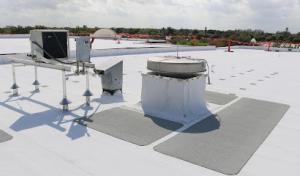
Although this area is known for pitched residential roofs, contractor signals show meaningful local demand for flat and low-slope roofing work. In Lutz, you'll find a mix of lanais, additions, and some commercial properties where low-slope sections are there to meet lifestyle goals while staying inside Hillsborough County's inland footprint. Recognize that these planes behave differently under sun, humidity, and summer downpours.
Frequent summer rain in the county makes drainage performance and moisture control essential on low-slope sections. Poorly pitched transitions between the main roof and overhangs, lanais, or added rooms can trap water and lead to fast moisture creep if flashing or membrane details aren't sealed tight. In warm, humid months, dew and prolonged moisture can accelerate deterioration of underlayment and sealants. Plan for improved edge drainage, clean scuppers, and redundant water shedding paths to minimize ponding.
Because this is not the dominant roof form in town, you should look for contractors who specifically handle low-slope work rather than assuming every shingle roofer handles it. Ask for recent projects with analogs to your overhangs or additions, and request written details on insulation compatibility, membrane choices, and flashing transitions around parapets, skylights, and vents. Verify that crews bring experience with hurricane-season moisture conditions and emergency leak protocols, so response times stay tight after a storm event.
Seasonal inspections should focus on membrane integrity, flashing around lanais, and drainage outlets. After heavy rains, inspect for standing water near transitions and verify that sealants remain resilient to sun exposure. Keep gutters clear and ensure downspouts terminate away from foundations to prevent water pooling near softened edges.
If a leak appears, prioritize rapid tarping of the area and temporary moisture control. Document the source with photos, then contact a qualified low-slope specialist promptly to assess membrane wear, flashing, and potential deck or substrate issues. Having a pre-identified contractor list helps you move quickly when storms strike.
Find specialists in TPO, EPDM, and built-up flat roofing systems for residential and commercial properties.
Gulf Shield Roofing
(813) 444-2510 gulfshieldroofing.com
18865 FL-54 Suite 112, Lutz, Florida
5.0 from 194 reviews
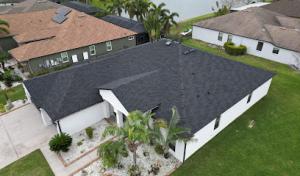
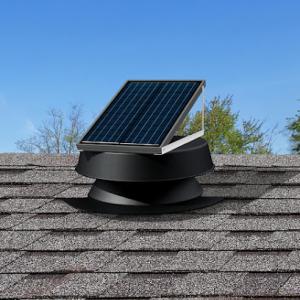
Solar roofing is present but not dominant in the contractor market, so homeowners should treat it as a specialty rather than a standard add-on service. In Lutz, the decision to add solar panels often comes after evaluating the roof's condition, age, and expected life. A careful check of the shingle or tile surface, underlayment, and existing flashing helps prevent surprises once panels go on. This county-suburban mix tends to favor durability, which means solar should align with a roof project rather than stand apart from one.
In a storm-prone inland Florida market, every added roof penetration needs careful flashing and documentation because leak risk rises during wind-driven rain events. Panels add weight and line up with seams, so precise sealing around rails, conduit entries, and racking is essential. Before any installation, a full roof assessment should record penetration locations, flashing types, and the roof's remaining life. Keep photographs and notes organized for future claims or repairs, since a wind gust can expose a weak flashing joint quickly.
Homes expecting to replace their roof soon should plan solar installation to fit the replacement timeline. Coordinate panel placement with existing roof planes, venting, and skylights to avoid rework when shingles or tiles are lifted. If the roof is near the end of its service life, delay panel mounting until a new roof is in place or choose a non-penetrating mounting system that minimizes roof cuts. Your installer should view the roof as the base, not a separate platform for solar.
Documentation matters after a storm. Save retrofit photos, flashing details, and repairs to your claim history. Solar installations that happen after a storm should be paired with a post-event roof inspection to confirm flashing integrity. Insurance adjusters, not just contractors, will look for consistent, well-documented service life when evaluating a claim related to wind-driven rain today.
Find contractors who integrate solar panels or solar shingles into your roof for long-term energy savings.
ERS Roof Repair
(813) 808-7663 www.erscontractor.com
209 Crystal Grove Blvd STE102, Lutz, Florida
4.8 from 43 reviews