
Last updated: Apr 19, 2026
Summer afternoon thunderstorms in this area bring rapid changes in wind direction and intensity. You'll notice edges and ridges are the first to show trouble, with wind-lifted shingles and small gaps that can quickly become fast leak events during back-to-back rain cycles. Even when the exterior looks intact after a storm, water can sneak into underlayment, fascia, and soffit if the roof deck has a hidden vulnerability. This isn't a distant threat: each season, repeated storms test the roof system's ability to shed water and keep the deck dry. Treat every mid-summer gust as a warning signal, not a routine weather feature.
Although the coast is not directly adjacent, tropical systems crossing Pasco County push uplift and spray inland, creating wind-driven rain that can deliver moisture where shingles seem sound. You can still see roof-edge cupping, loose fasteners, or lifted drip edges after a squall. The risk isn't only missing shingles; it's moisture intrusion that compromises underlayment and attic ventilation, which in turn accelerates rot and mold. Inspections should focus not only on visible damage but on the condition of the underlayment and the alignment of valley metal, gutters, and roof-to-wall transitions that channel wind-driven rain into the attic.
The local contractor market reflects a pattern: storm damage and emergency repair dominate, so quick post-storm evaluation is essential. After a significant event, you'll want a professional who can quickly identify wind-lifted edges, lifted flashing, and moisture intrusion that isn't visible from ground level. Document every affected area with photos, pay attention to attic insulation condition, and check for telltale signs inside the home-streaks on ceilings, dark spots near penetrations, or musty odors. If moisture is found, treat it as a priority: even small leaks can expand, especially with Florida's humidity and heat.
Storm-season readiness means choosing roofing components and configurations that perform under repetitive deluge and wind. Look for edge and valley protection that stands up to uplift, along with durable underlayment and properly sealed penetrations. Ventilation should be balanced to prevent condensation under hot, rainy periods. A reroof or retrofit strategy that emphasizes wind resistance around eave lines, hips, and ridges will pay dividends when the next storm arrives. Work with a local contractor who understands how Land O Lakes homes weather the typical storm sequence and who prioritizes immediate, on-site assessment capability after every major event.
In Pasco County, carriers have tightened underwriting and scrutinized roof age and material more aggressively. The combination of inland Gulf exposure and a suburban housing mix means insurers are wary of older roofs and certain materials after a storm season. You will need to support any claim with clear records that show what existed before damage, what happened during the event, and how it was repaired or replaced. When documentation is thorough, you stand a better chance of a smooth claim and a timely resolution. Without it, a carrier may contest wind damage vs. latent water intrusion or dispute the scope of necessary repairs, leading to delays or reduced payout.
Before a storm, assemble simple, practical records that can be produced quickly if a claim is filed. Take dated photos from multiple angles of every roof plane, including hips, valleys, and penetrations, and note visible wear or corrosion on fasteners, flashing, and gutters. Include a basic schematic or diagram showing roof pitch and the location of vents, skylights, and satellite dishes. For wind mitigation, keep copies of any existing wind-rated underlayment, nailing patterns, or other protective features, and document attic ventilation and roof deck integrity. If you have recent professional assessments or a prior inspection, place those files in a dedicated, weatherproof folder. In Land O Lakes, these records matter because carriers routinely seek verification that the roof structure and materials meet current wind standards and that pretreatment measures are in place to minimize damage.
Post-storm requests often go beyond photos. Expect requests for wind mitigation details, engineering support for repairs, and, in some cases, roof certifications. A roofing contractor's scope of work can help the insurer distinguish between wind damage and interior moisture from later rainfall. Engineering reports may be needed to confirm structural adequacy after hail or high-velocity wind events. Certifications that a roof was installed to a recognized standard can move a claim along, especially if the roof age or material is under question. Having these documents ready can reduce back-and-forth and help you avoid time-consuming disputes.
After storms affecting Pasco County, prompt documentation matters because repeated rain can blur the line between initial wind damage and later interior water damage. If evidence is captured early, the insurer can assess the true cause and extent of damage more accurately. Delays tend to complicate the claim, create ambiguity, and may shift liability toward interior damage that was not the primary cause of loss. Even a small, well-documented set of records can prevent misunderstandings during a volatile claim period.
Create a simple filing system with a dated folder for each storm season, plus a current-year folder for ongoing maintenance. Store digital copies in a cloud folder with backup, and keep printed copies in a secure, weatherproof location. Use a consistent naming convention (address, date, and item), so a homeowner or adjuster can locate a document quickly. For long-term reliability, have a trusted contractor periodically review wind mitigation features and update certification or engineering reports as needed, ensuring that your records stay current with changing insurer guidelines in this market.
Connect with contractors who help homeowners navigate the claims process from damage assessment to final approval.
Suncoast Roofers
(813) 996-4777 suncoastrooferstampa.com
Serving
4.5 from 20 reviews
Since 1999, Suncoast Roofers has proudly served Tampa as the area’s number one roofing company, delivering unmatched quality and reliability. Our commitment goes beyond just installing and repairing roofs—we strive to make every customer a valued member of the Suncoast family. From the first consultation to the final inspection, we focus on building trust, ensuring your needs are met with care and professionalism. Being part of the Suncoast family means you can count on us for exceptional service, long-lasting results, and a relationship that lasts well beyond the project. At Suncoast Roofers, your home and peace of mind are always our top priorities.

Tampa Bay Roofing Services
(727) 496-7663 tampabayroofing.com
Serving
4.9 from 33 reviews
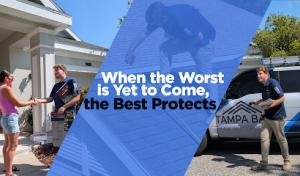
When the worst is yet to come, the best protects! We’re a 3rd Generation, Florida Roofer. As a family owned business, we handle every customer like family and each roofing project as if it were for our own home. We offer roof replacement, installation and roof repair primarily for tile and shingle in Tampa Bay. We’re the only roofer in Tampa Bay that offers 160 MPH wind protection! You can count on our roofs every rainy season for years and years to come, thanks to our exceptional, experienced craftsmen. Should you have any storm damage, our roof claim process is easy and painless without the long wait. See why we’re the best roofing contractor in Tampa Bay by contacting us now for a free, no obligation roof evaluation and estimate.
First Class GC - Roofing Contractor
(813) 722-0575 firstclassgc.com
Serving
5.0 from 10 reviews
First Class GC is a licensed General Contractor and Roofing Contractor proudly serving Florida. We specialize in full roof replacements, roof repairs, and now offer full-service construction including custom homes, remodels, and additions. Our team is experienced, reliable, and dedicated to delivering quality work with integrity. Whether you're dealing with storm damage, planning a major renovation, or building from the ground up—we're the first call you should make. Call or text 813-283-8900 to schedule a free roof inspection or construction consultation today.
Gulf Shield Roofing
(813) 444-2510 gulfshieldroofing.com
Serving
5.0 from 194 reviews
Welcome to Gulf Shield Roofing, where we build more than just roofs - we build relationships. We believe that the foundation of any successful business is trust, and that's exactly what we aim to build with every customer. As the premier roofing company in Tampa, FL, we take pride in delivering exceptional workmanship and customer service that leaves a lasting impression.
Magnum Roofing & Restoration
(813) 606-4414 magnumrestoration.com
Serving
4.9 from 227 reviews
Call us today to learn more!
All Coast Roofing
(352) 502-4008 www.allcoastroofingllc.com
Serving
5.0 from 146 reviews
All Coast Roofing provides commercial and residential roofing services, roof cleanings, and roof coatings to the Brooksville, FL, area.
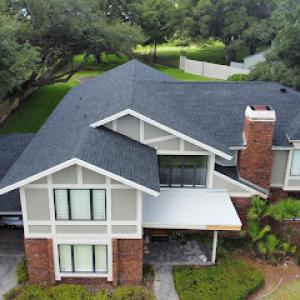
Robinson Roofing & Restoration
(866) 264-5943 robinsonroofingfl.com
Serving
4.9 from 95 reviews
Residential & Commercial Roofing and Restoration
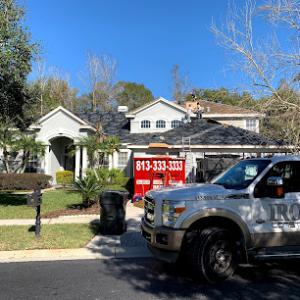
Iron City Construction
(727) 330-5238 ironcityconstruction.org
Serving
4.5 from 71 reviews
Iron City Construction was established in 2013. We are based in Tampa, Florida and provide services to its Surrounding Areas. We are committed to the highest standards of professionalism. This means that we maintain the accreditation, insurance, and licensing that provide you the protection and peace of mind that you deserve. Iron City Construction is committed to giving our customers the personalized service they expect, and the quality of work they will enjoy for many years to come. We know that professional Construction Services can make a world of difference to the appearance of your home or business. At Iron City Construction, we are professional in every aspect of our work, from start to finish.
RoofElite
Serving
5.0 from 97 reviews
RoofElite is your premier roofing contractor located at 19002 1st St SW, offering top-notch services tailored to meet all your roofing needs. Specializing in roof repair, metal roofing, commercial roofing, and residential roofing, we guarantee superior craftsmanship and reliability. Our team excels in providing precise roof estimates and thorough roof inspections, ensuring quality from start to finish. Whether it's shingle roofing, affordable roofing solutions, or expert roof shingle repair, RoofElite delivers unmatched expertise and customer satisfaction. Trust us for excellence and durability in every project. Contact RoofElite today for all your roofing requirements!
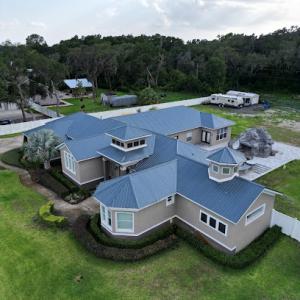
New Roofs Group
(813) 215-4099 www.newroofsgroup.com
Serving
5.0 from 112 reviews
At New Roofs Group, we pride ourselves on delivering exceptional roofing services throughout Tampa. Whether you need residential roofing, commercial roofing, or roof inspections, our team of experts is here to serve. With years of experience in the industry, we understand the unique roofing needs of Tampa residents. Our commitment to quality and customer satisfaction sets us apart. Don't let roofing issues linger; trust the best in Tampa. We service various areas of Tampa such as Lutz, Wesley Chapel, Sarasota, Lakeland, Zephyrhills and much more. Reach out to Tampa Roofing Company for reliable solutions and a free consultation today!
The Roof Saver
(813) 966-0840 www.theroofsaver.com
Serving
5.0 from 7 reviews
"The Roof Saver with Peak301 roof rejuvenation treatment will restore damaged asphalt shingles. One application will add at least 6 years to your roof life per treatment and you can do it up 3 times adding up to 18 years, guaranteed by 6 years warranty. The soybean-based breakthrough behind Peak 301 was discovered and developed at Iowa State University. Flexibility and grit retention are the X-factor for your roof. When a tree branch or heavy winds hit one of the asphalt shingles on your roof, flexibility is the difference between bouncing back and snapping in half or cracking and curling. Before our perfected formula consumers didn't have a way to restore and rejuvenation ; The best roof Rejuvenation Peak301and 20% cheaper than Roof Maxx.
Imperial Roofing Contractor
(813) 996-2773 www.imperialroofing.us
Serving
4.7 from 29 reviews
Florida premier roofing contractor for over 41 years. Serving the greater Tampa bay area with high quality materials at a affordable price. 3 generations of family owned and operated service. We specialize in residential shingle, metal, and tile roofs. We offer complete reroofs, roof repairs, roof inspections, free estimates.
Dry-season windows in the Land O Lakes area generally offer better installation conditions than the wet season, reducing weather delays and helping crews maintain cleaner tear-off and dry-in sequencing. When planning, target the period roughly from late fall through early spring, avoiding the peak of storm season and the worst humidity spikes. This alignment helps roofers stage materials without sudden downpours washing debris into gutters or compromising tarps. If a dry spell overlaps with a heavy storm front, use that time to complete interior or non-roof tasks so crews can resume quickly once the sky clears. Clear, moderate days also promote more predictable drying times for underlayment and sealants, which translates to fewer call-backs once the crew has left the job.
Hot summer conditions in Pasco County can affect underlayment adhesives and decking exposure times, so scheduling and staging matter more here than in milder climates. On days when the sun climbs quickly, plan for shorter, more intense work intervals with shaded breaks for crews and equipment. Keep staging areas organized to reduce deck exposure to direct sun during tear-off, and arrange for consistent venting to prevent heat buildup under the working roof. Consider cooler early-morning starts and end-of-day wrap-ups to minimize heat-related stress to both the crew and the materials. If a project carries a tight window, discuss with the contractor whether adhesive cure times can be extended by controlling ambient temperature in the immediate work zone through temporary shade or fans, especially on synthetic or composite underlayments.
High humidity and frequent afternoon storms can interrupt installation days, influence sealant and coating cure times, and increase the risk of moisture getting trapped if reroofing is rushed during unstable weather. Plan for a few contingency days in the schedule so a late afternoon shower or a passing squall doesn't compromise the dry-in sequence. Ensure vented decking remains dry before laying down the next course of underlayment or shingles, and verify that penetrations such as vents and flues are properly sealed as soon as sections are completed to avoid humidity creeping into the insulation. In households with mature trees nearby, be mindful of wind-borne debris during storms that can snag tarps and delay cleanup. A methodical, step-by-step progression through the roof, rather than racing to cover every square in a single day, reduces the risk of moisture getting trapped and reduces the chance of callbacks for resealing seams or re-securing fasteners.
Communicate clearly with the contractor about preferred windows for tear-off and deck drying, especially if the roof has complex penetrations or a mix of materials. In Land O Lakes, a deliberate pace during dry spells helps keep crews aligned with the season's best conditions and reduces the likelihood of rework caused by weather fluctuations. Establish a daily plan that includes tarp placement, debris containment, and a defined sequence for removing old roofing, inspecting the decking, applying underlayment, and completing the final sealant work. If afternoon storms threaten, coordinate a compact shutdown routine that protects exposed areas-cover valleys and critical seams first, and resume promptly when sun returns. A well-timed reroofout sequence minimizes weather exposure and supports a durable, insurance-ready result.
Get a clear picture of your project costs upfront - no commitment required.
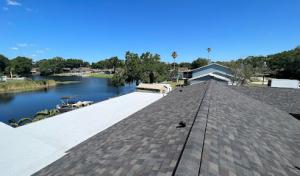
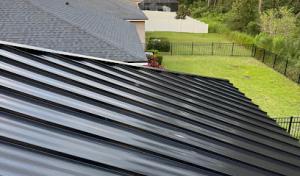
Land O Lakes has a broad suburban housing stock that commonly uses asphalt shingles, metal, clay tile, concrete tile, wood products, and synthetic/composite shingles, so material choice often comes down to balancing wind performance, heat exposure, insurance acceptance, and replacement budget. In this market, the right choice also reflects how a roof ages under high humidity and hot sun seasonally, and how it sits against the frequent summer storm patterns that brush inland Gulf coast areas. Asphalt shingles remain the most familiar, approachable option for many homeowners, but metal and tile systems each offer unique advantages under Florida weather and Pasco County's typical inspection mindset.
If wind resistance is a priority, metal roofing stands out in this region for its edge in wind uplift tolerance when installed with proper, code-conforming fasteners and battens. In homes with higher roof lines or complex layouts, a standing-seam metal system can provide fewer leak points and easier maintenance after tropical systems move through. Tile systems-whether clay or concrete-are popular for their curb appeal in Florida-style architecture, but weight and repair complexity matter. When tiles are selected, the underlayment must be in excellent condition, and fastening details need to account for local wind zones to prevent cracked tiles or loosening after storms. Underlayment should be a high-quality, moisture-resistant layer that can handle repeated heat cycles and occasional driving rain.
Florida's heat and humidity accelerate aging of roofing underlayment and surface materials, so choosing a system with robust protective layers is wise. Concrete and clay tiles provide excellent durability and a longer visual life, but their heavier weight requires careful structural assessment and compatible fasteners. If a tile roof is pursued, consider optional additional cooling strategies and reflective coatings for the tiles themselves to reduce heat buildup on attic spaces and improve overall energy performance. Synthetic/composite shingles offer a middle ground, delivering decent durability with lighter weight and often good impact resistance, while remaining more forgiving on attic heat load than heavy tile systems.
Insurance acceptance around roof age and material type plays a practical role in Land O Lakes. Many homeowners find that metal and tile roofs align more closely with insurer expectations for wind resilience and long-term performance, provided the installation adheres to high standards and local wind zone guidelines. Regardless of material, the inspection window before and after severe weather should include a careful check of flashing, ridge caps, penetrations, and attic ventilation. A proactive maintenance plan-replacing damaged shingles, resealing flashing, and ensuring underlayment integrity-helps sustain performance and insurance confidence through the storm season.
Typical local reroof pricing spans about 350 to 550 USD per square for asphalt shingles, 600 to 1000 for metal, 900 to 1800 for clay tile, 800 to 1500 for concrete tile, 600 to 1100 for wood shingles or shakes, and 500 to 900 for synthetic or composite shingles. In practice, the material choice drives the largest swing in cost, but local crews also price in the neighborhood's typical trailer, crane, and disposal needs. When you're weighing options, start with the installed rate that includes underlayment, fasteners, and a starter strip, then separately itemize any extra wind-resistant features, upgraded underlayment, or secondary water barriers that insurers sometimes require. Heavier tile systems, common on newer or higher-end homes in this area, can push total cost well above the asphalt baseline if roof geometry demands more fasteners and additional bracing.
In a high-activity storm cycle, labor availability tightens across Pasco County and nearby Tampa Bay communities. After a major hurricane or tropical storm, crews may be on tighter schedules or juggling multiple reroofs, which can raise both material lead times and labor rates. If your project hits peak season, expect some pushback on start times and potential weather-related delays. Planning ahead and securing a dependable crew before the peak window can help hold a more predictable timeline and avoid rushed decisions when a storm breathes down the coast.
Material choice has an outsized effect locally because heavier tile systems, wind-resistance requirements, and documentation expectations from insurers can add labor, accessory, and inspection-related complexity beyond base material pricing. If an insurer flags age or hail history, you may be guided toward a wind-rated underlayment, enhanced edge clips, or a fortified ridge, which can raise the bottom line. For reroofs, balance the upfront material savings against long-term resilience and the likelihood of favorable renewal terms, particularly if the home sits on a gulf-exposed line or features expansive elevation changes.
Don't let upfront costs delay a critical repair - these contractors offer payment plans to fit your budget.
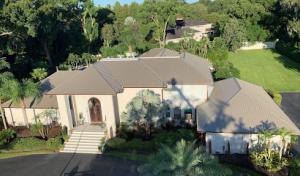
Nations Roofing & Construction
(813) 485-4440 www.nationsroofingcompany.com
Serving
4.8 from 115 reviews
Reroofing in Land O Lakes generally requires a building permit through Pasco County, or the local city when applicable, rather than being treated as minor maintenance. The distinction matters because the permit pathway triggers formal reviews and documentation that align with hurricane-season preparedness and Florida wind provisions. In this area, confirm whether Pasco County is the permitting authority for your exact address before any work starts, since some parcels fall under county jurisdiction while others may be governed by a neighboring city code.
The local process typically includes plan review, in-progress inspections, and final inspection signoff. Plan review looks for compliance with Florida's wind-resistance requirements, roof-covering materials, underlayment, and attachment details. During construction, inspectors will verify that nailing patterns, fastener type, and spacing meet code standards, and that roof deck attachment remains sound. A final signoff confirms the project meets all permit conditions and that the roof is properly installed to resist typical Pasco County storm events.
Florida requirements emphasize coastal wind zones and inland exposure in Pasco County. Expect the plan review to scrutinize wind-resistance details, including approved nailing schedules and correct fastener lengths for your chosen roofing system. Materials and underlayment must align with the latest Florida Building Code amendments. If synthetic or tile products are used, confirm installation methods meet the specified wind-resistance criteria for your roof type and pitch.
Inspections usually proceed in stages: initial rough inspection for deck attachment and underlayment, mid-construction checks for proper nailing patterns and accessory installation, and a final inspection once the roof is complete. Schedule promptly after material delivery and before covering any areas that cannot be accessed later. Have all manufacturer installation instructions on site for reference during inspections.
Keep a clearly labeled set of permit plans and a copy of the approved wind-resistance details on the job site. Coordinate close to storm season by aligning permit approvals with contractor schedules to avoid delays. If you're unsure who holds permitting authority, contact the Pasco County Building department or your local homeowner's association representative for confirmation before work begins.
Repeated wet-season storms in Land O Lakes can turn small flashing or fastener issues into active leaks quickly because roofs are hit by frequent rain events rather than isolated storms. A tiny gap at a vent boot, a loose step flashing along a chimney, or a corroded nail flange can become a direct channel for water the moment a downpour arrives. Homeowners should expect that minor surface irregularities may not feel urgent until a sudden intruding bead appears low on a ceiling or along interior walls near soffits. Inspect after heavy rain swings, and prioritize sealing any damp or softened seams before the next front moves through.
Florida-code wind fastening matters here because improper nailing patterns are a known local inspection and performance issue during reroofing, especially on shingle systems exposed to tropical-storm winds. If nails miss the deck or if the pattern isn't aligned with the shingle manufacturer's guidance, high winds can peel shingles away in hours. Look for consistently driven nails that sit flush or slightly below the surface, and ensure that every course overlaps correctly to resist gusts. Small mistakes in fastening add up fast when tropical winds arrive, leaving the roof vulnerable to blow-off and accelerated interior water intrusion.
Humidity and heat in the Pasco area can accelerate wear in sealants, penetrations, and underlayment-related assemblies, making hidden water entry more likely before obvious surface failure appears. Sealant joints can oxidize and crack, while underlayment layers sag or delaminate under heat stress. These issues often hide behind vents or along perimeters where moisture moves laterally before a visible leak shows up. Regular, careful checks around penetrations and flashings are essential to catch these problems early.
Because leaks may begin behind walls or under attic insulation, the first obvious sign is not always a dripping ceiling. Look for recurring damp patches, musty odors, or dark staining that appears after storms rather than during calm weather. The goal is to catch early signs before they widen into structural or insulation damage. In this climate, proactive, seasonally timed inspections save more than just surface repairs.
Find contractors experienced in skylight installation, flashing, and leak repairs to bring natural light into your home.
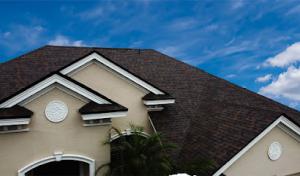
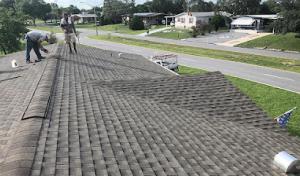
While Land O Lakes is predominantly a residential pitched-roof market, there is a real and growing need for flat-roof specialists for additions, lanais, porches, and some commercial properties. Low-slope sections face the Gulf coast's summer storms and high humidity, so drainage, seam integrity, and coating performance must be planned with the local climate in mind. The goal is to avoid ponding and premature failure that can trigger insurance scrutiny or costly repairs after a storm.
On low-slope roofs in this humid, storm-prone area, proper drainage is non-negotiable. Before any material choice, verify that the existing drainage plan accommodates heavy summer rainfall and frequent short bursts of downpours. Pay attention to transitions between roof surfaces, curbs, and penetrations; even small gaps can become leak paths when ponding occurs. For coatings and membranes, ensure seams are fully weathered and inspected for any micro-tears after major storms, then re-seal as needed. Regular maintenance immediately after the rainy season helps catch issues before they escalate.
Select materials and systems with proven ponding resistance for low-slope roofs. In this market, coatings should offer robust elongation and weather resistance, while membranes should have strong seam strength and UV stability. Because this area can experience rapid humidity-driven curing variations, schedule restoration work during windows with lower humidity and milder temperatures to promote proper cure and adhesion.
High humidity in Land O Lakes can affect cure times for coatings and sealants, so restoration work on low-slope systems needs weather-aware scheduling. Plan major reseals and membrane applications for drier spells within the warm season, and allow extra cure time after rainfall or tropical activity. Document all seam and edge detailing with a photoserie to support ongoing maintenance and future inspections.
Find specialists in TPO, EPDM, and built-up flat roofing systems for residential and commercial properties.
Nations Roofing & Construction
(813) 485-4440 www.nationsroofingcompany.com
Serving
4.8 from 115 reviews