Last updated: Apr 19, 2026
June through October in this area brings frequent rain and tropical systems that can stall your dry-in and leave you exposed to water intrusion during a tear-off. In DeLand, that means a higher chance of rain-driven setbacks right when your roof is vulnerable to wind and punchy downpours. Hurricanes may not hit every property, but the surge of storms during peak season can push crews behind schedule, so you must plan for potential delays and act fast the moment shingles are torn or flashing is exposed. The period from August through September compounds scheduling hurdles, tarping demand, and post-storm inspection backlogs across Volusia County. When storms threaten, your response time matters more than ever.
Because this area sits inland rather than on the coast, many roofs endure wind-driven rain and uplift without the telltale signs of salt corrosion. That means underlayment, flashing, and edge detail failures can hide behind the attic shelf or behind a newly installed layer. After tropical weather passes, you might see a dry patch on the ceiling and assume you're in the clear, but water can travel along the decking and show up far from the obvious leak source. Look for sudden warm spots in the attic insulation, dark streaks along rafter tails, or musty odors-even if there's no active drip. If a storm has just passed, treat any attic moisture or ceiling staining as a red flag requiring professional assessment, not a temporary patch.
If you notice active water intrusion, your first move is to limit damage while you coordinate a professional assessment. Place clean containers under drips, protect valuables with plastic and tarps, and avoid walking on a wet roof unless you have fall protection and relevant experience. Do not delay a professional inspection because you're waiting for a dry spell; the longer water sits on decking, the higher the risk of substrate rot and mold. When you call a roofer, describe the leak's location, how long it's been active, and any recent storm activity that could have compromised flashing or underlayment. A qualified local roof crew can perform a rapid triage: secure the perimeter with temporary tarping if needed, identify the most vulnerable flashing seams, and outline a plan for a controlled dry-in when weather allows.
Document everything you can at the first signs of trouble. Take clear timestamped photos of the attic and roof edge, attic vapor barriers, and any water marks on ceilings or walls. Keep a simple log of rainfall days, the date and time you first observed leaks, and all communications with your roofing contractor. If a storm has just passed, ask your contractor to provide a brief damage assessment focusing on underlayment and flashing, not just shingles. Insurance discussions later will hinge on precise observations and photos showing wind-driven intrusion and the condition of the roof's components after the event. Store this documentation in a single, accessible location so you can share it quickly with adjusters or a re-roofing team.
During peak season, scheduling can be tight. Reach out early to reputable local roofers with proven experience in DeLand's climate and housing stock. Ask about their process for rapid tarping, prioritized storm damage assessments, and a clear dry-in plan that minimizes your exposure to rain. When they arrive, have a prepared list of observed issues-stains, rumbling attic noises, lifted shingles, or missing flashing sections-so you can maximize the time on site and reduce back-and-forth. If an adjuster is involved, provide your damage timeline and photos promptly to keep the claim moving forward and the re-roofing timeline as tight as possible. In hurricane-season, speed saves interior damage and protects your home from the next oncoming system.
RDG Roofing
(386) 736-4226 www.rdgroofinginc.com
Serving
4.8 from 128 reviews
RDG Roofing founder and owner, Doug Richards, is a DeLand resident who grew up in Volusia County and is committed to the quality and integrity of his work, and to the reputation of the RDG Roofing company name. Doug seeks to provide his clients with a unique contractor/client relationship, one characterized by his full availability, individualized attention, uncompromising focus on detail, and straightforward, fair pricing. RDG Roofing Provides professional Roof Replacement, Inspections and Repair services in the Greater DeLand, Deltona, DeBary, Orange City, FL area.

GRIT Roofing
(386) 291-8010 www.gritroofingfl.com
Serving
5.0 from 21 reviews
GRIT Roofing is a trusted, family-owned Central Florida roofing company dedicated to providing exceptional service and superior craftsmanship. Specializing in comprehensive roofing solutions, our fully licensed and insured team understands the unique climate challenges of the region. We offer a full range of services, from residential and commercial roof replacement and repair to storm damage assistance. Committed to protecting your most valuable asset, we proudly focus our expertise throughout Volusia County and all surrounding areas of Central Florida.
Keeping You Dry Roofing
(407) 253-2221 www.keepingyoudryroofing.com
Serving
4.6 from 69 reviews
Keep out the elements by working with a top roofer in the Orlando, FL area! Keeping You Dry Roofing is here to help you put a roof over your head. We have over 25 years of experience in the industry, and use the knowledge and skills we’ve obtained to provide you with outstanding service. Our team works with honesty and integrity, going above and beyond to provide you with exactly the type of high-quality service you’re looking for. If you need assistance with insurance claims, count on us to guide you through the process.
Double C Roofing
(386) 734-9322 www.doublecroofing.com
Serving
4.9 from 42 reviews
We specialize in solving roofing problems from leaks to complete re-roofs. Double C Roofing, Inc. is a family owned and operated company established in 1978. All of our team members are personally trained by the owners to ensure the safest and highest quality outcomes on every job. We offer commercial and residential services. We provide complete re-roof & repair services on shingle, metal, tile, and low-sloped roofing systems. Please call us today for your free and detailed estimate!
Bueno-Wilkerson Roofing
(386) 260-7222 buenowilkersonroofing.com
Serving
5.0 from 11 reviews
Bueno-Wilkerson’s management team has a 21 year history of building quality homes and roofing systems while earning 5-star reviews throughout Central Florida. We’re excited to announce that our roofing company has begun to serve the public too. Bueno-Wilkerson Roofing, a roofing contractor committed to the same level of quality products and professional services. We specialize in residential shingle, metal and tile roof replacement and repair. We are dedicated to serving our community and satisfying our customers. Let Bueno-Wilkerson Roofing give you a free, no-obligation quote.
Burtis Roofing
(386) 748-0230 www.burtisroofing.com
Serving
5.0 from 99 reviews
Burtis Roofing provides roof replacements in the Volusia County, FL area. We have over 15 years of combined experience. We accept new customers.
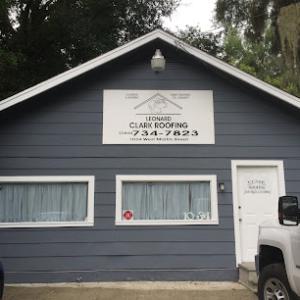
Leonard Clark Roofing
(386) 734-7823 www.leonardclarkroofing.com
Serving
4.9 from 19 reviews
Leonard Clark Roofing, a family-owned and operated roofing company established in 1963, takes pride in serving DeLand, Deltona, Orange City & DeBary, Florida for over five decades. Quality and customer satisfaction are their utmost priorities, going beyond mere promises with their motto, "Where Pride and Craftsmanship Work Hand In Hand." Their dedication to exceptional workmanship is not just a slogan, but a guarantee, ensuring every project reflects the highest standards of roofing expertise.
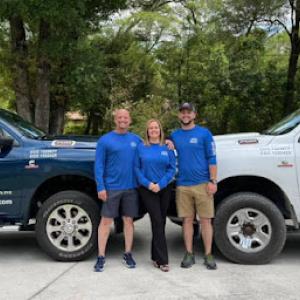
Beery Roofing & Redesign
(386) 717-1394 www.beeryroofingandredesign.com
Serving
4.9 from 277 reviews
Beery Roofing & Redesign is a family-owned roofing company focused on quality, honesty, and dependable service. We install and repair shingle, metal, and flat deck roofing, delivering durable results for every home. Our team handles replacements, repairs, inspections, and redesigns with careful attention to detail. We use trusted materials, clear communication, and organized scheduling to protect your home and give you peace of mind. We support our community with many organizations and nonprofits. We honor local veterans and local teachers by holding a free roof contest twice a year (one for each). We stand behind every job with our motto: We're All In.
Advanced Roofing Concepts
Serving
5.0 from 2 reviews
We’re a roofing contractor doing residential and commercial roofing.
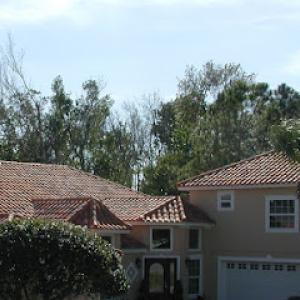
ACC Roofing, PA
(386) 668-0750 www.accroofing.net
Serving
5.0 from 10 reviews
We are a family owned business and have built it on trust and excellent workmanship for the last 30 years. No job is to big and no job is to small. Our teams are experienced in various state of the art roofing systems such as: TPO- PVC- Metal- Tile- Hot Mop- Gravel- Shingle. We understand the reality that as a company, we only as good as our last job, each job is only as good as our people. We have the personnel and equipment to handle any job whether commercial/Industrial or a private home.....WE'VE GOT YOU COVERED!

Stenhouse Roofing & Construction
(321) 356-9698 stenhouseroofing.com
Serving
4.8 from 67 reviews
Roofing and construction contractor handling both commercial and residential projects serving all of Volusia county including Deland, New Smyrna Brach, Orange city, Debary, deltona as well as Flagler county areas
A&G Florida Roofing
(386) 748-2903 agfloridaroofing.com
Serving
5.0 from 17 reviews
A&G Florida Roofing is your local family-owned and operated roofing company. We are state-certified & licensed: #CCC1333643. Contact us today for your FREE quote! A&G Florida Roofing is where quality meets excellence.
The dry-season window from fall into early winter stands out as the most favorable period for a roof replacement in this area. Drier weather reduces rain delays and makes scheduling more predictable, which helps keep crews on track and minimizes the chance of weather-related setbacks that can complicate tear-off, underlayment installation, and re-covering. In practice, that means aiming for a start date after the peak of hurricane season and before the chill of winter, when the promise of steady sunshine helps the project move through each inspection stage without sudden wet interruptions.
Summer heat in this region affects material handling and curing on exposed roof decks. On hotter days, asphalt shingles, underlayment, and sealants can become more difficult to manage, and the risk of premature drying or warping increases when materials sit exposed during tear-off or staging. Heat also compounds fatigue for crews, which can slow progress and shift scheduling priorities. If a replacement must occur in the summer, plan for longer daily work windows, frequent shade breaks, and careful handling of materials to prevent damage or misalignment. Think in terms of a staged approach that minimizes prolonged exposure of new underlayment and fasteners to direct sun on the roof deck.
The city's pronounced rainy season means homeowners who wait until active leaks appear may end up replacing during the hardest months to keep a roof dry between inspection stages. Wet weather can swallow days that would otherwise be productive, stall material shipments, and complicate staging on steep pitches. Leaks that prompt urgent attention often force a rush or a partial installation, which may compromise long-term performance. A proactive schedule-aimed at the end of the dry spell rather than waiting for leaks to reveal themselves-helps ensure a cleaner, more predictable replacement flow. In DeLand, anticipating a late-fall start avoids the heaviest deluges and reduces the likelihood of rain-driven delays during critical steps like deck prep, underlayment application, and shingle or tile installation.
First, assess the house and roof condition after the peak hurricane season ends. If damage is present, document it thoroughly for insurance-related communication and to guide the replacement sequence. Next, prioritize dry-sky planning: coordinate with the contractor to set a target start within the fall-to-early-winter slot, allowing several consecutive dry days for tear-off, deck inspection, and underlayment. For tile roofs, check that the deck is clean, dry, and structurally sound before any underlayment is laid down; hot, dry days help cure underlayment more evenly and reduce the risk of moisture entrapment. For shingle systems, ensure ventilation gaps and drip edge alignment are finalized during the initial dry phase to prevent moisture issues once the new roofing is in place.
Weather in this area can swing quickly, so build a small buffer into the schedule to absorb an unexpected warm spell or a late-season rain event without pushing the entire replacement back. Communicate clearly with the crew about preferred sequencing: once tear-off is complete, a dry period should follow for deck inspection and underlayment compression before any final weatherproofing is installed. If a leak is actively present during the dry season, address it promptly with temporary measures while the full replacement plan remains focused on maximizing dry days for the critical installation phases.
Know the target replacement window, confirm material handling expectations for hot or humid days, and align with the contractor on how dry spells will be leveraged. By aligning work to DeLand's most favorable dry-season conditions, the project stands a better chance of a smooth, predictable replacement that minimizes rain interference and protects the new roof from early moisture exposure. Remember that planning around the fall-to-early-winter window is the most practical path to a durable, weather-resilient roof in this climate.
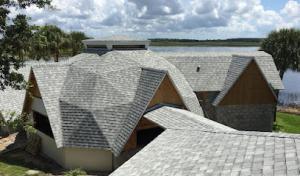
Asphalt shingles remain a common choice in DeLand, but their lifespan is pressured by year-round sun exposure, humidity, and storm-season wind events. When you plan replacement or repairs, consider high-wind-rated shingles and tactful attic ventilation to curb heat buildup that accelerates aging. In neighborhoods with Floridian rooflines, a layered or architectural shingle can help reflect sunlight more effectively and reduce thermal stress on the deck. Regular inspections after hurricane season are crucial, since early signs of wind-driven lifting or minor leaks can escalate quickly in the Central Florida climate.
Metal roofing is especially relevant in DeLand's market because many local contractors actively specialize in it and because wind performance documentation may be scrutinized during permitting and insurance review. If you lean toward metal, look for panels with proven fastener systems and seals designed for repeated wind loads. A well-sealed metal roof often sheds rain efficiently and stands up better to tropical downpours. Keep an eye on gutters and edge details; the wind-driven debris common in hurricane season can undermine seals over time if not addressed promptly. For insurance documentation and potential storm-damage claims, retaining records of panel type, installation method, and any warranty specifics helps preserve a smooth recovery path.
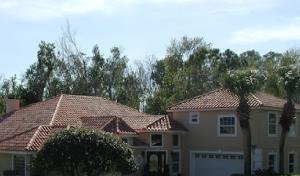
Clay and concrete tile are important in DeLand because the local permit process may require additional documentation for tile systems, and their weight and drainage details matter on Florida-style homes. Tile roofs excel at heat resistance and long-term curb appeal, but they demand solid structural support to handle their weight, especially after a heavy storm event. Drainage matters: ensure that slopes, hips, and valleys efficiently channel water away to avoid standing runoff that can promote leaks after a hurricane-driven rainfall. When maintenance reveals cracked or displaced tiles, address issues quickly to prevent water intrusion behind underlayment. If you're assessing a tile roof after a storm, document cracked tiles, ridge cap integrity, and any shifting in underlayment so the repair path remains clear should insurance considerations arise.
Hurricane-season storms in this region can create fast-leaks that mimic daily wear but demand urgent attention. Start with a temporary fix to minimize interior damage-cover gaps with a tarp or waterproof membrane while you arrange permanent repairs. Photograph affected areas from multiple angles, note the date of discovery, and keep a log of all observed moisture and staining. For insurance, preserve purchase receipts, contractor statements, and before-and-after photos of roof surface conditions. If a wind event has caused panel or shingle displacement, capture the edge and fastener conditions to support a fast, accurate claim. Align repair material choices with the roof type installed on your home, since insurers often review compatibility and wind-rated performance as part of the re-roofing process.
When planning a re-roof, you'll notice the local pricing bands are quite specific to material choice. Asphalt shingles run roughly from 350 to 800 USD per square. Metal roofs typically land between 600 and 1500 USD per square. Clay tile projects stack up from about 1000 to 2100 USD per square, while concrete tile sits around 800 to 1600 USD per square. Wood shingles or shakes tend to be 700 to 1200 USD per square, and synthetic or composite shingles usually range from 450 to 900 USD per square. These ranges reflect typical residential volumes in Volusia County and account for common DeLand roof lines, slope variations, and the extra labor that tile systems require.
In DeLand, costs can rise during hurricane season when storm demand surges, emergency dry-in work is needed, and contractor schedules tighten across Volusia County. If a storm hits and multiple roofs are damaged in a tight radius, expect shorter-notice estimates, higher rush-hour scheduling, and possible overtime charges. Emergency dry-in work, temporary tarping, and expedited material deliveries can add appreciable dollars even before a single shingle is installed. Budget with a contingency-often 5 to 15 percent of project price-to cover weather-related delays or last-minute ordering. The timing of your project matters: mid-summer demand can push costs above the standard ranges, especially for popular materials like concrete or clay tile.
Tile and metal projects in DeLand can carry added administrative and installation cost because the building department may require supporting documentation tied to those roof systems and wind-uplift compliance. If your home has higher wind exposure or a taller structure, you'll encounter more thorough fastener schedules, waterproofing details, and potential roof deck reinforcement. That can nudge per-square costs upward by a modest margin, particularly on clay tile or metal, where specialized installation and QA checks are common. For concrete or clay tiles, anticipate longer lead times for specialized underlayment and fasteners in the hot season, which can translate into both labor and material charges. In practice, getting a firm, written price early- Rahul-style-helps prevent sticker shock when the project reaches storm-season windows. If you're weighing options, synthetic shingles can offer a steadier price during peak demand, though long-term durability and UV exposure in inland heat should factor into your decision beyond price alone.
Get a clear picture of your project costs upfront - no commitment required.
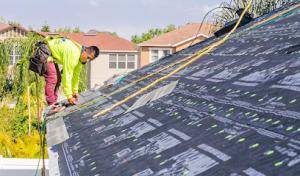
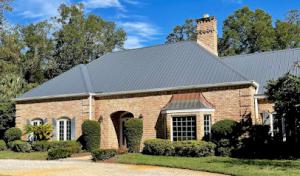
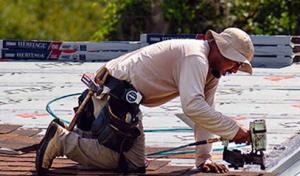
A full re-roof in DeLand typically requires a permit filed by the contractor through the City of DeLand or Volusia County building department, depending on jurisdiction. That distinction matters for timing and the sequence of approvals. If the project straddles a boundary, you may end up dealing with both offices, so confirm early who must sign off on the final permit before work starts. Skipping the permit or misclassifying the project can trigger delays, fines, or even a requirement to remove work already done. The city's inspectors will expect to see documentation that aligns with the chosen path, and that means clear job drawings, product descriptions, and structural notes that demonstrate compliance with current wind and drainage standards.
DeLand-area re-roof inspections commonly occur at the underlayment stage and again at final, so homeowners should expect work sequencing around those checkpoints. The underlayment visit is your chance to verify that the deck, ventilation, and flashing are prepared to handle Florida's humidity and frequent storm demands. A later final inspection confirms that the roof system meets local wind uplift requirements and that drainage details are correct to prevent ponding and leaks after a heavy rain. Plan for potential minor adjustments between these visits; delays can stem from missing fasteners, inadequate sealant, or poor alignment of specialty components.
Local enforcement emphasizes wind uplift and drainage details, and tile or metal roofs may require additional documentation before final approval. Expect to provide product data, installation guides, and, for metal or tile systems, an engineer's or manufacturer's stamping that confirms wind resistance and uplift ratings. If you're replacing an existing high-heat or moisture-worn underlayment, the plan should show how it interfaces with the roof's vertical and edge details. The more you can anticipate questions about eave protection, valley flashing, and transition points to walls or chimneys, the smoother the process.
Start with the permit application early and designate a single point of contact in the contractor's office who tracks the inspections. Have your chosen roofing system's installation manual accessible, along with any local amendments the inspector might require. After the underlayment stage, walk the site with the inspector if allowed, noting any deviations and correcting them promptly. If a tile or metal roof is involved, be prepared for additional documentation requests; keeping those in a dedicated file helps prevent last-minute scrambles and keeps the project moving toward a compliant, long-lasting repair.
DeLand sits in Florida's high-claim roofing environment, where wind and storm-related roof claims are common and adjusters often closely inspect roof condition and maintenance history. That reality drags more emphasis onto how a roof has been cared for over the years, not just how new it looks after a storm. When a hurricane passes, the difference between a roof that's been routinely maintained and one that hasn't can tilt the adjuster's view on fault, coverage, and payout. The result is that small preexisting issues-lifted shingles, flashing gaps, or worn underlayment-can become sources of contention, delaying settlements or complicating replacements.
Homeowners in DeLand should keep product specifications, wind ratings, permit records, inspection sign-offs, and dated storm photos because insurers increasingly request detailed documentation. This means that your attic inspections, contractor notes, and even contractor emails matter. If a storm hits and a claim is filed, having a tidy file showing the exact roof system installed, its wind-resistance rating, and proof of timely maintenance can streamline the process and reduce back-and-forth with the insurer. Store digital copies and physical originals in a fire-safe location, and rotate them as components are updated or replaced.
Florida insurer pullbacks and tighter underwriting in higher-wind parts of the state affect DeLand homeowners even inland, influencing material choice, replacement timing, and whether an older roof remains insurable. The trend is toward products and installation details that demonstrate resilience against wind uplift and moisture intrusion. Decisions about replacing a roof or patching a zone become not just about immediate weather readiness but about preserving insurability over the years, especially after multiple storms in a single season.
In a town shaped by inland Central Florida heat, a long wet season, and hurricane-driven wind requirements, your roof's surface life, flashing integrity, and attic ventilation play a bigger role than curb appeal alone. A storm that reveals a hidden weakness doesn't just threaten the roof line-it can trigger insurance questions about maintenance history and the underlying condition of sheathing and fasteners. If a claim is in play, expect a rigorous review of how well the roof has aged and how closely it has been cared for, not just how new it looks.
Connect with contractors who help homeowners navigate the claims process from damage assessment to final approval.
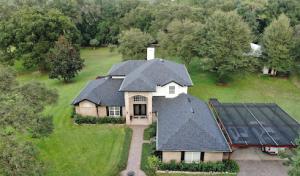
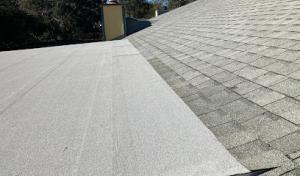
Even on primarily pitched homes, low-slope sections over lanais, additions, porches, and transitions are the first lines of trouble during the long rainy season. In these areas, water pressure from heavy afternoon downpours can push leaks around flashing seams and terminations where the roof meets walls or other surfaces. Look for blisters, matted fibers, or lifted edges on any flat or near-flat surface, especially where a porch roof ties into the main structure. In humid heat, membrane materials can delaminate or shrink, creating tiny gaps that let moisture migrate inward during the next storm.
The local emphasis on drainage details matters most on these low-slope areas. Ponding and slow runoff accelerate leaks in humid conditions, so the goal is consistent, quick drainage even after a two-hour deluge. Check that deck drains or scuppers stay clear, that internal gutters aren't collecting sediment, and that the slope remains sufficient to move water toward the drainage points without pooling. Pay attention to transitions where the low-slope section meets a steeper roof, as water can funnel into the seam if the joint is compromised or the flashing is old. In DeLand's frequent rain bursts, a minor misalignment at a shared edge can become a major leak in a single storm.
Because many DeLand contractors handle both residential and commercial work, homeowners can often find crews familiar with flat-roof membranes and transition details that fail first on mixed-roof homes. When inspecting or obtaining bids, ask specifically about experience with both low-slope membrane dab and roll-down systems, plus the edge details where porches terminate into walls or where lanais connect to primary roofs. A contractor who understands how these seams behave under hurricane-driven winds will prioritize reinforced flashing, reinforced edges, and tested drainage paths. That practical know-how pays off when a storm wallops a transition area.
After a heavy rain, perform a careful walk across all low-slope zones-lanais, additions, and porch connections. Look for damp spots on ceilings beneath these sections, and inspect interior walls for new stains near shared walls. Check exterior flashing for displaced strips or loose fasteners, and verify that any new ponding has not reappeared after the next rainfall. Keep the eye on junctions where flat areas meet steeper planes, because those lines are the most common leak pathways in this climate.
Find specialists in TPO, EPDM, and built-up flat roofing systems for residential and commercial properties.