
Last updated: Apr 19, 2026
You face daily summer thunderstorms that pop up with little warning, plus the broader June through November hurricane pattern that can yank moisture into your attic and rattle shingles at any hour. Reroof timing becomes a risk-management decision, not a convenience decision. If a project drags through a surprise rain front, you risk prolonged exposure to wind-driven rain and moisture intrusion during tear-off and replacement. Plan around windows of predictable weather, but don't assume a dry window will stay dry-Deltona's inland position means storms can come hard and fast and linger longer than you expect. The goal is to complete a roof when the weather is most cooperative, not when the next shower knocks the work offline.
The dry season, roughly November through April, offers the most predictable reroof scheduling with the fewest rain delays and less moisture exposure during tear-off. If you can align a project to this period, you reduce the chance of weather-driven setbacks that create leaks and interior damage while work is in progress. Short, efficient tear-off and replacement sequences help minimize your home's exposure to humidity and wind stress between layers. This is where planning with a trusted contractor pays off: the crew can lock in a tighter timetable and secure the roof with fewer interruptions, reducing the time your home is left partially exposed to Florida's volatile days.
Because this area is inland rather than coastal, roofs endure repeated wind-driven rain and thunderstorm cycles even outside named storms. That means a reroof might face multiple bursts of heavy rain and gusty winds during the replacement window, testing underlayment, drip edge, and vent seals. Your contractor should emphasize wind-resistance details that are appropriate for Deltona's pattern: fortified fasteners, continuous eave protection, and properly sealed penetrations. Expect some days with high humidity and passing showers to complicate timelines; the right sequence minimizes risk by prioritizing critical sealing and weatherproofing milestones early in the schedule.
Coordinate with your roofing pro to target a start date during the dry-season window, with a contingency plan for an occasional late-season storm. Ask for a clear, day-by-day plan that includes a weather buffer for tear-off and a guaranteed sequence for shingle installation once ridges and valleys are prepped. Ensure you have a temporary waterproofing strategy for any overnight rain events, and confirm that all work areas are secured against wind uplift when storms roll through. If a hurricane risk feels imminent, reset to a shorter, more controlled scope with prioritized waterproofing around critical seams and vents to keep interior spaces protected while the job is paused. In Deltona, proactive scheduling and responsive weather contingency planning are not luxuries-they're essential to protect your home during storm-season reroofing.
In this market, storm and wind claim activity is part of the broader Florida insurance environment, so you should expect insurers to scrutinize reroofs closely. Pre-loss photos provide a baseline for roof condition, while post-storm documentation helps establish what happened during the event. Your contractor should maintain detailed records of the work, including material specs, attachment methods, and any fastener upgrades. When a claim is filed after a thunderstorm or hurricane-related wind event, insurers often request evidence that shows the roof's condition before the damage, what was damaged in the storm, and what was attributable to aging or wear. This means your files need to be organized and ready for quick submission.
Wind-mitigation details matter locally because reroof work and attachment upgrades can affect insurer credits and underwriting outcomes. If your plan includes upgraded nailing patterns, underlayment, or improved attachment of tiles or shingles, anticipate an insurer review to verify these changes. A well-documented wind-mitigation package can influence acceptance of the replacement roof and may improve your long-term coverage outlook. Keep records that show when upgrades were installed, the specific components used, and any professional assessments that support wind-resistance claims.
Insurers serving Volusia County commonly want clear evidence separating storm damage from age-related wear, especially on older shingle and tile roofs. Look for signs that point to a wind-driven impact pattern-missing granules, curled edges, or punctures consistent with flying debris-versus uniform wear from sun exposure or aging. Photos should capture both the overall roof and close-ups of damaged areas, dates on the images, and contextual shots that show the roof's condition across multiple seasons. If age-related wear is suspected, expect the insurer to request a second independent assessment or an engineering report to support a hail- or wind-damage conclusion.
After a storm, organize a clear chronology: when the event occurred, what you observed, and when you first documented the roof's condition. Maintain a file of every contractor interaction-estimates, scope of work, changes, and communications that reference wind-resistance upgrades. When selecting a contractor, prioritize those who can produce detailed, itemized records of attachments, fasteners, and the installed roof system. If you receive an insurer denial or a partial payment, you'll need to demonstrate how the damage aligns with storm patterns rather than normal wear, using the documentation you gathered.
The reality in this area is that claim outcomes can hinge on the precision of your records and the clarity of your documentation trail. In some cases, a refusal to recognize storm-related damage or an adjustment downward can occur if evidence becomes muddled or timing is unclear. By proactively assembling thorough pre- and post-storm documentation and keeping wind-mitigation details front and center, you strengthen your position without courting false certainty.
Connect with contractors who help homeowners navigate the claims process from damage assessment to final approval.
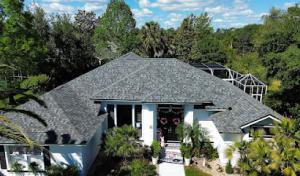
CK Select Roofing
(321) 321-5205 ckselectroofing.com
1676 Providence Blvd suite a, Deltona, Florida
4.9 from 53 reviews
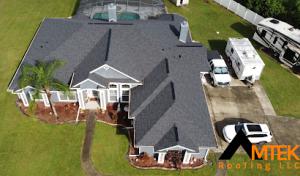

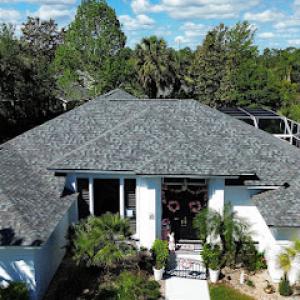
CK Select Roofing
(321) 321-5205 ckselectroofing.com
1676 Providence Blvd suite a, Deltona, Florida
4.9 from 53 reviews
CK Select Roofing is a trusted roofing company offering professional installation, repair, and maintenance services. With a focus on quality, reliability, and customer satisfaction, we serve both residential and commercial clients, providing durable roofing solutions tailored to meet your needs.
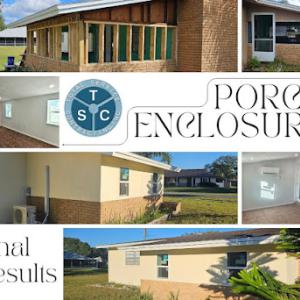
Total Service Contracting
1250 Swiss Ct, Deltona, Florida
4.9 from 32 reviews
Total Service Contracting, Inc is a Central Florida-based roofing, construction and remodeling company which has served the local community for almost 20 years. TSC, Inc was established in the city of Deltona and rapidly grew, now providing service to all Central Florida. At TSC we specialize in both residential and commercial general construction and roofing. We are state certified and offer roof maintenance, repair and total re-roof services. TSC's goal is to offer top quality services designed to streamline all of your remodeling, maintenance, construction, roofing and property improvement needs.
Roddenberry Roofing
(386) 561-1406 roddenberryroofing.com
956 Hemingway Dr, Deltona, Florida
4.8 from 18 reviews
Are you looking for a licensed Roofing Contractor? You’re in the right place. Roddenberry Roofing has been working in Central Florida since 1984. Roddenberry Roofing can deliver quality roof work at good prices. Contact us today to find out more. Proudly serving Volusia County and surrounding areas for roof repair, roof installation, and roof replacement work. Thank you.
Infinity Roofing
(386) 575-4007 infinityroofingllc.org
840 Deltona Blvd Ste W, Deltona, Florida
4.7 from 20 reviews
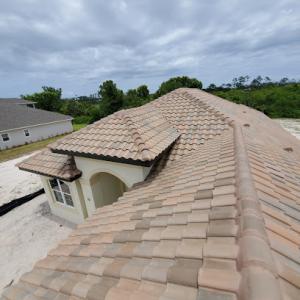
New construction roofing, re-roofs, repairs for both residential and commercial properties. Specialize in Tile, Shingle, Metal, and TPO Roof Systems.
Pro-Master Roofing
(321) 387-3380 pro-masterroofing.com
2426 Sable Ave, Deltona, Florida
5.0 from 4 reviews
We provide full roof replacement,repairs and excellent customer service
Deltona Roofing Company
(386) 320-5578 deltonaroofingcompany.com
1392 Trollman Ave, Deltona, Florida
3.7 from 3 reviews
Welcome to the Deltona Roofing Company! We’re familiar with roofing construction requirements in Deltona Florida to prevent delays on work for residential roofs, commercial roofs, roof replacements, roof repairs, roof installation, and roof inspection work. So call us at 3863205578 to schedule an appointment with one of our friendly certified roofers.
Amtek Roofing
(386) 848-7478 amtekroofingllc.com
Serving
5.0 from 66 reviews
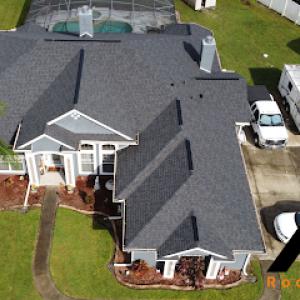
Amtek Roofing, based in DeBary, FL, is your trusted roofing contractor, known for speed, reliability, and genuine care in every project. With over a decade of experience, we offer expert roof repair, thorough roof inspections, seamless roof replacements, and new roof installations for both residential and commercial properties. Our services include shingle, metal, tile, and flat roofing, as well as skylight installation and repair, and attic venting solutions. We also offer efficient roof leak detection and storm damage repairs. As certified professionals and proud BBB members, we use top-quality materials and ensure every job is done right. Call now for your free estimate and get lasting, expert roofing protection.

Swordsmen Roofing & Construction
(386) 960-0255 swordsmenroofing.com
Serving
5.0 from 103 reviews
If you’re here, you’re probably wondering who you can actually trust with your roof. Most roofers in Florida will slap on some basic shingles and move on, but your home deserves more than “just the basics.” At Swordsmen Roofing & Construction, we work with all types of roofing systems like tile, metal, slate, shake, composite, and complex projects most roofers won’t touch. We help homeowners and property owners like you protect your investment, prepare for Florida storms, and avoid costly surprises down the road. We believe in doing the job right the first time with quality craftsmanship and being a partner you can count on no matter what situation you're in. If that’s the kind of roofer you’re looking for, let’s talk.
T Mark Metal Roofing
(407) 574-5003 www.tmarkroofing.com
Serving
5.0 from 33 reviews
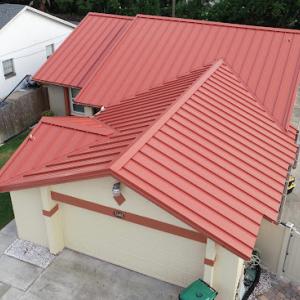
T Mark Metal Roofing is a Roofing Contractor located in Sanford, FL. We offer Metal Roofing Installation, Metal Roofing, Residential Metal Roofing, Commercial Metal Roofing, Affordable Metal Roofing, Metal Roofing Services, and other Roofing Contractor Services. We are extremely proud of our work and during an installation we clean up daily and show complete respect for our customers homes and places of work. Call us now for more information and services!
Lifetime Roofing Specialists
(386) 218-5688 www.lifetimeroofingspecialistsinc.com
Serving
5.0 from 18 reviews
Lifetime Roofing Specialists, Inc. is a family-owned and operated business. We specialize in commercial and residential roofing repairs and installation.

Pinnacle Roofing
(386) 845-8704 pinnacleroofinggroup.com
Serving
4.9 from 459 reviews
Pinnacle Roofing Group is Central Florida’s trusted residential and commercial roofing contractor, serving Debary, Sanford, Lake Mary, Deltona, Longwood, Casselberry, Oviedo, Winter Springs, and nearby areas. Our certified team specializes in roof replacement, roof repair, shingle, metal, tile, stone coated steel, and flat roofing installed with precision and backed by Atlas Diamind Pro Plus Signature Select and CertainTeed warranties. We offer full-system protection, 130 MPH wind coverage, and flexible financing. From emergency tarping to full re roofs, we deliver clean job sites, honest communication, and lasting craftsmanship. The Peak of Perfection™.
Noland's Roofing
(386) 456-6500 nolandsroofing.com
Serving
4.5 from 210 reviews
Noland’s Roofing is your trusted roofing company in Orange City, proudly serving Florida’s east coast communities from Daytona Beach to Altamonte Springs. Our local team understands the unique challenges of high heat, humidity, and tropical storms, delivering roof repairs and replacements built to last. If you’re looking for dependable roofers in Orange City, Deltona, DeBary, or Deland, we’ve got you covered. We specialize in shingle, tile, and metal roofing, plus roof cleanings, solar panel prep, and home renovations. As a Top 150 Roofing Contractor, we’re ready to protect your home. Call today for a free inspection.
A full reroof project in this area typically requires a permit issued through the City of Deltona or Volusia County review process before any shingle removal or new installation begins. The jurisdiction depends on where the home sits and the exact scope of work, so your contractor should confirm the correct authority early. In practice, that means your project starts with a permit application that outlines the roof type, dimensions, and any changes to ventilation or underlayment. Keeping the paperwork tight and accurate helps avoid delays when the storm season kicks into high gear and crews are busier than usual.
Local reroof jobs are inspected in stages during and after installation rather than only at final completion, with attention to installation quality and wind-load compliance. Expect at least one rough-in check while the underlayment and drip edge are being laid, another mid-point review as shingles or panels go on, and a final post-installation inspection. Inspections focus on how the roof meets wind-resistance requirements typical for this region, especially given the Central Florida thunderstorm pattern and hurricane-season risk. Your contractor should coordinate with the inspector to schedule these visits, and you should be present or have clear access to the attic and roof line during the checks to address any found issues promptly.
It is common for inspectors to verify that fasteners, nailing patterns, and sealing practices align with current wind-load standards and that ventilation remains adequate after the reroof. In practical terms, this means ensuring the new roof system is secured properly around hips, ridges, and penetrations, and that any exhaust vents or plumbing stacks are sealed correctly to prevent water intrusion during heavy storms. The staged approach helps catch small issues before they compound, which is particularly valuable in a neighborhood where storm-driven winds can expose vulnerabilities on newly installed roofs.
Permit closeout and inspection records can become important later when homeowners seek insurance credits or need proof of compliant reroof work. A complete packet typically includes the signed permit, final inspection clearance, and any manufacturer certifications related to wind-resistance ratings. When you approach your insurer or a claim reviewer, having these documents ready can streamline the process and support credits tied to updated code-compliant roofing. Keep digital and physical copies organized, and confirm that the final paperwork clearly ties the permit to the actual installation date and the specific roof system chosen for your home.
Coordination between you, the contractor, and the local authority is essential in this climate. Weather windows matter: delaying a permitted reroof to a dry, calm period can prevent weather-related setbacks that complicate inspections or require rework. If a storm front approaches during the process, your contractor should have a plan to cover exposed areas without compromising the permit scope or triggering unnecessary re-inspections. In practice, the path to a compliant reroof in this market hinges on clear communication, early permit validation, staged inspections, and organized records that support both long-term performance and insurance considerations.
Deltona's dominant residential roof choices are asphalt shingles, metal roofing, clay tile, concrete tile, wood shingles or shakes, and synthetic or composite shingles. Each option fits a distinct balance of heat, humidity, and wind performance, so your choice often comes down to how you prioritize long-term durability, appearance, and replacement economics. Asphalt remains a steady fit for many suburban reroof projects because it aligns with typical house footprints and timelines, while tile and metal stand out with strong performance in the hotter late-spring and mid-summer months and a longer visual impact that can affect resale perception. Wood shakes offer a textured look but demand extra attention to moisture and insect resistance, and synthetic or composite shingles try to blend the best of both worlds-lower maintenance than wood with appealing designs.
Heat and humidity shape every roofing decision here. In summer, attic ventilation and radiant heat management become as important as the coating on the shingles themselves. Frequent rain events are a constant reminder to choose materials with solid wind resistance and good flashing detail around hips, ridges, and penetrations. Tile and metal have a visible local presence, especially in homes with Mediterranean or modern lines, but asphalt remains a practical default because it tolerates the irregular replacement cycles common in many Deltona neighborhoods. When you're weighing color and texture, remember lighter tones reflect heat better, which helps curb attic temperatures and can extend the roof's life in high-UV environments.
In a region shaped by summer storms and hurricane-season winds, a roof that stands up to gusts while keeping water out is essential. Tile and metal roofs generally deliver strong wind performance, yet they require precise installation and well-executed fastener patterns to maintain their edge in a wind event. Asphalt shingles have improved wind resistance with modern laminate layers and upgraded sealants, but they rely more on underlayment quality and proper nailing schedules. Whatever you choose, insist on a robust underlayment, reinforced edge details, and meticulous flashing around vents, skylights, and chimneys. Your future self will notice the difference after a coastal-range thunderstorm rolls through.
Storm-driven reroof timing matters. If you've faced a hail or wind event, you'll want a clear plan for a quick, code-adherent reroof that minimizes disruption and ensures continued protection against sudden downpours. Insurance documentation tends to emphasize rapid action and thorough documentation of damage, so keeping organized records of shingle exposure, roof deck condition, and flashing integrity helps during claim reviews. In practice, the best path is proactive evaluation ahead of the season: have a trusted roofer perform a detailed inspection, address minor issues before they become major, and discuss material options that balance wind resistance with anticipated replacement cycles. This approach helps you stay prepared for the most intense Florida storms without compromising on daily comfort and home value.
In this part of inland Central Florida, asphalt shingles remain a common, entry-level choice for many Deltona homes, especially after a storm. When the weather pattern shifts toward the Atlantic storms and thunderstorm bursts, you'll see a spike in demand for replacements and quick repairs, and that can nudge installed prices higher for this material. Expect the installed range to sit toward the lower end of the local spectrum, yet be prepared for occasional upswings after major storms when crews and materials are in tight supply. Asphalt shingles continue to be the practical go-to for budget-conscious homeowners dealing with reroof timing prompted by wind-driven events.
Metal roofs appeal to homeowners who want wind resistance and a longer lifespan, which matters in hurricane-season timing. Local crews emphasize fast, wind-focused installation methods, which can drive a higher installed cost but deliver stronger performance in Florida's gusty months. In Deltona, metal typically lands in the mid-to-upper portion of the price range, reflecting both material benefits and the precise detailing needed to meet local wind-resistance expectations. If you're facing a storm-driven reroof, metal can shorten the long-term cost cycle, even if the initial outlay is more substantial.
Clay and concrete tile systems are a solid choice for Florida's climate, offering excellent durability and a distinct curb appeal. Heavier systems incur higher labor and removal costs locally, as crews must handle weight and roof framing considerations for wind performance. In Deltona, these options tend to push toward the higher end of installed costs, particularly when timelines compress after a major storm event that triggers a rapid reroof. If your home already has a sturdy structure and you're prioritizing wind resistance and longevity, tile can pay off over time, even as the upfront price climbs.
Wood shingles or shakes bring a natural look but can carry higher maintenance needs in a storm-prone climate. Synthetic or composite shingles offer a middle ground, blending some of the durability of higher-cost materials with more approachable installation pricing. In Deltona, these options often occupy the lower-to-mid range relative to heavier tile systems, appealing to homeowners seeking a balance between cost, aesthetics, and wind performance.
Storm-driven reroof timing in this area can lead to short-term pricing bumps as demand spikes for repairs, tarping, and full replacements. Labor efficiency tied to Florida wind-resistance standards also shapes the final bill, with stronger installations sometimes adding to the labor component during busy periods. When planning, consider not just the material sticker price but the local dynamics of storm season, anticipated inspection pacing, and the goal of achieving durable performance for years to come.
Don't let upfront costs delay a critical repair - these contractors offer payment plans to fit your budget.

In Deltona, repeated summer moisture exposure raises the stakes for underlayment integrity, flashing quality, and fast leak response after thunderstorms. When heavy rain and humid heat cycle through, you can see accelerated wear on synthetic underlayments and old flashing seam gaps. If the roof deck isn't fully protected by a continuous, properly vented layer, even small punctures or poorly sealed joints can become drip points during sudden downpours. You'll want to check for a damp smell, fresh water stains at attic penetrations, and softened edges around flashing seals after a tropical shower, then act quickly to reseal or replace compromised sections before hidden rot takes root.
Wind-related shingle loss, displaced ridge components, and water intrusion after tropical weather are recurring concerns in this market. A fast, gusty storm can peel shingles along edges or lift ridge caps, leaving vulnerable seams exposed to the next rain. After a storm, inspect loose tabs, lifted granules in gutters, and any gaps where shingles no longer meet the drip edge. Addressing small lift early can prevent larger blow-offs during the next storm season and reduce the likelihood of interior leaks chasing the wind-driven path.
Tile roofs in the area require careful attention to cracked or shifted pieces after storm events, while metal systems depend on correct fastening and flashing details to stay watertight. Cracked clay or concrete tiles can allow water to reach the underlayment, especially behind hips and valleys where movement concentrates. Look for cracked or displaced tiles, especially after hail or high-wind events, and verify that fasteners and nails did not back out or misalign. For concrete and clay, even minor fractures can escalate if left unattended, inviting moisture intrusion during the next storm cycle.
Metal systems hinge on correct fastening and flashing details to stay watertight. If fasteners back out, sealant dries out, or flashing around chimneys and vents lifts, you risk slow leaks that worsen with Florida's humidity. After a storm, check for loose panels, rust at seams, and any gaps where water could penetrate. Prompt resealing and re-fastening of exposed edges help preserve the integrity of a metal roof through the next round of heavy afternoon storms.
Find contractors experienced in skylight installation, flashing, and leak repairs to bring natural light into your home.
Roddenberry Roofing
(386) 561-1406 roddenberryroofing.com
956 Hemingway Dr, Deltona, Florida
4.8 from 18 reviews
The Deltona market shows especially strong demand for reroofing, quick response, and cleanup, so homeowners tend to favor crews that can move fast after storms and leave properties clean. Long-established, family-owned firms are meaningfully present, which matters when insurance-heavy seasons arrive and stability is valued. A contractor with roots in the area understands the typical housing stock and the thunderstorm and wind patterns that drive urgent reroofs.
Look for a contractor who can demonstrate a track record of full project management, not just installation. In this market, the most dependable teams routinely handle staging, material ordering, inspections, and insurer-facing paperwork as a package. Ask for recent local references and verify that crews have the equipment to protect neighboring properties during storm response, including debris containment and street cleanup.
After a storm, speed matters, but so does thorough cleanup. A strong Deltona contractor will outline a concrete plan for temporary protection, demolition sequencing, and a targeted cleanup timeline. When evaluating bids, prioritize those that describe staged progress checks, on-site supervision, and a commitment to leaving the site fully broom-clean and free of debris at day's end.
Because jobs often involve permits, inspections, and insurer documentation, homeowners benefit from contractors who routinely manage the full local reroof process. Look for firms with a documented process for insurance coordination, including clear communication channels, prepared scope of work aligned with insurer expectations, and a designated point of contact who can liaise with adjusters.
In a market with active storm seasons, choosing a firm with steady leadership and a clear service promise helps weather the insurance cycle. Ask about how the company maintains staffing through peak periods, how they handle post-storm mobilization, and what safeguards are in place to preserve neighboring properties during work.