Last updated: Apr 19, 2026
Sanford homeowners face the biggest roofing disruptions during Central Florida's summer thunderstorm cycle and Atlantic hurricane season, when work stoppages and emergency tarping demand spike. That means the pace of damage assessment, temporary protection, and replacement scheduling can shift from day to day as storms roll through. If you're racing the calendar, you're not alone-neighbors and local crews are moving in the same direction, and any delay can snowball into longer dry spells and higher risk of interior damage. Plan for rapid responses to shifting weather, and treat a single seasoned responder as a critical ally when a storm warning hits.
Because Sanford is inland rather than coastal, many roofs see wind-driven rain intrusion, lifted shingles, displaced ridge components, and flashing failures even without storm surge concerns. The pattern is not just a single storm event; it's a recurring stress test: hot, humid afternoons followed by sudden gusts, then a line of storms dumping heavy rain in a short window. You'll notice shingles that look flipped, granules in the gutters, or a sudden damp ceiling despite a dry forecast. Those are signs to act fast. Insurance-driven repair and emergency tarping demand tend to spike when these conditions line up with a storm's arrival, so having a plan in place before the next squall helps limit collateral damage.
The local contractor market shows unusually strong demand for storm damage, insurance claims, and emergency repair services, indicating that post-storm response is a primary homeowner concern in Sanford. It's common to see a backlog after a major event, with crews routing tarps, temporary coverings, and quick-response damage assessment as the first line of defense. The result is a speed-versus-quality tradeoff: you want fast, but you also want the repairs to stand up to the next round of summer storms. Knowing this dynamic helps you set expectations with contractors and your insurer, and it underscores why pre-storm prep-secure tarps, exposed openings, and roof-edge vulnerabilities-matters so much.
Begin with a simple, repeatable checklist you can deploy at a moment's notice: locate a safe, accessible place to store tarps and utility tools; take clear photos of any existing damage before a storm; identify a primary and backup contractor who can respond within 24 hours; and keep an emergency contact list ready for after-hours calls. If a leak starts during heavy rain, avoid climbing on the roof yourself. Use plastic sheeting or tarps sealed with duct tape to cover affected areas, prioritizing seams around penetrations, valleys, and along ridge lines. Document the leak with time-stamped photos and notes for the contractor and insurer to streamline the claim process when the sun reemerges.
Storm season can turn a damaged roof from a manageable spot repair into an insurance-driven replacement decision, especially if multiple events have compromised flashing, underlayment, or structural components. In Sanford, the decision to replace is often tied to sustained wind exposure, repeated moisture intrusion, and the presence of shingles that fail to reseal after a rain. If you're seeing recurring leaks after temporary fixes, or if the roof shows widespread lifting and flashing failure across several sections, it's time to prioritize a full replacement discussion with your insurer and a trusted local roofer who understands the inland storm pattern and the quickest, most durable path to resilience.
Sanford's hot, humid subtropical climate makes the November through April dry season the preferred window for full roof replacement scheduling. That period typically brings fewer tropical storm interruptions, lower humidity, and drier days for deck drying and underlayment adhesion. If you're planning a full re-roof, aligning start times with the dry season can help the project stay on track and minimize rework caused by moisture. You'll still want to account for the late-winter rain fronts that can pop up, but overall the dry season offers the most predictable weather balance for larger roof projects.
Wet-season rains in Sanford can slow tear-off, deck drying, underlayment installation, and debris removal, which affects project duration more than in drier Florida markets. Expect additional time for rain delays, water management, and frequent tarps or temporary covers. Dry-in protection remains essential, but it becomes a tighter juggling act: you'll need a plan for catching and redirecting rainwater, keeping gaps sealed when storms roll through, and coordinating crew shifts around sporadic downpours. Communicate with your contractor about contingency days and material staging to avoid weekend setbacks that stretch the schedule.
Spring wind events in the Sanford area can complicate temporary dry-in protection and material staging even before peak hurricane season begins. High gusts can loosen tarps, shift bundles, and create elevated risk for exposed underlayment work. A practical approach is to complete critical sealing tasks early in the dry-season window and rely on secure fastenings and wind-rated temporary covers during any interim setbacks. If a storm watch is issued in late spring, your contractor may implement accelerated securing of materials and adjust sequence to minimize weather exposure.
Set expectations with your contractor for a staged timeline that prioritizes deck drying and underlayment installation during dry months. Schedule core roof tear-off and new roof installation to begin after a stretch of dry days, with buffers for unexpected rain events. Ensure temporary containment and clean-up plans are in place to manage spring wind challenges, including secure storage for loose materials and reinforced dry-in barriers. Finally, establish a clear rain-response protocol: who calls for protective measures, how quickly they respond, and what constitutes a work stoppage to prevent water intrusion while maintaining project momentum.
Roof Maxx of Deltona, FL
Sanford, FL
5.0 from 171 reviews
Roof Maxx of Deltona provides a cost-effective, environmentally friendly alternative to traditional roof replacement. Our plant-based bio-oil treatment restores the flexibility of asphalt shingles, extending your roof’s life by up to 15 years with three simple treatments. Proudly serving Deltona, Sanford, Volusia, and Seminole Counties, we offer discounts for military, police, firefighters, and seniors. Enjoy peace of mind with our five-year transferable warranty and commitment to protecting both your roof and the environment. Contact us today for a free, no-obligation estimate and see how Roof Maxx can rejuvenate your roof!
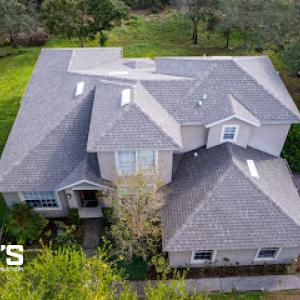
Zee’s Roofing & Construction
(407) 878-2225 zeesroofingandconstruction.com
4500 Orange Blvd #1020, Sanford, Florida
4.9 from 115 reviews
Zee’s Roofing and Construction is a veteran-owned company with over 30 years of experience, proudly serving Sanford, FL. We offer a wide range of services, including residential roof replacements and commercial roofing, from metal and tile to flat, asphalt, and TPO roofing. Our expertise extends to gutter installation and yearly maintenance programs, ensuring your roof remains in top condition. In addition to roofing, we specialize in exterior and interior renovations, waterproofing, and structural services. With our tri-licensed team, lifetime warranties, and flexible financing options, we provide reliable, professional services tailored to meet your needs. Our swift response time and in-house insurance adjustor ensure a smooth experience.
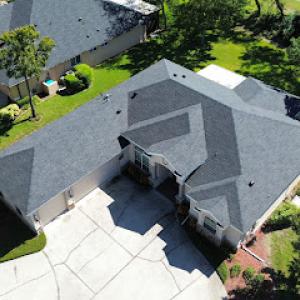
Adcock Roofing
(407) 322-9558 adcockroofing1.com
800 S French Ave, Sanford, Florida
4.9 from 99 reviews
Family Owned and Operated in Sanford Florida since 1963. Full service General Contractor specializing in Roofing. CGC1535584 & CCC1334978
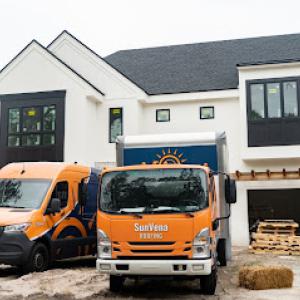
Sunvena Roofing
(689) 407-6520 sunvenaroofing.com
4015 Church St, Sanford, Florida
5.0 from 47 reviews
At SunVena Roofing, we believe your roof deserves the same care and expertise you devote to your home. From minor repairs to full replacements, our skilled professionals use top-quality materials and proven techniques to protect your property from unpredictable Central Florida weather. We’re dedicated to delivering exceptional craftsmanship, affordable pricing, and quick turnaround times. Our passionate team focuses on integrity and personalized service, ensuring you’re completely satisfied with every project. Trust SunVena Roofing for a durable, energy-efficient roofing solution that brings peace of mind and enhances your home’s value—so you can feel confident under your roof.
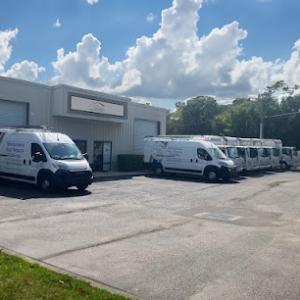
Mgc Roofing & Construction
(321) 319-4130 www.mgcroofing.com
1936 Dolgner Pl, Sanford, Florida
5.0 from 45 reviews
MGC Roofing & Construction, Inc. is 100% Employee Owned. We pride ourselves on quality. Nearly 20 years ago, our President Marvin Campbell, decided to take a leap of faith and enter the market with his wife. Marvin has successfully cornered the market and made a strong and reputable name for the MGC banner. Marvin wanted to share that passion and extend ownership to all of his employees. He sold MGC to its employees by becoming an ESOP in 2018.
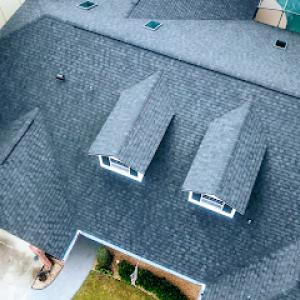
Storm Shield Roofing & Restoration
1100 Central Park Dr Suite 1000, Sanford, Florida
5.0 from 43 reviews
Storm Shield Restoration is a locally owned and operated roofing contractor located in Sanford, FL. We specialize in assisting you with storm damage and insurance claims to help get your insurance carrier to replace your roof if need be. We are here to protect and we cater to all roofing types, delivering unparalleled service and quality. We look forward to serving you and your family. Call us for a free evaluation of your current roof situation and a professional opinion without any obligation or pressured sales approach.
Local Roofing Contractor
(407) 505-7663 localcontractorllc.com
2800 S French Ave, Sanford, Florida
5.0 from 37 reviews
Local Roofing Contractor provides expert residential and commercial roofing services in Seminole County and Orange County, FL. Our licensed roofing contractors specialize in roof installation, roof replacement, roof repair, and roof maintenance using high-quality materials for durable results. From shingle roof installation to flat roof projects, we handle every job with precision and professionalism. We also offer roof inspections, emergency roof repair, and roof restoration services. As local roof experts, we deliver affordable, reliable roofing solutions tailored to your property’s needs. Trust our professional roofers for lasting protection and quality service.
Storm Contracting
(888) 764-7663 www.stormcontracting.com
4027 W 1st St, Sanford, Florida
4.9 from 55 reviews
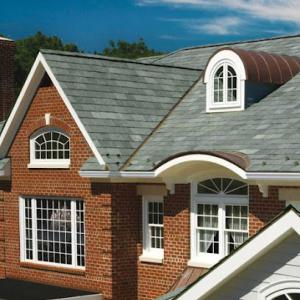
Storm Contracting is a licensed, insured, and bonded roofer company serving Sanford and surrounding Florida areas. Our expert roofers specialize in roof inspection, roof repair, roof replacement, and complete roofing services. From residential projects to storm damage restoration, metal roofing, and even government contracts, our skilled roofer contractors deliver reliable results. Whether you need urgent roofers repair after a storm or preventative inspection for roof damage, our team responds fast with quality workmanship and transparent estimates. For trusted roofing protection, call the leading roofer contractor in Florida today—schedule your free roof inspection with Storm Contracting
Allstate Exteriors & Restoration Services
(321) 529-3402 www.allstateexteriorsinc.com
1210 Tropic Park Dr, Sanford, Florida
4.9 from 61 reviews
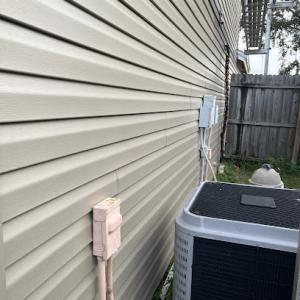
Since 2002, Allstate Exteriors has proudly served Sanford, Florida, as a family-owned roofing, siding, and gutter company. Our team delivers quality craftsmanship and personalized service on every project. As an Owens Corning Platinum Preferred Contractor with an A+ BBB rating, we’re committed to protecting and enhancing homes across Central Florida. Call today to schedule your exterior home improvement consultation!
Tri-County Screen & Gutter Services
(321) 245-4913 tricountyscreenandgutterservices.com
Sanford, Florida
5.0 from 29 reviews
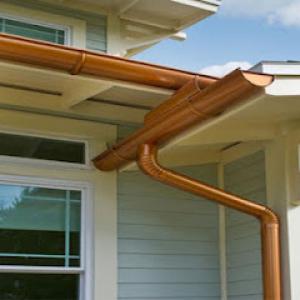
We work for private homeowners, roofing contractors, general contractors, property management companies, and apartment/condominium complexes. We do new installation, removal and replacement, and repairs for Gutters and we also screen repair and screen inserts.
Smith Brothers Roofers
900 S Palmetto Ave, Sanford, Florida
4.8 from 32 reviews
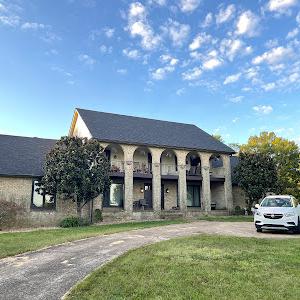
At Smith Brothers Roofers, with several dedicated contractors, our family-owned business provides a wide range of roofing, deck-building, and exterior services in Sanford, FL, and neighboring areas. With over a decade of experience, our expert team offers exceptional craftsmanship for roof installations, repairs, gutter installations and maintenance, siding installations, skylight installations, gutter cleaning, and window installation services.
Sunrise Roofing Services
(407) 542-3609 www.sunriseroofingservice.com
2200 S French Ave, Sanford, Florida
4.7 from 97 reviews
Women Owned Business
Sanford's residential roofs reflect a diverse mix: asphalt shingles, metal roofing, clay and concrete tile, wood shingles or shakes, and even slate. Tile and metal stand out as active specialties in the area, while slate and cedar shake are less common among nearby installers. This local fabric influences both choice and scheduling, because the depth of installer experience with each material varies, and crew availability often follows the material's popularity.
The heat and humidity of Central Florida accelerate aging differently by material. Shingles respond to heat with curling or granule loss if ventilation isn't adequate, while metal can expand and contract, stressing fasteners in high-heat cycles. Clay and concrete tiles demand solid substrate and proper underlayment to deal with rapid weather shifts and heavy summer downpours. Wood shingles or shakes are especially sensitive to moisture, requiring careful sealing and moisture barriers to prevent warping or rot. In all cases, ventilation remains a crucial line of defense: adequate intake and exhaust help regulate temperature beneath the roof deck, slow moisture buildup, and extend the roof's life in a wet-season environment.
Storm exposure means roofs in this area need to shed water quickly and resist wind-driven impacts. Tile and metal systems typically offer strong wind resilience when installed with correct fastening patterns and interlocking components. Asphalt shingles can perform well, provided the installation accounts for high winds and adequate attic ventilation to keep the deck dry. For homes with tile or metal, attention to flashing, fastener integrity, and drainage is especially important during hurricane season. If a leak develops during or after a storm, prioritize a rapid inspection of flashing details around chimneys, vents, and roof-to-wall intersections, then assess the substrate for any hidden moisture that could compromise insulation or rafters.
Sanford's contractor signal mix shows stronger local specialization in tile and metal than in slate or cedar shake. Homeowners should expect installers with deep tile or metal portfolios, including experience with wind-rated systems and moisture management under Florida humidity. Scheduling for replacements or major repairs tends to lean toward those crews, particularly when a storm event has stressed the local supply chain or created urgent insurance-driven needs. Slate or cedar shake installs and repairs tend to be more variable in availability, so plan accordingly and align expectations with the contractor's demonstrated strengths.
When evaluating options, consider how each material handles heat, humidity, and wind in this climate. For high-wind areas, ensure roof assemblies include properly rated underlayment, anchor-fastening, and compliant transition details. If energy performance is a priority, factor in roof color and reflective coatings that help manage attic temperatures. For homes with active storm exposure, prioritize systems with robust wind warranties and proven moisture management strategies, and choose contractors who show solid experience with the material you select.
Sanford has meaningful contractor depth in both tile and metal roofing, making upgrade comparisons more relevant here than in markets dominated almost entirely by shingles. This means you can expect hands-on experience with tile-specific handling and with wind-resilient metal systems that stand up to Central Florida storms. When choosing a path, you'll notice crews familiar with tile breakage risk, matching vintage with newer material, and coordinating color and texture across the roofline of older homes.
Clay and concrete tile are common enough that replacement planning must account for breakage and matching challenges. In practice, that means inventory checks for matching profiles and colors can slow a project if the exact batch isn't on hand. A tile upgrade often translates to a heavier roof that requires proper structural assessment, plus experienced crews for intermittent cracks, adhesive failure, and seasonal rain delays. If your roof has a mix of old and new tiles, plan for careful removal and careful re-layment to preserve the sightline and the warranty potential.
Metal roofing is a strong local option for homeowners focused on wind performance, faster water shedding during heavy rains, and long-term replacement intervals. In this climate, standing-seam or corrugated metal sheds water quickly and sheds hail better than many traditional shingles, reducing interior glare and potential leaks after a storm. Expect shorter install times with metal compared to tile, and plan for panel layout that minimizes penetrations and preserves attic venting. If you live in a high-wlood area or near large shade trees, metal's lighter weight and resilience can support a more dependable first line of defense.
If the goal is minimal disruption and rapid post-storm recovery, metal offers clear advantages for wind-prone blocks and newer homes with ready-to-shed water paths. If the priority is a closer match to historical aesthetics, tile remains a compelling choice, provided there's budget for durable matching and careful handling. Weather-linked planning, crew experience, and long-term performance all hinge on how well tile or metal choices align with your roof's age, structure, and exposure.
Find contractors who specialize in clay and concrete tile roofs, known for their durability and curb appeal.
Zee’s Roofing & Construction
(407) 878-2225 zeesroofingandconstruction.com
4500 Orange Blvd #1020, Sanford, Florida
4.9 from 115 reviews
Adcock Roofing
(407) 322-9558 adcockroofing1.com
800 S French Ave, Sanford, Florida
4.9 from 99 reviews
Mgc Roofing & Construction
(321) 319-4130 www.mgcroofing.com
1936 Dolgner Pl, Sanford, Florida
5.0 from 45 reviews
In this market, local planning should center on per-square ranges rather than guesswork. Asphalt shingles run roughly 350 to 750 per square, reflecting common re-roof activity after summer storms. Metal roofing sits higher, about 650 to 1100 per square, with the premium tied to panel profiles and underlayment choices that factor into wind resilience. Clay tile typically lands between 1100 and 1800 per square, a range driven by weight, installation complexity, and occasional backing from a heavier scaffold setup. Concrete tile sits in the 900 to 1500 per square band, again linked to weight and method differences between installers. Wood shingles or shakes tend to be 500 to 900 per square, a range that mirrors the labor intensity and fire-code considerations in older homes. Slate is the premium option here, from 1300 to 2300 per square, reflecting its precision-cut requirements and long-term durability.
Storm-driven demand surges can raise scheduling pressure and labor competition after major weather events, especially for emergency dry-ins and full re-roofs. In Sanford, those pressures tend to hit hardest during the wet season and the hurricane window, when crews are scarce and materials can be backordered. Plan for longer timelines if a major storm passes through, and expect price shifts driven by urgent demand rather than routine upgrades. If a roof is compromised and needs rapid attention, securing a clear path for a preferred material can help protect overall costs, but bear in mind availability may tighten quickly.
Costs in Sanford can also shift based on whether the home follows the City of Sanford or unincorporated Seminole County pathways for installation, as well as on material choice between common shingles and more specialized tile or metal systems. This means two nearby homes could see different quote ranges for the same square footage depending on the permitting-adjacent path and the selected system. When you're budgeting, ask for a material-based line item that clearly separates underlayment, fasteners, and any weight-mearing accessories, so you can compare apples to apples across the options.
Don't let upfront costs delay a critical repair - these contractors offer payment plans to fit your budget.
Zee’s Roofing & Construction
(407) 878-2225 zeesroofingandconstruction.com
4500 Orange Blvd #1020, Sanford, Florida
4.9 from 115 reviews
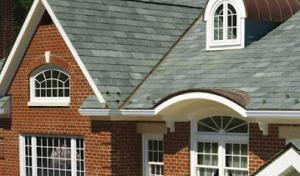
Storm Contracting
(888) 764-7663 www.stormcontracting.com
4027 W 1st St, Sanford, Florida
4.9 from 55 reviews
A permit is required for full re-roofs in Sanford. The path you follow depends on which jurisdiction governs your property, so you may interact with either the City of Sanford Building Department or Seminole County Building Division for the permit application, plan review, and inspection scheduling. Missing or incorrect permit steps can lead to delays, fines, and potential issues when you try to file insurance claims after a storm. Start by confirming the correct authority for your address before you pull any paperwork or sign a contract.
Once you know the right office, you'll submit project details, including roof type, scope, and project timeline. Plan review helps ensure your chosen materials and installation methods meet local wind and code requirements, which is especially important in this area's exposure to strong afternoon gusts and tropical systems. Have your contractor provide engineered details if you're upgrading to higher-wind-rated systems, such as metal or certain tile options. Timely replies from the building office keep the project moving and reduce the risk of weather-related hold-ups.
Sanford-area re-roof projects require inspections during and after the job to verify compliance with code and permit conditions. Expect at least one interim inspection as work progresses and a final inspection upon completion. wind mitigation documentation may be required or beneficial for eligible homes, so coordinate with your contractor to assemble and present the relevant certificates and photos. Failing to schedule or pass inspections can stall approvals and complicate insurance considerations, especially during the wet season when storms threaten unfinished work. Keep the approved permit card accessible on site and maintain open lines of communication with the inspector.
Sanford homeowners operate in Florida's volatile insurance market, where wind and hail claim activity has made roof age and condition a major underwriting issue. Carriers serving this area may scrutinize the roof's remaining life, recent replacements, and the presence of wind-resilient features before binding, renewing, or repricing coverage. The message is direct: the older the roof, the more critical the documentation becomes for staying protected and affordable.
Before any decision on coverage, insurers may ask for clear records that establish the roof's current state and its history. Documentation typically includes age corroboration, prior claim history, and evidence of wind mitigation features. If a roof has been upgraded or repaired, keep a concise trail showing what was changed, when, and by whom, so the file reflects proactive resilience rather than reactive fixes.
During Central Florida's wet season and hurricane season, adjusters can handle claims with variable approaches. The process often moves faster yet with tighter scrutiny. You should prepare dated photos that capture the roof's condition from multiple angles, comprehensive inspection notes, and any pre- and post-work evidence. Having these ready reduces back-and-forth delays when a storm drives claim volume and adjuster workloads.
Keep a well-organized file that ties together roof age, any prior weather-related events, and the presence of wind-resistant features such as upgraded underlayment, fasteners, or applicable tile or metal enhancements. Even when the weather quiets, the documentation trail matters: it informs renewals, replacements, and potential insurance changes, and it signals to a carrier that the roof has been managed with a view toward enduring Sanford's storm reality.
Connect with contractors who help homeowners navigate the claims process from damage assessment to final approval.
Zee’s Roofing & Construction
(407) 878-2225 zeesroofingandconstruction.com
4500 Orange Blvd #1020, Sanford, Florida
4.9 from 115 reviews
Sunvena Roofing
(689) 407-6520 sunvenaroofing.com
4015 Church St, Sanford, Florida
5.0 from 47 reviews
Mgc Roofing & Construction
(321) 319-4130 www.mgcroofing.com
1936 Dolgner Pl, Sanford, Florida
5.0 from 45 reviews
In this market, the aging mix of steep and low-slope sections means leaks often hide in plain sight. Skylight perimeters, low-slope transitions, and flashing details become predictable trouble spots after heavy rain, especially when emergency repairs are delayed. A roof that blends residential shingles with additions, porches, or attached structures tends to accumulate fast-moving water at joints and seams. Recognizing these patterns helps you target fixes before Water Talk becomes a headline.
Skylights sit on the boundary between sealed and exposed, and the perimeter is where trouble commonly starts. In a high-humidity climate with rapid temperature swings, sealants shrink and expand, letting wind-driven rain creep in around joints. Look for wicking along the glass edge, compressed bedding, or dried-out silicone. When repairs extend into skylight framing, ensure the surrounding deck flashings are integrated and that drainage around the curb remains clear. For aging units, a dedicated seal around the curb often outlives the skylight itself in these conditions.
Low-slope or flat sections, including additions or covered porches, present persistent challenges. Water can linger on the surface, chase seams, and seek any missing or degraded edging. Transitions between steep-slope shingles and low-slope coverings require careful fastening, compatible underlays, and continuous drainage. In practice, inspect these zones after heavy rain or a storm event, paying close attention to any damp decking or staining along transition strips. Delays in addressing this area magnify the risk of widespread interior infiltration.
Flashing at eaves, hips, valleys, and around penetrations bears the brunt of seasonal downpours. In storm-outlined days, improper Lap details, loose fasteners, or deteriorated metal can fail first. Prioritize examining step-flashing under shingles at walls, along chimney- or vent-penetrations, and at transitions to metal or tile. In aging roofs, a minor sag or misalignment in flashing often signals larger leaks to come, especially where wind-driven rain is common.
Homes and mixed-use properties may require specialists comfortable moving between steep-slope residential systems and low-slope sections on additions or attached structures. A local pro with cross-portfolio experience can troubleshoot leak paths that cross from shingles to membrane or tile-to-flashing interfaces. When moisture appears in unexpected corners, lean on a crew familiar with Sanford's typical variegated roofscape to map the leak, not just patch it.
Find specialists in TPO, EPDM, and built-up flat roofing systems for residential and commercial properties.
Zee’s Roofing & Construction
(407) 878-2225 zeesroofingandconstruction.com
4500 Orange Blvd #1020, Sanford, Florida
4.9 from 115 reviews
Local Roofing Contractor
(407) 505-7663 localcontractorllc.com
2800 S French Ave, Sanford, Florida
5.0 from 37 reviews