
Last updated: Apr 19, 2026
Port Orange homeowners face work interruptions and roof damage pressure during Florida's summer storm cycle and Atlantic hurricane season. The combination of hot, salt-laden humidity, heavy downpours, and frequent wind gusts means that even small defects can escalate quickly. Prioritize a rapid survey after each major storm: look for loose shingles, lifted flashing, and any indications of water intrusion near eaves, vents, and chimneys. If you notice any damp spots on ceilings or running inside walls, treat it as an urgent leak risk and act fast. A minor seam or flashing lift today can become a full interior leak tomorrow when tropical systems slam ashore or track inland. Time is measured in hours, not days, after a storm passes.
The local contractor signal mix favors storm damage and emergency repair work, which means response capacity often spikes right after a surge event. In practice, that translates to having a plan for temporary containment: tarping exposed roof areas, covering with waterproof plywood where practical, and sealing for wind-driven rain until a permanent fix can be scheduled. Because wind-driven rain is a practical concern in this area, prioritize securing vulnerable points first-around penetrations, along ridge lines, and at any seam where underlayment may have begun to fail. A small DIY tarping job can buy critical hours, but for best results, bring in a professional quickly to ensure the tarp is secured against gusts and prevented from tearing loose in the next round of storms.
In Port Orange, the signal from the field is clear: post-storm response is a primary roofing need. Focus your plan on identifying roofs that show exposed underlayment or degraded flashing. These features commonly fail in a hurry when tropical systems move along the coast and inland. When a roof shows multiple compromised points, treat it as an urgent repair project rather than a cosmetic fix. The goal is to restore a watertight barrier before another system arrives, because even a minor failure can cascade into attic mold, ceiling staining, or structural concerns if left unattended through the peak season.
Insurance-driven roof replacement timing is a key factor in Port Orange's storm landscape. After a damaging event, the clock starts ticking on claim timelines, supplemental assessments, and confirmations of coverage. Document damage with clear photos and notes of when and where water entered the home. Maintain a simple, dated record of each storm impact and any temporary mitigation steps taken. Clear, concise documentation supports faster claim processing and reduces back-and-forth with adjusters, helping you secure a more timely resolution and begin the rebuild before the next front arrives.
Take a practical, staged approach to multi-step repairs: first, address the highest-leak-risk areas and any flashing or underlayment failures; second, replace or re-seal compromised sections to restore a robust water shield; third, consider more permanent resolutions such as vented ridge lines or upgraded underlayment in vulnerable zones. In areas with frequent summer storms, pairing emergency repairs with reinforced materials that resist wind uplift and moisture intrusion yields the best long-term resilience. If a full reroof is indicated by damage extent or by insurance guidance, plan for a replacement strategy that minimizes downtime and ensures a durable, hurricane-resilient result.
Port Orange features a mix of asphalt shingles, metal roofing, clay tile, concrete tile, wood shingles or shakes, and synthetic or composite shingles. This assortment means choosing a roof isn't about a single "best" material but about pairing a roof type with the local climate and typical maintenance cycles. In neighborhoods where asphalt shingles dominate, the emphasis is on wind resistance and moisture handling as the system ages. Metal options, clay and concrete tiles, and select composites prove valuable where durability and long life are priorities in the coastal Florida climate. The practical takeaway is to match a material to how often you expect to replace or repair due to storm season and humidity.
Hot, humid conditions and frequent rain accelerate wear on moisture-sensitive assemblies. In practical terms, roof systems that tolerate humidity and shed water quickly tend to perform better over the long run. Clay and concrete tiles shed water well and resist rot, but they require a strong structure to bear their weight and careful installation to prevent leaks at fasteners and penetrations. Metal roofs can provide excellent wind resistance and rapid shedding, yet some profiles may need careful detailing around edges and vents to avoid corrosion in salty air. Asphalt shingles, while common and affordable, benefit from underlayment and proper attic ventilation to curb moisture intrusion during heavy afternoon downpours. The core advice is to align the roof's moisture management details with the local climate to extend its useful life.
Wind exposure is a central concern during hurricane season. A roof that stands up to gale-force gusts must feature robust fastening, wind-rated shingles or tiles, and well-sealed penetrations. Metal roofing, one of the locally prominent options, often excels in wind resistance when installed with proper clips and edge detailing. Tile roofs-both clay and concrete-perform well in wind when installed with appropriate underlayment and securing methods that resist uplift. For homes with wood shingles or shakes, anticipate more frequent inspections for moisture damage and insect risk, especially after heavy rains. The practical approach is to prioritize wind-rated designs and ensure each connection-from ridges to eaves and vents-is secured against seasonal gusts.
In coastal Florida conditions, durability under heat, humidity, and wind often shifts preference toward metal and tile systems. Metal roofs provide rapid water shedding and strong wind performance, while clay and concrete tiles deliver long service life with excellent weather resistance, provided the structure supports their weight and the installation is detail-focused around penetrations and edge details. Asphalt remains a solid all-around choice for many homes, but its long-term performance hinges on ventilation, underlayment quality, and wind-rated installation. The bottom line is to choose a system whose strength lies in storm resilience and low moisture sensitivity, then back it with a trusted local installer who understands how coastal humidity and salt air interact with fasteners and seals.
Typical Port Orange pricing runs about $350 to $550 per square for asphalt shingles, $700 to $1400 for metal, $900 to $1600 for clay tile, $800 to $1400 for concrete tile, $600 to $1000 for wood shingles or shakes, and $500 to $900 for synthetic or composite shingles. Those ranges reflect local labor markets, coastal exposure, and the mix of aging homes in the area. In practice, a reroof project often starts with a detailed assessment of roof deck condition, chimney and vent penetrations, and existing underlayment. Heavier materials like clay or concrete tile can push the price per square up quickly once extra bracing, improved underlayment, and higher wind-resistance specs are needed. Asphalt remains the most common starter choice for speed and cost, but it's not always the best long-term value when wind exposure and moisture control are at stake.
Storm-driven demand spikes in Port Orange can push scheduling and labor pressure higher after tropical weather, affecting reroof timing and total project cost. After a storm, crews may be juggling multiple quick-turn jobs, which can extend wait times for material delivery and stretch down payment timelines. If insurance considerations come into play, the timeline to decision and replacement can compress into a tighter window, with crews prioritizing urgent leaks and hail damage. Expect that storm season can elevate unit costs for both materials and labor, particularly for popular options like metal or tile that require specialized installers. Planning ahead during calmer months often translates to firmer schedules and more predictable bids.
Material choice matters more locally because heavier tile systems, wind-oriented upgrades, and moisture-management details are common cost drivers in this coastal Florida market. Clay and concrete tiles offer excellent longevity but demand a reinforced roof frame and careful waterproofing to withstand salt-laden humidity and salt spray exposure. Metal roofing can be quicker to install and highly wind-resistant, yet it still needs proper underlayment and edge detailing to resist moisture infiltration. Asphalt shingles balance cost and install speed, but some coastal homes benefit from upgraded underlayment, hip-and-valley sealing, and moisture barriers to prevent staining and attic condensation. Synthetic or composite shingles provide intermediate costs with practical durability in humid environments. Your final material choice should weigh not just the sticker price per square but the long-term resilience against corrosion, wind uplift, and moisture ingress that coastal homes encounter year after year.
Start with a realistic roof size in squares and multiply by the local range for the chosen material. Factor in potential edge costs for penetrations, vents, and attic venting improvements to meet wind-resistance expectations. If a storm-inspired quote arrives with an accelerated schedule, ask for a written plan that details material delivery windows, crew crew rotation, and a contingency for weather delays. For homes with higher roof complexity or heavier tile, request a structural assessment or engineering confirmation to ensure the existing deck can support the new load. Finally, compare bids not only by price but by the scope of work: underlayment type, flashing upgrades, ice-and-water shields at critical edges, and warranty terms for both materials and workmanship.
Bob's Roofing & Gutters
(833) 462-6271 bobsroofingandgutters.com
5889 S Williamson Blvd #1403, Port Orange, Florida
5.0 from 92 reviews
Bob's Roofing and Gutters, based in Port Orange and Umatilla, Florida, brings decades of expertise in roof replacements and repairs. Our dedicated team prioritizes customer satisfaction, guiding clients through every step to ensure a smooth, stress-free experience. We promise 'Quality Through the Roof' service, using top-tier materials and skilled professionals for outstanding results. Additionally, we offer expert gutter installations and maintenance, protecting your home from water damage. Choose Bob's Roofing and Gutters for reliable, quality service that enhances your home's value and beauty.
Astro Roofing
(386) 760-8933 astroroofinginc.com
5006 S Ridgewood Ave, Port Orange, Florida
4.9 from 238 reviews
Astro Roofing is a family owned and operated roofing company established in 1986. Residential/Commercial. Shingle, Metal, Flat roofing experts. Every job is owner supervised to ensure top quality. All work done in accordance to Florida Building Code standards, as well as our own professional standards.
Expert Roofing Repairs
(619) 860-0329 expert-roofing-repairs.ueniweb.com
3821 Clyde Morris Blvd, Port Orange, Florida
4.9 from 22 reviews
Expert Roofing Repairs offers high-quality roofing design and services in Port Orange. We are seasoned roofers who deliver top quality and budget-friendly roofing services. Get in touch with us on +16198600329. When you hire us, you know you’re getting skilled, passionate technicians you can trust to do the best job possible. And, as a bonus, we always feature competitive pricing on our services.
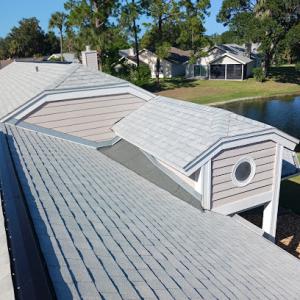
Daytona Roofing
5891 Woodpoint Terrace, Port Orange, Florida
5.0 from 8 reviews
8 years in business
RJ Group
(386) 760-0764 www.r-jgroup.com
4244 Jackson St, Port Orange, Florida
4.4 from 16 reviews
No matter what type of roof you have, we’re on top of it. From asphalt shingles to low slope and everything in between, R/J Group offers the advanced materials and skills necessary to complete your residential or commercial roofing project correctly, on time and within your budget. Whether you need a new roof or a simple repair, if you’re free for an inspection, so are we.
Walker Roofing
(386) 322-7063 walkerroofingservices.com
416 Charles St, Port Orange, Florida
4.0 from 42 reviews
Walker Roofing, a family-owned business in Port Orange, FL, has been providing top-quality roofing services since 2001. Specializing in residential and commercial roofing, we offer expert roof repair, replacement, and maintenance using the best materials. Our skilled, local crews are dedicated to exceptional craftsmanship and timely service. Fully licensed and insured, Walker Roofing is committed to building lasting relationships with our clients across Volusia and Flagler Counties. Contact us today for a free estimate and experience dependable, professional roofing services.
Klenk Roofing
5727 Stewart Ave, Port Orange, Florida
5.0 from 5 reviews
Competitors Number is on Listing! 50 Years Experience

Top-Notch Roofing
(386) 229-7718 topnotchroofingguys.com
794 Sanders Rd STE 5, Port Orange, Florida
5.0 from 3 reviews
Top-Notch Roofing tackles your roofing needs in Port Orange, Florida. Their experienced team uses top-quality materials to ensure a long-lasting, reliable roof for your home.
Marathon Roofing & Contracting
(386) 234-7663 marathonroofs.com
3742 S Nova Rd ste 1011, Port Orange, Florida
5.0 from 3 reviews
Welcome to Marathon Roofing & Contracting, the go-to team for all your residential roofing needs in Port Orange, FL! We’re not just another roofing company; we are your neighborhood experts in residential roofing. Whether you need a quick roof repair, a full roof replacement, or a thorough roof inspection, our skilled professionals have you covered. We provide top-tier roof installation and maintenance services. Facing a roofing emergency? Don’t worry! Our 24-hour roofing specialists are always ready to help, ensuring your peace of mind. At Marathon Roofing & Contracting, we take pride in being a part of the Port Orange community, offering reliable, high-quality roofing solutions.
Roof It Right
(386) 492-6100 roofitrightfl.com
4180 S Ridgewood Ave, Port Orange, Florida
4.0 from 7 reviews
Roofing company offering residential installations, repairs, and emergency services.
A.A.T. Roofing
(386) 767-1886 www.aatroofing.com
5629 S Ridgewood Ave, Port Orange, Florida
3.3 from 7 reviews
A roofing company you can count on does it all, from shingle repairs on a single-family home to complete roof replacement for commercial facilities, and everything in between. For over 40 years, homeowners and property managers in East Florida's greater Daytona Beach areas and beyond have relied on A.A.T. for all their roofing needs, including leak repairs, regular roof maintenance, reroofing, and more. With a professional team of lifelong tradesmen who settle for nothing less than 100% customer satisfaction during every step of every job, and extensive experience with every type of roofing system, A.A.T. has built a reputation of trust and excellence that is unparalleled in the region.
Best Price Roofing
(386) 241-7685 www.bestpriceroofing.com
Serving
5.0 from 14 reviews
We are a locally owned Roofing and Building Contractor Company licensed in the state of Florida. Residential & commercial roofing, storm damage, repairs, re-roofs.
Reroof projects in this area must go through a building permit process. The permit ensures that the work meets local wind resistance, drainage, and tying methods that perform well against the hot salt-laden humidity and summer downpours common here. Starting with a permit keeps your project aligned with hurricane-season expectations and helps avoid delays if a storm warning arrives mid-project. The City of Port Orange Building Department reviews applications to confirm the scope, materials, and required safety features before any shingles come off or batten stakes go in.
Your contractor must hold an active Florida license for roofing and be in good standing with the state. In this climate, where wind-driven impacts and rapid reroof cycles are frequent, a licensed professional demonstrates knowledge of local roof-to-wall connections, underlayment choices, and fastener patterns that resist salt exposure and moisture. When you request the permit, expect the contractor to attach proof of license, insurance, and likely a project schedule. Confirm that the contract includes explicit references to the permit status, storm-season readiness, and how emergency leak control is managed if a storm threatens during work.
Port Orange structures benefit from a carefully staged inspection sequence that supports the unique demands of hot-humid summers and sudden downpours. The process is designed to verify critical safety and performance milestones as the roof goes back on. The staged approach helps identify any misalignment between deck condition, underlayment adhesion, and flashing continuity before the next phase begins. Understanding this sequence helps you coordinate access, avoid weather-related setbacks, and communicate clearly with your installer if a storm window interrupts progress.
Initial removal and deck condition inspection occurs to confirm that the roof deck is sound and ready for new underlayment and layers. The next milestone focuses on underlayment installation, ensuring proper overlap, sealant usage, and edge detailing that will perform under rapid temperature swings and heavy rain. A mid-project check may verify flashing placements around vents, chimneys, and skylines, plus any new water barrier transitions between roof sections. The final roof installation inspection confirms that all components are correctly installed, penetrations sealed, and the ventilation and drip edge meet code requirements. A successful final inspection closes the permit and marks the project as compliant with Port Orange standards.
After the final inspection, the Building Department will issue permit closure if everything is in order. This closes the documentation trail and ensures your reroof is officially recognized as compliant with local wind and moisture resistance requirements. If corrections are noted, follow the specified timeline to address them and schedule a re-inspection promptly to avoid lingering permit status. In hurricane-prone seasons, having an approved permit and clear inspection history helps streamline insurance considerations and future maintenance discussions.
This area sits in Florida's high-claim coastal insurance environment, where wind and hail-related roof claims are common and influence replacement timing. A storm season that can bounce from sunny to severe means insurers watch roofs more aggressively than in inland counties. When a tile or shingle shows age or prior damage, the chance that a claim will be approved can shift the entire year's risk outlook for a household. In practice, that means your roof isn't just a daily protection feature; it's a factor in how you're seen by the carrier down the block.
Insurers in this market often want wind-mmitigation documentation and proof of updated roofing features before offering or renewing favorable coverage. That translates into requests for records showing recent upgrades, like stronger underlayment, upgraded fasteners, or documented wind-rated components. If you don't have the paperwork ready, a renewal can feel delayed or less favorable, and a prompt claim response during a storm can hinge on whether those features are clearly demonstrated. Keeping a well-organized file-photos, manufacturer specs, and installation dates-will reduce friction when a policy review comes around.
Carrier pullbacks and tighter underwriting in coastal Florida affect Port Orange homeowners directly, making roof age, permit history, and post-storm documentation more important than in lower-risk markets. A roof that looks "aged" by a couple of seasons in this market can shift from acceptable to questionable for some carriers, especially after a major event. The consequence isn't limited to a single season; it can shape renewal terms for years unless the roof is shown to be resilient and properly maintained.
Start assembling a maintenance and upgrade trail now: keep receipts, note upgrades with dates, and photograph roof sections after severe weather. If a claim becomes likely, having current, clearly labeled documentation reduces the chance of denial or delay. Consider scheduling a wind-resistance review with a qualified contractor who can translate improvements into insurer-friendly terms. In this market, how well you document and demonstrate resilience often matters as much as the roof itself.
Connect with contractors who help homeowners navigate the claims process from damage assessment to final approval.
Bob's Roofing & Gutters
(833) 462-6271 bobsroofingandgutters.com
5889 S Williamson Blvd #1403, Port Orange, Florida
5.0 from 92 reviews
Astro Roofing
(386) 760-8933 astroroofinginc.com
5006 S Ridgewood Ave, Port Orange, Florida
4.9 from 238 reviews
Expert Roofing Repairs
(619) 860-0329 expert-roofing-repairs.ueniweb.com
3821 Clyde Morris Blvd, Port Orange, Florida
4.9 from 22 reviews
Flat-roof specialization is meaningfully present in the local contractor market, indicating a real local need beyond standard pitched residential reroofing. In this climate, the frequent rain and tropical downpours demand reliable drainage. You should inspect the roof after each heavy shower for standing water that doesn't drain within 24 to 48 hours. If you notice persistent ponding in low spots, plan to re-slope or add temporary drainage improvements before the next storm season. Gutters and scuppers must be kept clear, especially near transitions where debris tends to accumulate. A simple, practical check is to run a broom along the floor to dislodge leaves or palm fronds, then flush with a hose to confirm water movement toward discharge points.
Low-slope areas become leak sources around transitions where different roof parts meet or where penetrations pass through the membrane. Around vents, skylights, and HVAC curbs, flashing must seal tightly against both the roof surface and any substrate changes. In Port Orange's heat and salt-laden humidity, flashing can degrade faster if it's exposed to sun for extended periods or if sealant ages unevenly. Pay attention to any blown-out sealant lines or hairline cracks that appear after summer storms. Edge details deserve the same scrutiny: cap sheets, edge metal, and drip edges should show no signs of uplift after a wind event and should tuck under flashing without gaps.
Summer weather exposes weak seams or flashing in flat sections and around corners. Check for shingle-like blisters, seam tears, or raised adhesive strips after hot spells. When you see any seam separation or loose flash, plan a targeted repair rather than a full roof swap. If a professional extends the field of view to include interior attic spaces after a heavy rain, you can often link interior staining to a nearby external seam or a compromised edge detail. Regular, targeted maintenance keeps these trouble spots manageable between larger reroof projects.
During hurricane season, you'll want a fast-response plan for leaks. Have a simple kit ready: sealing tape, a tarp, a utility knife, and a bucket for any active leaks. Identify the closest shutoff point for interior water supply in case a storm surge or wind-driven rain hits a vulnerable seam. Document leak locations with photos so a contractor can quickly assess and prioritize repairs after the weather passes.
Find specialists in TPO, EPDM, and built-up flat roofing systems for residential and commercial properties.
Astro Roofing
(386) 760-8933 astroroofinginc.com
5006 S Ridgewood Ave, Port Orange, Florida
4.9 from 238 reviews
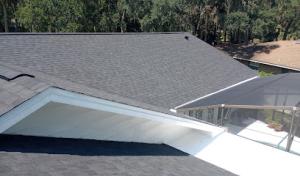
Skylight work appears often enough in the market to merit dedicated attention, suggesting homeowners regularly need repairs at these penetrations. The opening sits at a natural weak seam where flashing, sealant, and the surrounding deck meet. When a roof ages or storm debris strikes, that corner becomes a prime leak source even if the rest of the roof looks intact.
In the heavy-rain climate, skylight flashing and surrounding underlayment details are common weak points when roofs age or storm debris impacts the opening. A compromised flashing pan or a deteriorated seal allows water to travel along the curb and into the attic or ceiling. Tiny gaps can become large leaks after a brief heavy downpour.
Post-storm leak tracing often requires distinguishing between field-shingle damage and water entry at penetrations such as skylights. Water can travel horizontally inside the roof deck, masking the true origin. Look for staining patterns, wet insulation near the skylight, and corrosion or uplift at the flashing corners to pinpoint the root cause.
Careful inspection should start with the skylight curb, flashing beads, and sealant around the frame. Check for loose or cracked shingles nearby that could funnel water toward the skylight during a surge. If any doubt remains after a storm, treat the skylight as a priority-delays magnify rot risk and interior damage.
Find contractors experienced in skylight installation, flashing, and leak repairs to bring natural light into your home.
Expert Roofing Repairs
(619) 860-0329 expert-roofing-repairs.ueniweb.com
3821 Clyde Morris Blvd, Port Orange, Florida
4.9 from 22 reviews
Daytona Roofing Services
(203) 660-2074 daytona-roofing-services.ueniweb.com
Serving
5.0 from 20 reviews
Port Orange's contractor scene leans heavily toward reroofing, so you'll mainly run into crews that focus on replacement rather than niche new-construction specialists. That means you want a team that treats your project as a complete roof replacement, with attention to tearing off, debris cleanup, and proper disposal. Expect wind-driven shingle failure and salt-laden humidity to push crews toward full installations rather than partial repairs. This awareness helps you plan for a crew that can handle a full roof cycle without chasing tangential trades.
In the aftermath of a storm, homeowners look for fast, clean, and safe service. The right ro off er should answer calls promptly, arrive on schedule, and establish a clear plan for tarping leaks, securing the site, and preventing secondary damage. Cleanup matters just as much as the installation itself, because debris and loose shingles can delay insurance workflows and leave your yard littered. Ask about their post-storm process: how they establish containment, manage waste, and finalize the site once the job is complete.
Local trust is built on reliability and communicative service. You'll notice that the most valued firms are family-owned, prioritize residential projects, and maintain consistent crews. These firms tend to provide steadier timelines, direct point-of-contact for questions, and faster responsiveness when you need a sudden leak fix or a weather-related touch-up. Look for references from nearby neighborhoods with similar homes and roof types.
A good Port Orange roofer demonstrates readiness for hurricane-season challenges: wind-rated materials, fast-tarp options, and clear warranty language that covers wind uplift, workmanship, and replacement of damaged sections. Ask how they handle temporary fixes during a storm, and what verification steps they take to ensure leaks are permanently resolved after the roof is installed.
Start with a thorough site visit and written plan, then compare the proposed scope, materials, and a realistic timeline. Verify they own proper insurance and have solid local references. Request a point of contact for dry-down days, a projected cleanup schedule, and a clear outline of what happens if weather interrupts the work. In Port Orange, you'll find familiar, responsive teams that align with storm-resilience needs and reputable, neighbor-trusted service.