Last updated: Apr 19, 2026
New Smyrna Beach sits on Florida's Atlantic coast and faces direct hurricane-season exposure from June through November. The mix of mainland neighborhoods and the beachside barrier-island area means roofs encounter both salt spray and intensified wind gusts. The moment a storm warning shifts to a hurricane watch, the clock starts ticking: wind-driven rain can breach weak seams, lift shingles, and drive water into attic spaces before you notice it from the living room. This reality makes proactive protection and rapid response non-negotiable, not a suggestion. If you know a storm is coming, you prepare now, not when the first bands arrive.
When a forecast calls for heavy wind and rain, the priority is to prevent water intrusion. Move outdoor items away from the roof edge and secure loose equipment that could become dangerous projectiles. For roofs with visible wear, consider temporary tarping from the outside at the earliest safe opportunity, focusing on damaged areas or missing shingles that could funnel water into the attic. Inside the attic, check for signs of moisture early: damp insulation, stained plywood, or a musty smell that isn't present in dry weather. If a leak appears, place a clean bucket under the drip and capture the water to minimize interior damage while awaiting help. Do not attempt risky climbs during an active storm-wait for professional teams if winds are above a safe threshold. The goal is to keep water out long enough to reach a stabilized state after the storm passes.
The beachside area magnifies corrosion concerns due to salt air and coastal wind. Roof penetrations-vents, chimney flashing, or skylights-are common failure points after a storm. Corrugated metal components can corrode faster, and fasteners may loosen under sustained gusts. If your roof has coastal-approved flashing, inspect the integrity of those seals after a storm and before clear weather returns. Salt-salted wind also accelerates wear on gutters and downspouts, which can back up and force water toward the roof deck. After a storm, pay close attention to any rust on metal components, and schedule an inspection promptly if corrosion is noticeable.
Once the weather clears, perform a cautious exterior inspection from the ground, noting loose shingles, lifted edges, broken flashing, or damaged vents. Do not climb onto a damaged roof during uncertainty or after heavy rainfall; instead, arrange a qualified roof professional for a thorough assessment. Document everything with clear photos-close-ups of missing or damaged sections and wide shots of the overall roof condition. This documentation will be invaluable for insurance conversations and repair planning. If leaks are visible from inside, capture the affected areas' ceiling and attic spaces as well, since moisture tracking helps prioritize urgent repairs. Keep a detailed record of dates, weather events, and observations to accompany any insurance claim.
In the weeks after a storm, prioritize temporary weather-tightness: tarps over damaged sections, resealed flashing, and any temporary repairs that restore a passable barrier against rain. If your roof has multiple tracks of failure-shingle loss in one area and degraded flashing in another-address the most critical zones first to minimize interior exposure. Work with a local contractor who understands how New Smyrna Beach storms behave: they will know the best sequence to re-secure the roof and restore venting, drainage, and deck integrity, while minimizing further exposure to the salt environment. In all steps, safety comes first: avoid risky climbs or improvisation in wet, windy conditions, and rely on trained professionals for any structural work or roof lifting.
In a barrier-island setting with constant salt-air exposure, metal roofing stands out for long-term performance. Coastal contractors in NSB specialize in metal systems, and the weathered coastal reality makes metal's wind resistance and minimal maintenance appealing. When choosing metal, look for coatings rated for salt corrosion resistance and a standing-seam profile that reduces fastener exposure. A solid color with a light reflectivity helps curb heat buildup under the Florida sun, which translates to gentler underlayment wear over time.
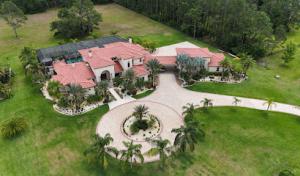
Clay and concrete tiles are common in coastal Florida architecture and suit the look of many NSB homes. The key is ensuring the underlayment is in top shape and that the fastener pattern is designed for high-wind events. Tile requires careful inspection of the roof deck and a continuous, properly vented underlayment to manage moisture during tropical downpours. Wind-rated tile systems with correct edge fasteners and appropriate ridge and hip assemblies perform better in hurricane-season gusts. If a tile roof has arches or complex geometry, verify that the flashing around chimneys and penetrations is reinforced to prevent water intrusion during heavy rain.
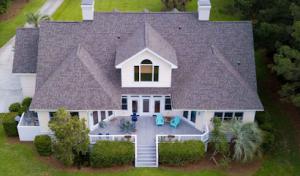
Asphalt shingles remain a practical, familiar choice for many NSB homes, but the local climate accelerates wear compared to drier locales. Granule loss tends to show up sooner under intense heat and humidity, and algae staining can nick the curb appeal and reduce UV protection. Look for asphalt products with algae-resistant ratings and a long warranty, plus a high-quality sealant and water-shedding performance. When installing or inspecting, check the distal edges and rake details for proper sealant beads and ensure the shingles are fully integrated with a robust drip edge to channel rain away from fascia and soffits.
Across material types, the underlayment in this market must be able to handle repeated wet-dry cycles and high humidity. A breathable, polymer-modified synthetic underlayment often performs better in NSB than traditional felt, particularly under metal or tile. Ensure flashing around vents, parapets, and skylights is corrosion-resistant and secured with sealant compatible with salt spray. For hurricane-season readiness, confirm that the entire roof system has wind-rated components and that fasteners are compatible with the chosen sheathing and coating.
Every year, perform a thorough inspection after major storms and after the rainy season's peak. Pay attention to loose fasteners, exposed edges, and any signs of moisture intrusion in the attic. Create a quick-damage checklist for storm events: secure loose panels, protect vents with temporary coverings, and document pre-storm conditions with photos for insurance claims. When a storm threatens, have a plan to protect the most vulnerable roof zones first-valleys, penetrations, and roof-to-wall connections. If damage occurs, document it promptly and stay aligned with your insurer's requirements to streamline the claims process. New Smyrna Beach homeowners who know their roof's material profile-and its maintenance quirks- emerge from hurricane-season with fewer surprises and more confidence.
In this barrier-island coastal market, a full roof replacement typically requires a permit. That means the project cannot proceed through a simple, local-only approval process; instead, permit applications for New Smyrna Beach are routed through Volusia County. The county system ensures the work aligns with county-wide wind and storm standards, which is especially important given the hurricane exposure and salt-air conditions that challenge fasteners, underlayment, and ventilation. When planning, expect the enrollment to involve your chosen contractor submitting plans, a scope of work, and a clear timeline to Volusia's permit desk. The county's review may coordinate with local building officials to verify roof system compatibility with your home's construction era, elevation, and existing setbacks.
After permit submission, inspections follow typical milestones: rough framing and final completion. The rough framing check confirms that the roof structure is sound, with attention to how the new system ties into the existing trusses or rafters, and whether the structural connections tolerate coastal wind loads. The final inspection confirms completion and compliance with the approved plans, but in this coastal climate, inspectors may note additional items. Expect added notes for wind resistance, underlayment choice, and material selection review, particularly where wind-rated underlayment, fastener patterns, and edge detailing are concerned. If wind mitigation documentation is part of the project, you may be asked to provide drawings or certified statements showing the installation adheres to Florida's wind-likelihood requirements. Having these items ready helps keep the process moving and reduces the chance of delays that sting your timeline during hurricane season preparation.
Coordinate closely with your contractor to ensure the plan set clearly documents the roof assembly, including the type of underlayment, the roof deck condition, and any ventilation improvements. On coastal properties, the choice of fasteners, the cadence of nail patterns, and the method of securing the roof-to-wall connections can influence permit review and wind performance notes. If you've got an older home, be prepared for questions about how the new system integrates with existing eaves, soffits, and attic ventilation. Provide any wind mitigation documentation the inspector may request early in the process, so you're not chasing paperwork after the job is underway. Because Volusia County staff will review material selections, it helps to have product sheets or manufacturer data on shingle or tile choices, underlayment ratings, and fastener corrosion resistance.
A strong package includes structural details, an outline of the chosen roof assembly, and a concise justification for the wind-related design decisions. Your contractor can help assemble stamped drawings and notes that reflect correct load paths, drainage considerations, and compatibility with coastal salt exposure. Remember that inspections are not merely formalities; they are aimed at ensuring your new roof will withstand the island's windborne debris, driving rain, and salty air. Planning for these steps ahead of time reduces friction, supports smoother wind-resistance verification, and aligns with Volusia's emphasis on hurricane readiness in roof construction.
This barrier-island community faces a steady onslaught from salt air, sea spray, and tropical storms, which keep roof conditions under constant scrutiny. Homeowners who see their roofs as static fixtures may underestimate how quickly a small leak or a loose shingle can become a major claim after a hurricane. In this coastal market, the quality of roof installation and ongoing maintenance directly influence underwriting decisions and the willingness of carriers to keep coverage affordable. The recurring wind and humidity can degrade fast, so a roof that looks solid from the curb may hide undercurrents of damage that insurers will notice only after a storm or a close inspection post-event. The lesson is practical: treat every maintenance item as a potential underwriting signal, not a cosmetic fix.
Insurers in this market may require wind mitigation documentation or specific shingle wind ratings before offering or renewing coverage. That means a roof's documented resilience to wind forces matters as much as its aesthetic condition. If a roof uses materials with established wind-resistance ratings, keep that information accessible. When a roof replacement happens, prioritize systems that meet recognized wind-performance standards for coastal Florida homes. The weather realities here translate into tighter underwriting criteria; a shingle or panel that survives a few seasons without curling, cracking, or lifting can make a difference in renewal terms. Don't assume a visually clean roof guarantees favorable terms-seek confirmation of the wind-rated performance and keep the supporting data ready for the insurer.
After a storm, adjusters commonly ask for contractor invoices, photos, and a completed depreciation schedule when processing roof claims tied to storm events. Having these items organized in advance can speed the recovery and reduce frustration during a stressful period. Maintain a simple record of every roof project: the contractor, dates, materials installed, and any weather-related damage notes. Take wide and close-up photos before and after repairs, focusing on evidence of wind uplift, hail impact, and water intrusion patterns. If you've already repaired a portion of the roof, document how the work aligns with the original system design and the current condition. The approach is practical: keep a straightforward trail that demonstrates the roof's performance history and the rationale for repairs when a claim is filed. The more coherent and complete the packet, the smoother the claim review process can be, which matters for homeowners navigating the stress of a storm-season year in this coastal environment.
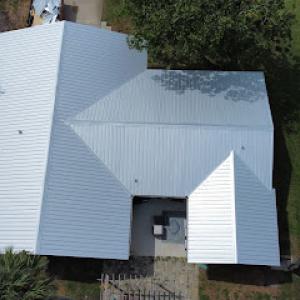
Riverview Roofing
(386) 314-9377 www.riverviewroofingnsb.com
507 Ball St, New Smyrna Beach, Florida
4.9 from 40 reviews
Riverview Roofing is your metal roof installation experts of New Smyrna Beach, Edgewater, Port Orange, and surrounding Volusia County areas since 1985. Owned by industry veteran Louis Muni, we bring four decades of roofing experience to every project. As a Florida Certified Roofing Contractor with an active license and an A+ Better Business Bureau rating, we specialize in new roof installations, replacements, seamless additions, maintenance, and emergency services. Our skilled team handles metal and shingle roofs, promoting energy efficiency and environmental responsibility. We pride ourselves on quality, professionalism, and customer satisfaction, fostering lasting relationships with our clients. Contact Riverview Roofing for Estimates
Florida Blue Roofing
(407) 901-1343 floridablueroofing.com
307 Caryota Ct, New Smyrna Beach, Florida
4.9 from 33 reviews
At Florida Blue Roofing, we take a customer-centric approach to everything we do. We believe in listening to our customers' needs and tailoring our services to meet those needs. Our goal is to build long-lasting relationships with our customers by providing exceptional service and quality workmanship.
Sun Coast Roofing & Solar
(386) 423-0656 www.suncoastroofing.com
1919 N Dixie Fwy, New Smyrna Beach, Florida
4.5 from 224 reviews
Sun Coast Roofing & Solar is your Florida based full-service Residential & Commercial Roofing Contractor. Specializing in re-roofs, repairs, storm damage and insurance claims! Experienced in all types of roofing from tile, slate, shake, specialty & custom metals to shingles and we now proudly offer our customers the option to go solar. Family-owned and operated with over 10 years of experience. Local, Licensed & Insured. Give us a call to set-up an appointment for a FREE estimate! The Last Roof You'll Ever Need!
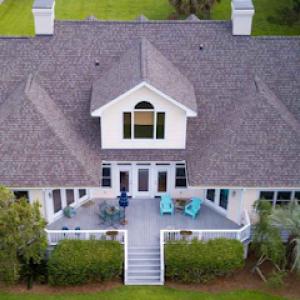
J&M Roofing Services
(386) 777-1122 www.jandmroof.com
2700 N Dixie Fwy, New Smyrna Beach, Florida
4.7 from 15 reviews
J&M Roofing Services offers roof inspections, roof repairs, and roof replacements. Call us today for a free same day roof inspection. Financing Available!
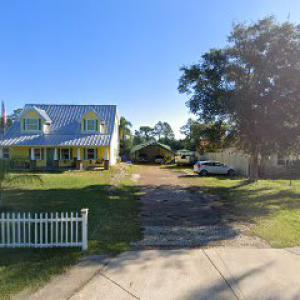
Affordable Roofing & Construction
(386) 314-7108 roofingnewsmyrnabeach.com
895 Ingham Rd, New Smyrna Beach, Florida
5.0 from 3 reviews
We are the foremost experts in roofing services and roof repair in New Smyrna Beach. We have been providing roof repair solutions to our customers since 1974 and we handle all aspects of roofing work in New Smyrna Beach, for both commercial and residential buildings, including shingles, tiles, sheet metal matching and any necessary roofing structural work. Having good roofing is important for every home and business, because poor roofing can lead to leaks and damage that may devalue your property. For this reason, any roofing problems or roof repair work should be handled as soon as possible by an expert. Because of the dangerous nature of this work, you should not attempt any roofing work on your own. Call us for an estimate today!

G&W Roofing
(386) 749-8287 www.gwroofing.com
Serving
4.6 from 343 reviews
G&W Roofing has been proudly serving homeowners throughout the greater Edgewater area for more than 35 years. As a family-owned and locally operated business, we specialize in roof repairs and replacements, delivering dependable workmanship backed by our 25-Year Craftsmanship Warranty on every new roof. But what truly sets us apart isn’t just the quality of our roofs—it’s the experience we provide. From the first call to the final inspection, we prioritize clear communication, careful attention, and reliable follow-through, creating what we call The G&W Roofing Experience. Trusted by thousands in Edgewater, we’re dedicated to protecting your home and your peace of mind. Contact us today to schedule your free estimate.
Ellis Roofing & sheet metal
(386) 314-3142 ellisroofing386.com
Serving
5.0 from 67 reviews
We specialize in metal, shingle, and flat roofs. We offer free estimates and no job is too small. We also offer a 5 year workmanship warranty on all our new roofs.
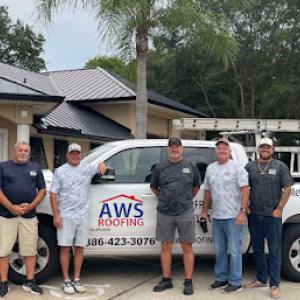
AWS Roofing Services
(386) 423-3076 www.awsroofing.com
Serving
4.4 from 83 reviews
AWS Roofing is a family owned and operated roofing business located in Edgewater, Florida serving both residential and commercial clients. We are committed to providing superior services and products with a proven track record of serving our clients with integrity since 1987. AWS Roofing is state-licensed, fully insured and bonded. We offer a state-of-the-art custom computer sheet metal shop for all types of flashing and custom coping.
Tim's Emergency Roofing Repairs
(850) 613-8025 tim-s-emergency-roofing-repairs.ueniweb.com
Serving
4.8 from 18 reviews
Tim's Emergency Roofing Repairs offers high-quality roofing design and services in Edgewater. We are seasoned roofers who deliver top quality and budget-friendly roofing services. Get in touch with us on +18506138025. When you hire us, you know you’re getting skilled, passionate technicians you can trust to do the best job possible. And, as a bonus, we always feature competitive pricing on our services.
Bob's Roofing & Gutters
(833) 462-6271 bobsroofingandgutters.com
Serving
5.0 from 92 reviews
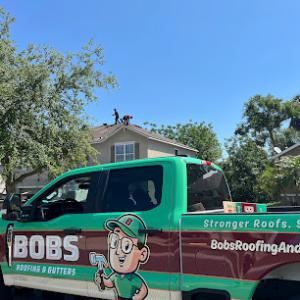
Bob's Roofing and Gutters, based in Port Orange and Umatilla, Florida, brings decades of expertise in roof replacements and repairs. Our dedicated team prioritizes customer satisfaction, guiding clients through every step to ensure a smooth, stress-free experience. We promise 'Quality Through the Roof' service, using top-tier materials and skilled professionals for outstanding results. Additionally, we offer expert gutter installations and maintenance, protecting your home from water damage. Choose Bob's Roofing and Gutters for reliable, quality service that enhances your home's value and beauty.
Astro Roofing
(386) 760-8933 astroroofinginc.com
Serving
4.9 from 238 reviews
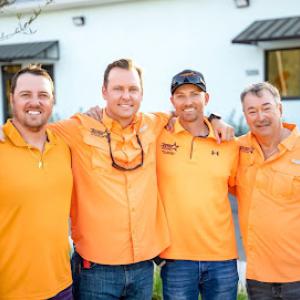
Astro Roofing is a family owned and operated roofing company established in 1986. Residential/Commercial. Shingle, Metal, Flat roofing experts. Every job is owner supervised to ensure top quality. All work done in accordance to Florida Building Code standards, as well as our own professional standards.
Professional Choice Roofing Deland
Serving
3.6 from 7 reviews
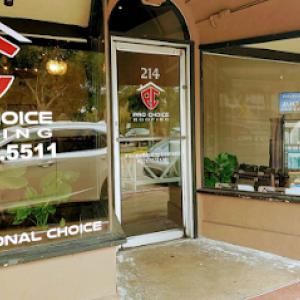
At Pro Choice Roofing Deland, you can count on us to consistently provide high quality services for your home, regardless of the size or scale of your roof! Our company was founded on the principle of truly 'serving' our customers, we are in business to exceed your every expectation. Our core roofing services include full roof replacements of asphalt shingles, metal, slate, tile, flat and commercial roofing! We take pride in our reputation as one of Deland's most trusted, and qualified roofing professionals in the area. When you're looking for the best for your home, the decision is easy with Pro Choice!
Replacement activity concentrates in the dry season because New Smyrna Beach's frequent rain and tropical systems make scheduling and dry-in more difficult in wetter months. That means planning for a roof replacement is best if you target a window when skies are predictably clear, humidity is lower, and wind is calmer. The dry season typically offers fewer weather interruptions, smoother material handling, and more reliable adhesive cures for sealants and underlayment. If your roof is nearing the end of its life, align your project to start as the long-range forecast shows a stretch of dry days rather than a sudden squall.
Heavy summer rain and thunderstorms can slow tear-off, underlayment installation, and material staging. In a coastal climate, brief but powerful squalls can interrupt work and jeopardize moisture-sensitive steps. Your crew should schedule the teardown for consecutive dry days, with a contingency plan for unexpected showers. If a tropical system is forecast, shift the timeline earlier or later to avoid having tarps or exposed decking while a front passes. Communication with the weather window is essential; a tight, realistic plan prevents delays that cascade into irritants on a busy street with nearby homes.
Dry winter months generally reduce moisture-related delays and can improve adhesive cure conditions for some roofing products. Cooler, drier air helps sealants set properly and allows shingles, tiles, or panels to lay flat without wind-driven dust and moisture complicating the process. Prior to the start, verify that soffit and drip-edge work can proceed in the anticipated cool mornings, and ensure that staging areas stay dry and organized. A focused crew can move efficiently in this season, minimizing the chance of rain-backed rework.
Begin with a thorough inspection to identify wind-damaged or salt-crusted components that need attention before tear-off. Schedule the tear-off in the first dry stretch, then move quickly to underlayment and flashing with protective tarps in place. Have a provisional plan for temporary protection of vulnerable structures during longer dry spells, and coordinate with neighbors to minimize street congestion, common in tight island neighborhoods. Finally, set expectations for post-application curing times, especially on coastal mornings when sea breezes may influence temperature and humidity.
Get a clear picture of your project costs upfront - no commitment required.
Sun Coast Roofing & Solar
(386) 423-0656 www.suncoastroofing.com
1919 N Dixie Fwy, New Smyrna Beach, Florida
4.5 from 224 reviews

In New Smyrna Beach, costs reflect barrier-island conditions, constant salt-air exposure, and storm-driven scheduling realities. Local price ranges run per square from $350 to $650 for asphalt shingles, $600 to $1100 for metal, $700 to $1300 for clay tile, $650 to $1200 for concrete tile, $500 to $900 for wood shingles or shakes, and $450 to $800 for synthetic or composite shingles. Costs can rise locally when storm demand surges after tropical events, tightening labor availability and extending scheduling in the area. Costs tied to wind resistance or underlayment can add administrative complexity compared with a simple patch repair.
Asphalt remains the most common and typically the most affordable option, especially for renovations or quick repairs after a storm. Expect pricing in the lower to mid range of the asphalt band, with longer-term savings if you choose a weight class or wind rating that reduces future flashing fixes. In flood-prone areas or if retrofit underlayment is needed, scope can shift upward.
Metal can be a strong hurricane-season choice due to wind resistance and durability against salt spray. The wide price band reflects gauge, coating, and installation complexity. If your roof has complex geometry or needs upgraded fasteners, budgeting on the higher end helps avoid mid-project surprises. Scheduling can stretch when storm demand spikes, so plan ahead.
Clay tile offers longevity and a distinct coastal look, but weight and roof-substructure requirements matter in this market. The per-square range accommodates higher labor intensity and the need for precise tile layout. After major storms, crews with tile experience may be scarce, nudging final costs upward.
Concrete tiles balance durability and weight, with substantial wind-resistance potential. Expect costs toward the upper middle of the range when re-tiling or retrofitting fasteners and underlayment to coastal performance standards. Storm-driven demand can extend timelines and influence material availability.
Wood remains appealing for certain aesthetic finishes but requires vigilant moisture management and maintenance. The range reflects variability in species choice and treatment. In a hurricane corridor, anticipate tighter scheduling and potential upgrades to moisture barriers, which can push costs higher than basic patch repairs.
Synthetic options can mimic traditional looks with often improved moisture resistance and lighter weight. The price band captures a balance between material quality and installation precision. After storms, availability can tighten, affecting both price and lead times.
Don't let upfront costs delay a critical repair - these contractors offer payment plans to fit your budget.
Sun Coast Roofing & Solar
(386) 423-0656 www.suncoastroofing.com
1919 N Dixie Fwy, New Smyrna Beach, Florida
4.5 from 224 reviews
J&M Roofing Services
(386) 777-1122 www.jandmroof.com
2700 N Dixie Fwy, New Smyrna Beach, Florida
4.7 from 15 reviews
Although steep-slope systems dominate, local contractor signals show recurring demand for low-slope roof work in this market. In a barrier-island setting, even small lapses in membrane seam integrity can turn into stubborn leaks after a heavy summer shower or a tropical downpour. When planning updates or repairs, prioritize the transition zones where the flat or near-flat sections meet higher pitches, plus any parapet interfaces that face prevailing winds from the east or southeast. Insist on a continuous, field-rolled membrane with properly sealed edges and scuppers that drain reliably without backing up in storm conditions. A minor deterioration at a low-slope surface can escalate quickly in hurricane season, so treat suspect patches as urgent rather than routine.
Skylight repair appears often enough in local service offerings to indicate that flashing and penetration details are a real homeowner concern here. Leaks around skylights usually originate at improper flashing, loose fasteners, or degraded sealants, especially after salt-laden winds push water toward the flange. When evaluating a skylight, check the flashing pan for corrosion or lifting, the top seal around the curb, and the shingle-to-flash transition on all sides. In humid, rain-prone settings, even small gaps can become channels for water during a storm. Consider upgrading to models with reinforced flashing or adding secondary drip edges and a continuous sealant bead that remains flexible in heat and salt spray.
In a humid, rain-prone coastal setting, leak-prone transitions and penetrations can become urgent quickly during summer storm cycles. Regular inspections after heavy downpours or named storms help catch issues before interior damage accumulates. Focus on edges where low-slope sections intersect elevated components, such as vents, chimneys, and skylights, as these are the most likely trouble spots. When a leak is suspected, address the likely culprit promptly rather than deferring until damp drywall and mold concerns surface. A careful, site-specific check routine can prevent small problems from becoming costly repairs.
Find specialists in TPO, EPDM, and built-up flat roofing systems for residential and commercial properties.
J&M Roofing Services
(386) 777-1122 www.jandmroof.com
2700 N Dixie Fwy, New Smyrna Beach, Florida
4.7 from 15 reviews