Last updated: Apr 19, 2026
In this inland Central Florida pocket, the window to replace a failing roof is unusually narrow. The hot, humid summers push materials to their limits, while frequent rain and sudden downpours interrupt tear-off work and complicate the dry-in process. A roof tear-off can stall mid-tear, or a new roof can't safely dry in if a passing thunderstorm snaps you back to square one. The practical effect is simple: if a roof needs replacement, the timing of that project matters more here than in many other places. You're balancing the heat, the humidity, and the risk of a weather delay that can extend weeks of work into a single storm season. When a repair becomes a full replacement, you want to lock in a window that minimizes rain risk, maximizes material cure time, and keeps crews moving rather than waiting on Mother Nature to cooperate.
Summer thunderstorms and tropical activity are more than a nuisance in this climate; they are a project killer if you're trying to finish a full replacement. The most predictable, repeatable schedule comes during the dry season, when afternoon clouds don't explode into sudden downpours and when humidity levels cooperate enough to allow a proper seal and fastenings. The dry season won't eliminate weather delays altogether, but it reduces the odds of a storm interrupting progress, dries in underlayment and shingles more reliably, and helps crews meet your project milestones. If you wait through a wet season, you risk a cascade of weather holds that pushes your roof into a window where a single hurricane system could derail the entire schedule.
After a storm, insurers keenly track roof conditions, up-close and over time. Delaying an aging roof through the peak of hurricane season can create both leak risk and underwriting tensions if a storm hits and a review finds a critical vulnerability. In a place where storm activity concentrates risk and premium history, a late-season replacement can complicate claims or coverage reminders, even if a repair seems technically possible. The moment a major weather event passes, the clock starts on renewed scrutiny of the roof's condition. If a roof is already aging or showing active issues, delaying replacement through hurricane season can translate into greater exposure to leaks, interior damage, and potential underwriting issues.
If signs point to a replacement, secure a plan before the next wave of storms arrives. Talk with a trusted local contractor about prioritizing a full tear-off and dry-in during the dry season, while coordinating delivery windows for materials that can be scheduled ahead of the predictably busy period. Prepare for a constrained but decisive schedule by clearing access paths, safeguarding landscaping, and arranging temporary protective measures to minimize interior exposure should a sudden shower occur mid-project. Maintain open communication with your insurer and contractor about preferred timing, contingency plans for weather holds, and the critical importance of completing the tear-off and dry-in during the predictable weather cycle. In short, act now to lock a dry-season window, aim for continuous progress, and build in weather contingency to keep your home protected through the storm season.
The dominant roof systems in Lake Wales are asphalt shingles, metal roofing, clay tile, concrete tile, wood shingles or shakes, and synthetic or composite shingles. In this market, the choice isn't just about style; it's about how the material handles heat, humidity, and the typical afternoon downpour, along with how wind-rated it is and how often maintenance will be required. The heat, humidity, and frequent rain here accelerate wear differently by material, so local material choice hinges on moisture tolerance, wind performance, and maintenance burden more than aesthetics alone. Tile and metal show up more often because homeowners are balancing storm durability and longer replacement cycles with heat exposure, rather than chasing the lowest upfront cost. That means when you're deciding, you're weighing long-term resilience against your yearly maintenance tolerance.
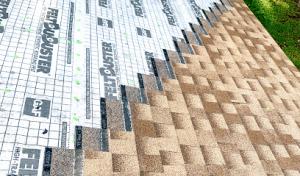
Asphalt shingles are familiar and affordable, and in many homes you'll find sturdy options that are rated for higher wind speeds. In Lake Wales, you'll want shingles with good sealed edges and a solid underlayment to resist summer downpours. Look for wind-resistant courses and quality installation details like proper nailing patterns and roof deck ventilation. Because heat can soften or warp lower-grade materials faster, pay attention to a manufacturer's warranty for Florida-specific conditions and confirm the attic is ventilated to keep the decking dry and the shingle adhesive effective during the peak humidity months.
Metal roofing offers strong wind performance and is less prone to rot, which is a plus in humid climates. It can reflect heat and potentially lower cooling loads when installed with an air gap and appropriate underlayment. In practice, metal roofs in this area benefit from fully sealed seams and a thoughtful color choice to minimize heat absorption. Maintenance is comparatively light, but panels should be inspected after hurricane season and after any hail events. If you expect rapid temperature swings or heavy downpours, confirm panels are rated for Florida wind speeds and that fasteners are corrosion-resistant.
Tile systems handle heat well and provide a long lifespan, but their weight and breakage risk during storms call for careful structural checks and professional installation. Clay tile tends to show weathered edges more quickly under intense sun, while concrete tile usually offers greater impact resistance. Both require a solid underlayment and proper flashing around vents and chimney throats to prevent moisture intrusion during heavy rain. Regular inspection for cracked or displaced tiles after storms helps keep the roof watertight, as broken tiles are a common entry point for humidity-driven issues.
Wood shingles or shakes bring a distinctive look but demand higher maintenance in this climate. They can be susceptible to moisture absorption, warping, and faster rot if ventilation isn't ideal. For storm readiness, ensure treated, decay-resistant species are used, with meticulous sealing at fasteners and through-fastenings. Routine trims and moisture checks keep maintenance manageable in the humidity-heavy months and after downpours.
Synthetic or composite shingles aim to blend resilience with convenience. They often perform well in hot, humid environments and can mimic other textures while offering good wind resistance. Look for products with Florida wind ratings and reputable warranties. Maintenance needs are generally lower than natural materials, but a careful inspection after storms remains essential to catch microcracks or seam issues before leaks form.
Storm season in this market emphasizes proactive timing. Schedule roof inspections early in the hurricane window to catch wear from the previous season and plan for re-roofing or repairs before peak winds arrive. A wind-ready approach means confirming that any material chosen has proven Florida wind performance, ensuring the installation uses proper underlayment, secure fasteners, and correct flashing around edges and penetrations, then keeping up with periodic checks after heavy rain events and tropical activity. With the right material for the house and a maintenance rhythm aligned to the region's weather patterns, a roof can balance durability, heat management, and long-term service life.
When budgeting a re-roof, price is easiest to digest in per-square terms. Asphalt shingles run from 350 to 700 per square, metal from 650 to 1300, clay tile from 900 to 1800, concrete tile from 850 to 1500, wood shingles or shakes from 500 to 1100, and synthetic or composite shingles from 420 to 850. In this market, those numbers translate directly into how many bundles or panels your crew can move in a single day, and how much time the job takes to complete without weather interruptions. The ranges reflect typical residential sizes and common underlayment and flashing needs found in this area's homes.
Costs rise when rain delays stretch into storm-season windows or when the heat slows productivity. On a hot July afternoon, crews slow down to protect materials and avoid heat-related hazards, and that idle time compounds labor costs. Storm-season pressure compresses installation windows, so crews may charge a premium for rushwork or for coordinating with supply chains that are slammed by a surge of calls. In practice, a re-roof that would otherwise be a 2-3 day project can drift into a longer schedule if multiple pop-up storms disrupt crews' momentum or if delivery windows back up. Expect some upward pressure on both labor hours and potential overtime during peak months.
Material choice strongly affects labor intensity locally. Tile systems-whether clay or concrete-typically require more specialized installation than basic shingle replacements. Metal roofs also demand precise fastening, careful nail patterning, and sometimes specialized underlayment or venting strategies, which can push costs higher per square. Asphalt shingles remain the most common and generally quickest to install, which helps keep labor costs more predictable. Understanding this helps align expectations: a premium tile or metal install will weigh more on both labor and handling fees, even before weather delays are considered.
If timing is flexible, plan to install a roof during a dry spell or shoulder season to minimize weather-caused delays. When that isn't possible, build a contingency into the estimate for extra days of labor and material handling. The tighter your window, the more you should expect to pay for expedited ordering, crane-ready setups, and material staging to avoid on-site downtime. Adjusting your scope to prioritize essential upgrades first can also help manage costs under pressure.
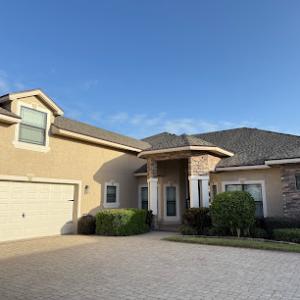
Taylor's Roofing
(863) 676-2555 taylors-roofing.com
108 Dr JA Wiltshire Ave, Lake Wales, Florida
4.8 from 113 reviews
Taylor’s Roofing provides complete residential services for new roof installation, roof repairs and storm damage repair. We have a track record of success built on superior service and reasonable rates. Our roofing company is the reliable Central Florida roofing contractor that you can count on to get the job done right, on time, and within budget. Our commitment to excellence is what sets us apart from other roofing companies. Please don’t hesitate to call or contact us for more information about roofing repair.
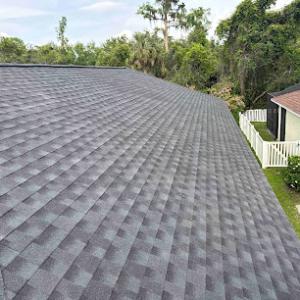
Menchaca Roofing
(863) 412-1449 www.menchacaroofing.com
118 E Stuart Ave ste d, Lake Wales, Florida
5.0 from 16 reviews
We are family owned and locally operated in the city of Lake Wales, FL. We have been serving Polk County for over 6 years. We owe our success to our three guiding principles; INTEGRITY, QUALITY, and HONESTY. The Menchaca Family is a hard working family who knows about the work it takes to become a homeowner. One of our biggest expense as a homeowner is roof replacement. Paulina says. "I founded Menchaca Roofing because I want to make sure families like mine can maintain beautiful homes and can take pride in homeownership. Let us show you the pride and dedication that we deliver with every project.”
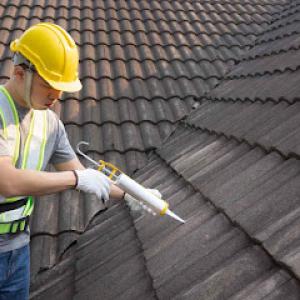
Forrest & Sons Roofing - Roofer Contractor & Roof Company
(352) 348-9122 forrestandsonsroofing.com
2400 Parakeet Park Blvd, Lake Wales, Florida
4.5 from 8 reviews
Forrest And Sons Roofing brings over 35 years of experience to the table across 3 states, and we're looking forward to bringing that expertise to your roof. Working throughout Southwest Florida from Lake Wales to Naples, we repair storm damage from hurricanes and hail as well as provide new roofing including roof coating, tiles, flat roofing, sealant, foam or single ply roofing and more. Working with residential and commercial clients since 1989. Call Today! (352) 348-9122
S&L Roofing
(863) 605-9585 sites.google.com
12395 Tupelo Ln, Lake Wales, Florida
5.0 from 2 reviews
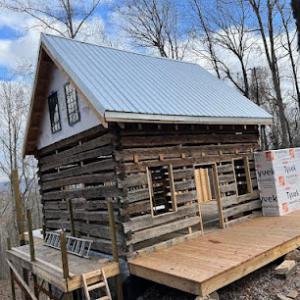
S&L Roofing is a local business in Lake Wales Florida, we provide customers with Roofing Replacements and Roof Repair; working with Architectural & 3-Tab Shingles along with Metal Galvalume Steel Roofing. Our service area includes Lake Wales and nearby locations within approximately one hour's drive. Durability, Dependability, and Safety Above All. We prioritize clear communication and will keep you updated throughout every step of the process.
RSM Builders
(863) 589-5994 www.rsmbuilders.com
107 W Orange Ave, Lake Wales, Florida
4.0 from 4 reviews
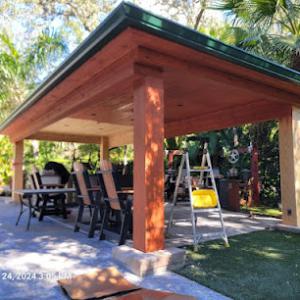
RSM Builders brings over 20 years of trusted experience in custom home building, remodeling, and additions throughout Polk County, Florida, and nearby areas. We also specialize in professional roofing services, including roof repairs and full replacements. Whether you're building from the ground up, updating your space, or protecting your home with a new roof, RSM Builders delivers quality craftsmanship and reliable service you can count on.
CH Evans Roofing
(863) 220-7290 www.chevansroofingfl.com
Serving
4.9 from 128 reviews
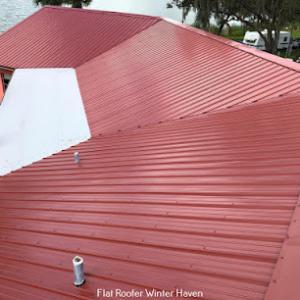
Are you looking for a reliable roofing company to install a new roof in your home or commercial property? If yes, CH Evans Roofing is here for you. We are a dependable roofing contractor Winter Haven with highly trained and experienced roofing technicians. Our skilled and well-equipped team can install asphalt shingles roofs, metal roofing systems, TPO, and other types of roofs. We use high-quality roofing materials from top brands, and most of our products come with the best product warranties. When you hire us, we will install your new roof quickly and correctly. Besides new roof installation, we offer roof repair, replacement, and maintenance services. Contact us today for a free new roof installation estimate.
Lemay Roofing
(863) 453-4555 lemayroofinginc.com
Serving
4.9 from 79 reviews
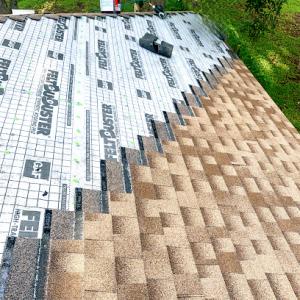
Family owned business that specializes in roof construction. We replace, repair, and install the roofs of homes/buildings with a variety of materials, including shingles, metal, and TPO.
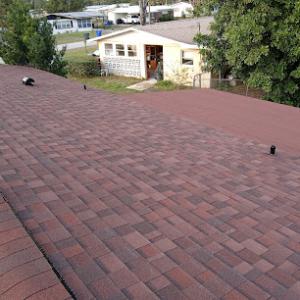
Zenith Construction Services
(863) 241-0855 roofingzenith.com
Serving
5.0 from 27 reviews
Zenith Construction Services is a local, licensed, and insured roofing contractor located in Frostproof, Polk County, Florida. Cover all Polk County and all Central Florida including Brevard, Highlands , Hardee, DeSoto, Charlotte, Hillsborough, Lake, Pinellas, Pasco, Manatee, Okeechobee, Orange, Osceola, Seminole, and Volusia. We specialize in both residential and commercial reroofing projects. We offer roof coating, TPO, roof tile, metal and shingles, siding repairs or installs in all of the State of Florida. We also provide fascia, soffit,and seamless gutters installation. Zenith Construction Services is committed to providing clients with the highest standards of workmanship and professionalism.
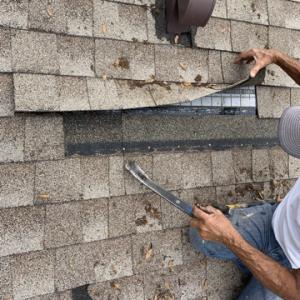
Dino Roofing Services
(407) 457-4888 dinoroofing.jobbersites.com
Serving
5.0 from 5 reviews
DINO Roofing Services is a licensed and insured roofing contractor committed to delivering high-quality, long-lasting roofing solutions across Florida. With decades of combined experience, we specialize in shingle, tile, metal, flat, and commercial roofing systems, offering everything from complete re-roofs to detailed repairs. What sets us apart is our customer-first approach—we don’t just sell roofing, we educate our clients. Through Zoom meetings, on-site walkthroughs, and transparent bids, we explain every step of the process so you feel confident about the investment in your home or property. From strict attention to detail, smooth permitting, and passing every inspection, to cleanup and customer support—we do it right from start
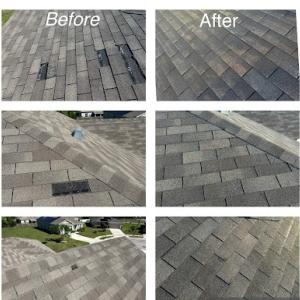
Storm Ready Roofing & Construction
(863) 257-8740 stormreadyroofingandconstructi.godaddysites.com
Serving
5.0 from 8 reviews
Storm Ready Roofing is a family-owned roofing contractor dedicated to providing top-notch service and quality. With years of experience passed down through generations, we take pride in our craftsmanship and commitment to our community. Specializing in shingle roofing, we ensure your home is protected and well-maintained. Our team understands the importance of a strong roof as the first line of defense against the elements. When you choose Storm Ready Roofing, you're not just getting a contractor; you're becoming part of our family. Trust us to keep your home safe and secure, no matter the weather.
Ovando Roofing
(407) 724-8717 ovandoroofing.com
Serving
5.0 from 22 reviews
Ovando Roofing With over 10 years of experience, Ovando Roofing delivers reliable, high-quality roofing solutions for homes and businesses across Central Florida. Licensed, insured, and bilingual — we’re the team you can trust to protect what matters most.
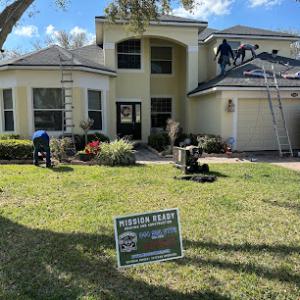
Mission Ready Roofing & Construction
(863) 692-6278 www.missionrrc.com
Serving
5.0 from 38 reviews
Mission Ready Roofing and Construction is a veteran-owned roofing company based in Winter Haven, FL. We focus on roof replacement Winter Haven and offer a variety of roofing services, including tile, asphalt shingle, metal, and flat roofs. Our team is dedicated to providing high-quality, reliable, and affordable roofing solutions for both homeowners and businesses. Whether you need a new roof or a replacement, we ensure every project is completed with attention to detail and a focus on customer satisfaction. At Mission Ready Roofing and Construction, we value honesty, integrity, and hard work. Reach out today to learn how we can help with your next roofing project.
A full re-roof in this area generally requires a permit before work starts, filed by the contractor through the City of Lake Wales or Polk County Building Department depending on jurisdiction. Before any shingle, metal, tile, or composite roof comes off, verify with the contractor that the permit is opened in the correct jurisdiction and that all required plans and wind-reinforced details are included. The permitting step isn't just paperwork-it's a safeguard that helps ensure the roof system is designed to stand up to Florida wind rules and the inland heat, humidity, and heavy summer downpours you experience here. Ask for the permit application number and the plan set your roofer submits; keep these handy as you move through the project.
Roofing inspections in this market typically include an in-progress underlayment or dry-in inspection and a final inspection to confirm code compliance. The in-progress check focuses on proper underlayment installation, flashing details around penetrations, and adherence to any wind-resistance requirements or storm-resilient features specified by the current code. The final inspection confirms that the roof assembly, fasteners, and overall workmanship meet Florida's wind and building-code standards. If a storm-related delay occurs, your inspector will still expect the same rigorous review, so coordinate with your contractor to align on inspection timelines and any required corrective work.
Local review concentrates on Florida wind-resistance and current building-code requirements, which is especially important for re-roofs completed in a storm-prone inland Florida city. The emphasis isn't only on a secure, watertight deck but on fastener patterns, nailing schedules, and appropriate venting and flashing for storm events. Expect the inspector to check that the roof system is compatible with the existing structure and that the selected materials and installation method meet or exceed wind-load requirements. If your chosen material is a tile or metal system, confirm that the underlayment and attachment method match the higher wind-performance standards that inspectors are increasingly enforcing in this area.
Plan to share the permit number with your lender or insurer if needed, and keep a copy of the inspection approvals as part of your home records. Confirm with your roofer which jurisdiction will handle the permit and what documentation will be provided at each inspection stage. If a storm reroute or weather window affects timing, discuss with the contractor how delays could impact scheduling and re-inspections, so you stay aligned with the code requirements and local expectations.
Lake Wales sits in Florida's high storm-claim insurance environment, so roof age, visible condition, and wind-mitigation details can directly affect underwriting and renewal decisions. In practice, that means a tired shingle roof or a dented metal panel can shift an insurer's risk assessment in a single renewal cycle. When carriers scrutinize a roof, they look for signs of wear from sun, salt-influenced humidity, and the spray of summer downpours, plus how well the roof can resist the next tropical-storm gust. If the roof shows aging or gaps in the wind-resistance features, expect tighter underwriting or a more conservative renewal outcome.
Florida carriers have tightened underwriting in storm-prone markets, and Lake Wales homeowners may be asked for detailed documentation of prior roof damage, repairs, and mitigation features before claims are settled. Concrete records matter: dates of repairs, contractor notes, photos of hail hits, wind-damage points, and any retrofit of edge-fastening or underlayment upgrades. If a claim comes after a wind event, insurers will compare what is reported now against the history on file. A missing shingle, a curling edge, or a faded vent boot can become a sticking point that slows settlement or affects coverage decisions. If a policyholder has invested in visible wind-mitigation improvements-like reinforced hip and ridge lines, upgraded fasteners, or secondary water barriers-having certified documentation ready can shorten back-and-forth with claims personnel.
After wind or rain events, Lake Wales homeowners should document exterior damage, interior leaks, temporary protection measures, and contractor findings because adjusters often want a clear record rather than a simple verbal report. Take timestamped photos showing the extent of missing shingles, lifted flashing, or planter-potting leaks that track along the roofline. Note any temporary tarping or boards used to protect the dwelling, plus the contractor's preliminary assessment of wind-driven damage and the urgency of repairs. When the adjuster arrives, bring the photo log, the repair invoices, and any wind-mmitigation certificates you hold. A well-organized dossier can help verify the severity of a storm's impact and prevent delays in the review of your claim.
Connect with contractors who help homeowners navigate the claims process from damage assessment to final approval.
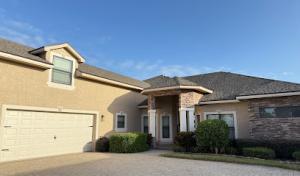
Taylor's Roofing
(863) 676-2555 taylors-roofing.com
108 Dr JA Wiltshire Ave, Lake Wales, Florida
4.8 from 113 reviews
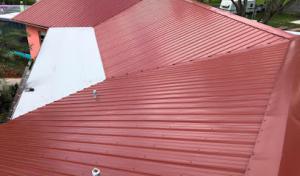
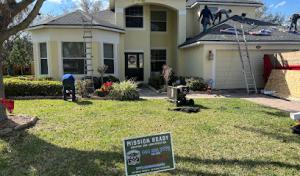
In Lake Wales, asphalt shingles can age faster under prolonged heat and humidity, especially when repeated summer wet-dry cycles stress older roofs. Expect quicker granule loss and potential blistering on hotter afternoons. Regular inspections after the peak of hurricane season help catch issues before leaks start.
Wood shingles and shakes are common in older Florida homes, but humidity and frequent rain increase maintenance burden and can shorten service life compared with drier regions. Expect higher moss and mold growth, accelerated rot at edges, and more frequent maintenance needs if you don't keep the roof clean and vented.
Tile roofs common here require attention to underlayment condition and storm-related displacement. Inspect for lifted or cracked tiles after heavy rain or wind events, and verify that underlayment remains intact beneath the tiles. Proper fastener selection and tile alignment help prevent leaks during downpours.
Metal systems need proper detailing to perform well through heavy rain and wind events. Check flashing at penetrations, edge details, and seam integrity after storms. Corrosion resistance matters in humid air, so confirm coatings remain intact around fasteners and seams.
Storm-season timing drives maintenance decisions. Proactive resealing, securement of loose components, and targeted repairs before the peak of the wet season reduce the chance of wind-driven damage. After a strong storm, recheck for displacement, loose fasteners, and any loosened ridge or hip components.
The flat and low-slope segments on commercial and some residential builds here are a real practical focus because the local contractor market shows steady commercial activity. That means you'll find trained crews who understand Florida wind rules and the specifics of low-slope assemblies, but it also means options can multiply quickly. Use that to your advantage by vetting a contractor who lists experience with the Florida wind-resistance requirements and with the moisture patterns that show up after a typical afternoon thunderstorm.
Frequent rain and thunderstorm patterns push drainage performance to the top of the list. On a low-slope roof, you want clearly defined primary and secondary drainage paths, unobstructed gutters, and properly sized scuppers or internal drains that won't clog during the wet season. In practice, that means confirming the site plan includes a reliable slope enough to move water toward drains, plus a plan for seasonal debris removal. Also check for edge drainage details and membrane transitions that resist wind-driven spray, which are common failure points in our climate.
Coatings are a visible part of the Lake Wales specialty mix, with property owners often leaning toward restoration or life-extension instead of immediate full replacement on eligible low-slope systems. If a coating is appealing, ensure the substrate is sound and compatible with the chosen product, and insist on a manufacturer-approved roof-science approach. The right coating can seal small leaks, add reflective benefits, and extend the roof's usable life between major overhauls, especially when a full replacement isn't immediately necessary.
In this market, predictable inspection after heavy rain events pays dividends. Schedule a post-thunderstorm check for flashings, edge details, and seam conditions. Keep a simple maintenance log so you track small issues before they become costly membrane repairs. For many homes with flat or low-slope sections, a proactive, no-surprise maintenance rhythm is the most practical route to enduring performance through the hot summers and gusty fronts that define the area.
Find specialists in TPO, EPDM, and built-up flat roofing systems for residential and commercial properties.
Forrest & Sons Roofing - Roofer Contractor & Roof Company
(352) 348-9122 forrestandsonsroofing.com
2400 Parakeet Park Blvd, Lake Wales, Florida
4.5 from 8 reviews