
Last updated: Apr 19, 2026
Auburndale experiences a steady rhythm of daily summer thunderstorm activity, and storm-driven wind events can push a reroof into a tight weather window. The pattern here is not a slow, predictable season but a sprint through narrow dry spells between bursts of rain. Homeowners who wait for "perfect" weather risk losing crucial dry-in time when a sudden shower interrupts tear-off, or when wind-driven gusts threaten exposed sheathing. The practical approach is to target the drier part of the year and align every step of the project to the rhythm of the afternoon storms that routinely pop up. Plan for a reroof to start only when a reliable two- to three-day dry window is forecast, with a contingency buffer for an extra light shower that could extend tear-off or impact the dry-in phase.
In this inland Polk County setting, the priority is getting the roof dried in quickly between thunderstorm windows. A fast dry-in reduces the risk of moisture intrusion during a sudden deluge and minimizes the chance of wind-driven leaks once shingles are in place. The key action is to coordinate crews to complete tear-off and underlayment in the first solid weather block, then immediately install drip edge, flashing, and starter courses so that the roof is weatherproofed even if a late-day shower arrives. Because storms can sweep through with little warning, experienced crews in this area schedule back-to-back days of work with a firm finish target, so a partial day doesn't leave exposed roof sections vulnerable to wind and rain.
Wind risk in this region doesn't pause for coastal distinctions; hurricane-season dynamics can drive replacements even when the shore is far away. A reroof in Auburndale needs to prioritize wind-rated components and secure fastening. That means using approved fasteners, proper nailing patterns for the chosen roofing material, and ensuring ridge and hip caps are properly secured once the main panels or shingles are laid. The schedule should build in checks for wind-resistance readiness before a forecasted storm improves, not after damage shows up. Reroof timing also benefits from aligning with manufacturers' guidelines on wind uplift performance, so a quick, proper installation can withstand the post-storm wind gusts that may accompany a band of rain.
You should lock in a minimum 48- to 72-hour dry window before tearing off, and keep the plan flexible to extend if a front stalls in the area. If a project faces a day-by-day forecast with high rain probability, communicate a staged plan: complete tear-off and underlayment only when conditions cooperate, then proceed with shingles as soon as a dry-in is secured. When possible, avoid the peak of hurricane season for the main replacement sprint, but prepare for the possibility that wind and rain bands can demand quick action with little notice. In this market, rapid communication with a trusted contractor is essential: confirm storm alerts, confirm protective tarping where needed, and establish a clear sequence of steps that minimizes exposed days.
Keep a short list of target dates tied to reliable forecasts, and maintain contingency access to materials and crew who can pivot quickly. Prioritize a plan that emphasizes securing the roof promptly once a dry-in window appears, even if it means adjusting the scope slightly to finish the critical weatherproofing elements first. The result is a roof that resists leakage and wind uplift during the next round of storms, with the confidence that quality installation won't be sacrificed to clock-watching or weather delays.
In this area, most full reroofs require a permit submitted through the Auburndale or Polk County building department process. The permit is not a formality, it is the framework that ensures the roof replacement meets local wind provisions, Florida Building Code requirements, and the specific storm-driven realities of the neighborhood. Before any material is lifted onto the house, confirm your chosen contractor is prepared to file the permit and to coordinate the plan review with the appropriate jurisdiction. A smooth permit path means fewer delays when the crew is ready to start and less risk of stop-work orders caused by missing documentation.
Start with a clear reroof plan that mirrors what will be installed, including underlayment type, nailing pattern, flashing details, and any ventilation or hatch adjustments. The review process places particular emphasis on wind-compliance details, underlayment, and reroof plans before work proceeds. Have the contractor provide a written scope that matches the engineering or product manufacturer specifications, especially if metal, tile, or synthetic products are involved. If your home has vented soffits, gable ends, or a dormer, note how those features will be integrated with wind-rated flashing and roof-to-wall transitions. Plan for a pre-installation site assessment by the contractor to confirm roof deck condition and any repairs that might be needed to satisfy wind resistance standards.
During permit review, the authority will examine how the roof is fastened, what underlayment is planned, and how the new roof will meet wind-zone requirements for the area. Expect questions about wind-rated fasteners, potential required roof-to-wall detailing, and the compatibility of accessories (drip edge, ridge caps, starter courses) with the chosen material. The plan reviewer will want to see the installation sequence, including how the underlayment laps, how nail patterns will be executed across hips and valleys, and how high-wind areas are protected against blow-off. For tile or metal roofs, be prepared to present product data showing wind uplift resistance and fall-protection measures for any roof penetrations.
Inspections typically occur after roof removal and again at final completion. At removal, inspectors verify that the deck is sound and that the new roof will be anchored to code-compliant nailing patterns. They will check flashing at transitions around chimneys, valleys, and vent stacks to ensure airtight and wind-resistant seams. After installation, the final inspection focuses on the completed underlayment installation, the continuity of nailing patterns across the entire surface, and the proper installation of flashing, drip edges, and detailing at edges and penetrations. If any components are not installed to the specified standard, a re-inspection will be required to confirm corrections have been made. The goal is to confirm that wind resistance is built into every layer and that the finished roof will perform under typical Central Florida storm conditions.
Work with a contractor who has recent experience navigating the Auburndale or Polk County review process, especially for reroofs in storm-prone neighborhoods. Schedule permit submissions early in the project timeline to avoid weather-induced delays. Keep the permit number handy and share it with the roof crew so their installation plan aligns with the approved design. If a reviewer requests updates or adjustments to flashing or underlayment, address them promptly to keep the project moving toward a timely, code-compliant completion.
Florida's hurricane claim environment has made roof age and prior repair history especially important for Auburndale homeowners seeking to keep or renew coverage. When a storm rips through Polk County, adjusters start by looking at how long the roof has stood, what repairs have been done, and whether the current structure still reflects the house's original wind-resistance design. A roof that shows its age or bears patches from quick fixes will raise questions about reliability during the next wind event, potentially translating into longer claim processes or tightened policy terms. You are more likely to face scrutiny if the roof is a mismatched patchwork rather than a cohesive system.
Adjusters in this market commonly compare documented roof age, visible storm damage, and wind-mitigation features when evaluating claims. Documentation matters: records of roof age, prior repairs, and any wind-resistance upgrades can influence expectations around coverage and claim outcomes. Visuals matter too: hail strikes, wind-blown shingles, and bare fasteners can all signal how well the roof would perform under another Florida gale. If the roof shows evidence of earlier wind events or insufficient attachment, expect a closer look at whether the roof still meets current wind standards or if a retrofit is warranted to achieve a smoother settlement process.
Older Auburndale homes may face extra scrutiny around wind-mitigation considerations during reroofing and insurance review. This means the choice of roof system, the method of installation, and any added wind-resistant features can matter beyond aesthetics or duration. Wind-rated underlayments, properly sealed penetrations, and compliant nailing patterns are not merely code talk; they influence how insurers perceive risk and how quickly a claim can move if the inevitable storm arrives. If a reroof is on the horizon, anticipate a conversation with your contractor about achieving a wind-resistance profile that aligns with insurer expectations, while still balancing long-term durability for this Central Florida climate. In practical terms, that often translates into selecting a roof system and installation approach that visibly demonstrates resilience to wind loads and storm-driven wear, rather than relying on older configurations that may no longer satisfy today's expectations.
Connect with contractors who help homeowners navigate the claims process from damage assessment to final approval.
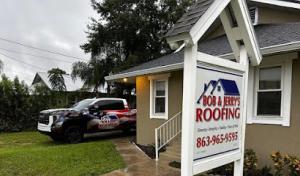
Bob & Jerry's Roofing
(863) 965-9595 bobandjerrysroofing.com
219 Orange St, Auburndale, Florida
4.9 from 387 reviews
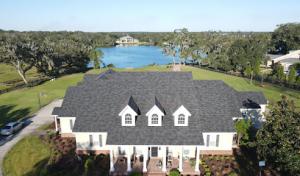
Copeland's Complete Construction
(863) 213-0543 www.copelandscompleteconstruction.com
1048 1/2 US-92, Auburndale, Florida
5.0 from 164 reviews
Bob & Jerry's Roofing
(863) 965-9595 bobandjerrysroofing.com
219 Orange St, Auburndale, Florida
4.9 from 387 reviews
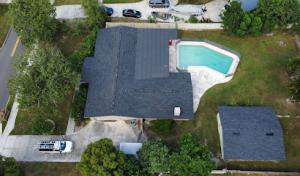
Bob & Jerry's Roofing is proud to be the top choice for residential roofing, gutters, and soft washing in Polk County. Our GAF President's Club awarded team is based in Auburndale, FL. We offer roofing installation and maintenance. We also provide seamless gutter repair and replacement service, soft washing, and skylight contracting for homeowners. We have been in business for over forty years. Our experience helps us provide the best service to our neighbors, no matter the job. Call us or visit our website today for a free estimate.
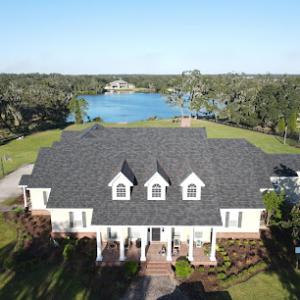
Copeland's Complete Construction
(863) 213-0543 www.copelandscompleteconstruction.com
1048 1/2 US-92, Auburndale, Florida
5.0 from 164 reviews
Copeland's Complete Construction provides roofing, interior and exterior remodeling, and commercial construction services in Polk County, FL, and surrounding areas. As a dependable roofing company, we understand that your home is your most valuable asset. That's why we back our work with 5 and 10-year workmanship warranties, giving you peace of mind long after the job is done. Our roofers are also committed to making the process as smooth as possible for you. That's why we offer free inspections and estimates, and we'll provide you with a detailed quote within 24 hours. From roof repair to kitchen remodeling, we've got the skills and experience to transform your home. Let's work together to bring your vision to life!
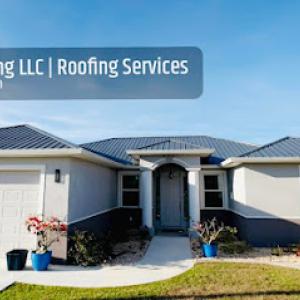
K1 Roofing
Auburndale, Florida
4.9 from 72 reviews
When it comes to Residential Roofing, Commercial Roofing, Roofing Restorations and more, no one compares to K1 Roofing With years of combined experience, K1 Roofing has worked hard to build the trust of our clients in Deltona and surrounding areas. Visit our website to learn more or better yet, call us today!
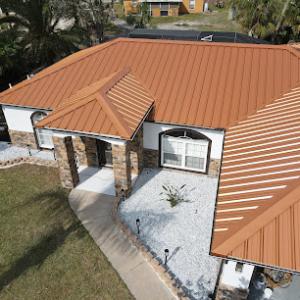
Straight Forward Construction
(863) 289-6654 straightforwardconstruction.com
305 Gandy Rd, Auburndale, Florida
4.9 from 108 reviews
Straight Forward Construction is an experienced roofing contractor serving Auburndale, FL, and surrounding areas. Whether you need roof repairs, replacements, or new construction roofing, our team is dedicated to providing reliable and efficient service. We also offer seamless gutters to protect your property from water damage. We take pride in delivering high-quality roofing solutions for both residential homes and new builds. Our team focuses on getting the job done right the first time, ensuring your roof is sturdy and dependable. If you're looking for roofing contractors in Auburndale, contact us today for a free estimate and let us handle your roofing needs with professionalism and care.
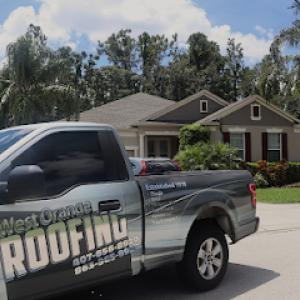
West Orange Roofing
(863) 965-8920 www.westorangeroofing.com
926 Magnolia Ave, Auburndale, Florida
4.6 from 41 reviews
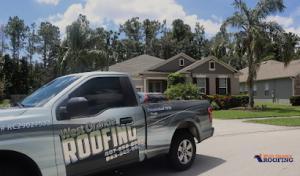
West Orange Roofing has been a trusted name in the roofing industry since 1978, providing nearly five decades of unparalleled service in Central Florida. We are a fully licensed & insured, third-generation, family-owned, and locally operated company, committed to quality, transparency, and lasting durability. That's why we back all our new roofs with a transferrable, lifetime warranty. Our Auburndale Branch proudly serves Hernando, Hillsborough, Pasco, and Polk Counties. Our experienced professionals specialize in architectural shingle, metal, tile, and flat roofs, inspections, and repairs. Whether you need an inspection or a major storm left you with a confusing insurance claim, contact us today and speak with your local roofing experts!
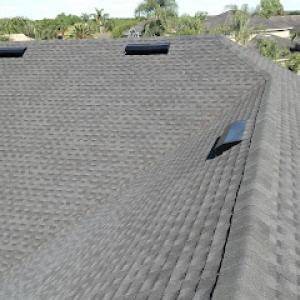
Romeo's Roofing
(863) 593-7808 romeosroofing.com
1815 Thornhill Rd Suite 309T, Auburndale, Florida
4.6 from 34 reviews
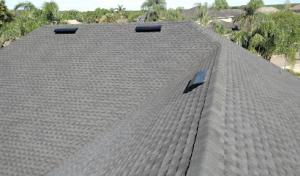
Romeo's Roofing is a locally owned and operated professional roofing company, serving Polk County, FL. We provide professional roof repair and roof replacement services in Lakeland, Winter Haven, Bartow, Auburndale & Davenport within your budget. Satisfaction guaranteed. Client expectations are our top priority for every roofing project. Get a free quote today.
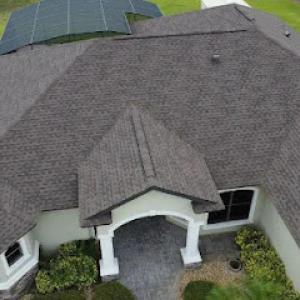
Olympus Roofing
(863) 232-6941 olympusroofing.org
1190 Old Lake Alfred Rd Unit 1206, Auburndale, Florida
5.0 from 10 reviews
Olympus Roofing provides expert roofing services in Central Florida and surrounding areas. Specializing in residential and commercial roofing, we offer reliable repairs, new installations, and comprehensive inspections. Trust Olympus Roofing for quality craftsmanship, durable materials, and exceptional customer service. Get your free estimate today!
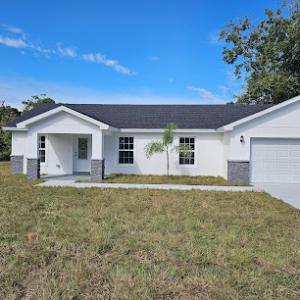
Eagle Roofing Systems
(863) 662-3166 www.eagleroofingsys.com
16 Alabama Ln, Auburndale, Florida
5.0 from 8 reviews
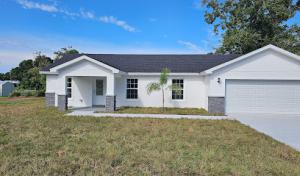
Free estimates and inspections. Eagle Roofing specializes in new shingle roofs, metal roof replacements, tile roofs, build up, TPO, leak repairs, hurricane damage, wind damage, tree damage whatever your Roofing needs call Eagle Roofing Systems today
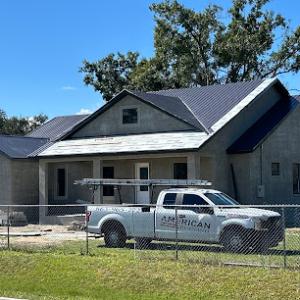
American Roofing & Construction FL
(863) 965-2727 www.americanroofing.construction
Serving
5.0 from 23 reviews
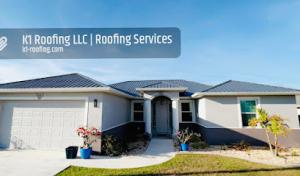
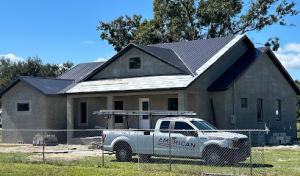
American Roofing and Construction FL is a locally owned roofing company based in Winter Haven, Florida, conveniently located off Havendale Blvd, right off 31st. We specialize in residential and commercial roofing, including new construction, reroofs, roof repairs, and roof inspections. Our team works with a wide range of roofing systems such as TPO roofing, modified bitumen,metal roofing, tile roofing, and shingle roofing. Driven to provide the best service to our customers, our goal is to deliver reliable, high-quality roofing solutions that stand the test of time. American Roofing and Construction FL is built upon Integrity in every decision and action, Quality in every roof we build, and Commitment to every customer we serve.
Filomeno Roofing
(863) 585-3487 www.filomenoroofing.com
Serving
5.0 from 24 reviews
Filomeno Roofing provides a top-rated solution to any issues a homeowner may experience with their roof. Whether its hurricane damage or a re-roof due to old age, we'll take care of it for you. We take pride on our affordable roofing products and services.
Polk Roofs
(863) 875-3436 polkroofsllc.com
Serving
5.0 from 14 reviews
Polk Roofs is an locally owned and operated roofing company, we serve all of Polk, and Central Florida Counties roofing for residential customers. Offering quality services using the best rated materials, we include warranty's on our materials and services. Reasonable costs with timely installations call for a FREE ESTIMATE for new roofs, reroofs, roof repairs, and roof inspections metal slate and shingles. Manufacturer and color of customers choice.
RIG Roofing
Serving
4.8 from 576 reviews
RIG Roofing is a faith based, family owned, award winning, Florida roofing contractor serving the greater Polk, Hillsborough, Orange, Lake, & Osceola County area of Central Florida. Franchising Nationwide. We service residential & commercial customers shingle, metal, tile roof systems, as well as tpo / pvc flat roof systems. No project is unimportant to us; whether it is a simple repair or an entire new roof. Our team will care for your roofing needs with honesty and integrity, as if it were our very own. When our highly trained roofing experts take on your project, you can trust that your roof is in the best hands. Inquire online or call today for a free roof assessment or to subscribe to our annual roof maintenance service.
The San Antonio-style humidity and hot days behind Polk County's inland pockets shape the way roofs behave in this part of the state. In this area, heat resistance and wind performance take center stage for any reroof decision. Reroof timing often aligns with storm forecasts and the window before the peak of hurricane-season winds, so understanding how each material handles heat, wind uplift, and rapid weatherproofing helps you pick a system that stays secure through frequent afternoon storms and sudden gusts.
Asphalt shingles remain the backbone of many local homes because they balance straightforward installation with solid wind resistance when properly upgraded to higher-quality premium bundles. In the Auburndale storm cycle, you'll value a shingle that has reinforced edges and good nailing patterns to resist blow-off during strong gusts. Modern architectural or laminated options can improve both curb appeal and wind performance, while maintenance remains relatively simple if you catch loose tabs or granule loss early.
Metal stands out for long service life and superior wind handling. When a reroof is driven by storm readiness, metal's ability to shed heat and resist impact during tropical showers becomes appealing. It also tends to outlive asphalt in areas with frequent big storms, reducing the number of reroofs over time. If cost is a consideration, weight and installation specifics matter, but the wind uplift performance is typically strong, which is important for this region's storm corridors.
Clay and concrete tiles bring excellent durability and a classic look that many homeowners desire in this climate. Tile roofs are notably resistant to wind when professionally installed with proper underlayment and correct nailing patterns. Tile's weight and long service life suit homes where storm performance and extended replacement cycles are priorities. The decision often hinges on roof structure's ability to carry the load and the desire for a more energy-efficient, heat-reflective surface.
Wood shingles or shakes offer distinctive aesthetics and good airflow under the roof plane, but they require more maintenance in a humid, storm-prone climate. If choosing wood, select rot-resistant species and ensure proper ventilation and moisture control. In areas with frequent summer storms, treated or rated varieties paired with defensive underlayment help mitigate warp and weather damage between reroofs.
Synthetic or composite shingles blend resilience with design versatility, often combining weather resistance with lighter weight and easier installation. They can emulate natural materials while delivering predictable performance in heat and wind. For homeowners weighing storm readiness against upfront costs, these options provide a middle ground with strong wind performance when matched to the right underlayment and installation technique.
Typical local reroof pricing runs about $350 to $700 per square for asphalt shingles, $700 to $1300 for metal, $900 to $1500 for clay tile, $750 to $1300 for concrete tile, $550 to $1100 for wood shingles or shakes, and $550 to $900 for synthetic or composite shingles. In practice, those bands reflect not just material choice but the realities of Central Florida weather, attic venting needs, and the age of the existing roof. A small, low-angled house might sit at the low end for any given material, while a multi-story home with steep pitch and complex fascia can push pricing upward quickly. For storm-prone seasons, crews may add logistics or surge fees that tilt prices toward the higher end of the range, especially if dry-in windows become tight.
Storm seasons create demand surges for reroof crews and dry-in scheduling becomes harder to secure. In Auburndale, that translates into shorter schedules, potential overtime labor, and limited availability for tarping, tear-off, and installation windows between afternoon storms. If you plan to replace during late summer or early fall, expect premium timing costs or a compressed window that can affect both price and workmanship quality. The best approach is to lock in a start date with a reputable local contractor well in advance of peak storm months, and verify they can maintain weatherproofing milestones even when a surge hits.
Permit requirements, wind-compliance details, and replacement of underlayment or flashing discovered during tear-off can materially change final reroof pricing in this market. Specifically, if the existing underlayment is weathered or compromised, or if flashing around hips, ridges, and chimneys shows wear, crews will factor in additional material and labor. When wind-rated underlayment or code-specific attachments are needed, budget adjustments are common. A thorough inspection before tearing off helps you anticipate these variables, and choosing a contractor who provides transparent, itemized bids helps prevent sticker shock during the project.
Material selection drives long-term value in this area. Asphalt remains the most economical upfront option, but metal, clay tile, and concrete tile offer distinct performance benefits in gusty conditions and heat. In storm-driven timelines, the choice also influences dry-in speed and the likelihood of re-closure delays if panels or tiles must be adjusted for wind zones. Weigh not only the sticker price per square but also the anticipated maintenance cycles, weight considerations for existing structures, and the local climate's impact on each material's life expectancy.
Get a clear picture of your project costs upfront - no commitment required.
Bob & Jerry's Roofing
(863) 965-9595 bobandjerrysroofing.com
219 Orange St, Auburndale, Florida
4.9 from 387 reviews
Copeland's Complete Construction
(863) 213-0543 www.copelandscompleteconstruction.com
1048 1/2 US-92, Auburndale, Florida
5.0 from 164 reviews
Straight Forward Construction
(863) 289-6654 straightforwardconstruction.com
305 Gandy Rd, Auburndale, Florida
4.9 from 108 reviews
In Auburndale, repeated summer storm exposure commonly turns small flashing or fastener issues into active leaks because roofs are hit by frequent rain events rather than occasional storms. The rapid downpours push water into tiny gaps and crevices that might otherwise sit harmlessly. A minor flashing lift after a heavy shower can become a full-fledged drip overnight, especially where roof lines intersect dormers, chimneys, or vent stacks. The practical takeaway is to treat even a small drip as a warning sign that a more comprehensive check is warranted-particularly after every significant storm or when a new leak appears after a heavy downpour. Delays in addressing these early signs increase the risk of widespread water intrusion and interior damage.
High heat and humidity in this part of Central Florida accelerate aging of roofing components and can shorten the useful life of materials that are already near the end of service. Shingle granules wash away faster, underlayment breaks down sooner, and sealants lose elasticity in the relentless sun. In practical terms, panels and fasteners that could have held for several more seasons under milder climates may fail earlier here, especially if the roof has already seen multiple reroof cycles. The pattern to watch is not merely wear on the surface but subtle changes in color, curling edges, or loss of behind-the-rafter support that show up well before a major failure.
Inspection attention to nailing, underlayment, and flashing reflects the local pattern that many failures begin at installation details rather than only at the field of the roof. Poor nailing can loosen shingles under wind gusts, while inadequately sealed flashing around vents, skylights, or transitions invites water entry after storms. Underlayment can deteriorate rapidly under the Florida sun, letting moisture penetrate even when the visible surface looks intact. Regular, targeted checks for tightness of fasteners, integrity of flashing seams, and condition of the underlayment are essential. When these installation-focused issues are left unattended, small problems evolve into recurrent leaks that complicate any single reroofing project.
Flat and low-slope roofing is an active specialty in the Auburndale market, reflecting demand beyond standard pitched residential reroofs. In the frequent rain and thunderstorm cycles, drainage reliability matters more than on steep roofs. Check that roof drains, scuppers, and internal collectors are clear after each heavy storm. Seams and flashing deserve closer scrutiny: inspect for micro-movement around parapets, transitions to walls, and at vent penetrations. When a low-slope section shows standing water after rain, it is a sign to reassess slope, drain capacity, and sealing methods before the next storm season.
Roof coatings and restoration services appear in the local contractor mix, indicating that some Auburndale owners pursue extension strategies before full replacement on qualifying low-slope roofs. Coatings can buy time on marginal sheathing or damaged flashing, but performance depends on surface prep, substrate condition, and weather window. For roofs with a history of leaks, consider a targeted restoration plan that prioritizes high-risk seams, flashings, and around penetrations. Choose coatings compatible with the underlying membrane or substrate and plan for periodic re-coats in the Florida heat and rain cycle.
Weatherproofing in this market hinges on proactive maintenance. After a storm, perform a walk-around with a bright flashlight to spot lifted edges, micro-cracking, or pooling that could lead to leaks. Pay special attention to transitions where the low-slope area meets a higher pitched section, and to any area showing accelerated wear from hail or wind-driven debris. Schedule seasonal inspections with a local pro who understands common Auburndale low-slope configurations, including the treatment of penetrations and edge details.
Storm-driven reroof timing plays a major role here. If a low-slope roof is approaching the end of its service life or shows persistent leaks despite coatings, plan a replacement strategy that prioritizes wind-rated edge details, sealed seams, and durable flashing. When replacement is chosen, select systems and installation methods tested for Florida wind requirements, with attention to long-term performance in this inland Central Florida corridor.
Find specialists in TPO, EPDM, and built-up flat roofing systems for residential and commercial properties.
West Orange Roofing
(863) 965-8920 www.westorangeroofing.com
926 Magnolia Ave, Auburndale, Florida
4.6 from 41 reviews
Romeo's Roofing
(863) 593-7808 romeosroofing.com
1815 Thornhill Rd Suite 309T, Auburndale, Florida
4.6 from 34 reviews
Eagle Roofing Systems
(863) 662-3166 www.eagleroofingsys.com
16 Alabama Ln, Auburndale, Florida
5.0 from 8 reviews
Skylights are a recurring specialty in the local contractor market, and that's not by accident. In a city shaped by frequent afternoon downpours, the weakest links around roof penetrations show up as interior leaks fast, even when the main roof covering still looks serviceable. Skylight units and their flashing live in the wet-test environment of Central Florida storms, so expect that any age-related wear-glass seals, curb flashing, or curb-to-roof transitions-will reveal itself quickly after a heavy shower.
When a reroof is on the schedule, penetration detailing matters more here. The combination of wind-driven rain, wind-blown debris, and repetitive storm cycles tests seals and transitions throughout the wet season. A common pattern is a dry-looking roof with a slow leak around a skylight after a strong storm, or interior staining that appears after a quick downpour rather than a steady drizzle. Look for failed flashing joints, loose screws, or shifting skylight frames that don't hold tight against the curb. In these cases, the skylight becomes not just a light feature but a symptom of broader roof movement or inadequate sealing.
During a storm-focused reroof, prioritize skylight-related penetrations for inspection and repair. Start with curb flashing and the layer where the skylight meets the roof deck. Check that the head flashing extends over the curb and that the base flashing under the skylight is properly integrated with the roof-to-wall transitions nearby. If a skylight is older than the surrounding roof, plan for replacement or upgraded flashing hardware as part of the same cycle, rather than a post-storm fix that can fail again with the next training of storms.
Choose flashing materials compatible with the existing roof system and climate, and insist on a continuous, watertight seal around the skylight curb. Ensure the skylight is square to the roof ridge and that the curb is properly anchored to resist wind lift. Use sealants rated for exposure to heat and humidity, with attention to the corner miter joints where leaks commonly start. When reroofing, coordinate the skylight flashing with surrounding valleys and any nearby vent pipes to prevent unintended water pathways.
Find contractors experienced in skylight installation, flashing, and leak repairs to bring natural light into your home.
Bob & Jerry's Roofing
(863) 965-9595 bobandjerrysroofing.com
219 Orange St, Auburndale, Florida
4.9 from 387 reviews
American Roofing & Construction FL
(863) 965-2727 www.americanroofing.construction
Serving
5.0 from 23 reviews