Last updated: Apr 19, 2026
Inland Polk County brings a relentless summer rhythm: heat that bakes the attic and a daily parade of afternoon thunderstorms. The real danger is concentrated from June through November, when hurricane-spawned winds and heavy rain can strike with little warning. Summer storms interrupt dry-in and delaying replacement timelines, so roofs must be prepared for back-to-back events rather than a single, clean project window. The pattern is not coastal salt exposure, but the wear-and-tear from rapid rain bursts, gusty winds, and sudden temperature swings that stress older roofing systems well beyond their designed life.
Wind-driven rain in this climate can exploit the tiniest weaknesses. A shingle edge that's lifted, a loose flashing seam, or a cracked tile may hold under calm conditions, but a brisk gust followed by a downpour can push water under the surface. Once water finds a path behind the exterior layer, repeated afternoon storms rapidly convert a minor drip into an interior leak. The risk is highest on steeper pitches and in roofs with aging components where flashing around vents, chimneys, and valleys has diminished its seal. In these conditions, even a single detected issue can cascade into widespread moisture damage if not addressed promptly.
Damage often hides in plain sight until a heavy storm forces it forward. In this inland area, a dry period cannot be assumed after a storm-wet sheathing and damp insulation can linger, quietly deteriorating the roof deck. Interior signs such as distant attic staining, musty odors, or dark streaks along ceiling lines may indicate water intrusion from a roof that looked dry at first glance. Because afternoon thunderstorms arrive with little warning, a small failure near vent flashing or around a corner can remain undetected until gravity and multiple rain events reveal the issue. Proactive visual checks after significant storms are essential to catching problems early before they escalate.
If a heavy storm hits, prioritize rapid assessment and containment. A temporary tarp or overhang can prevent further water intrusion while the must-do repairs are planned. Document damage with clear photos from multiple angles, especially around flashing, valleys, and edge fasteners. Contact a trusted local roofer to perform a quick, professional assessment as soon as conditions permit. Keep a storm diary detailing dates, wind speeds, and rainfall amounts if available, as this information helps build a precise picture for insurance documentation and claims. Interior precautions-moving valuables away from affected areas and ensuring occupants are safe-reduce risk while waiting for temporary repairs or a full roof replacement.
Seasonal preparedness matters. A homeowner should schedule a thorough roof inspection before the onset of the June through November window and after major storms during the season. Prioritize sealing compromised flashing, replacing damaged shingles or tiles, and reinforcing vulnerable edges or valley sections. Regular maintenance reduces the chance that a small flaw becomes a full-roof issue when the next thunderstorm rolls through. In a climate where wind-driven rain can turn a minor flaw into a pressing interior risk, proactive vigilance isn't optional-it's essential for preserving the home's structure and living space.
The dominant local replacement choices are asphalt shingles, metal roofing, clay tile, concrete tile, wood shingles or shakes, and synthetic or composite shingles. In inland Polk County, year-round sun exposure and high humidity accelerate visible aging, so heat resistance and wind performance matter more than freeze-thaw concerns. When eyeing a replacement, start by evaluating how each option handles heat buildup, wind uplift, and rapid afternoon storms that sweep across open landscapes.
Asphalt shingles remain the go-to for many homes, especially where the roof line favors a quicker, simpler upgrade. In this market, look for shingles with a high wind warranty and a durable granule finish that resists fading. A practical path is to pair a quality reinforced underlayment and an upgraded sealant strip to reduce wind-driven leaks after summer storms. For a Bartow perspective, consider a shingle line that offers good heat resistance and a reflective or cool-color option to mitigate attic heat. Maintenance should focus on crisp shingle edges, prompt replacement of any curling or damaged shingles after heavy rain events, and routine inspections after the peak storm season.
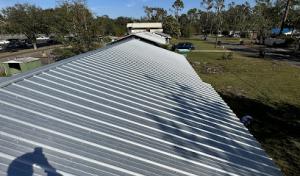
Metal stands out when wind resistance is a priority and rapid Florida storms are a regular concern. In this area, metal panels with standing-seam or through-fastened designs provide strong uplift resistance and can shed heat effectively with lighter colors. Metal's reflective properties help reduce attic temperatures, which supports longer roof life and lower cooling loads. Pay attention to panel coatings rated for UV exposure and confirm that fasteners are corrosion-resistant. A local advantage is that metal can mimic the look of other roof styles, letting you balance appearance with performance and insurance considerations after a storm.
Tile options offer a distinctive look and superb wind performance when properly installed. Clay and concrete tiles resist impact well and can survive harsh afternoon downpours with careful underlayment and batten spacing. In this inland climate, ensure the roof structure is designed to bear the heavier weight of tile and that the installation includes an appropriate underlayment system. Tile's heat resistance is high, but permissible color choices should be aligned with the home's shade strategy to keep attic temperatures in check. If choosing tile, work with a contractor who emphasizes wind-rated assemblies and clean strapping patterns to avoid tiles cracking under hurricane-like gusts.
Wood shingles or shakes offer a traditional appearance but require diligent maintenance in humid heat to prevent rot and moisture-related issues. If selecting wood, prioritize treated, termite-resistant options and an effective sealant system. Synthetic or composite shingles provide a low-maintenance alternative that can mimic wood or other textures while offering improved heat resistance and wind performance. When evaluating these, verify color durability, warranty coverage on impact resistance, and the long-term performance in heavy storms and sun exposure.
In this inland Florida market, the best choice balances storm resilience, appearance, and insurance considerations. Start by confirming that chosen materials align with a tested wind uplift rating for your roof geometry. Then weigh how heat management-through color, reflectivity, and attic venting-plays into the overall system longevity. Finally, ensure installation quality, as proper fasteners, underlayment, and flashing detail are critical to withstand Bartow's routine thunderstorms and blazing sun.
Typical local pricing for asphalt shingles runs about $360 to $700 per square. This material sits at the low end of the spectrum for Bartow homes, and its install window often aligns with clearer weather slots in late spring or fall when heat isn't at its peak. In storm season, crews may see tighter scheduling and minor price jitters as demand spikes, but asphalt remains the most common, fastest option for replacement after wind-driven leaks or hail. Expect labor to mirror the material price band, with installers occasionally bundling underlayment upgrades or drip edge tweaks to address inland Florida heat and sudden rain squalls.
Metal tends to run $650 to $1100 per square in this market. It's a popular choice where homeowners want durability against wind-driven rain and faster installation. Heavier metal systems can influence roof deck prep and attic ventilation decisions, especially on older homes with marginal insulation. In Polk County's major storm periods, you'll see a tighter backlog and higher bids as crews from nearby areas converge, so metal projects may book out further than asphalt, and lead times can extend by several weeks if inspections align with other repairs.
Clay tile typically costs $900 to $1700 per square. This is where weight and heat sensitivity really matter: tile systems require solid structural assessment and careful handling to prevent cracking in Bartow's summer heat, and underlayment choices can impact long-term performance in storm cycles. After a major storm, price faces a larger premium due to demand for specialty tile crews and longer installation times. If your house is tile-ready, the payoff is high durability and a distinct aesthetic, but you should plan for a longer scheduling horizon and higher initial cost.
Concrete tile runs about $800 to $1500 per square. It shares many considerations with clay tile but can offer a wider range of profiles and typically lower weight in certain configurations. In practice, concrete tiles handle wind well and resist impact, yet heavy setups may require structural checks and possibly longer lead times during heavy storm periods. Expect similar scheduling pressure as clay tile when Polk County demand spikes.
Wood options are generally $550 to $1000 per square. Wood can provide strong curb appeal and good insulation if correctly installed, but it's not always the best match for Bartow's humidity and summer thunderstorms. If a storm-related leak triggers a replacement, you may encounter tighter availability for specialized wood crews, especially after prolonged wet seasons. Maintenance of flashing details is crucial to prevent wind-driven leaks.
Synthetic or composite shingles cost about $450 to $900 per square. This category offers a balance between cost and performance, with more uniform installation and often quicker lead times. In the wake of a big storm, these products can be attractive for faster scheduling and good hail resistance, though select higher-end composites may approach the asphalt-to-metal gap in pricing during peak demand.
Material choice matters more here because heavier tile systems, storm-oriented underlayment choices, and heat-sensitive installation timing can all affect labor and scheduling. When a major storm period hits Polk County, expect costs to edge upward and crews to spread thinner. If timing is adjustable, choosing a material with established local performance in heat and rain can help keep you on track with both budget and insurance documentation needs. Planning ahead for potential scheduling shifts during hurricane season helps keep your roof replacement on track without compromising warranty and performance.
Pitch Perfect Roofing Systems
120 S Woodlawn Ave, Bartow, Florida
4.9 from 54 reviews
Pitch Perfect Roofing Systems is a leading roofing contractor specializing in residential and commercial roofing solutions. With years of experience in the industry, we pride ourselves on delivering high-quality craftsmanship, exceptional customer service, and innovative roofing solutions tailored to our clients' needs. We believe in more than just roofs; we value our customers like family. We prioritize building strong relationships based on trust, respect, and exceptional care. From the initial consultation to the final nail, we strive to exceed expectations with our craftsmanship and personalized service. Experience the difference with a roofing company that puts your need
Driesler Construction
(863) 512-9839 www.drieslerconstructions.com
770 E Lemon St, Bartow, Florida
5.0 from 30 reviews
Driesler Construction tackles both residential and commercial roofing projects, ensuring longevity and protection for your property. Their expertise extends to complete remodels, providing a single source for all your construction needs.
Wood's Roofing & Remodeling
(863) 513-7775 www.woodsroofinglakeland.com
1080 80 Foot Rd, Bartow, Florida
4.3 from 21 reviews
Wood's Roofing focuses on residential roof replacements. GAF Master Elite Certified contractor installing quality, always fair, always honest!
Five Points Roofing
(863) 660-5834 fivepointsroofingfl.com
Serving
5.0 from 67 reviews
As the top roofing company in Lakeland FL, we are the roofer to call! When you're in need of professional roofing repair or replacement, call the seasoned team at Five Points Roofing! We provide solutions for both local homeowners and businesses.
Harbor Roofing
(813) 727-0427 harborroofing.com
Serving
5.0 from 106 reviews
Harbor Roofing is a veteran-owned, family-operated roofing company in Lakeland, Florida, proudly serving all of Polk County—including Bartow, Winter Haven, Auburndale, Mulberry, Polk City, Haines City, Lake Wales, and Davenport. We specialize in roof replacement, roof repair, roof inspections, and storm damage restoration for homes and businesses. As a GAF Master Elite® Certified Contractor, BBB A+ rated, licensed and insured, we use GAF Timberline HDZ shingles, StormGuard underlayment, and our own in-house crews—never subcontractors. For trusted, high-quality roofing in Polk County, choose Harbor Roofing—quality first, every time.
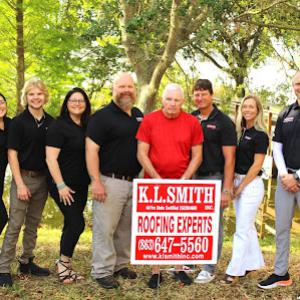
K.L. Smith
(863) 500-7609 www.klsmithinc.com
Serving
4.9 from 267 reviews
Serving Polk County for over 50 years, K.L. Smith is Lakeland, Florida’s premier veteran-owned roofing company. Built on honor, integrity, and commitment, we’re Polk County’s most trusted roofing contractor. Our expert team delivers top-quality roof repairs, replacements, and inspections, ensuring your home stays safe and secure. From storm damage assistance to routine inspections, we provide reliable, affordable solutions prioritizing customer satisfaction and peace of mind. Contact us today for a free estimate and discover why locals choose K.L. Smith for all their roofing needs!
Imperial Roofing of Polk County
(863) 967-9244 www.imperialroofingofpolk.com
Serving
4.4 from 31 reviews
Welcome to Imperial Roofing of Polk County, the leading roofing contractor in Winter Haven! Whether you're looking for a roofing contractor in Winter Haven to install steep or low-slope tile shingles, durable metal roofing, or single-ply systems, we’ve got you covered. Our team specializes in reroofing installations, new roofs, and residential and commercial roof repairs. With expertise in seamless gutter installation and repairs, we’re here to protect your home or business. Trust Imperial Roofing of Polk County, the most trusted roofing contractor in Winter Haven for top-quality craftsmanship and reliable roofing solutions tailored to your needs. Let’s build something lasting together, contact us today for more information!
High Tower Roofing
(863) 510-5477 hightowerroofing.com
Serving
4.8 from 587 reviews
High Tower Roofing is a locally owned roofing company headquartered in Lakeland, FL. We serve home and property owners in Lakeland, Winter Haven, Greater Polk County, and Sarasota. Since 2012, we’ve been in the business of providing exceptional customer service and stunningly beautiful roofs. It’s our mission to deliver a stress-free roofing experience to each and every client. We look forward to serving you!
Priority Roofing
(863) 701-4746 priorityroofs.com
Serving
4.9 from 115 reviews
Replace or repair your residential roof with Priority Roofing where customer service is our #1 priority! We’re local, professional Lakeland roofers, our bids are competitive, and we’ll find a great solution for your residential roof. Unlike some other roofing companies in Lakeland, we specialize in home roof installation and roof repair, as well as emergency roofing service for leaks and damage. From dozens of shingle systems, to metal, tile and slate roofing options, we have roofs to fit nearly every budget. Our company inspects your roof and provides an honest assessment of what needs to be done, all at no cost to you. Priority Roofing is family owned and locally operated.
America Top Roofing
(863) 733-2171 americatoproofing.com
Serving
4.9 from 76 reviews
America Top Roofing is a name you can trust when it comes to roofing services. With a rich history spanning 30 years, we have been a consistent force in the roofing industry. Our commitment to quality, integrity, and customer satisfaction has been the cornerstone of our success. Based in Lakeland, FL, we have deep roots in the community and a strong dedication to serving our neighbors. Our experienced team is equipped to handle all your roofing needs, ensuring that your investment in your home or business is protected. Contact us at: Info@americatoproof.com
True Pro Roofing
(863) 289-9343 trueproroofingllc.com
Serving
4.9 from 69 reviews
Family Owned and Operated Roofing Company covering the central Fl area. We offer top quality roofing services while accommodating all budgets
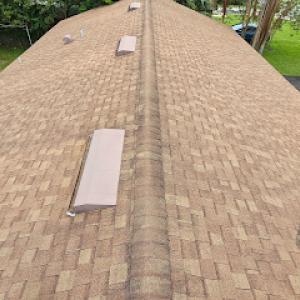
American Roofing FL
(863) 224-1837 www.americanroofingfl.com
Serving
4.8 from 100 reviews
Since its establishment in late 2022, American Roofing FL has provided the Central Florida community with premier residential and commercial roofing services. As a fully licensed and insured contractor, they specialize in durable roofing solutions, offering both new installations and reliable repairs. Their commitment to quality and craftsmanship ensures every project is completed to the highest standards. Serving a wide area including Polk, Brevard, Volusia, Osceola, and Orange counties, American Roofing FL is dedicated to protecting homes and businesses with exceptional, long-lasting results.
A full re-roof in Bartow requires a building permit through Polk County. This is not something to skip or assume will slide through without formal paperwork. Before any roofing material comes off or new layers go on, your project needs to be filed with the county, and the county's Building Division will take a close look at the plans, the scope of work, and the proposed roof system. The permit process helps align your project with local code, fire safety, and wind-load requirements that are particular to inland Central Florida conditions. Expect to provide your roof proposal, any architectural or structural details, and proof of contractor licensing as part of the submission.
The permit is not a one-and-done step. Inspections are a core part of the process, with two critical touchpoints during a re-roof. First, there is an inspection at tear-off or underlayment. This check ensures that the old roofing is removed where required and that the roof deck is sound, clean, and prepared for the underlayment and new materials. The second inspection occurs at final completion. That visit verifies that the new roof is installed in accordance with code, that all penetrations are properly flashed, and that the overall installation meets wind resistance standards relevant to Polk County's hurricane readiness expectations. Scheduling these inspections promptly helps avoid delays and keeps the project moving through the county review cycle.
Wind mitigation documentation may be requested or prepared as part of the project. Florida homeowners commonly pursue these credits because they can influence insurance premiums after a re-roof. As you plan, consider coordinating with your contractor or public adjuster to assemble the needed documentation-photos of upgraded straps, nailing patterns, underlayment, and other wind-resistance features can support a smoother insurance review. If you know you will need a wind mitigation inspection or certificate, discuss it early with the Building Division and your insurer so the documentation aligns with the final inspection and the project timeline.
In Polk County, timing matters. Allow for the permit review period, potential revision requests, and the sequence of tear-off, installation, and final inspection when you set your project milestones. Local contractors familiar with Polk County's inspection cadence can help map out a realistic timeline that fits with storm-season considerations and the typical home construction in the area.
Florida's storm-driven insurance market can loom large for a home on inland Polk County streets. In this town, frequent summer thundershowers and powerful wind gusts mean that insurers scrutinize claims for wind-driven damage more closely than in milder environments. A roof that looks intact from the ground may reveal hidden wind damage upon closer inspection, and that assessment can steer whether a full roof replacement gets approved or a repair is deemed sufficient. The consequence is real: claim outcomes and subsequent discounts or premium adjustments hinge on how wind and hail events are documented and evaluated.
Documenting what happened after a storm is not optional in this area. Insurers may require a meticulous trail of photo documentation, dated repair notes, and inspection records to justify a claim decision. Wind mitigation paperwork often plays a pivotal role in whether a partial fix becomes a full replacement or yields any recovery credit. If a roof has endured a season of repeated storms, ensuring that every relevant photo-taken from multiple angles and at different times-exists can prevent a denial based on missing evidence. The wind shows up in the paperwork as much as it does in the shingles, so ready-to-submit documentation becomes part of the settlement process.
Because this environment is high-claim, the emphasis is on speed and completeness. Begin the damage audit promptly the moment skies clear: take extensive photographs of the roof, gutters, fascia, and any interior signs of intrusion such as ceiling stains or attic moisture. Keep clear records of dates, storm intensity, and any temporary repairs that reduce further exposure. Preserve all permit and final inspection records related to past roof work, because insurers often cross-check prior projects as part of the claim review. If wind mitigation features exist-such as upgraded fasteners, hip roofing, or reinforced soffits-gather the corresponding documentation, as these items can influence both claim outcomes and potential discounts.
When talking with an adjuster, present a coherent story: what happened, what the roof condition was beforehand, and how the storm caused the current damage. Attach comprehensive photo sets and reference any previous inspections or mitigation upgrades. If a residential policy requires a wind mitigation device acknowledgement, have the paperwork ready to submit to the adjuster so a determination can be made without unnecessary delays. In this inland Florida setting, the sequence-from storm to documentation to settlement-often tests the resilience of a homeowner's file as much as the roof itself.
Connect with contractors who help homeowners navigate the claims process from damage assessment to final approval.
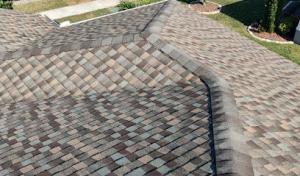
Pitch Perfect Roofing Systems
120 S Woodlawn Ave, Bartow, Florida
4.9 from 54 reviews
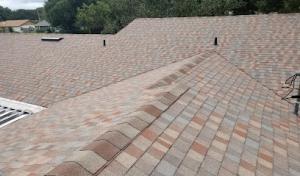
Wood's Roofing & Remodeling
(863) 513-7775 www.woodsroofinglakeland.com
1080 80 Foot Rd, Bartow, Florida
4.3 from 21 reviews
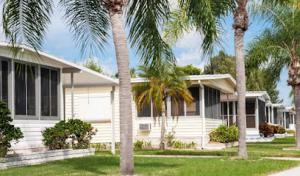
In this inland Central Florida climate, asphalt shingles tend to age faster under the intense sun and repeated storm exposure. Granule loss shows up as dulling and bare patches, and wind-lift becomes a real concern during afternoon thunderstorm gusts. The practical check is to walk the roof after a major storm and look for loose or curling edges along the eaves and hips. If you notice granules in gutters or on the ground, consider a closer inspection for underlying deck damage or flashing that may have become compromised. In summer heat, rapid temperature swings can stress shingle bonds, so long-term performance hinges on proper attic ventilation and a well-sealed roofline where leaks can start.
Tile roofs demand careful attention after storms because individual pieces can crack or shift even when the roof still looks intact from the ground. A single cracked tile can create a path for water to reach underlayment and fasteners, inviting concealed leaks. After a storm, scan exposed field tiles and flashings from the ground or a safe ladder stance; don't rely on the roof's overall appearance. Clay and concrete tiles are heavy but brittle when hit by hail or hard rain, so look for hairline fractures, chipped edges, or misaligned rows. If a tile is cracked but seems stable, monitor for movement after heavy winds and prepare to replace affected pieces promptly to prevent water intrusion.
Metal systems perform well in Florida wind conditions when detailed correctly, but fasteners, penetrations, and transitions still need careful leak prevention in heavy summer rain. Check for loose screws, missing seals at vents, and deteriorated sealant around skylights or chimneys. Seams should shed water smoothly without pooling, and any noticeable looseness or creaking after storms warrants a targeted repair. In Bartow's heat, metal expands and contracts; ensure flashing is properly integrated with shingles or tiles nearby to avoid hidden leaks at terminations.
Explore specialists in steel, aluminum, and standing seam metal roofs built to last 50 years or more.
Pitch Perfect Roofing Systems
120 S Woodlawn Ave, Bartow, Florida
4.9 from 54 reviews
Driesler Construction
(863) 512-9839 www.drieslerconstructions.com
770 E Lemon St, Bartow, Florida
5.0 from 30 reviews
Wood's Roofing & Remodeling
(863) 513-7775 www.woodsroofinglakeland.com
1080 80 Foot Rd, Bartow, Florida
4.3 from 21 reviews
Although pitched residential roofs dominate, the local contractor market shows meaningful demand for flat or low-slope roof work, especially on additions, porches, and mixed residential-commercial properties. In Bartow, a frequent hot afternoon can lull a surface into a false sense of security, but a low-slope membrane doesn't hide from heavy rain. When a flat or nearly flat section is added, or a porch is enclosed, edge details and transitions become critical. If a contractor isn't prioritizing proper taper, edge drainage, and flashings at every seam, you will see leaks show up after a hard storm or during the next rainy season.
Bartow's frequent heavy rain makes ponding-prone low-slope areas and transition details more vulnerable than they appear during dry weather. Water that sits too long or migrates around parapet walls finds its way to seams, fasteners, and penetrations. The most at-risk zones are near gutters, toe boards, and where new additions meet existing roofs. A slow drip at a corner can be the first sign of a larger failure if the underlying membrane isn't providing continuous waterproofing. Regular checks after storms help catch the trouble before water migrates to insulation or interiors.
Skylight and roof-penetration leaks become more noticeable in this climate because repeated summer storms test seals and flashing over and over. If sealant fails or flashing settles, you'll notice staining or musty odors near the ceiling. The key is keeping the flashing tight and the roof deck around the skylight well-ventilated to avoid condensation. When inspecting, look for hairline cracks in glazing cements, warped or lifted flashing, and any wrinkling in the membrane around the curb. Prompt resealing and flashing repair can stop a small issue from becoming a bigger one.
Find specialists in TPO, EPDM, and built-up flat roofing systems for residential and commercial properties.
Pitch Perfect Roofing Systems
120 S Woodlawn Ave, Bartow, Florida
4.9 from 54 reviews
Driesler Construction
(863) 512-9839 www.drieslerconstructions.com
770 E Lemon St, Bartow, Florida
5.0 from 30 reviews