
Last updated: Apr 19, 2026
Hurricane-season wind and rain can pivot from routine to urgent in minutes. In inland Polk County, roof failures aren't just about missing shingles; you'll often see wind-driven leaks around vents, flashing, and chimney details. Start by walking the interior ceiling and attic with a flashlight after the worst of the storm passes. Look for fresh stains, streaks along lines of nails, and any damp insulation. If attic vents show new gaps or soffits pull away, that's a sign rain can race into the attic space even without a visible blow-off on the main roof. Time matters: the sooner you identify a leak pathway, the less interior damage you'll have to mitigate.
Summer thunderstorms in this area can interrupt tear-offs and leave temporary tarps exposed to gusts. If you find active leaks during a downpour, prioritize temporary tarping on the area where water is entering, but avoid tarps that extend far beyond the roof edge and risk tearing loose in a gust. Secure tarps with wide-deck fasteners or weighted shingles along the edge to reduce lift. If rain is ongoing, place buckets or plastic sheeting only where you can remove water without worsening leaks, and avoid crawling on a soaked roof. The goal is to slow water intrusion enough to preserve susceptible interiors while professionals arrange a plan for a proper repair or replacement.
These roofs age under year-round heat and humidity, so storm events often reveal weaknesses that aren't obvious on a dry day. Pre-existing flashing around penetrations-vents, skylights, and chimneys-can fail first, sending water into the underlayment and decking. Look for rust or loose flashing, torn underlayment, and any uplifted edges along the eave and rake lines. In older sections, inadequate sealant seams can split with pressure from heavy rain or wind-driven hail. If a leak travels along a rafter bay, the problem may be more about the junctions between flashing and the wall line than a single torn shingle. Be mindful: moisture travels, and what appears minor on the surface can be a sign of deeper deck rot or compromised underlayment beneath the shingles.
Storms that expose flashing and underlayment weaknesses make thorough documentation essential. Photograph the exterior from multiple angles, focusing on flashing details and any gaps where water enters. Inside, record stained ceilings, damp insulation, and the path of water along rafters. Keep a dated log of when leaks were first noticed, when tarping was applied, and when professional assessments occurred. Save receipts for any temporary repairs and note the scope of the repair that is recommended by a licensed roofer. When you communicate with your insurer, present a coherent timeline: storm event, observed damage, interim mitigation, and planned permanent repairs. Clear visuals paired with precise dates can accelerate claims and reduce back-and-forth.
During hurricane season, schedules fill quickly. Reach out to a local, insured roofer with experience in inland wind-driven damage and aging roof systems. Emphasize the need for a written assessment of flashing and underlayment condition, not just surface shingle replacement. Ask for a staged plan that prioritizes the most at-risk areas-especially around penetrations and eaves-so that temporary protections transition smoothly into permanent repairs. Ensure the contractor coordinates with your insurer to align scope and documentation, reducing the risk of miscommunication during the claim process. In this climate, acting decisively on assessment, tarping, and documentation can limit interior damage and speed a solid recovery.
The preferred full-replacement window in Haines City is the drier November-to-March period, when longer dry stretches reduce weather delays. Plan your schedule around that window, but be flexible if a late cold front or a dry spell extends the season. This helps you finish the job before the heat and humidity ramp back up and minimizes the risk of wind-driven rain interrupting installation. If you must start earlier, ensure the crew has a contingency plan for sudden shower bursts and keeps a tight tarp-on-hand approach.
Even in the dry season, Haines City homes with steeper roof designs can still face water intrusion risk during passing storms if underlayment is exposed overnight. Before any removal or window flashing is touched, have a qualified roofer inspect the underlayment and flashing around the opening. If the underlayment shows gaps, tears, or signs of past water intrusion, address those areas first. A properly sealed underlayment layer under the window is essential for long-term performance, especially in mid- to late-winter thundershowers that can bounce off tile and shingle surfaces.
Fall and winter generally offer milder installation temperatures in Central Florida than peak summer, which helps crews maintain steadier production schedules. Choose a window style that can tolerate occasional Florida humidity without warping or seal failure, and pair it with integrated flashing that extends onto the surrounding roof deck. The installation should include a sealed, self-adhesive flashing membrane and a properly aligned drip edge to direct water away from the opening. If your roof has a high solar load or a shallow pitch, a multipoint seal and an expanded sill drainage path are worth considering to reduce risk during passing convection storms.
During the project, keep tarps ready to cover exposed sections of the roof at any sign of wind-driven moisture. In Haines City, sudden gusts from passing storms can drive rain under exposed fasteners or over roof walk areas if crews are not careful. The crew should stage flashing materials in order of installation: start with the exterior roof flashing first, then install the window-flashing assembly, and finally seal the interior side. A temporary interior barrier can also help prevent dust, debris, and moisture from migrating into living spaces during the window removal and frame installation.
After the window is seated and sealed, perform a controlled test for leaks by simulating a light rain around the new flashing and sill. In the event any moisture shows up at the seam, document the location, and coordinate a prompt follow-up with the installer. In hurricane-season history, a rapid response to minor drip signs can prevent more extensive damage. Keep a record of install date, window model, flashing system, and contractor contact details for insurance documentation and future roof-health assessments.
The dominant residential options in this region include asphalt shingles, metal roofing, clay tile, concrete tile, wood shingles or shakes, and synthetic or composite shingles. Each material tends to appear across a mix of newer planned communities and established Florida-style homes, so a typical job might involve blending one of the newer, energy-efficient underlayments with a traditional outer layer. In many homes, the choice hinges on how the look matches the neighborhood, how the roof handles sun exposure, and how the existing structure supports weight and ventilation. Asphalt remains the workhorse for many neighborhoods, while tile-both clay and concrete-often wins favor for its long life and classic appearance.
Central Florida heat and humidity accelerate aging on all major roof types. The sun takes a toll on asphalt, wood, and even metal if coatings degrade. Clay and concrete tiles generally tolerate heat well but can be more brittle after long, hot summers or rapid temperature swings. Metal roofing benefits from reflective finishes and well-sealed fasteners, yet panels need careful edge flashing to resist wind-driven rain during hurricane season. Wood shingles or shakes bring a distinctive look but demand higher maintenance and moisture management to prevent cupping, splitting, or mold in humid air. Synthetic or composite shingles often aim to balance cost with resilience, offering better impact resistance and dimensional stability in heat, though performance varies by product line. The takeaway: whichever you choose, prioritize a robust ventilation plan, a high-quality underlayment, and properly installed flashing to handle the season's humidity and wind.
Ventilation plays a pivotal role in delaying aging signs like blistering, curling, and premature granule loss on shingles. An effective attic venting strategy helps keep roof temperatures lower and reduces condensation risk inside the roof deck. Flashing quality becomes especially critical at hips, valleys, chimneys, and around skylights, as wind-driven rain during storms can exploit any gaps. Underlayment materials-think reinforced or self-sealing membranes-offer a second line of defense beneath the outer layer, which is vital when the roof faces Florida's summer downpours and the occasional hurricane threat. When replacement is on the horizon, pair a durable underlayment with properly sealed flashing and a ventilation plan that fits the attic space and roof pitch.
In storm season, leak response hinges on rapid shutoff actions, careful inspection of flashing joints, and clear documentation for insurance purposes. After a wind or hail event, you should inspect for lifted shingles, damaged sealant, or displaced flashing, then photograph the affected areas from multiple angles. For aging roofs, ensure that any repairs clearly show where patches were made, and maintain a consistent record of inspection dates and contractor notes. The combination of strong roof deck support, a reliable underlayment, and correctly placed flashing reduces the risk of slow leaks that develop behind fascia boards or around penetrations.
The mix of newer and older homes means that both shingle and tile replacement decisions are common. Metal remains strongly represented in the local contractor market, especially for homes seeking a long service life or a particular aesthetic. When choosing, consider how future maintenance and potential storm exposure will impact the chosen material's appearance and performance. A well-ventilated, properly flashed, and well-supported roof that respects the home's style will better withstand seasonally intense weather and the neighborhood's evolving architecture.
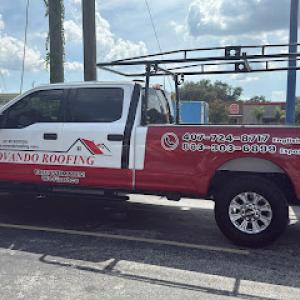
Ovando Roofing
(407) 724-8717 ovandoroofing.com
414 Monroe Ln, Haines City, Florida
5.0 from 22 reviews
Ovando Roofing With over 10 years of experience, Ovando Roofing delivers reliable, high-quality roofing solutions for homes and businesses across Central Florida. Licensed, insured, and bilingual — we’re the team you can trust to protect what matters most.

Trroofing
(863) 557-8452 trroofingllc.com
301 N 23rd St, Haines City, Florida
5.0 from 2 reviews
As a small local business owner, we look forward to servicing all of your roofing needs!!!
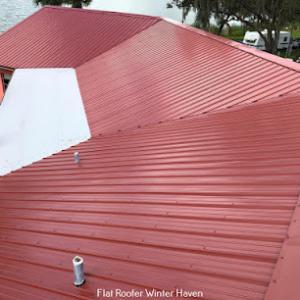
CH Evans Roofing
(863) 220-7290 www.chevansroofingfl.com
Serving
4.9 from 128 reviews
Are you looking for a reliable roofing company to install a new roof in your home or commercial property? If yes, CH Evans Roofing is here for you. We are a dependable roofing contractor Winter Haven with highly trained and experienced roofing technicians. Our skilled and well-equipped team can install asphalt shingles roofs, metal roofing systems, TPO, and other types of roofs. We use high-quality roofing materials from top brands, and most of our products come with the best product warranties. When you hire us, we will install your new roof quickly and correctly. Besides new roof installation, we offer roof repair, replacement, and maintenance services. Contact us today for a free new roof installation estimate.
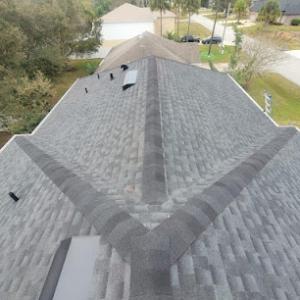
J&E Roofing Ink
Serving
4.6 from 9 reviews
J&E Roofing Ink, LLC specializes in roofing solutions in Davenport, FL. Our expert team delivers top-notch services for commercial and residential properties, covering shingle, metal, flat, and tile roofs. Trust us for quality craftsmanship and reliable roofing solutions.
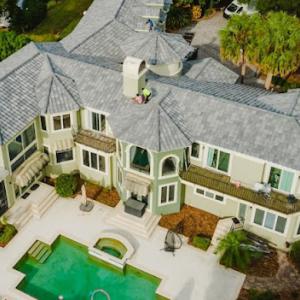
Trust Quality Group
(321) 276-7009 www.trustqualitygroup.com
Serving
5.0 from 12 reviews
At Trust Quality Group, we specialize in delivering top-notch roofing solutions tailored to meet the unique needs of each client. With years of experience and a commitment to excellence, we provide roofing installation, repair, and maintenance services using high-quality materials and skilled craftsmanship. Our goal is to ensure every project is completed on time, within budget, and with the highest standards of safety and quality. Trust us to protect your home or business with reliable and durable roofing systems. Contact us today for a free consultation!
RIG Roofing
Serving
4.8 from 576 reviews
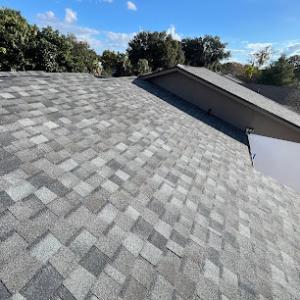
RIG Roofing is a faith based, family owned, award winning, Florida roofing contractor serving the greater Polk, Hillsborough, Orange, Lake, & Osceola County area of Central Florida. Franchising Nationwide. We service residential & commercial customers shingle, metal, tile roof systems, as well as tpo / pvc flat roof systems. No project is unimportant to us; whether it is a simple repair or an entire new roof. Our team will care for your roofing needs with honesty and integrity, as if it were our very own. When our highly trained roofing experts take on your project, you can trust that your roof is in the best hands. Inquire online or call today for a free roof assessment or to subscribe to our annual roof maintenance service.
Mission Ready Roofing & Construction
(863) 692-6278 www.missionrrc.com
Serving
5.0 from 38 reviews
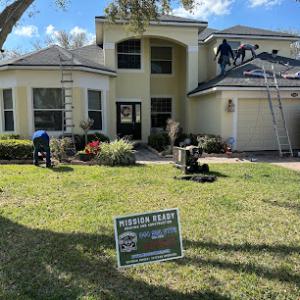
Mission Ready Roofing and Construction is a veteran-owned roofing company based in Winter Haven, FL. We focus on roof replacement Winter Haven and offer a variety of roofing services, including tile, asphalt shingle, metal, and flat roofs. Our team is dedicated to providing high-quality, reliable, and affordable roofing solutions for both homeowners and businesses. Whether you need a new roof or a replacement, we ensure every project is completed with attention to detail and a focus on customer satisfaction. At Mission Ready Roofing and Construction, we value honesty, integrity, and hard work. Reach out today to learn how we can help with your next roofing project.
A.O. Roofing Services
(863) 656-4258 aoroofingservices.com
Serving
5.0 from 14 reviews
A.O. Roofing Services is a roofing contractor based out of Central Florida. We serve Polk County, Florida, and surrounding areas.
True Pro Roofing
(863) 289-9343 trueproroofingllc.com
Serving
4.9 from 69 reviews
Family Owned and Operated Roofing Company covering the central Fl area. We offer top quality roofing services while accommodating all budgets
Skyview Roofing Experts
(863) 282-5107 www.skyviewroofingexperts.com
Serving
5.0 from 27 reviews
Skyview Roofing Experts is a family-owned roofing company proudly serving Eagle Lake, Winter Haven, Lakeland, and surrounding areas in Polk County, Florida. We specialize in residential roof repairs and replacements, including shingles, metal, and flat roofing systems. Our experienced team is committed to delivering dependable workmanship, honest service, and customer satisfaction on every project. With a dedication to safety, transparency, and lasting results, Skyview Roofing Experts is your trusted choice for roofing services in Eagle Lake, Winter Haven, Lakeland, and beyond
The Dantzler Group, Inc. Roofing & General Contractor
(863) 210-2803 dantzlergroup.com
Serving
4.8 from 61 reviews
The Dantzler Group, Inc. is a versatile general and roofing contractor, dedicated to delivering high-quality construction services across a range of sectors. Our expertise spans residential roofing, commercial construction, and comprehensive remodeling projects. We specialize in handling insurance claims with meticulous precision, ensuring maximum benefits for our clients. Furthermore, we've built a reputation for designing and constructing top-tier amenity centers, enriching commercial spaces with functional and aesthetic appeal. Our commitment to excellence in every project, large or small, sets us apart in the construction industry. 31+ years in Business. Family Owned and Operated.
Providencia Roofing & Construction
(863) 304-1312 www.providenciaroofingconstruction.com
Serving
5.0 from 20 reviews
Providencia Roofing & Construction, located in Winter Haven, FL, specializes in comprehensive roofing services tailored to meet your needs. Our experienced team is dedicated to delivering high-quality workmanship and reliable solutions for both residential and commercial projects. We prioritize customer satisfaction, ensuring every job is completed on time and within budget. Contact us today for a consultation and experience professional service you can rely on.
Clay and concrete tiles are common here, but the visible surface often hides the real vulnerability: aging underlayment and deck components that bake in Central Florida heat. The underside of a tile roof can slow deterioration, but in this climate, underlayment breaks down faster than most homeowners expect. If the underlayment is past its prime, small leaks from ordinary rain can become bigger issues after a strong storm. Pay attention to soft spots or a trampoline-like feel when you walk the roof-those are signs the system beneath the tiles may be nearing failure even if the surface looks fine.
On homes with tile, a big storm can test the system in ways a casual glance misses. Cracked or displaced tiles, loose ridge components, and aging penetrations can all let rain invade long before the roof looks leaky from the ground. The problem compounds if gutters, flashings, or hip-and-valley transitions aren't sealing well after years of heat cycling. After a heavy downpour, inspect attic spaces for unusual dampness or a musty odor, and check around roof penetrations for any fresh staining or dampness that wasn't there before.
High heat cycles in inland Central Florida make brittle seals around vents, valleys, and wall transitions a recurring weak point on older roofs. The sealant around a vent flashing or a valley liner can crack or pull away, letting moisture intrude even when tiles remain intact. That heat-driven aging often shows up first as slow leaks near soffits, chimney late-season condensation, or staining along interior ceilings where warmth concentrates near flashing. If a wall transition or vent seal looks aged, consider an inspection before the next hurricane season to prevent a larger, more disruptive repair later.
You'll want to schedule targeted roof health checks after severe storms and before or after peak heat months. Focus on underlayment condition, ridge components, and penetrations, especially where tiles meet vents and walls. Keep an eye on exposed fasteners and sealants in high-traffic hip-and-valley areas, and document any changes with photos tied to storm dates for insurance or contractor references. Early interventions can stop small leaks from becoming widespread and costly repairs.
Find contractors who specialize in clay and concrete tile roofs, known for their durability and curb appeal.
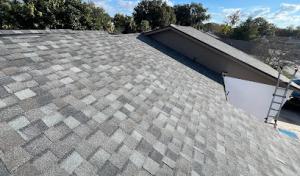
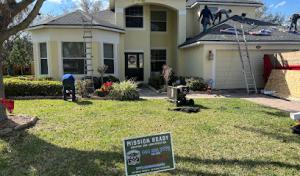
When you're budgeting a re-roof, expect asphalt shingles to fall in the 350 to 550 USD per square range, metal around 700 to 1,150, clay tile 850 to 1,800, concrete tile 750 to 1,400, wood shingles or shakes 600 to 900, and synthetic or composite shingles 420 to 800 per square. These ranges reflect the mix of older homes and newer subdivisions in this area, plus the inland Central Florida heat and humidity that drive material performance and labor needs. In practical terms, a tile roof or higher-slope roof typically pushes the project into the upper end of the scale, while a standard asphalt job stays nearer the lower end.
During hurricane-season, storm-driven demand spikes can tighten crews and scheduling across Polk County, especially for emergency repairs and full replacements. That crowding tends to raise both material access and labor rates temporarily. If you're facing a mid-season replacement, expect some price volatility and tighter timelines. Planning ahead with a unit-price approach rather than a lump sum can help you spot where costs are likely to budge and where there's room to negotiate with the contractor.
Material choice matters more than usual in this market because tile systems, higher-slope sections, and more complex Florida rooflines can increase tear-off, staging, and flashing labor. For example, tile and concrete options often require longer staging, more careful flashing at penetrations, and potentially more waste removal than a basic shingle job. If the home has multiple roof planes or intricate detailing, the per-square labor usually increases, even before material cost is added. In coastal-central Florida-adjacent neighborhoods with mixed housing, a homeowner might see a noticeable jump in total cost when upgrading from asphalt to tile or from a simple shed-style roof to a multi-gable configuration.
Start by getting three detailed bids that itemize tear-off, disposal, underlayment, flashing, and accessory materials. Ask each contractor to explain how they handle weather exposure risks, especially around wind-driven rain areas and exposed eaves. If a storm window of opportunity exists, consider staggering non-critical repairs to maintain scheduling flexibility and avoid rushing labor during peak demand. Finally, keep an eye on the paid-for warranty scope and the lender or insurer's documentation needs so that the chosen option aligns with long-term protection and the required proofs after a heavy season.
Get a clear picture of your project costs upfront - no commitment required.
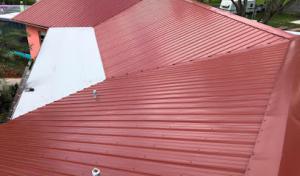
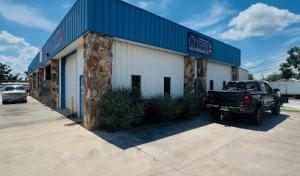
A full re-roof in this area typically requires a building permit issued by the City of Haines City Building Department. Before any shingle tear-off begins, verify your project with the permit desk to confirm the scope matches the permit you plan to pull. Having the correct permit in hand helps avoid delays, especially when neighboring homes are undergoing storms-related repairs and the neighborhood is buzzing with activity.
Re-roof projects are generally inspected during tear-off or installation and then require a final inspection to close the permit. Expect at least one inspection during the sheathing or underlayment stage, and another once the new roof is installed and weatherproofing details are in place. A clear, accessible attic access point and neat, labeled penetrations make inspections smoother and less prone to rechecks.
Permit processing in this jurisdiction usually runs about 1 to 2 weeks depending on Building Department workload. It's wise to plan around potential backlogs, especially after storm events when many homes are reroofing at once. Start the process early in the season to reduce the chance of delays during hurricane season window.
Some homes may be asked for wind mitigation documentation. If your older roof is being replaced, gather any past wind mitigation certificates or retrofits and be ready to provide contractor notes on roof deck attachment, nailing patterns, and underlayment choices. Having this documentation on hand can help streamline the permit review and ensure your new roof earns optimal protection against storm winds.
Coordinate with your contractor to align tear-off timing with permit approvals, and keep a visible project log for inspections. If a final inspection date slips, stay proactive: confirm the inspector's availability, ensure access to the attic and roof, and address any noted deficiencies promptly to avoid prolonged permit hold-ups.
Florida's high-scrutiny insurance market hits homes in Florida's interior markets just as hard as coastal ones, and Haines City is no exception. Roof condition documentation can influence underwriting decisions, renewal timing, and how claims are handled after a storm. When wind and hail are common threats, the insurer wants clear, dated evidence that roof performance and maintenance have been kept up. This is not a theoretical concern-it's a practical factor that can affect every stage of coverage.
Because wind and hail exposure are ongoing statewide concerns, you should maintain a robust record set that travels with the roof through its life. Start with dated photos that show shingles, flashing, and any prior repairs. Keep permit records, inspection sign-offs, and contractor notes that reference storm damage or wind-related wear. After storms, perform a rapid exterior check and photograph any new gaps, lifted shingles, or damaged flashing. Store this information in a single, organized ledger or digital folder so it's easy to share with an insurer or adjuster.
Some Florida carriers have tightened underwriting or left parts of the market, making accurate roof age records and completed wind mitigation paperwork more important for households in this region. If a roof is approaching mid-life or has visible wear, having a clear timeline of prior inspections and improvements can smooth underwriting decisions and help with claim contexts. For aging roofs, proactive documentation reduces ambiguity when reports are needed after a storm event.
When storms loom, you want to show that preparedness isn't reactive but ongoing. Maintain a simple log of preventive maintenance, immediate post-storm checks, and any temporary protections you've applied. This readiness, paired with solid documentation, strengthens a homeowner's position should a claim arise or a renewal review occur.
Connect with contractors who help homeowners navigate the claims process from damage assessment to final approval.
In this market, flat and low-slope roofing has a meaningful presence beyond standard pitched residential systems, reflecting mixed-housing styles and after-additions common in Central Florida. The differences between a smooth, sheeted low-slope surface and a steeper main roof show up most clearly at transitions, around walls, and where penetrations like vents, chimneys, or skylights meet the low-slope plane.
During the summer thunderstorm pattern, drainage-related leak complaints rise when debris, ponding, or failing transitions are present. Regularly clear roof vents and scuppers, and keep gutters and downspouts free of leaves and pine needles from nearby trees. Inspect after heavy rain events for any standing water longer than 48 hours and track where water pools around the edges of the low-slope section-these are common failure points in Haines City's heat-driven expansion cycles. If ponding is persistent, talk with a local roofer about adjusting slope, adding flow-through scuppers, or installing an internal drain system that works with the existing roof geometry.
Mixed-roof homes often develop leaks where the low-slope section ties into a steeper main roof, especially around walls and penetrations. Pay close attention to flashing around chimney crickets, vent boots, and skylights where the two roof planes meet. Ensure flashings are integrated with proper sealant transitions and that step flashing continues up the steeper roof side where the planes meet. Increases in heat and humidity can degrade sealants faster here, so schedule targeted reseals and inspect for hairline cracks after storms.
Create a simple maintenance rhythm: after severe storms, perform a visual check from ground level and, if safe, up close to verify that seam tapes and flashings are intact. Leaks in these low-slope areas often announce themselves as slow drips near walls or along the interior ceiling lines adjacent to the transition zones. When problems arise, document with photos and note the exact location and activity during rainfall to aid quick repairs and insurance documentation.
Find specialists in TPO, EPDM, and built-up flat roofing systems for residential and commercial properties.