
Last updated: Apr 19, 2026
The June to October storm season in Central Florida hits with sudden, heavy downpours that can bring wind-driven rain, lifting shingles, and broken tiles in a matter of minutes. In this inland stretch of Seminole County, you'll notice the rhythm: a string of late afternoon storms, fast-moving, with little warning for a tear-off crew. When planning a re-roof, that pattern isn't a nuisance-it's a schedule constraint. Short afternoons can bottleneck tear-off crews, dry-in periods, and the critical inspections that confirm your roof is weather-tight. If a remodeling project overruns or a storm interrupts a critical stage, you'll be staring at weather windows that close as quickly as they open. The practical takeaway: align your plan to the storm calendar, and build in buffer days for rain delays so you're not left chasing favorable skies in peak season.
Homeowners here face a distinct mix of hazards. Wind-driven rain can push under shingles and lift edges that look intact from the ground. Tile roofs-common in housing stock within HOA landscapes-are particularly susceptible to cracked or broken tiles after a fast-moving gust. Tree-related impacts-from branches snapping in a summer thunderstorm to full tree failure in a heavy storm-almost always create a cascade of debris, shingle edges, and fascia damage. In this climate, a "repair now, replace later" impulse can backfire when hail or continued wind exposure compounds underlying weaknesses. The decision to repair versus replace becomes sharper when damage isn't obvious from ground level: hail can compromise the underlayment or glide damage to a point where a full replacement protects the rest of the structure better than a patch. When storms threaten, a careful, staged assessment ensures you aren't paying twice for the same problem.
Storm events leave a trail-photos of missing shingles, dented gutters, and altered slopes tell a story to your insurer and your contractor. In practice, you'll want clear before-and-after images, timestamps, and notes on which sections resisted wind uplift or leaked during heavy rain. Because Central Florida storms can be unpredictable, your claim documentation should emphasize the sequence of events: when you first noticed trouble, how the damage evolved after consecutive storms, and any previous repairs that might affect claim eligibility. After a storm, call a trusted local contractor promptly to perform a thorough evaluation, but don't rush into a tear-off before insurance coverage is aligned with the scope. A staged approach-document, assess, file or amend the claim, then schedule a dry-in-can prevent gaps in coverage and avoid rework once the skies clear. If hail is suspected, insist on an on-site assessment that includes close-up tile or shingle checks; the difference between a repair and a full replacement often hinges on subtle, hail-induced delamination or underlayment damage not visible from the ground.
Keep a weather-aware calendar and build milestones with generous lead times before the peak storm weeks hit. When a storm threat looms, secure loose items, protect vents and skylights, and arrange for a pre-season inspection of high-risk roof areas-tile edges, hip-to-valley junctions, and fascia where wind pressure concentrates. If damage appears after the last big afternoon storm passes, act quickly to document and initiate repairs while the weather window remains favorable. Remember: the most reliable outcomes come from proactive scheduling, precise documentation, and a measured, storm-aware approach to repairs and replacements.
A full re-roof in this area is not treated as simple maintenance. The local building department, serving the city and Seminole County, requires a formal permit for a complete roof replacement. The process centers on documenting wind resistance, roof attachment details, and staged inspections rather than a single, all-at-once visit. Expect to file plans or intake forms that spell out the roof system, underlayment, attachment method, and any vent or chimney work tied to the replacement. A straightforward path is to assemble a clear scope of work with the chosen roofing material, the expected square footage, and the fastener strategy that will be used to meet wind uplift requirements.
Oviedo-area re-roof projects are typically inspected at key milestones. The contractor must coordinate the dry-in phase and the final inspection so the project can move forward in a predictable sequence. In practice, that means the crews will install the underlayment, ice barrier at appropriate eaves and valleys, and starter courses before closing the roof, then wait for a dry-in confirmation before applying the visible roofing material. The staged inspections ensure the roof deck and structure hold up under Florida weather conditions and that each layer is installed to code before the next step. Expect a calendar where multiple visits are scheduled: one for inspection of the deck and underlayment, another for the wind-rated fastener plan, and a final walkthrough after completion.
Wind mitigation documentation is a meaningful part of the local process because Florida insurers and inspectors pay close attention to how the roof system was attached and documented. The typical expectation is to summarize the attachment method: nail and screw patterns, spacing, hurricane clips or straps, and any secondary water barriers installed. Photographs play a crucial role, as do labeled details on framing anchors, hip and ridge connections, and any attic ventilation features that impact wind performance. If the project includes a change in roofing material, the documentation should note fastener types, shingle or tile compatibility with wind standards, and the method for maintaining water control along eaves and transitions. Together, the permit package and wind mitigation dossier form a critical link for insurers and inspectors, reducing the chance of back-and-forth delays.
In this market, timing is as much about the permitting timeline as it is about weather. The local permit office tends to move faster when the plan is complete and the contractor has a clear dry-in and inspection schedule. With Central Florida's wet hurricane season in mind, plan for an earlier start in the off-peak window to minimize weather-driven delays. Keep communications open with the contractor about expected inspection dates, and confirm who will be handling the wind mitigation forms and associated photographs. Remember, until the final inspection passes, the project remains under permit and subject to disciplinary checks, so avoid leaving the job in a temporary state that could trigger re-inspection or compliance questions.
After a storm, the immediate urge is to get back to normal, but Oviedo homeowners are operating in Florida's high-claim insurance environment. Roof claims often face closer scrutiny, more documentation requests, and independent adjuster review after wind and hail events. This means what happens in the first 72 hours can shape the entire claim outcome. A thorough, organized approach-photos, notes, and a clear record of damage-can reduce stress and delays when the insurer begins its assessment.
Because policy terms in Florida can shift quickly after major storms, you will benefit from having dated photos, temporary repair records, and permit paperwork organized well before the insurer asks. Start with clear, timestamped images of every area suspected of damage: shingles curled by wind, lifted edges, granule loss, and any interior signs of leaks. Keep a simple repair log with dates, what was done, and who did it, even if the fix is only temporary to prevent further damage. In a place with frequent afternoon thunderstorms, those interim measures can be essential to demonstrate proactive care and to control the scope of the claim. If a contractor notes potential preventive steps, request written recommendations and keep them with the claim file.
Storm events in this market often trigger independent adjuster review, which can feel more meticulous than in milder climates. Understand that adjusters are assessing both visible damage and how well the roof has been maintained over time. The more you can show a history of maintenance, timely repairs, and weather-related impacts, the stronger the case for an appropriate settlement. Prepare a simple binder or digital folder that compiles initial estimates, field notes from any temporary repairs, and photos aligned with dates. Being methodical helps avoid back-and-forth requests that stretch the process during the wet season when rainier days slow everything.
Central Florida's wet hurricane season can compress timelines and raise the temptation to prioritize speed over accuracy. In practice, planning around the season matters: avoid submitting only a single, large photo set; instead, build a chronological narrative of damage and responses. If a storm targets your neighborhood, you may see rapid shifts in coverage positions, so having a pre-storm baseline of your roof's condition-with dated photographs-helps distinguish new damage from preexisting wear. When contractor schedules clash with weather windows, document every communication, because timing can influence both the claim review and the eventual re-roof decision.
Wind mitigation credits can materially affect the economics of a re-roof, making installation details and final documentation more important than in lower-risk states. Preserve records of roofing material type, underlayment, nailing patterns, and any impact-resistant components. Obtain a comprehensive wind mitigation certificate or retrofit documentation from the installer, and ensure that the certificate aligns with the final roof system installed. The insurer will weigh these details, so you want a clean, consistent package that ties the actual installation to the wind-focused credits the policy anticipates. In the end, precise documentation and careful timing give you the strongest position when weather and policy terms intersect.
Connect with contractors who help homeowners navigate the claims process from damage assessment to final approval.
Excellence Roofing Group & Construction Orlando
(407) 971-7663 excellencerestoration.com
1750 W Broadway St Suite 115B, Oviedo, Florida
4.9 from 163 reviews
Trinity Restoration & Contracting
1713 Kennedy Point #1043, Oviedo, Florida
5.0 from 30 reviews
Bigfoot Roofing & Construction
(904) 751-6112 www.bigfootroofing.com
1984 Alafaya Trail Suite 1010, Oviedo, Florida
5.0 from 27 reviews
Certified Best Roofing
(407) 602-3363 www.certifiedbestroofing.com
1065 E Broadway St, Oviedo, Florida
4.9 from 238 reviews
Certified Best Roofing. . . more than a name, it’s a standard you deserve. We know Central Florida - it's our hometown. We care about the people who live and work here, and it's why we go above and beyond to serve the city we love. Offering a 20-year labor warranty, the longest in the industry, and quality materials at a competitive price, we take every measure to live by our name and deliver a service you can trust.

Excellence Roofing Group & Construction Orlando
(407) 971-7663 excellencerestoration.com
1750 W Broadway St Suite 115B, Oviedo, Florida
4.9 from 163 reviews
We are a full service Roofing Contractor and General Contractor company that specializes in insurance related roof and home restoration projects related to storm damage. We work with the homeowner and guide them through the entire restoration process, helping them navigate the intricacies of their insurance claim. We repair or replace anything related to an insurance claim, including but not limited to roofs, gutters, screens, flooring, painting, sheet rock repair, mold mitigation, and more.
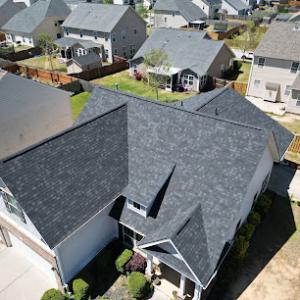
Trinity Restoration & Contracting
1713 Kennedy Point #1043, Oviedo, Florida
5.0 from 30 reviews
Trinity Restoration and Contracting is a premier roofing company dedicated to providing top-quality re-roofing services in South Carolina, North Carolina, and Florida. With years of industry experience and a commitment to excellence, we specialize in restoring and enhancing residential and commercial properties with durable and aesthetically pleasing roofing solutions. Transform your property with Trinity Restoration and Contracting Contact us today for a free consultation and experience the difference quality roofing services can make!
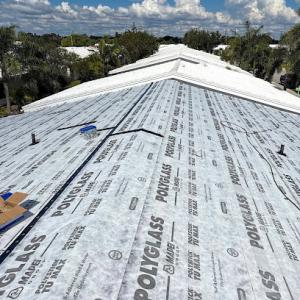
Bigfoot Roofing & Construction
(904) 751-6112 www.bigfootroofing.com
1984 Alafaya Trail Suite 1010, Oviedo, Florida
5.0 from 27 reviews
Based in Oviedo, FL, Bigfoot Roofing & Construction helps homeowners and businesses across Seminole County and East Orlando with reliable, high-quality roofing. Services include roof replacement and new installation, timely leak and roof repairs, thorough roof inspections, and storm and hail damage restoration with full insurance claim assistance. We also install seamless gutters and siding. As a GAF Master Elite contractor, we offer strong workmanship and manufacturer warranties, free estimates, and flexible financing. Proudly serving Oviedo, Winter Springs, Chuluota, Geneva, Casselberry, and nearby. Call today for a free roof inspection.
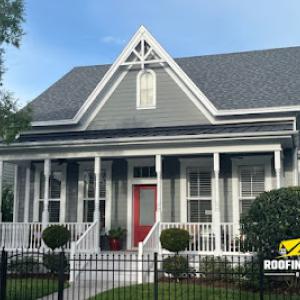
Roofing Brothers of FL
(407) 710-1250 www.roofingbrothersfl.com
988 Westwood Square #1006, Oviedo, Florida
4.8 from 46 reviews
At Roofing Brothers of Florida, we believe that a roof is more than just a protective covering for your property. A well-installed and properly maintained roof is also an investment in the safety, comfort, and value of your home or business. That's why we are committed to providing our clients with the best possible roofing Services, using only the highest quality materials and industry-leading techniques. Our team of roofing experts has the knowledge and experience to handle all types of roofing projects, from simple repairs to complete roof replacements. Whether you need a new asphalt shingle roof for your home or a commercial flat roof for your business, we have the skills and expertise to get the job done right, the first time.
Roofing Pioneers
(407) 634-1221 www.roofingpioneers.com
1809 E Broadway St Ste 353, Oviedo, Florida
4.7 from 75 reviews
Since 2009, we have been using the highest quality materials with an A+ BBB RATING in Florida. We provide FREE estimates to INSPECT, REPAIR, REJUVENATE, and REPLACE SHINGLES, TILE, rib and standing seam METAL, MODIFIED BITUMEN, and TPO flat RESIDENTIAL and COMMERCIAL roofs. We also do INSULATION and SOLAR! We offer a 25-year labor warranty with all new roofs! We are one of a few roofing contractors that have our own insurance policy for Workman's Compensation and General Liabilities! We are a member of the FL Roofing Association (FRSA) to keep current with training for the newest building code updates and follow business ethics professionally to allow Roofing Pioneers to stay in business long term! $500 cash for each referred customer!
Centaur Construction
(407) 844-7200 www.centaurfl.com
1750 W Broadway St #106, Oviedo, Florida
4.6 from 42 reviews
Centaur Construction is dedicated to providing the highest quality roofing and construction services. We will always strive to build long term relationships with our clients, based on quality, timely service, safety and knowing that our customers are our family. Local, quality, and customer service. Call us today!
Fleming Brothers Roofing
435 Aulin Ave unit c, Oviedo, Florida
4.8 from 17 reviews
Here at Fleming Brothers Roofing we are a family owned business serving central Florida with quality workmanship and customer service for over 30 years. We offer a variety of roofing services, our areas of expertise encompasses repairs, reroofing projects, and commercial roof restoration.
Weatherguard Quality Roofing
1039 Weaver Dr, Oviedo, Florida
4.7 from 7 reviews
Full Service Roofing Roof Inspections Re Roofs Shingles Flat Roof Residential and Commercial Properties

JT Roofing Company Oviedo
(407) 890-7523 jtroofingcompanyoviedo.com
543 Fern St, Oviedo, Florida
3.3 from 7 reviews
JT Roofing Company Oviedo is trusted by real estate agents, landlords, and residents of Oviedo, FL, and surrounding areas. Our experienced team specializes in roof installations, repairs, and replacements for both commercial and residential properties. We also provide emergency roof repair services, especially for damage caused by hurricanes and severe storms. Whether it's storm-related repairs, roof fortification before a hurricane, or a full roof replacement, we are here to protect your property. Count on us for reliable service before, during, and after the storm.
Robert Jones Roofing & General Contracting
(321) 403-5047 www.robertjonesroofing.com
Serving
4.9 from 146 reviews
Reliable. Professional. Responsible. At Robert Jones Roofing and General Contracting, our careful and efficient roofing contractors are equipped and ready to handle your roofing needs. Locally and family-owned and operated in Titusville, FL, we are your friendly neighborhood roofing contractors with..."Experience You Can Trust!” For your peace of mind, we are an honest business that is fully licensed and insured. We have 20 years of experience serving commercial and residential clients and are committed to providing good service to our community. Whether interested in metal roof installation or downspout cleaning, all of our services are priced affordably and competitively.
Barnett Roofing
(407) 765-5284 barnettroofingprofl.com
Serving
5.0 from 14 reviews
Residential and Commercial shingle and flat re roofs and repairs. Quality installation at a competitive price!
In streets where tile dominates, replacement planning hinges on whether the home sits in a tile-heavy planned neighborhood or a shingle-heavy subdivision. Tile roofs in these areas typically involve concrete or clay modules that require careful matching to preserve curb appeal and HOA expectations. The age of underlayment becomes a practical concern, since tile systems often ride on layered assemblies that influence ventilation, drainage, and wind performance. When a replacement is needed, the conversation centers on whether to preserve the existing tile profile or upgrade to a modern, tile-compatible underlayment and fasteners that meet current wind considerations. The goal is to maintain the neighborhood's visual rhythm while ensuring the roof remains weather-resistant through the local storm season.
Shingle-dominated blocks tend to reveal wear patterns tied to wind loss, granule fade, and heat aging more quickly than tile. In these neighborhoods, replacements often prioritize matching shingle color and profile with neighboring homes to avoid a patchwork appearance. Granule wear assessment becomes practical during inspection, looking for bald spots or accelerated deterioration that signals the need for an upgraded shingle line or a weather-resistant underlayment. Heat-related aging also matters near sun-exposed elevations and reflective surfaces, so the selection may lean toward shingles with better ultraviolet stability and improved wind uplift ratings, while still aligning with the street's visual continuity.
Because tile and shingle are both dominant locally, homeowners should push for contractor guidance that reflects the actual roof system on their neighborhood's homes rather than generic Florida averages. Tile roofs call for attention to underlayment age, integration with flashings, and the compatibility of replacement tiles with existing tiles to avoid visible mismatches. Shingle roofs emphasize wind resistance, granule retention, and heat aging, so a replacement plan often includes updated underlayment, upgraded starter courses, and color-coordinated shingle selections to match adjacent roofs.
Selecting a contractor who can deliver neighborhood-accurate estimates matters more here than anywhere else. The right pro will inventory whether the home's roof is tile-dominated or shingle-dominated, verify the condition of underlayment and flashing, and provide a scope that mirrors what neighboring homes would require. In Oviedo, work quality is illustrated by the ability to align products, colors, and installation details with the surrounding streetscape, while ensuring the roof system meets wind exposure expectations for the area's inland Seminole County storms.
For a homeowner navigating a re-roof, material choice drives the biggest chunk of upfront costs. Asphalt shingles run about 350 to 550 USD per square, a durable entry point for many suburban homes with existing overlays or simple spans. Metal roofing sits higher, roughly 700 to 1100 per square, and clay tile tends to be in the 900 to 1500 range. Concrete tile lands around 800 to 1300 per square, while wood shingles or shakes are generally 600 to 1000 per square. Synthetic or composite shingles sit in the middle, about 450 to 750 per square. These ranges reflect common packouts in dense neighborhoods with Oak or Pine landscaping, where crews must protect greenery and keep cleanup thorough.
After major Central Florida storm periods, pricing in this area can rise as regional demand surges and crews juggle emergency work plus insurance-driven re-roofs. If a storm nearby creates a spike in calls, the same materials may end up at the higher end of the listed ranges, and scheduling can stretch out due to crew availability. In practice, that means you might see quotes edging up by a notch or two, even for the same product, during a busy late-summer to fall window. Planning ahead and securing a firm start date before peak season can help keep costs closer to the lower end of the bands.
Costs in this market are also shaped by how complex a tile roof is, the number of penetrations (chimneys, vent stacks, skylights), and the labor needed to protect landscaping and maintain high cleanup standards in tight suburban lots and HOA corridors. Tile roofs, in particular, tend to demand extra care: clay and concrete tiles are heavier and require precise handling to avoid crackage, which can push labor hours higher than asphalt or metal. In HOAs with uniform appearance requirements, there may be additional coordination steps with the HOA-approved contractor list, which can influence both timing and cost.
When estimating, start with a realistic square count and choose a material that balances long-term performance with your current budget. Asphalt gives the lowest entry price and fastest install, while tile options deliver durability and curb appeal at a higher upfront cost. If storm recovery is looming, talk to your contractor about staged work and insurance documentation readiness so that the project can proceed promptly once approval is in hand. In ready-to-go conditions, expect to align your chosen material with the home's roof geometry, the landscaping protection plan, and the neighborhood's aesthetic standards to avoid surprises during installation.
Get a clear picture of your project costs upfront - no commitment required.
Bigfoot Roofing & Construction
(904) 751-6112 www.bigfootroofing.com
1984 Alafaya Trail Suite 1010, Oviedo, Florida
5.0 from 27 reviews
Roofing Pioneers
(407) 634-1221 www.roofingpioneers.com
1809 E Broadway St Ste 353, Oviedo, Florida
4.7 from 75 reviews
In Oviedo, emergency roof calls spike during summer thunderstorm stretches when repeated rain bands turn a small wind opening into an active interior leak before a full replacement can be scheduled. You should prioritize safety first-move valuables, shut off affected circuits if water contacts outlets, and photograph damage from a dry area to support the claim. Have a tarp ready and create a temporary dry-in over the most exposed opening to slow intrusion while you arrange help.
Temporary dry-in matters locally because afternoon storms in Central Florida can return day after day, making same-week protection more important than waiting for a full production slot. Use tarping, leak-stopping sealant, and sandbags if rain is forecasted. Coordinate with a contractor who can honor a rapid on-site assessment and staged repairs so you don't face a long, drip-prone lull during stormy weeks.
Homes with skylights in Oviedo can be harder to diagnose after storm-driven rain because leaks may appear around openings even when the primary failure is higher on the roof field. Inspect exterior seals around skylights and vent flashings from a safe vantage point after rain, then schedule a targeted repair to address the actual failure location, not just the visible drip.
After the storm, collect photos of wet interior spots, exterior openings, and skylight seals. Keep a log of dates, rainfall amounts if known, and contacts. This helps speed up claims and keeps the re-roof on schedule during the season.
When you can't wait, these contractors offer fast response times to stop leaks and prevent further damage.
Fleming Brothers Roofing
435 Aulin Ave STE A, Oviedo, Florida
4.3 from 34 reviews
Robert Jones Roofing & General Contracting
(321) 403-5047 www.robertjonesroofing.com
Serving
4.9 from 146 reviews
In a market where shingles and tile still dominate, metal roofing stands out for homeowners prioritizing wind performance and longer replacement cycles. Local crews report steady demand for metal on homes that face frequent afternoon storms and quick-lading Florida winds. A metal roof can pair well with the area's typical tile or shingle homes when it's chosen to address specific wind-resilience goals or to fit a long-term maintenance plan. When considering metal, you'll want a profile and coating that resist fading and salt spray from brief sea-adjacent storms, even though Oviedo sits inland. A properly installed metal roof can reduce heat gain and shed water efficiently, which matters during the wet hurricane season.
Flat and low-slope roofing in this area isn't the default for detached homes; it shows up more on additions, porches, multifamily properties, and commercial structures. For these spaces, the choice often hinges on how the roof interacts with overhangs and insulation, as well as the ability to perform staged inspections without compromising interior comfort during Florida's humidity peaks. When a low-slope system is planned, focus on seamless edge details and reliable drainage to minimize standing water after heavy summer downpours. In multi-unit or addition projects, coordinating careful flashing at transitions to existing roofs helps preserve the longevity of both new and old sections.
Solar-related roof work needs careful planning around the existing roof's remaining life. Florida insurance and permit scrutiny can make premature removal or reinstallations costly; align solar projects with a roof's expected service window to avoid unnecessary cycles. If a roof is nearing the end of its life, schedule solar integration after a thoughtful assessment with a qualified installer to ensure the system's production aligns with your home's evolving energy needs.
Explore specialists in steel, aluminum, and standing seam metal roofs built to last 50 years or more.
Roofing Brothers of FL
(407) 710-1250 www.roofingbrothersfl.com
988 Westwood Square #1006, Oviedo, Florida
4.8 from 46 reviews
Roofing Pioneers
(407) 634-1221 www.roofingpioneers.com
1809 E Broadway St Ste 353, Oviedo, Florida
4.7 from 75 reviews
Robert Jones Roofing & General Contracting
(321) 403-5047 www.robertjonesroofing.com
Serving
4.9 from 146 reviews
When a storm hits Seminole County, the re-roof signal in this market comes through fast, and homeowners expect crews to arrive with enough manpower to finish debris containment and protectings within a single work session. In established neighborhoods, a prompt start minimizes street debris, drives less disruption, and helps protect landscaping during high winds. Expect contractors to prioritize rapid on-site assessment, clear timelines, and daily updates about progress and next steps.
The local layer includes many long-established and family-owned companies. Homeowners often weigh neighborhood reputation and production reliability as heavily as price. Look for a crew with a track record of steady, predictable scheduling and steady progress across multiple homes in your subdivision. Personal referrals from trusted neighbors carry weight, and you should see examples of completed re-roofs in nearby blocks.
Because re-roofing is the dominant service signal in this market, Oviedo homeowners should expect many contractors to be optimized for replacement volume rather than small specialty repairs. That orientation affects how they handle workmanship, warranties, and post-install cleanup. Ask how the crew allocates crews, what happens if a weather day interrupts work, and how they protect landscaping and driveways during material deliveries and debris removal.
A solid crew will explain staged inspections and a realistic timeline, with point people reachable by phone or text during every weather cycle. They should commit to keeping you informed about change orders, material arrivals, and any access issues around your home. In the end, you want a crew that treats your property with the same care neighbors expect. Ask about cleanup protocol and guarantees.