
Last updated: Apr 19, 2026
Summer thunderstorms and hurricane-season systems drive sudden leaks, lifted shingles, and delayed roof work in this Nassau County corridor along the Atlantic. The first response is recognizing when signs of wind and rain damage appear: hear a whoosh or banging on the roof during a storm, spot lifted or missing shingles, or see damp spots inside ceilings after a storm front passes. In these moments, timing is everything because attic and ceiling dampness can escalate quickly, inviting mold and structural wear if not addressed promptly.
When a storm hits, the priority is to protect living spaces and prevent further water intrusion. If water is actively entering, place sturdy tarps or plastic sheeting over affected roof areas as soon as safely possible, prioritizing corners near the attic or ceiling leaks. Secure temporary coverings with exterior fasteners or weights until a professional can inspect. Move valuables away from affected walls and keep a log of when water appears and where it pools inside the home. Do not attempt full roof repairs during a storm window; temporary measures should focus on containment and stabilization.
Local contractor signals show emergency repair and storm damage are the prevailing specialties in this market, reflecting frequent wind-driven incidents. When choosing help, prioritize crews with proven experience in rapid tarping, leak control, and swift on-site assessments after a storm. Ask for a written plan that outlines the sequence: tarping integrity checks, targeted leak stopping measures, and a coordinated schedule for a full roof assessment once conditions allow. A responsive contractor will be able to provide clear timelines and maintain open lines of communication during the post-storm window.
Florida insurers scrutinize wind-damage claims closely, making meticulous documentation essential. After a storm, you should gather date-stamped photos showing the damage from multiple angles, both exterior and interior. Capture interior leak evidence-stains, warped ceilings, and any electrical or insulation concerns-documented with dates. Keep a record of all temporary protections applied, including tarps or boards, noting the installation dates and by whom. If possible, obtain a brief written assessment from the responding contractor outlining observed conditions and recommended next steps. This documentation becomes part of the claim file and supports timely, accurate processing.
Once daylight and safe access return, schedule a thorough roof inspection with a contractor who understands the nuances of local roofing materials and coastal exposures. Expect a detailed assessment of shingle integrity, underlayment condition, flashing around chimneys and vents, and potential salt-air corrosion effects on metal components. Prioritize repairs that restore wind resistance and water-tightness, bearing in mind the inland-coastal climate. Develop a step-by-step recovery plan that includes temporary protection measures, a billing and invoicing timeline aligned with insurance expectations, and a clear sequence for permanent repairs that minimizes exposure to future storm events.
Find local contractors experienced in assessing and restoring roofs after hail, wind, and severe weather events.
Taylormade Roofing
(904) 849-7758 taylormaderoofing.com
85105 Commercial Park Dr, Yulee, Florida
4.7 from 90 reviews
Taylormade Roofing
(904) 849-7758 taylormaderoofing.com
85105 Commercial Park Dr, Yulee, Florida
4.7 from 90 reviews
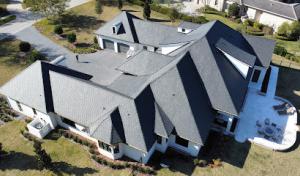
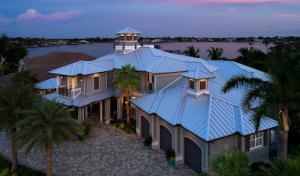
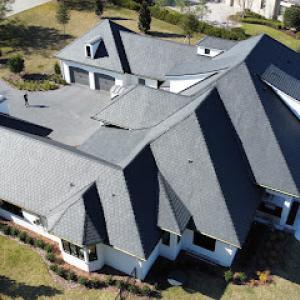
TaylorMade Roofing, Inc. is a trusted contractor with over a decade of experience providing exceptional roofing solutions. We specialize in residential and commercial roofing, new construction, and custom homes. Our expertise includes concave roofs, radius roofs, Brava composite tiles, standing seam metal, tile, torchdown, and Plidek walkable decks. Certified in premium materials and innovative designs, we’re the go-to choice for durable, custom roofing systems. Whether you need a repair, replacement, or custom project, we deliver professional, cost-effective solutions with honesty and integrity. Let us tailor the roof to exceed your expectations!
Maximum Restoration
(919) 243-5434 www.maximumrestorations.com
Serving
4.7 from 19 reviews
Maximum Restorations is the all-in-one home improvement service providing dependable work for commercial and residential clients. With offices in two states--Raleigh, NC and Jacksonville, FL--our ability to work with all types of customers on all kinds of jobs is unmatched. From small gutter repairs to large remodeling jobs, we’re ready to get to work. Call us today.
Domestic Design Roofing
(904) 321-0626 domesticdesignroofing.com
Serving
4.9 from 103 reviews
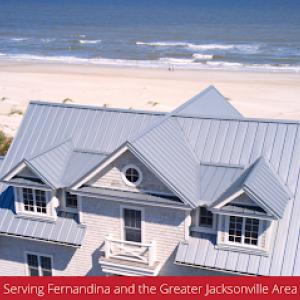
Domestic Design Roofing, Fernandina Beach's premier family-owned roofing contractor since 2001, has recently been acquired by passionate homeowners and professionals, Danny and Ashley Britt. At Domestic Design Roofing, they understand the importance of offering high-quality installations, repairs, replacements, and service for both residential and commercial roofing projects with a focus on customer satisfaction. The company's website showcases their services, testimonials, gallery, and the people behind their success.
LePierre Roofing
(904) 277-3000 lepierreroofing.com
Serving
4.8 from 122 reviews
LePierre Roofing is a roofing contractor in Fernandina Beach serving Yulee, Amelia Island, Callahan, and nearby areas. Our roofing company offers residential roofing, commercial roofing, roof repair, asphalt shingle roofing, metal roofing and more. Customers love us because of our comprehensive roof warranties and our affordable roof financing options. We also have industry affiliations and certifications such as GAF Master Elite and Tamko Pro. Contact your reliable Fernandina Beach and Yulee roofing company for a free estimate!
Amelia Island Roofing
(904) 310-5574 ameliaislandroofing.com
Serving
4.7 from 46 reviews
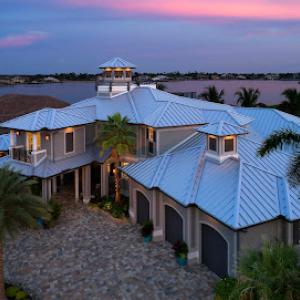
Local North Florida roofing company providing residential and commercial roofing solutions. New construction and reroofs, our expertise includes shingles, metals, tile, PliDek,TPO and coverings.
Coastal Roofing Systems
(904) 261-2233 www.coastalroofs.com
Serving
4.8 from 18 reviews
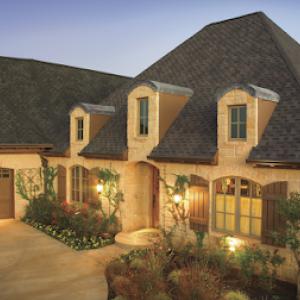
Coastal Roofing Systems is a licensed and insured roofing contractor located in Fernandina Beach, FL. We offer services in the Jacksonville metropolitan area specializing in new construction, roofing and reroofing. Coastal Roofing Systems offers shingle, metal and tile roofing, and weatherization. We are a factory certified GAF installer and are current members with the Northeast Florida Builders Association, Angie's List and the Better Business Bureau with an A+ rating.
Cost Plus Roofing
(904) 236-1255 costplusroofs.com
Serving
4.9 from 46 reviews
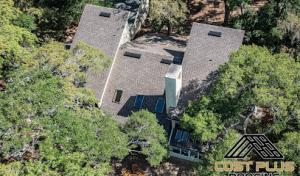
Cost Plus Roofing is a 100% firefighter & family-owned and operated business with over 20 years ofexperience in the roofing industry. Cost Plus Roofing has the depth of experience, resources, and financial stability to handle residential, commercial, and multi-family projects. We are a Licensed and Certified Roofing Contractor that is bonded and insured. With offices centralized in Jacksonville, we have the coverage and experience to serve all your roofing needs within 4 surrounding counties. (Duval, Clay, Saint Johns, Nassau) Cost Plus Roofing is a Certified Master Contractor, a member of the Better Business Bureau, and the Roofing Contractors Association of Florida. As an insurance loss specialist, Cost Plus Roofing is fully qualified t
Cover Roofing Company
(904) 206-0529 www.coverroofingco.com
Serving
5.0 from 11 reviews
Cover Roofing is a locally owned and operated roofing company with over 25 years of experience in providing top-quality roofing services. We specialize in roof repairs, replacements, and installations for residential and commercial properties. Our skilled team is dedicated to delivering reliable, durable solutions with a focus on customer satisfaction. Trust Cover Roofing for expert craftsmanship, honest service, and competitive pricing in every project. Roofing financing available
L Mendez Roofing
Serving
5.0 from 11 reviews
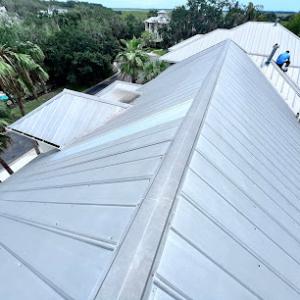
L Mendez Roofing is a trusted roofing company in Brunswick, GA, with years of experience providing top-quality roof installation, repair, and home remodeling services. Trust us to handle your roofing needs with professional finesse as we apply our high standards of workmanship to deliver unparalleled results. We pride ourselves on delivering exceptional craftsmanship, reasonable prices, and a commitment to providing high-quality results that meet our customers' needs. Call today for a quick quote!
E Artistic Roofing
(678) 448-4956 www.eartisticroofingllc.com
Serving
4.9 from 33 reviews
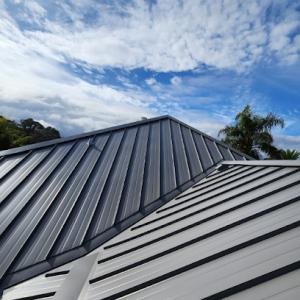
E Artistic Roofing, based in Saint Marys, Georgia, specializes in high-quality roofing services tailored to meet your needs. With a commitment to excellence, our licensed and insured team provides reliable solutions for residential and commercial properties, including roof installations, repairs, and replacements. We prioritize customer satisfaction and offer free estimates to ensure transparency and value. Trust E Artistic Roofing for durable, aesthetically pleasing roofing solutions that enhance your property's appeal and protection.
Bigfoot Roofing & Construction
(904) 780-0165 www.bigfootroofing.com
Serving
5.0 from 3 reviews
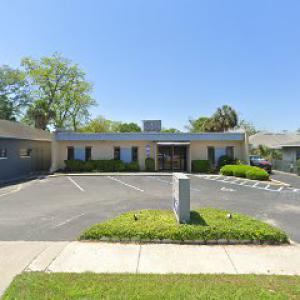
Bigfoot Roofing & Construction is a locally owned, BBB A+ rated roofing and construction company serving Jacksonville and Northeast Florida since 2011. As a GAF Master Elite® contractor, they specialize in residential and commercial roofing, repairs, storm damage, gutters, siding, and more, backed by top warranties and financing options. Founded by third-generation contractor Kyle Maxwell, Bigfoot Roofing delivers expert craftsmanship, honest communication, and 24/7 emergency support. Customer satisfaction is their top priority, with free estimates and full insurance claim assistance available.
Advocate Roofing & Restoration
(904) 707-6546 www.advocaterestorationfl.com
Serving
5.0 from 124 reviews
Your #1 Roofing Company in Jacksonville, FL. Our team provides free roof inspections to our customers. Our roofing services include roof repairs, roof maintenance, and roof replacements in North East Florida. We're proud to be your neighborhood roofer. Started in 2019 by Jessie Ladson and Bryan Kinser, Advocate Roofing and Restoration has provided service to over 1,000 homes in Jacksonville, Florida. Our team is built of members of the community who value the work they do. We're here to help protect your biggest investment.
In Yulee, hot, humid summers paired with heavy rainfall demand a roofing window (or skylight upgrade) that seals reliably and resists corrosion from salt air. The best window choice keeps tear-off and dry-in on schedule by aligning installation with the drier part of the year. The ideal window type substitutions prioritize a panel design with a strong curb flashing and a rain channel that sheds water away from the seam. Plan the installation window to fall within a stretch of consistently lower precipitation, so crew members can complete roof prep, flashing, and interior sealing without the interruptions that tropical threats and thunderstorm-heavy periods bring.
A practical approach in this region is to favor skylight units with reinforced aluminum or fiberglass frames that resist heat expansion and salt exposure. Double-glazed or laminated panels help with energy efficiency, while a low-emissivity coating reduces heat gain in the steamy summers. For near-coast atmospherics, the best roofing window sits on a fire-rated, impact-tested curb or a vented skylight with integrated moisture vents. The goal is a unit that maintains a tight seal under high wind loads and won't warp or peel under daily humidity swings.
When planning, consider that weather-related delays in Nassau County can affect both installation days and inspection scheduling, especially during thunderstorm-heavy periods and tropical threats. Start with a dry-in-the point at which the roof is fully covered, underlayment is installed, and the window flashing is set-during a stretch of the year with consistently dry air. Schedule the window and associated flashing checks early in the sequence so any patching or re-sealing can occur before the heat and humidity spike. If a storm arrives mid-install, have a contingency plan for temporary tarping and rapid water control near the opening to prevent interior damage.
Shingle sealing around a roofing window must be done with careful timing because humidity can slow adhesive set times and extend exposure of underlayment. Use a high-quality self-adhesive flashing membrane that can tolerate heat and salt air, then apply a secondary sealant that remains flexible in Northeast Florida's temperature cycles. Inside the attic, ensure proper insulation around the curb and vent pathways to minimize condensation, which is common after a heavy rain. The best results come from coordinating the interior finish with the exterior to avoid mismatched humidity and cooling loads that could compromise the seal.
In hurricane-season, rapid response matters. If a leak is detected after a storm, prioritize temporary waterproofing at the window opening to slow interior water intrusion while arranging a follow-up visit. Document all damage with dated photos and note wind direction and any wind-driven rain that entered through the window seam. This documentation helps with insurance processes and expedites emergency repairs. Post-storm inspection should verify that flashing remains intact, curb integrity holds against gusts, and the window itself shows no sign of seal failure or frame distortion.
Annual inspection should confirm that the flashing remains sealed, the weather seal around the sash is intact, and the curb is free of corrosion or loose fasteners. In the heat and humidity cycle, check for silicone or polyurethane sealant degradation and replace as needed before the next storm season. A well-chosen, correctly installed roofing window will maintain daylighting benefits while continuing to protect the roof structure from moisture intrusion and wind-driven rain.
In the inland-coastal Nassau County setting, the combination of hot, humid summers, hurricane-season stress, and salt-air exposure drives how roofs age. Asphalt shingles and metal roofing hold the majority of local market share, and for good reason: they offer a practical balance of installation ease, repair options, and performance under frequent seasonal storms. The salt air that drifts inland can accelerate corrosion on metal coatings and degrade finish on concrete and clay tiles, so finish quality and maintenance routines are more critical here than in drier inland markets. The best choices anticipate moisture management, wind resistance, and the need for periodic refreshment of protective layers.
Metal remains a strong contender for storm resistance and rapid damage mitigation after events. When selecting metal in this market, prioritize products with corrosion-resistant alloys and factory-applied coatings designed for salt exposure. In addition to standard inspection after storms, you should plan for periodic coating refreshes where the salt air is most aggressive. Seam integrity matters-look for concealed-fastener or interlocking systems that reduce opportunities for wind-driven infiltration. Ensure any color or finish has UV-stable properties to minimize chalking from long sun exposure. A well-installed metal roof can outperform others in wind resilience, but it benefits greatly from a proactive coating schedule and durable sealants around penetrations.
Asphalt shingles remain a pragmatic option given the local housing stock, especially where roof slopes and existing infrastructure favor quick, cost-conscious repairs. In humid conditions, choose a high-quality architectural shingle with a compatible underlayment and exposed fastener strategy that resists moisture intrusion. Look for manufacturers that back enhanced wind-resistance ratings and provide a robust algae- and moss-inhibition warranty, since humid summers promote growth on shaded sections. Proper attic ventilation and correctly sealed eave details help prevent membrane failure and blow-off during storm surges. Regular inspections after heavy rainstorms catch loose or damaged tabs before leaks begin.
Concrete and clay tiles bring long-term durability and a classic look, but coastal humidity and salt air place extra emphasis on surface finish. Concrete tiles should have a durable glaze or surface sealant resistant to salt erosion, and clay tiles benefit from finishes designed to slow lime-scale buildup from coastal humidity. Be mindful of tile orientation and spacing for hurricane-load resilience, plus reinforced underlayment to cope with wind-driven water. Maintenance focuses on cleaning efflorescence, resealing as recommended, and addressing cracked or chipped pieces promptly to prevent water intrusion.
Wood shingles and shakes offer character and insulation benefits, but the humid, rain-prone climate demands rigorous moisture management. Expect higher maintenance: regular treatments for rot resistance, meticulous flashing around roof penetrations, and substantial attention to ventilation and drainage to prevent moisture retention. If choosing wood, select durable species with proven rot resistance and a factory-applied sealant system suitable for salt exposure. Alternatively, consider wood-look synthetic options that mimic the aesthetic while delivering enhanced decay resistance and lower upkeep in this coastal environment.
Explore specialists in steel, aluminum, and standing seam metal roofs built to last 50 years or more.
Taylormade Roofing
(904) 849-7758 taylormaderoofing.com
85105 Commercial Park Dr, Yulee, Florida
4.7 from 90 reviews
In Nassau County, a full roof replacement requires a building permit through the county rather than a separate city department. Before any shingle or tile comes off, verify permit status with the Nassau County Permit Portal and confirm that the permit type covers a complete replacement rather than a repair. Your contractor should file plans, drainage details, and roof assembly specs, including underlayment and fastener types suited to coastal conditions, salt exposure, and high-wind risk. Once submitted, plan review can take a bit; if the project touches hurricane-related code updates or wind-resistance requirements, expect additional checks such as assigned wind-load calculations or corrosion-resistant hardware reviews. The county will issue a permit when plans pass review, and you must display the permit on site for the duration of work. If any scope changes occur, resubmission may be necessary through the portal, potentially delaying progress.
The county performs mandatory inspections during and after installation. Scheduling is handled through the Nassau County permit portal, and inspections are typically tied to defined milestones. Common milestones include initial framing or roof deck attachment, mid-installation for a partial system, and final inspection for occupancy or certificate of completion. In practice, inspectors may require photos or documentation of weatherproofing, fastener patterns, and coastal corrosion protection. Expect checks on nailing patterns, underlayment installation, venting, and proper sealing around penetrations. Keep accessible copies of permit cards and inspection approvals on site, and ensure the construction area remains safe and accessible for inspection teams.
Permit backlog and weather disruptions can slow inspection timing in this area, which matters because crews may need inspection signoff before moving to the next phase of work. Plan for potential delays after storms or during peak hurricane season, when roads and access points may be constrained. If a concern arises mid-project, coordinate with the permit portal submissions and the contractor to reschedule promptly, keeping all parties informed to minimize downtime. Delays are more common when storms affect the Amelia Island corridor and inland Nassau County access routes, so factor possible reroutes into your sequence and communications with the county.
Maintain a current contact list for the county inspector responsible for your neighborhood, and confirm appointment windows during weeks of heavy rain or on holiday weekends. Have replacement decking, underlayment, and corrosion-resistant fasteners ready so crews can proceed after signoff without scrambling. If a temporary leak occurs, document weather events and take photos for the permit portal notes, then share updates with the inspector and contractor promptly. When planning, align your timeline with the county's review cycle and your contractor's schedule so the next phase can start without unnecessary gaps, and stay adaptable to shifting weather patterns that are common along the inland-coastal Nassau County route near the Amelia Island corridor.
Provided local ranges run about $350 to $700 per square for asphalt shingles, $800 to $1500 for metal, $950 to $1800 for clay tile, $700 to $1300 for concrete tile, $400 to $850 for wood shingles or shakes, and $450 to $900 for synthetic or composite shingles. In practice, the cheapest option may save upfront, but wind resistance and salt-air corrosion at the Amelia Island corridor can tilt choices toward higher-performing products. If a contractor pitches a premium system primarily for aesthetics, weigh long-term durability against the premium price and insurer expectations.
In Yulee, costs can rise after major storm events when regional demand surges across Nassau County and nearby coastal communities, tightening labor availability and extending schedules. If a hurricane season spike hits, expect bidding to become tighter and lead times to lengthen. Plan options and approvals with a contingency in mind, and avoid waiting until a roof shows signs of active leakage during a storm window.
Material selection in this market is often driven by wind resistance, corrosion performance, and insurer scrutiny on roof age, which can push homeowners toward higher-cost systems or added documentation. For example, metal and concrete tile typically perform well against high winds and salt exposure, but may require upgraded underlayment, fasteners, and wind-rated shingles to satisfy insurer criteria. If an adjuster questions the roof age, be prepared with records from prior replacements, warranties, and maintenance logs to support the claim.
Start with a quick assessment of existing roof age and visible damage, then compare the cost ranges above to your preferred performance. If storm risk is high and you plan to stay in the home, prioritizing wind resistance and corrosion performance can reduce the chance of future leaks and insurance pushback. Schedule bids with multiple local crews who understand Nassau County weather patterns, and request a written wind and corrosion performance specification with each quote to aid insurer review.
Don't let upfront costs delay a critical repair - these contractors offer payment plans to fit your budget.
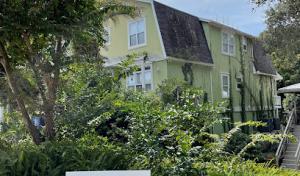
In this inland-coastal Nassau County setting, Florida's high-claim landscape is a real factor for homeowners. Carriers have tightened underwriting around roof age, prior claims, and wind-related risk, and a storm season can shift coverage expectations quickly. Your roof age is not just a number; it signals each carrier's view of future performance under salt air, heat, and gust-driven damage. Expect more scrutiny after a major storm, and be prepared for stricter criteria if the roof shows signs of wear or older installation practices.
Wind mitigation documentation carries practical weight when policies are renewed or adjusted. Insurers may request proof of roof features, installation details, and reinforcement techniques that reduce windborne damage. If your roof includes upgraded fasteners, reinforced sheathing, or hip-and-valley configurations, have clear documentation ready. In this region, a robust file can influence premium decisions and coverage decisions after a wind event, potentially easing claims processing when the storm wind pressures peak.
Adjuster practices vary by carrier, so keeping records organized from the start of any storm or replacement claim is essential. Gather permit approvals, inspection notes, dated photos, contractor invoices, and warranty information. A well-ordered bundle helps verify the age and condition of the roof, clarifies what work was performed, and supports the claim narrative during post-storm reviews. Consistency matters: store copies in both physical files and a secure digital location you can access from the field.
In Yulee, a cautious approach paid forward saves time and stress later. Maintain a simple calendar of roof-related milestones, from last replacement or major repair to any wind mitigation improvements. When a storm window looms, ensure your documentation is up to date and readily shareable with your insurer, your adjuster, and your contractor. This is how you reduce post-storm friction and improve the odds of a smoother recovery.
Connect with contractors who help homeowners navigate the claims process from damage assessment to final approval.
Taylormade Roofing
(904) 849-7758 taylormaderoofing.com
85105 Commercial Park Dr, Yulee, Florida
4.7 from 90 reviews
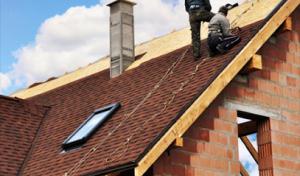
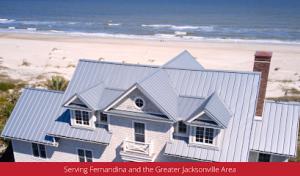
In the hot, humid summers and frequent summer storms, exposed shingle tabs can lift or curl, creating easy entry points for water with each passing shower. Repeated rain events test sealants and flashing where edges meet walls, chimneys, and vents. If you spot lifted tabs or loose flashing after a thunderstorm, address it promptly to prevent widespread interior leaks.
Leaks often reveal themselves quickly during storms that bring sustained rain or gusty wind. Small drips near penetrations or along ridges can mask a larger underlayment issue if left unchecked. In Yulee, where bursts of rain can occur with little warning, a proactive check after every storm is essential to catching moisture before it migrates through the attic.
Coastal air and humidity in Nassau County accelerate corrosion when finishes are compromised. Look for dull or pitted panels, dark streaks, or white chalky residue around fasteners and joints. If coating wear appears, corrosion can advance beneath the surface, compromising both durability and wind performance.
Tile and concrete roofs endure salt-air exposure that accelerates wear on surface coatings and fasteners. Storm-driven rain can force water under tiles if underlayment or fasteners are weakened. Damaged or loose tiles can become projectiles in high winds, while compromised fasteners threaten overall roof stability.
Cracked or displaced flashing around vents, pipes, and chimneys signals a higher risk of leaks during storms. Underrated underlayment or loose fasteners in tile and concrete roofs increase vulnerability to wind-driven rain. Regular inspections after hurricane season, and timely replacement of compromised components, are essential to keep a roof resilient through Nassau County's coastal weather. In Yulee, staying attentive to these failure points helps minimize surprise damage when storms roll in.
Find contractors experienced in skylight installation, flashing, and leak repairs to bring natural light into your home.
Morgan Conley Roofing & Repair
(904) 490-8390 www.morganconleyroofing.org
Serving
4.7 from 160 reviews
The Yulee market leans more toward re-roofing than fresh construction, so you will often compare replacement systems, tear-off scope, and workmanship protections rather than a single "standard" package. Warranty terms can vary widely by product and installer, and manufacturer support may not dominate the market. Take the time to read what is covered, for how long, and under what conditions warranty claims are honored. Pay attention to exclusions for coastal exposure, salt air, and wind-driven debris, which are common in this area.
When evaluating contractors, confirm they offer manufacturer-certified options and clearly stated workmanship guarantees. Ask for sample warranty language, and verify what happens if a storm damages the roof before the warranty period ends. In this market, the best protection often comes from a combination of a solid manufacturer's warranty and a robust, documented workmanship warranty from the installer. Ensure the contract explains the exact components covered (shingles, underlayment, flashings, fasteners) and how long labor coverage lasts after completion.
Cleanup is a visible hiring signal in neighborhoods where storm-season work can generate substantial debris in a short window. Prioritize contractors who explicitly include full tear-off debris removal, container placement, and post-tear-off cleanup in writing. Ask how waste will be managed during fast-turn storms and who is responsible for damage if debris migrates to adjacent properties. A well-defined cleanup clause minimizes neighbor concerns and reduces post-project disputes.
Storm-season activity makes rapid leak response and documentation critical. Work with a contractor who will provide formal inspection reports, photos, and a written summary of work performed for insurance purposes. When possible, arrange a pre-storm and post-storm assessment cadence to support claims and expedite coverage decisions. This approach helps you recover faster and keeps neighbor-quiet in tight inland-coastal neighborhoods.