
Last updated: Apr 19, 2026
Hiram sits in Paulding County on the northwest side of metro Atlanta, and the local roofing pace is shaped by our spring hail, strong showers, and fall wind events. This isn't the coastal hurricane pattern that drives losses elsewhere, but it creates a steady rhythm of claim activity that can sneak up during busy seasons. The storms arrive with little warning and can damage multiple homes in a tight window, so acting quickly matters to protect your structure and your schedule.
Replacement timing in this area is shaped by hot, humid summers and heavy afternoon storms. The most reliable approach is to plan for drier, cooler periods when you can run a tear-off and dry-in with minimal moisture exposure. If a wind or hail event hits in spring or fall, a rapid assessment helps you avoid a rushed job during peak heat or rain. The goal is to pick a two- to three-week window with predictable weather, where crews can work safely without extended weather delays. Delays during tear-off and dry-in can lead to moisture intrusion, warped decking, or rusted fasteners, all of which raise risk later in the life of the new roof.
Insurers in this market routinely ask for detailed photos, contractor quotes, and evidence of shingle age and installation quality after hail or wind events. Early documentation matters. Start collecting immediately after a storm: photos from multiple angles, close-ups of damaged tabs or granule loss, and a dated timeline of events. Have a local, reputable contractor prepare a quick, itemized quote and a written assessment that notes shingle age, previous repairs, and any existing flashing or vent work. Keep this packaged together so you can share it instantly with the insurer. If the damage spans multiple sections of the roof or touches gutters or vent stacks, show those connections clearly; insurers will want to see how the system as a whole fared, not just a small corner.
Begin a storm claim file with clear, chronological records. Photograph the roof from the ground with the widest possible view, then step up for close-ups of any broken or missing shingles, dented metal, or lifted edges. Gather the most recent contractor estimates, even if you're not ready to choose a roofer, so you have a ready reference for the insurer. Note the date of the hail or wind event, weather conditions, and any resulting water intrusion inside the attic or ceiling. If you can, arrange a no-obligation inspection with a local roofer who understands Paulding County's renovation pace and typical shingle lifespans. Their on-site assessment can help translate storm effects into a solid proof package for the claims process.
Communication with the insurer and the contractor must be tight and proactive. Once the claim is opened, respond quickly to requests for additional photos or documentation. If a dry-in window shifts due to forecasted storms, request a provisional tarp or temporary protection to guard against moisture during delays. In this market, a disciplined, fast-moving documentation and scheduling plan minimizes exposure to weather risks and helps ensure the repair work proceeds in a timely, controlled manner. Keep the focus on getting a dependable, weather-ready roof that will stand up to the next round of spring hail or autumn gusts.
Roof replacement projects in this area follow Paulding County's building permit process rather than a standalone city workflow. When a hail or wind event hits, homeowners often see a rush of activity, but the county permit office still operates on its own schedule and checks. The first step is to gather the project details you'll submit to the county building department: project scope, roof type, estimated footprint, venting plan, and any structural notes from your chosen contractor. If your home has a history of prior repairs or a venting upgrade is proposed, have those records ready. This is not a "do it and forget it" item; expect ongoing follow-up with the county to verify that the plan aligns with current code requirements.
Once the paperwork is in, the county will request documentation such as a site plan or roof layout, a contractor's license information, and a brief description of the methods and materials proposed. In Hiram, it's common to coordinate closely with your roofer to ensure that the exact venting configuration and flashing details are reflected in the permit package. Inspections are part of the process both during and after the roof installation, so plan for someone to be on site or to authorize access when inspectors arrive. The goal is to demonstrate compliance with ventilation, flashing, and general building codes as the work progresses, not just at the finish line.
Expect the inspection cadence to align with the work stage: a rough-in or framing check if any structural work is involved, followed by a mid-project inspection, and then a final inspection after all components are installed. In storm-prone seasons, approvals and scheduling can tighten up quickly as the department handles a higher volume of projects. Communicate openly with the contractor about inspection windows and potential rescheduling. Because inspections can influence material delivery timelines, coordinate timing so that crews are not waiting idly for permit approvals or inspection clearances.
The stated turnaround for the permit process is commonly about 1 to 2 weeks depending on departmental workload, so storm-season demand can affect scheduling before materials ever arrive. In practice, that means if a hailstorm hits in late spring or early summer, the county might experience a backlog even before the contractor orders shingles or metal panels. Plan for a slightly flexible start window when the project is approved, and maintain readiness to adapt as inspections are scheduled. Having your contractor pre-emptively prepare the necessary documentation and confirm inspection slots can help keep the project moving when weather windows are favorable.
After the permit is issued, keep open lines of communication with the contractor about required inspections and any county-advised adjustments. Ensure that your roofer provides the county with updated material specs and installation details as work progresses. It's also prudent to inform adjacent neighbors about the anticipated work schedule, particularly during windy seasons when disruption and debris management become more noticeable. By aligning permit requirements, inspections, and weather-aware scheduling, the replacement project can proceed with fewer delays and clearer compliance with code and safety standards.
In Hiram, the dominant local material mix spans asphalt shingles, metal roofing, clay tile, concrete tile, wood shingles or shakes, and synthetic or composite shingles, with asphalt and metal aligning most closely with the broader contractor base active in this area. That mix means you'll see a wider spread of options at the dock and on the job site, but you'll also notice how residential neighborhoods here often present a practical blend of traditional and modern roof lines that influence installation speed and material choices. Asphalt remains the go-to for value and quick install, while metal is favored for longer life and wind resistance in the storm-prone shoulder seasons.
Costs in Hiram are influenced by permit timing through Paulding County, storm-driven surges in demand after hail and wind events, and the need to schedule around summer humidity and afternoon storms that can slow production. In practice, that means cost awareness isn't only about material prices; it's about knowing when crews are available, how weather windows compress the schedule, and how quicker turnarounds during dry stretches can help minimize the risk of weather-related delays. If a hail event hits, you'll likely see a spike in bid activity across the contractor network, which can temporarily push prices higher, especially for premium materials or upgraded underlayments designed to improve performance.
Material pricing ranges provided for this market are per square, with asphalt shingles at 350 to 650, metal at 700 to 1200, clay tile at 900 to 1900, concrete tile at 900 to 1800, wood at 650 to 1350, and synthetic or composite at 550 to 950. For a typical Hiram home, the choice between these options often tracks with roof slope, attic ventilation needs, and exposure to afternoon storms. A steeper pitch or a shallower overhang can influence both labor time and material waste, nudging the price within these ranges. If hail or wind damage is suspected, quick assessment and documentation become essential to align expectations with insurers and contractors.
Asphalt shingles offer the most straightforward path to renewal, with fast installation and broad service networks. In contrast, metal roofs, while pricier upfront, provide notable gains in wind resistance and longevity, which matters when the afternoon storm pattern is a regular feature of the local climate. Clay and concrete tiles bring a distinctive aesthetic and robust durability but require careful framing checks and a capable crew, especially on older homes that may carry different roof deck conditions. Wood shingles or shakes deliver a traditional look but demand attention to maintenance and potential fire code considerations in certain neighborhoods. Synthetic or composite shingles present a middle ground, combining durability with a lighter weight profile that can ease installation on homes with limited roof structure margin.
For homeowners planning a replacement, think about aligning the material choice with the typical storm calendar and summer humidity patterns. If a storm event has recently occurred, expect a surge in contractor availability to decline rapidly once the weather window closes. In contrast, mid-summer dry spells tend to offer the best scheduling flexibility, with longer stretches of uninterrupted production that help keep the project on track. When comparing bids, factor in not just the per-square price but also the expected crew size, time to complete, and any material-specific requirements such as upgraded underlayment or drip edge that can influence total cost and long-term performance.
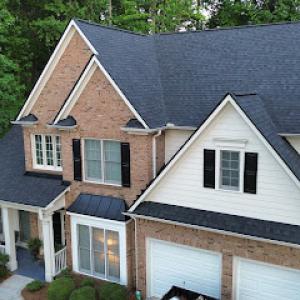
Dallas Roofing
(770) 608-9080 www.dallasroofingllc.us
44 Darby's Crossing Dr Suite 108C, Hiram, Georgia
4.9 from 164 reviews
The pros at Dallas Roofing have over 20 years of experience, and are North Georgia storm specialists. We will make sure that the work is completed properly, and with a warranty you can trust. We are fully qualified contractors in all aspects of construction, with a focus on providing guidance and education for our customers when their homes have damage resulting from hail, high winds, fallen trees, water damage and more. We can handle your roof, whether you need traditional asphalt shingles replaced, tile roof repair, or metal roof repair.
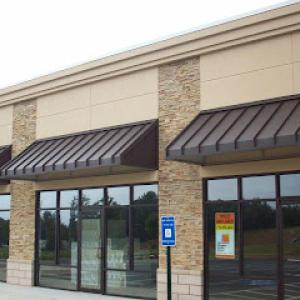
AAA Metal Works
(770) 670-5887 www.aaametalworks.com
165 Poag Crossing, Hiram, Georgia
4.9 from 177 reviews
AAA Metal Works provides metal roofing, gutter, and downspout services to the greater Atlanta metro area.

Roofing Georgia
(770) 874-7663 www.roofinggeorgia.com
848 Hiram Acworth Hwy Building 100 Suite C, Hiram, Georgia
5.0 from 7 reviews
Roofing Georgia is a roofing contractor that has been serving the Hiram, Dallas, and Powder Springs communities since 2022. The company is dedicated to providing high-quality roofing services at competitive prices. Roofing Georgia offers a variety of roofing products and services, including GAF roofing systems, which come with a lifetime warranty. The company also offers financing with rates as low as 0%. Roofing Georgia is committed to customer satisfaction and provides reliable roofing services from a friendly team of professionals.
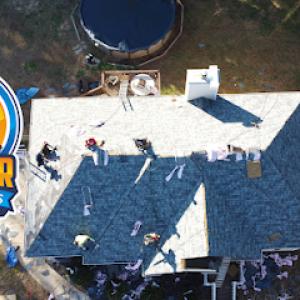
Iroofer Contractors
(470) 236-1410 iroofercontractors.com
Serving
5.0 from 54 reviews
Iroofer Contractors is a top-rated roofing company specializing in residential roofing services in Dallas, Georgia, and surrounding areas. We offer expert roof repair, roof installation, gutter services, and roof maintenance solutions. Our team is committed to providing high-quality materials and skilled artistry to ensure durable and exceptional roofing results. Contact us today for your roofing needs.
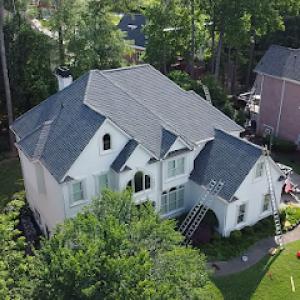
Vintage Roofing - VSMP
(770) 547-9385 vintageroofing.com
Serving
4.9 from 73 reviews
Vintage Roofing - VSMP specializes in comprehensive roofing solutions, including roof installation, metal roofing services, and storm damage repair. Serving the Atlanta Metro area, including Milton and Alpharetta, GA, they focus on customer education and guidance, ensuring every project is expertly managed. Their dedication to service excellence and a personalized approach sets them apart in the industry.
New Image Roofs Painting Windows & Construction
(678) 444-4901 newimageroofs.com
Serving
4.9 from 650 reviews
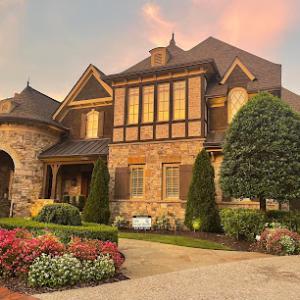
New Image Roofs and Painting, established in 2016, is a locally-owned business with over a century of experience in providing superior roofing, painting, and window services. Based in Dallas, Georgia, their expertise extends all over the state of Georgia. From comprehensive roof and window replacements and repairs to flawless interior and exterior painting, New Image ensures meticulous attention to detail and a commitment to excellence. With a personalized approach, expert craftsmanship, and unwavering dedication, New Image Roofs and Painting strives to transform your property, delivering stunning results that speak for themselves.
Roofing By Southern Home Improvement
(470) 521-6526 www.southernhomellc.com
Serving
5.0 from 18 reviews
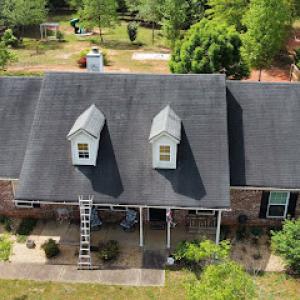
A division of our parent company, Southern Home Improvement, We specialize in all types of residential roofing. The most common residential roof is asphalt shingle roofing. The three main types of asphalt shingles include 3-tab, architectural, and designer. 3-tab shingles, also called strip shingles, are a single laminate shingle. They are the most cost effective shingles on the market. However, they come with the shortest life span. 3-Tab shingles, with a proper roof deck, with give a smoother appearance. Metal roofing systems are another residential roofing option. We install two types of systems. Standing seam metal roofs and Low Ribbed metal roofs.
ReyLo Construction Group
(770) 369-5176 reyloconstructiongroup.com
Serving
5.0 from 23 reviews
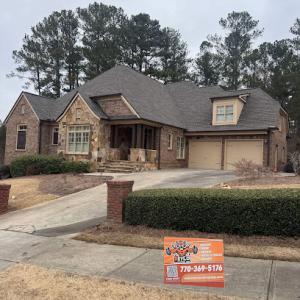
ReyLo Construction Group is a locally owned roofing and exterior solutions company serving the Greater Atlanta area. We specialize in storm damage assessments, insurance claim assistance, roof replacements, gutter installations, siding, decks, fences, and exterior repairs. Our team focuses on high-quality workmanship, fast turnaround times, and clear communication from start to finish. If your home has been affected by wind or hail, we guide you through the insurance process to help minimize out-of-pocket costs. Call today for a free inspection and same-day service availability.
Raymond's Roofing
(706) 400-4111 www.raymondsroofing.com
Serving
4.9 from 137 reviews
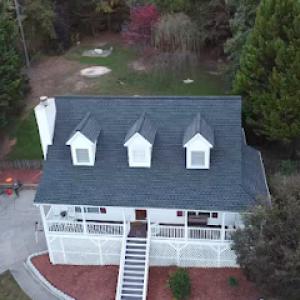
Raymond Roofing is a full-service commercial and residential roofing company located in Dallas, GA. We offer roof repair and roof replacement services in and throughout the greater Atlanta metro. We are an A+ BBB Rated Atlanta Roofing Company. We are experts in Asphalt Shingle, Cedar, and Slate.
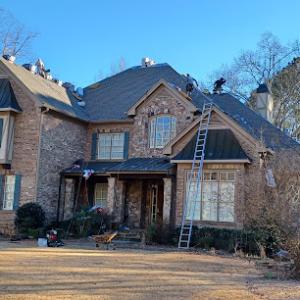
Cade's Quality Roofing & Contracting
(770) 403-3643 cadesqualityroofing.com
Serving
5.0 from 9 reviews
Combining years of experience with a dedication to client satisfaction, Cade's Quality Roofing And Contracting has established itself as the local leader in Roofing Contractors, Siding and Window Replacement.
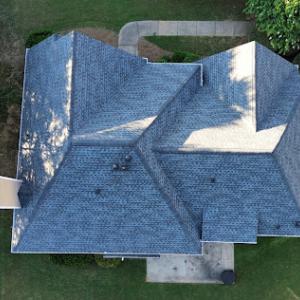
Safeguard Roofing Group
(404) 602-9905 safeguardroofinggroup.com
Serving
4.9 from 72 reviews
Since the very beginning, the professionals from Safeguard Roofing Group have wanted to be known as Full-Service Roofing Contractors that you could truly trust. From day one, we pledged to offer 5-star home roofing, commercial roofing, residential exteriors, commercial exteriors, home renovations, remodeling, property restoration, and so much more to every customer who called. We pledged to not only offer Greater Atlanta’s best roofing and exterior expertise to our clients, but to offer those services with better quality products, a higher level of craftsmanship, and at more affordable pricing than any regional competitor.
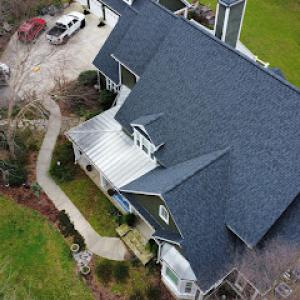
Efficient Roofing & Restoration
(678) 499-3257 effroofingrestoration.com
Serving
5.0 from 83 reviews
Efficient Roofing & Restoration Construction • Roofing • Remodeling • Renovations 🏠 Your project in the hands of true professionals. We specialize in all types of residential and commercial work: ✔️ Roof replacement and repairs ✔️ General construction ✔️ Additions and full renovations ✔️ Siding, windows, doors, painting, flooring ✔️ Structural repairs ✔️ Insurance claim assistance ✔️ Big or small projects — we do it all! 🛠️ Quality, responsibility, and results that speak for themselves. We serve all areas throughout Georgia and surrounding cities. 📞 (678) 499-3257 If you need an inspection, estimate, or help with your project, we’re here for you. ✨ “We build trust, and we restore your home.”
The hot, humid summers in this area push roof coverings to their thermal limits. Sustained heat makes shingles, tiles, and membranes expand and contract, which can loosen seals around flashing and penetrations over time. In practical terms, attic ventilation becomes a real performance factor during replacement: a well-ventilated attic helps keep the underside of the roof deck cooler and reduces the risk of new underlayment drying out too quickly or molding forming behind shingles. When planning a replacement, ensure the roof system is paired with an effective venting plan and moisture-mimited climate control in the attic. If moisture sits in the attic, it accelerates degradation of decking and fasteners and can shorten the life of the new covering. Homeowners should verify that soffit and ridge vents are clean, unobstructed, and sized for the house, and consider moisture barriers or upgraded underlayment that can tolerate prolonged humidity without creeping dampness through the roof system.
Seasonal Georgia storms bring wind that can lift shingles and peel at flashing edges well before aging becomes a concern. The most common failure modes are wind-lifted shingles, flashing where the roof meets walls or chimneys, and leaks around penetrations like vent pipes or skylights. Materials age differently under wind exposure: asphalt shingles may blister and curl at the edges, metal roofs can dent or accumulate wind-driven debris, and clay or concrete tiles may crack under hail impact. A key aging consideration is the integrity of the sealant, the condition of the edge trim, and the proper laying of underlayment beneath the chosen material. Regular inspection after severe weather storms is wise, focusing on any loosened shingles, lifted flashing, or suspicious staining on interior ceilings near the top floor.
Winter in this area is usually mild, but wet days and occasional freezes can compress the installation schedule and complicate sealing, underlayment exposure, and punch-list completion. Cold, damp days slow adhesive cures, extend the time needed for sealant and flashing to set, and create a higher risk of moisture trapped under the new roof. The aging pattern during winter emphasizes the value of a well-sequenced installation: weather-ready material storage, careful temporary protection of underlayment, and efficient workmanship to minimize exposure. If a project spans the winter, plan for adequate temporary weather protection at eaves and valleys, and ensure the crew uses temperatures-appropriate sealants and fasteners. For homeowners, this means you may need to adjust expectations about early-season efficiency versus late-season comfort, and to coordinate with the installer on contingencies for unexpected cold snaps or wet spells that could affect the punch-out list.
Overall, the aging profile of roof materials in this climate leans heavily on moisture handling, wind resilience, and timely maintenance. A roof that breathes properly, with clean vents and intact flashing, will resist premature aging better than one that traps humidity or ignores early signs of wear after a severe storm. When selecting materials and planning a replacement, you'll want a system that pairs well with local weather patterns, supports robust flashing details, and provides reliable sealing against Georgia's seasonal moisture and storm-driven challenges.
Asphalt shingles remain a practical fit for Hiram's large re-roof market because they align with the area's dominant contractor specialization and moderate replacement budgets. They're familiar to most local crews, straightforward to install, and generally offered by a wide range of local suppliers. For homes that endure the North Georgia storm pattern-hail, gusty winds, and humidity-the ease of replacement and the broad service network you'll find with asphalt can translate to quicker turnarounds after a claim and fewer scheduling bottlenecks during those narrow weather windows in spring and fall. When choosing asphalt, look for a shingle line with solid granule adhesion and a proven wind rating to help stand up to the seasonal temp swings and occasional hail events that are typical around this region.
Metal roofing has a meaningful local contractor presence in Hiram, making it a realistic upgrade path for homeowners prioritizing durability in a hail-and-wind claim environment. Metal panels or shingles can offer excellent impact resistance, lighter weight on some roof structures, and a longer service life under the chop-and-change weather pattern of northwestern metro-Atlanta. If you anticipate frequent severe storms or want a roof that can better withstand repeated hail exposure, metal may reduce long-term maintenance burdens and insurance concerns. The flip side is that installation requires experienced crews and careful detailing at transitions, chimneys, and vents to avoid leaks. Expect to spend time vetting local metal subcontractors who understand how metal performs on slope, orientation, and seasonal humidity here.
Tile, wood, and synthetic options exist in the Hiram market, but the contractor signal mix suggests they are less common than asphalt and metal and may require more selective contractor screening. Clay and concrete tiles bring strong impact resistance and a distinct curb appeal, but they also demand a structural assessment and a preparation plan for the added weight. Wood shingles or shakes offer a classic look but can be more sensitive to humidity and more prone to maintenance needs over time in our climate. Synthetic or composite shingles attempt to blend durability with ease of installation, yet they still rely on the same local installer networks as other materials. If choosing these paths, seek crews with a proven track record in our area, request portfolio projects that resemble your home type, and verify compatibility with existing attic ventilation and roof decking.
In a storm-prone climate, the material choice should align with how you document damage for insurance and how quickly crews can secure the home between rain events. Asphalt and metal tend to have the broadest local expertise and fastest scheduling leverage, which matters during narrow windows between spring and late fall storms. For any option, insist on a thorough assessment of wind uplift, hail impact, and attic moisture pathways, and request a clear plan for roof deck prep, underlayment, and venting. With the right local contractor team, your roof can balance durability, cost-effectiveness, and curb appeal while fitting into our seasonal weather rhythm.
The most popular roofing material in the US. Find pros who install, repair, and replace asphalt shingles.
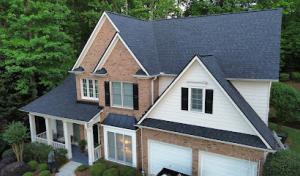
Dallas Roofing
(770) 608-9080 www.dallasroofingllc.us
44 Darby's Crossing Dr Suite 108C, Hiram, Georgia
4.9 from 164 reviews
Roofing By Southern Home Improvement
(470) 521-6526 www.southernhomellc.com
Serving
5.0 from 18 reviews
Georgia homeowners in markets like Hiram regularly deal with hail and wind claim activity, which can influence premiums and how aggressively carriers review roof age and installation quality. When a storm hits, insurers compare the reported age of the shingles to the actual condition observed after the event. If the roof seems older than claimed, or if installation details look suspect, a claim can be challenged or reduced. This is especially true after a sequence of severe spring hail and strong showers when adjusters are reviewing multiple roofs at once. Being prepared means understanding that age, workmanship, and even prior repair patterns matter in the eyes of the adjuster.
Because adjusters may verify shingle age, installation quality, and storm-related damage patterns before approving claims, timely, dated documentation matters. In practice, that means keeping date-stamped photos of the entire roof before a major weather event and after any significant damage. Photos should show overall condition, venting, ridge lines, and any noticeable wear or prior repairs. For Hiram homes with mixed roof lines or multiple transitions, a clear photo set of each section helps the claim process move more smoothly. This isn't just about winning a claim; it's about preventing a claim from being derailed by missing context or ambiguous evidence.
Detailed contractor scopes and photo sets are especially useful in Hiram because claim volume can rise after spring hail and strong showers, creating more scrutiny and longer insurer response times. If a storm event is in play, your chosen contractor should prepare a thorough scope that includes material types, installation details, and any observed damage beyond obvious shingles. Coupled with a precise photo registry, this can shorten review cycles and reduce back-and-forth with the insurer. In practice, work with a contractor who understands storm patterns here and can deliver both a meticulous scope and a complete, labeled photo catalog.
Connect with contractors who help homeowners navigate the claims process from damage assessment to final approval.
Dallas Roofing
(770) 608-9080 www.dallasroofingllc.us
44 Darby's Crossing Dr Suite 108C, Hiram, Georgia
4.9 from 164 reviews

Roofing Georgia
(770) 874-7663 www.roofinggeorgia.com
848 Hiram Acworth Hwy Building 100 Suite C, Hiram, Georgia
5.0 from 7 reviews
In Hiram, the most likely repair triggers are storm-related shingle damage, flashing issues, and leak entry after strong showers rather than prolonged freeze-thaw damage. After a storm, inspect for lifted or cracked shingles, loose granules, or exposed underlayment along eaves and transitions. Flashing around chimneys, vents, and where the roof meets chimneys or skylights often takes the brunt of wind-driven rain. If you see dark staining or damp spots on ceilings after a heavy shower, treat it as a sign the roof needs attention before interior damage expands.
Emergency response matters locally because summer afternoon storms can turn minor active leaks into interior damage before a full replacement can be scheduled. If you notice active dripping during or after a storm, prioritize stopping the source and calling a roofer for a rapid temporary fix. Delay can let water penetrate ceiling joists and walls, increasing the risk of mold and structural concerns. Plan a rapid assessment window if you anticipate storms, and have a familiar, trustworthy contractor on standby to address active leaks.
Chimney and skylight areas deserve extra attention in this market because signals show meaningful experience with chimney-related work and skylight repair. These penetrations are high-risk points for both wind damage and water intrusion. Expect recurring maintenance around flashing, masonry gaps, sealants, and any vented components. Regular inspection after storms can catch hairline leaks early and prevent costly interior damage later.
When you can't wait, these contractors offer fast response times to stop leaks and prevent further damage.
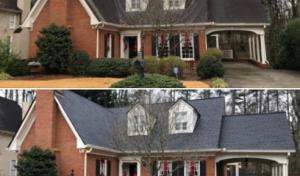
The Hiram market leans toward fast-repair and quick-turnaround service after a hail or wind event. When talking to contractors, expect emphasis on storm turnaround, cleanup, and affordability. In practice, that means you'll hear promises of rapid tarp-ups, same-day or next-day inspections, and streamlined crew scheduling. Prioritize firms that demonstrate a thorough on-site assessment, not just a quick drive-by, so the chosen roofer can materialize a solid plan that fits your home's actual damage.
Many local firms push free inspections, drone imagery, and manufacturer certifications. Those offerings can be helpful, but the key decision factor is documentation quality and scope detail. Ask for a written scope that items every needed repair, the materials to be used, and the sequence of work. Compare two or three bids not by how quickly they respond, but by how clearly they spell out nail patterns, underlayment, ventilation, and post-storm cleanup steps. A detailed report reduces back-and-forth during dry spells and helps you track progress as the weather window shifts.
Northwest metro Atlanta weather brings short-but-intense storms and humid summers, with winter variability. Choose a roofer who can align work with a practical timeline, including tarping, debris containment, and phased replacements if needed. Confirm a realistic start date and a contingency plan for rain days. The right contractor will present a staged schedule that minimizes attic exposure and interior disruption, while still advancing the project when daylight and temps cooperate.
With the county's permit and inspection cadence in play, confirm who handles scheduling and closeout steps before signing. Look for a point of contact who can provide progress updates, photos, and final checklists, rather than relying on general assurances. A neighborly, transparent process tends to deliver smoother communication and steadier progress through the season's swings.
Get a clear picture of your project costs upfront - no commitment required.
Dallas Roofing
(770) 608-9080 www.dallasroofingllc.us
44 Darby's Crossing Dr Suite 108C, Hiram, Georgia
4.9 from 164 reviews
Efficient Roofing & Restoration
(678) 499-3257 effroofingrestoration.com
Serving
5.0 from 83 reviews