Last updated: Apr 19, 2026
Smyrna sits in an Atlanta metro insurance environment where wind and hail activity generates meaningful roofing claim volume and heavier documentation demands. After a line of storms moves through Cobb County, you should act fast to protect the interior and your claim. The first move is to get a safe, temporary shield in place-tarps or aluminum panels over any exposed roof damage, plus quick-seal of active leaks at ceilings, walls, or attic spaces. Storms here can flip a minor flashing loose or a loose shingle into a sprint of water running down walls in hours, so rapid temporary protection is not optional-it's essential to avoid further interior damage and to keep your claim on track. If you notice water intrusion, document it immediately with photos from multiple angles, then place a tarp and tape seams securely until a professional can assess.
Local contractor signals strongly cluster around insurance claims, storm damage, and emergency repair, showing that homeowners commonly need post-storm inspections, tarping, and claim support rather than purely elective replacements. When you reach out for help, provide the insurer with a concise narrative of what happened: the date and time of the line, visible roof damage (missing shingles, lifted flashing, hail impact marks), and any interior effects such as damp ceilings or walls. Use clear photos that show the extent of damage from a ground view and from the attic if accessible. Keep a log of all contacts-name of the adjuster, the company you spoke with, the date, and what was promised. In this market, adjusters expect you to escalate promptly when lines of storms cross Cobb County, so having a precise timeline and well-labeled photos can shave days off the process. If you've had a prior claim, pull that file for any notes about typical roofing components or preferred materials so your current documentation aligns with what the insurer already considers standard.
Frequent summer thunderstorms in Smyrna can turn small flashing or shingle failures into active interior leaks quickly, making same-day temporary protection especially relevant after storm lines move through Cobb County. Start with a quick roof inspection for obvious openings around vents, chimneys, skylights, and edges where flashing may be compromised. Place a durable tarp over the roof deck to cover exposed areas, then seal around edges to prevent wind-driven water entry. If you can safely access the attic, check for active drips, crushed insulation, or damp plywood-these are red flags you must photograph and report immediately. Do not attempt permanent repairs on your own unless you are confident in safety and material handling; aggressive temporary fixes bought in a hurry can complicate an insurer's assessment. Instead, coordinate with a local contractor who understands the storm-season rhythm and can mobilize a tarping crew the same day you call.
A reliable local contractor in this area moves quickly from assessment to documentation to emergency protection. They will perform a rapid roof inspection, collect the necessary photos, and prepare a scoped estimate that addresses both the immediate tarping and the path to full repair or replacement. Expect them to align their findings with the insurer's typical documentation demands and to help you file for all eligible damage-shingle replacement, flashing repair, and related components. They should also offer to be present for the adjuster visit to ensure the claim captures the full scope of storm-related damage, reducing back-and-forth and the chance of underpayment. The goal is to protect your home fast, document accurately, and set the stage for a smooth recovery through the insurance process.

Home Best Roofing
(470) 637-4000 www.homebestroofing.com
2192 Goodwood Blvd SE, Smyrna, Georgia
5.0 from 130 reviews
"Here at Home best Roofing, the Atlanta roofers are experts in the craft, and all are licensed insured, and bonded with years of professional experience and knowledge in the roofing industry. We offer free estimates, before-purchase inspections, and on-site estimates. We take advantage of all innovations and technology to be a step ahead of the competitions, birds-eye view is initiated every time a roof is inspected. Drones are used to capture where is the roof damaged. The expert roofing contractors can help you with a number of issues, including storm damage, leak repairs, general repairs, reroofing, and ansp shingles. Call Home Best Roofing today to schedule your free initial estimate."
Rivertop Roofing
(888) 909-5424 www.rivertoproofing.com
2400 Herodian Way Suite 220, Smyrna, Georgia
5.0 from 40 reviews
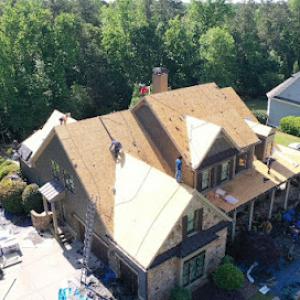
Emergency white-glove roofing repair and replacement for Atlanta, GA homeowners. Free 101-point roof inspection and insurance consultation. There are many roofing companies out there, but we specialize in the insurance restoration process. If your home has unexpected damage from a storm or other incidents, we can help!
Alliance Roofing
(404) 932-5260 www.allianceroof.com
4636 Somerset Rd, Smyrna, Georgia
4.7 from 103 reviews
Alliance Roofing, LLC has served the Atlanta area since 1992. We take pride in being a professional roofing company based in Smyrna, GA, and serving the surrounding areas. As a locally owned and operated business, we have built a strong reputation as the go-to roofing experts for residents and businesses. Our commitment is to offer more than just roofing services; we aim to deliver exceptional service, superior products, and fair pricing. Whether your project is residential or commercial, big or small, our knowledgeable team and top-quality materials ensure we do the job right and within your budget.
RCB Roofing
1755 S Cobb Industrial Blvd SE Ste B, Smyrna, Georgia
4.6 from 119 reviews
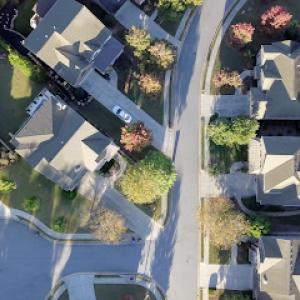
RCB Roofing has been serving Metro Atlanta and the North Georgia mountains and has been family-owned and operated since 1998. Fully licensed and insured, we specialize in residential and commercial roofing, including re-roofs, roof replacements, and major roof repairs. Our expert team installs a wide range of roofing materials, including asphalt shingles, metal roofs and metal shingles, synthetic cedar shakes, composite slate, Spanish barrel tile, steel slate, and cedar shake roofing. Backed by industry certifications including GAF Certified, GAF Metal Certified, and Owens Corning Preferred Contractor, RCB also offers a 10-year workmanship warranty, ensuring exceptional craftsmanship and trusted service for every project.
Hill Top Roofing
(770) 432-5169 www.hilltoproof.com
2284 Old Concord Rd SE suite d, Smyrna, Georgia
4.8 from 20 reviews
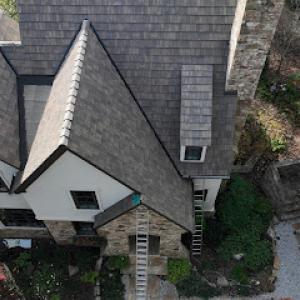
Residential and commercial roofing business offering roof repairs, roof installations, Roof inspections, Roof maintenance and insurance claim assistance
Exquisite Roofing & Restoration
(678) 761-4919 exquisiteroof.com
3390 Creek Valley Dr SE, Smyrna, Georgia
4.4 from 17 reviews
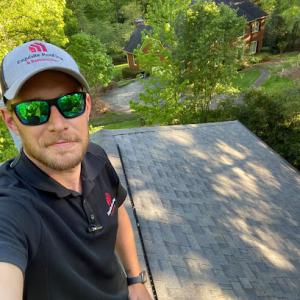
Exquisite Roofing and Restoration is a full-service roofing, siding, and gutters company with over 10 years of experience in the Smyrna area. We take pride in our workmanship and provide unparalleled service to each customer we serve. Our priority is to make sure that you are 100% satisfied with your project! The team at Exquisite Roofing and Restoration will be there every step of the way from start to finish. If you are looking for new gutters installed, New roof installation, or brand new siding we should be your first call in the Smyrna area. We service Vinings, Mableton, Powers Park, Austell, and surrounding Atlanta GA area! We are Insurance roofing claims experts as well, so give us a call for all your roofing needs in Smyrna area
Roofing Jaguar
(470) 494-4433 roofingjaguar.com
3316A S Cobb Dr SE, Smyrna, Georgia
5.0 from 4 reviews
Roofing is our heritage, quality is our tradition. We build more than just roofs. We create protection, comfort, and timeless elegance for your home, ensuring safety for generations.
Trademark Roofing
(770) 437-1317 trademarkroofing.com
Serving
4.8 from 99 reviews
Trademark Roofing provides roofing installations and repairs, gutter installation, chimney services, and more to Atlanta, GA and surrounding areas.
Union Restoration Group
(770) 549-7437 unionrestorationatl.com
Serving
4.8 from 58 reviews
Especializados en water mitigation and restoration
Kelly Contracting
(601) 941-8487 www.kelly-contracting.com
Serving
5.0 from 14 reviews
Welcome to Kelly Contracting, your local roofing contractor and exterior maintenance provider serving the Atlanta Metropolitan Area. With a commitment to education, local expertise, and top-notch craftsmanship, we are dedicated to delivering reliable roofing solutions and exceptional customer experiences. From roof replacements, repairs, and installations to maintenance services, trust our experienced team to protect your home and beautify your exterior.
Roofing Done Wright
(678) 722-5050 www.roofingdonewright.com
Serving
5.0 from 477 reviews
Roofing Done Wright was founded to bring local homeowners exceptional roofing services. We are dedicated to quality and doing things the “Wright” way on every project. If your roof is in trouble, don’t fret. Simply give us a call and experience why we’re one of the most trusted roofing companies serving the Metro Atlanta area. Contact us today!
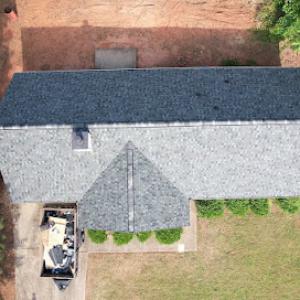
Stellar Roofing & Solar
(470) 466-8264 stellarroofingandsolar.com
Serving
5.0 from 105 reviews
Stellar Roofing and Solar is a third-generation, family-owned business in Atlanta, GA, specializing in roofing, solar, and home remodeling. We’re GAF Certified and BBB Accredited, offering expert residential and commercial services including storm damage restoration, siding, windows, and solar roof installation. Whether you need a traditional roof or a solar shingles roofer in Atlanta, our team delivers quality workmanship and lasting solutions. We provide free inspections, warranties, and financing options. Contact us today and experience the Stellar difference in solar roofing Atlanta homeowners trust.
When planning a roof update, start with the local ranges you'll actually see in Smyrna after a storm event. Asphalt shingles run about 350 to 520 USD per square. Metal roofs sit in the 650 to 950 USD per square range. Clay tile projects typically land from 900 to 1500 USD per square, while concrete tile usually runs 900 to 1400 USD per square. If you're considering wood shingles or shakes, expect 600 to 900 USD per square, and synthetic or composite shingles come in around 450 to 800 USD per square. These figures reflect typical market conditions in established Smyrna neighborhoods, where the mix of homes and roof ages pulls prices in slightly different directions depending on project specifics.
After an Atlanta-metro wind or hail event, you'll notice two practical shifts in Smyrna: labor tightness and scheduling pressure. Local crews can be booked weeks sooner than you'd expect in a calmer market, and a higher demand for quick temporary protection or expedited tear-off work can push timelines into the next available window. If you're coordinating with an insurer, this means quotes that assume "standard conditions" might drift toward "rush scheduling" scenarios, which can affect both price and the expected duration of work. Plan for a tighter window for material delivery and crew availability right after a major storm, especially for more specialized materials like clay or concrete tiles.
In Smyrna, tearing off an old roof often reveals issues that a single-material quote won't cover. The common discoveries include compromised decking, flashing around chimneys or vents, and ventilation corrections. These items typically arise once the old shingles are removed and the underlayment is exposed. The cost impact varies by roof age and the extent of damage, but you should budget for possible decking replacement, upgraded flashing, or additional ventilation work as part of the tear-off process. If you're replacing with metal or clay tile, expect that fasteners, underlayment, and specialized flashing details will add to the bill beyond the raw material price per square.
Begin with a precise measurement of your roof and an honest assessment of condition, ideally before any storm claim discussions start. Get two or three written quotes that clearly separate material costs from tear-off and disposal, decking, flashing, and ventilation work. Ask potential contractors to itemize how storm-driven scheduling could affect your project: early-start penalties, delivery delays, and how they handle emergency tarping or temporary protection in the interim. If you're leaning toward a heavier-duty material like clay or concrete tiles, verify that the proposed roof frame can support the weight, and anticipate that installation days may be longer due to weather checks and crew safety during a humid Smyrna summer. These steps help ensure you're comparing apples to apples and that you're financially prepared for the realities of storm-driven projects in this area.
Most full roof replacements in Smyrna require a permit handled through the City of Smyrna or Cobb County building department process. That path is designed to keep installations up to code and to ensure that the work is reviewed for safety, venting, and compliance with local wind and weather requirements. The general flow is straightforward: a contractor submits the project for plan review, any necessary inspections are scheduled, and a final sign-off is issued after the job meets all code requirements. The process, while routine, benefits from early planning and documentation, especially after a severe wind or hail event when the pace of work accelerates and the demand in the area spikes.
In practice, you will typically coordinate with your chosen contractor who handles the permit package, including drawings or summaries of underlayment, flashing details, and proposed ventilation. The permit itself does not authorize the work to begin until the city or county approves the plan, but much of the heavy lifting happens during that initial submission. Expect the permit to cover everything from tear-off through final installation, including all penetrations, flashing, and wind-resistance provisions. If the project involves any non-standard components or additions to flashing or underlayment, that review will be part of the process as well.
After tear-off and during installation, inspections concentrate on practical, on-the-ground factors rather than exotic or unusual review pathways. The key targets are decking condition, underlayment integrity, flashing around chimneys and vents, and the wind-resistance features of the chosen roofing system. Decking inspection ensures the substrate is sound and free of extensive rot or damage that could compromise long-term performance. Underlayment inspection checks for proper overlap, exposure, and pinholes that could allow moisture intrusion. Flashing inspections focus on continuity where walls meet the roof, around skylights, valleys, and penetrations, with attention to how well flashing accommodates thermal expansion and wind loads. Wind-resistance requirements are verified against the chosen roofing system's tested performance and the local code expectations for the area's typical wind zones. The goal is to confirm that the installed roof remains watertight under the region's dynamic storm conditions.
Because storm season, spring rain, and occasional winter cold snaps shape the local climate, inspection timing can be affected by weather even when the permit process itself is routine. Thunderstorms and fast-moving systems can interrupt or delay both tear-off work and on-site inspections. It's not unusual for a window of several days to pass between permit approval and the required inspection, if a weather break or scheduling conflict occurs. Contractors often adjust the sequence to keep projects moving when skies clear, but inspection readiness still depends on dry conditions and safe access to the roof. Planning ahead with the contractor for weather contingencies helps avoid hold-ups and ensures that inspections can proceed promptly once conditions permit.
To reduce delays, ensure the contractor maintains clear communication about the scheduled inspection dates and the exact scope of work being reviewed. Have copies of the permit, stamped plans, and a concise summary of materials ready for the inspector. If a storm-related scope change occurs-such as expedited replacement or an upgraded venting plan-confirm how that affects the permit amendments and the inspection sequence. Finally, verify that any temporary repairs or patch work are documented and addressed in the final inspection so the project closes cleanly with no lingering questions about code compliance.
Smyrna's hot, humid subtropical climate accelerates wear from sun and rain. UV exposure softens asphalt and accelerates asphalt shingle granule loss, while persistent moisture loads can lead to mildew, algae, and fascia rot on vulnerable edges. In this climate, roofs age under both continuous sun and heavy bursts of rain rather than long freeze-thaw cycles. That means careful material choice and inspection for moisture seals, flashings, and attic ventilation become ongoing concerns, not one-time fixes.
Spring humidity and rain create moisture concerns during underlayment installation, so crews must manage moisture in the roof deck and ensure proper drying between layers. Summer heat and thunderstorms can interrupt open-roof work, extend project timelines, and push sealants beyond ideal curing conditions. If a crew loses a workday to lightning or sudden downpours, plan for temporary coverings and staggered sequences to avoid exposing vulnerable areas. Fall tends to offer more reliable windows, with cooler days and fewer mid-day storm interruptions, allowing seams and flashings to settle before winter humidity returns.
Look for fast granule loss, color fading, and hairline cracks on shingles-common signals that UV and heat cycling are taking their toll. In the attic, check for signs of moisture intrusion after a heavy storm: damp insulation, dark stains on rafters, or a musty odor. Underlayment should remain flat and continuous; any wrinkling or peel-back near valleys, chimney, or vent penetrations warrants prompt attention. When repairing after a storm, reseal and reflash strategically, paying close attention to gullies, vent boots, and step flashing where heat-driven expansion can loosen seals.
After wind or hail events, inspect the roof from ground level for lifted shingles, dented metal, or torn flashing. If you notice concealed leaks, address them quickly by covering with a temporary waterproof tarp and scheduling a professional assessment soon after daylight hours pass and temperatures stabilize. In this climate, long-open repairs must be organized around the most predictable weather slots, prioritizing damage assessment, temporary protection, and durable resealing to minimize moisture ingress between storm bands.
Asphalt shingles are the backbone of many Smyrna roofs because they align with the local contractor base and the common expectations homeowners have when replacing storm-damaged roofs. The material handles the humid summers and the frequent thunderstorms in a way that most crews are comfortable with, and it fits well with the typical roof pitches found on the neighborhood homes. If you're facing wind-driven hail and want a reliable, repair-friendly option, asphalt shingles offer straightforward installation, accessible repair methods, and a broad supply chain that keeps repairs practical after a severe weather event. In your planning, you'll notice a wide range of styles and warranties that help you balance curb appeal with proven performance in our climate.
Metal roofing has a meaningful specialist presence locally, and many Smyrna homeowners consider it when evaluating longer-term performance against repeated sun exposure and storm-driven maintenance cycles. Metal panels resist hail better than many shingle options and can shed rain more quickly, which helps during the heavy thunderstorm months. A metal roof also tends to be lighter on some older structures and can be paired with underlayments and venting strategies that support attic climate control. If your home has a higher exposure area, or if you anticipate frequent roof-top maintenance after storms, metal offers a compelling balance of durability and service life. The key is working with a contractor who understands the nuances of metal detailing, flashing, and radiant heat management to avoid issues at eave lines and along dormers.
Tile, wood shake, and synthetic options exist in Smyrna but require contractors familiar with their weight, detailing, and repair methods, which is a narrower slice of the local market than standard shingle work. Clay and concrete tile bring a distinctive look and excellent durability in hot, sunny summers, but they demand a stronger structural support and careful installation to prevent cracking from lawn debris or wind. Wood shakes and fibers compare in appearance and texture, yet they carry higher maintenance needs and can be more sensitive to humidity and pests. Synthetic options aim to mimic tile or shake with easier installation and upkeep, but the performance hinges on the specific product composition and the installer's experience with the system. When considering these materials, verify the crew's track record with your roof's weight load and any specialized flashing or venting required to keep moisture out.
In practice, the choice often comes down to balancing local weather exposure, long-term maintenance, and how a given material behaves on your particular roof shape. Storm events emphasize the importance of a sound underlayment, solid flashing, and a robust venting plan to protect interior spaces during rapid weather changes. For homes with higher wind exposure or frequent hail, discussing wind-rated shingle options or premium underlayment can make a meaningful difference. Regardless of material, select a contractor who can translate the local climate into a constructive installation plan, with attention to how the roof will perform after the next storm season.
Explore specialists in steel, aluminum, and standing seam metal roofs built to last 50 years or more.
RCB Roofing
1755 S Cobb Industrial Blvd SE Ste B, Smyrna, Georgia
4.6 from 119 reviews
Smyrna homeowners are operating in a high-claim Atlanta-area environment where insurers often want detailed before-and-after photos, contractor notes, and clear storm-date documentation. When wind and hail strike, that means you should photograph every visible area-shingles curled at edges, granules in gutters, dented vents and flashing-and keep notes on the date and weather. After a storm, your contractor's written assessment should be precise about what survived and what failed, with dated photos showing the exact condition before and after any remediation. If those records aren't thorough, you may face delays or deductions that complicate a timely resolution.
Wind-related credits or coverage decisions can be influenced by local regulatory practices and prior claim history, so installation details and paperwork matter beyond the roof itself. Document not just the damaged shingles but the surrounding exterior and any interior signs of water intrusion, such as stained ceilings or attic dampness. A clear chain of custody for the work-photos labeled by date, room-by-room leak notes, and a written scope of work from the contractor-helps prevent questions later when the adjuster reviews the claim. In this market, a well-documented file can shorten the path from warning signs to a proper settlement.
Because many storm-driven replacements follow events rather than aging alone, homeowners need to document visible exterior damage and interior leak evidence early, before temporary repairs or additional weather obscure the loss. Quick action matters: the longer water sits, the higher the risk of secondary damage that complicates both repair and coverage. Keep a log of every contact with the insurer and the contractor, and ensure that storm-date documentation clearly aligns with the damage timeline. Deliberate organization now reduces friction when it counts.
Connect with contractors who help homeowners navigate the claims process from damage assessment to final approval.

Home Best Roofing
(470) 637-4000 www.homebestroofing.com
2192 Goodwood Blvd SE, Smyrna, Georgia
5.0 from 130 reviews
Rivertop Roofing
(888) 909-5424 www.rivertoproofing.com
2400 Herodian Way Suite 220, Smyrna, Georgia
5.0 from 40 reviews
Alliance Roofing
(404) 932-5260 www.allianceroof.com
4636 Somerset Rd, Smyrna, Georgia
4.7 from 103 reviews
In older in-town neighborhoods, re-roofing is more common than new construction, so the sharpest surprises show up only after a tear-off. Expect some sheathing to reveal nonstandard deck nails, or minor rot around edges that wasn't visible from the attic. A careful contractor will schedule a full inspection of the deck sheathing, rafter tails, and drip edge while the old roof is off, so there are no last-minute discoveries that derail the project. Plan for a quick reassessment after the old layer is removed, and keep a short list of repairs ready for the crew if any soft spots or nail pops appear.
Local contractor signals show chimney work appears often enough to matter, which fits older homes where flashing transitions around masonry can be a recurring leak point during replacement. Expect flashing at chimneys, skylights, vents, and step details to need re-seating or resealing. A masonry-adjacent re-roof often unlocks water pathways that were dormant, so insist on replacing counter-flashing where appropriate and installing a continuous kick-out at wall junctures. Clear communication with the crew about chimney chase sealants and mortar joints helps prevent future leaks.
Because cleanup and quick response are highly valued in this market, homeowners in tighter neighborhood settings often care about driveway protection, magnetic nail cleanup, and minimizing disruption during tear-off. Have the crew lay down temporary protective boards or plywood where the front drive intersects the roof line to shield the driveway surface. Magnet sweeps should happen at the end of each workday to collect stray nails, especially near shared driveways or alley access. Ask for daily cleanup checklists and a dedicated crew member responsible for coordinating equipment storage and debris removal to keep the street and driveway clear.
Older homes can require extra attention to sequencing so interior spaces stay dry during weather swings. A typical approach is to roof in sections that align with the interior ceiling joints and attic baffles, reducing the chance of sudden leaks during a late afternoon thunderstorm. With masonry surroundings, plan for extended drying times after installation of flashing and seals around chimney masonry, and confirm that vent pipes and attic hatch penetrations are fully sealed before the next rain event.
Find contractors experienced in skylight installation, flashing, and leak repairs to bring natural light into your home.