
Last updated: Apr 19, 2026
After a nor'easter or spring thunderstorm, you cannot wait to act. Hail hits can leave hidden structural damage that isn't obvious from the ground, and in this neighborhood that damage compounds quickly with wind-driven debris and saturated underlayment. Dallas, GA homeowners face regular spring thunderstorms with hail and strong winds, making storm damage a leading trigger for roof inspections and replacement decisions. Start with a careful exterior sweep at dawn: look for crushed shingles, dented metal flashing, loose vent seals, and scuffed siding near roof lines. If you see shingles curling or granules in gutters, treat it as a signal to bring in a pro immediately. Call a local storm-response contractor who understands how quick shifts in weather drive moisture into vulnerable spots. Do not wait for a routine appointment if you suspect any compromise to the attic or ceiling; a swift assessment can prevent mold and rot that complicate dry-in and cost you time.
In this market, many roofs bear the aftermath of hail and wind in the form of accelerated wear, punctures, and hidden leaks. Look for spindle-shaped dents on dents on metal flashings, bruising on asphalt shingles, or fibers showing through the shingle surface. Inside the attic, check for damp insulation, unusual staining around chimneys or vent stacks, and daylight peeking through the decking. If you notice any of these indicators, schedule a same-week inspection with a Dallas-area contractor who has storm-damage experience and a proven track record with insurance-driven projects. Insurance-driven work is common here, and delaying a thorough assessment can trap you into less favorable dry-in conditions once the weather warms up and the summer hazards intensify.
Spring and fall are the most predictable windows for roof replacements in this area. Summer heat and ongoing storms can complicate tear-offs and dry-in, extending the project and inviting weather delays. The best approach is to stage the project to hit a dry spell in the spring or fall, aligning inspection findings with a window where crews can complete the work efficiently and minimize disruption. If damage is high-priority, prioritize a faster-start with an experienced crew that can manage debris containment, roof deck evaluation, and coordinated teardown and installation so your interior is protected from moisture as soon as possible.
Contractors here cluster around storm damage, insurance claims, and emergency repair because homeowners seek help immediately after weather events. When contacting firms, request a dedicated storm-damage assessment, a documented plan for tarp and temporary protection if needed, and a transparent path from inspection to dry-in. Verify credentials, confirm they handle hail claims end-to-end, and insist on a written scope that covers decking inspection, underlayment replacement, and vented attic sealing. In this market, the fastest, most transparent responders are the ones who keep you informed from first contact through final, watertight completion.
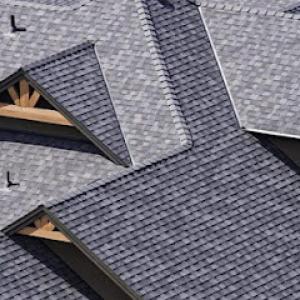
C&R Roofing
(404) 409-7536 www.cr-roofing.com
84 Kennedy Cove, Dallas, Georgia
4.9 from 268 reviews
C&R Roofing is a family-owned roofing contractor serving Dallas, GA, and the surrounding areas. Our skilled team provides reliable residential and commercial roof replacements, repairs, and inspections. We work with various roofing materials to meet your needs, delivering durable results backed by a 10-year workmanship warranty. Whether you need a small repair or a full roof replacement, we’re committed to protecting your property with quality roofing solutions. Call C&R Roofing today to schedule your free, no-obligation roof inspection and see why we’re a trusted Dallas roofing contractor. Let us help you keep your home or business safe and secure!
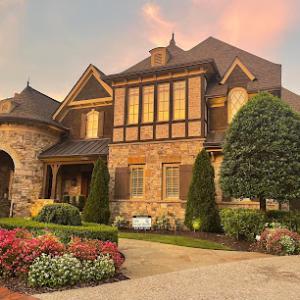
New Image Roofs Painting Windows & Construction
(678) 444-4901 newimageroofs.com
2408 Charles Hardy Pkwy, Dallas, Georgia
4.9 from 650 reviews
New Image Roofs and Painting, established in 2016, is a locally-owned business with over a century of experience in providing superior roofing, painting, and window services. Based in Dallas, Georgia, their expertise extends all over the state of Georgia. From comprehensive roof and window replacements and repairs to flawless interior and exterior painting, New Image ensures meticulous attention to detail and a commitment to excellence. With a personalized approach, expert craftsmanship, and unwavering dedication, New Image Roofs and Painting strives to transform your property, delivering stunning results that speak for themselves.
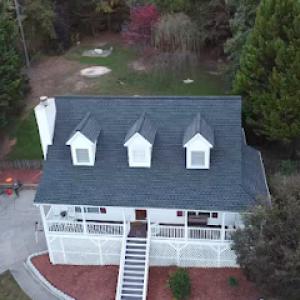
Raymond's Roofing
(706) 400-4111 www.raymondsroofing.com
785 Seaboard Dr Suite 205, Dallas, Georgia
4.9 from 137 reviews
Raymond Roofing is a full-service commercial and residential roofing company located in Dallas, GA. We offer roof repair and roof replacement services in and throughout the greater Atlanta metro. We are an A+ BBB Rated Atlanta Roofing Company. We are experts in Asphalt Shingle, Cedar, and Slate.
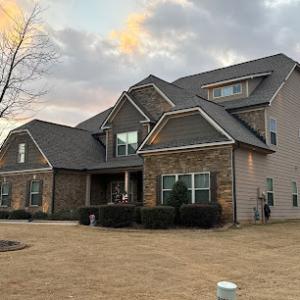
King's Premium Roofing
(678) 331-0099 www.kingspremiumroofing.com
167 Patrick Dr, Dallas, Georgia
4.9 from 158 reviews
At King’s Premium Roofing, we are your trusted wind and hail specialists. As a family-owned and operated company, we bring over 10+ years of hands-on labor experience and 8+ years of industry sales experience, allowing us to properly assess damage and guide our clients through every step of the process. We provide a wide range of services to cover all your roofing and home exterior needs, delivering quality craftsmanship, honest inspections, and dependable service you can count on.
Iroofer Contractors
(470) 236-1410 iroofercontractors.com
152 Freedom Dr, Dallas, Georgia
5.0 from 54 reviews
Iroofer Contractors is a top-rated roofing company specializing in residential roofing services in Dallas, Georgia, and surrounding areas. We offer expert roof repair, roof installation, gutter services, and roof maintenance solutions. Our team is committed to providing high-quality materials and skilled artistry to ensure durable and exceptional roofing results. Contact us today for your roofing needs.
Safeguard Roofing Group
(404) 602-9905 safeguardroofinggroup.com
25 Paul Aiken Rd, Dallas, Georgia
4.9 from 72 reviews
Since the very beginning, the professionals from Safeguard Roofing Group have wanted to be known as Full-Service Roofing Contractors that you could truly trust. From day one, we pledged to offer 5-star home roofing, commercial roofing, residential exteriors, commercial exteriors, home renovations, remodeling, property restoration, and so much more to every customer who called. We pledged to not only offer Greater Atlanta’s best roofing and exterior expertise to our clients, but to offer those services with better quality products, a higher level of craftsmanship, and at more affordable pricing than any regional competitor.
Crist Jr Roofing & Construction
(470) 431-4107 cristjrroofing.com
4550 Dallas Acworth Hwy, Dallas, Georgia
4.8 from 108 reviews
Crist Jr Roofing and Construction is a Reliable Local Roofing & Gutter Company! We are dedicated to producing quality work at affordable prices. We have a local team of capable, seasoned roofing professionals that understand the complexity of a roofing system, and how to ensure that your home is water tight. Our Project Managers strive to cater to our clients high standards for projects and deliver timely and efficiently. Book Your Free Estimate Today!
Northwest Roofing
(888) 565-1260 northwestroofingandrepair.com
198 Marietta Path, Dallas, Georgia
4.8 from 83 reviews
Northwest Roofing & Repairs offers: Roof Repairs, Roof Replacement, Re-Roofing, New Construction, Storm Damage, Hail Damage, Natural Disasters, Residential Roofs, Commercial Roofs, Metal Commercial Roofs, Liquid Applied Commercial Roofing, TPO Flat Commercial Roofs, EPDM Flat Commercial Roofing, Metal Roofing, Roof Maintenance, Certified Roofers, Roof Inspection, Insurance Claims Welcome, Warranty on all Work, Licensed & Insured, Debris Clean-up, GAF Certified, Owens Corning, ABC Supply Inc., SRS Distribution. Painting Contractor, Commercial, Residential, Exterior/Interior, Custom Painting, Cabinet Painting, Deck Painting. Call today for Free Estimate for all your Roofing, Painting, & Home Improvement Needs!!
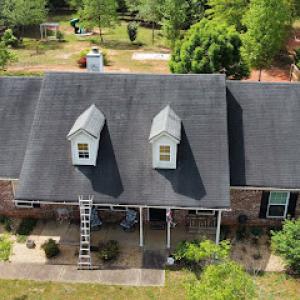
Roofing By Southern Home Improvement
(470) 521-6526 www.southernhomellc.com
300 White Ingram Parkway Suite 314, Dallas, Georgia
5.0 from 18 reviews
A division of our parent company, Southern Home Improvement, We specialize in all types of residential roofing. The most common residential roof is asphalt shingle roofing. The three main types of asphalt shingles include 3-tab, architectural, and designer. 3-tab shingles, also called strip shingles, are a single laminate shingle. They are the most cost effective shingles on the market. However, they come with the shortest life span. 3-Tab shingles, with a proper roof deck, with give a smoother appearance. Metal roofing systems are another residential roofing option. We install two types of systems. Standing seam metal roofs and Low Ribbed metal roofs.
MaxPro Roofing & Construction
794 Potomac Dr, Dallas, Georgia
4.9 from 27 reviews
MaxPro Roofing & Construction is a fully licensed and insured locally owned company that offers EVERYTHING you need for your home and peace of mind!!
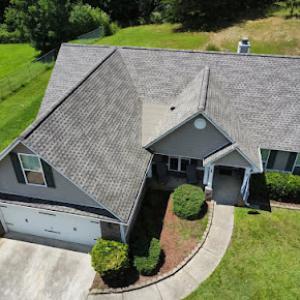
Dynamic Roofing & Construction
(404) 784-9030 www.dynamicroofingandconstruction.us
348 Clyde Cole Rd, Dallas, Georgia
4.9 from 14 reviews
Dynamic Roofing and Construction is here to help customers in need for a new roof. Roofs are the best investment a homeowner can have. Call/text or email us for a free inspection or estimate on your roof !
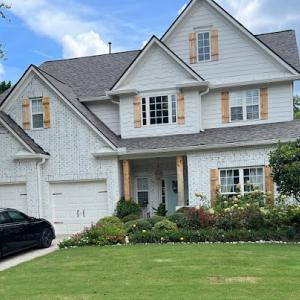
Redeemer Roofing
221 Villa Ridge Ct, Dallas, Georgia
4.8 from 20 reviews
Residential, commercial and metal roof installations. 10% of profit is tithed to local churches.
Georgia's weather-driven claim environment affects Dallas roofing decisions because hail and wind events can change deductibles, coverage terms, or documentation requirements depending on carrier. When a storm hits, your first step is to pause any immediate DIY repairs that could impact the claim. Unauthorized repairs can void coverage or complicate the adjuster's assessment, especially after a hail event where surface damage may be subtle but material. This is particularly true in Paulding County, where rapid spring storms can produce a wave of claims that strains the local adjusters and crews.
Dallas homeowners should expect insurers to ask for date-stamped photos, contractor estimates, and visible storm evidence when filing wind or hail claims. After a hail event, take comprehensive photos of the entire roof from ground level and from attic footholds if safe. Capture any bruising, granule loss, dented vents, and damaged flashing. Keep a log of all storm-related damage to exterior elements such as gutters, siding, and fascia, since insurers often connect these items to roof integrity. When you file, have all relevant information ready so the adjuster understands the scope of impact and the potential ripple effects on your shingles, underlayment, and ventilation.
Because claim activity follows regional storm patterns, Dallas homeowners can face longer adjuster and contractor timelines after major weather events in Paulding County and the northwest Atlanta suburbs. Expect potential delays in appointment scheduling and in securing a trusted local contractor to perform a thorough assessment. If delays occur, document any interim weather exposure, such as days with heavy rain or high wind, and relay those conditions to your insurer to help preserve coverage timelines. In the interim, avoid letting debris linger on the roof, as this can complicate later evaluations.
Choose a local, reputable roofer who can provide a detailed, date-stamped inspection report and itemized estimates that align with the insurer's expectations. A nearby contractor can expedite the process by coordinating closely with the adjuster and providing additional photos or measurements as needed. Be wary of rushed repairs or contractors who push to seal a claim without a comprehensive assessment, especially after multiple storms. Your chosen professional should document existing conditions, the extent of storm damage, and any necessary repairs that restore the roof's performance and weather resistance.
Keep all communications in writing when possible and save copies of every report, photo, and estimate. If an adjuster questions the extent of damage, request a re-inspection and provide the contractor's documentation to support your case. Understand that deductible discussions and coverage terms can shift with storm severity and carrier policies, so stay proactive in comparing the insurer's findings to the on-roof reality documented by your roofer. If the claim involves multiple days of inspection and repair windows, coordinate closely with your contractor to minimize exposure to the elements while ensuring a proper, code-compliant fix.
Connect with contractors who help homeowners navigate the claims process from damage assessment to final approval.
New Image Roofs Painting Windows & Construction
(678) 444-4901 newimageroofs.com
2408 Charles Hardy Pkwy, Dallas, Georgia
4.9 from 650 reviews
Raymond's Roofing
(706) 400-4111 www.raymondsroofing.com
785 Seaboard Dr Suite 205, Dallas, Georgia
4.9 from 137 reviews
Asphalt shingles dominate the local market, aligning with the prevalent suburban housing stock and the strongest contractor specialization among the available material types. In hot, humid summers, asphalt delivers predictable performance, ease of repair, and a broad service network. For homeowners facing Dallas's spring thunderstorms and occasional hail, shingles with good granule retention and a robust adhesive or sealant system help resist moisture intrusion along the ridges and eaves. Ventilation and attic air management become practical priorities: ensure your attic has adequate intake and exhaust ventilation, and consider radiant barrier or attic insulation improvements to lessen heat buildup under the roof deck. Proper installation matters as much as brand selection; insist on a quality underlayment and a nail pattern that respects the roof pitch and exposure to severe weather. In neighborhoods with similar design language and roof lines, asphalt can be a straightforward upgrade that preserves curb appeal while delivering reliable performance under the city's typical weather rhythms. If you plan to stay in the home for a decade or more, discuss shingle color and surface texture with your contractor, since reflective granules and darker tones interact with summer heat and attic temperatures in distinct ways.
Metal roofing has a meaningful local contractor presence, making it a realistic upgrade option for homeowners prioritizing storm resilience and heat performance. Metal panels or shingles can shed rain quickly and resist denting from hail better than many traditional options, which matters after heavy spring storms. For heat management, metal commonly offers lower thermal mass at the attic level when paired with proper venting and reflective coatings. In Dallas's climate, a cool roof finish-light-colored or specially coated metal-helps reduce the attic's heat load and can translate into lower cooling demands on the home itself. Expect contractors to emphasize panel or shingle profiles that suit existing roof lines and pitch, since compatibility with the home's visual character matters in this market. When selecting metal, pay attention to corrosion-resistant finishes and warranty coverage for color fade, especially in sun-drenched exposures. A well-installed metal roof pairs well with attic ventilation strategies and can enhance overall storm resilience without sacrificing interior comfort.
Beyond the material choice, the way a roof breathes together with the attic space drives long-term performance in hot, humid conditions. Ventilation strategies that reduce attic heat buildup help all roof types perform better, preserving underlayment integrity and prolonging the life of sealant lines. In areas where hail exposure is a recurring concern, attention to the roof deck's condition after a storm-checking for loose or damaged underlayment and ensuring fasteners are secure-can prevent elevated interior humidity and slow water intrusion. For homes with a mixed architectural palette, choosing a roofing option that complements existing exterior finishes and neighborhood character supports resale value and curb appeal. Given the local contractor ecosystem, it is also practical to align with a preferred installer who can offer a coordinated plan for both roof replacement and attic temperature management, ensuring the chosen system works harmoniously with existing ventilation and insulation strategies. In hot, humid summers, the right combination of material selection, ventilation, and maintenance becomes the cornerstone of a durable, comfortable roof system.
Typical Dallas pricing runs about $350 to $600 per square for asphalt shingles, $700 to $1200 for metal, $1100 to $1800 for clay tile, $900 to $1400 for concrete tile, $700 to $1100 for wood shingles or shakes, and $450 to $900 for synthetic or composite shingles. In a suburban re-roof project, most homes land in the asphalt or synthetic range unless the roof already has or is planned for higher-end tiles or metal. When a contractor tears off and re-nails, expect the upper end of the range if the crew encounters significant underlayment work, ventilation upgrades, or water damage behind the fascia. In clay or concrete tile installations, the price jumps quickly due to heavier weights, additional framing checks, and careful handling to avoid breakage. For metal roofs, you'll see a wider spread based on profile, coating, and panel length-longer runs and thicker coatings push the price up, but often deliver longer life in our spring thunderstorm environment.
Storm-driven demand spikes in Dallas can push pricing and scheduling pressure higher after hail and wind events, especially during the busy spring and fall replacement seasons. If a hailstorm rattles through your neighborhood, you'll likely hear about lead times from contractors and a rush on tear-off crews. That pressure can translate to higher estimates, shorter booking windows, and more emphasis on expedited permits and inspections. Plan for potential delays if crews are tied up handling multiple hail claims in the same area. If your roof is marginal already, a storm can tilt the decision toward immediate replacement rather than waiting for a calmer window.
Costs in Dallas can also shift with roof complexity common in suburban re-roof projects, and whether hidden moisture damage is found after tear-off during humid-weather replacements. If moisture is discovered, expect extra days of work to dry out and replace damaged decking, which adds to both material and labor costs. In two-story homes or steeper pitches, expect additional crew time and safety measures, which can push the square pricing higher. If you're weighing options after a storm, remember that the type of shingles you choose affects not just upfront cost but long-term resilience against the next hail season.
Don't let upfront costs delay a critical repair - these contractors offer payment plans to fit your budget.
In Dallas, a roofing permit is typically required for a full re-roof, with applications submitted through the Dallas or Paulding County building department. The process is local by design, so the timing and requirements can vary from year to year as the departments adjust to seasonal demand and storm-related workloads. You should plan for the permit to be visible on site as soon as work begins, and be prepared for follow-up questions or requested clarifications from the plan reviewers. A careful note: pre-approval or setbacks from your homeowner association, if applicable, may also surface during the permit review, so handle those early to avoid project delays.
Inspections are scheduled after work begins and a final inspection is required upon completion. This means you should confirm that the contractor is coordinating both stages: the initial inspection to verify framing, underlayment, and roof installation, and the final inspection to certify that the work meets code and local standards. In busy periods-common after spring storms or hail events-the department's inspection queue can stretch, so align your project timeline with your contractor's inspection calendar. Rushing to cover a storm-damaged roof without a clear inspection plan can lead to missed deadlines and potential rework.
Dallas requires the permit to be visible on site, which becomes a practical checkpoint for homeowners and neighbors during a re-roof project. If the plan review workload is heavy, which happens during peak repair seasons, start dates can slip even after initial approvals. Keep a close eye on communication from the building department, and ask your contractor to share any correspondence about plan review status or required amendments. A proactive approach helps you avoid lying awake at night worrying about whether the project is legally compliant or facing last-minute hold-ups.
Keep copies of all permit-related documents and inspection approvals in a centralized folder you can show at any point. If you're dealing with storm damage and an insurance-driven timeline, document the condition of the roof with dated photos and notes to accompany the permit package. Finally, maintain a visible, weather-resistant permit card on site and verify with your contractor that the planned start date accounts for potential department workload fluctuations, so your re-roof isn't left waiting in the queue when the skies clear.
Contractors serving this area commonly target spring and fall for full replacements to dodge the peak summer heat and the wild weather swings that can come with it. If a shingle replacement is planned, aim for a window where heat won't bake adhesives or expand materials, but also where afternoon storms aren't dominating the workday. In practice, that means leaning toward late March through May or September through early November.
Hot, humid summers in this region stress roofing components during installation. Material handling, sealant performance, and attic ventilation all become more delicate as afternoon storms roll in. If scheduling during the heat, plan for early starts and shorter daily work segments, with clear contingencies for rain interruptions. Expect moisture control to matter more when crews finish each day, especially if conditioning helps trims and underlayment settle before the next rain band.
Occasional winter rain and freezing temperatures can slow tear-off, underlayment installation, and final drying conditions even though winters aren't severe by northern standards. If a job spans a cold snap or overnight freezing, crews may pause certain tasks until temperatures climb or the surface dries. Have a flexible plan that accounts for several lighter workdays rather than a single, rushed push through cool weather.
When hail or storm damage is evident, response timing becomes practical rather than purely aesthetic. Document the damage promptly, coordinate with an insurer if involved, and arrange temporary protection where gaps exist. A prompt start after approval can mitigate further interior exposure, while a staged approach may be necessary if rain is forecast and a full tear-off isn't feasible in a single window. Communicate anticipated weather risks clearly with your crew and adjust milestones accordingly.
In Dallas, wind-lifted shingles are a frequent call-after-storm reality, especially after those quick spring squalls that spool up and disappear just as fast as they arrived. Shingle tabs can peel back, granules wash away, and edges can curl where the wind found weak spots. Hail bruising often looks minor at first glance, but it bruises the underlayment and core layers, which quietly shortens a roof's life and invites premature leaks when the next downpour hits.
Hail damage may not always show as a dramatic dent on the surface. Bruising can compromise the integrity of the shingles and create micro-cracks that let moisture work its way inward, especially during heavy rains. If you notice tiny dark spots or misshapen shingles after a storm, inspect for soft spots along the rows and near valleys. These are the cues that interior water intrusion can begin, even before a full roof failure becomes evident.
Humidity-related wear in Dallas accelerates underlayment stress as summer heat cycles relentlessly across the roof. The repeated expansion and contraction can loosen flashing details around chimneys, vent pipes, and intersections. When flashing isn't snug, or the sealant has failed, leaks often mimic a simple roof fault but originate from hidden corrosion and compromised joints that only show up after a thunderstorm.
The strong local emphasis on emergency repair means many homeowners first meet contractors during active leaks, missing shingles, or storm-related interior water intrusion. That pattern isn't a flaw in the system, but it does set expectations: temporary fixes may buy time, but thorough repairs or replacements require a calm, informed assessment once the weather cooperates and the roof has a chance to dry out.
When a hailstorm hits, homeowners in this market expect a contractor who can respond fast, provide visible documentation, and start debris cleanup promptly. Look for a Dallas contractor signal: responsiveness, clear timelines, and cleanup-included service. Free inspections or drone inspections are common here and can give you professional photos of hail impact, damaged flashing, and wind-driven misses before your claim gets filed or a full replacement is approved. Ask how soon the crew can be on-site after a storm and whether drone footage comes with the initial inspection package.
The local scene is a blend of long-established families and newer, locally owned companies. That means you'll often see strong claim-handling support alongside seasoned workmanship. When you call, note how the firm communicates about your file: are they taking notes for the insurer, naming adjusters, and offering a dedicated point of contact? Compare how different crews present themselves on the phone, in person, and in the written proposal. Tenure matters here not just for craft, but for navigating multiple storm shutters, roof deck repairs, and insurance-backed timelines without gaps.
Because storm-driven re-roofs can hit many homes at once, you want a contractor who can keep up with demand without compromising quality. Ensure the bid outlines scope, material choices, and a cleanup plan that includes removing debris from the yard and gutters. A strong option is a firm that can provide free on-site or drone-based documentation at the outset and during progress checks. This keeps your claim movements transparent and helps you avoid surprises as the insurer reviews replacement claims.
Prioritize contractors who demonstrate rapid response, clear claim-handling help, and evidence-backed inspections. Ask for before-and-after galleries from recent storm work and confirm there is a dedicated contact for post-installation follow-up. In this market, choosing a partner who can balance speed with thorough, documented work tends to lead to smoother weather-related roofing transitions.