Last updated: Apr 19, 2026
Spring in this area brings a familiar pattern: hail that rattles gutters, dents shingles, and loosens flashing, followed by brisk winds that test edges and ridge vents. Those recurring events drive a spike in insurance claims once the storm has passed, and the volume of submissions puts your roof in the line of sight of adjusters and carriers. The risk is real: hidden damage can lurk under shingles, around hips and valleys, or behind soffit ventilation, waiting for a heavy rain or a windy day to reveal itself. The decision point is immediate-if you suspect impact or water intrusion, act fast to prevent further deterioration and to strengthen your claim position before the next round of weather.
Northern Illinois carriers commonly require photo documentation and roof condition assessments, and claims may be scrutinized more closely after severe regional storm events. Start with fresh photographs from multiple angles: close-ups of hail hits, curled or lifted shingles, damaged flashings, and any signs of water entry on ceilings or attic spaces. Keep a dated log of the incidents you observed, including the dates of storms, the types of damage you noticed, and any temporary weather-related leaks you experienced. If you can, secure independent assessments from a reputable local roofer who understands Freeport's typical roof lines-in particular, older homes with vented soffits and more elaborate eave details that are prone to hidden damage. This isn't about selling a fix; it's about building a credible, verifiable file that aligns with what a carrier expects to see when evaluating a claim.
After a severe event, expect a closer look at your claim file. Carriers may compare your documentation against nearby properties and historical storm data for the season. If your roof has prior vulnerabilities-like aging underlayment, ventilation gaps, or compromised flashing from an older installation-be prepared to justify the need for repairs or full replacement in the context of current damage. Focus on objective evidence: dated photos, professional inspection notes, and any test results indicating moisture or structural concerns. If a discrepancy arises between what you document and what an adjuster records, request a re-inspection or an independent consultant to confirm the findings. In this market, a thorough, locally aware assessment can make the difference between a partial repair and a full replacement.
Summer thunderstorms after the spring hail season mean exposure to heavy rain and wind when small issues become active leaks. Time your plan so that repairs or a full replacement occur before the next wave of adverse weather threatens the roof's integrity. If you're pursuing a full replacement, coordinate documentation, approvals, and scheduling to minimize empty roof spaces and exposed decking. Delays cost you more than money; they can mean water intrusion into insulation, attic framing, or interior finishes that complicate the claim and extend repair timelines. Communicate clearly with your insurer about weather-impacted timelines and request interim protections if your roof vulnerability is verified.
Temporary measures to limit leakage can preserve your home's interior while the claim is processed. Use tarping strategically to cover exposed areas, seal obvious gaps around penetrations, and ensure gutters and downspouts are clear so that water shed does not back up near the eaves. These steps are not permanent repairs, but they reduce the risk of further damage and help stabilize the claim scenario. Remember, keeping a tight, well-documented trail of these actions supports a smoother transition from assessment to repair.

Bader Construction
(815) 242-0296 www.baderconstruction.net
2848 W Florence Rd, Freeport, Illinois
4.7 from 104 reviews
Bader Construction provides roofing, windows, doors, gutters, and home improvement services throughout the North Central Illinois area.

K. Kilker Construction
(815) 275-1163 kkilkerconstruction.com
1605 S Locust Ave, Freeport, Illinois
4.7 from 49 reviews
K. Kilker Roofing provides reroofing, roof tear-offs, and rubber roof installations for residential, commercial, agricultural properties and, condo home associations. Whether you're renovating, remodeling, or creating something new, our experienced professionals will help you turn your home or business into a statement.
MAS Roofing Siding & Decking
(815) 235-7883 masroofinginc.com
3198 W Lily Creek Rd, Freeport, Illinois
4.5 from 86 reviews
Looking for expert roofing, siding, or decking services in Freeport, Lake Carroll, and surrounding areas? MAS Roofing, Siding & Decking has been the trusted choice since 1998. With over two decades of experience and numerous awards, our locally-owned company delivers unmatched craftsmanship and customer satisfaction. We provide free inspections and proposals for both residential and commercial projects. From roof installations to siding transformations, we've done it all. Ready to upgrade your property? Trust the team that's been doing it best for 20+ years. Contact MAS Roofing today and experience the difference quality workmanship makes.
Hiester Construction
(815) 235-7766 www.hiesterconstruction.com
1073 S Arcade Ave, Freeport, Illinois
4.4 from 35 reviews
Hiester Construction is a licensed and insured general contractor specializing in roofing, siding, windows, gutters, concrete work, tree trimming, and any interior remodel. From storm damage repairs to full interior and exterior upgrades, we deliver reliable, high-quality workmanship you can trust.

Ernst Roofing
(815) 233-1563 www.ernstroofing.net
Freeport, Illinois
4.7 from 12 reviews
With over 60 years and 3 Generations business experiences, you will not find a more straightforward pricing model or better service ethic anywhere in the Northern Illinois, Eastern Iowa, and Southern Wisconsin with Ernst Roofing. We install and service PVC Roofs, Rubber Roofs, Metal Roofs, and Shingled Roofs. We install and service Metal Shingle roofs. So call us today at 815-233-1563.
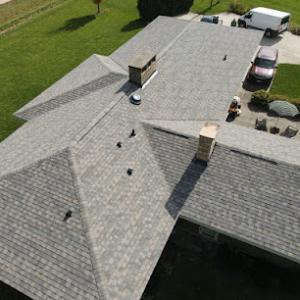
Platinum Quality Home Improvements
(844) 766-3815 platinumqualityroofing.com
418 W Meadows Dr, Freeport, Illinois
4.5 from 16 reviews
Platinum Quality Home Improvements provides metal and asphalt roofing, siding, window replacement and storm damage services to Freeport, IL and surrounding areas.
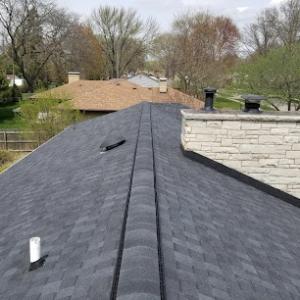
RockValley Roofing
(815) 494-5640 www.rockvalleyroofinginc.com
112 Berrywood Dr, Freeport, Illinois
5.0 from 4 reviews
24yrs experience in roofing Northern Illinois and Southern Wisconsin.
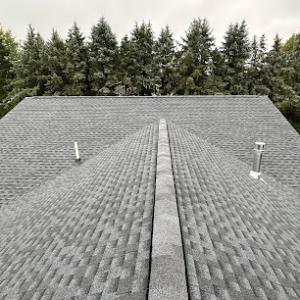
Precision Exteriors Inc (PEI Construction)
(815) 990-7996 pei.construction
Serving
5.0 from 49 reviews
24/7 Emergency Services Available. Premier Roofing, Siding, Decks, Windows & Gutter Repair, Replacement, & Installation Company with Affordable Rates
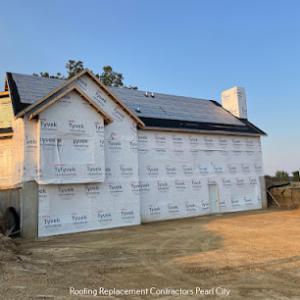
Midwest Roofing & Concrete
(815) 238-5334 midwestrandc.com
Serving
5.0 from 84 reviews
Midwest Roofing & Concrete, a construction company and roofing contractor established in 2022, is renowned for its professional roofing and siding replacement services. With a team of highly skilled roof technicians and a wide range of high-quality materials, Midwest Roofing & Concrete specializes in replacing asphalt shingles, metal roofs, and flat roofs for both residential and commercial properties. Services also include roof restoration, repair, inspection, and maintenance, ensuring customers have access to comprehensive roofing solutions. Along with extensive knowledge in the roofing industry, Midwest Roofing & Concrete is a highly rated siding and exterior remodeling company.
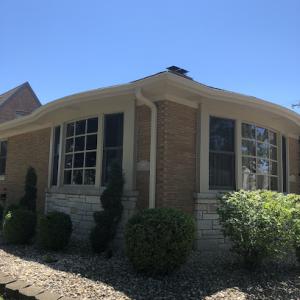
Perfect Roofing
(773) 631-9120 perfectroofinginc.com
Serving
4.7 from 31 reviews
Operating since 1993. Perfect Roofing is a family-founded company specializing in roofing, siding and gutters. In addition to being licensed, bonded and fully insured, Perfect Roofing is accredited by the Better Business Bureau and preferred contractor for industry-leading manufacturer, Owens Corning. As a small local business, our mission is to provide our customers with excellent customer service, expert knowledge and quality craftsmanship. Customer satisfaction is out top priority. Perfect Roofing has remained in business thanks to our customer's wonderful referrals and word of mouth. We are confident that our years of experience, integrity and work will exceed your expectations.
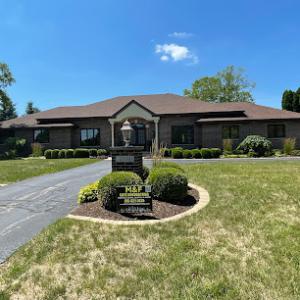
M & F Elite Contracting
(815) 621-1625 www.mfelitecontracting.com
Serving
5.0 from 10 reviews
Hi, we are your 1. local 2. trusted 3. recommended Roofing Contractors serving Illinois and Wisconsin. We also do Gutters, siding etc on your homes exteriors

Midwest Roofing & Gutters
(262) 307-8862 midwestroofingandgutters.com
Serving
5.0 from 4 reviews
Roofing and Siding contractor in southeastern Wisconsin
Cold winters in this area create repeated freeze-thaw cycles that punish shingle edges, tabs, and fasteners. Each thaw softens granules slightly and then a hard freeze solidifies them in place, slowly accelerating granule loss and edge crack risk. Over time, that cycle can shorten the life of asphalt shingles and gradually wear underlayment and roof decking, especially in sections where sun exposure or vented pathways are limited. The effect isn't dramatic year to year, but it compounds across a roof's life, quietly reducing protection against leaks and wind uplift. In a neighborhood with older stock, this slow erosion often shows up first as curling edges, softer granules in gutters, and small, hard-to-see gaps around flashing or transitions.
Fall and early-winter debris and moisture conditions in this climate can trap water at flashing and roof transitions before hard freezes set in. Leaves, pine needles, and wind-blown debris accumulate near chimney joints, skylights, and rafter tails, creating damp pockets that keep flashing seals moist for longer than ideal. When freezing temperatures arrive, those damp spots can develop tiny cracks or separate slightly, allowing moisture to wend its way into roof decking or the attic edge. The problem is subtle but persistent: water sits where sun and wind fail to dry it quickly, and repeated freezing exaggerates any existing micro-blowouts or nail-head corrosion. The result can be a slow creep of moisture intrusion that only shows up after a thaw and rain event-often after a period when the next thunderstorm season is already on the horizon.
Replacement timing in this climate is heavily influenced by whether winter cycling has already opened vulnerable areas before the next thunderstorm season. If a roof shows early signs of aging-softened granules, lifted edges, or compromised flashing-and those weaknesses were exposed by an autumn freeze-thaw before a major storm, the risk of rapid damage rises during spring storms. Conversely, a roof that has avoided major winter stress and shows solid ventilation, intact underlayment, and clean transitions may weather a late-winter storm cycle with less immediate risk. The key is recognizing vulnerable zones ahead of the heaviest rain and wind periods, so that a repair or replacement plan can be staged rather than rushed in the middle of a storm event. Waiting too long can push you into a window where a single high-wind or hail event creates more extensive interior damage than a measured, pre-storm update would have.
A cautious homeowner should pay close attention to areas around valleys, vents, and chimneys, where water tends to gather during freezes and thaws. Inspect for signs of edge curling, lifting, or granule loss, and note any small leaks in the attic near roof-to-wall transitions after heavy rain. In the attic, look for damp spots, fresh nail heads, or staining along rafter bays. If a roof has steam or moisture traces that linger after rain, that's a cue to inspect the underlayment and decking for soft spots or mold growth. Plan checks for late summer through early autumn, giving you a chance to address small issues before the next cycle begins. This focused vigilance can help prevent minor aging from becoming a larger, costlier problem when winter returns.
Asphalt shingles are the dominant practical choice for Freeport homes, especially on older houses where structure and venting can influence replacement decisions. In this climate, the shingles endure freeze-thaw cycles, spring hail, and seasonal wind gusts that can accelerate wear. When you're evaluating a roof, prioritize a product rated for high wind and good granule retention, and plan for a robust underlayment and proper attic ventilation. For homes with aging decking, consider upgrading to a self-sealing or architectural option that can better resist impact and provide longer service life through the region's cycling weather.
Metal roofing has a meaningful local specialty presence and is often considered by homeowners looking for improved performance in snow, rain, and repeated storm exposure. The lighter weight and fast shedding of moisture can help with ice dam risk and wind uplift concerns common in this area. When choosing metal, factor in panel profiles that shed wind efficiently and adequate underlayment to manage condensation in winter. For older homes with existing framing, confirm compatibility of fasteners and spacing, and plan for proper attic space and roof edge detailing to prevent wind-driven leaks after hail events.
Wood shakes, clay tile, concrete tile, and synthetic products exist in the market, but the weather pattern and older housing stock in this region make installation details and structural suitability especially important. Wood shakes can deliver a traditional look but are more vulnerable to hail and moisture unless thick, well-sealed, and properly fastened. Clay and concrete tiles offer durability and fire resistance but add weight and require careful structural assessment-especially on aging structures-to avoid sagging or cracking under freeze-thaw stress. Synthetic shingles can mimic other looks with lighter weight and good impact resistance, yet installation precision matters, and compatibility with ventilation and edge detailing remains essential.
A roof replacement for a vintage home often triggers changes to ventilation and underlayment strategies. The right combination prevents moisture buildup, reduces ice dam risk, and helps maintain energy efficiency through winter cycles. In all cases, ensure the deck is solid, fasteners are appropriate for the chosen material, and edge detailing controls wind-driven moisture. For each option, confirm that installation methods align with the home's structural realities and typical repair needs after hail and wind events. The goal is a roof that withstands Freeport's rapid seasonal shifts while preserving the home's character and longevity.
When you're estimating a re-roof in this area, the base material costs stay tightly linked to the product you choose. Typical Freeport material ranges run about $350-$650 per square for asphalt shingles, $600-$1200 for metal, $900-$1800 for clay tile, $800-$1600 for concrete tile, $600-$1000 for wood shingles or shakes, and $700-$1100 for synthetic or composite shingles. Those ranges reflect the local supply mix and the extra expectations homeowners have for long-term performance in harsh winters and spring storms. If you're leaning toward a higher-end option, plan for the higher end of the range, especially when the project involves longer lead times or specialty installations.
In many full re-roofs, the total price in Freeport can rise beyond the material itself when the job triggers changes to the ventilation or underlayment to meet current code realities during replacement. Older homes commonly found around town may require upgraded sheathing or more robust attic ventilation to handle freeze-thaw cycles and to prevent future moisture issues. That means you'll want to set aside a contingency for underlayment upgrades or additional venting provisions, even if the initial estimate seems straightforward.
Storm-driven demand plays a real role here. After hail or strong wind events in northern Illinois, scheduling tends to tighten and crews can be in high demand. That can push up both material lead times and labor costs in Freeport, sometimes by noticeable margins during peak storm weeks. If a hail event has just passed, expect a bit more price movement and a longer wait for an available crew. On the flip side, flexibility in timing can sometimes secure a better price, especially if you're not racing a clock for replacement.
Another factor specific to this market is the housing stock age. Older homes often require careful attention to matching existing roof lines, vent placements, and flashing details. If your home uses a non-standard ridge line or requires careful integration with existing fascia and gutters, labor hours can climb. This translates to higher per-square costs even before any premium products are considered.
When budgeting, project the low, mid, and high ends of the material range first, then layer in likely elevated costs from ventilation or underlayment, plus potential scheduling impacts from storm activity. This approach helps you set realistic expectations for a re-roof that protects the home through another long winter and the spring hail season.
In this city, a full re-roof project is generally treated as a permit-required job rather than informal maintenance. That means planning ahead for the permit review and inspection steps is essential, even if the job seems straightforward. When a project moves from assessment to replacement, expect the permit to cover more than just the new shingles or panels. The permit will often tie into mandatory updates for attic ventilation, underlayment, and potentially metal edging or approved fasteners, depending on the current code expectations in the neighborhood and the age of the home.
The local building department takes an active role in roofing projects. Plans are reviewed for basic structural compatibility, drainage, and details that affect ventilation and moisture control. The department issues the permit after the review is complete, and that permit becomes the authorization to begin work. Inspections are conducted during the course of the project and again after work is finished to verify compliance with the submitted plans and applicable codes. Expect the inspector to check attic ventilation, underlayment installation, and proper shingle or panel fastening, especially on homes with older sheathing or venting layouts.
Older housing stock in this area often benefits from improved ventilation and upgraded underlayment during a re-roof. Some projects may be required to add or upgrade vents, soffit baffles, or underlayment to satisfy current code expectations. If the plan includes venting improvements, the contractor should detail these changes on the permit set. Having documentation ready for the building department that shows how the attic will vent air and manage moisture can smooth approval. Underlayment choices are also scrutinized for suitability with the climate's freeze-thaw cycles and spring hail exposure.
Permit timelines and fees vary, so timing should be discussed early with the contractor and the local office. A typical workflow includes plan review, project start, periodic inspections during the job, and a final inspection to close the permit. Delays can arise if the plans show noncompliant ventilation or if the project scope shifts midstream. Coordinating with the contractor to align the start date with the availability of inspectors helps minimize hold-ups. If weather or supply delays push the schedule, keep the building department informed to avoid misunderstandings about permit status.
Before submitting plans, have a clear scope of work that includes roof deck condition, underlayment type, ventilation strategy, and any fascia or drip-edge changes. Gather schematic notes on attic vents, exhaust fans, and intake manifolds if they are part of the plan. The more complete the submittal, the smoother the review. After approval, ensure the contractor maintains open lines with the building department, so any required corrections or questions are addressed promptly during inspections.
Freeport sits in a northern Illinois wind and hail environment that produces more frequent roof claim activity than lower-risk markets. That pattern means storms can expose even well-maintained roofs to damage that isn't obvious at first glance. When a hail event or fast-changing freeze-thaw cycle hits, shingles can crack, granules can shed, and underlying underlayment may be compromised without visible signs from ground level. Recognize that the roof's true condition often reveals itself only after spring's storms or a mid-winter thaw, so a later discovery can complicate leakage timing and claim decisions.
Because carriers in the region often want detailed photos and condition records, Freeport homeowners benefit from documenting the roof before and immediately after storms. Start with a clear exterior sweep after any hail or high-wind event: capture all elevations, ridges, vents, and flashing, then zoom in on any dents, granule loss, or thin spots. Keep an ongoing photo archive labeled by date and event. Inside, note any attic signs of moisture, staining, or condensation, and preserve prior roof notes or service records. If an inspection occurs, request written findings and dated notes from the contractor and insurer alike, since these become critical during the claim review.
Claim handling in Freeport can become more demanding after widespread severe weather, making prompt inspections and organized records especially important. Insurance adjusters may prioritize high-visibility damage and may request access to roof and attic areas for assessment. A proactive homeowner arrives with a dated set of photos, a current wind-hail history, and a concise list of observed leaks or musty smells. Expect questions about ventilation and underlayment quality, particularly if the roof is older. Having independent documentation ready can prevent back-and-forth delays and help steer the discussion toward a transparent, timely resolution.
In the first 24 to 48 hours after a storm, conduct a careful exterior check and document findings. If there is visible damage or attic moisture, arrange a professional roof inspection promptly and coordinate findings with your insurer. Keep a log of all communications, including dates, names, and outcomes. When scheduling repairs, prepare to address both immediate leaks and longer-term integrity, since Wisconsin-border weather patterns in this area can stress flashing, vents, and underlayment in ways that aren't immediately obvious from the curb.
Connect with contractors who help homeowners navigate the claims process from damage assessment to final approval.

Bader Construction
(815) 242-0296 www.baderconstruction.net
2848 W Florence Rd, Freeport, Illinois
4.7 from 104 reviews
K. Kilker Construction
(815) 275-1163 kkilkerconstruction.com
1605 S Locust Ave, Freeport, Illinois
4.7 from 49 reviews
Hiester Construction
(815) 235-7766 www.hiesterconstruction.com
1073 S Arcade Ave, Freeport, Illinois
4.4 from 35 reviews
In Freeport, flashing and moisture trouble often shows up after fall debris buildup is followed by early winter wet-freeze conditions. Leaves and needles can clog valleys and around transitions, trapping moisture that freezes and expands. Inspect flashings around chimneys, vent stacks, and skylights after leaf drop, and clear debris from these areas before temps drop. If flashing shows lifting or gaps, address it before the snow flies.
Repeated winter stress in Freeport can expose weaknesses in underlayment and roof decking that may not be obvious until spring rain or summer storms arrive. Look for soft spots, spongy feel, or noticeable bounce in the attic floor or ceiling beneath suspected roof areas. In spring, slow leaks may appear first as interior dampness or staining, then share the story with the wind-driven rain that followed a freeze. When replacing decking, ensure underlayment is compatible with the local freeze-thaw cycle and that any nail or screw penetrations are properly sealed.
Local contractor signals show recurring homeowner concern around chimneys and skylights, which are common leak points when storm damage and seasonal movement combine. Check sealing around chimney bases and along flashing seams for hairline cracks or missing caulk after heavy storms. Skylights should be tested for condensation between panes and for any seam leakage around the curb. If movement or cracking is found, schedule targeted resealing or flashing repairs rather than a full teardown.
Temperature swings from late fall to mid-winter can stress roof assemblies, especially in older homes with mixed materials. Expansion joints near eaves, roof-to-wall transitions, and around vent flashing can open gaps. Monitor these areas after a thaw followed by a hard freeze, and seal or reinforce as needed to prevent water tracking toward interior ceilings.
Moisture trouble may mimic a leak when attic ventilation is inadequate during rapid seasonal changes. Check attic vents, ridge vents, and soffit intake for blockages or sagging insulation that traps humidity. Proper ventilation reduces ice dams and minimizes condensation that can masquerade as roof leaks in springtime storms. Regular inspections after extreme cold and before heavy rains help catch small issues before they worsen.
Find contractors experienced in skylight installation, flashing, and leak repairs to bring natural light into your home.
K. Kilker Construction
(815) 275-1163 kkilkerconstruction.com
1605 S Locust Ave, Freeport, Illinois
4.7 from 49 reviews
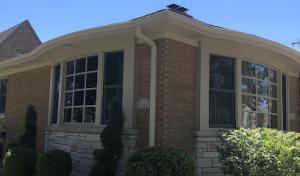
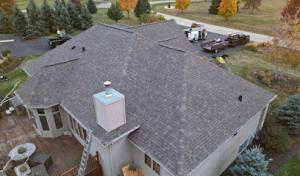
Flat and low-slope roofing is a smaller but active specialty in Freeport rather than the dominant residential roof type. Additions, porches, and mixed rooflines create sections that act differently than the primary shingles, especially when the weather shifts from freeze-thaw cycles to heavy summer rain. Those differences show up in drainage, fascia clearance, and how water sits at transitions between sloped and flat sections.
When a main roof replacement is planned, inspect the low-slope tie-ins as a separate task. These areas age and drain differently from the field, so they deserve careful evaluation for deck condition, underlayment compatibility, and flashing continuity. In homes with porch roofs or bump-outs, measure all slope transitions and confirm that any new, compatible membranes will bond well to the existing surface without creating cold joints or ponding spots.
Heavy summer rain in our area tests flat sections for ponding. Ensure that nearby scuppers, parapets, and edge details are clean and functional, and that the drip edge ties in securely to the primary roof system. Flashings should be continuous at all transition corners, with extra attention given to the intersection where low-slope meets higher-slope fields. Debris screens on any flat vents and scuppers help prevent backups during rapid summer downpours and the accumulation of winter moisture cycling.
Choose a low-slope membrane that tolerates Freeport's freeze-thaw pattern and seasonal moisture movement. The goal is a seamless interface between the main roof and the low-slope section, with a membrane that remains flexible through temperature swings. Ensure that fasteners and sealing products are compatible with the adjacent shingle field so the whole assembly breathes and drains as a single system.
After completion, schedule a targeted inspection of the low-slope tie-ins during the first spring thaw and again after any major storm. Look for unusual waviness, blisters, or minor ponding that can signal edge or flashing issues. Regularly trim overhanging branches and clear debris from any edges to preserve drainage efficiency through Freeport's changing seasons.
Find specialists in TPO, EPDM, and built-up flat roofing systems for residential and commercial properties.
MAS Roofing Siding & Decking
(815) 235-7883 masroofinginc.com
3198 W Lily Creek Rd, Freeport, Illinois
4.5 from 86 reviews